

New-Year Decoration Reset for Homes: An Architectural Approach to Clarity
The New-Year decoration reset is more than a seasonal refresh, it is an architectural act of subtraction, clarity, and intention. By rethinking objects, light, materials, and circulation, domestic interiors become spaces that support focus, calm, and everyday rituals. This reflective process positions the home as a living framework shaped by time, use, and spatial awareness.
 Sinan Ozen15 January 20263 Mins read193

Table of Contents Show
The turn of the year has long functioned as a cultural threshold, a moment suspended between closure and renewal. Within the domestic interior, this transition carries a particular architectural weight. Homes, unlike public buildings, accumulate time visibly: objects gather, surfaces record habits, and decoration becomes an archive of personal narratives layered over months or years. The New Year offers not simply an opportunity to refresh aesthetics, but a chance to recalibrate spatial relationships, sensory balance, and the psychological role of the home itself. In a world increasingly defined by speed, saturation, and visual noise, the idea of a “decoration reset” speaks less to trend-following and more to intentional subtraction. It is an architectural act performed at the scale of everyday life, quiet, reflective, and deeply cultural.
Rather than seasonal ornamentation or short-lived stylistic shifts, the New-Year decoration reset invites occupants to reconsider how space supports routine, rest, and thought. It questions what deserves permanence and what has overstayed its relevance. This process aligns closely with architectural thinking: evaluating function, atmosphere, proportion, and material presence. In this sense, the home becomes a laboratory for spatial clarity, one that mirrors broader architectural conversations about minimalism, sustainability, and human-centered environments.

Clearing Visual Noise: Space as a Cognitive Framework
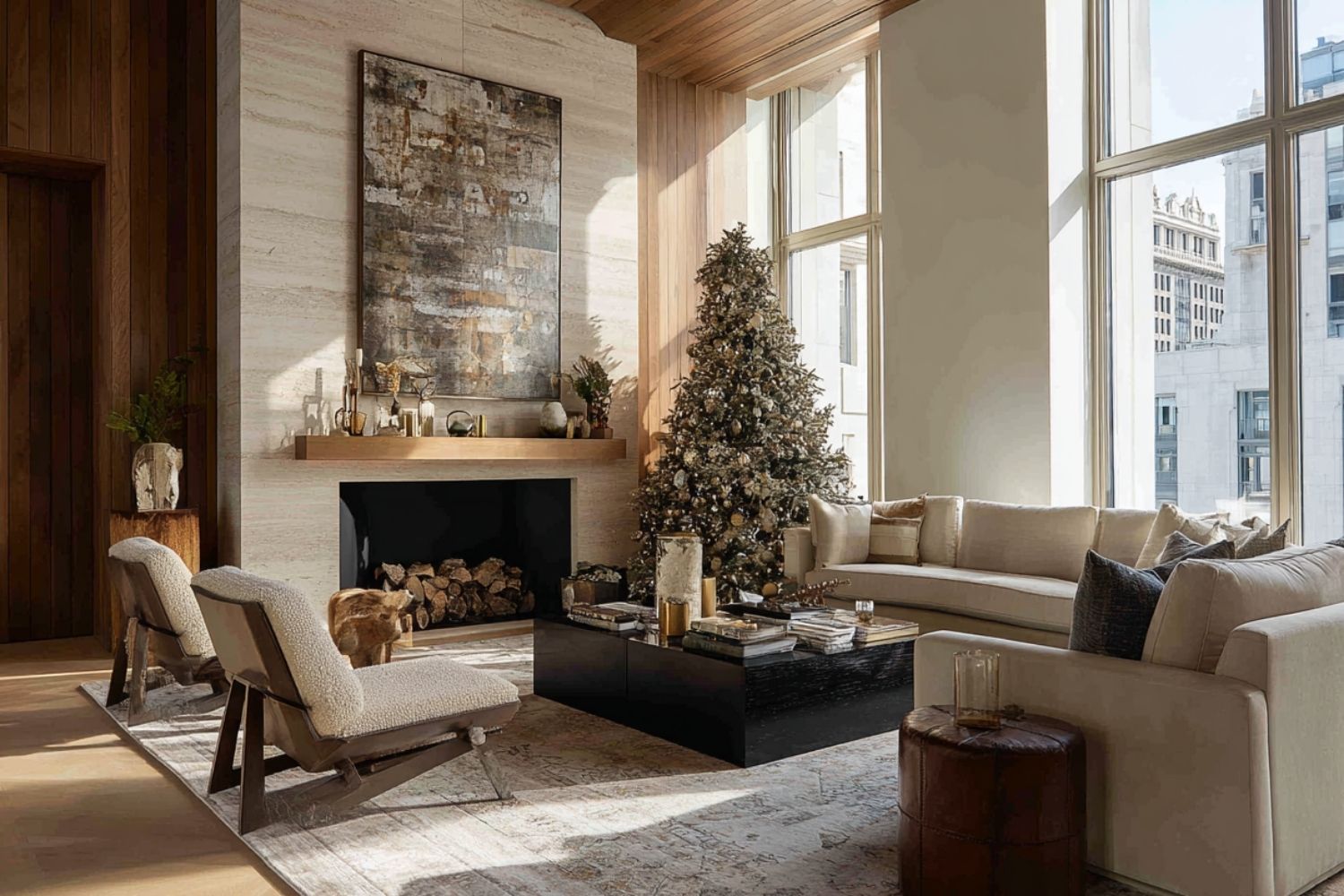
The first act of a decoration reset is not decorative at all, it is subtractive. Removing excess objects, redundant furniture, and visually competing elements allows space to reassert itself as a spatial framework rather than a storage surface. From an architectural perspective, visual noise disrupts legibility; it blurs hierarchies between structure, object, and circulation. When interiors are overcrowded, the eye has no resting point, and the mind mirrors that restlessness. A New-Year reset restores visual hierarchy by allowing walls to breathe, alignments to re-emerge, and negative space to regain agency. This matters because architecture is experienced not only through form but through clarity: how easily space communicates its purpose and rhythm. In domestic settings, this clarity directly influences focus, calm, and daily movement.
Rebalancing Light: Winter Illumination as Spatial Strategy
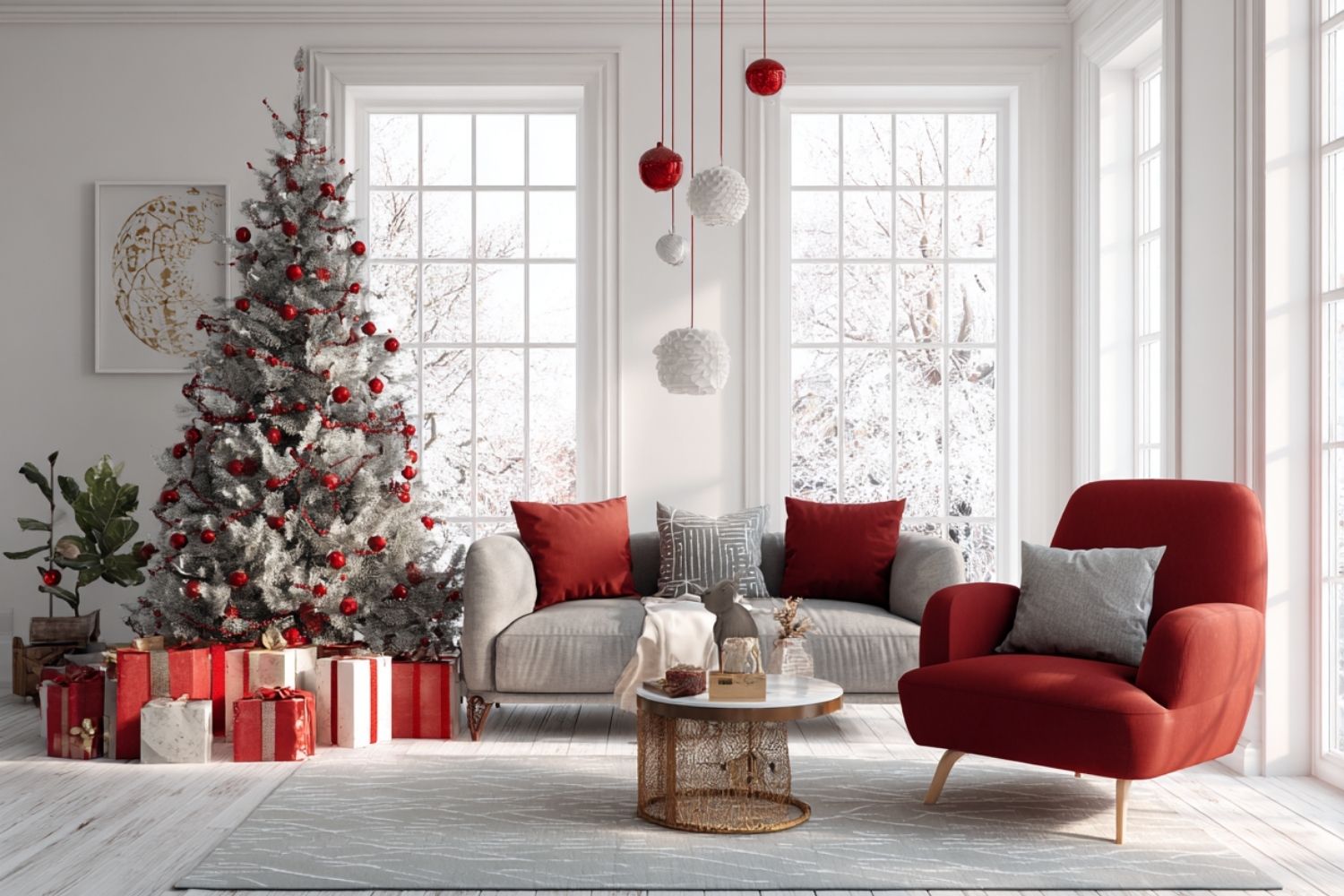
Light behaves differently in winter, and the New Year often arrives at a moment when interiors are starved of daylight. A thoughtful decoration reset responds by rethinking how light, both natural and artificial, is distributed and amplified. Removing heavy curtains, repositioning mirrors, or simplifying window-adjacent surfaces allows daylight to penetrate deeper into the interior. Artificial lighting, meanwhile, benefits from restraint: fewer fixtures with warmer temperatures create layered atmospheres rather than uniform brightness. For architects and designers, light is not an accessory but a primary material. In homes, recalibrating light at the start of the year reshapes how rooms are perceived in scale and mood. It reinforces architecture’s capacity to guide emotional experience without altering a single wall.
Material Honesty and Tactile Calm
The New-Year reset often reveals a craving for material sincerity, textures that feel grounded rather than performative. Smooth plastics and glossy finishes, once associated with modernity, increasingly give way to wood grain, stone, linen, and matte surfaces. This shift reflects a broader architectural movement toward tactile calm and sensory balance. In the home, replacing decorative excess with fewer, materially expressive elements re-centers attention on how spaces are touched, not just seen. This matters because domestic architecture is lived through proximity: hands on surfaces, feet on floors, bodies against furniture. A reset that prioritizes material honesty transforms interiors into environments of quiet resilience rather than visual stimulation.

Objects with Narrative Weight: Curating Meaning Over Quantity
A decoration reset does not imply emptiness; it implies discernment. Objects that remain after the reset are no longer fillers but carriers of narrative weight, books, artworks, tools, or inherited pieces that anchor identity. From an architectural standpoint, this parallels the idea of programmatic clarity: every element has a reason to exist. When objects are curated rather than accumulated, they establish points of focus that enrich spatial experience without overwhelming it. This practice matters because architecture is inseparable from memory. The home becomes legible not through abundance, but through carefully chosen markers that connect space to personal and cultural time.
Reclaiming Circulation and Domestic Flow
Over the course of a year, homes often lose their intended flow. Furniture drifts, storage expands, and circulation paths narrow. A New-Year reset restores movement as a design priority. Clearing pathways, reorienting seating, and redefining thresholds between zones, work, rest, gathering, reasserts spatial logic. Architects understand circulation as the invisible skeleton of design; in homes, reclaiming it improves not only usability but mental ease. This matters because daily life is choreographed through movement. When circulation is intuitive, the home supports routines rather than resisting them, reinforcing architecture’s role as an enabler of everyday well-being.
Conclusion: The Domestic Reset as Architectural Practice
The New-Year decoration reset, when approached thoughtfully, transcends lifestyle advice and enters the realm of architectural practice. It is a micro-scale exercise in spatial editing, material awareness, and human-centered design. By subtracting, rebalancing, and curating, inhabitants engage, often intuitively, with the same questions architects face: what is essential, what is excessive, and how does space shape behavior over time?
Looking forward, this domestic ritual reflects a broader cultural shift toward slower, more intentional spatial relationships. For students, designers, and practitioners, the home offers a testing ground for architectural values without drawings or construction. The reset becomes an annual reminder that architecture does not begin on site, but in awareness, of light, material, movement, and meaning. In that sense, the New Year is not merely a date change, but an invitation to practice architecture at its most intimate scale.







How Integrated Furniture Can Shape the Architecture of Urban Interiors
Most people treat furniture as the last decision in interior architecture, yet...
 illustrarch Editoral Team2 Mins read
Architecture and Interior Design: Can Architects Specialize in Both?
Architects hold most of the skills interior design needs, from space planning...
 Furkan Sen5 Mins read
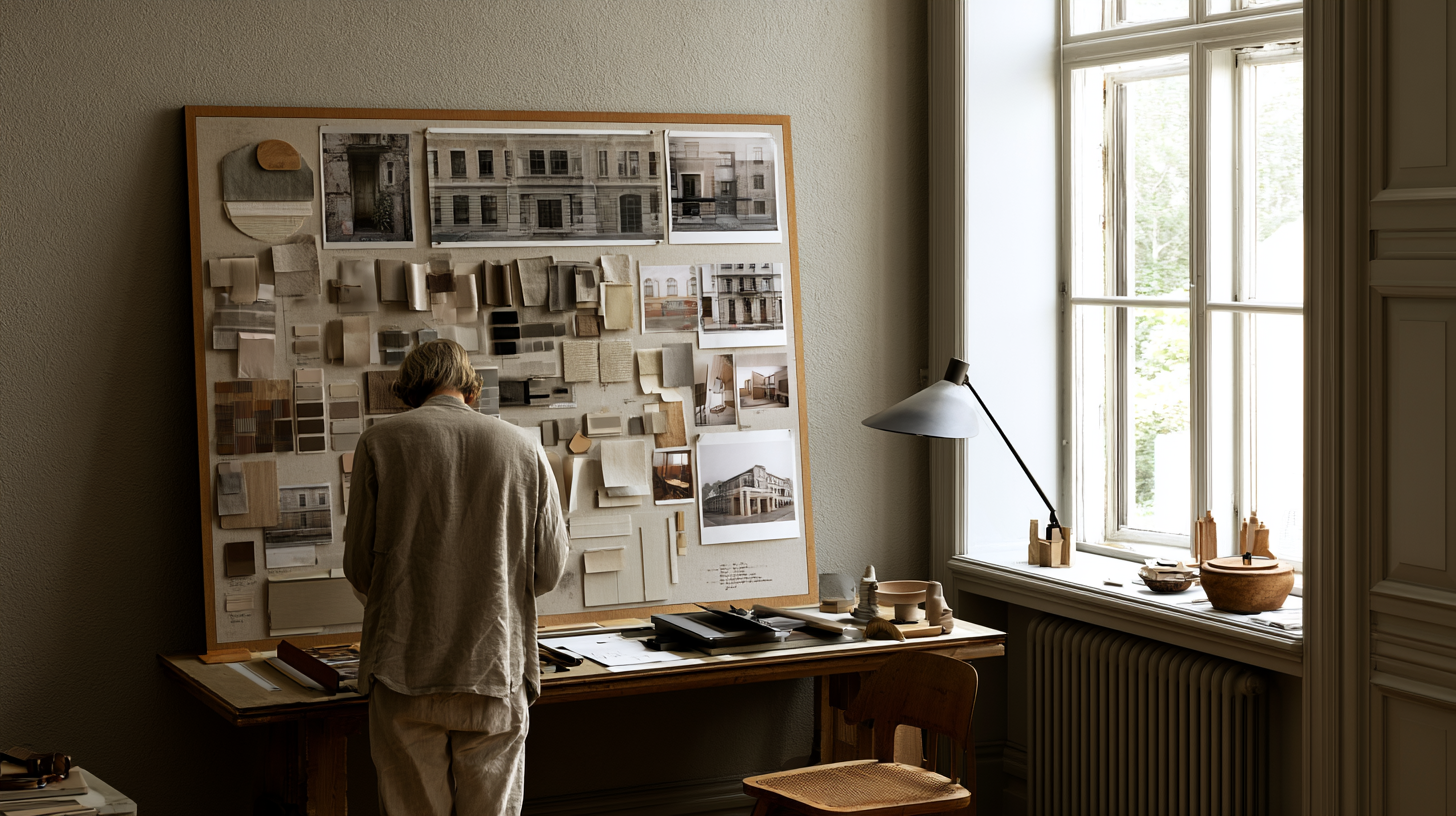
How to Make an Architecture Mood Board: A Step-by-Step Guide
A practical walkthrough for building an architecture mood board, covering how to...
Furkan Sen6 Mins read
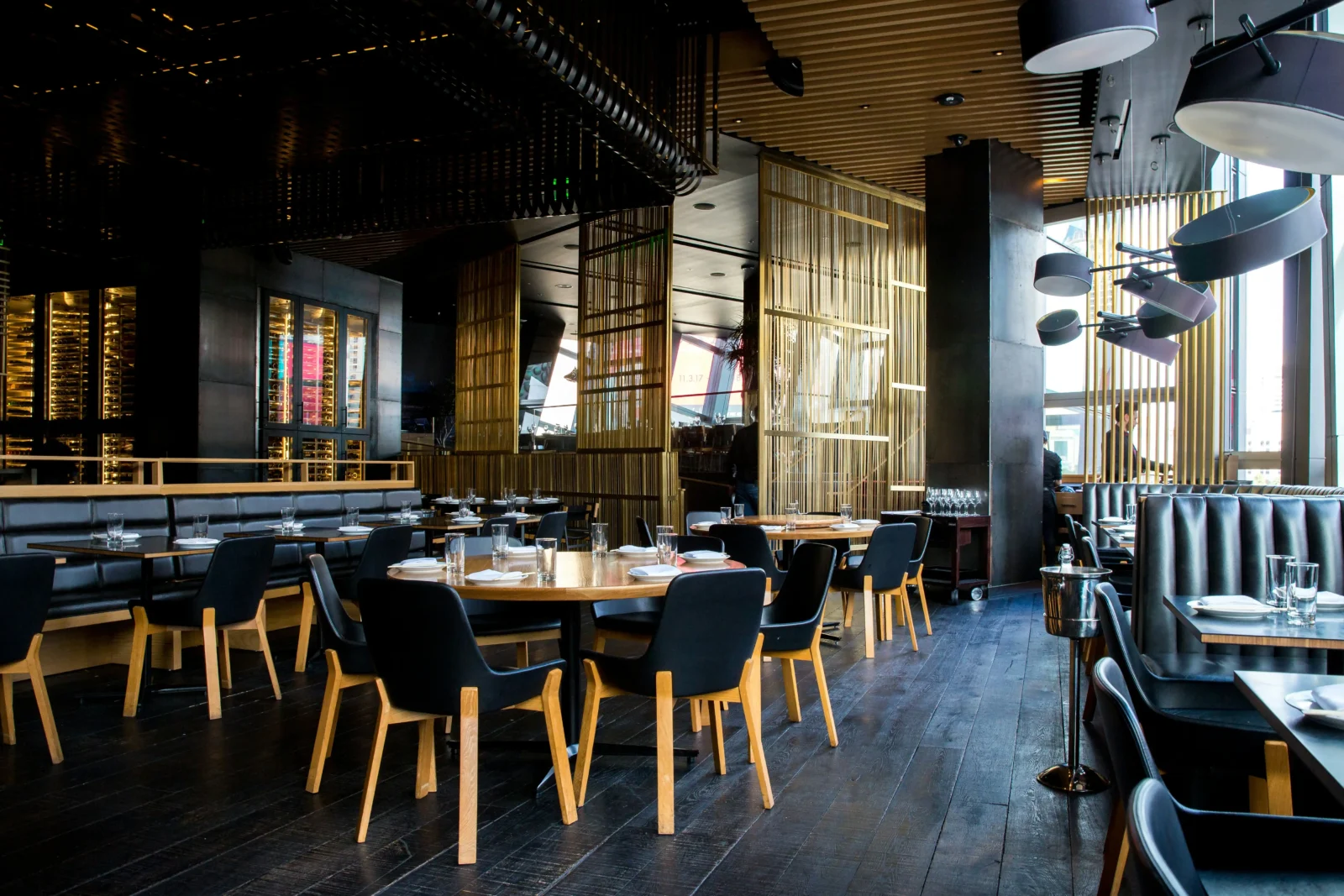
The Power of Ambience: Role of Restaurant Design on Customer Experience
A restaurant's ambience, its lighting, layout, and decor, quietly shapes how guests...
illustrarch Editoral Team3 Mins read


Leave a comment