

10 Best Lifesaver Portfolio Tips for Young Architects and Architecture Students
Looking for the best architectural portfolio tips? This comprehensive guide covers 15 essential strategies for architecture students and young architects — from minimalist design and layout planning to interview preparation and grad school applications. Whether you're building an undergraduate architecture portfolio or preparing for a landscape architecture role, these expert tips will help you stand out.
 Muhammad Abdullatef - Tifa Studio21 January 20268 Mins read535
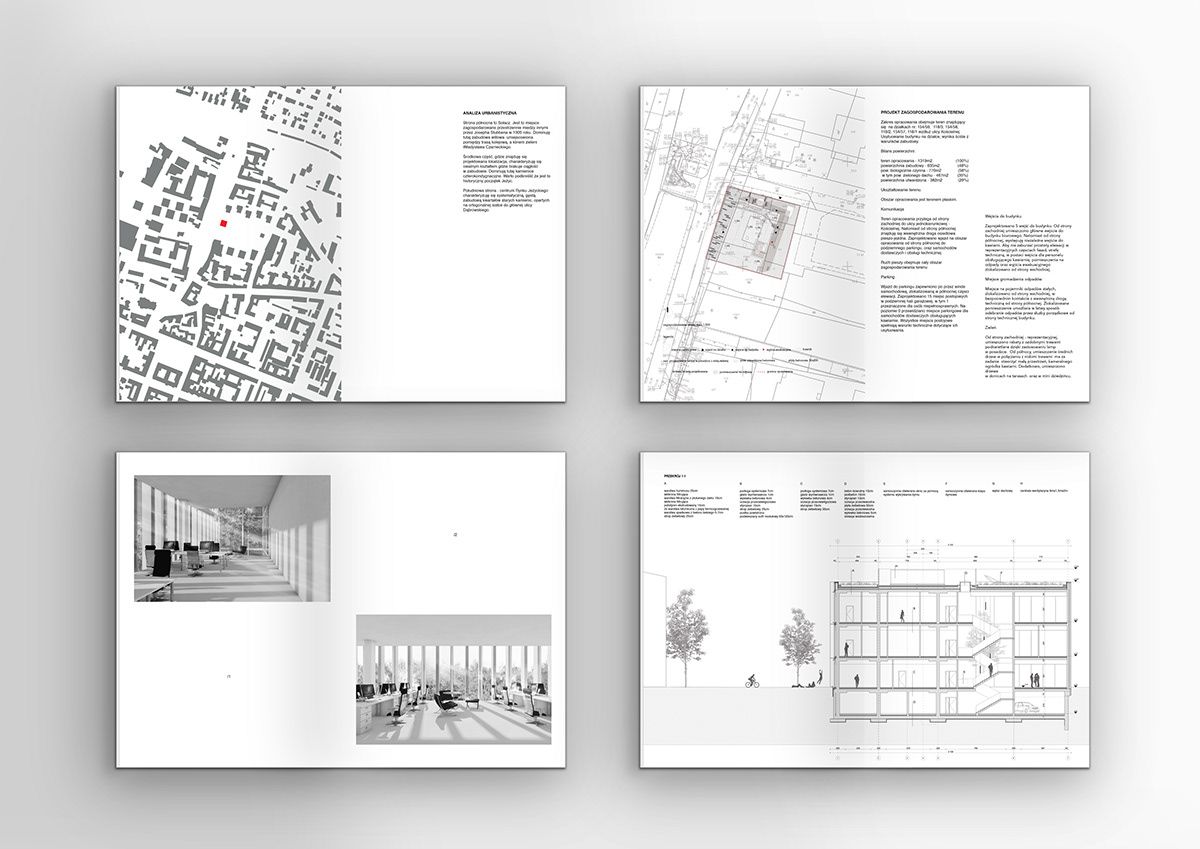
Table of Contents Show
1. Create a Minimalist Portfolio Design
2. Emphasize Who You Are Through Your Portfolio

3. Concentrate on Content Over Decoration
Architecture portfolios always become the representation of the skills of a person. It is often filled with admirable drawings and beautiful renders. But, what you miss out on in a portfolio is the content you have in mind. Getting immersed in doing the precise drawings and colorful renders, you shall not concentrate on the content. Beyond your drawings and renders, the content gets you to where you want yourselves to be. Strong portfolio texts and project descriptions demonstrate critical thinking and analytical ability, which are qualities that firms actively seek in candidates.4. Presentation Is as Important as the Content

5. Be Consistent with Your Visual Language

6. Keep Your Portfolio Short and Focused
Portfolios with a lot of pages are rarely looked at entirely. Architecture offices receive dozens of portfolios a day and so it is important to be short and straight to the point. Obviously, there is no specific length for a good portfolio, but definitely, a portfolio of 40 pages with 10 projects of yours would seem too long and boring. Be short and specific about what you have to present and remember your portfolio would not be skimmed for more than a minute. For architecture grad school portfolio tips, most programs recommend 20–30 pages featuring 4–6 of your strongest projects. For job applications, aim for 15–20 pages. Learn more about the ideal portfolio size for different career stages.7. Show Your Analytical and Research Skills
8. Eliminate Grammar and Spelling Errors

9. Master the Delivery of Your Portfolio
Delivering your portfolio in the right way is much more important than making it. The text in the body of the email should be brief and attractive. Honest letters are better than very formal letters. Also, make sure your portfolio is easily accessed by the recruiter. Make your portfolio below 15 MB, and do not send a drive link to your portfolio. And be careful not to forward the same e-mail to all offices that you intend to look for a job at. If you want to explore digital versus physical portfolio formats, consider what each firm prefers — some offices still appreciate a well-printed booklet brought to the interview.10. Always Tell the Truth in Your Portfolio
The last but not least, always tell the truth. You shall do changes according to the office you are applying to. But don’t invent or exaggerate in the portfolio to get the job. Just be yourself. If a project was collaborative, clearly state your specific role and contributions. Transparency builds trust, and experienced hiring managers can easily spot inflated claims during an architecture interview.11. Design a Compelling Portfolio Cover
Your architecture portfolio cover is the first thing anyone sees, and first impressions matter enormously. A well-designed cover should reflect your personal brand, include your name and contact information, and hint at the quality of work inside. Avoid generic stock imagery — instead, use a striking detail from one of your best projects. Think of the cover as an architecture portfolio design tip in itself: if the cover looks thoughtless, reviewers may assume the same about the content. For landscape architecture portfolio tips, consider using a beautifully composed site plan or planting detail as your cover image.12. Tailor Your Portfolio for Each Application
One of the best architecture portfolio tips that many students overlook is customization. A portfolio for a residential design firm should emphasize different projects than one aimed at an urban planning office. For architecture grad school portfolio tips, research each program’s design philosophy and highlight projects that align with their values. If applying for a landscape architecture position, foreground your site analysis and planting design projects. For architecture interview portfolio tips, prepare a shorter “presentation version” that you can walk through in 10–15 minutes while explaining your design process.13. Leverage Digital Tools and Portfolio Platforms
In 2026, having a strong digital presence is as important as the portfolio document itself. Platforms like Behance, Issuu, and personal portfolio websites built with tools such as Webflow or WordPress allow you to showcase your work to a global audience. Explore which portfolio software tools best suit your needs. For undergraduate architecture portfolio tips, starting with a free Issuu account or a simple Behance page can be an excellent first step. Make sure your digital portfolio loads quickly, looks great on mobile devices, and includes downloadable PDF versions.14. Include a Diverse Range of Skills and Media
The best architecture portfolio tips emphasize showing versatility. Include hand sketches, digital renders, physical model photographs, technical drawings, and diagrams. If you have experience with parametric design, BIM software like Revit, or computational tools like Grasshopper, showcase those capabilities. For architecture design portfolio tips specifically: a portfolio that demonstrates both artistic sensibility and technical proficiency is far more compelling than one focused solely on beautiful images. Check out successful portfolio examples by young architects for inspiration.15. Update Your Portfolio Regularly
Your architectural portfolio is a living document that should evolve alongside your career. Remove older, weaker projects and replace them with your most recent and strongest work. After every significant project, studio course, or competition, update your portfolio immediately while the work is fresh. This is one of the most overlooked architecture student portfolio tips — graduating with an outdated portfolio puts you at a disadvantage compared to peers who have been curating throughout their studies. For more guidance on keeping your portfolio current, explore our ultimate architecture portfolio guide.Download 250+ Portfolio Templates
Frequently Asked Questions About Architectural Portfolio Tips
What should an architecture student include in their portfolio?
An architecture student portfolio should include 4–6 of your best projects, a personal statement or design philosophy, diverse media such as sketches, renders, diagrams, and technical drawings, plus a brief description for each project explaining your design process. Tailor the content to your target audience — whether it is a graduate school, an internship, or a full-time position.How long should an architecture portfolio be?
For job applications, 15–20 pages is generally ideal. For graduate school applications, 20–30 pages works well. The key is quality over quantity — include only your strongest work, and make sure every page adds value to your overall narrative.What are the best layout tips for an architecture portfolio?
The best architecture portfolio layout tips include using a consistent grid system, maintaining generous white space, limiting your typeface selection to one or two fonts, and creating a clear visual hierarchy. Each spread should be easily scannable, with images as the primary focus and text serving as supporting context.How do I prepare my portfolio for an architecture interview?
For architecture interview portfolio tips, create a condensed “presentation version” of around 10–15 pages that you can walk through in a conversation. Practice explaining each project in 2–3 minutes, focusing on the design challenge, your approach, and the outcome. Bring both a digital tablet version and printed pages in case of technical issues.Should landscape architecture portfolios be different from general architecture portfolios?
Yes. Landscape architecture portfolio tips emphasize site analysis, ecological thinking, planting plans, grading drawings, and an understanding of natural systems. While the core principles of clean design and strong storytelling apply equally, landscape architecture portfolios should prominently feature outdoor spaces, environmental design, and the relationship between built and natural environments.- architectural portfolio design tips
- Architectural Portfolio Tips
- architecture career starter portfolio
- architecture design portfolio tips
- architecture grad school portfolio tips
- architecture interview portfolio tips
- architecture portfolio
- architecture portfolio advice
- architecture portfolio covver tips
- architecture portfolio design tips
- architecture portfolio for beginners
- architecture portfolio layout ideas
- architecture portfolio layout tips
- architecture portfolio tips
- Architecture profession
- architecture school portfolio tips
- Architecture Student Portfolio
- architecture student portfolio examples
- architecture student portfolio tips
- architecture tips tips architecture portfolio
- Architetural Portfolio Design
- best architecture portfolio design
- best architecture portfolio tips
- Best portfolio
- Career portfolio
- creating an architecture portfolio
- Effective portfolio
- essential portfolio tips for architects
- how to build an architecture portfolio
- illustrarch portfolio design
- improving architecture portfolio
- landscape architecture portfolio tips
- Lifesaver tips
- modern architecture portfolio ideas
- portfolio design
- portfolio development for architects
- portfolio techniques for young architects
- portfolio templates
- portfolio tips for architecture students
- portfolio tips for young architects
- student architecture portfolio tips
- successful architecture portfolio tips
- tips for architecture students
- undergraduate architecture portfolio tips
- young architect portfolio guidance








Best Presentation Tools for Architecture Portfolios: A Practical Guide
A breakdown of the top presentation tools used by architects and architecture...
 Sinan Ozen8 Mins read
Architecture Portfolio for Internship: 8 Steps to Stand Out and Get Hired
A focused guide to building an architecture portfolio for internship applications. Covers...
 Elif Ayse Sen13 Mins read

Architectural Portfolio Visibility on Pinterest: A Practical Guide for Architects
Pinterest operates less like a social network and more like a visual...
Sinan Ozen6 Mins read

How to Study Ancient Architecture: Tips and Resource
A practical guide to studying ancient architecture across Egyptian, Greek, and Roman...
Elif Ayse Sen10 Mins read


Leave a comment