

How to Create an Impressive Architectural Technician Portfolio That Stands Out
Discover how to build a standout architectural technician portfolio that showcases your technical drawings, BIM proficiency, and problem-solving skills. Learn the key components every portfolio needs, tips for strategic organization, common mistakes to avoid, and the best tools and platforms to present your work professionally.
 Sinan Ozen13 January 20269 Mins read613

Table of Contents Show
Creating an architectural technician portfolio is more than just showcasing our skills, it’s our chance to tell a story. This collection of work reflects not only our technical expertise but also our creativity and problem-solving abilities. Whether we’re just starting out or looking to advance our careers, a well-crafted portfolio can set us apart in a competitive field. In 2025, employers and clients increasingly expect portfolios that demonstrate both traditional drafting precision and proficiency with modern Building Information Modeling (BIM) workflows.
See also our guide to architectural presentation boards.
As architectural technicians, our role bridges the gap between design and construction. Our portfolios need to highlight this unique position by presenting detailed drawings, innovative solutions, and our ability to bring concepts to life. It’s not just about what we’ve done; it’s about showing how we think and work. Let’s explore how we can build a portfolio that truly represents our professional identity.

What Is an Architectural Technician Portfolio?
An architectural technician portfolio is a curated collection of visual and written work that demonstrates technical expertise, design problem-solving, and project contributions. It bridges technical proficiency with creative execution, highlighting detailed drawings, construction documentation, and collaborative projects. According to the Chartered Institute of Architectural Technologists (CIAT), a strong portfolio is one of the most effective ways to communicate professional competence in architectural technology.
Portfolios typically include floor plans, 3D models, material specifications, and case studies. For example, showcasing CAD drawings or Revit models for complex structures illustrates both software skills and real-world applications. Each project should communicate the technician’s role, emphasizing contributions to meeting design and construction objectives.
The portfolio serves as a professional tool to showcase qualifications and communicate value to potential employers or clients. A combination of precision, creativity, and practicality defines its structure, representing the technician’s ability to translate architectural designs into actionable solutions. Whether submitted as a PDF, a printed booklet, or hosted on a website portfolio for architects, the format should always prioritize clarity and professionalism.

Key Components of an Architectural Technician Portfolio
An effective architectural technician portfolio includes diverse elements that reflect technical expertise, creativity, and attention to detail. Each component showcases our capabilities in bridging design and construction processes. Understanding essential elements for a successful architectural portfolio helps ensure nothing critical is overlooked.
Technical Drawing Samples
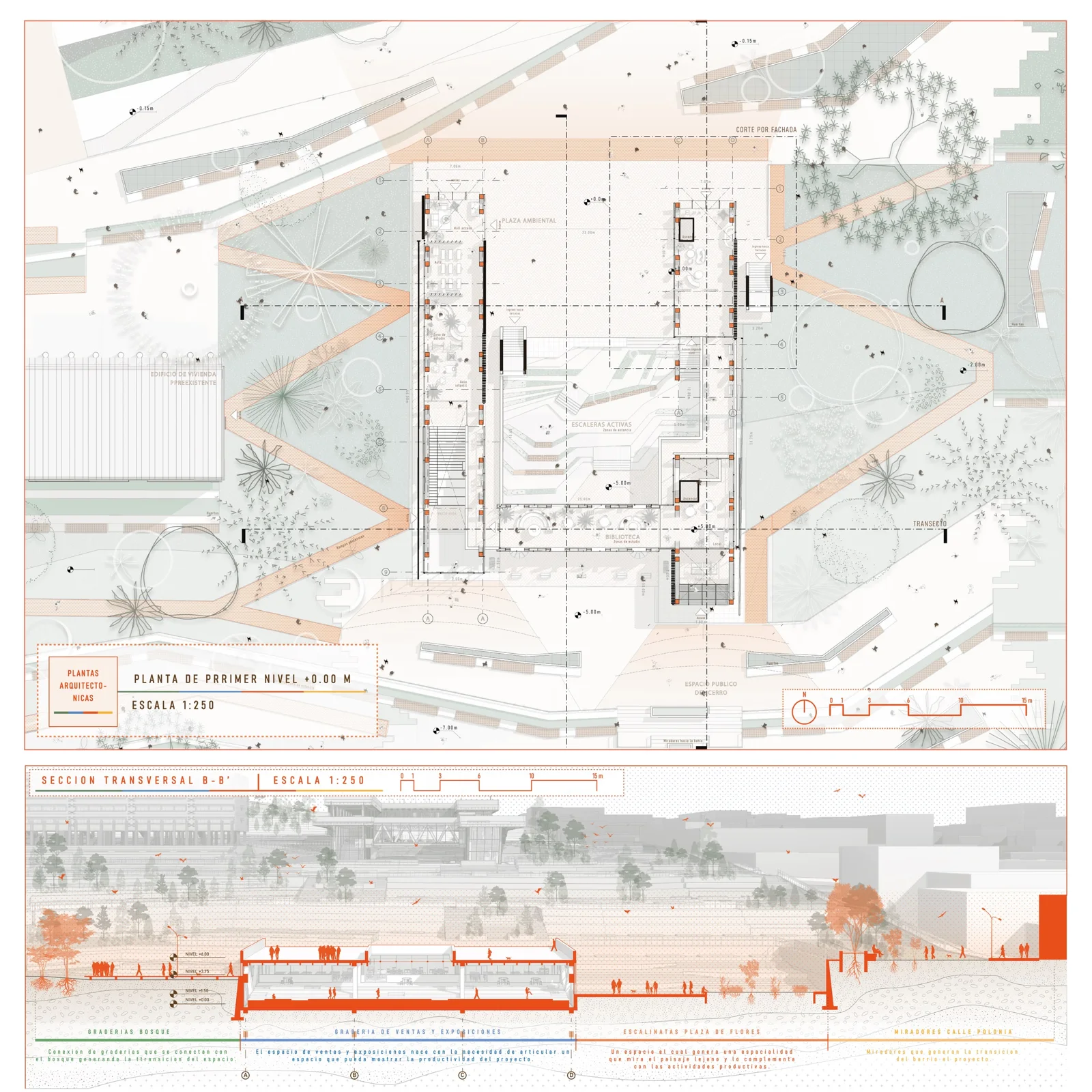
Including technical drawing samples demonstrates precision and understanding of architectural standards. We should add detailed floor plans, elevations, sections, and construction details to validate our ability to produce accurate, industry-compliant deliverables. Highlighting drawings created for real-world projects or coursework adds authenticity to our skillset. Annotating key dimensions, material callouts, and building regulation references shows reviewers that we understand real construction workflows.
Software Proficiency Highlights
Showcasing software proficiency highlights our ability to work with industry-standard tools. We should list software like AutoCAD, Revit, SketchUp, and BIM platforms, including relevant examples of 3D models or simulations. Annotating software-specific skills, such as rendering or parametric modeling, strengthens our portfolio’s technical depth. Proficiency in newer tools like Twinmotion or Enscape for real-time visualization is also valued by many firms today.
Project Work Examples
Including diverse project work examples reflects our versatility and problem-solving skills. We can feature residential, commercial, or institutional projects, emphasizing personal contributions to design, material selection, or technical solutions. Case studies with visual aids, like diagrams and design iterations, visually communicate our process-driven approach. For guidance on presenting projects effectively, review our tips on crafting an impressive architectural portfolio.
Professional Certifications and Education
Adding professional certifications and education establishes credibility and formal qualifications. Certifications, such as LEED accreditation or AutoDesk credentials, underline our expertise. Educational details, with a focus on relevant coursework or technical training, confirm our foundation in architectural principles and construction methodologies. Membership in organizations like CIAT or the Royal Institute of British Architects (RIBA) can further strengthen our professional standing.
How to Structure Your Architectural Technician Portfolio
A logical structure helps reviewers navigate the portfolio quickly and find the information they need. Start with a brief personal introduction or a professional summary that outlines your design philosophy and career goals. Follow this with your strongest project, then arrange remaining work in a way that tells a coherent story of your skills and growth.
A recommended structure for an architectural technician portfolio includes a cover page, a table of contents, a personal statement, four to six project case studies, a skills and software summary, certifications and education, and contact details. Each project case study should include the project brief, your role, the tools you used, key drawings or visuals, and a short reflection on challenges and outcomes. This approach aligns with guidance from our guide to building a strong architecture portfolio.
Tips for Creating a Standout Architectural Technician Portfolio
A standout architectural technician portfolio highlights technical expertise, creativity, and problem-solving in building design and construction. Strategic content organization and polished presentation amplify its impact.

Showcasing Versatility and Attention to Detail
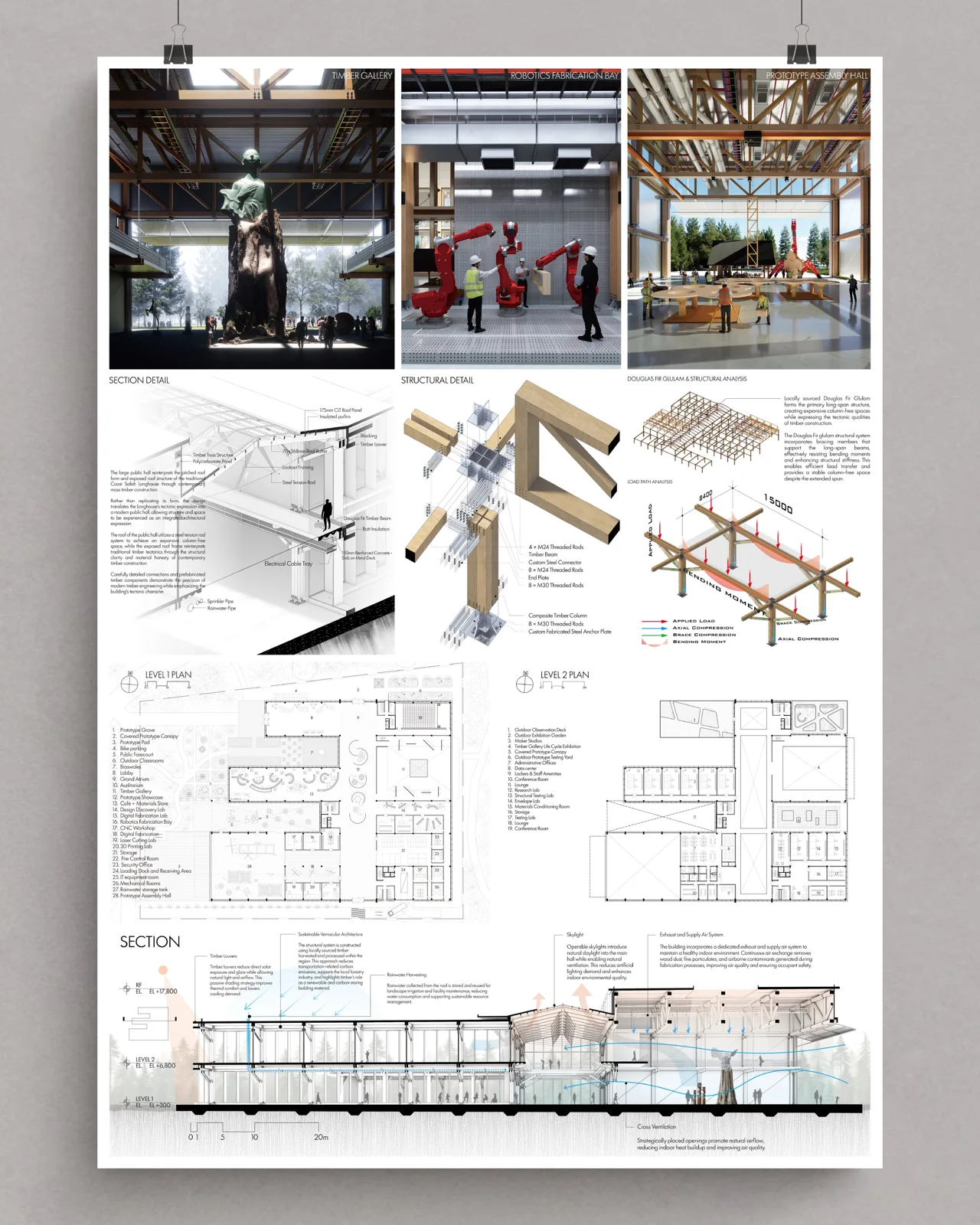
We recommend including a diverse range of projects to demonstrate versatility. Present work that spans residential designs, commercial projects, and renovation plans to showcase adaptability. Emphasize attention to detail through precise technical drawings, thorough material specifications, and clean layouts. For instance, pair 2D layout plans with 3D models to highlight both spatial understanding and software capabilities. Providing clear project roles and contributions ensures clarity and adds depth.
Using Visual Storytelling
Integrating visual storytelling captivates viewers and communicates project narratives effectively. Highlight project progression with sequential images, such as initial concepts, technical drawings, and completed renderings. Infographics can better illustrate design challenges and solutions, while annotated visuals clarify complex technical aspects. Use a consistent and high-quality visual format to maintain professionalism and reader engagement.
Keeping the Portfolio Updated
Frequent updates reflect ongoing growth and skill enhancement. As we complete new projects or earn certifications, these additions enrich the portfolio’s relevance. Replacing outdated material ensures content remains fresh and reflective of current capabilities. Including software advancements or innovative techniques illustrates proficiency and adaptability in a constantly evolving field. In 2025, incorporating BIM-based deliverables and sustainable design documentation demonstrates alignment with current industry expectations.
Tailoring the Portfolio to Your Audience
One often-overlooked strategy is customizing your architectural technician portfolio for each opportunity. A firm specializing in heritage conservation will prioritize different skills than a practice focused on high-rise residential projects. Reviewing the potential employer’s recent work and adapting your project selection accordingly shows initiative and genuine interest. Even small adjustments to the introductory statement or the order of projects can significantly improve your chances of making a strong impression. Learn more about audience-targeted strategies in our article on tips for creating an architectural portfolio.
Common Mistakes to Avoid
Avoiding common mistakes is essential to ensuring an architectural technician portfolio effectively represents skills and contributions. Overlooking critical aspects can lead to a less impactful presentation.

Overloading With Too Much Information
Focusing on quality rather than quantity keeps the portfolio concise and engaging. Including excessive project details, such as unnecessary diagrams or lengthy descriptions, distracts from key achievements. We recommend selecting 6-8 strong projects that highlight diverse skills, like technical drawing precision, 3D modeling proficiency, and construction detailing expertise. Each project should succinctly communicate the role and results without overwhelming the viewer.
Neglecting Presentation Quality
Prioritizing a polished and professional presentation enhances the portfolio’s appeal. Poor formatting, inconsistent layouts, and low-resolution images create a negative impression. Using clean, consistent design templates and high-quality visuals ensures clarity and readability. We suggest grouping similar content, such as design concepts or technical solutions, for a logical flow. Proper alignment, spacing, and easy navigation demonstrate attention to detail, reflecting well on an architectural technician’s competency.
Ignoring the Digital Format
Many hiring managers review portfolios on screen before ever requesting a printed copy. Failing to optimize for digital viewing, such as not exporting at the correct resolution, using excessively large file sizes, or neglecting interactive navigation in PDF portfolios, can hurt first impressions. A digital-first approach, with bookmarks, clickable links, and optimized image compression, ensures the portfolio is accessible and easy to browse. For additional insights, explore how to create an impressive portfolio that works across formats.
Tools and Platforms for Creating Your Portfolio
Effective tools and platforms streamline the process of creating an architectural technician portfolio. They enable us to properly showcase our skills through precise visual representation and professional design.

Design Software
Using industry-standard design software is critical for creating technical drawings and 3D models.
- AutoCAD supports precise drafting and detailed floor plans.
- Revit integrates Building Information Modeling (BIM) for construction drawings and design visualization.
- SketchUp is ideal for quick 3D concept modeling.
Graphic Design Tools
Graphic design platforms enhance the portfolio’s visual appeal by enabling customization.
- Adobe InDesign helps create well-structured layouts with typography controls.
- Adobe Photoshop offers editing capabilities for high-quality images.
- Canva provides user-friendly templates suitable for beginners.
Portfolio Hosting Platforms
Online platforms ensure easy sharing and accessibility of our work.
- Behance allows showcasing design projects in a professional network.
- Dribbble focuses on creative projects with a minimalist interface.
- Squarespace offers custom website templates tailored for creative portfolios.
Collaboration Tools
Collaborative platforms promote teamwork and version control during portfolio development.
- Microsoft OneDrive ensures secure cloud-based storage for large files.
- Google Drive allows document sharing and feedback collection in real time.
- Miro supports visual collaboration by creating digital boards for project concepts.
Frequently Asked Questions
What should an architectural technician portfolio include?
An architectural technician portfolio should include a personal introduction, technical drawing samples such as floor plans, elevations, and construction details, software proficiency examples using tools like AutoCAD and Revit, diverse project case studies covering residential and commercial work, professional certifications, and contact information. Each project entry should clearly state your role and the tools you used to complete it.
How many projects should I include in my portfolio?
We recommend including between four and eight projects. The key is prioritizing quality over quantity, each project should demonstrate a different skill or project type. A concise portfolio that tells a clear story of your capabilities will always outperform one overloaded with mediocre work.
Should I create a digital or print portfolio?
Ideally, maintain both formats. A digital PDF portfolio is essential for online applications and email submissions, while a printed version can make a strong impression during in-person interviews. Many architectural technicians also host a web-based version on platforms like Behance or Squarespace for maximum visibility.
How often should I update my architectural technician portfolio?
Update your portfolio every time you complete a significant project, earn a new certification, or learn a new software tool. At minimum, review and refresh your portfolio every six months to ensure the content reflects your current skills and the latest industry standards.
What is the difference between an architectural technician and an architectural technologist portfolio?
While the terms are sometimes used interchangeably, an architectural technologist portfolio typically emphasizes higher-level design decision-making and may include more complex BIM coordination and sustainability analysis. An architectural technician portfolio tends to focus more on production drawings, construction details, and software execution. Both benefit from clear project narratives and professional presentation.
Conclusion
A well-crafted architectural technician portfolio stands as a compelling professional asset, showcasing technical precision, design collaboration, and creative problem-solving. It combines detailed visual and written work, including technical drawings, 3D models, and case studies, to illustrate our unique expertise in bridging design with construction. By focusing on quality, strategic organization, and professional presentation, we can create portfolios that effectively communicate our value to employers or clients. Incorporating diverse project types, software skills, and certifications further enhances credibility and adaptability, ensuring our portfolios reflect a strong professional identity in a competitive industry. For more portfolio guidance, explore our comprehensive architecture portfolio guide.
Last updated:
- Architectural Portfolio Tips
- Architecture Portfolio Design
- architecture portfolio examples
- architecture portfolio guidelines
- architecture portfolio layout
- architecture portfolio presentation
- architecture school portfolio tips
- Architecture Student Portfolio
- impressive architecture portfolio
- professional architecture portfolio



2 Comments





Concept Diagram Architecture: Hand-Rendered vs Digital Diagrams in a Portfolio
Hand-rendered and digital diagrams send different signals to portfolio reviewers. This piece...
 Furkan Sen5 Mins read

Hand-Rendered vs Digital Diagrams: What Works Better in a Portfolio?
A practical breakdown of hand-rendered and digital diagrams in architecture portfolios, covering...
Sinan Ozen6 Mins read

Architecture Portfolio Layout: Designing Pages with Grid and Typography
A focused look at architecture portfolio layout, from setting up a column...
 Elif Ayse Sen8 Mins read
How to Present Your Work in an Architecture Portfolio Interview
Reaching the interview means your work earned a closer look, but presenting...
Furkan Sen7 Mins read


This article talks about making a portfolio for architectural technicians. It seems useful for showing skills and projects.
I found the tips on what to include in a portfolio interesting. It might help in organizing my work better.