

The Fusion Of Retail Design And The Metaverse: An Immersive Frontier For Architects
Retail design is evolving through the metaverse, creating immersive 3D shopping experiences that blend physical and digital interactions for consumers.
 Furkan Sen26 June 20245 Mins read368

Table of Contents Show
The fusion of retail design and the metaverse points to a future where stores exist as virtual 3D spaces that shoppers visit through avatars, headsets, or a browser. For architects, this opens a design canvas free of physical material limits, where brand experience, spatial storytelling, and digital interaction matter more than walls and foundations.
For years, retail design has revolved around building immersive spaces that hold a shopper’s attention, present products well, and reinforce brand identity. Every element of a store, from the displays in an exclusive boutique to the aisle layout of a supermarket, has been tuned to shape how people feel and behave while they shop. Physical commercial spaces have anchored the shopping experience for a long time, but the growth of e-commerce changed how brands and consumers meet. Online marketplaces won attention through convenience and pulled shoppers away from the high street.
That shift only went so far. Physical retail keeps an enduring appeal because it offers tangible experiences that online stores cannot copy, including sensory contact with products, social connection, and the chance to wander and discover something unplanned.
The metaverse sits between these two models. It is a connected set of digital spaces where the line between physical and virtual softens. The concept gained wider attention alongside crypto, the digital money you can buy from an exchange such as Binance and use as an investment or alternative payment method. For retail, the metaverse offers a way to rethink the consumer journey, mixing the pull of physical stores with the open possibilities of digital worlds.
What does the metaverse offer retail design?
The metaverse gives retailers a third channel that sits beside the physical store and the standard website. Instead of choosing between a showroom and an online catalog, brands can build a space that behaves like both, where people move, browse, and interact in real time. According to McKinsey’s 2022 report Value Creation in the Metaverse, the metaverse could generate up to $5 trillion in value across sectors by 2030, with retail and commerce among the larger contributors.
Three benefits stand out for brands weighing the move:
- Channel integration. Online commerce is no longer a replacement for the physical store, and brands now try to reach customers wherever they spend time. A virtual space lets a company connect its app, website, and physical locations into one continuous brand world rather than three separate ones.
- Engagement and trust. Interactive virtual environments give people a reason to stay longer than a flat product page allows. Time spent inside a branded space, completing a quest or customizing a product, tends to build familiarity and a stronger sense of connection with the brand.
- New paths to sales. The mall taught retailers that shopping is partly social, something people do for entertainment as much as for purchase. Virtual stores extend that idea with displays that adapt to a visitor’s stated preferences, offering a more personal experience that can support conversion without the cost of physical fit-out.
📌 Did You Know?
The metaverse is already shaping physical stores, not just digital ones. Spanish design studio Masquespacio designed the first Mango Teen shop in Barcelona with an interior informed by metaverse aesthetics, treating the brick-and-mortar space as a bridge to the brand’s virtual ambitions.
How are brands building virtual stores?
Several companies have moved past concept into working spaces. Samsung rebuilt its flagship 837 store as Samsung 837X inside the Decentraland platform, giving visitors a multi-zone space with quests, theaters, and NFT rewards rather than a row of products to scroll past. The point was experience first, transaction second.
Fashion brands known for design experiment have followed. Benetton turned parts of its physical stores into mixed-media spaces that preview the digital retail experiences it is developing, with the in-store look echoing the brand identity that runs through its virtual plans. The physical and digital sides act as extensions of each other rather than separate projects.
Tech and fashion names lead because they have budget and an audience that expects novelty, but the tools are not limited to large companies. Smaller brands can build a single room, a product launch space, or a seasonal pop-up without the capital a permanent physical store demands.
🏗️ Real-World Example
Samsung 837X (Decentraland, 2022): Modeled on Samsung’s New York flagship, the virtual store drew well over 100,000 visitors in its first months and ran as one of the larger brand land takeovers on the platform. Its design favored exploration and reward over direct selling, a signal of how virtual retail design differs from a standard online shop.
The architect’s role in metaverse retail design
In a virtual store, the architect works as an interdisciplinary author who pulls together spatial design, storytelling, sensory cues, digital art, and a working understanding of how people behave. The goal is a multi-sensory experience that stays with the visitor, not a structure that stands up to weather and load.
This is a genuine change in role. Digital buildings need no durable foundations or weatherproof skin, so designers gain freedom in form and can favor of-the-moment ideas over permanence, knowing a wall, a color, or an entire interior can be updated whenever a campaign shifts. Spatial logic still matters, since visitors need to find their way and feel oriented, but the rules bend in ways a physical site never allows.
🎓 Expert Insight
“The metaverse will let you extend your body into architecture,” says Fredrik Hellberg, co-founder of Space Popular.
Speaking with Dezeen in 2021, Hellberg framed virtual space as something the visitor inhabits and acts within, not just looks at. For retail design, that reframing pushes architects toward interaction and presence rather than fixed sightlines.
The work asks architects to study consumer profiles and behavior so they can design environments that genuinely appeal to a target audience. Building a clear narrative, with spatial sequence and meaningful imagery, becomes a core skill. The designer has to render virtual concepts with enough realism and sensory detail that the digital and physical sides of a brand feel like one world. If you want a deeper look at how the discipline is adapting, our guide for metaverse architects covers the skills involved, and our overview of the metaverse’s impact on modern architecture sets the wider context.
💡 Pro Tip
When designing a virtual retail space, prototype the visitor path early in a real-time engine before refining surfaces and lighting. A space that looks striking in a render can still confuse people in motion, and movement testing catches dead ends and orientation problems that static images hide.
The limits and open questions
The honest view is that metaverse retail is early and uneven. Adoption depends on hardware, internet access, and a willingness to spend time as an avatar, and many of the headline virtual stores have run as limited campaigns rather than permanent fixtures. Foot traffic in a virtual space can spike for a launch and then fall away, which makes long-term value harder to prove than a single visitor count suggests.
There are practical hurdles too. Building and maintaining a quality space takes ongoing investment, platforms compete and rise and fall, and standards for moving assets between worlds are still forming. For architects, the smart position is curiosity paired with realism. The skills that translate, spatial sequencing, brand storytelling, and an eye for how people move, hold value whether a given platform succeeds or not. Tools like VR in architecture already feed this work, and a look at established metaverse architecture firms shows how some practices are testing the ground without abandoning their physical work.
ArchDaily’s piece on retail design in the metaverse frames it well, as a new terrain for the profession rather than a settled one. The architects who gain the most are likely to be those who treat it as an extension of their craft, not a replacement for it.
Looking Ahead
The fusion of retail design and the metaverse is best read as a long experiment, not a finished destination. Pixels and polygons can carry a brand’s identity as clearly as brick and mortar once did, but only when the design respects how people actually behave inside a space. For architects, the real opportunity is not the technology itself. It is the chance to shape how a brand feels when material limits fall away, and to carry the discipline’s hard-won sense of space into rooms that no one will ever physically enter.







Commercial Space Planning: A Step by Step Process Guide
A practical guide to commercial space planning: taking the brief apart, building...
 illustrarch Editoral Team7 Mins read
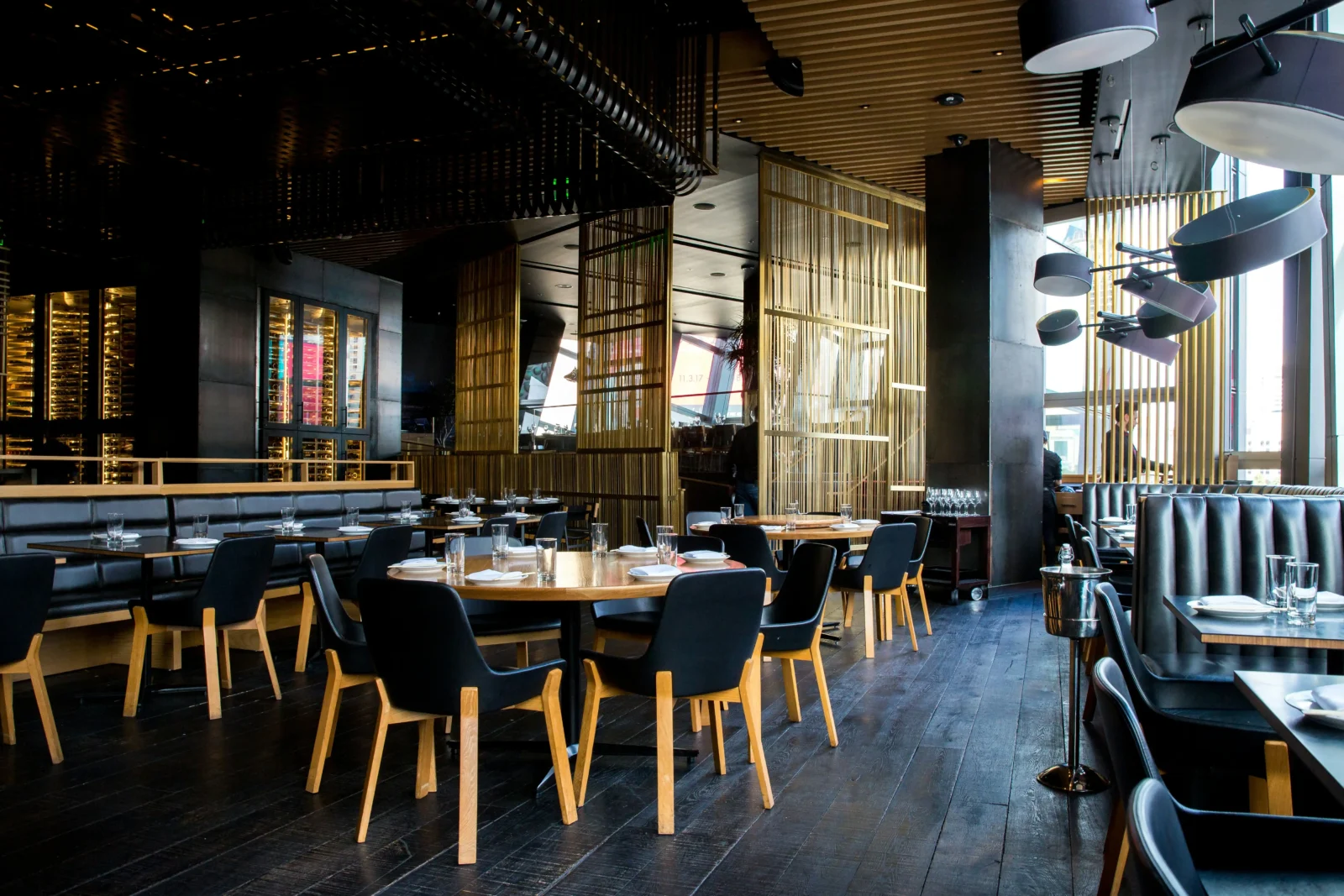
The Power of Ambience: Role of Restaurant Design on Customer Experience
A restaurant's ambience, its lighting, layout, and decor, quietly shapes how guests...
illustrarch Editoral Team3 Mins read

Warehouse Design Tips for Business Owners
Efficient warehouse design focuses on space planning, storage solutions, and safety features...
 Elif Ayse Sen3 Mins read

Museum Interior Design: Complete Guide to Stunning Spaces
Museum interior design shapes how visitors experience art, history, and culture. This...
Elif Ayse Sen10 Mins read


Leave a comment