

The Power of Ambience: Role of Restaurant Design on Customer Experience
A restaurant's ambience, its lighting, layout, and decor, quietly shapes how guests feel. Here's how thoughtful restaurant design drives mood and loyalty.
 illustrarch Editoral Team29 June 20263 Mins read179
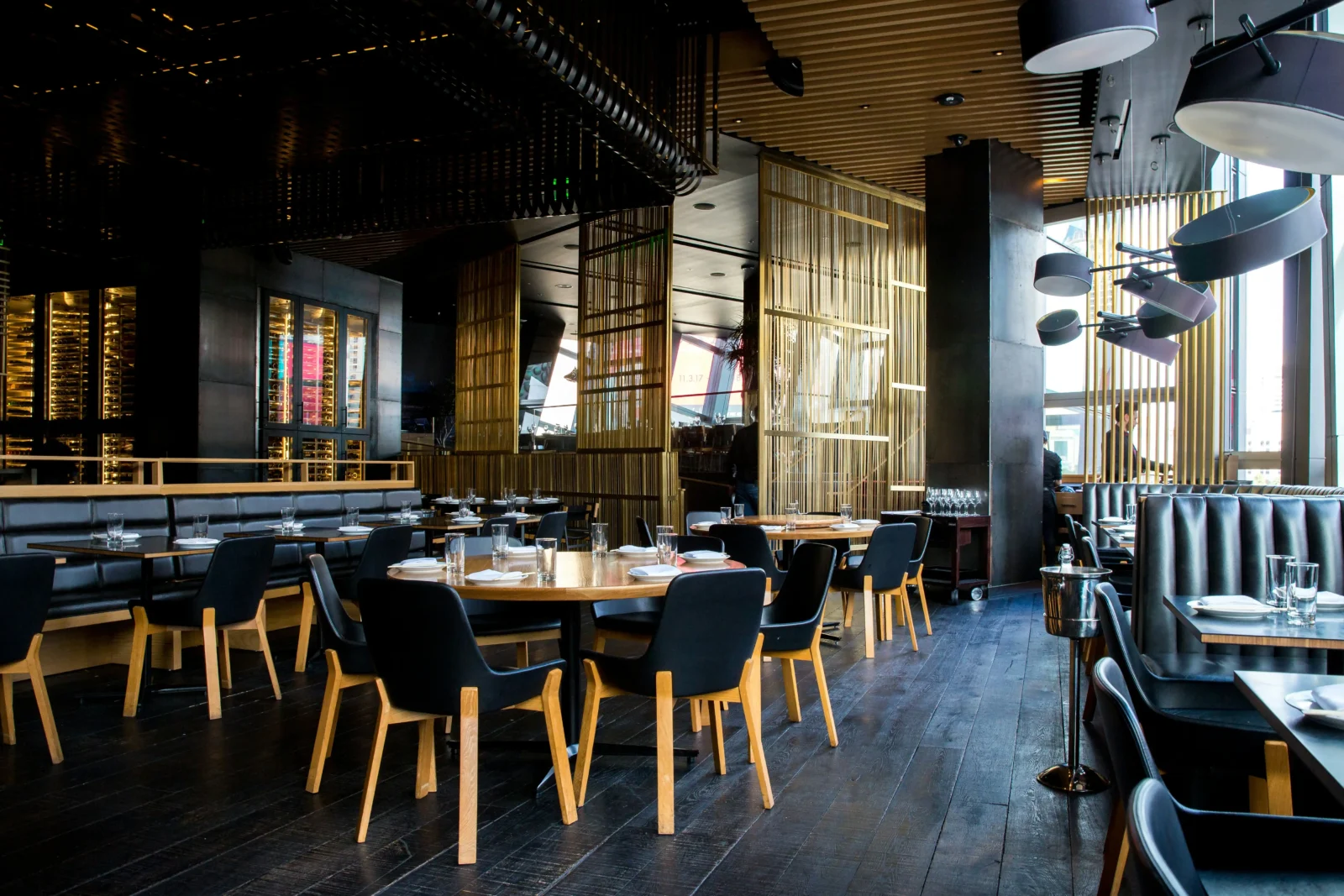
Table of Contents Show
In the busy world of dining, a restaurant’s atmosphere greatly influences how patrons feel about their whole experience. It includes everything from the layout and music to the lighting and décor. These design features immediately engage and influence guests’ senses as they enter a restaurant, which can significantly affect their mood, behavior, and, ultimately, level of pleasure. It is impossible to overstate the importance of leveraging restaurant design trends in today’s dynamic world. It improves patrons’ emotional bond with the dining experience while also fulfilling a practical role. This article explores the many facets of restaurant ambiance and how well-considered design can affect patron attitudes and actions.
What Does Restaurant Ambience Entail?
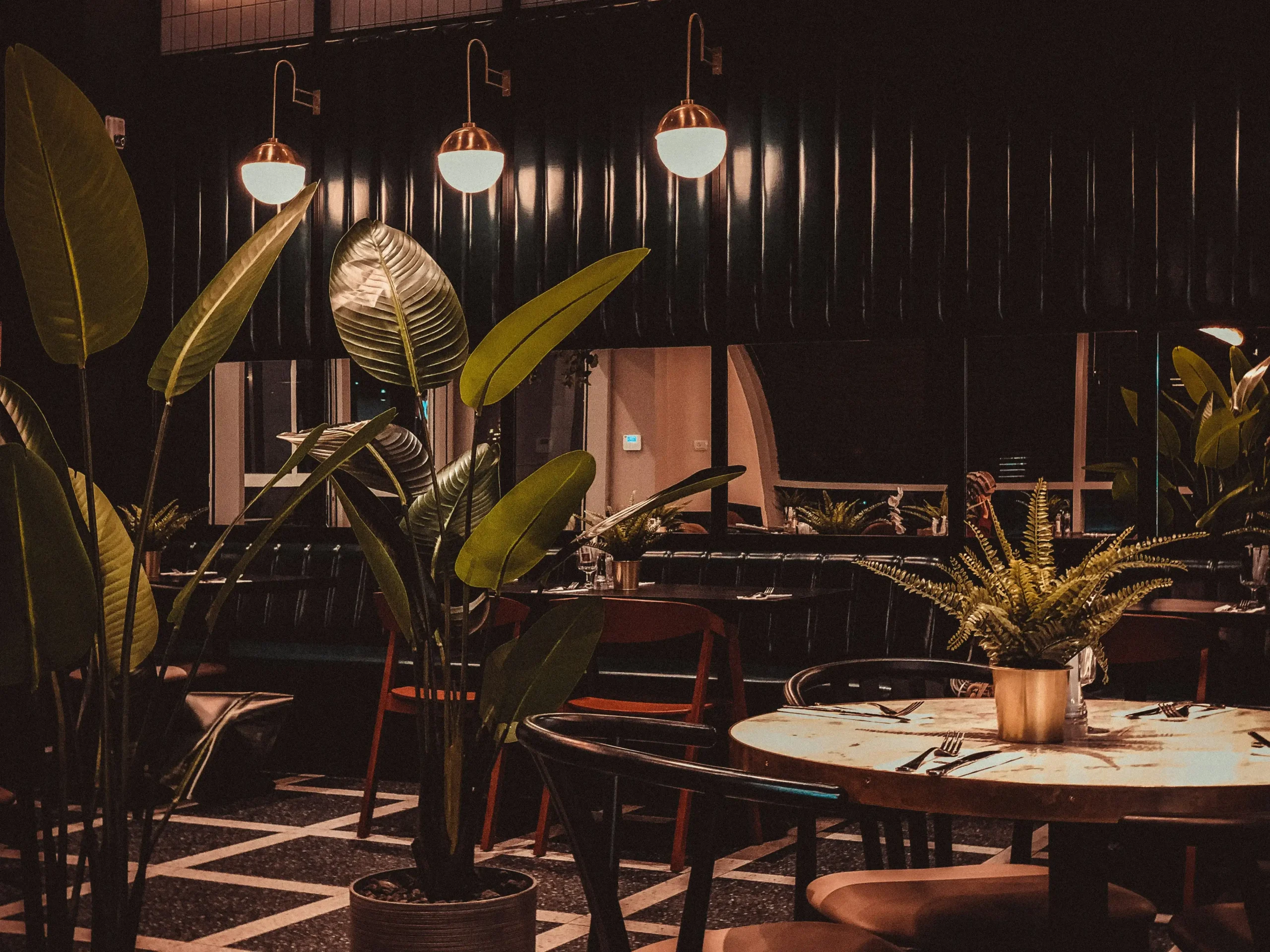
Restaurant ambience entails the environment of an eating place. This encompasses the tactile elements such as textures, olfactory factors such as odors, acoustic elements such as background music and noise, and visual elements such as color and décor. Each of these components adds to the room’s overall atmosphere. By establishing a welcoming and cozy atmosphere, the ambiance can turn a straightforward dinner into a special experience. Customers are more likely to enjoy their meals and come back for more when they are comfortable, thus the need to invest in the best professional in restaurant design New York.
The bar itself shapes ambience as much as lighting or music, since guests watch drinks being built the way they watch an open kitchen. Purpose-built stations from manufacturers like Kobayashi Bar keep ice, bottles, and prep concealed below the counter line, so the guest-facing side stays clean while the bartender works at full speed. Behind-the-bar planning should also account for beverage dispensing equipment, CO2 systems, storage and utility access so these operational components can be integrated without disrupting the guest-facing design.
Why Restaurant Design Matters
First Impressions
In the restaurant business, first impressions are crucial. What diners can anticipate is set by the foyer, entryway, and overall design. Potential guests may be drawn in by a well-designed lobby and façade, and they may return if the space is welcoming. Customers quickly establish views based on visual and sensory cues when they enter. They are more likely to unwind and thoroughly enjoy their meal if the setting meets their expectations, whether it is themed, informal, or upmarket.
Impact on Behavior
A restaurant’s design and arrangement can have a big impact on patron behavior. For example, while comfortable nooks might be ideal for private chats, an open floor design might promote social interaction and sharing among diners. Additionally, strategic placement of seating and tables helps guide diners through the space. This allows them to fully experience different elements of the ambiance.
Strong Emotional Connection
Strong emotional ties between patrons and the restaurant are fostered by well-designed spaces. Every design element has the power to provoke different emotions. For example, minimalist designs may encourage a sense of tranquility, while warm hues may create a pleasant atmosphere. In addition to cuisine, diners frequently look for experiences that complement their social interactions and mood. A restaurant is more likely to cultivate patron loyalty if its design successfully establishes an emotional connection.
Contextual Themes and Decor
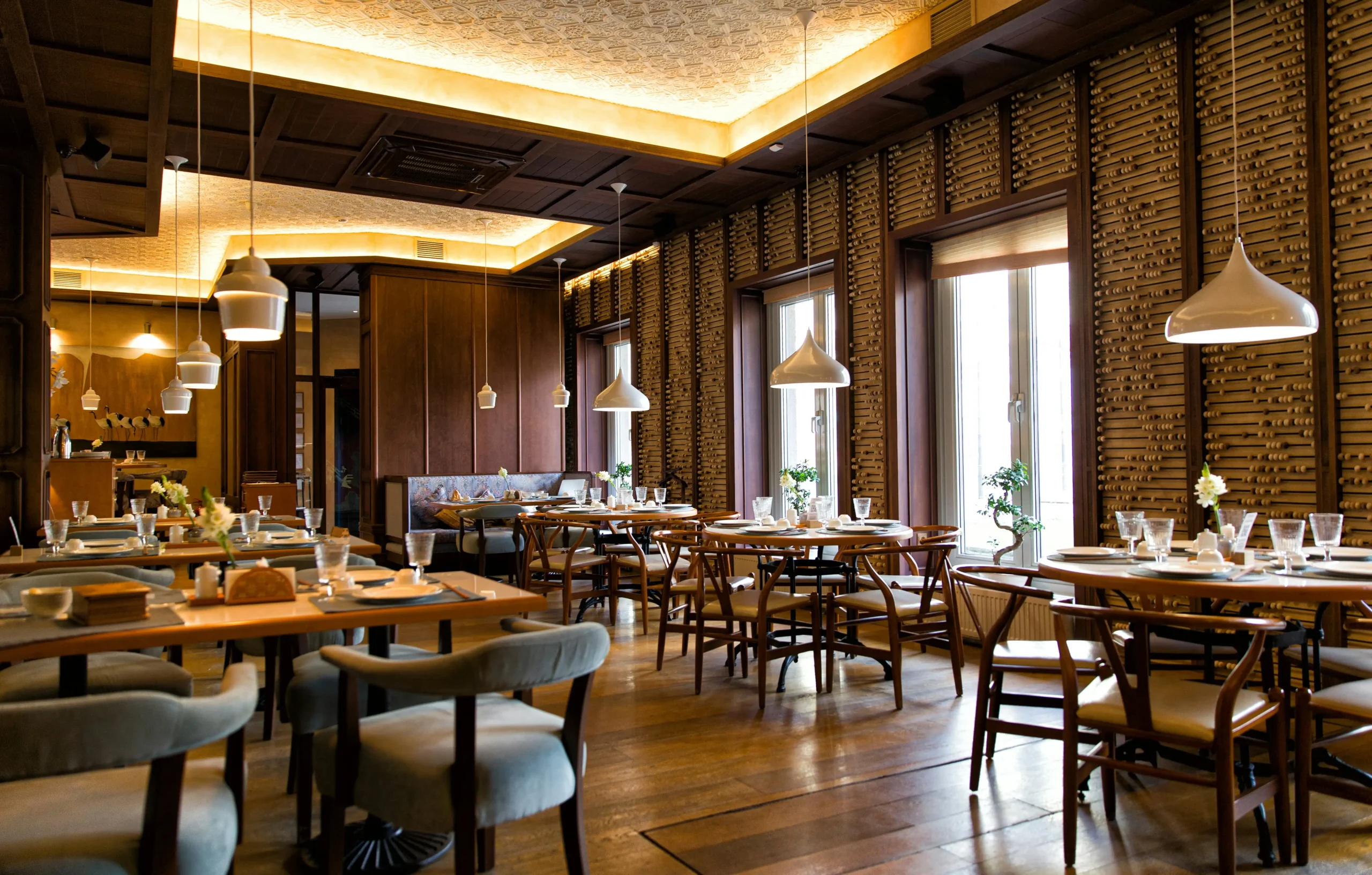
The general idea and concept of the restaurant should be reflected in the decor. A restaurant with a nautical theme, for instance, will raise expectations for delicious seafood and a laid-back beachside atmosphere. The brand is strengthened, and consumer satisfaction is raised by this harmony between design and cuisine. A cohesive theme established through decor allows visitors to immerse themselves in the experience, making their meal time more memorable.
Lighting
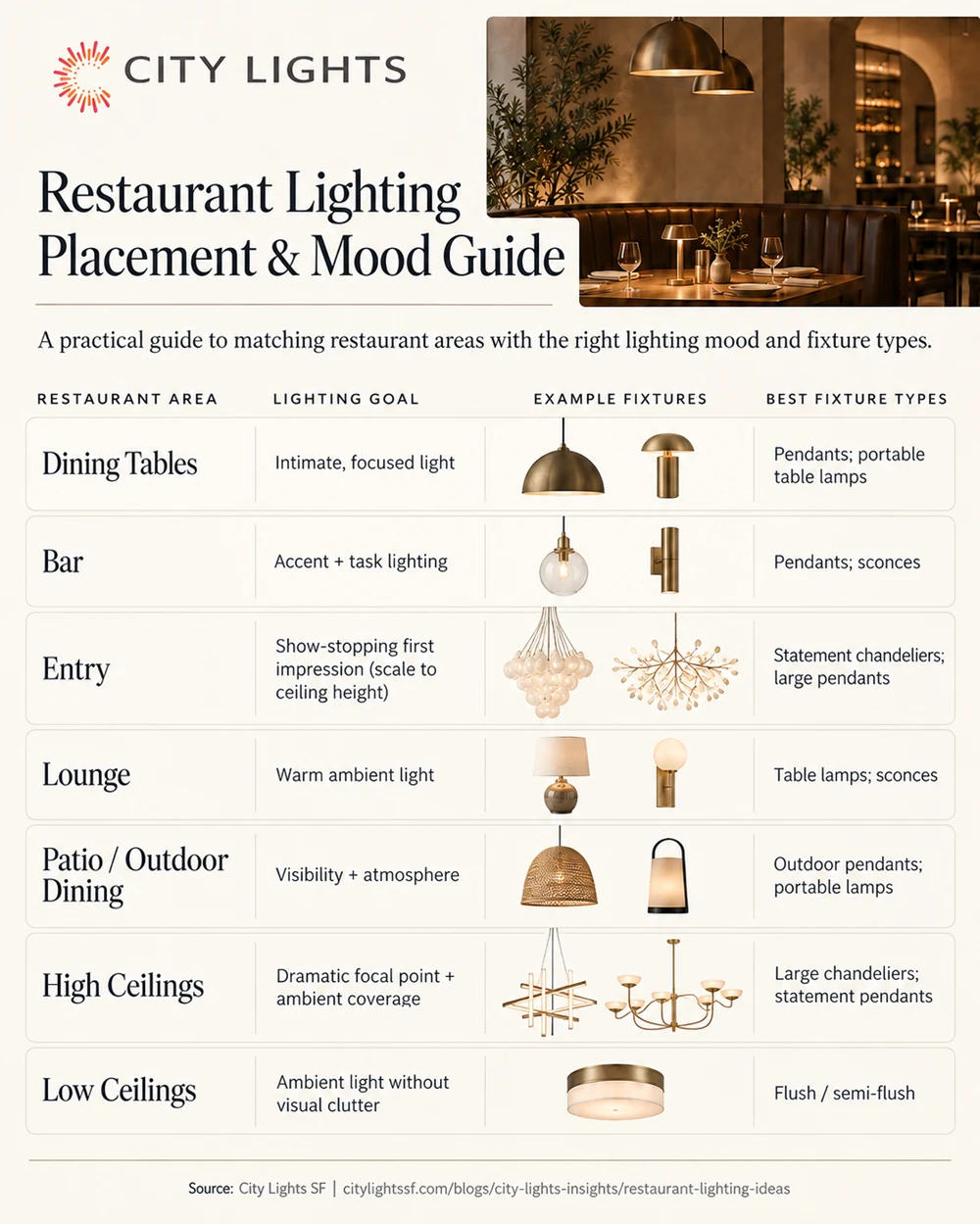
A key component of restaurant design, lighting significantly impacts perceptions and mood. While dim lighting can produce a feeling of intimacy and romance, well-lit spaces can feel welcoming and joyful. Different lighting configurations are necessary for different dining experiences. While softer, warmer tones work well for fine-dining establishments seeking to create an exclusive, upmarket experience, bright lights are appropriate for informal eateries striving for a lively ambiance.
For a room by room reference, City Lights SF has gathered restaurant lighting ideas for every space, from dining tables and bars to entries, lounges and patios.



Futuro House Production Revived in Finland After Decades-Long Hiatus
A Facebook listing for abandoned moulds led to the first new Futuro...
illustrarch Editoral Team3 Mins read
Building Your Dream Home in NSW: What You Should Know About Montgomery Homes
Montgomery Homes has been building across Sydney, Newcastle, the Hunter, Wollongong and...
illustrarch Editoral Team4 Mins read
Designing a Home Theater: Where Drapery Fits Into the Plan
In a media room the curtains are a performance layer, not decoration....
illustrarch Editoral Team3 Mins read
Oscar Niemeyer’s Cathedral of Brasília: The Hyperboloid Concrete Hymn
The Cathedral of Brasília reads as a single gesture, yet it stood...
 Furkan Sen7 Mins read


Leave a comment