

Careers in Architecture: Paths, Skills, and Opportunities
Careers in architecture: explore paths, licensure, key skills, and specializations—plus emerging tech, portfolios, and job tips—to grow with confidence.
 Sinan Ozen5 January 20268 Mins read311
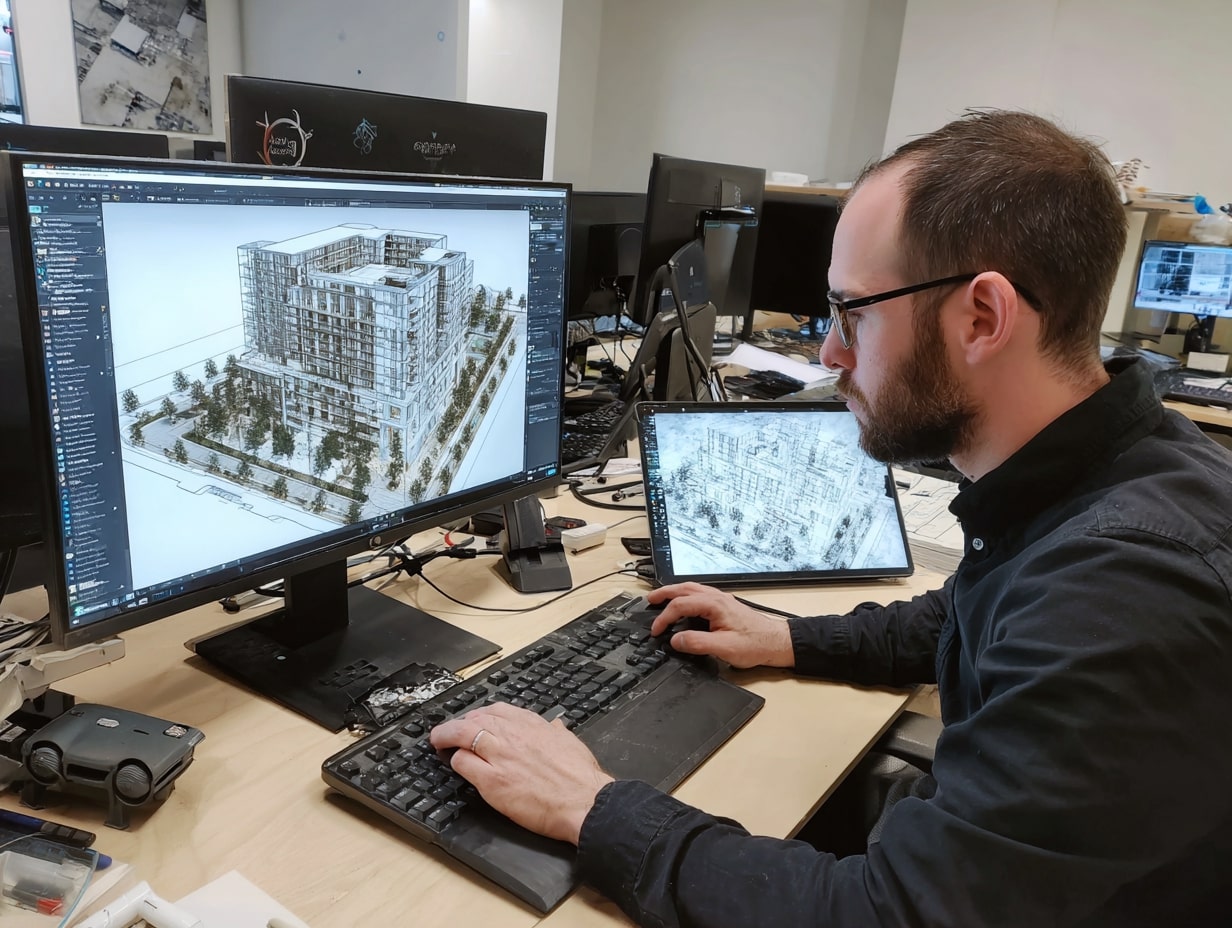
Table of Contents Show
Architecture sits at the intersection of design, technology, and public good. When we talk about careers in architecture, we’re talking about shaping places people live, work, and gather, while navigating codes, budgets, sustainability targets, and fast-evolving tools. Whether you’re exploring architecture as a career path for the first time or considering a pivot within the field, this guide maps the paths, skills, and career opportunities in architecture that define today’s practice, so you can choose (and grow) with confidence.
Is Architecture a Good Career in 2026?
Before mapping specific paths, it helps to answer the question many students and career-changers ask first: is architecture a good career? The short answer is yes, for the right person. According to the U.S. Bureau of Labor Statistics (BLS), the median annual wage for architects was $96,690 in May 2024, with 123,600 jobs nationwide. The BLS projects 4% employment growth from 2024 to 2034, roughly matching the average across all occupations. That steady demand, combined with growing needs in sustainable design and infrastructure upgrades, keeps the architecture career outlook healthy.
Still, this is not a career you choose for quick financial returns. The education timeline is long (five to seven years for most), licensure requires thousands of logged experience hours, and early salaries can feel modest relative to the training invested. Architecture rewards those who value creative problem-solving, lifelong learning, and the satisfaction of building something tangible. If that resonates, the profession offers remarkable range.
What Architects Do and Where They Work
Core Responsibilities Across Project Phases
We guide projects from idea to occupancy. Early on, we clarify client goals, constraints, and site context, then translate that into concepts and feasibility studies. In schematic design and design development, we iterate plans, elevations, and performance strategies while coordinating with engineers and cost estimators. During construction documents, we produce precise drawings and specs (often in BIM) and navigate permitting. In construction administration, we review submittals, respond to RFIs, visit the site, and help align intent, quality, and budget through closeout.
Common Work Environments and Team Dynamics
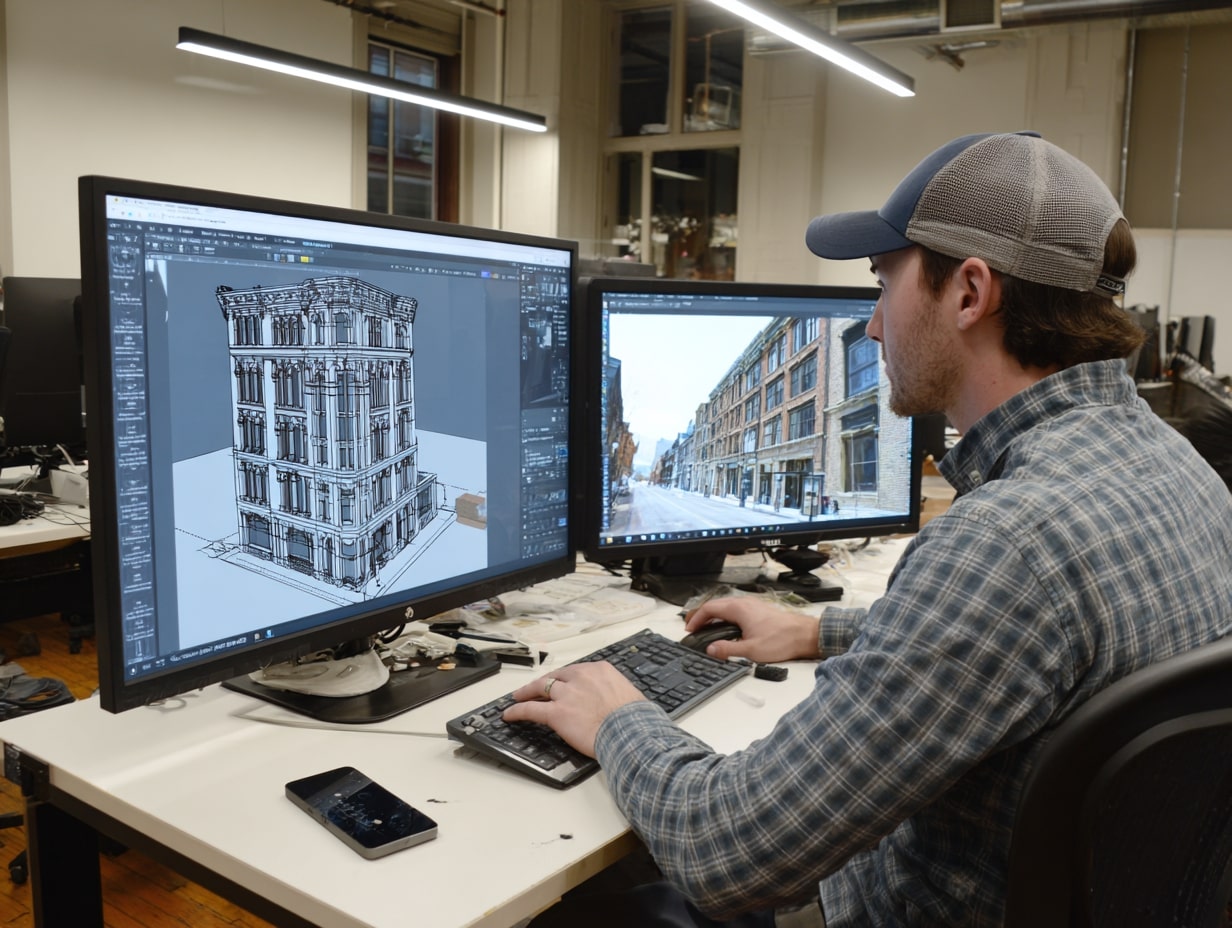
Most of us work in architecture firms, from small studios to global practices, with cross-disciplinary teams that include structural, MEP, civil, and landscape consultants. Increasingly, we also embed in owners’ organizations, tech companies, contractors, and developers. Collaboration is constant: internal design crits, consultant coordination, and stakeholder workshops are standard, often supported by cloud-based BIM and real-time visualization tools.
Architecture and Construction Career Cluster: Understanding the Landscape
The architecture and construction career cluster is one of 16 career clusters defined by the U.S. Department of Education, grouping occupations involved in designing, planning, managing, building, and maintaining structures and infrastructure. Within this cluster, you’ll find three main pathways: design and pre-construction (where architects sit), construction, and maintenance and operations. Knowing how the architecture and construction career cluster jobs connect helps you see the full ecosystem your work touches.
Architecture and construction career cluster jobs span dozens of roles beyond licensed architect. Surveyors, civil engineers, cost estimators, building inspectors, construction managers, interior designers, and many related positions all fall under this umbrella. Understanding this broader cluster matters because collaboration across these roles defines daily practice. An architect who grasps how estimators price assemblies, how inspectors interpret code, and how superintendents sequence trades will produce better buildings and advance faster.
Architecture and Construction Career Cluster Jobs at a Glance
The following table summarizes several key roles within this career cluster, along with their typical education requirements and median pay based on BLS May 2024 data.
| Role | Typical Education | Median Annual Pay (2024) | Growth Outlook (2024-2034) |
|---|---|---|---|
| Architect | Bachelor’s (B.Arch) or Master’s (M.Arch) | $96,690 | 4% (average) |
| Landscape Architect | Bachelor’s in Landscape Architecture | $79,660 | 3% (average) |
| Civil Engineer | Bachelor’s in Civil Engineering | $97,380 | 5% (faster than average) |
| Construction Manager | Bachelor’s in Construction Management | $104,900 | 8% (faster than average) |
| Architectural/Engineering Manager | Bachelor’s + significant experience | $167,740 | 4% (average) |
| Interior Designer | Bachelor’s in Interior Design | $62,510 | 4% (average) |
Source: U.S. Bureau of Labor Statistics, Occupational Outlook Handbook, data from May 2024. Salary figures are approximate and vary by region, experience, and specialization.
Education, Licensure, and Early Career Steps
Degree Options, Accreditation, and Portfolios
In the U.S., a NAAB-accredited degree (B.Arch or M.Arch) is the typical path to licensure. Some of us take a four-year pre-professional degree followed by an accredited master’s; others complete a five-year B.Arch. Portfolios matter at every step (admissions, internships, and jobs), so we showcase process, technical rigor, and clear storytelling, not just polished finals. If you’re weighing how to become an architect, start by targeting an accredited program and building portfolio discipline from year one.

Experience Hours, Exams, and Licensure Pathways
After graduation (or during), we log NCARB AXP experience hours across defined categories, then sit for the ARE. Many states now allow overlap, so we can test while accruing hours. Mobility matters: completing AXP and ARE streamlines reciprocity across states. We also add credentials like LEED AP or WELL AP to signal sustainability fluency, and keep up with continuing education to maintain licenses.
Entry-Level Roles and How To Progress
We typically start as architectural designers, junior designers, or emerging professionals. Progress often follows two broad tracks: design/technical (designer to project architect to senior/technical lead) and management (project coordinator to project manager to principal). We accelerate by owning packages, coordinating consultants, and learning how scope, schedule, and budget interact, while staying curious about materials, codes, and digital workflows.
Architecture Career Paths and Specializations
One of the strongest arguments for pursuing an architecture career is the sheer variety of specializations available. The architecture career path isn’t a single ladder; it’s more like a branching network where each node opens new directions.
Building Design: Residential, Commercial, and Civic
Residential work prioritizes client lifestyle, craft, and context; commercial focuses on branding, efficiency, and lifecycle costs; civic adds public process, equity, and durability. Each sector has its own metrics, like net rentable ratios in office, patient flow in healthcare, or acoustics in cultural projects.

Urban, Landscape, and Environmental Design
Some of us zoom out to districts, transit, and public realm. Urban designers balance mobility, density, and zoning; landscape architects integrate ecology, stormwater, and experience. Environmental specialists model microclimate, daylight, and carbon to shape resilient, low-impact places.
A landscape architecture career deserves special attention. According to the BLS, landscape architects earned a median salary of $79,660 in May 2024, with 3% projected growth through 2034. The growing emphasis on climate resilience, green infrastructure, and urban biodiversity is expanding demand for professionals who can design outdoor environments that perform ecologically and socially. If you’re drawn to the intersection of ecology and design, the landscape architecture career path offers meaningful, place-based work.
Interior, Preservation, and Adaptive Reuse
Interior architects align user experience with brand and performance: think ergonomics, lighting, materials, and acoustics. Preservation and adaptive reuse blend forensics with creativity, stabilizing historic fabric while meeting modern codes and energy goals. It’s a smart path where embodied carbon and cultural value meet.
Computational, Parametric, and Fabrication-Focused Roles
We increasingly lean on computational design (Grasshopper, Dynamo, Python) to automate documentation, optimize structures, and drive performance. Some specialize in digital fabrication, CNC/robotic workflows, or design-for-manufacture, translating parametric intent into buildable systems.
Architectural Design Career: From Concept to Built Form
An architectural design career centers on the creative and technical act of giving form to buildings. Unlike project management or construction-side roles, design-focused architects spend the bulk of their time developing spatial concepts, iterating on materiality, and refining details. Firms like those featured on ArchDaily showcase the range of design work available, from single-family residences to cultural landmarks. If design is your core motivation, seek firms that protect dedicated design time and invest in competitions, research, or R&D studios.
Skills and Emerging Technologies
Technical and Digital: BIM, Automation, and AI
Proficiency in Revit or Archicad is table stakes. We also exchange data via IFC and manage information in line with ISO 19650. Automation (visual scripting and APIs) reduces errors and frees time for design. AI is entering space planning, code checks, image generation, and clash prediction; the real value comes when we validate outputs and fold them into a rigorous QA/QC process.

Design and Visualization: Concept To Communication
Great ideas need great communication. From hand sketches to VR walkthroughs, we build narratives clients can grasp. Real-time engines (Enscape, Twinmotion, Unreal) help us test light, materiality, and experience. We pair visuals with clear diagrams and concise writing so decisions come faster, and stick.
Business, Legal, and Project Management Capabilities
We thrive when we understand fees, contracts (AIA agreements), risk, and contingencies. Strong PMs wrangle scope, schedule, budget, and quality, keeping change orders and rework in check. Familiarity with procurement methods (design-bid-build, CM-at-risk, design-build) shapes how we plan deliverables and coordinate.
Sustainability, Performance, and Codes Literacy
Energy codes (IECC), local green ordinances, and stretch codes are tightening. We read them, model early (energy, daylight, comfort), and select low-carbon assemblies using EPDs and LCA. Frameworks like LEED, WELL, and Passive House guide targets, but we make them project-specific to avoid box-checking.
Career Opportunities in Architecture Beyond Traditional Practice
Architecture Firms, In-House Teams, and Owners’ Reps
Traditional firms offer diverse project exposure; in-house teams at universities, healthcare systems, or corporations focus on standards and capital programs. Owners’ reps sit on the client side, aligning design, budget, and delivery across multiple projects.
Construction, Development, and Design-Build
Some of us jump to GC or design-build roles, where constructability, logistics, and cost drive daily decisions. Developer-side roles blend underwriting with entitlement strategy and product design, ideal if we like the finance and market side of buildings.
Product, UX, Visualization, and Virtual Environments
Our spatial skills translate to product design, exhibit design, UX for spatial apps, and virtual/AR environments. Visualization specialists craft cinematic renderings and films, while technical artists build digital twins that support operations after opening day. These career opportunities in architecture demonstrate that an architecture degree opens doors well beyond traditional practice.

Academia, Research, and Public Sector Roles
Teaching and research keep us on the frontier: material science, computation, social impact. Public sector roles in planning, permitting, and facilities let us shape policy and community outcomes at scale.
Architecture Career Salary and Compensation Overview
Salary is one of the most searched topics for anyone evaluating an architecture career. Based on BLS data from May 2024, the median annual wage for architects in the U.S. was $96,690. The lowest 10% earned less than $55,720, while the highest 10% earned more than $163,080. According to a 2025 hiring trends report by DAVRON, registered architects in major metro areas can earn over $130,000, and construction project managers with architecture backgrounds command $105,000 to $125,000 nationally.
Where you work also matters. Architects employed in management, scientific, and technical consulting services tend to earn more than those in architectural and engineering firms, according to the BLS. Our detailed salary breakdown by career stage explores how compensation shifts from entry-level through principal roles.
Portfolio, Networking, and Job Search Strategy
Building Targeted Portfolios and Case Studies
We tailor portfolios to the role: for a healthcare studio, lead with planning diagrams, codes expertise, and coordinated details; for a computational role, show scripts, parametric logic, and measurable outcomes. Case studies should state the problem, constraints, our role, the process, and results.

Finding Experience, Mentorship, and Licensure Support
Tap local AIA chapters, emerging professional groups, and alumni networks. Ask directly about AXP supervision and ARE support during interviews. Short stints on design-build teams, competitions, or pro bono projects can fill portfolio gaps quickly (and meaningfully). For more on this, see our architect job search tips.
Interviews, Negotiation, and Career Mobility
We prepare stories that demonstrate judgment: trade-offs we navigated, risks we mitigated, and lessons we’d apply next time. When negotiating, consider total value, including salary, bonus, overtime policy, exam reimbursements, mentorship, and flexibility. Mobility is normal; we move toward roles that sharpen our strengths and purpose. Consult top job search platforms for architects to explore current openings.
Conclusion
Careers in architecture reward curiosity and range. If we invest in fundamentals (design thinking, technical depth, and clear communication), then layer in business savvy, sustainability, and emerging tech, we can shape work we’re proud of. The architecture career path isn’t linear, but it is rich with options, from the architecture and construction career cluster to niche specializations like landscape architecture, computational design, or development. Choose intentionally, keep building momentum, and the career opportunities in architecture will keep expanding.





Can You Become a Licensed Architect Through Experience Only?
Twenty-one US jurisdictions let candidates qualify for licensure with documented experience instead...
Sinan Ozen5 Mins read

InDesign Alternatives for Architects: 6 Tools That Handle Portfolios and Boards
Adobe InDesign is still the default layout tool in architecture, but the...
 Furkan Sen7 Mins read

How to Get Work Experience in Architecture Before Graduation
Waiting on one summer internship is the slowest way into practice. This...
Sinan Ozen6 Mins read

What It’s Like Working as an Architect: 5 Things Architecture School Doesn’t Teach You
Architecture school teaches design. Practice runs on construction documents, fee phases, consultant...
Furkan Sen7 Mins read


Leave a comment