

3D Printed Buildings: How They Work, Real-World Examples, and What Comes Next
Learn how 3D printed buildings are constructed, explore real-world case studies from ICON and Project Milestone, compare costs with traditional methods, and discover why the 3D printing construction market is projected to reach $6.5 billion by 2030.
 Begum Gumusel18 August 202411 Mins read933
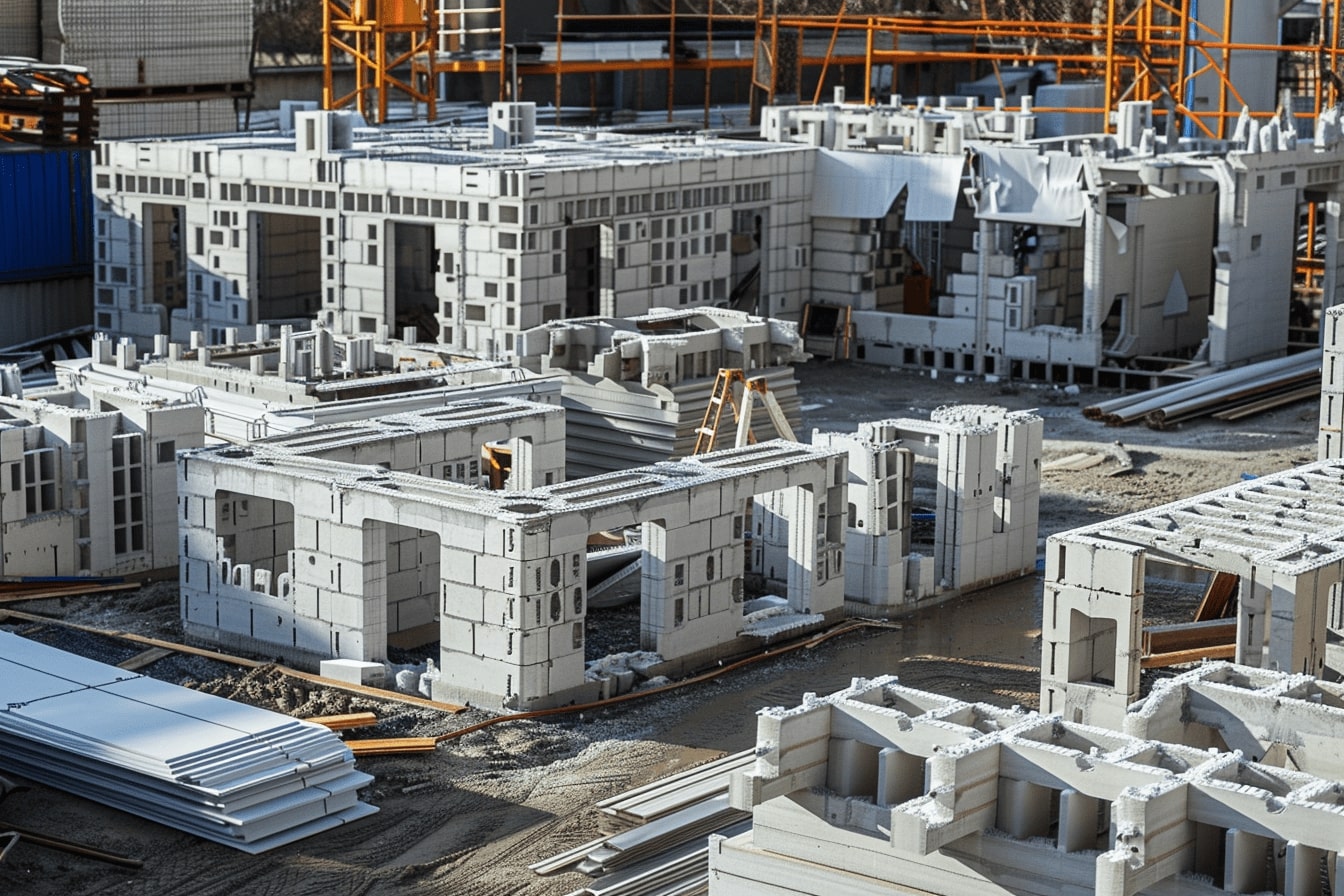
Table of Contents Show
Can you build a house in a single day? With 3D printed buildings, the answer is getting closer to “yes” every year. From Europe’s first 3D printed building to Spain’s pioneering 3D printed concrete bridge, the construction industry is undergoing a transformation that touches everything from cost to carbon footprint. In the United States alone, ICON has already printed over 180 homes and structures, and the global 3D printing construction market is projected to grow from $228.6 million in 2025 to $6.5 billion by 2030, according to BCC Research.
3D printing in building goes beyond speed. It is about rethinking how we design, source materials, and assemble structures. Restoration projects like the Snop Sheaf fountain in Russia showcase how 3D printing can blend modern technology with historical preservation. With the capability to print building components at rates that keep climbing each year, the potential for this technology to reshape the built environment is significant.
In this guide, you will learn how 3D printed construction works, explore real-world case studies from residential and commercial sectors, understand the benefits and challenges, and discover what the future holds for 3D printed structures worldwide.
Understanding 3D Printed Construction Technology
What Are 3D Printed Buildings?
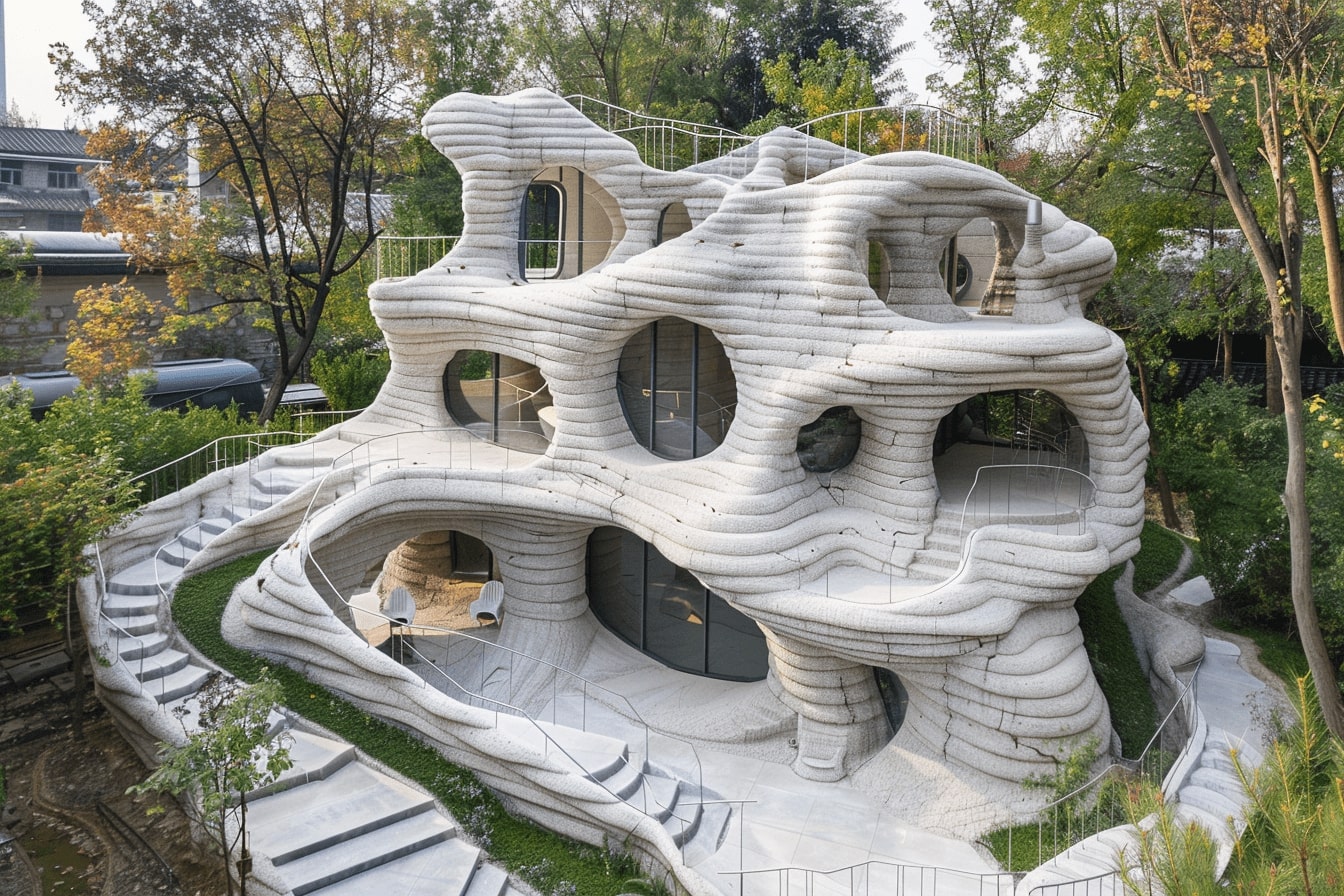
3D printed buildings are structures created using additive manufacturing techniques. Instead of traditional construction methods, these structures take shape by layering materials (usually concrete or specialized mortar) until the desired form is achieved. This approach offers reduced construction time, lower labor costs, and the ability to produce complex designs that would be difficult or prohibitively expensive with conventional building methods. Examples of 3D printed structures range from single-family houses and office spaces to bridges, public infrastructure, and artistic fountains.
How Does 3D Printing in Construction Work?
The most common 3D printing technology for construction involves a robotic arm or gantry system that extrudes concrete while moving along a programmed path. The robotic arm is guided by digital blueprints created using CAD software, ensuring precision in the building process. During powder binding, layers of powder are solidified to form the desired object. Additive welding, demonstrated in Amsterdam with a full-scale metal bridge, involves joining materials layer by layer.
The process begins with a digital model of the structure designed on a computer. This model is then fed into the 3D printer, which interprets the data and lays down material accordingly. Depending on the printing technology, materials such as concrete, metal, composites, or even clay-based mixtures can be used.
Companies like ICON use proprietary concrete mixtures (such as their CarbonX material) that harden quickly between layers, with steel reinforcements added at regular intervals for structural integrity. A typical 160-layer home frame can be printed in about two weeks, with walls that require no additional framing or drywall. Roofing, windows, plumbing, and electrical systems are still installed using conventional methods.
Key 3D Printing Methods for Construction
Three primary methods dominate 3D printed construction today. Extrusion is the most widely adopted, accounting for over 62% of the market share in 2024. It works by pushing material through a nozzle to build walls and structural components. Powder binding uses a liquid binding agent to solidify layers of powdered material, enabling finer detail work. Additive welding joins metal components layer by layer, as seen in MX3D’s steel bridge in Amsterdam. Each method serves different purposes, and choosing the right one depends on the project’s scale, required materials, and desired finish.
The following table summarizes how these three methods compare:
Comparison of 3D Printing Methods in Construction
| Feature | Extrusion | Powder Binding | Additive Welding |
|---|---|---|---|
| Primary Material | Concrete, mortar, clay | Sand, powder composites | Steel, aluminum |
| Typical Use | Walls, full houses, foundations | Detailed components, molds | Bridges, structural elements |
| Scale | Large (full buildings) | Small to medium | Medium to large |
| Speed | Fast (walls in days) | Moderate | Slow to moderate |
| Market Share (2024) | ~62% | Growing (fastest CAGR) | Niche applications |
Benefits of 3D Printed Buildings
Cost Efficiency
3D printed buildings offer significant cost savings in construction. Traditional methods involve multiple labor-intensive steps, each adding to the overall expense. In contrast, additive manufacturing can substantially reduce labor costs by automating much of the construction process. Printing a house shell in under two weeks eliminates many of the manual tasks that typically extend timelines and inflate budgets. Furthermore, the precision of 3D printing minimizes material waste, directly cutting costs and improving project budget management. Reports from the UAE suggest that 3D printed construction can reduce overall capital costs by up to 78% compared to conventional concrete methods, though real-world U.S. costs are still converging toward parity with traditional stick-frame pricing at around $25 to $35 per square foot for walls alone.
Speed of Construction
Speed is a standout advantage of 3D printed buildings. Traditional construction projects can take months or even years to complete, whereas advanced 3D printers can expedite this significantly. ICON’s printers at the Wolf Ranch community in Texas completed approximately two homes per week using 11 machines running simultaneously. A printer can finish the structural shell of a 1,500-square-foot home in 24 to 48 hours of active printing time. The rapid assembly not only accelerates project timelines but also reduces labor overhead and site maintenance costs. Companies like Hive3D report that the full shell of a house can be printed in under two weeks, with the entire construction process (including traditional finishes) completed in just a few months.
Environmental Impact
The environmental benefits of 3D printed buildings are notable. This technology inherently promotes sustainability by reducing waste and optimizing resource usage. Traditional construction generates over one billion tons of waste globally per year, whereas 3D printing’s precise material application conserves resources. ICON’s CarbonX material produces homes with lower embodied carbon than traditional stick-framed houses, and their operational carbon is about 8% lower. Innovations in concrete 3D printing, coupled with traditional wood framing, highlight a hybrid approach that combines efficiency with eco-friendly practices. Additionally, 3D printing allows for the use of sustainable materials such as clay, recycled concrete, and bio-based composites, and can integrate designs that enhance energy efficiency, further reducing the ecological footprint of new buildings.
Challenges in 3D Printed Construction
Regulatory and Code Compliance
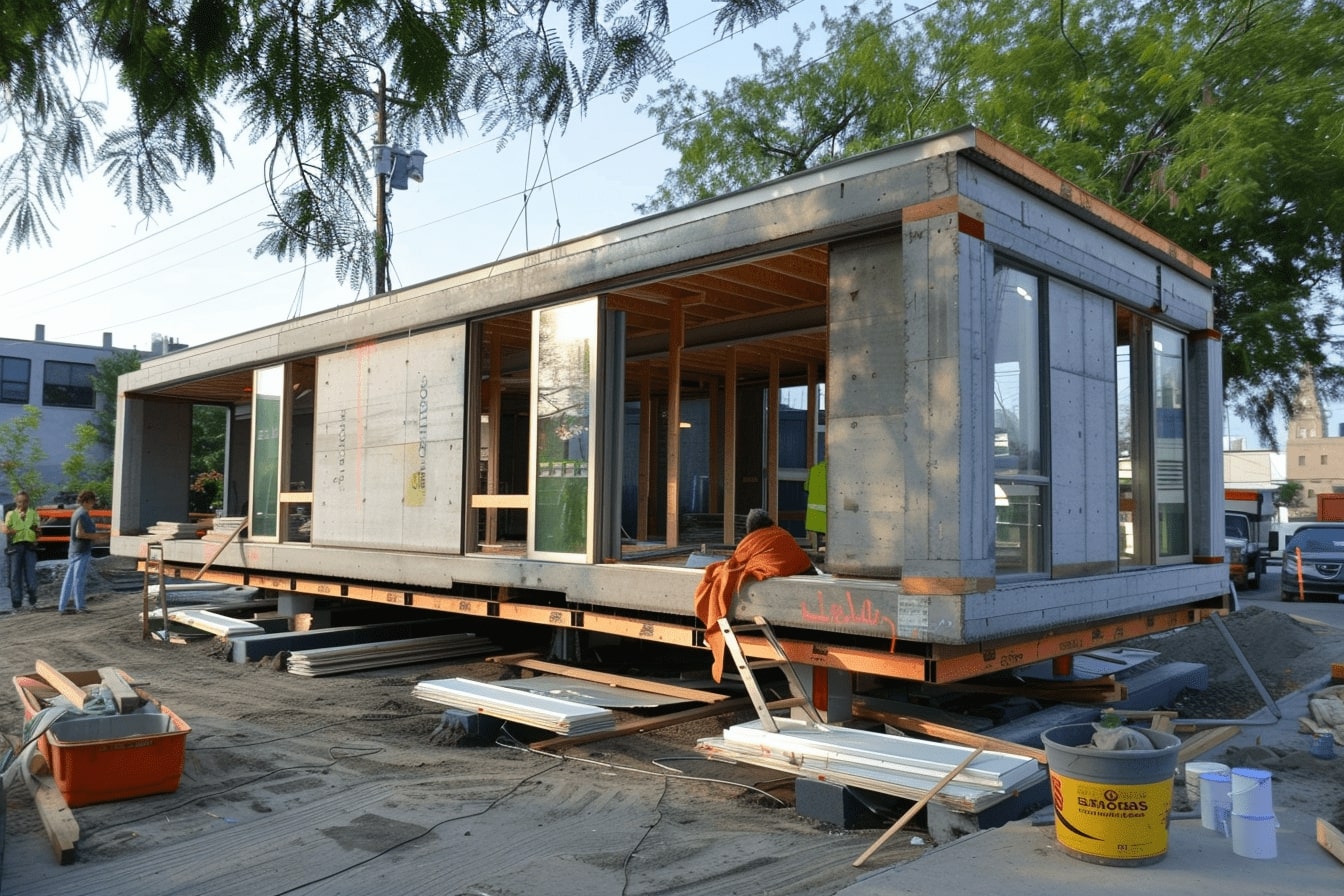
Ensuring 3D printed structures meet existing building codes and regulations remains challenging. Many current codes are based on traditional construction methods, necessitating new standards for 3D printing. Without established guidelines, verifying the safety and durability of these structures is difficult. Regulatory bodies need to adapt to encompass 3D printing technologies, but this process is slow and complicated due to the novelty and uniqueness of the methods involved. However, progress is being made. Organizations like NFPA and ASTM International are working on standardized compliance pathways specifically for 3D printed construction, which should ease the permitting process in coming years.
Material Limitations
3D printed construction currently utilizes a limited range of materials, primarily including concrete, plastics, and composites. This constrains the types of structures that can be created and impacts their longevity and strength. Concrete accounted for roughly 55% of all 3D printing construction materials in 2024, but metal printing is growing rapidly. Researchers at the University of Maine have successfully printed a 600-square-foot home using bio-based materials from wood byproducts, while projects in Italy and Portugal have used locally sourced clay. The development of new materials compatible with 3D printing is ongoing, and the range of options expands each year.
Technological Barriers
Despite advancements, technology in 3D printed construction still faces significant hurdles. Printer size limits the scale of projects, although some large structures are feasible. Quality control remains a concern due to the absence of fully standardized procedures to ensure structural integrity across different printing conditions. Getting the concrete mix right is critical; if an error occurs partway through printing a wall, the entire section may need to be redone. Equipment costs range from $100,000 to $500,000 for a construction-scale printer, and transportation of these massive machines between sites adds logistical complexity. Ensuring consistent quality and overcoming these technological barriers is crucial for the industry’s growth.
Cost Reality Check
While early media coverage promised extremely inexpensive homes, the reality is more nuanced. 3D printing currently competes with traditional construction primarily on wall systems. ICON’s homes at the Wolf Ranch development in Texas are priced in the high $400,000 to $600,000 range, placing them in line with comparable traditional homes rather than dramatically below. The true cost advantage lies in reduced labor needs, faster timelines, and lower waste, rather than in dramatically cheaper finished homes at this stage. As printer technology improves and economies of scale develop, the cost gap is expected to widen in favor of 3D printing.
Case Studies and Current Examples
Residential Structures
Project Milestone in Eindhoven, Netherlands, is a prime example of 3D printed residential structures. Consisting of five 3D printed concrete dwellings, this project represents the world’s first commercial housing project using this medium. The first dwelling, a 1,011-square-foot structure, was printed in 120 hours as 24 separate elements in a nearby factory, then assembled on site. These houses, resembling elongated boulders with smooth, rounded edges, blend seamlessly with Eindhoven’s tech-focused backdrop. The structures feature extra-thick insulation and connect to the heat grid, achieving high marks in energy efficiency according to 3D Natives. The first tenants, Elize Lutz and Harrie Dekkers, received their keys on April 30, 2021.
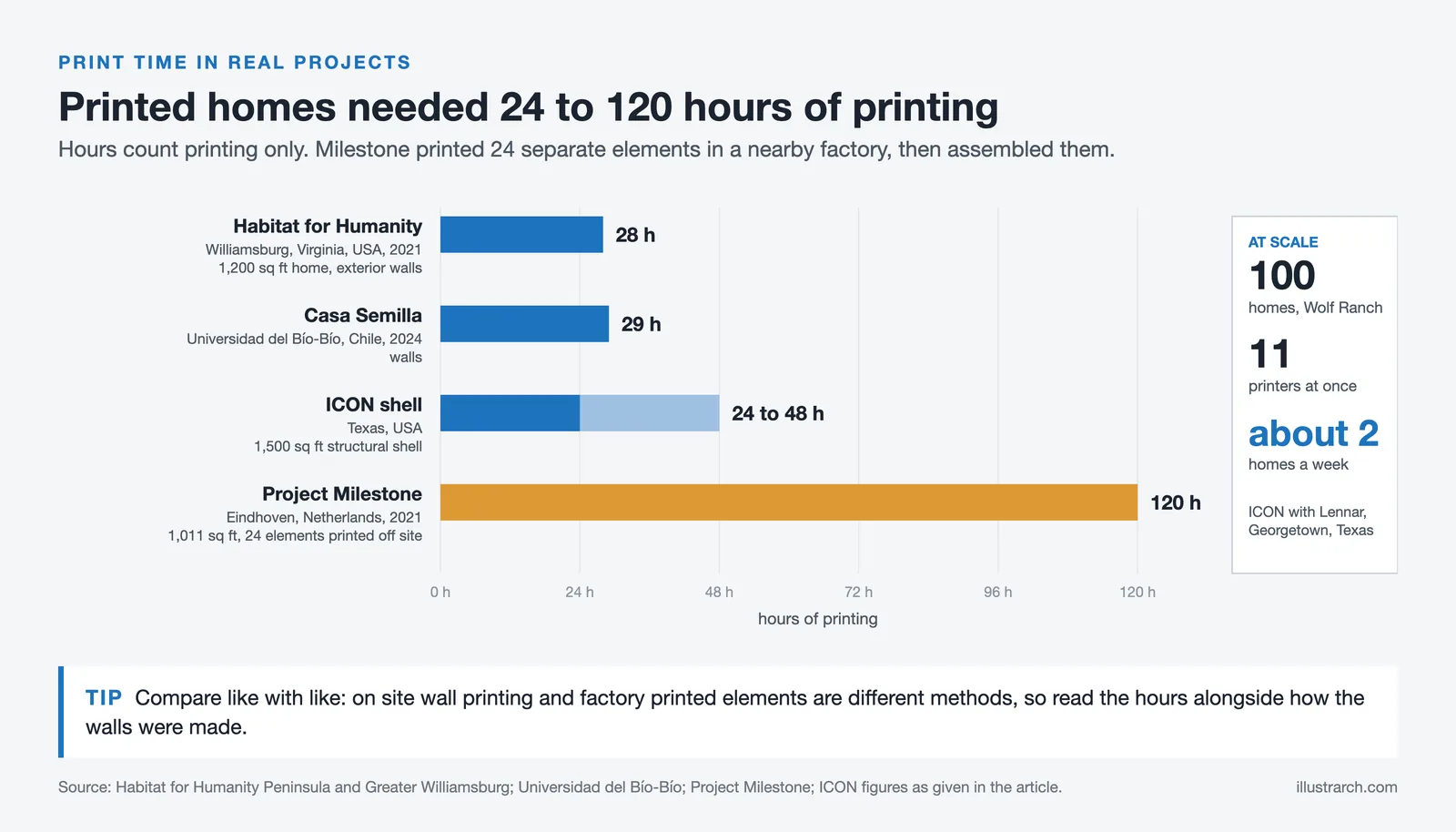
In the United States, ICON’s Wolf Ranch community in Georgetown, Texas, represents the world’s largest 3D printed construction development with 100 homes built between 2022 and 2024 in partnership with Lennar, the nation’s second-largest homebuilder. The homes feature energy efficiency ratings 45 to 60% higher than average, and 75% have already been sold. In Virginia, Habitat for Humanity completed its first 3D printed home using Alquist’s technology and COBOD printers, providing affordable housing to families earning below the area median income. The 1,200-square-foot home’s concrete walls took only 28 hours to print.
Commercial Projects
On the commercial and infrastructure side, several landmark projects stand out. In a notable experiment, a 3D printed architectural structure was constructed using simulated lunar material. Tests in a large vacuum chamber simulated extraterrestrial conditions. The technique involved injecting binding liquid under the surface of the regolith with a 3D printer nozzle, trapping 2 millimeter droplets beneath the surface via capillary forces. The printer used was D-Shape, a 3D printer capable of creating large-scale structures with high precision.
ICON has also secured a $57 million contract with NASA to develop 3D printing technology for lunar construction, aiming to use lunar regolith as a building material. The company has already delivered a 3D printed Mars simulation habitat called Mars Dune Alpha. In Denmark, COBOD International continues to supply printers for commercial and residential projects across multiple continents. One significant artistic project includes a fountain designed by Nikolai Dydykin. The Snop Sheaf fountain, originally rectangular, was reshaped into a round form with updates to the backlight system. The parapet, featuring internal communication channels, was printed by the AMT construction printer, highlighting the technology’s versatility in both artistic and practical domains.
In Latin America, a team from the University of Biobio in Chile completed what they describe as the first 3D printed home in the region, with walls built in just 29 hours and assembled in two days. In Canada, Horizon Legacy is building a 26-unit housing development in Gananoque, Ontario, where 13 of the units are 3D printed and eight will be offered at below-market rents of around $1,000 per month.
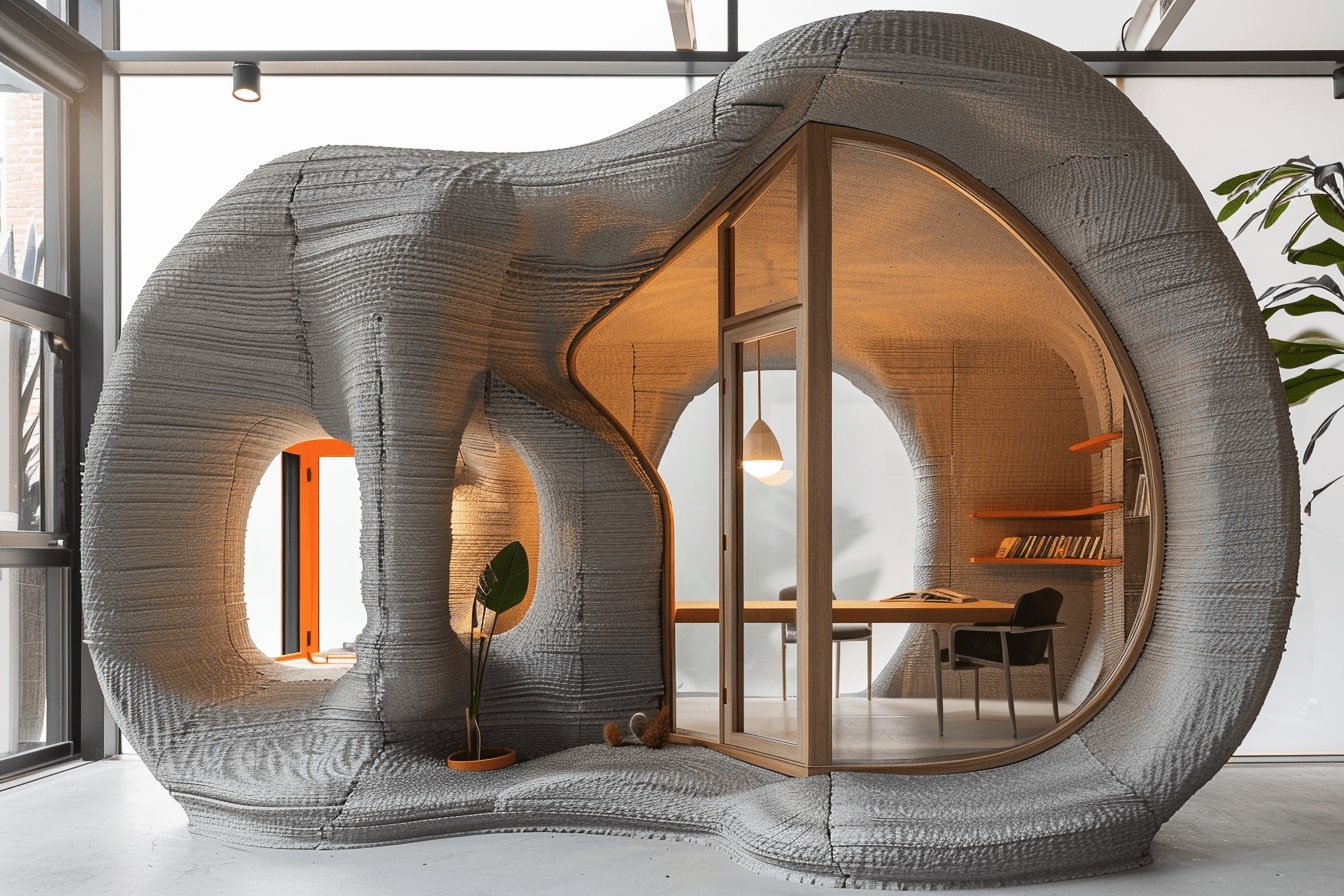
3D Printed Buildings vs. Traditional Construction
How does 3D printing in building actually stack up against conventional methods? The differences span cost, timeline, labor needs, design flexibility, and environmental impact. While traditional construction benefits from decades of established processes, 3D printed construction methods are quickly closing the gap and even surpassing conventional approaches in several areas.
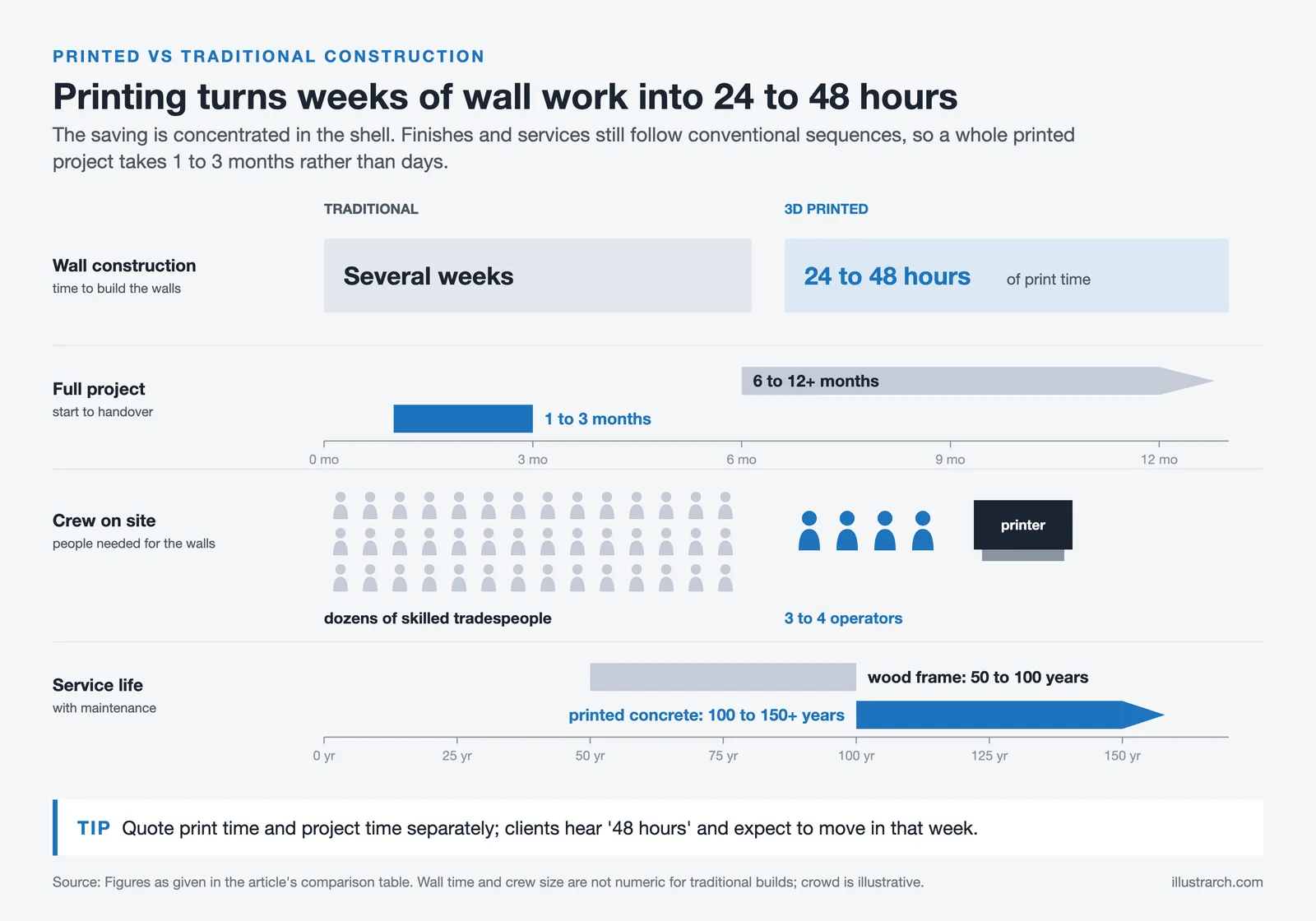
Traditional vs. 3D Printed Construction: Key Differences
| Factor | Traditional Construction | 3D Printed Construction |
|---|---|---|
| Wall Construction Time | Several weeks | 24 to 48 hours (print time) |
| Full Project Timeline | 6 to 12+ months | 1 to 3 months |
| Labor Required | Dozens of skilled tradespeople | 3 to 4 operators for printing |
| Material Waste | High (significant landfill contribution) | Minimal (near-zero for wall systems) |
| Design Flexibility | Limited by framing constraints | Curves, organic shapes at no extra cost |
| Durability | Wood frame: 50 to 100 years | Concrete: 100 to 150+ years (with maintenance) |
| Pest/Weather Resistance | Vulnerable to termites, rot, fire | Resistant to termites, mold, water, fire |
The Future of 3D Printed Buildings
Innovations on the Horizon
3D printing technology in construction promises several important innovations in the coming years. New materials such as geopolymer concrete and bio-based composites (like those from the University of Maine’s BioHome3D project) reduce cement dependency and cut embodied carbon by over 70%. Companies are exploring multifunctional robots that print complex architectural features in one continuous operation. ICON’s next-generation Phoenix printer uses an articulating robotic arm with a dynamically stabilized print head, designed to print not just walls but also foundations and roof structures for multi-story buildings.
Software innovations also play a growing role. Real-time monitoring with closed-loop quality assurance systems allows operators to detect and correct printing errors as they happen. Digital twin workflows let architects and engineers simulate the entire printing process before breaking ground, reducing costly mistakes. Integration with Building Information Modeling (BIM) further streamlines the design-to-construction pipeline.
Potential Market Growth
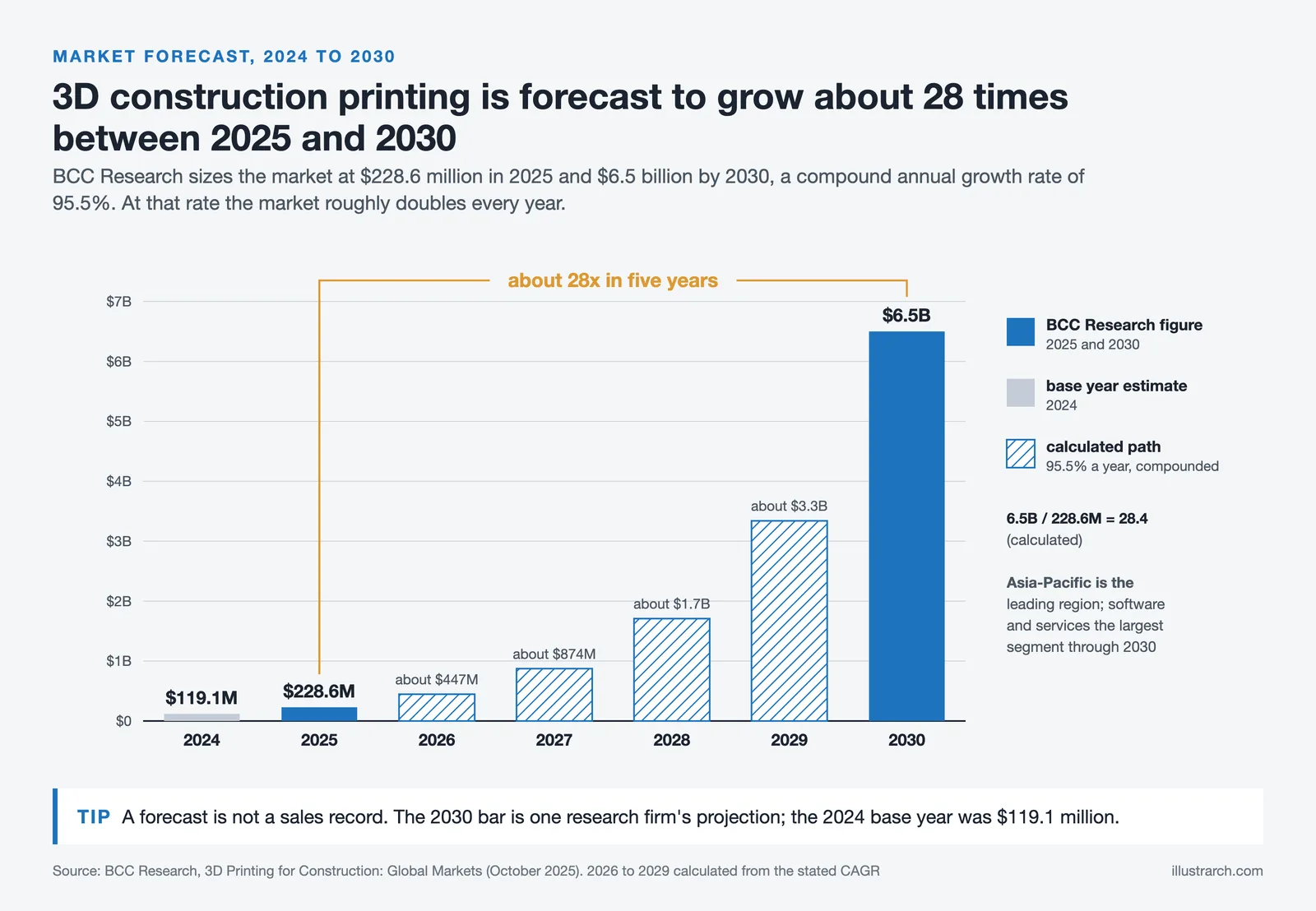
The market for 3D printed buildings is set to grow at an extraordinary pace. According to BCC Research, the global 3D printing construction market is projected to surge from $228.6 million in 2025 to $6.5 billion by 2030, reflecting a compound annual growth rate of 95.5%. Asia-Pacific leads adoption, driven by rapid urbanization and housing demand in China and Japan. North America remains a significant market, with ICON, SQ4D, Alquist, and Hive3D among the key players driving residential and commercial deployment.
Europe remains a central hub for 3D construction innovation, housing conferences dedicated to showcasing the latest advancements. Properties featuring 3D printed components offer advantages such as reduced construction waste and lowered carbon footprints, attracting environmentally conscious developers. Regulatory bodies in the U.S. and EU are beginning to offer clearer guidelines, which facilitates faster project approval and implementation.
Space Construction and Beyond
Some of the most ambitious applications for 3D printed structures extend beyond Earth. NASA has partnered with ICON through a $57 million contract to develop construction systems for the Artemis lunar program. The concept uses lunar regolith (moon dust) as a printing material, eliminating the need to transport heavy building materials from Earth, where commercial lunar delivery has been priced at about $1.2 million per kilogram of payload. The European Space Agency is also exploring 3D printing for extraterrestrial habitats. While still experimental, these space-based projects are generating technological breakthroughs that benefit terrestrial 3D printed construction as well.
With ongoing research and development, coupled with increasing market demand, the future of 3D printed buildings appears poised for rapid expansion across both residential and commercial sectors worldwide.
Leading Companies in 3D Printed Construction
Several companies are driving the 3D printed building industry forward. Understanding who they are and what they specialize in helps contextualize where the technology stands today.
ICON (Austin, Texas) is the largest player in the U.S. market, having printed over 180 structures across four states and two countries. Their Phoenix printer represents the next generation of construction-scale 3D printing. COBOD International (Copenhagen, Denmark) manufactures BOD2 printers used by multiple construction firms globally, including Alquist in the U.S. and projects in Germany, India, and Africa. WASP (Italy) specializes in sustainable 3D printing using local materials like clay, and built the landmark Tecla eco-habitat. Apis Cor focuses on autonomous construction and is taking deposits for residential builds across the U.S. SQ4D (New York) produced the first 3D printed home listed for sale in the U.S. market. WinSun in China built the world’s tallest 3D printed structure in 2015, a five-story apartment building, and continues to push large-scale applications in the Asian market.
Conclusion
3D printed buildings represent a promising and rapidly maturing frontier in construction. The technology offers faster build times, reduced labor needs, lower waste, and growing design freedom compared to conventional methods. Real-world projects like ICON’s Wolf Ranch community, Project Milestone in Eindhoven, and Habitat for Humanity’s 3D printed homes demonstrate that this is no longer an experimental novelty.
Notable projects like Europe’s first 3D printed building, Spain’s 3D printed concrete bridge, and Italy’s Tecla eco-habitat underscore the technology’s global reach. For residential and commercial projects, the combination of cost-effectiveness, speed, and sustainability advantages makes 3D printing an increasingly attractive option.
Challenges remain. Regulatory frameworks need to catch up with the technology, material options are still expanding, and upfront printer costs are high. But organizations like ASTM and NFPA are actively developing standards, and the range of printable materials grows each year. With a projected market reaching $6.5 billion by 2030, the trajectory is clear.
Research and development continue to drive improvements. Geopolymer concrete, bio-based materials, AI-guided printing, and robotic construction platforms all point toward a future where 3D printed structures become a standard option for builders and developers. For architects and construction professionals looking to stay ahead, understanding and engaging with 3D printing technology is becoming essential.
Europe continues to serve as a hub for 3D construction innovation, while the U.S. and Asia-Pacific regions drive large-scale deployment. Properties featuring 3D printed components benefit from reduced waste and lower carbon footprints, aligning with global sustainability goals for future cities.
The future of 3D printed buildings looks promising, with technological advancements and growing market demand driving the industry forward. As construction costs rise and skilled labor shortages persist globally, 3D printing offers a practical, scalable solution that is already changing how we build.



1 Comment
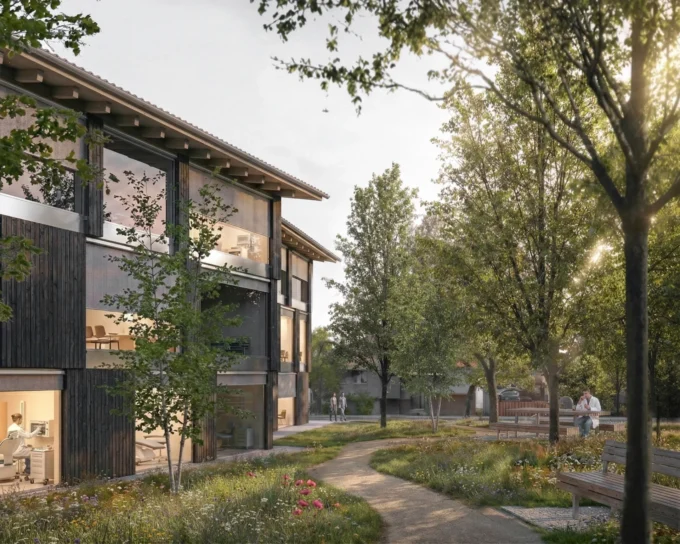


SAGA Space Architects Completes 36 3D Printed Student Homes in Denmark
SAGA Space Architects completes a 36-unit 3D printed student housing scheme in...
 illustrarch Editoral Team1 Mins read

Self-Sufficient 3D-Printed House: WASP’s Itaca Model
WASP's Itaca project in Northern Italy is the first certified self-sufficient 3D-printed...
 Elif Ayse Sen7 Mins read
3D Printed Homes: Time, Cost, and What to Expect
3D printed homes explained: realistic timelines (24–72h walls, 8–16 weeks total), true...
 Sinan Ozen4 Mins read

Best 3D Scanners for Construction Site Digitization
3D scanning has become an essential tool for architects and construction professionals,...
Elif Ayse Sen6 Mins read


The idea that 3D printing can build a house in just one day feels like magic! It’s so inspiring to think about how quickly we could create homes for those in need. The example of Project Milestone in Eindhoven really shows how innovative this technology can be, merging modern design with energy efficiency. I wonder, what are the biggest challenges still facing this amazing technology?