

Top Prize-Winning Architects and Design Leaders Shaping Architecture in 2025
Architecture awards in 2025 reveal a profession redefining its values amid environmental, social, and technological change. The year’s prize-winning architects and design leaders were recognized not for iconic form alone, but for their ability to position architecture as an ethical, collaborative, and culturally responsive practice. Their work reflects a broader shift toward responsibility, intelligence, and long-term relevance in contemporary spatial culture.
 Sinan Ozen29 January 20263 Mins read162

Table of Contents Show
By 2025, architecture has reached a moment of recalibration rather than rupture. The profession is no longer defined by the urgency to invent new forms at all costs, but by the need to reassess responsibility, relevance, and long-term impact. In this context, architectural awards have shifted in meaning. They no longer simply elevate buildings or individual brilliance; they frame broader conversations about how architecture engages with climate, society, labor, and cultural memory. The architects and design leaders recognized in 2025 represent this shift clearly. Their work resists spectacle and instead prioritizes continuity, care, and intellectual rigor. Rather than defining a single stylistic direction, these figures collectively signal a discipline learning to operate with restraint, depth, and ethical clarity. To examine them is not to compile a list of achievements, but to understand what architectural excellence now demands.

David Chipperfield
David Chipperfield’s continued recognition in 2025 reflects architecture’s renewed respect for discipline, precision, and cultural stewardship. His work demonstrates how restraint can be a powerful architectural position, particularly in an era saturated with visual noise. Chipperfield’s projects are defined by their capacity to stabilize context rather than disrupt it, treating architecture as a civic instrument that frames public life with clarity and dignity. What makes his recognition significant is not longevity alone, but consistency—an unwavering commitment to proportion, material intelligence, and historical continuity. In celebrating Chipperfield, the architectural culture of 2025 affirms that care for the city, for institutions, and for collective memory remains a vital form of architectural leadership.

Anne Lacaton & Jean-Philippe Vassal
The ongoing recognition of Anne Lacaton and Jean-Philippe Vassal underscores a profound shift in how architectural value is measured. Their work challenges the assumption that progress requires replacement, instead advocating for transformation through addition, generosity, and reuse. By prioritizing existing structures and the lived experience of occupants, their architecture reframes sustainability as an ethical stance rather than a technical checklist. What matters in their approach is not aesthetic consistency, but social consequence—space as something that must give more than it takes. Their presence among the most celebrated figures of 2025 reinforces the idea that architectural excellence can be quiet, economical, and deeply humane without losing intellectual force.
Alejandro Aravena
Alejandro Aravena’s continued influence among prize-winning architects in 2025 highlights the enduring relevance of architecture that operates directly within social and political realities. His work demonstrates how design can act as a framework for participation, allowing users to complete, adapt, and claim space over time. Aravena’s significance lies in his refusal to separate architectural form from social process, insisting instead that design intelligence must engage inequality, scarcity, and collective agency. In recognizing Aravena, architectural culture acknowledges that design leadership today involves asking difficult questions about power, access, and authorship—questions that architecture can no longer afford to sidestep.

Kazuyo Sejima
Kazuyo Sejima’s recognition in 2025 reflects architecture’s ongoing exploration of lightness, perception, and spatial ambiguity. Her work challenges conventional hierarchies of enclosure and structure, producing environments that feel simultaneously precise and open-ended. Sejima’s architecture operates through subtle spatial relationships rather than overt expression, encouraging users to navigate space intuitively rather than didactically. What makes her presence among prize-winning figures significant is her ability to expand architectural language without relying on monumentality. In doing so, she reminds the discipline that innovation can emerge through refinement, sensitivity, and an almost invisible recalibration of how space is experienced.
Francis Kéré
Francis Kéré’s continued recognition in 2025 signals architecture’s growing commitment to equity, locality, and collective knowledge. His work demonstrates how architecture can emerge from dialogue rather than imposition, translating climate, craft, and community participation into spatial form. Kéré’s projects are not defined by stylistic repetition, but by methodological clarity—design as a process rooted in listening, adaptation, and shared authorship. His significance lies in showing that architectural leadership does not require scale or capital dominance, but cultural intelligence and ethical grounding. In celebrating Kéré, the profession affirms that architecture’s future depends on its ability to engage diverse realities with respect and imagination.

Conclusion
Taken together, the prize-winning architects and design leaders of 2025 reveal a discipline moving away from singular narratives and toward plural, context-sensitive practices. Their recognition does not point to a unified style, but to a shared commitment to responsibility—toward people, environments, histories, and futures. These figures demonstrate that architecture’s power today lies not in assertion, but in calibration; not in dominance, but in care. For emerging architects and educators, the lessons of 2025 are clear. Architectural relevance will be shaped by the ability to think critically, work collaboratively, and design with long-term consequence in mind. The leaders celebrated this year do not offer formulas, but frameworks—showing how architecture can remain culturally meaningful in a world that increasingly demands accountability over iconography.





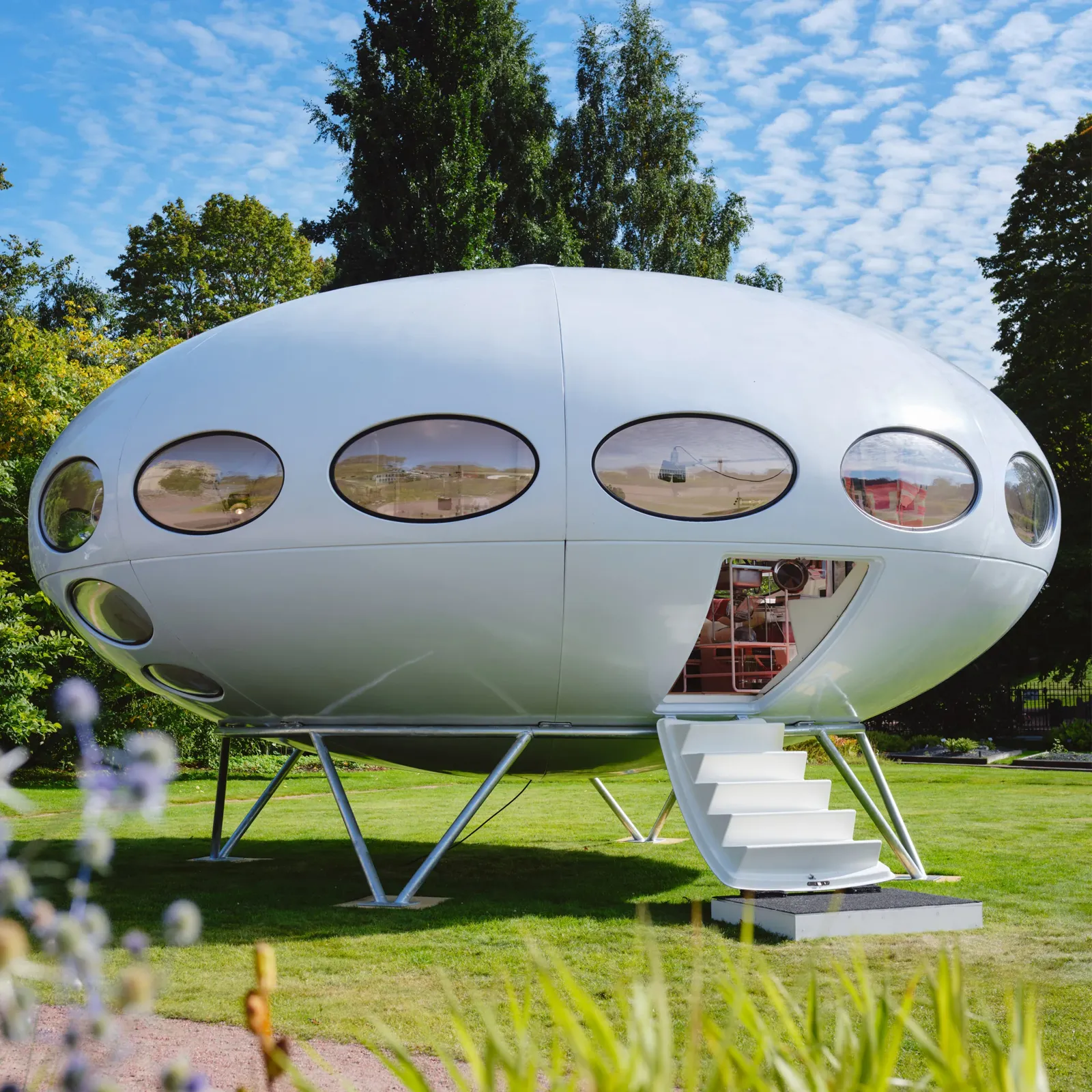
Futuro House Production Revived in Finland After Decades-Long Hiatus
A Facebook listing for abandoned moulds led to the first new Futuro...
 illustrarch Editoral Team3 Mins read
Building Your Dream Home in NSW: What You Should Know About Montgomery Homes
Montgomery Homes has been building across Sydney, Newcastle, the Hunter, Wollongong and...
illustrarch Editoral Team4 Mins read

Designing a Home Theater: Where Drapery Fits Into the Plan
In a media room the curtains are a performance layer, not decoration....
illustrarch Editoral Team3 Mins read
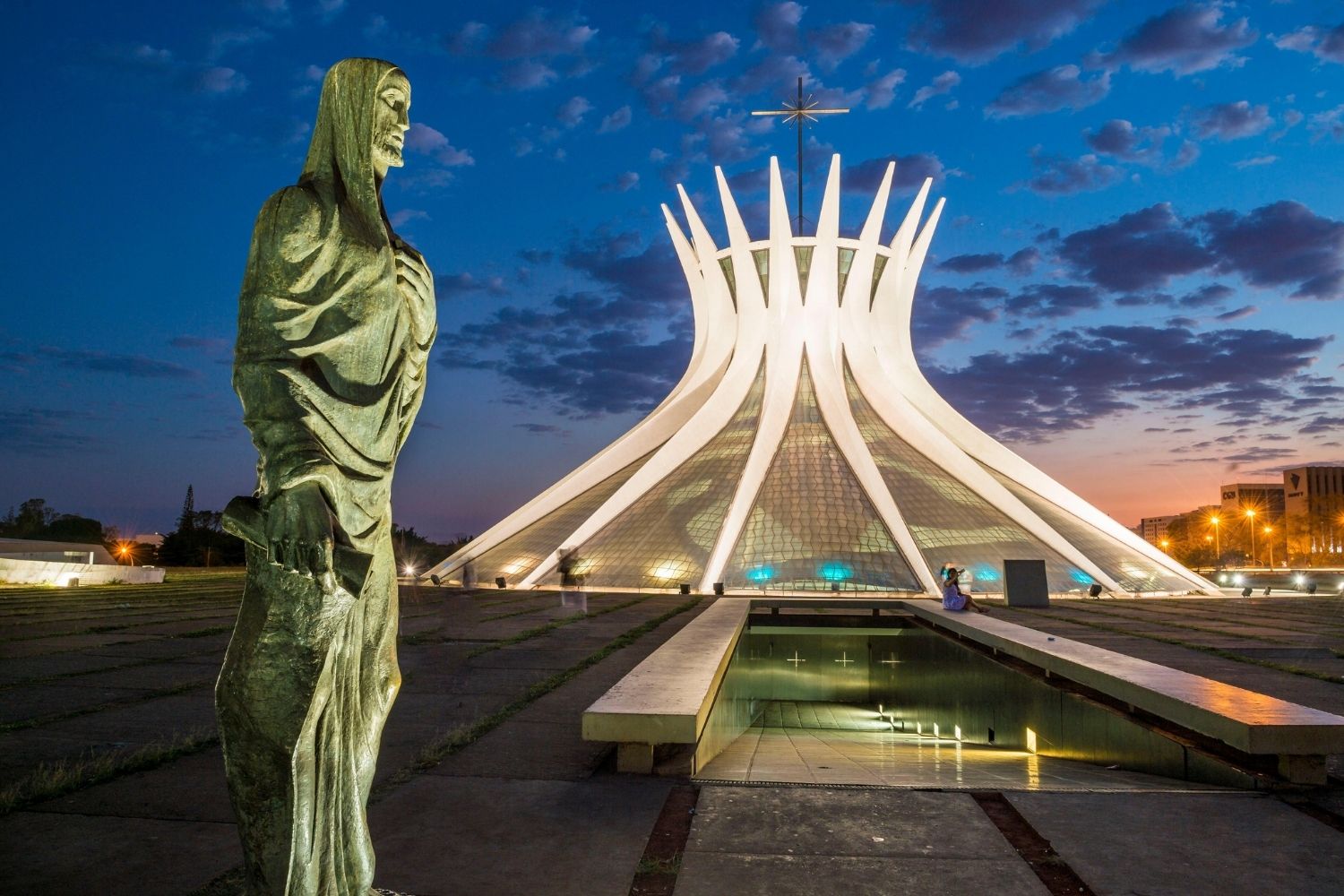
Oscar Niemeyer’s Cathedral of Brasília: The Hyperboloid Concrete Hymn
The Cathedral of Brasília reads as a single gesture, yet it stood...
 Furkan Sen7 Mins read


Leave a comment