

House of Knowledge by Christoph Hesse Architects
House of Knowledge by Christoph Hesse Architects creates a new cultural and ecological hub in Xinyang, China, where a community library and tea house are embedded within a biodiverse park landscape. Designed as an evolving, multi-generational space, the project integrates architecture, learning, and permaculture to foster collective knowledge, social connection, and environmental awareness.
 Begum Gumusel30 January 20263 Mins read236


Table of Contents Show
Set within Yangshan Park in Xinyang, a rapidly growing city of 12 million in central China’s Henan Province, the House of Knowledge forms part of the ambitious 20 Bookhouses Initiative aimed at enriching cultural life across the metropolis. Rather than appearing as a singular monumental object, the project is composed of two modest yet deeply intentional buildings: a community library with exhibition spaces, and a tea house dedicated to informal gathering. Between them, three small lakes unfold across a biodiverse landscape, creating a calm spatial threshold that mediates between the dense surrounding city and the slower rhythms of the park.
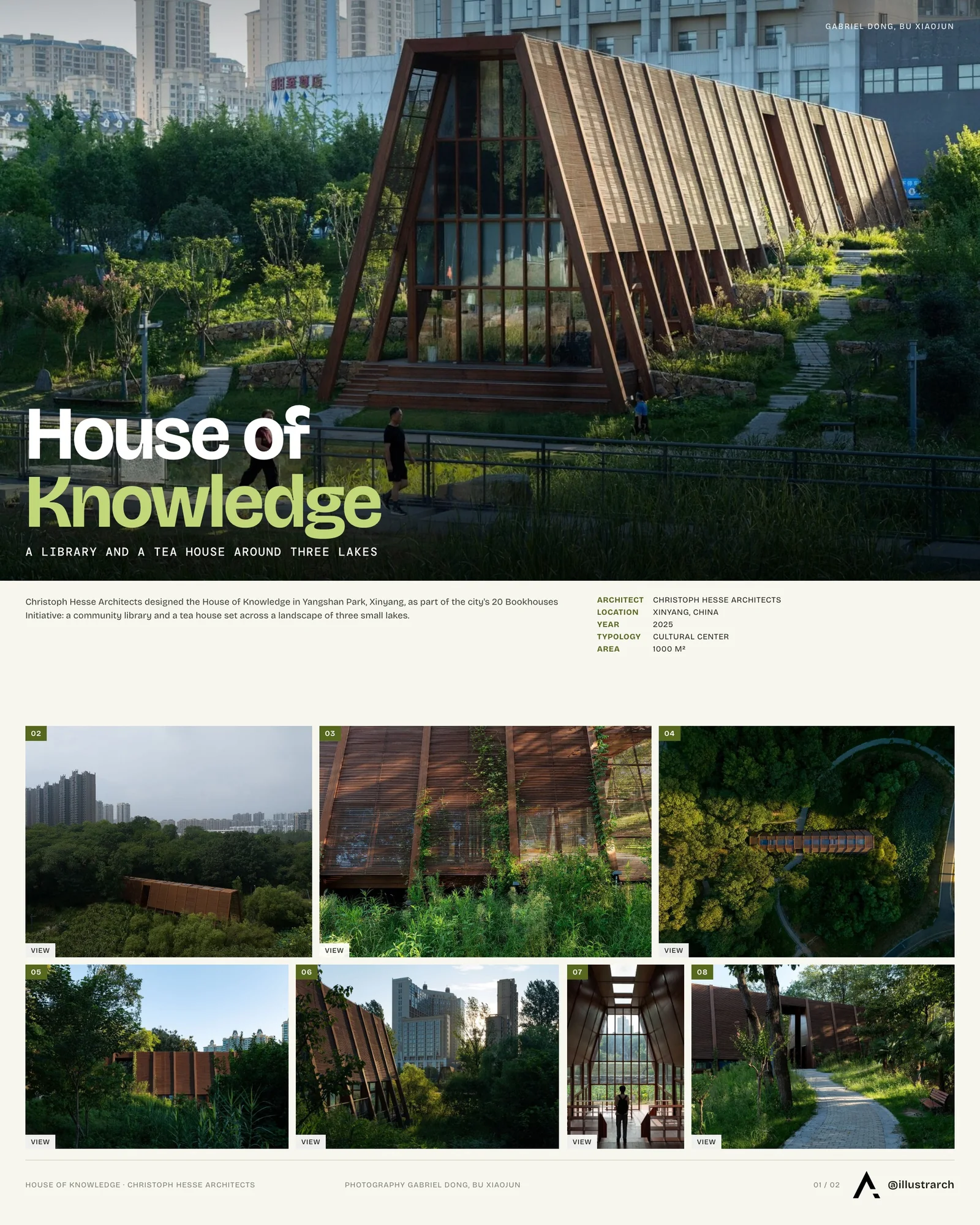
Together, architecture and landscape establish a new type of civic environment, one that privileges proximity, openness, and everyday participation over formal spectacle. The result is a cultural and social hub where learning, leisure, ecology, and community life become inseparable.
Architecture as a Framework for Connection
The spatial relationship between the library and tea house is carefully choreographed. Rather than operating as isolated programs, the two buildings are linked through visual corridors, open paths, and layered thresholds that allow movement to flow intuitively between them. Generous openings frame views toward water, vegetation, and activity, reinforcing a sense of continuity between interior and exterior.
This openness is not only physical but social. The library is conceived as a place for reading, exhibitions, workshops, and community-led initiatives, while the tea house provides quieter spaces for conversation, reflection, and informal exchange. The architecture encourages users to drift between these atmospheres, cultivating a culture of shared presence rather than programmed consumption.
Multi-Generational Spaces That Evolve Over Time
Internally, the buildings are shaped by generous proportions and high ceilings that create spatial dignity without formality. Rather than rigid zoning, the interiors support flexibility, allowing children, students, families, and elderly residents to coexist within the same environment. This multi-generational inclusivity is fundamental to the project’s ambition: knowledge is not treated as a static commodity but as something produced through interaction.
Importantly, the House of Knowledge is not conceived as a finished product. Its activation is intentionally gradual. Programs are introduced step by step, and users are encouraged to shape the life of the place over time. Residents are positioned not as passive visitors but as co-authors of the space, contributing ideas, activities, and care to both the buildings and the surrounding landscape.
Bridging Social Climate and Ecological Climate
At the conceptual heart of the project lies a powerful ambition: to realign two increasingly imbalanced systems, the social climate and the ecological climate. Architecturally, this translates into creating environments that foster togetherness, dialogue, and collective learning. Spatial openness, accessibility, and visual continuity become tools for cultivating trust and shared responsibility.
At the same time, the project operates as a living educational tool. Themes of sustainability, regenerative practices, and environmental awareness are embedded not only in the building systems but in the everyday experience of the site. The House of Knowledge becomes a platform where architecture quietly teaches, through use, atmosphere, and engagement rather than instruction.
Landscape as Living Classroom
The surrounding park is not treated as decorative scenery but as an active educational landscape. Community gardens, ponds, and native planting zones are structured according to permaculture principles, allowing residents to participate directly in cultivation and care. Over time, visitors can learn about biodiversity, water cycles, and ecological balance through hands-on engagement rather than abstract messaging.
This integration of architecture and landscape transforms the entire site into a living classroom, where knowledge is experienced physically and socially. The lakes, pathways, and planted areas become pedagogical tools, reinforcing the idea that environmental stewardship is a collective and everyday practice.
Materiality and Climate-Responsive Design
The architectural language remains intentionally restrained, allowing use and atmosphere to take precedence. The buildings are constructed primarily from natural materials such as wood, which contributes warmth, tactility, and environmental responsibility. Passive strategies, including constructive shading, cross ventilation, and climate-responsive orientation, support comfortable use throughout the year.

Mechanical systems for heating and cooling rely on renewable energy sources, reinforcing the project’s broader ecological ethos. Rather than treating sustainability as a technological add-on, the House of Knowledge integrates building performance, landscape strategy, and social use into one coherent ecological and cultural system.
The House of Knowledge proposes a compelling model for cultural infrastructure within rapidly urbanizing contexts. It does not present knowledge as something to be displayed or consumed, but as something to be cultivated collectively over time. Through architectural openness, ecological integration, and social inclusivity, Christoph Hesse Architects have created a place where community life, environmental awareness, and everyday learning reinforce one another. The project stands as a quiet yet powerful reminder that architecture can still shape not only space, but also shared responsibility and belonging.
Photography: Gabriel Dong, Bu Xiaojun



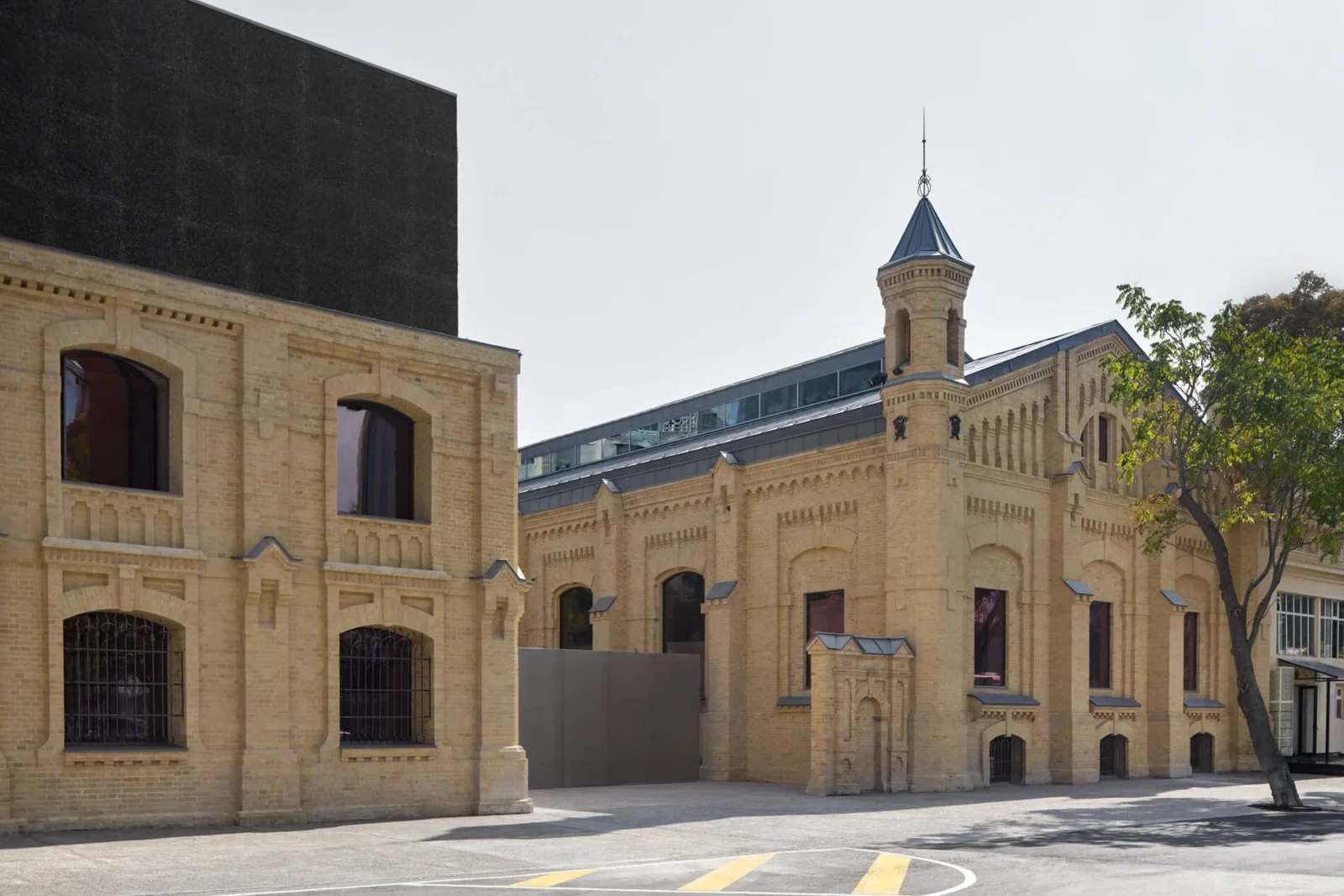
CCA Tashkent Opens in Studio KO’s Revamped 1912 Tram Depot
Studio KO has converted a 1912 Tashkent tram depot into CCA Tashkent,...
 illustrarch Editoral Team2 Mins read

People’s Theatre Opens Permanent Inwood Home After 18 Years
WORKac's ramp-driven design gives Mino Lora's People's Theatre its first permanent home...
illustrarch Editoral Team2 Mins read
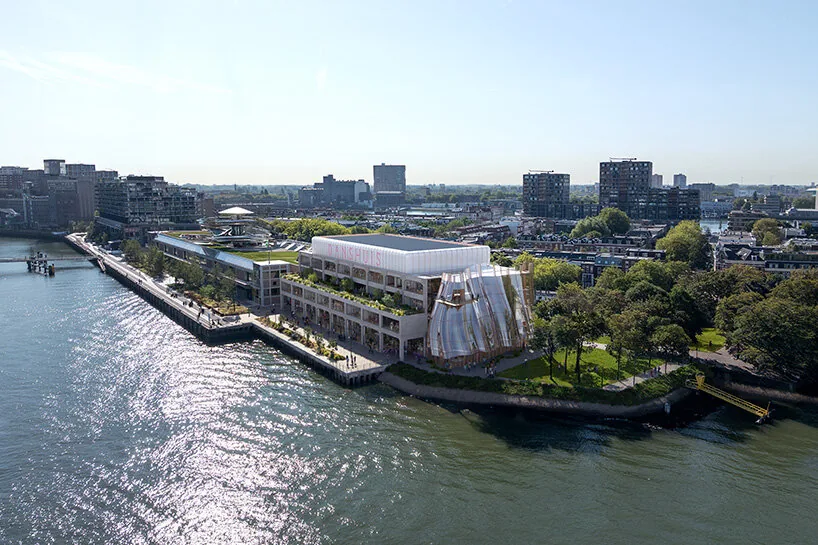
MAD to Convert 1923 Rotterdam Warehouse into Dance Center
MAD will convert a 1923 Rotterdam warehouse into Danshuis, a dance center...
illustrarch Editoral Team1 Mins read
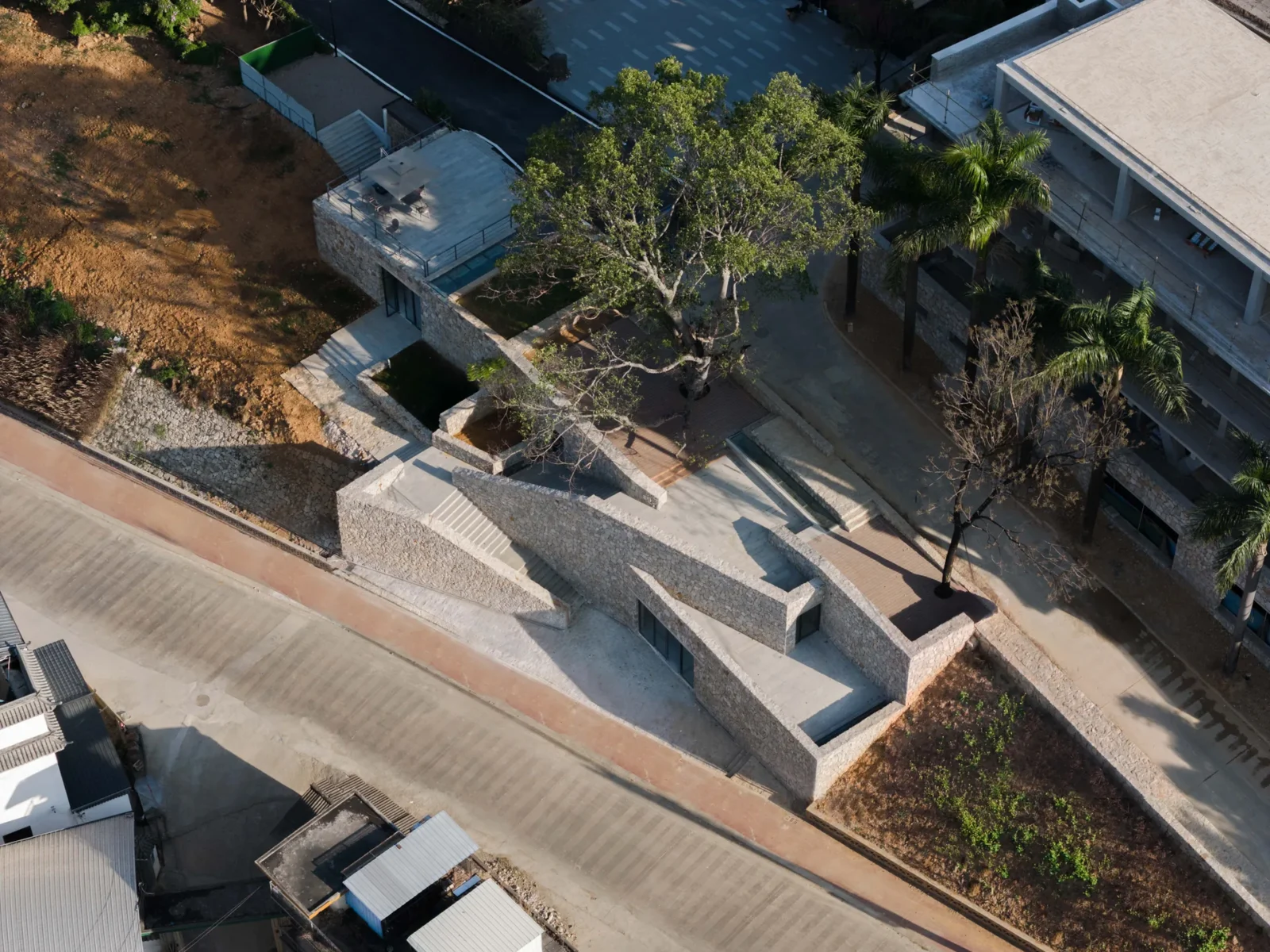
Bawan Village Visitor Center by TAO
On the site of an abandoned petrol station in Yunnan, TAO builds...
illustrarch Editoral Team2 Mins read


Leave a comment