

Choosing the Perfect Roofing Material for Your Home
Choosing roofing material involves assessing durability, cost, climate compatibility, and architectural style to ensure a long-lasting and effective roof for your home.
 Bahattin Duran2 January 20246 Mins read542
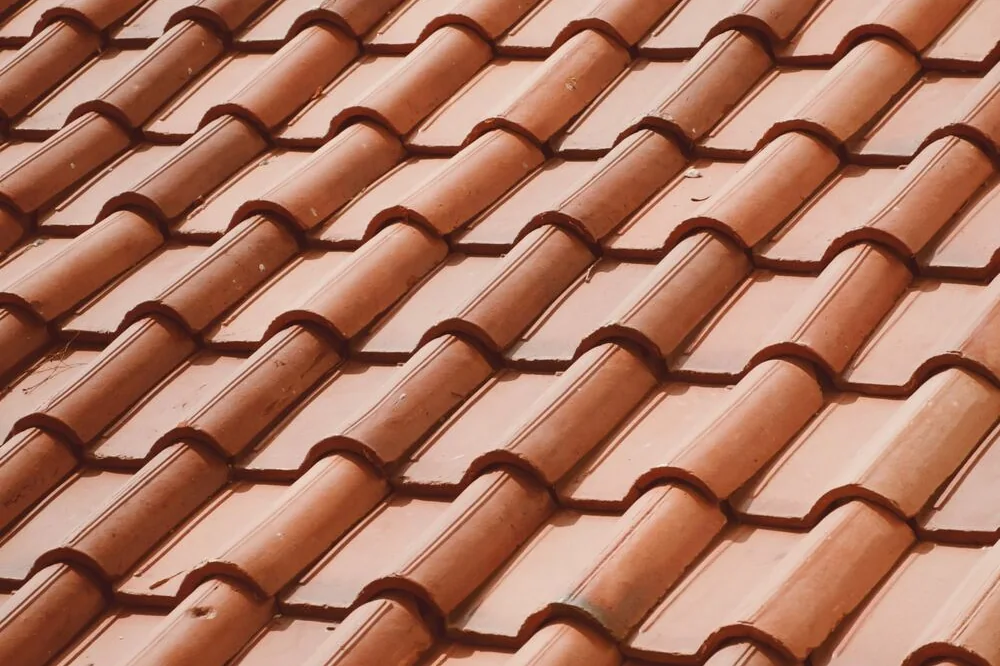
Table of Contents Show
Choosing the right roofing material for your home means weighing durability, cost, local climate, and architectural style together. Asphalt shingles fit most budgets, metal and tile roofs last for decades, and slate can protect a house for a century. The best option matches your weather, your structure, and how long you plan to stay.
A roof does more than keep rain out. It shields the structure from wind, sun, and snow, and it shapes the way the whole house reads from the street. Picking the right roofing material deserves the same care you would give to foundations or framing. This guide walks through the factors that matter and compares the main materials side by side, whether you are building new or replacing an old roof.
What to Consider When Choosing a Roofing Material
A few practical factors decide which material earns its place on your home. Work through each one before you compare brands or request quotes.
Durability and Lifespan
A roof is a long-term investment, and you want it to last. Asphalt shingles average 15 to 30 years, while standing-seam metal can run 40 to 70 years and natural slate well beyond that. Match the material to your climate too. Heavy snow, salt air near the coast, and intense UV all shorten the life of a poor fit. For homes in rainy regions, the detailing behind the surface matters as much as the surface itself, as this look at high-performance roofing in wet climates explains.
📐 Technical Note
Roof slope drives material choice. Asphalt shingles generally need a minimum slope of 2:12, and most manufacturers require special underlayment between 2:12 and 4:12. Below 2:12 you usually move to a membrane or standing-seam metal system. Always confirm the slope rating against the manufacturer’s installation instructions for your specific product.
How Much Does a Roofing Material Cost?
Roofing materials sit at very different price points, and the cheapest option up front is not always the cheapest over time. A low-cost roof that needs replacing twice as often can cost more across 40 years than a pricier material installed once. Factor in installation labor, tear-off of the old roof, and ongoing maintenance, not just the material itself.
To compare options against your own roof, tools such as Instant Roofer generate quick estimates based on your home’s measurements, which helps you set a realistic budget before you call contractors. For installation guidance tied to your local climate and home style, it also helps to consult an established roofing company near Dallas TX. When you are ready to plan the project itself, you can head over to this site for more on selecting the right material.
Environmental Impact
Material choice affects both your energy bills and what ends up in a landfill. Metal and clay tile are recyclable and long-lasting, while worn asphalt shingles usually get torn off and discarded. Reflective, light-colored surfaces also cut cooling loads in hot climates. The U.S. Department of Energy notes that a cool roof can stay more than 50°F cooler than a standard roof under the same sun, which reduces air-conditioning demand and extends the roof’s service life.
Architectural Style
Your roof should suit the house under it. Sleek standing-seam metal complements a modern build, clay tile reads as Mediterranean or Spanish Revival, and slate or wood shakes feel at home on historic and craftsman houses. Consider color, texture, and profile so the roof strengthens the home’s character instead of fighting it.
⚠️ Common Mistake to Avoid
Many homeowners pick a heavy material like slate or concrete tile without checking whether the existing structure can carry the load. Slate can weigh several times more than asphalt per square. Before you commit, have a structural engineer confirm the framing, or budget for reinforcement so the roof does not overstress the rafters.
Roofing Material Options Compared
The market offers several proven materials, each with its own trade-offs. The table below summarizes typical service life and relative cost. The lifespan ranges draw on figures published by roofing trade associations, including the Asphalt Roofing Manufacturers Association, the Metal Roofing Alliance, and the Tile Roofing Industry Alliance. Cost is shown on a relative scale, since actual prices vary widely by region and supplier.
Lifespan and Cost at a Glance
| Material | Typical Lifespan | Relative Cost | Best For |
|---|---|---|---|
| Asphalt shingles | 15 to 30 years | Low | Budget projects, fast installs |
| Metal (standing seam) | 40 to 70 years | Moderate to high | Energy efficiency, low upkeep |
| Clay or concrete tile | 50 to 100 years | High | Hot, dry climates, Mediterranean style |
| Natural slate | 75 to 100+ years | Very high | Historic homes, premium builds |
| Wood shingles or shakes | 20 to 40 years | Moderate | Rustic and craftsman aesthetics |
| Synthetic (composite) | 40 to 50 years | Moderate to high | Slate or shake look, lighter weight |
Asphalt Shingles
Asphalt shingles are the most common roofing material in North America because they are affordable and quick to install. They come in many colors and profiles, from basic three-tab to thicker architectural shingles that mimic depth and shadow. Their shorter lifespan is the main trade-off, and they perform best in moderate climates. For a closer look at how they stack up against metal, see this breakdown of asphalt versus metal roofing.

Metal Roofing
Metal roofs have grown popular thanks to their long life, energy performance, and clean look. Steel, aluminum, and zinc panels reflect solar heat, resist fire, and shed snow well. The higher upfront price is offset by decades of low maintenance, which makes metal a sound value over the life of the home.
Clay or Concrete Tile
Tile resists fire, rot, and harsh weather, and it can last well over half a century. Clay and concrete tiles come in a range of colors and shapes, which suits Mediterranean, Spanish, and Southwestern designs. The main considerations are weight and cost, since tile is heavy and usually needs a strengthened roof deck.
Natural Slate
Slate is a natural stone that gives a home an elegant, distinctive surface. It can last 75 to 100 years or more with proper care, though it is among the most expensive options and one of the heaviest. Slate rewards owners who plan to stay long term and want a roof that may outlast them.
💡 Pro Tip
When you request quotes, ask each contractor to price the same shingle grade and underlayment so the bids are truly comparable. A low number often hides thinner underlayment, skipped ice-and-water shield, or a shorter workmanship warranty that costs you later.
Wood Shingles and Shakes
Wood shingles and shakes bring a warm, rustic character that ages into a soft gray. They install fairly easily but need regular upkeep, since wood is prone to rot, insects, and fire unless treated. Check local fire codes before choosing wood, as some regions restrict it.
Synthetic and Composite Materials
Synthetic roofing reproduces the look of slate or wood shake using engineered polymers at a fraction of the weight. These composite products resist impact and weather and carry long warranties without the structural demands of natural stone. They suit owners who want a premium appearance without reinforcing the framing.

Benefits of a New Roof
Beyond protection and looks, replacing an aging roof brings real returns:
- Better energy efficiency: A well-insulated, properly ventilated roof reduces heat loss in winter and keeps interiors cooler in summer, which lowers energy bills.
- Higher property value, since a new roof reassures buyers and removes a major future expense from negotiations. A local specialist such as this roofing company in Livonia can explain what buyers in your market expect.
- Peace of mind, because a sound, modern roof handles storms and seasonal swings without the worry of leaks or sudden failure.
Practical Tips Before You Decide
- Seek professional advice. A roofer or architect can weigh your home’s structure, climate, and budget to recommend suitable options.
- Check local building codes. Some areas restrict certain roofing material types, especially in fire-prone or hurricane-prone regions. Confirm your choice with the local authority first.
- Account for weight. Slate and tile are far heavier than asphalt, so verify that the structure can carry the load.
- Add up installation and maintenance, since a cheaper material that needs frequent service can cost more over its lifetime.
- Read the warranty. Material warranties often exclude defects from poor installation, so hire a licensed, insured roofer and ask about extended coverage.
Researching options carefully pays off. Contractor sites such as Suffolk County roofers and oaksroofingandsiding.com offer guidance on materials and installation that can support your decision.
Cost figures are relative and vary by region, material supplier, and project scope. Building codes also differ by jurisdiction, so confirm material and structural requirements with local authorities before you commit.
Where to Go From Here
Your next step: measure your roof’s slope and total square footage, then run those numbers through an online estimator before you call contractors. Walking into quotes with a realistic budget and a shortlist of two or three materials keeps the project on track and the bids honest.






Types of Roofs: The Complete Guide to Shapes, Styles and Materials
An overview of the most common roof shapes (gable, hip, flat, mansard,...
 illustrarch Editoral Team12 Mins read
Anatomy of a Wet-Climate Roof: The Engineering Behind High-Performance Roofing
How high-performance roofing protects homes in wet climates: multi-layer systems, flashing, ventilation...
Bahattin Duran3 Mins read

Benefits of Green Roofing vs Solar Roof: Which Performs Better in Urban Buildings?
Green roof or solar roof? In dense city buildings, the two systems...
 Furkan Sen8 Mins read
How to Select the Most Reliable Shelter Installation Team
Selecting a reliable shelter installation team involves defining project specifications, vetting credentials,...
Bahattin Duran3 Mins read


Leave a comment