

Anatomy of a Wet-Climate Roof: The Engineering Behind High-Performance Roofing
How high-performance roofing protects homes in wet climates: multi-layer systems, flashing, ventilation and drainage that prevent moisture failure.
 Bahattin Duran25 June 20263 Mins read146
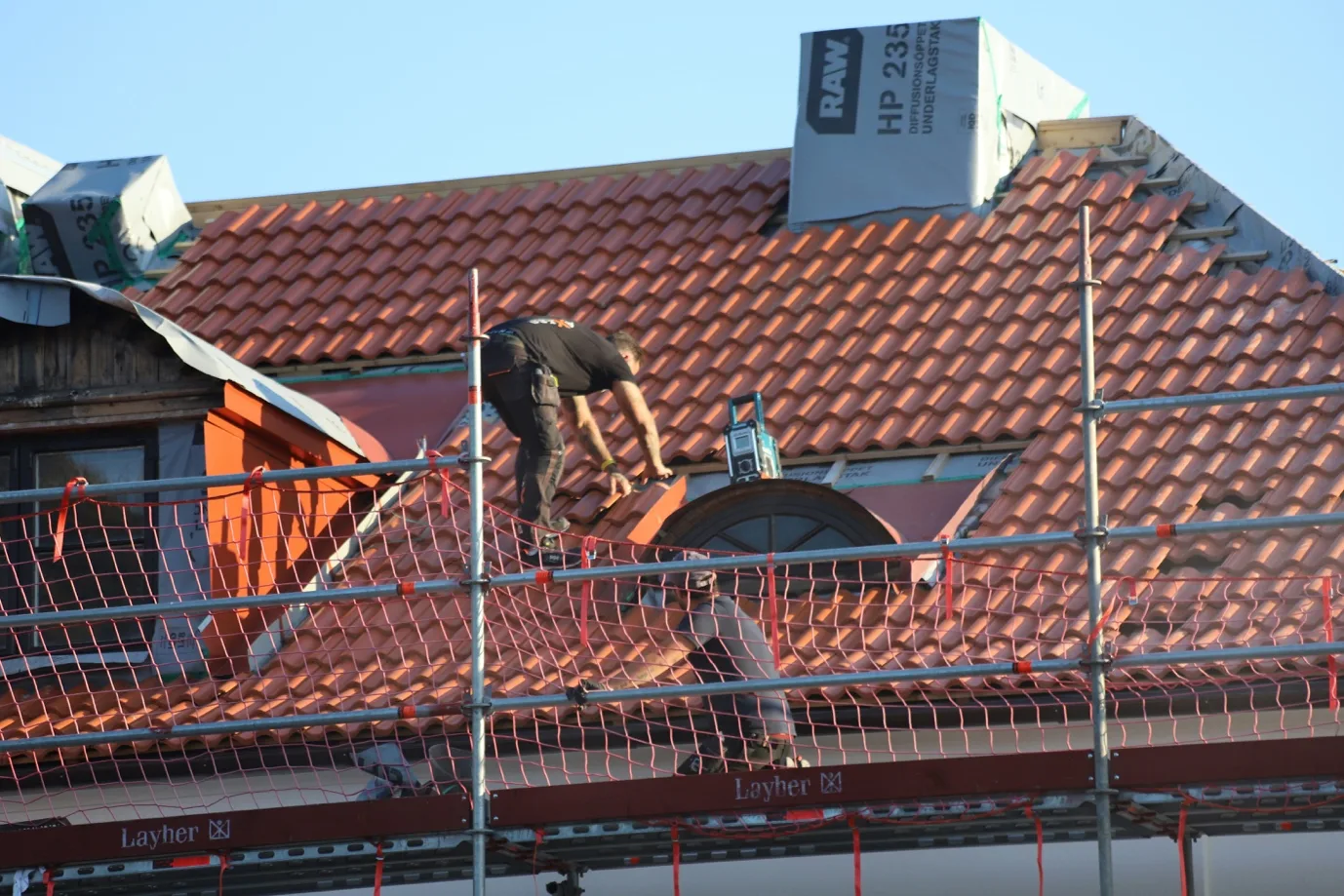
Table of Contents Show
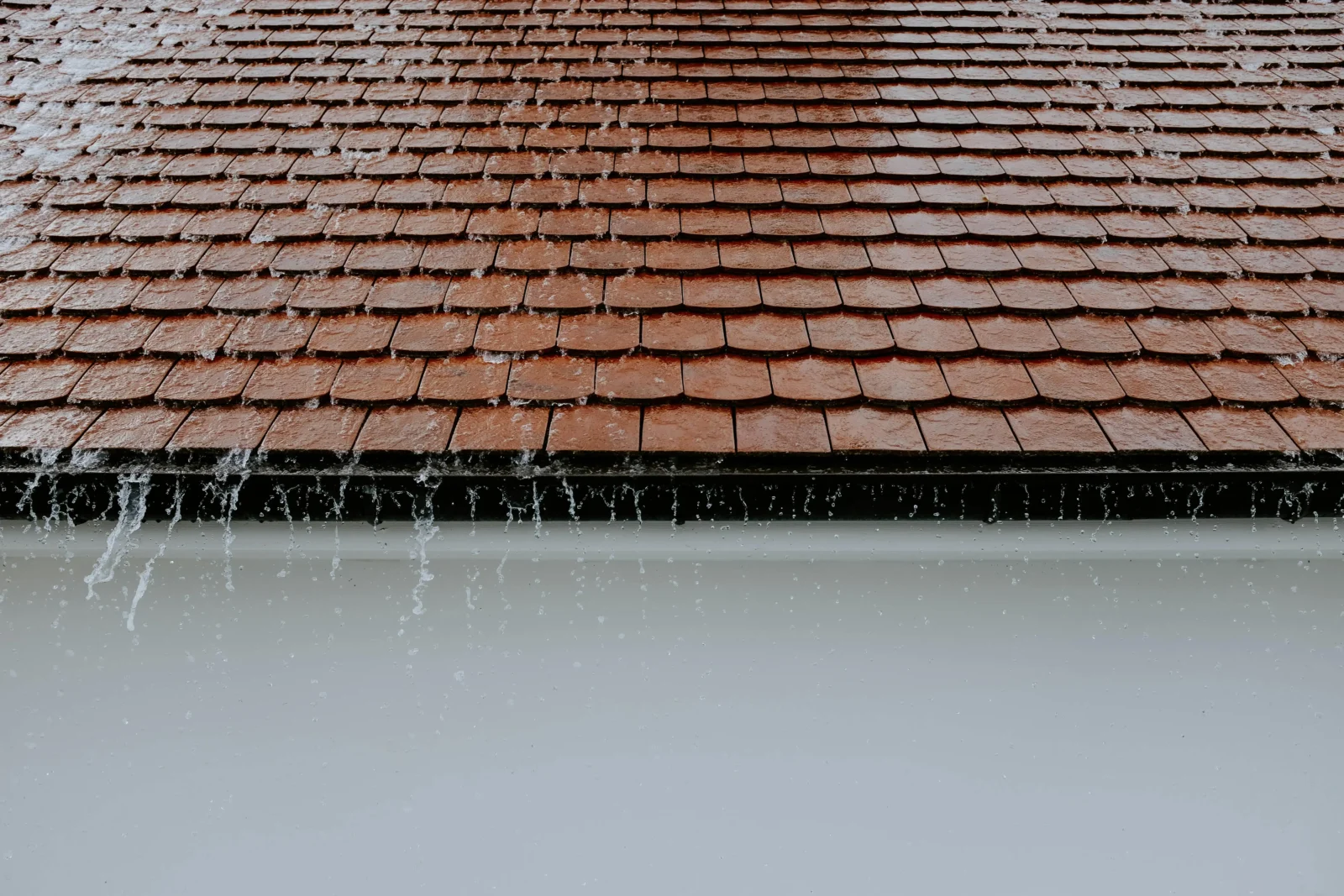
Pacific Northwest homeowners face a unique set of architectural challenges. Homes in Vancouver, Washington experience frequent rainfall, prolonged moisture exposure, and seasonal temperature fluctuations that place additional stress on roofing systems. In a region characterized by persistent rainfall, high ambient humidity, and rapid temperature shifts, a roof cannot function merely as a static barrier of shingles. It must exist as an engineered system designed to continuously manage moisture, shedding water externally while venting humidity from within.
Traditional building methods often fail to account for these localized environmental stressors, frequently resulting in premature rot or accelerated material degradation. To achieve long-term durability, homeowners must look to the precise design principles of high performance roofing systems.
High performance roofing is an advanced, multi-layer exterior system engineered to maximize moisture resistance, improve thermal efficiency, and extend structural longevity beyond the limits of standard building materials. When evaluating a professional roofing company in Vancouver, WA, it is vital to understand that a truly climate-resilient roof relies on a systematic approach. It coordinates multiple layers of protection to eliminate the vulnerable points that commonly necessitate minor roof repair in Vancouver, WA.
Why Do Roofs Fail in Wet Climates?
In high-moisture geographic zones, roof failure is rarely caused by a single isolated event. The most common structural causes include:
- Poor attic ventilation: Traps hot, humid air inside the structural envelope, promoting internal condensation.
- Moisture intrusion: Water seeping past primary shingle barriers during heavy wind-driven storms.
- Damaged or missing flashing: Failure at critical transition points, such as valleys, chimneys, and dormer walls.
- Inadequate drainage: Clogged gutters or low-slope sections that allow water to pool along the roof edges.
- Aging roofing materials: Natural degradation of asphalt binders exposed to UV radiation and moisture over time.
Key Components of a High-Performance Roofing System
An optimized wet-climate roof does not rely on shingles alone. Instead, it relies on a sequence of technical components working in unison:
- Architectural Shingles: Heavy-duty, multi-layer dimensional shingles equipped with reinforced mechanical fastening zones to resist wind uplift.
- Synthetic Underlayment: A breathable, water-resistant polymer barrier that replaces traditional felt paper over the roof deck.
- Ice and Water Barriers: Self-adhering waterproofing membranes installed along eaves, valleys, and penetrations to protect against water backup.
- Proper Flashing: Precision-formed metal borders that divert water away from structural intersections.
- Ridge and Soffit Ventilation: A balanced airflow network that continuously vents air from the attic space.
- Algae-Resistant Roofing Materials: Granules designed to actively inhibit moss, mold, and cyanobacteria growth.
Structural Vulnerabilities: Advanced Flashing Geometry and Intersection Details
Beyond the selection of baseline shingle layers, protecting a home from water intrusion requires careful execution at critical architectural intersections. Transition zones, where the vertical plane of a wall or chimney meets the sloped plane of the roof deck, are highly vulnerable to failures in building envelope integrity. Standard roofing practices often rely on simple caulking or basic sheet metal steps, which degrade over time under the influence of thermal cycling and persistent moisture.
High-performance installation methods mitigate these risks by specifying advanced flashing profiles, such as kick-out flashing, step flashing, and counter-flashing systems. Kick-out flashing is designed to divert water away from the cladding at the exact point where an eave terminates against a sidewall, preventing concentrated runoff from entering behind the exterior insulation layers. Additionally, valleys must be reinforced with a heavy-gauge metal valley liner overlaid with a self-adhering ice and water membrane. This dual-layer approach provides complete waterproofing in high-flow drainage channels where standard shingles are prone to lifting and water backup.
Why Attic Ventilation Matters
Many homeowners overlook attic ventilation, yet it is one of the most important components of a high-performance roofing system. Proper attic ventilation helps:
- Reduce moisture buildup within the home’s thermal boundary.
- Limit internal condensation on the underside of the roof deck.
- Extend shingle lifespan by preventing excessive heat buildup.
- Improve home energy efficiency by regulating attic temperatures.
- Reduce the risk of mold, mildew, and structural wood rot.
When warm, humid air becomes trapped inside an attic space due to inadequate exhaust systems, it creates internal condensation. This condensation settles directly onto the structural wood framing and plywood decking, potentially leading to repairs even when the roofing surface itself remains in relatively good condition.
Furthermore, excessive attic heat during the summer months cooks shingles from the inside out, causing them to blister, crack, and prematurely shed their protective mineral granules. A qualified roofing company in Vancouver, WA, will calculate the proper balance of continuous intake vents at the soffits and continuous exhaust vents at the ridge line to establish a passive airflow cycle that protects both the interior structure and exterior materials.
Summary of Climate-Resilient Infrastructure
In wet-climate regions, long-term roof performance depends on water management, ventilation, material selection, and proper installation working together as a complete system. High-performance roofing architecture solves these regional climate challenges by coordinating robust synthetic barriers, heavy-duty shingle technology, and balanced ventilation systems. Selecting an engineered system lowers maintenance overhead, prevents internal structural decay, and secures the home’s primary thermal boundary.


Types of Roofs: The Complete Guide to Shapes, Styles and Materials
An overview of the most common roof shapes (gable, hip, flat, mansard,...
 illustrarch Editoral Team12 Mins read
Benefits of Green Roofing vs Solar Roof: Which Performs Better in Urban Buildings?
Green roof or solar roof? In dense city buildings, the two systems...
 Furkan Sen8 Mins read
How to Select the Most Reliable Shelter Installation Team
Selecting a reliable shelter installation team involves defining project specifications, vetting credentials,...
Bahattin Duran3 Mins read
How Smart Roof Design Reduces Maintenance Costs
Smart roof design significantly reduces maintenance costs by optimizing drainage, controlling ponding,...
Bahattin Duran3 Mins read


Leave a comment