

9 Practical Tips for Designing Multi-Functional Rooms
Multi-functional rooms offer a smart and flexible approach to modern living, allowing a single space to support multiple daily activities. Through thoughtful planning, adaptable furniture, and strategic organization, interiors can become both efficient and comfortable without sacrificing style.
 Muhammad Abdullatef - Tifa Studio24 June 20246 Mins read765

Table of Contents Show
Designing multi-functional rooms is a smart way to make the most of your living space. Whether you have a small apartment or a large house, creating rooms that serve multiple purposes can help you live more comfortably and efficiently. Here are nine practical tips to help you design multi-functional rooms that work for your needs.
A multi-functional room is any space designed to serve two or more distinct purposes without feeling cramped or cluttered. The key is combining smart furniture choices, defined zones, and flexible storage so the room adapts to your daily routines rather than working against them. With the right approach, even a single room can function as a home office, a guest bedroom, and a relaxation space all at once.
1. Plan Your Space
Before you start, take some time to plan your space. Think about how you want to use the room and what activities will take place there. This will help you decide what furniture and features you need.
Make a list of all the functions the room will serve, then sketch a layout to visualize how everything will fit. Consider traffic flow and make sure there is enough space to move around.
💡 Pro Tip
Before buying a single piece of furniture, tape out the floor plan of each zone on the ground using painter’s tape. This lets you physically walk through the space and catch awkward traffic flow issues before you commit to any purchases. Experienced interior designers use this method on nearly every multi-use project.
2. Use Multi-Functional Furniture
Choosing furniture that serves more than one purpose is key to designing a multi-functional room. Look for pieces that can transform or offer extra storage, like sofa beds or futons for seating and sleeping, coffee tables with storage inside, and desks that double as dining tables.
When space is tight, bunk beds can be a great solution for maximizing sleeping areas. Be sure to check the bunk bed dimensions to ensure they fit comfortably in your room.
For a deeper look at furniture that works double duty in compact layouts, multi-functional furniture ideas for small houses covers the full range of options from lift-top coffee tables to Murphy beds.
3. Create Zones
Dividing your room into different zones can help you manage multiple activities in one space. Use furniture, rugs, or room dividers to create distinct areas for different purposes.

What Are the Best Ways to Zone a Room?
Zoning works best when the visual cues are clear but unobtrusive. A rug grounds a seating area. A bookshelf acts as a soft wall. A change in lighting temperature signals a shift from workspace to relaxation zone.
- Use a bookshelf as a room divider between a sleeping area and a workspace.
- Place a rug under a dining table to define the dining zone.
- Arrange seating to create a cozy living area separate from the rest of the room.
⚠️ Common Mistake to Avoid
One of the most frequent errors in multi-functional room design is trying to cram too many zones into a single space. If a room has to serve four or five different purposes, the result is usually a space that serves none of them well. Prioritize two to three primary functions and design around those before adding anything else.
4. Optimize Storage Solutions
Good storage solutions are essential for keeping a multi-functional room organized. Use creative storage options to keep clutter out of sight, like tall bookshelves to save floor space. You can also add built-in storage solutions like under-bed drawers.
Vertical storage is often underused. Floor-to-ceiling shelving draws the eye upward and makes a room feel larger while freeing up floor space for movement and activity zones. For more on this approach, see how creative design ideas for small spaces handle storage without sacrificing style.
5. Choose Versatile Decor
Opt for decor that can adapt to different uses of the room. Neutral colors and simple designs blend well with various functions.
Versatile Decor Ideas
- Use neutral wall colors that work with any style.
- Choose versatile lighting fixtures that provide both task and ambient lighting.
- Add multi-purpose accessories like throw pillows and blankets that can be used in different areas.

6. Use Foldable or Movable Furniture
Foldable or movable furniture helps you reconfigure your room as needed. This flexibility is particularly useful in small spaces.
Foldable chairs and tables can be stored away when not in use. You can also opt for movable kitchen islands or carts that provide extra counter space when needed. Another option is rolling storage units that can be relocated to different areas.
The space-saving design ideas for modern multi-use rooms article covers modular furniture systems in detail, including wall-mounted desks that fold flush and convertible sofa-bed combinations that work for studio-sized spaces.
📌 Did You Know?
According to the American Society of Interior Designers (ASID), flexible and multi-use spaces are among the top priorities homeowners now list when redesigning their homes, driven in large part by the growth of remote work and changing household routines since 2020.
7. Incorporate Technology
Integrating technology can make a multi-functional room more efficient. Use smart lighting that adjusts for different tasks, and install a TV that works for both work presentations and entertainment. Set up a sound system that supports both focus and relaxation.
Smart lighting in particular is worth the investment in a multi-use room. Being able to shift from bright cool-white light for focused work to warm ambient light for winding down removes the friction of switching mentally between modes. Systems like Philips Hue or LIFX allow scene-based control that can be tied to time of day or room use without any rewiring.
8. Personalize the Space
Even though the room serves multiple purposes, it should still feel personal and inviting. Add touches that reflect your style and make the space comfortable.
Personalization Tips
- Decorate with personal photos and artwork.
- Add plants to bring life and color to the room.
- Use comfortable textiles like rugs, curtains, and cushions.
Creating a welcoming atmosphere matters in a multi-functional space. For more ideas on creating a welcoming home interior, explore practical tips that can improve the comfort and appeal of your room.
9. Keep It Organized
Keeping the room organized is crucial to maintaining its functionality. Tidy up regularly and ensure everything has a designated place. Use labeled storage bins and baskets to keep items sorted, and make sure everyone using the space knows where things belong.
💡 Pro Tip
Build a “reset routine” for your multi-functional room. Spend five minutes at the end of each activity putting things back before switching to the next use. This habit prevents the slow accumulation of clutter that causes multi-use rooms to feel chaotic over time. It works far better than a big weekly tidy-up.
How Do You Design a Room for Multiple Functions?
The process comes down to three principles: define the functions clearly before you buy anything, choose furniture that earns its place by serving more than one role, and use visual or physical cues to signal which zone is active. Lighting, rugs, and furniture arrangement all contribute to this without requiring permanent walls or major renovation.
For families handling this in shared spaces, functional and sustainable interior ideas for family homes offers practical guidance on multi-purpose furniture that holds up to daily use over the long term.
✅ Key Takeaways
- Start with a floor plan and traffic flow analysis before buying any furniture
- Prioritize furniture that serves two or more functions to reduce visual clutter
- Use rugs, bookshelves, and lighting to define zones without permanent walls
- Vertical storage frees up floor space and makes a room feel larger
- Smart lighting lets you shift the room’s mood and function with a single tap
- A daily reset routine keeps multi-use rooms organized long-term
Make Every Space Count
Designing a multi-functional room can greatly improve your living space by adding flexibility and efficiency. By planning carefully, choosing the right furniture, and keeping things organized, you can create a room that meets all your needs and looks great. Use these tips to turn your space into a versatile, welcoming area that you and your family will enjoy.
Frequently Asked Questions
What furniture works best in a multi-functional room?
Sofa beds, Murphy beds, fold-down desks, storage ottomans, and extendable dining tables are the strongest performers in multi-use spaces. Each piece earns its footprint by covering at least two functions. Avoid large single-purpose pieces that take up floor space without offering flexibility.
How do you separate zones in a room without walls?
Area rugs, open bookshelves, curtain tracks, and furniture arrangement all create clear zone boundaries without construction. Lighting is especially effective: a warm floor lamp defines a reading corner just as clearly as a wall would, while also being easy to reposition.
How do I make a small multi-functional room feel larger?
Use light wall colors, mirrors to reflect natural light, and furniture raised on legs to give the impression of more floor space. Keep the number of active zones to two or three maximum, and rely on vertical storage to move items off the floor. For a detailed approach, see space designs for minimal living.
What are the most common mistakes when designing a multi-use room?
The biggest mistakes are overloading the space with too many functions, neglecting storage so clutter builds up, and failing to define zones clearly. A room that tries to do everything for everyone ends up doing nothing particularly well. Start with the two or three uses you actually need, and add from there only if space genuinely allows it.
Does multi-functional room design work for families with children?
Yes, and it often works especially well. Children’s rooms benefit greatly from furniture that adapts as they grow, like loft beds that free up floor space for play and study. The key is using functional furniture for small spaces that can be reconfigured as needs change over the years.


3 Comments

Spa-Like Serenity: 5 Accessible Luxury Upgrades to Transform Your Master Bathroom
Five accessible upgrades, from decluttering and layered lighting to plush textiles, natural...
 illustrarch Editoral Team3 Mins read
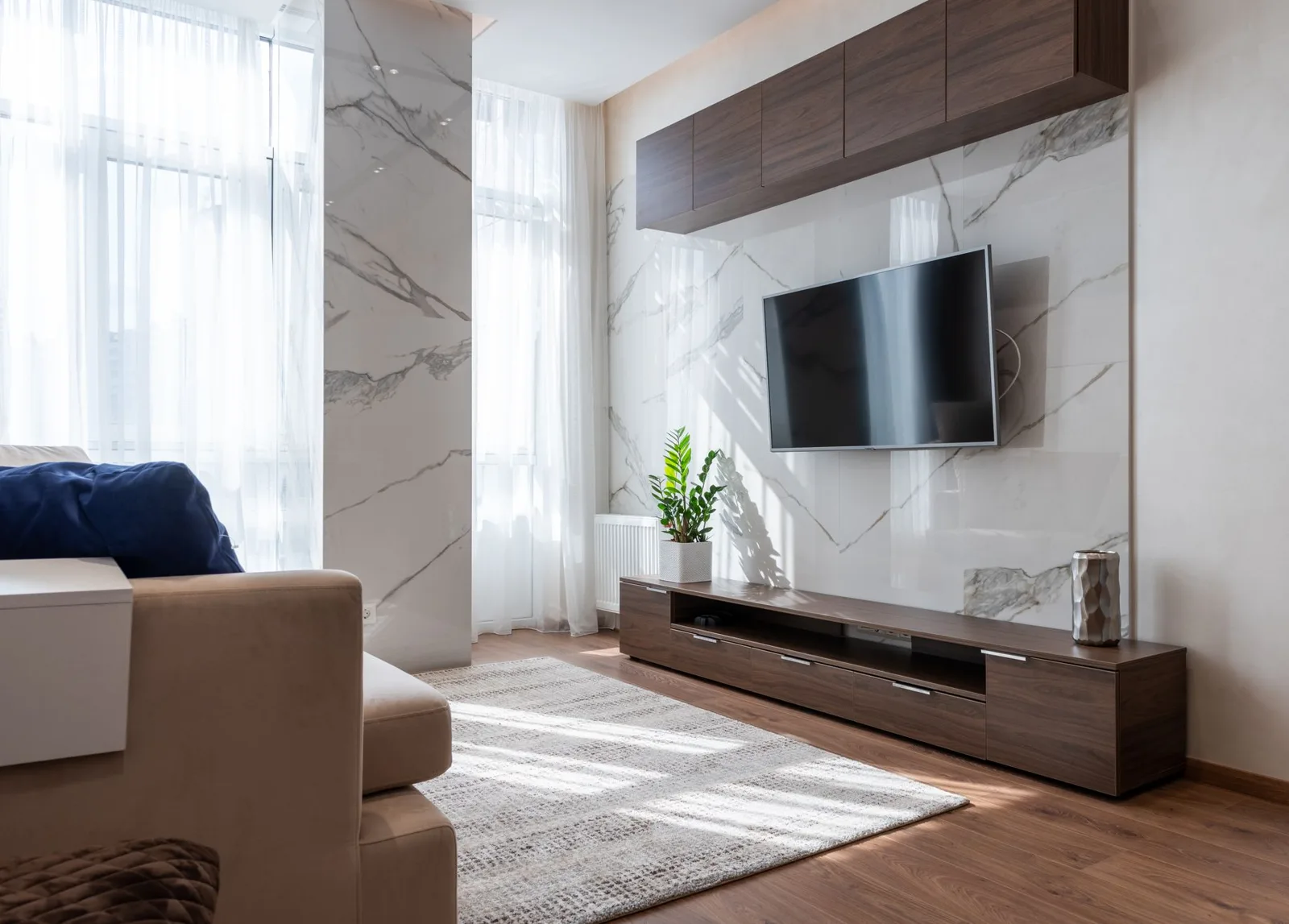
How to Fill a Large TV Wall?
A broad living room wall poses an immediate spatial challenge the moment...
illustrarch Editoral Team4 Mins read
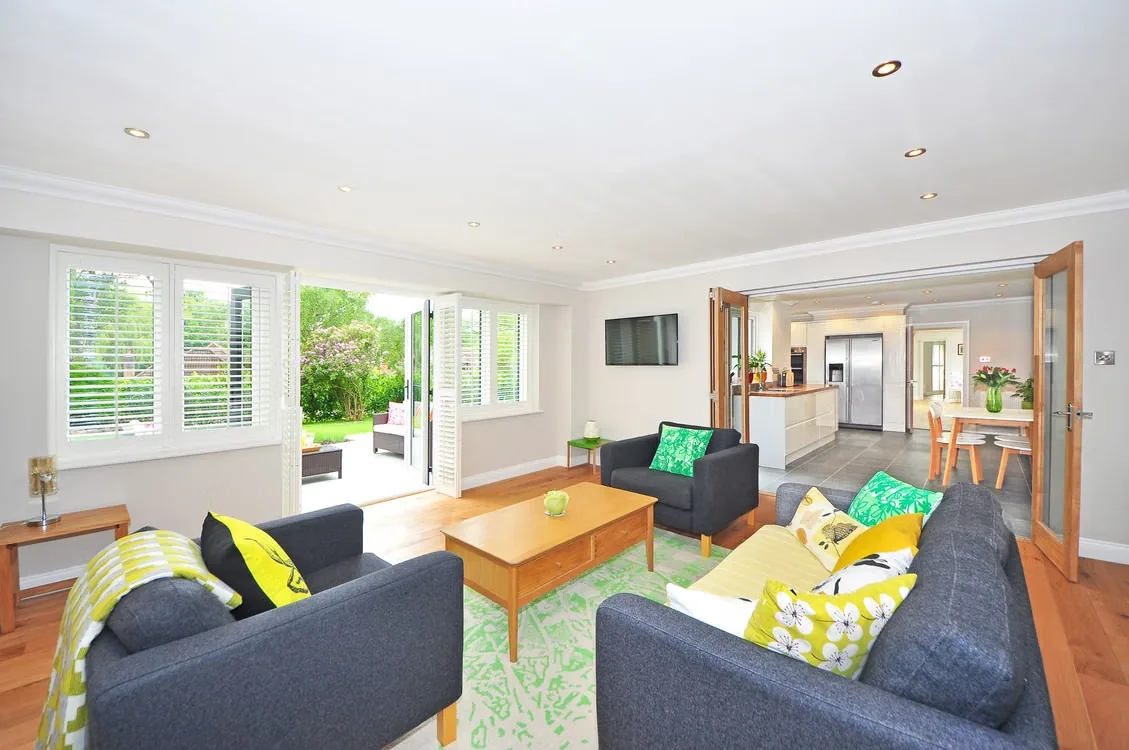
How Integrated Furniture Can Shape the Architecture of Urban Interiors
Most people treat furniture as the last decision in interior architecture, yet...
illustrarch Editoral Team2 Mins read
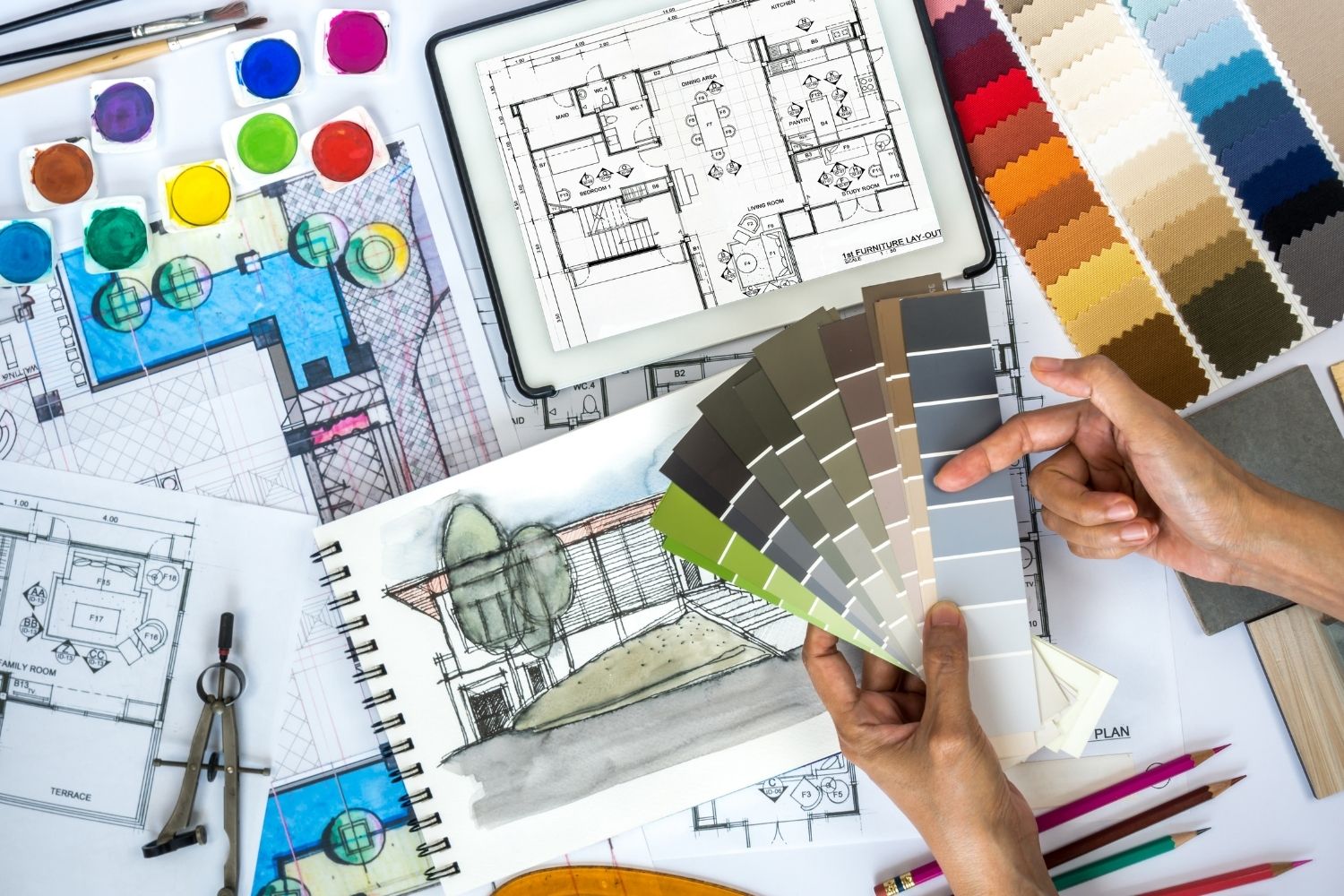
Architecture and Interior Design: Can Architects Specialize in Both?
Architects hold most of the skills interior design needs, from space planning...
 Furkan Sen5 Mins read


This article has some good ideas for organizing small spaces.
I think the tips on using multi-functional furniture are useful.
The suggestions for personalizing the space seem interesting.