The interior design styles shaping 2026 in the USA point toward a future defined less by perfection and more by meaning. Homes are increasingly designed as living systems—spaces that age gracefully, reflect personal stories, and adapt to daily life. Whether through organic forms, layered textures, nostalgic elements, or sustainable choices, today’s interiors prioritize emotional connection over visual spectacle. This shift signals a broader redefinition of luxury, where comfort, authenticity, and environmental responsibility outweigh excess and uniformity. As design continues to respond to social change, climate awareness, and evolving domestic habits, the interiors of 2026 stand as a testament to a more thoughtful, human-centered approach—one where design supports not just how spaces look, but how they are experienced, remembered, and lived in.


Latest Interior Design Styles Sweeping the USA in 2026
Interior design trends in the USA for 2026 reflect a shift toward authenticity, warmth, and emotional connection. From modern heritage interiors and warm minimalism to bold color expression and biophilic design, today’s homes prioritize comfort, longevity, and personal identity. These emerging styles redefine contemporary living by blending aesthetics with meaning.
 Elif Ayse Sen12 January 20265 Mins read323
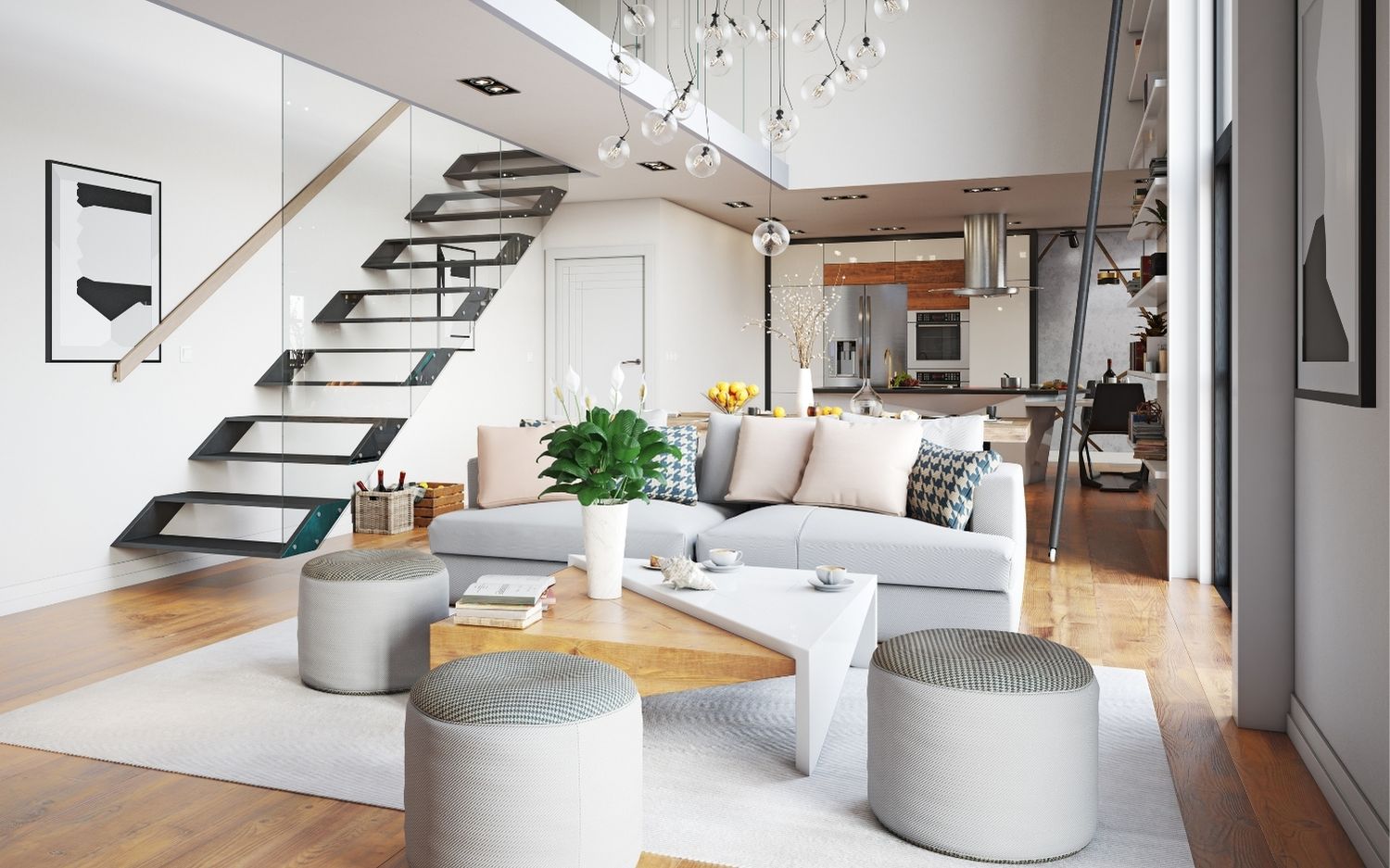
Table of Contents Show
Interior design in 2026 reflects a profound cultural shift in how people relate to their homes. No longer treated as purely aesthetic environments, interiors have become emotional landscapes, spaces that support well-being, identity, and everyday rituals. Across the United States, designers and homeowners are moving away from rigid stylistic labels and short-lived trends, favoring interiors that feel personal, grounded, and adaptable. Materials are chosen for their honesty, colors for their emotional impact, and layouts for their ability to respond to changing lifestyles. From heritage-inspired spaces and warm minimalism to expressive color palettes and biophilic integration, the latest interior design styles of 2026 reveal a shared desire for authenticity, comfort, and longevity. Together, these trends illustrate how contemporary American interiors are evolving into places that are not only visually compelling but deeply human.
Modern Heritage Interiors
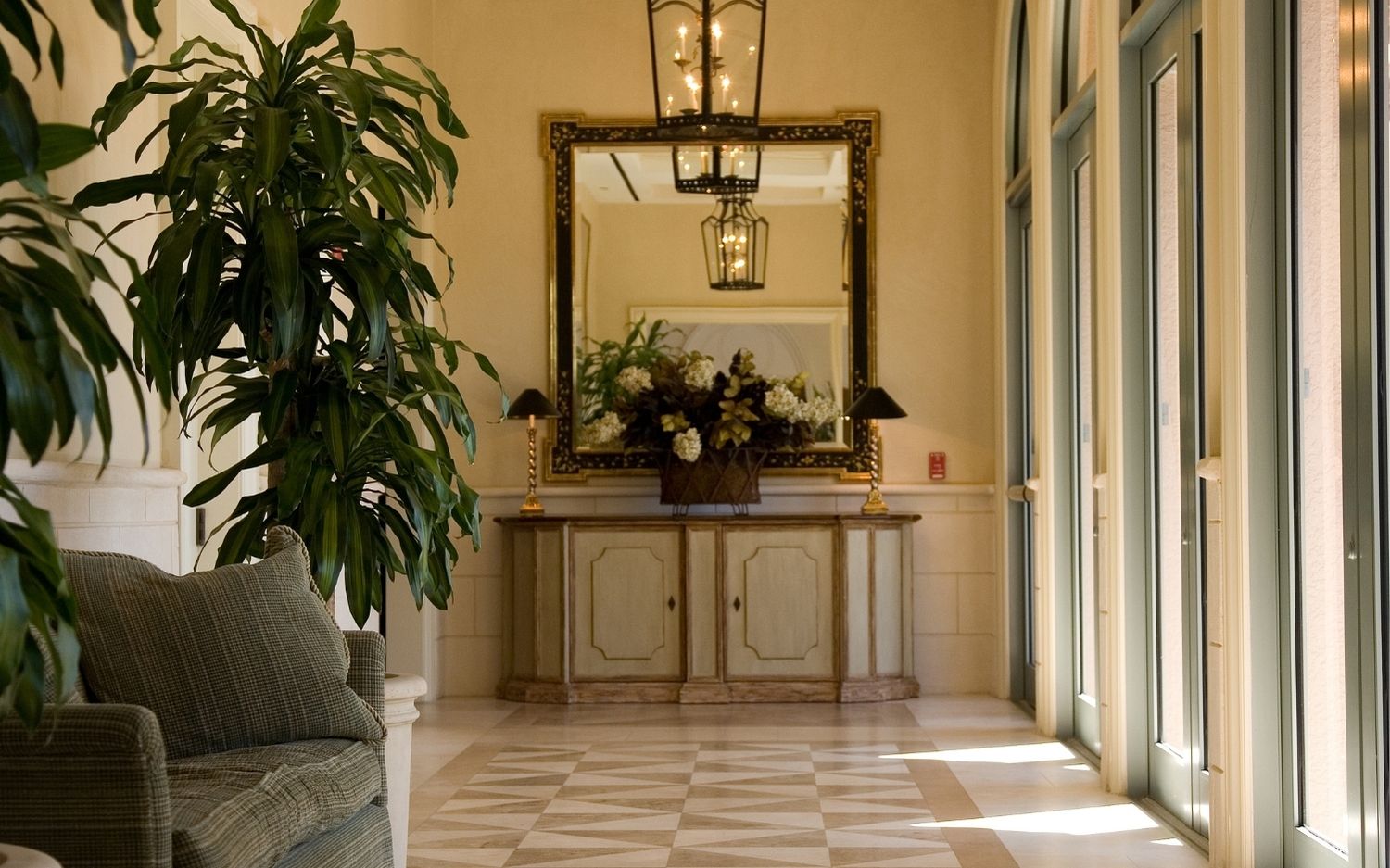
Modern Heritage interiors reflect a growing desire for spaces that feel rooted, enduring, and emotionally grounded. In 2026, American homes increasingly combine classical proportions, handcrafted details, and historical references with modern layouts and contemporary comfort. Rather than strict period revival, this style focuses on reinterpretation—antique furniture sits beside modern lighting, traditional millwork is paired with minimalist color palettes, and natural materials such as oak, limestone, and linen dominate interiors. The appeal lies in longevity: homeowners are moving away from disposable trends and embracing interiors that feel curated over time. Modern Heritage spaces communicate stability and character, creating environments that feel both familiar and forward-looking. This style resonates strongly in renovations of older homes, urban townhouses, and suburban residences seeking warmth without nostalgia overload.
Hollywood Cottage Revival
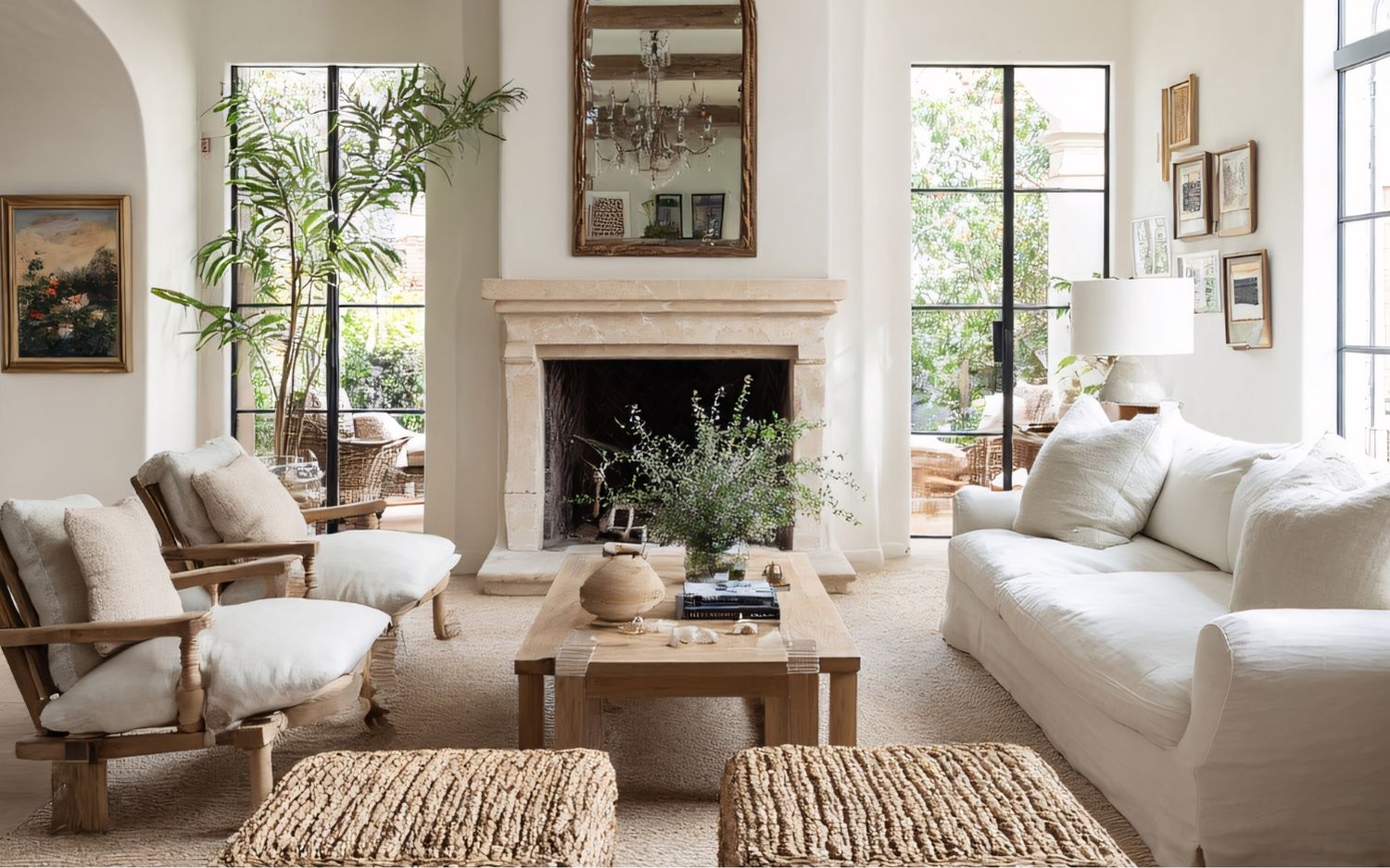
Hollywood Cottage emerges in 2026 as a refined evolution of cottagecore, shaped by California sensibilities and cinematic softness. It blends cozy, romantic interiors with subtle glamour—layered textiles, floral patterns, slipcovered furniture, and soft lighting are elevated through elegant finishes, curated art, and thoughtful spatial balance. Unlike rustic country cottages, Hollywood Cottage favors lightness, air, and polish. Whitewashed walls, pale blues, warm creams, and antique accents create interiors that feel relaxed yet intentional. This style speaks to a desire for comfort without chaos and charm without clutter. In the U.S., it resonates particularly in coastal homes and creative urban residences, offering a lifestyle-driven alternative to rigid modernism.
Earthy Vibrancy and Natural Color Palettes
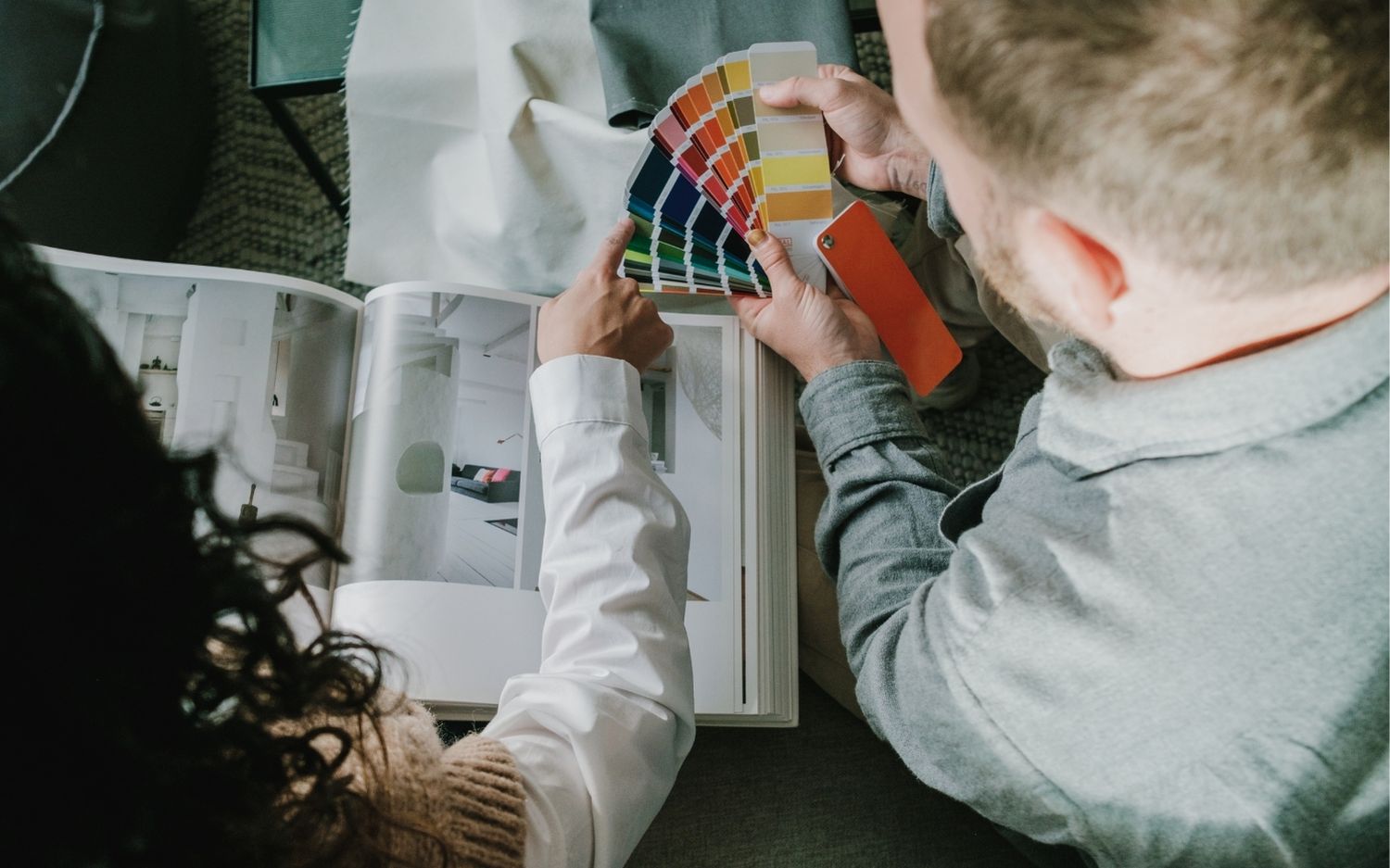
Color in 2026 moves decisively toward earth-inspired vibrancy. Across the United States, interiors embrace terracotta, clay, olive green, deep blue, warm sand, and mineral-based hues that reflect the natural landscape. These colors are no longer used as accents but applied generously across walls, ceilings, cabinetry, and built-ins to create immersive atmospheres. The goal is emotional grounding—spaces feel calmer, warmer, and more connected to nature. Earthy palettes work in tandem with natural materials like stone, wood, and ceramic, reinforcing a sense of authenticity. This approach reflects a broader cultural shift toward wellness, sustainability, and sensory comfort, positioning color as a spatial experience rather than a decorative afterthought.
Warm Minimalism and Layered Monochrome
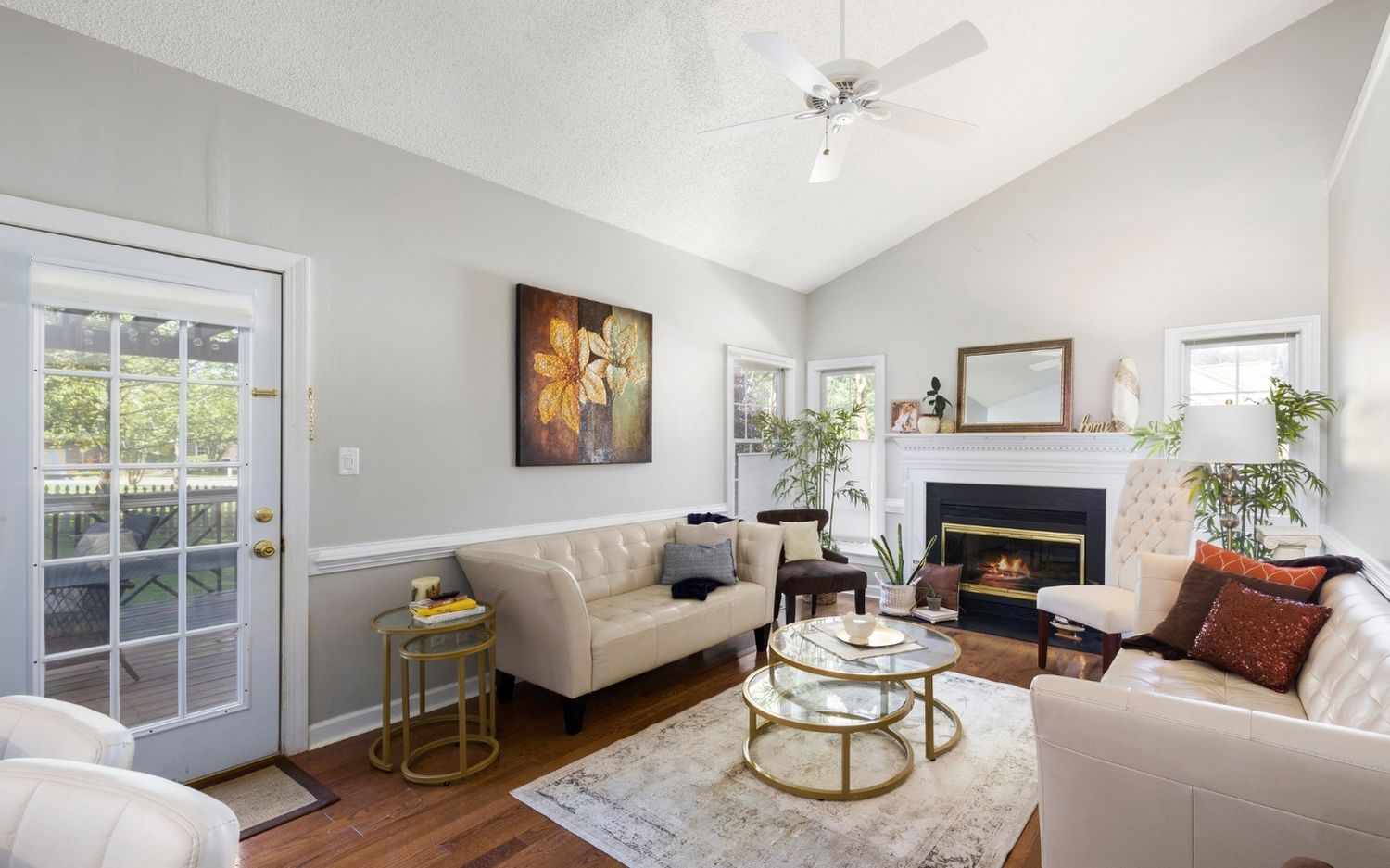
Minimalism in 2026 sheds its cold, rigid image and transforms into something softer and more human. Warm minimalism focuses on restraint without austerity, using layered monochromatic palettes—such as shades of beige, taupe, sage, or muted gray—to create depth without visual noise. Texture becomes the primary design tool: plaster walls, linen upholstery, raw wood surfaces, and matte finishes replace glossy perfection. Furniture silhouettes are simple but comfortable, emphasizing proportion and tactility. In the U.S., this approach appeals to homeowners seeking calm interiors that still feel lived-in. Warm minimalism proves that simplicity does not require sterility, offering a balanced response to both excess and over-designed spaces.
Organic Forms and Rich Textures
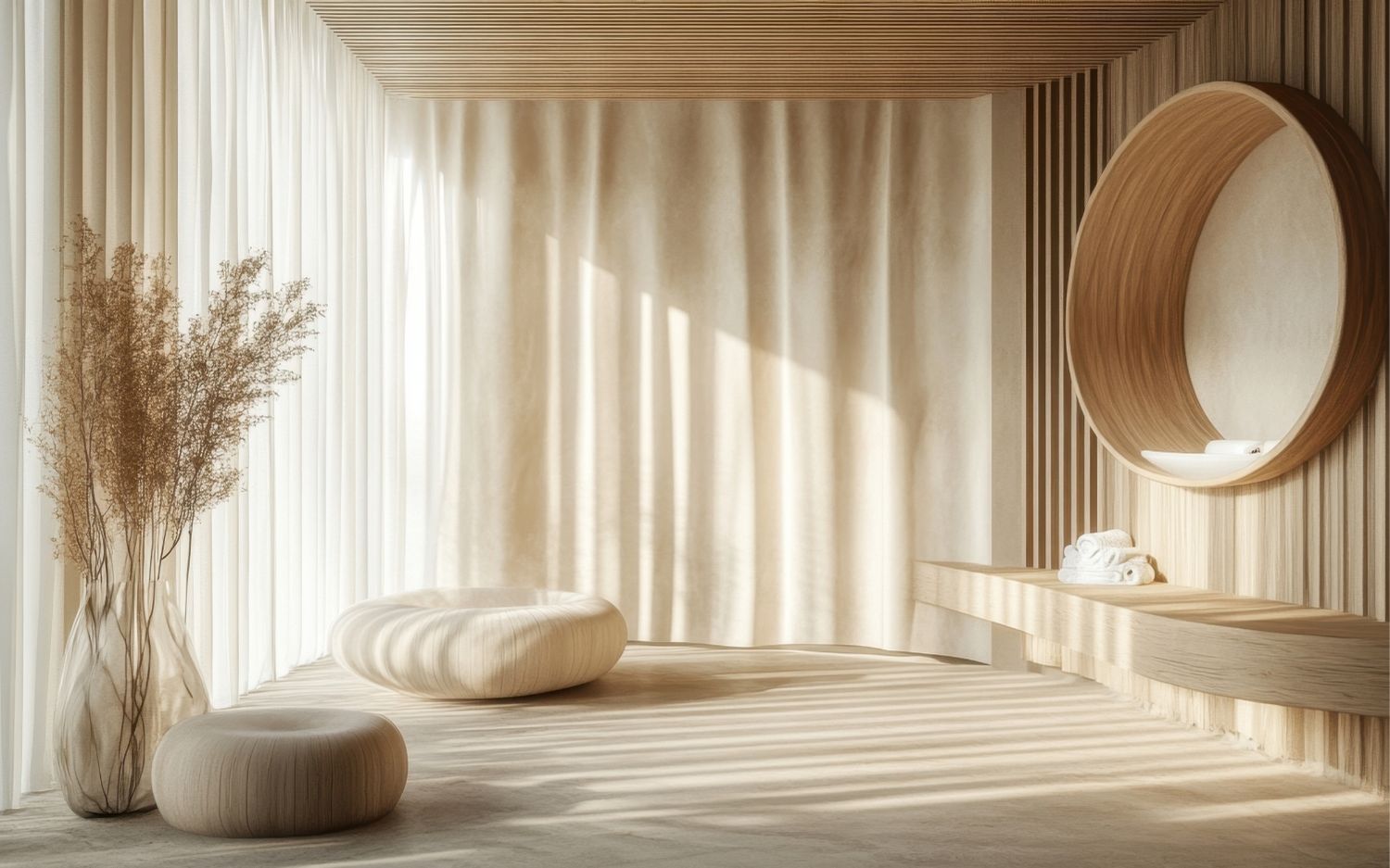
The dominance of straight lines and rigid geometry continues to soften in 2026 as organic forms take center stage. Curved sofas, rounded tables, sculptural lighting, and irregular rugs introduce movement and visual ease into interiors. These forms are paired with richly textured materials—bouclé, wool, stone, handmade ceramics, and unfinished wood—to create spaces that invite touch as much as sight. This trend reflects a deeper desire for comfort and emotional connection within the home. In American interiors, organic shapes counterbalance technology-heavy lifestyles, offering spaces that feel intuitive, natural, and calming. Texture becomes essential to spatial identity, ensuring interiors feel layered rather than flat.
Bold Personal Color Expression
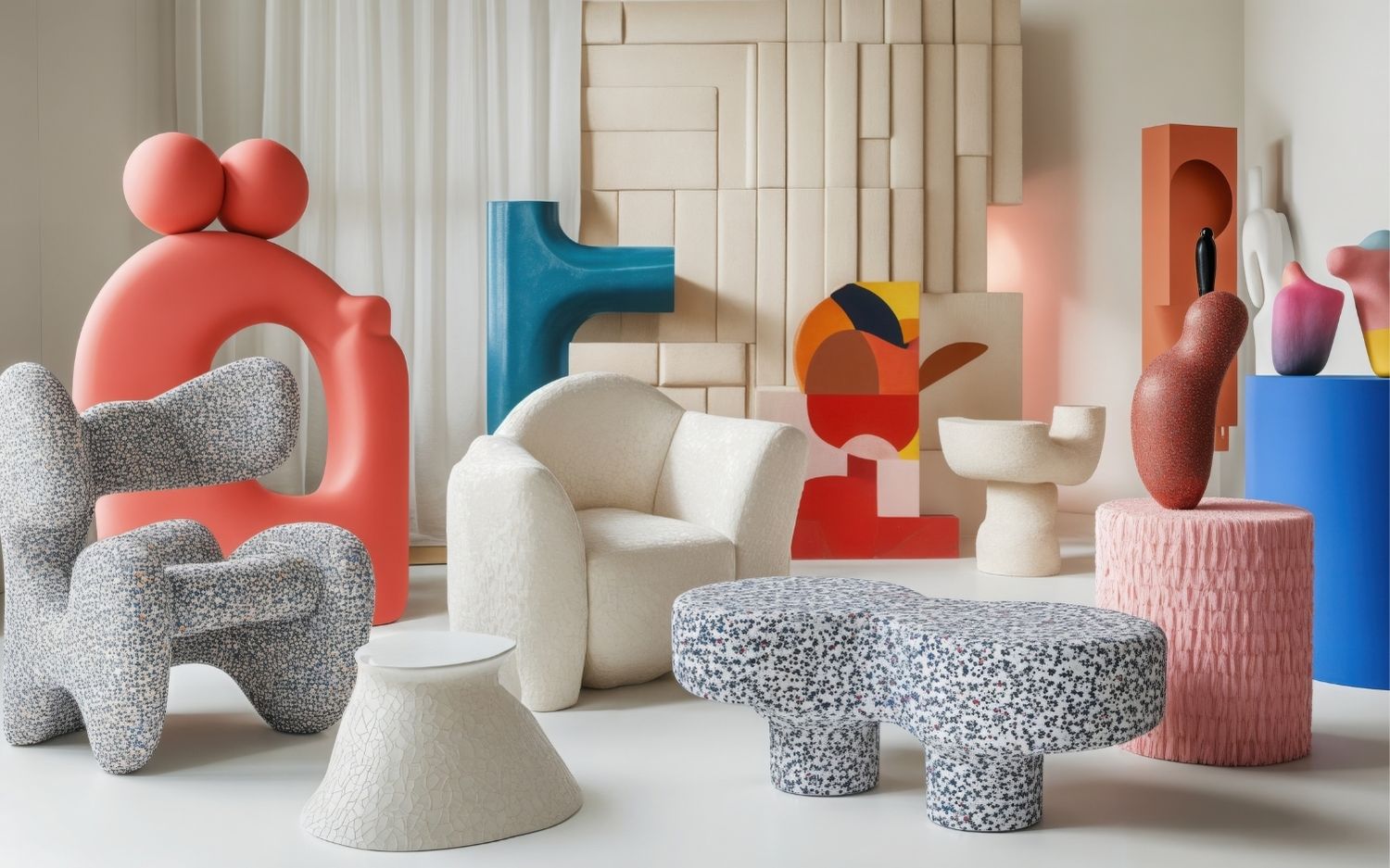
Personal expression through color defines many U.S. interiors in 2026. Homeowners increasingly reject neutral uniformity in favor of bold, confident palettes that reflect individual taste. Color drenching—where walls, ceilings, trim, and furniture share a single hue—creates dramatic, cohesive environments. Kitchens, bathrooms, and home offices become prime spaces for experimentation, featuring deep greens, cobalt blues, wine reds, and warm ochres. This approach signals a shift from resale-focused design toward emotional ownership. Interiors are no longer designed to impress universally but to resonate personally. Color becomes narrative, turning rooms into expressive environments that communicate identity and mood.

Nostalgic and Curated Interiors
Nostalgia plays a significant role in 2026 interiors, driven by a renewed appreciation for memory, history, and personal storytelling. American homes increasingly showcase curated collections—vintage furniture, inherited objects, retro lighting, and patterned textiles—assembled thoughtfully rather than styled perfectly. This trend moves away from showroom-like spaces toward interiors that feel accumulated over time. Nostalgic design is not about replication but reinterpretation, blending old and new to create emotional continuity. These interiors value imperfection, patina, and familiarity, reinforcing the idea that a home is a living archive rather than a static aesthetic statement.

Lived-In, Imperfect Spaces
In 2026, authenticity outweighs perfection. Lived-in interiors celebrate signs of daily life—visible books, layered textiles, worn finishes, and flexible layouts. Rather than hiding use, these spaces acknowledge it, allowing homes to evolve naturally. This trend reflects a cultural move away from idealized imagery toward realistic, emotionally supportive environments. In the U.S., lived-in design aligns with work-from-home habits and multi-functional living. Spaces are designed to adapt, not perform. The aesthetic communicates ease, warmth, and honesty, reinforcing the idea that comfort and character emerge through use, not control.
Architectural Statement Elements Indoors
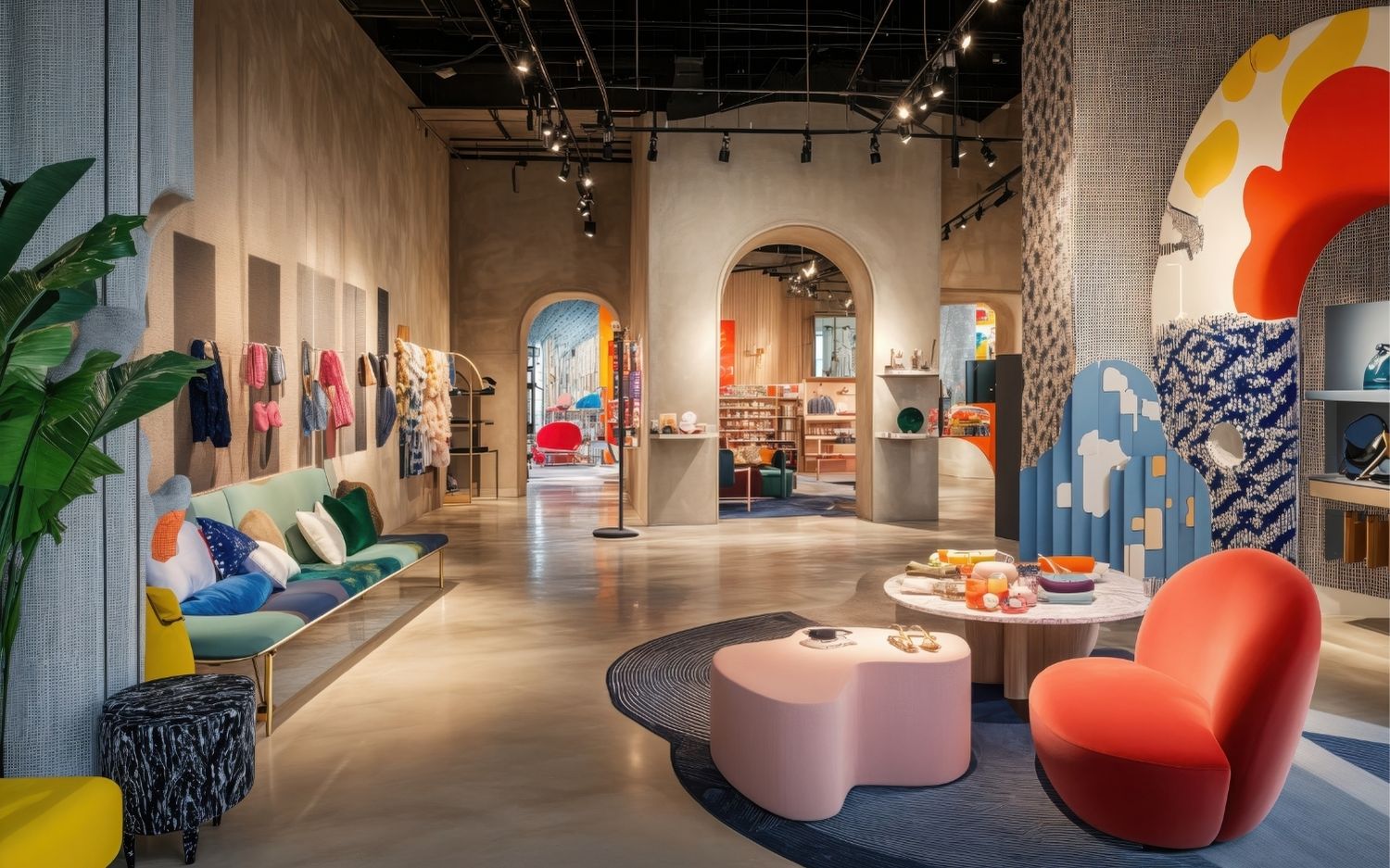
Interior design in 2026 increasingly blurs into architectural expression. Instead of relying solely on furniture or décor, designers emphasize architectural elements as focal points—freestanding showers, sculptural staircases, oversized stone islands, and integrated fireplaces. Materials are used boldly and honestly, often left exposed to showcase their natural qualities. This approach elevates everyday spaces into spatial experiences, particularly in kitchens and bathrooms. In American homes, statement architecture reflects a desire for uniqueness and permanence, positioning interiors as integral extensions of the building rather than decorative layers applied afterward.

Sustainability and Biophilic Integration
Sustainability in 2026 is no longer a niche concern but a foundational design principle. Biophilic interiors integrate plants, natural light, organic materials, and outdoor views to strengthen the connection between occupants and nature. In the U.S., sustainable interiors prioritize responsibly sourced wood, low-toxicity finishes, and long-lasting materials over trend-driven consumption. This approach supports well-being while reducing environmental impact. Rather than appearing overtly “eco,” these interiors feel calm, healthy, and timeless. Sustainability becomes invisible yet essential, shaping interiors that are as ethically thoughtful as they are visually compelling.



Electrical planning as part of better home design
Table of Contents Show Good rooms need electrical thinking from the sketch...
 illustrarch Editoral Team4 Mins read

Why Open Floor Plans Still Have Hot and Cold Spots
You knock down the partition walls, open up sightlines from the kitchen...
illustrarch Editoral Team4 Mins read
How Integrated Furniture Can Shape the Architecture of Urban Interiors
Most people treat furniture as the last decision in interior architecture, yet...
illustrarch Editoral Team2 Mins read
Architecture and Interior Design: Can Architects Specialize in Both?
Architects hold most of the skills interior design needs, from space planning...
 Furkan Sen5 Mins read


Leave a comment