

Active Living X Built Environment
Chirag Kapadia's thesis project in Mumbai reimagines school architecture to promote active living and movement among students.
 illustrarch Editoral Team5 September 20191 Mins read393


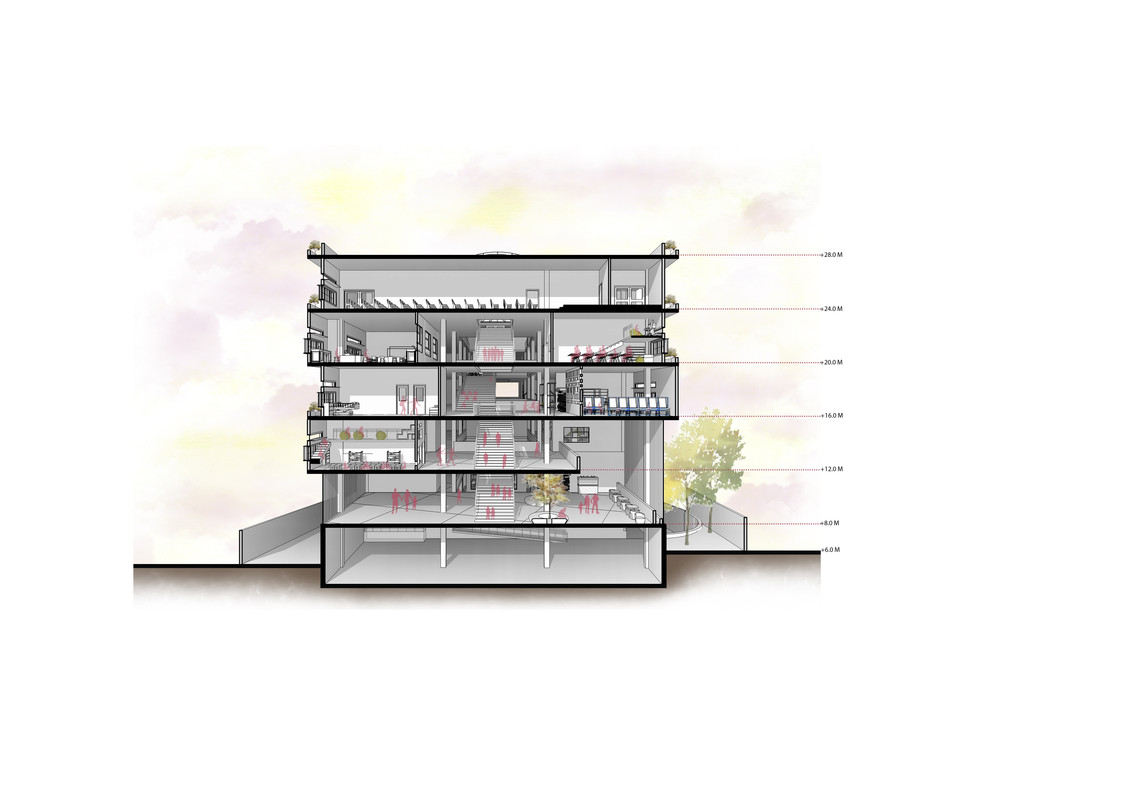

Active Living X Built Environment is a thesis project by architect Chirag Kapadia in Mumbai, India, that reimagines a school as a machine for movement rather than a place for sitting still. The design program informs the programmatic requirements for a school covering the pre-primary, primary and secondary sections, and it focuses on utilizing and implementing design strategies that ultimately provide balance for students. The aim is to facilitate and encourage active living and physical movement toward improved wellness in a built environment by creating a healthy experience and changing the environment of spaces.
The project explores two scales of design: active living in today’s youth, and challenging the typical pedagogies of education in schools. The designed architectural building shows how architectural design can function as a stimulus to encourage movement and physical strength among students. It seeks to rectify the delayed development of movement skills in young, city-dwelling children, who in dense urban settings like Mumbai often grow up with limited room to run, climb and play. A school provides an ideal setting to explore architecture as a catalyst for movement and to encourage physical activity in children who avoid active living for various reasons and tend toward sedentary behaviour.
Designing a school that moves
School architecture carries a quiet responsibility, because the spaces children occupy daily shape their habits, posture and attitudes toward their own bodies. A building organized around stairs, ramps, varied floor levels, generous circulation and accessible outdoor zones can turn everyday transit between classrooms into an invitation to move. This reading aligns with research linking the built environment to physical activity and overall health. It also reflects broader thinking in educational architecture, where the classroom is no longer treated as a fixed box but as one part of a wider landscape for learning.
By challenging the conventions of the standard learning environment, Kapadia’s proposal offers a different approach to teaching and learning, one in which students explore movement instead of being confined to a desk. Architecture designed to encourage movement in young children becomes more than a built environment; it becomes an active participant in their development. For a city like Mumbai, where space is scarce and childhood is increasingly indoor, a school built to keep students moving suggests a thoughtful answer to a very real problem.





Living Typologies by Stela Boldur
Living Typologies by Stela Boldur is a student masterplan for the former...
illustrarch Editoral Team2 Mins read

Residential Architecture Face-Off: Co-Living vs Traditional Apartment for Urban Housing
Co-living and traditional apartments represent two distinct approaches to residential architecture in...
 Furkan Sen8 Mins read

Designing a Liminal Space Where Urban Meets Coastal
The Liminal House by Mcleod Bovell Modern Houses in West Vancouver is...
 Elif Ayse Sen5 Mins read
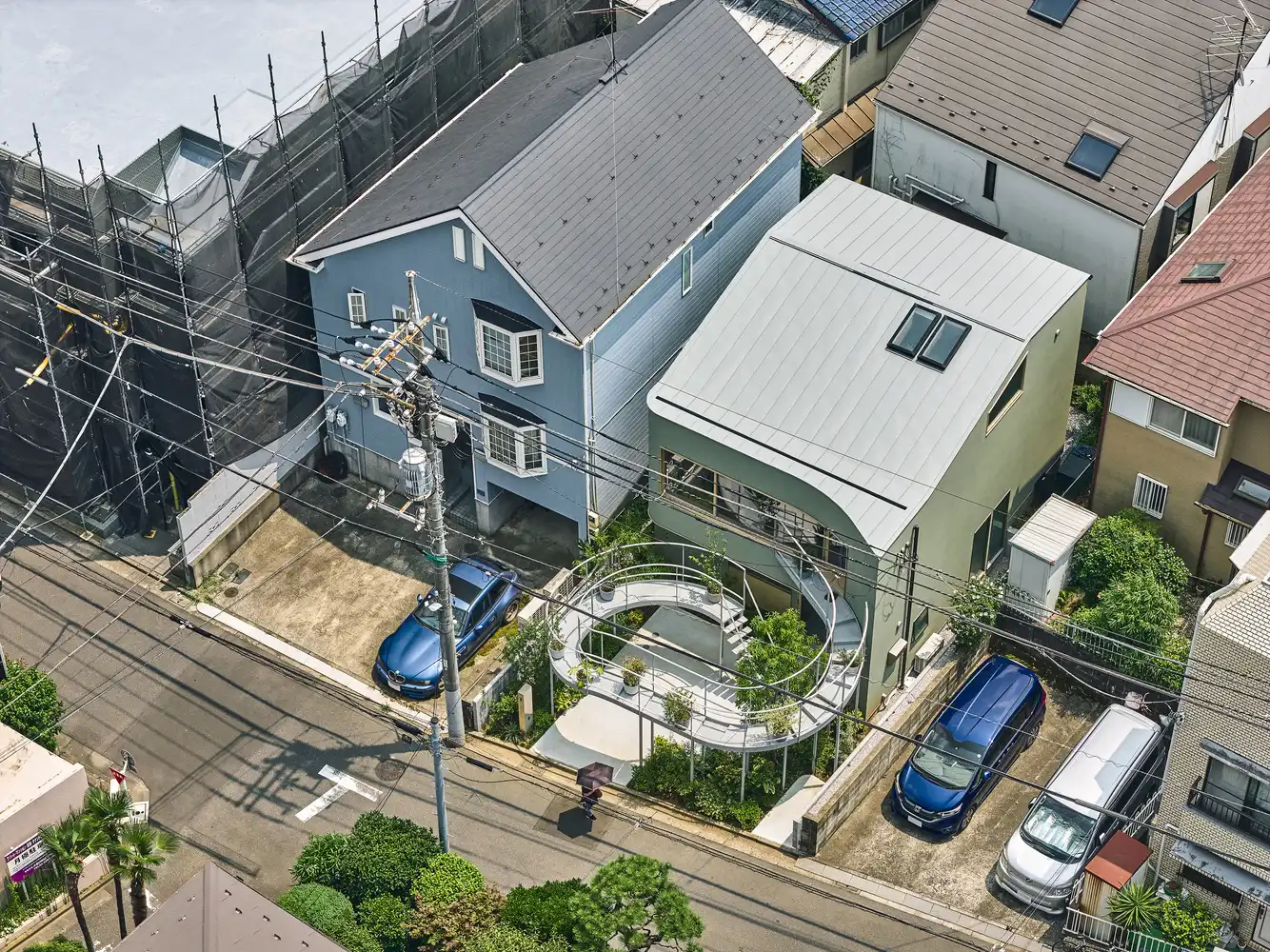
House in Nakano: A 96 m² Tokyo Architecture Marvel by HOAA
House in Nakano, designed by HOAA, creatively addresses urban density challenges by...
 Bahattin Duran6 Mins read


Leave a comment