

House in Nakano: A 96 m² Tokyo Architecture Marvel by HOAA
House in Nakano, designed by HOAA, creatively addresses urban density challenges by incorporating a looping terrace that enhances natural light and connects to nature.
 Bahattin Duran18 January 20265 Mins read276
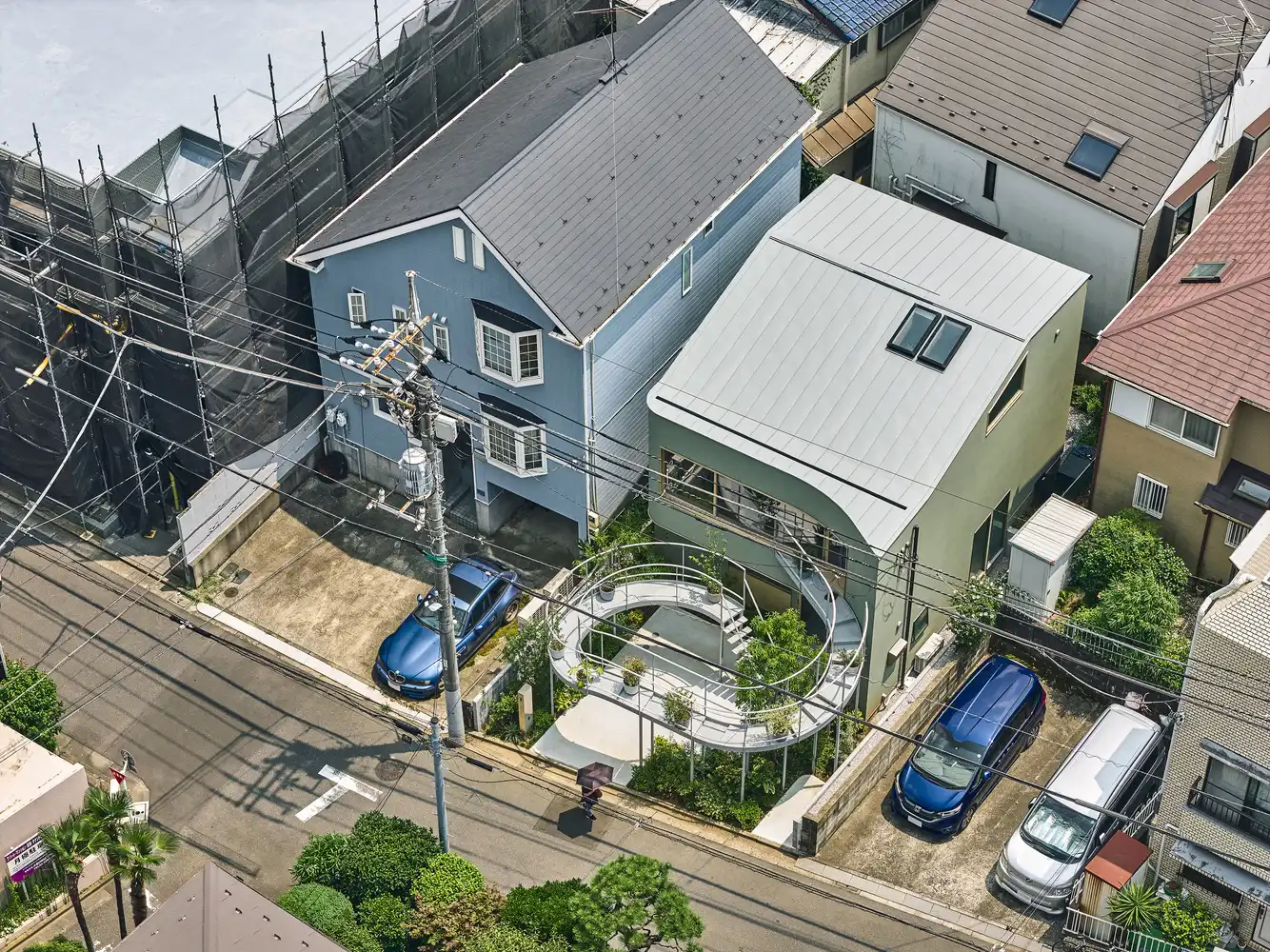

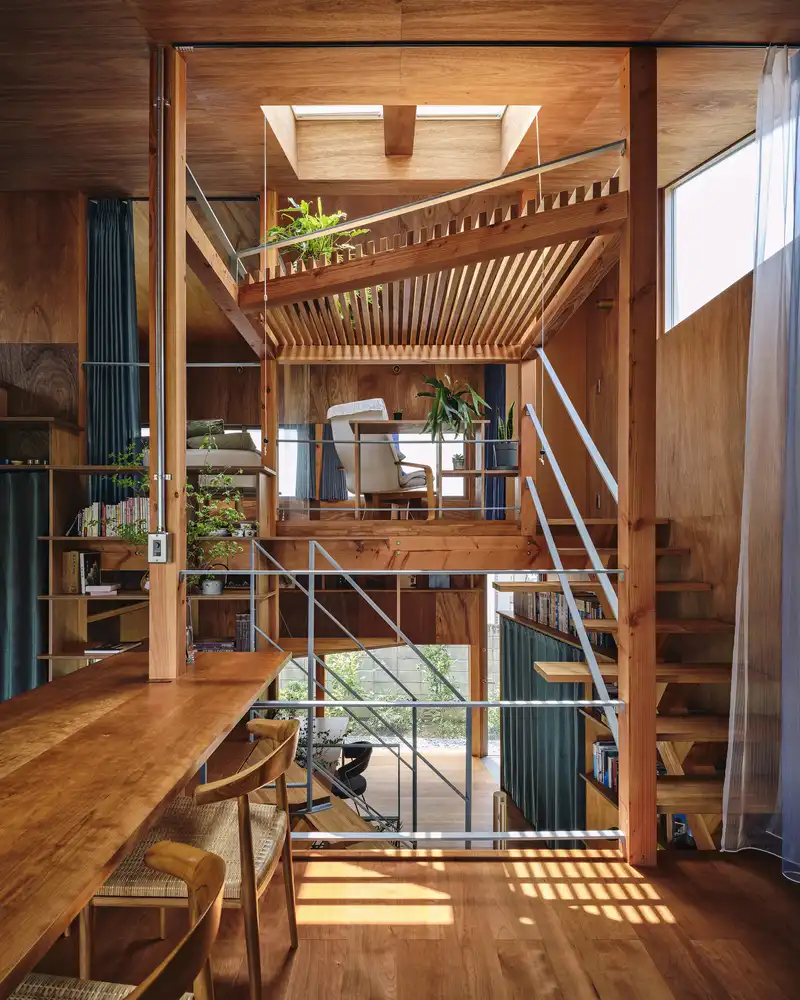
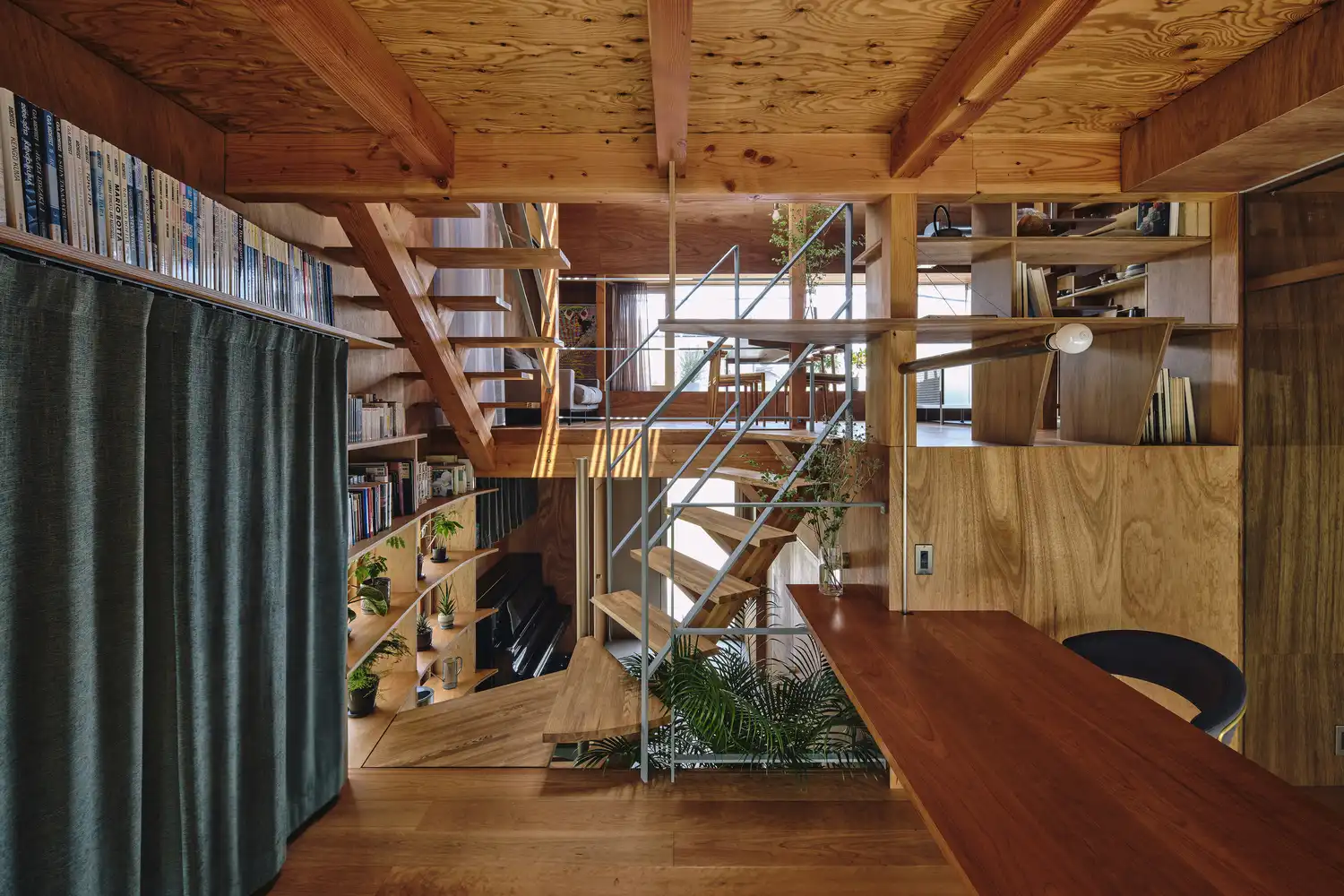
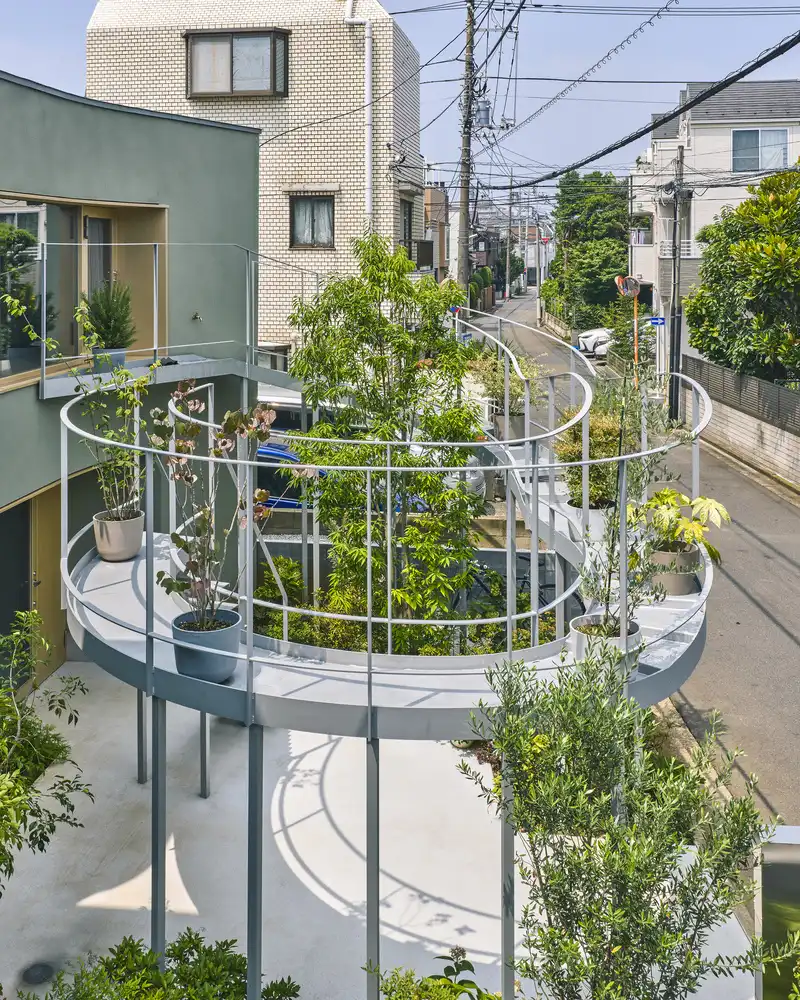
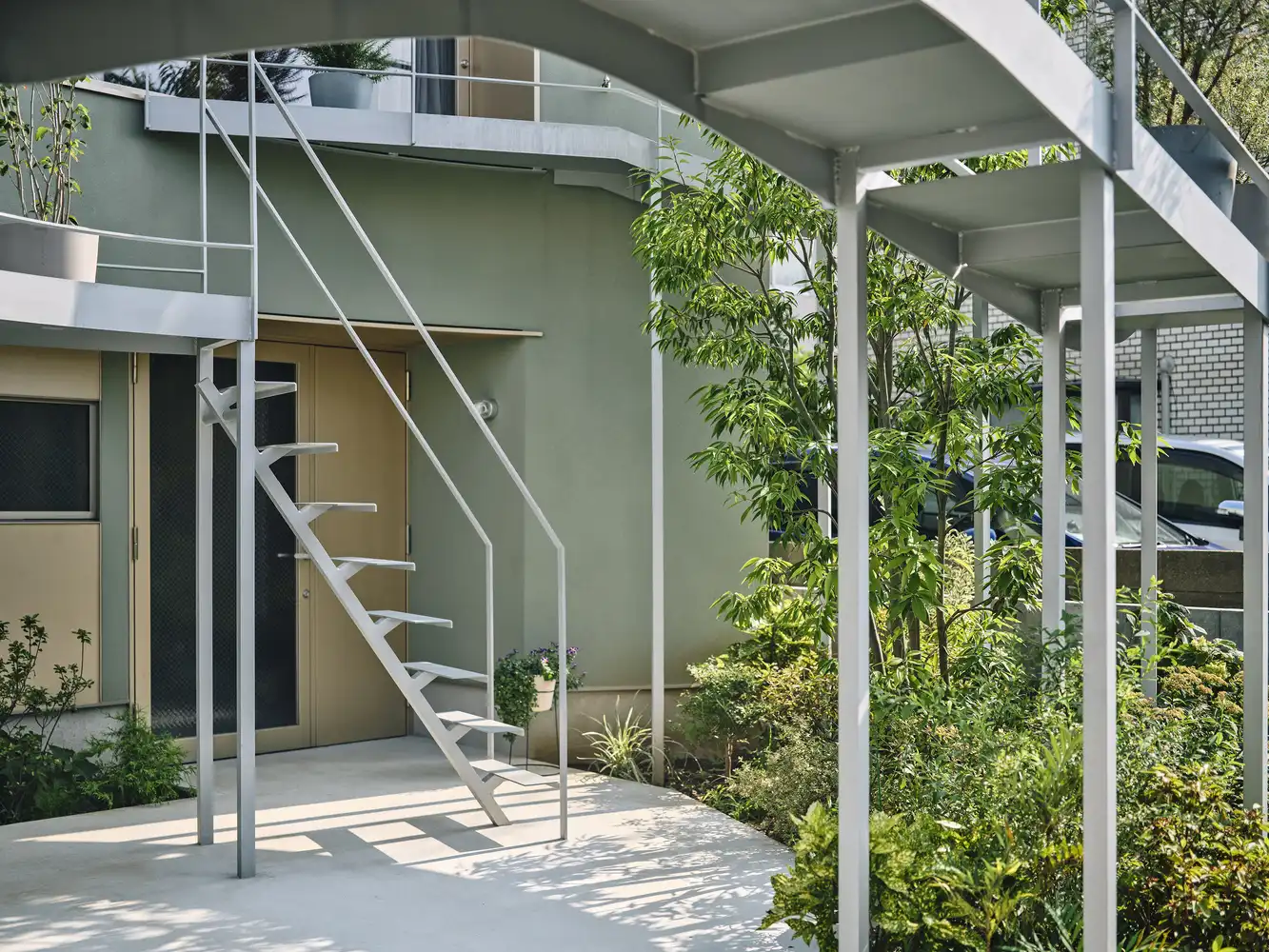
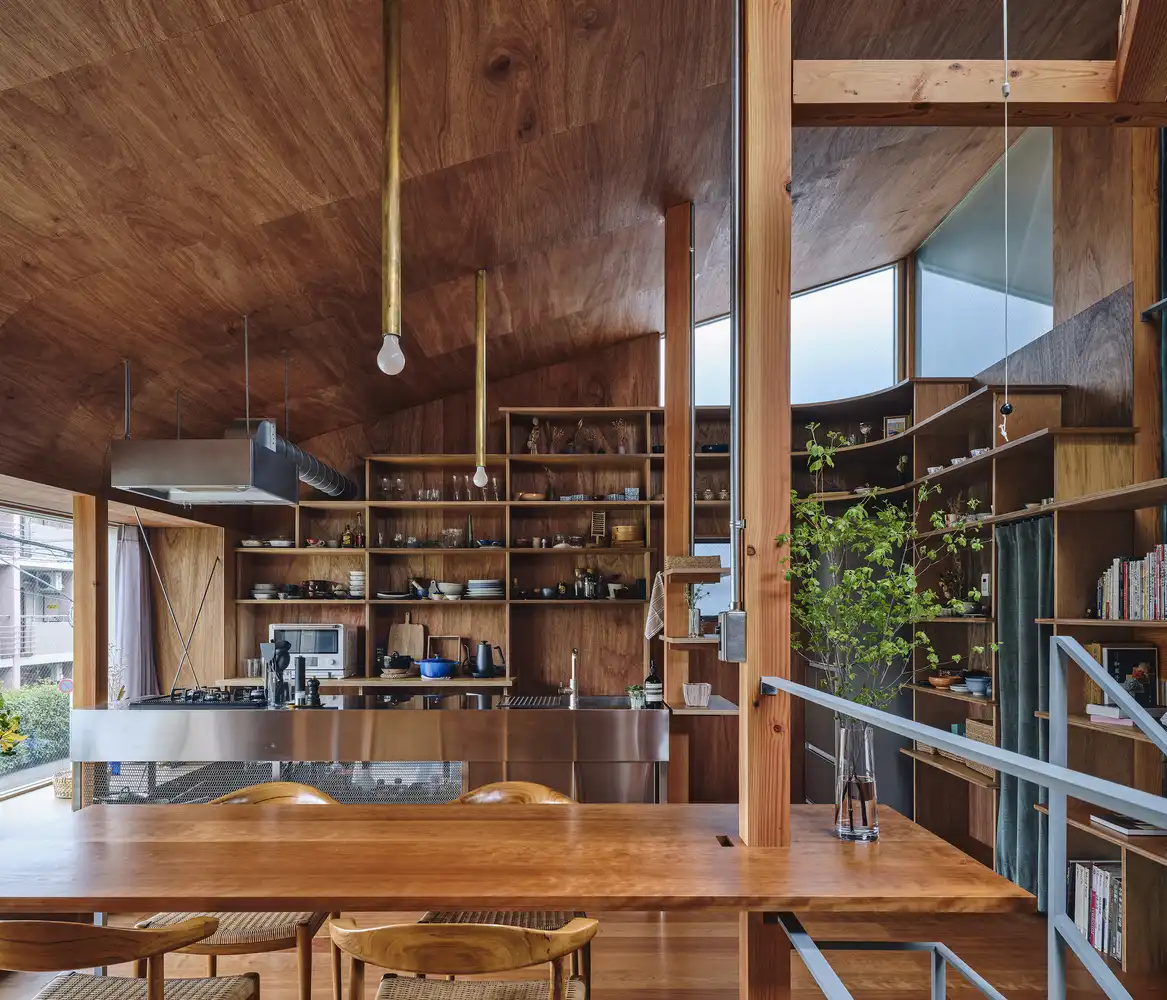
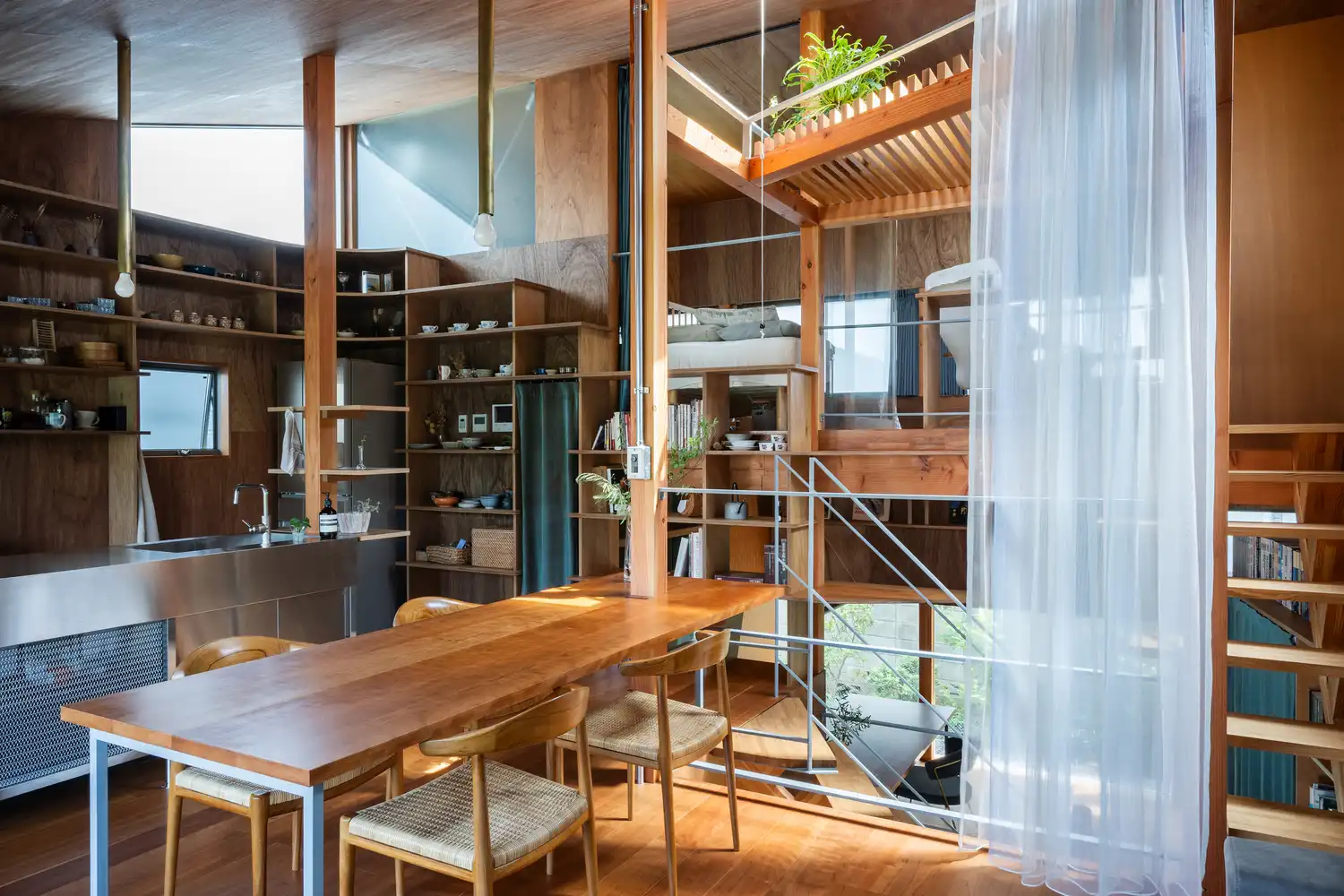

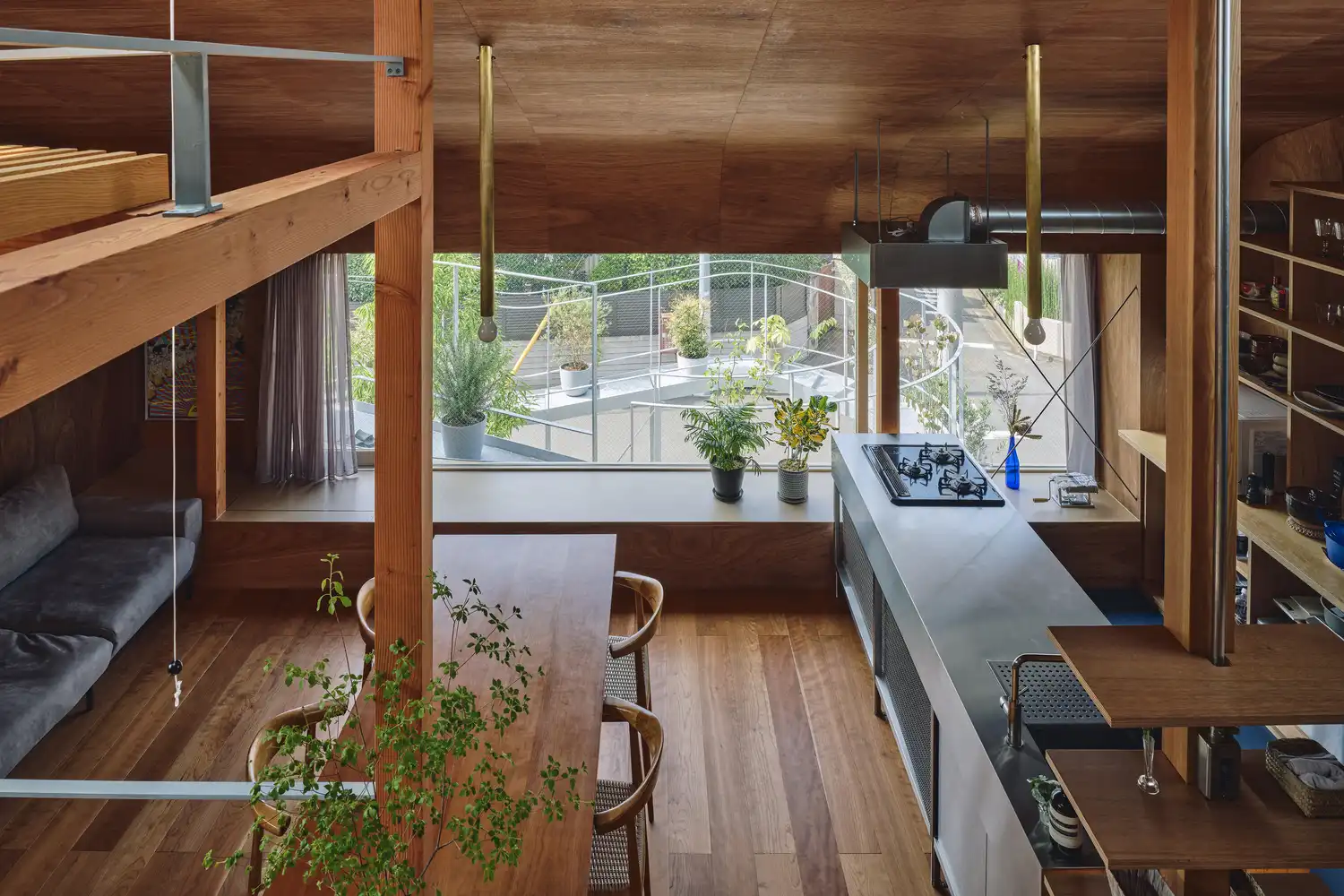
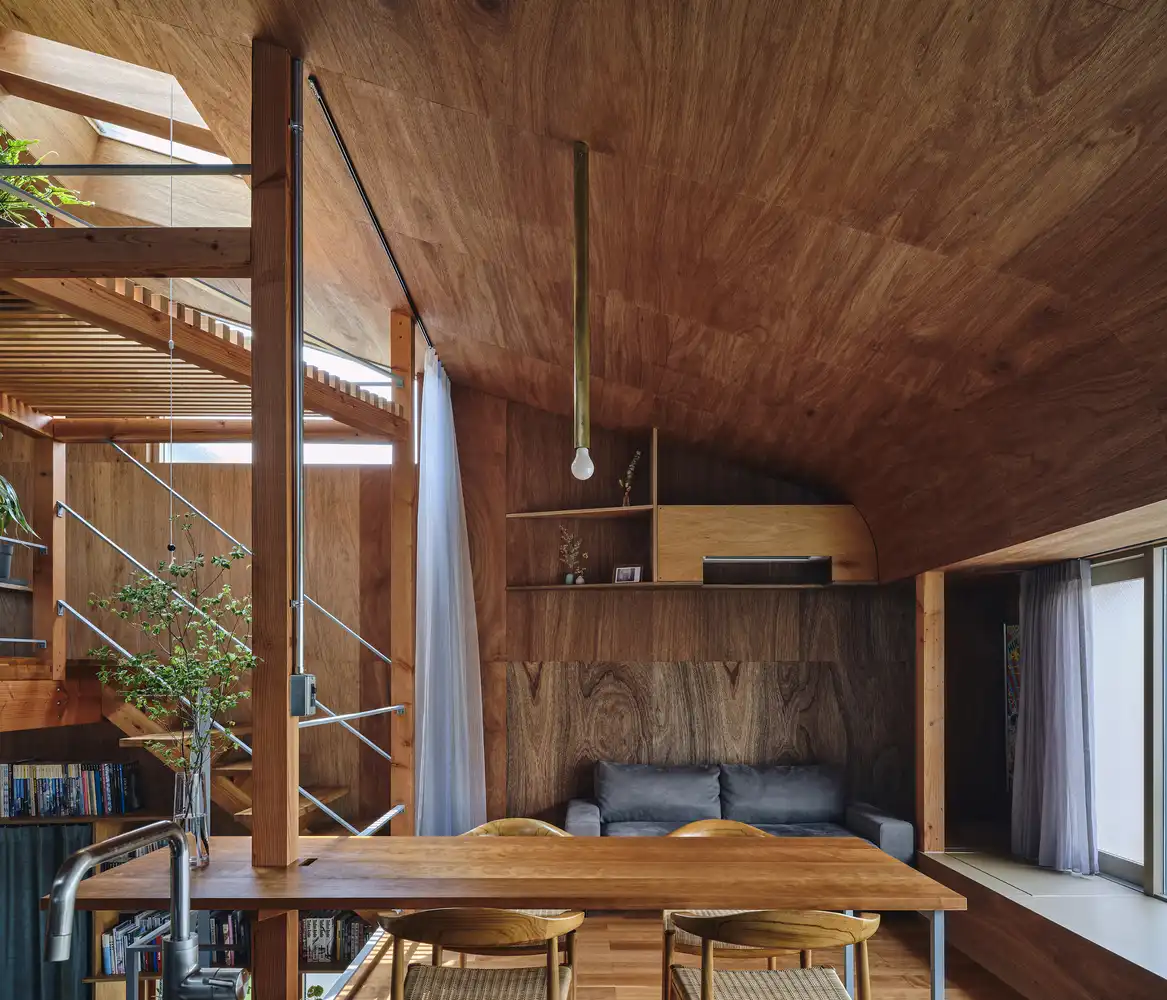

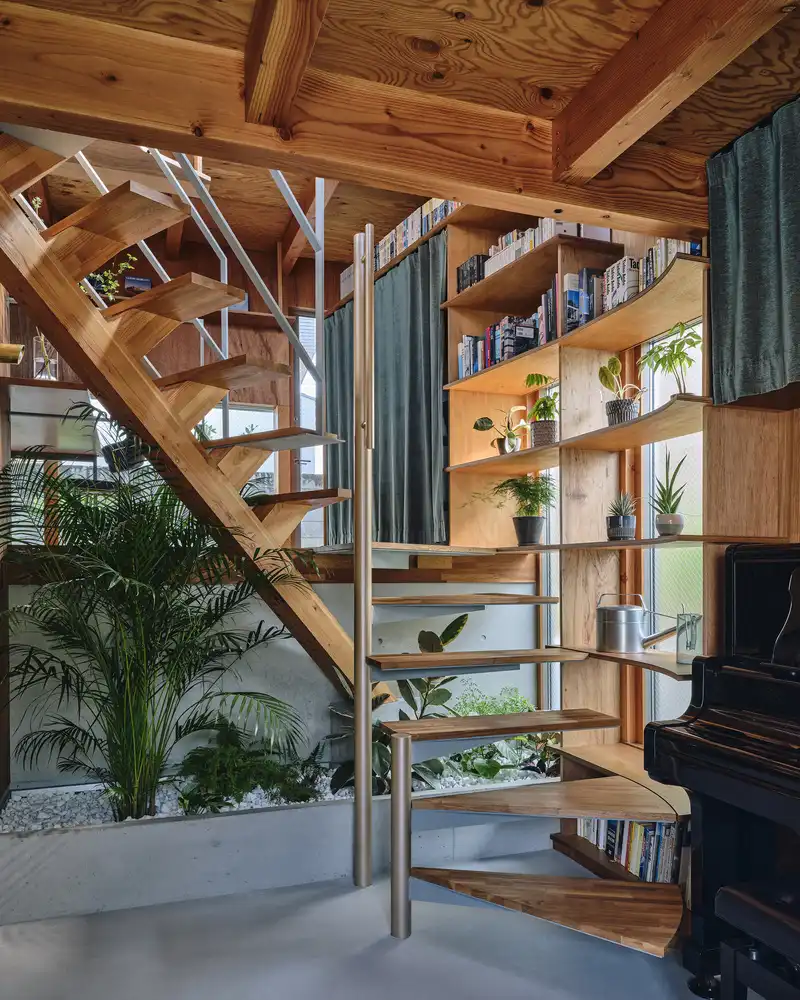
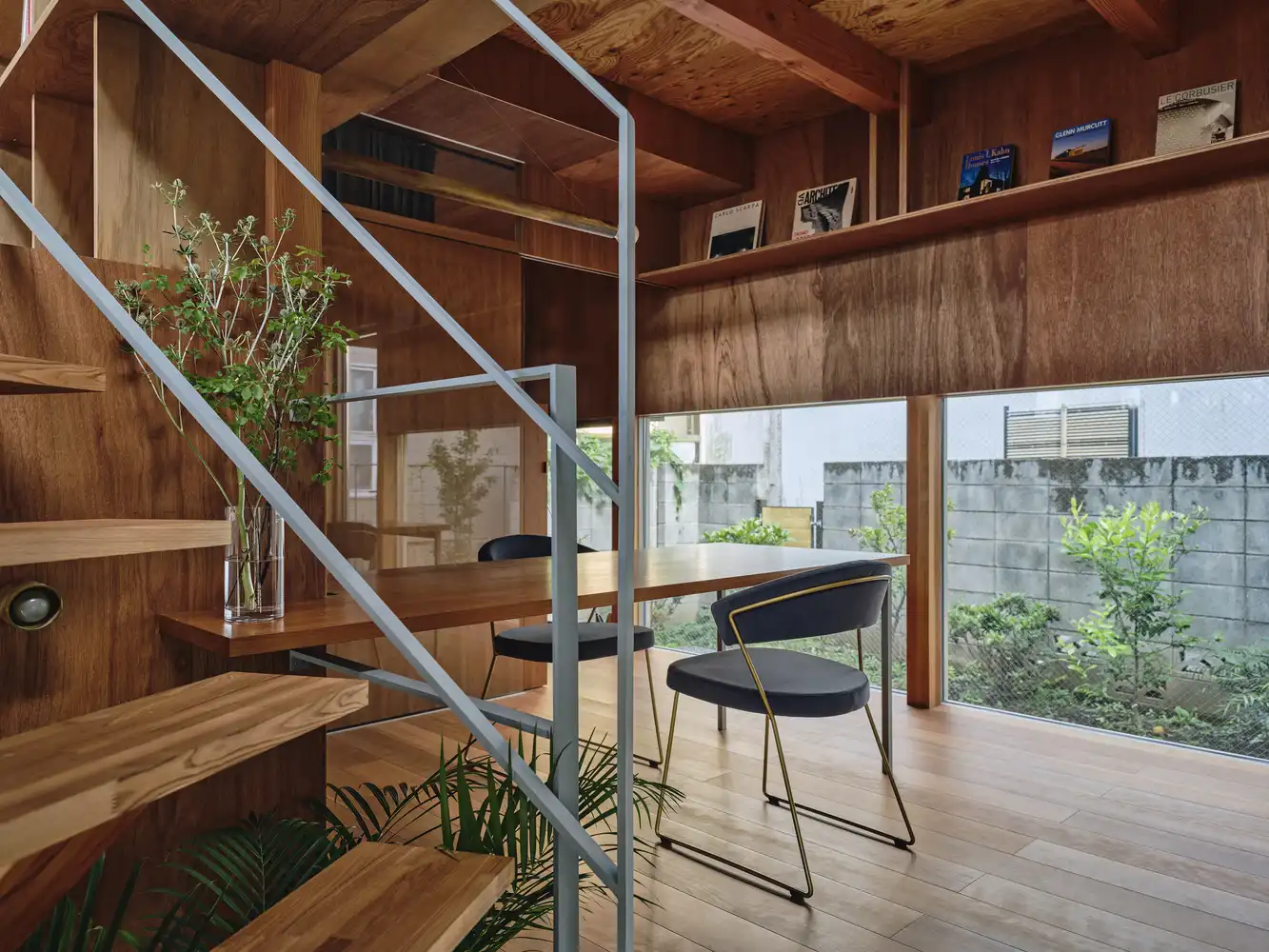
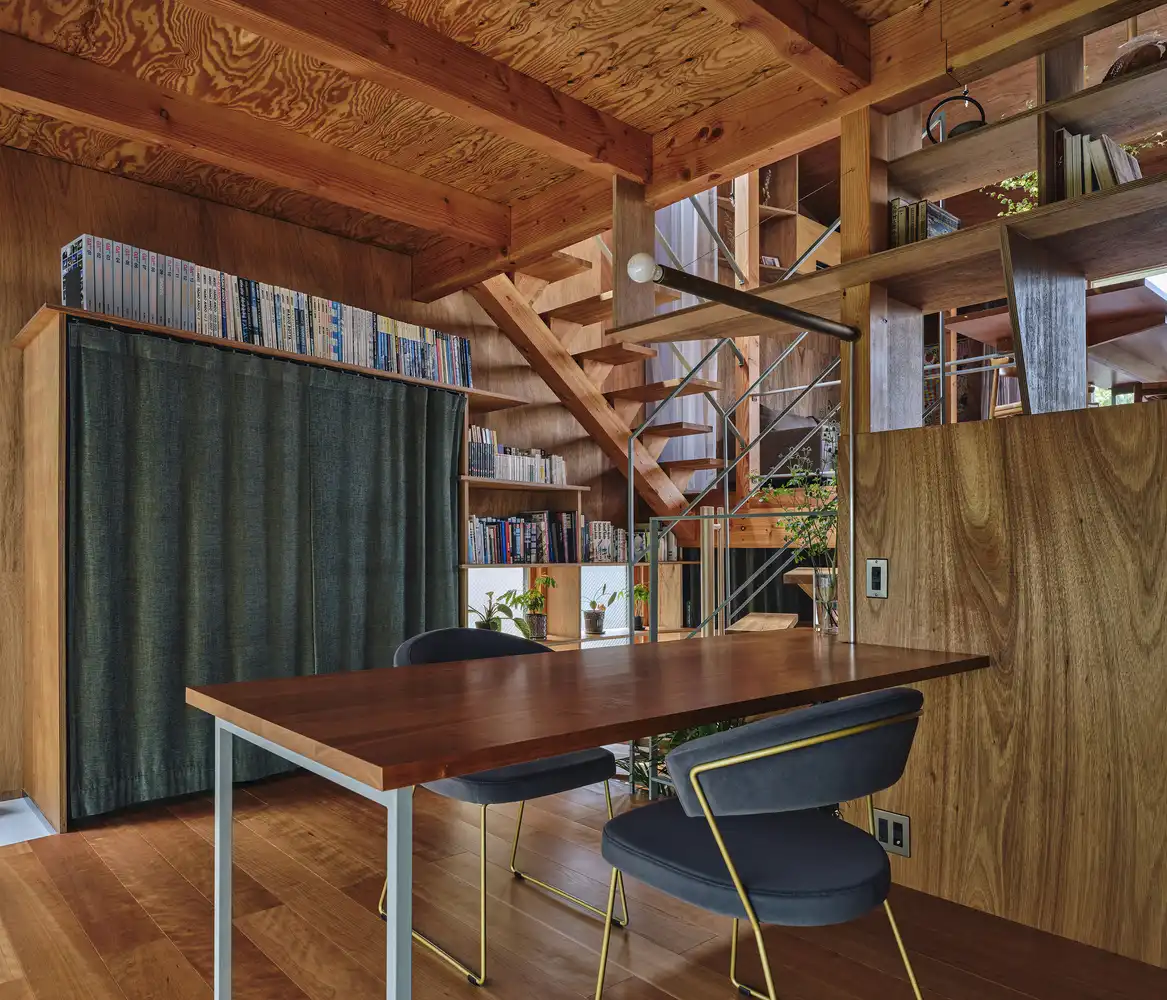
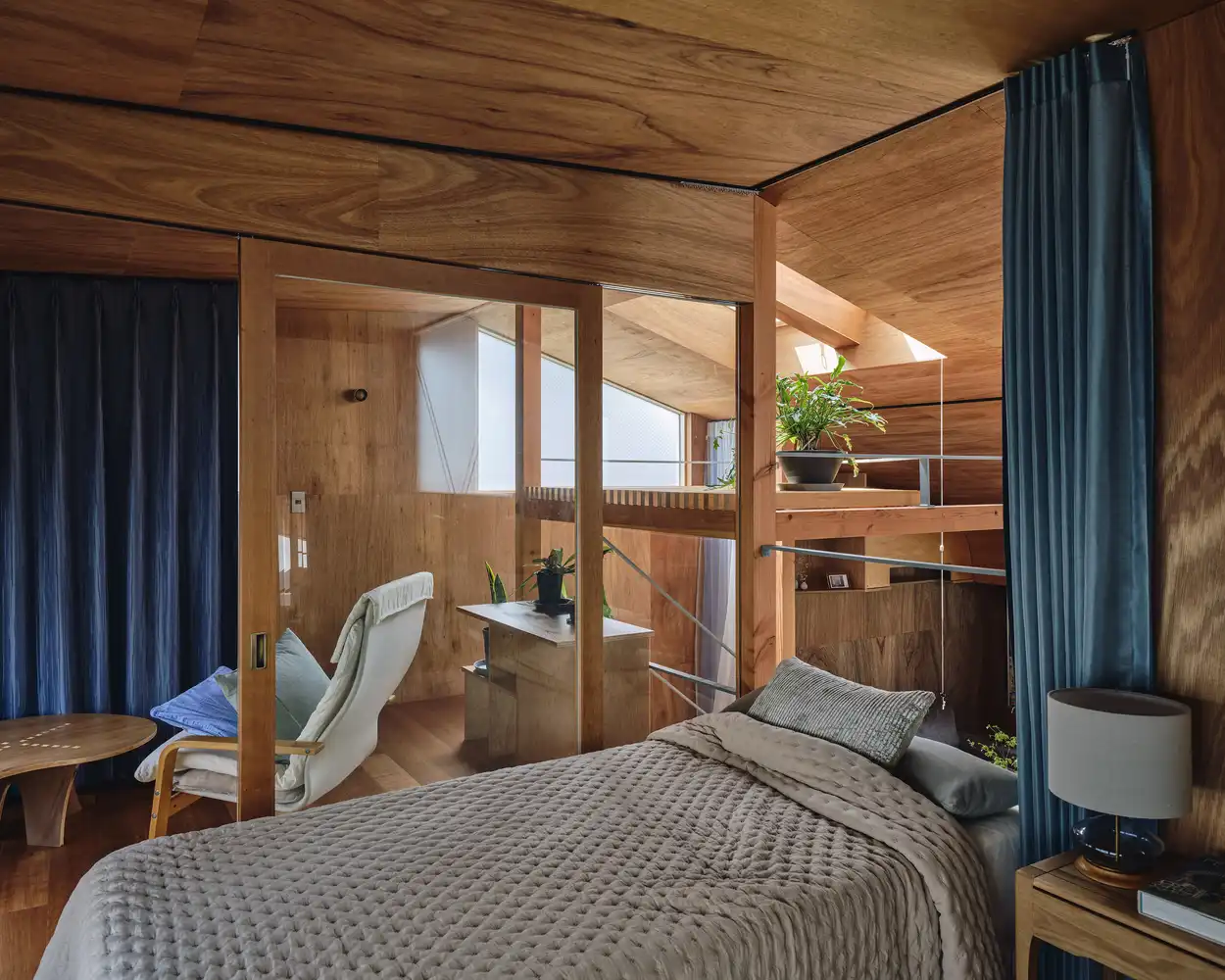
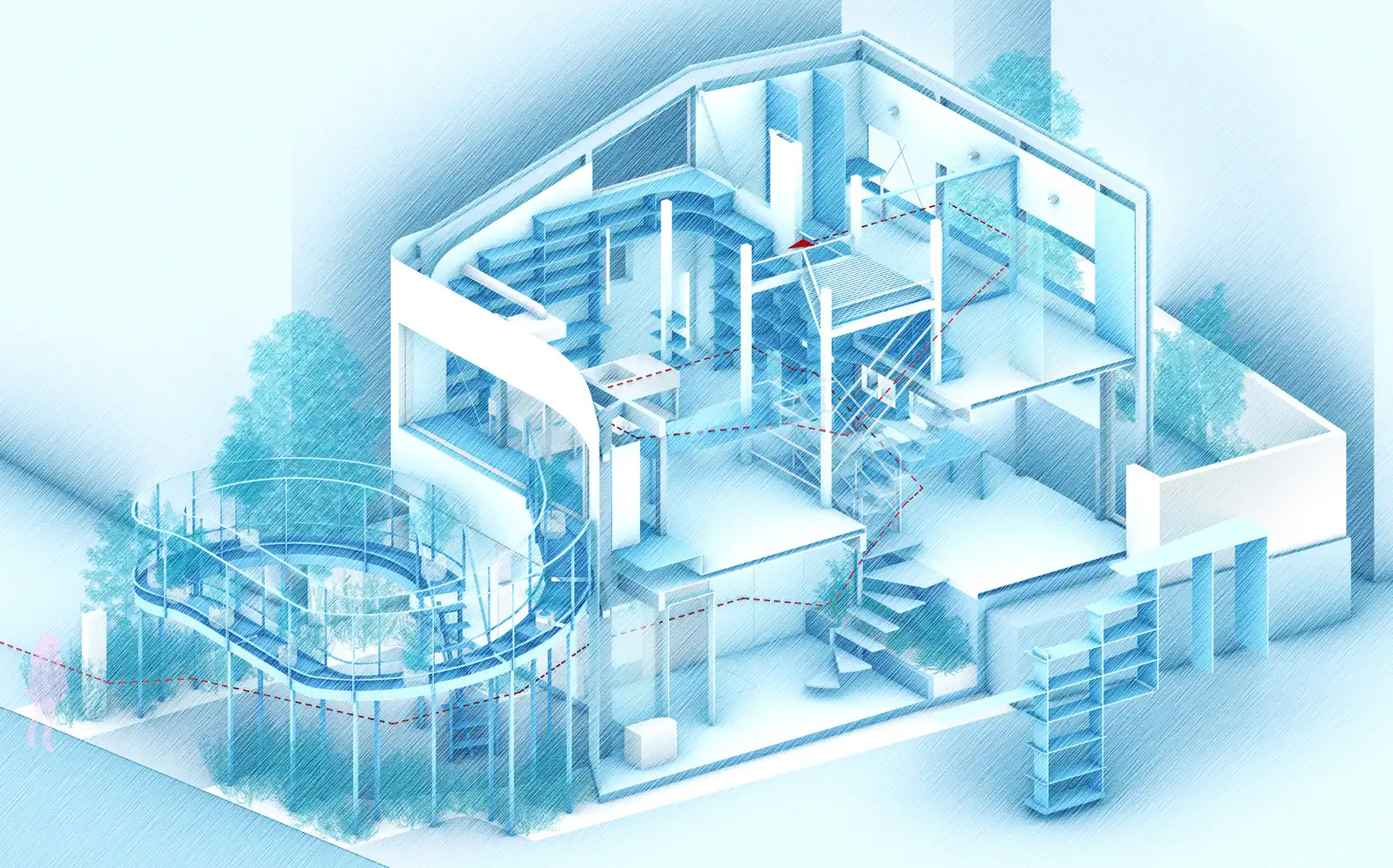
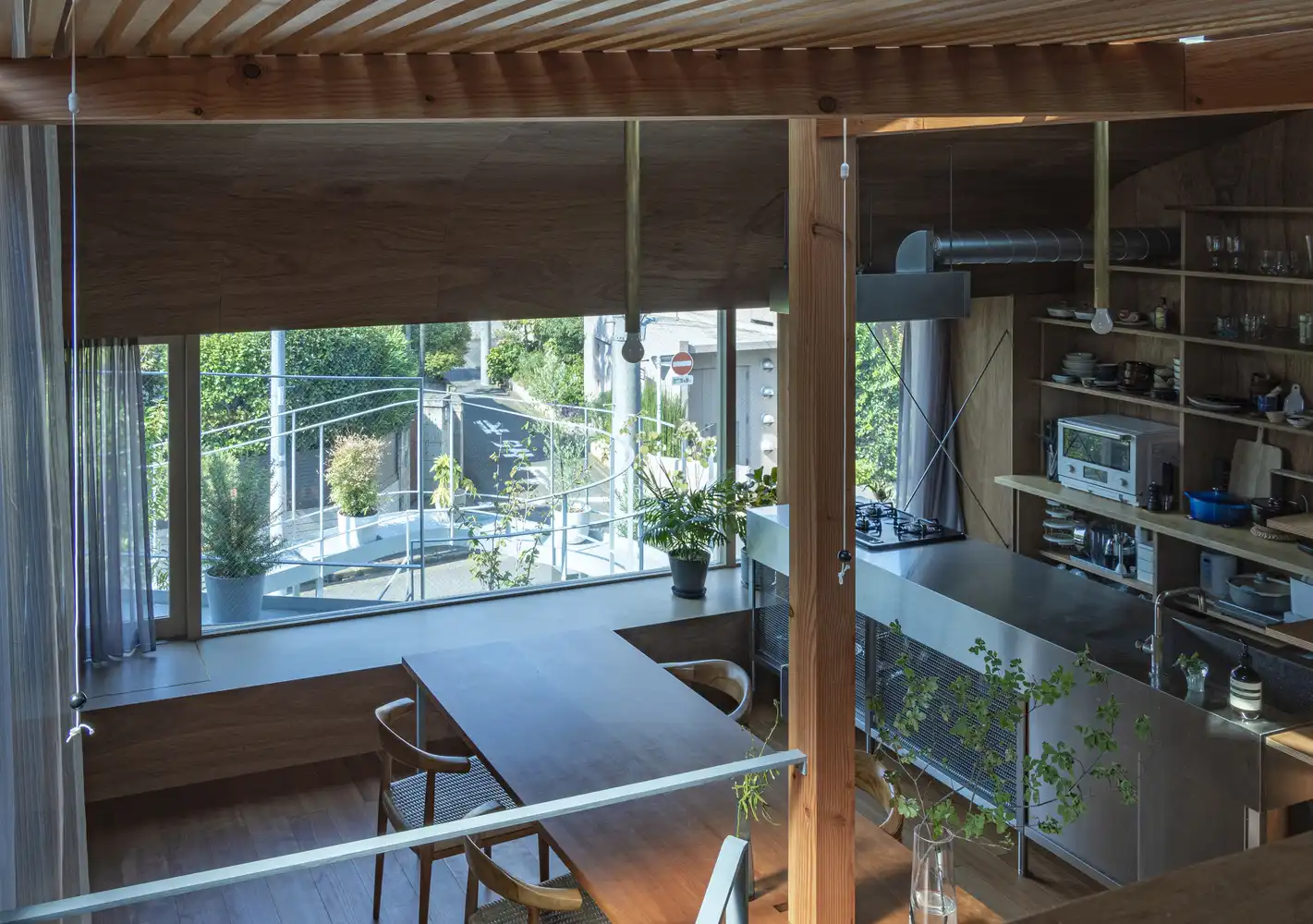
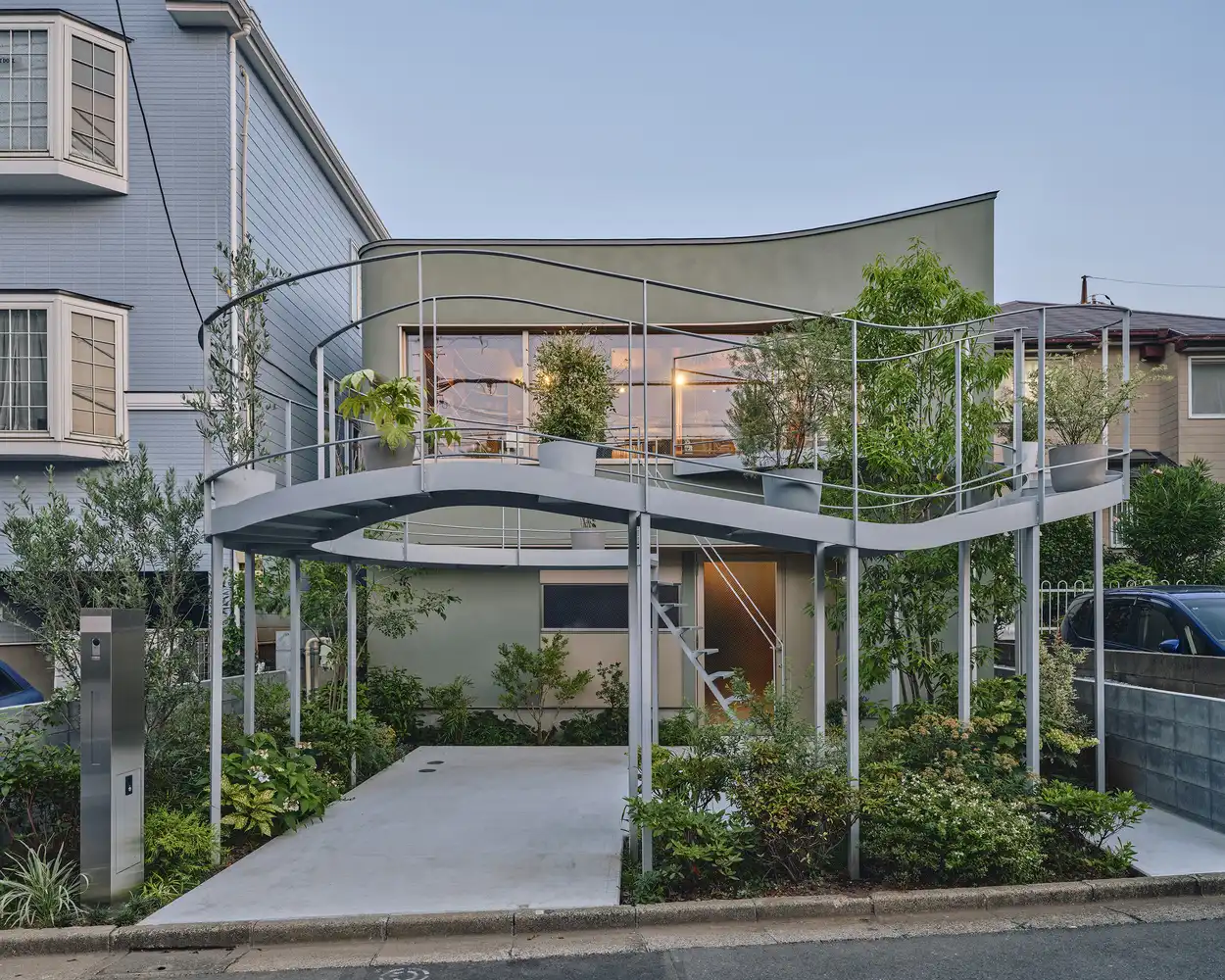
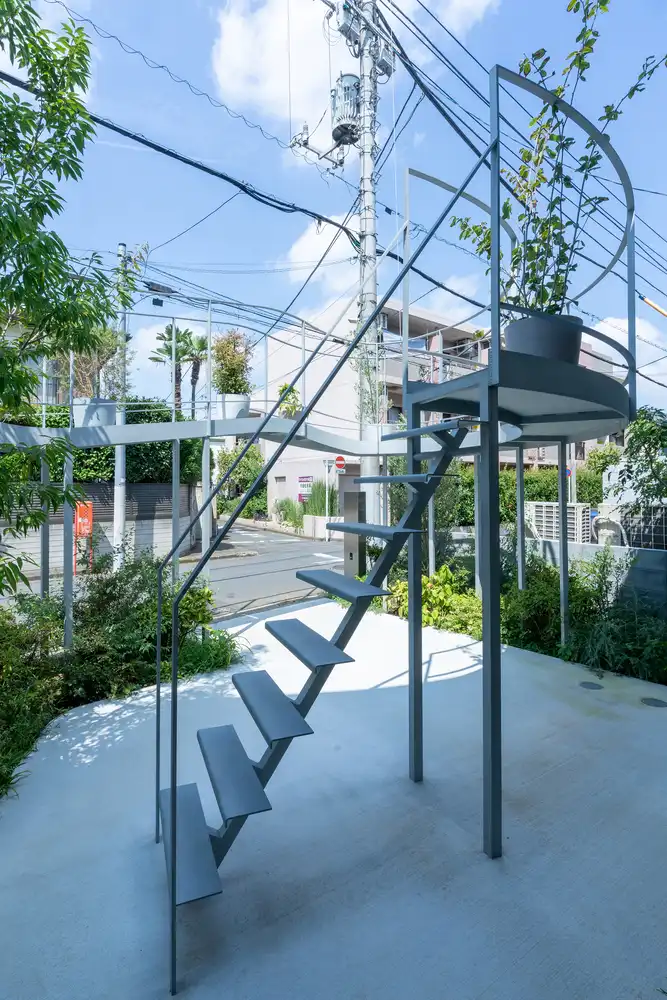
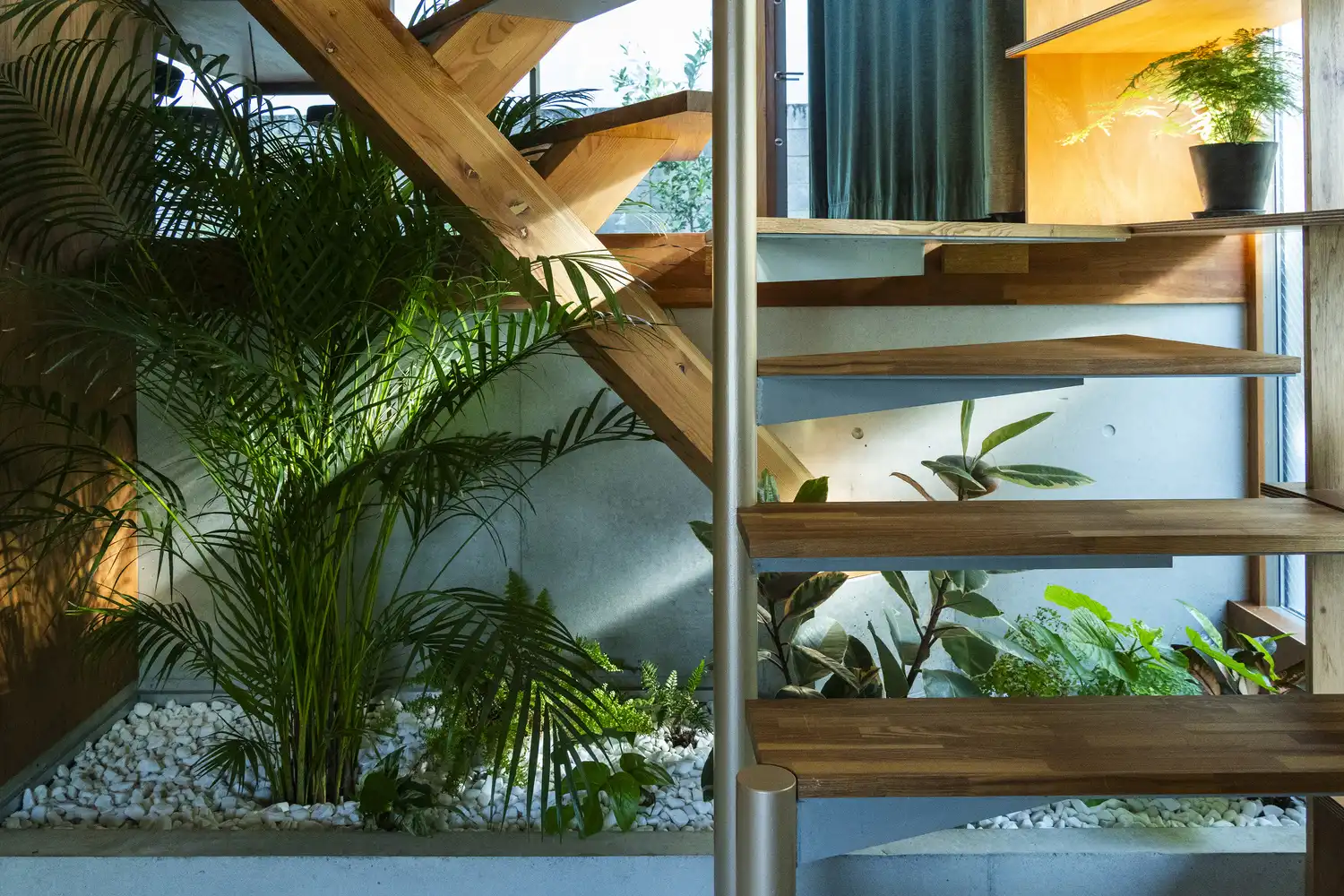
Table of Contents Show
Introduction: Redefining Urban Living in Tokyo
Tokyo architecture continues to push the boundaries of spatial innovation, and House in Nakano stands as a remarkable example of how Japanese architecture in Tokyo addresses the challenges of dense urban living. Designed by Hiroyuki Oinuma of HOAA (Hiroyuki Oinuma Architect & Associates), this 96-square-meter dwelling serves dual purposes as both the architect’s personal residence and professional workspace.
Located in Nakano City—one of Tokyo’s most tightly packed residential districts—the project demonstrates how architecture in Tokyo can transform apparent limitations into defining design opportunities. With neighboring buildings pressed against the property line on three sides, the only opening was to the north, typically the least favorable orientation for natural light in Japan.
The Design Challenge: Light in a Landlocked Site
The fundamental challenge facing this Tokyo Japan architecture project was deceptively simple: how to bring natural light and a sense of openness into a site surrounded by buildings on all sides except the north-facing road. Traditional solutions might have accepted the dark interior as inevitable, but Oinuma chose a more inventive path.
Rather than treating the north-facing orientation as a design flaw, the architect transformed it into the project’s most distinctive feature. The solution emerged through careful analysis of the site’s relationship to the street and the movement of sunlight throughout the day. The project has been covered extensively by ArchDaily and Dezeen, two of the world’s leading architecture publications.
The Kazari Garden: Architecture as Urban Connector
A Looping Terrace That Captures Light
The centerpiece of House in Nakano is the Kazari Garden—an elevated, curving terrace that extends from the second floor and arcs toward the street. The name “Kazari” translates to “ornament” or “decoration” in Japanese, but its function extends far beyond mere embellishment. This approach connects directly to biophilic design principles increasingly embraced in urban architecture.
The terrace’s smooth, looping form stretches beyond the shadow of the house itself, allowing the planting area to receive adequate sunlight despite the north-facing orientation. This greenery then becomes a living screen visible from the large dining room window, creating what the architect describes as a “borrowed view” that brings nature and light into the domestic interior. A similar integration of living greenery as a spatial mediator is a hallmark of contemporary biophilic interior design.
Social Architecture: The House as Urban Participant
Perhaps most remarkably, the Kazari Garden transforms the private dwelling into an informal civic participant. When residents water the terrace plants, they naturally encounter pedestrians on the street below. Children stop to observe the garden’s growth, and neighbors pause for impromptu conversations.
In this sense, House in Nakano operates simultaneously as residence, workplace, micro-park, and elevated porch. This multilayered engagement with the urban environment exemplifies the best qualities of contemporary Tokyo architecture—spaces that contribute to community life while maintaining privacy and domestic comfort. The project also joins a distinguished lineage of Tokyo housing projects that actively engage with the public realm.
Interior Organization: Split-Level Living
Responding to Topography
HOAA organized the home through a split-floor system that responds to the site’s natural elevation change. This approach creates a dynamic interior where different levels offer varying perspectives toward both the Kazari Garden at the front and a more protected Back Garden at the rear. The strategy is emblematic of modern Japanese architecture’s mastery of split-level and section-driven spatial organization.
Material Warmth: Wood-Clad Interiors
The interior spaces are defined by warm wood cladding that creates visual continuity throughout the split-level layout. This material choice serves multiple purposes: it provides acoustic comfort for the home office function, creates a warm counterpoint to the urban density outside, and establishes a neutral backdrop for the family’s collection of objects. The use of natural wood as a primary interior material is widely recognized for its restorative and wellness-enhancing qualities.
Display as Design: The Living Archive
Rather than concealing storage, Oinuma treats everyday belongings as elements of display. Built-in shelving lines the circulation routes, holding ceramics, books, photographs, and plants. The architect describes these objects as “lived archives”—items that introduce what he calls “gentle friction and self-awareness” into daily movement through the house.
This approach gives the compact dwelling the atmosphere of a small, evolving museum where the boundary between storage and exhibition dissolves entirely. It represents a sophisticated application of microhousing design principles—where every element earns its place both functionally and emotionally.
Architectural Philosophy: Decoration as Connection
Challenging Modernist Orthodoxy
House in Nakano represents a subtle but significant departure from certain modernist assumptions about architectural decoration. Oinuma positions the Kazari concept—ornamentation through living plants and careful display—as a “social and psychological connector” rather than superficial embellishment. This philosophy resonates strongly with the growing discourse around biophilic design as a fundamental human need rather than an aesthetic indulgence.
The project suggests that decoration, particularly when it involves living matter, can enrich urban domestic life in ways that pure minimalism cannot. The garden terrace’s curves, the carefully arranged objects on shelves, and the interplay of interior and exterior greenery all contribute to a dwelling that engages the senses and emotions beyond mere functional efficiency. This approach aligns with what nature-integrated architecture seeks to achieve in dense urban contexts.
The Architect’s Own Home
The fact that House in Nakano serves as Oinuma’s personal residence and workspace adds particular significance to these design choices. The building functions as a laboratory for ideas about urban living, decoration, and the relationship between private and public space. Every design decision reflects daily lived experience rather than theoretical speculation. The seamless integration of professional workspace within a domestic setting is itself a design statement about the future of how architects and creative professionals inhabit their homes.
Technical Specifications
| Aspect | Detail |
|---|---|
| Total Floor Area | 96.38 m² |
| Location | Nakano City, Tokyo, Japan |
| Completion | 2025 |
| Structure | Designed by Yuta Mino / MSE |
| Construction | Yamashita Construction |
| Program | Residence + Architect’s Office |
Significance for Japanese Architecture in Tokyo
House in Nakano joins a distinguished tradition of Japanese architecture that finds creative solutions to extreme spatial constraints. Tokyo’s residential neighborhoods have long served as testing grounds for innovative compact living, producing influential typologies that resonate far beyond Japan. The city’s design ecosystem has also been recognized globally through events such as the IDPA Awards 2026, which celebrate design innovation across the Asia-Pacific region.
What distinguishes this project is its emphasis on social connection and decorative warmth within the small-footprint paradigm. While many Tokyo micro-houses focus primarily on spatial efficiency, House in Nakano demonstrates equal concern for emotional resonance, community engagement, and the daily pleasure of inhabiting well-considered spaces. For a broader survey of how architects globally are responding to the challenge of compact residential design, the parallels are illuminating.
Conclusion: Lessons from Nakano
House in Nakano offers several insights for architects and design enthusiasts interested in contemporary Tokyo Japan architecture:
Constraint as Opportunity: The project’s most distinctive feature—the looping Kazari Garden—emerged directly from the challenge of a north-facing site surrounded by neighbors. Rather than accepting darkness, the design reaches outward to capture light and create connection. This is a lesson that many of the world’s most celebrated small buildings share.
Decoration Reconsidered: By treating plants, displayed objects, and curving forms as essential rather than superficial, the project suggests that ornamentation can serve deep functional and emotional purposes in residential architecture. The emerging field of wellness design in architecture increasingly validates this instinct, linking natural materials and sensory richness to measurable improvements in occupant health.
Public-Private Dialogue: The elevated garden terrace creates an intermediate zone between the private dwelling and the public street, demonstrating how even compact urban houses can contribute to neighborhood life. This dialogue between the private home and the city is one of the defining themes of Tokyo’s architectural identity.
Adaptive Typology: As a combined home and office, the building responds to contemporary work patterns while maintaining clear boundaries between domestic and professional activities. The design of a productive, integrated architectural workspace within a residence is a challenge that many practitioners face today.
For those fascinated by architecture in Tokyo and the continued evolution of Japanese residential design, House in Nakano represents an essential reference point—a small building with large ideas about how we might live more richly in dense urban environments. The project’s reception in international media, from Dezeen to Designboom, confirms its standing as one of 2025’s most significant residential projects.
House in Nakano demonstrates how thoughtful Tokyo architecture can transform challenging sites into opportunities for innovation, creating spaces that nurture both private life and community connection.




Residential Architecture Face-Off: Co-Living vs Traditional Apartment for Urban Housing
Co-living and traditional apartments represent two distinct approaches to residential architecture in...
 Furkan Sen8 Mins read
Designing a Liminal Space Where Urban Meets Coastal
The Liminal House by Mcleod Bovell Modern Houses in West Vancouver is...
 Elif Ayse Sen5 Mins read

Bridleway House by Guttfield Architecture
Bridleway House by Guttfield Architecture is a barn-inspired timber extension that reframes...
 Begum Gumusel3 Mins read

BINÔME Multi-residence by APPAREIL architecture
Binôme by APPAREIL Architecture is a five-unit residential building that redefines soft...
Begum Gumusel3 Mins read


Leave a comment