

Forest House by Studio Onu
Forest House (Dom Las) by Studio Onu is a contemporary retreat in Poland that transforms decades of land cultivation, Kashubian craft traditions, and local materials into a refined architectural expression rooted in landscape and memory.
 Begum Gumusel19 January 20264 Mins read227


Table of Contents Show
Forest House, known locally as Dom Las, is not simply a building placed within nature, it is the architectural continuation of a landscape carefully shaped over decades. Designed by Studio Onu, the project emerges from a deeply personal and patient relationship between land and owner. Twenty-five years ago, the client acquired a seven-hectare field near his hometown in Poland with no immediate intention to build. Instead, the land became a long-term ecological project, gradually transformed through careful silviculture, selective planting, and thinning of pine and birch saplings.
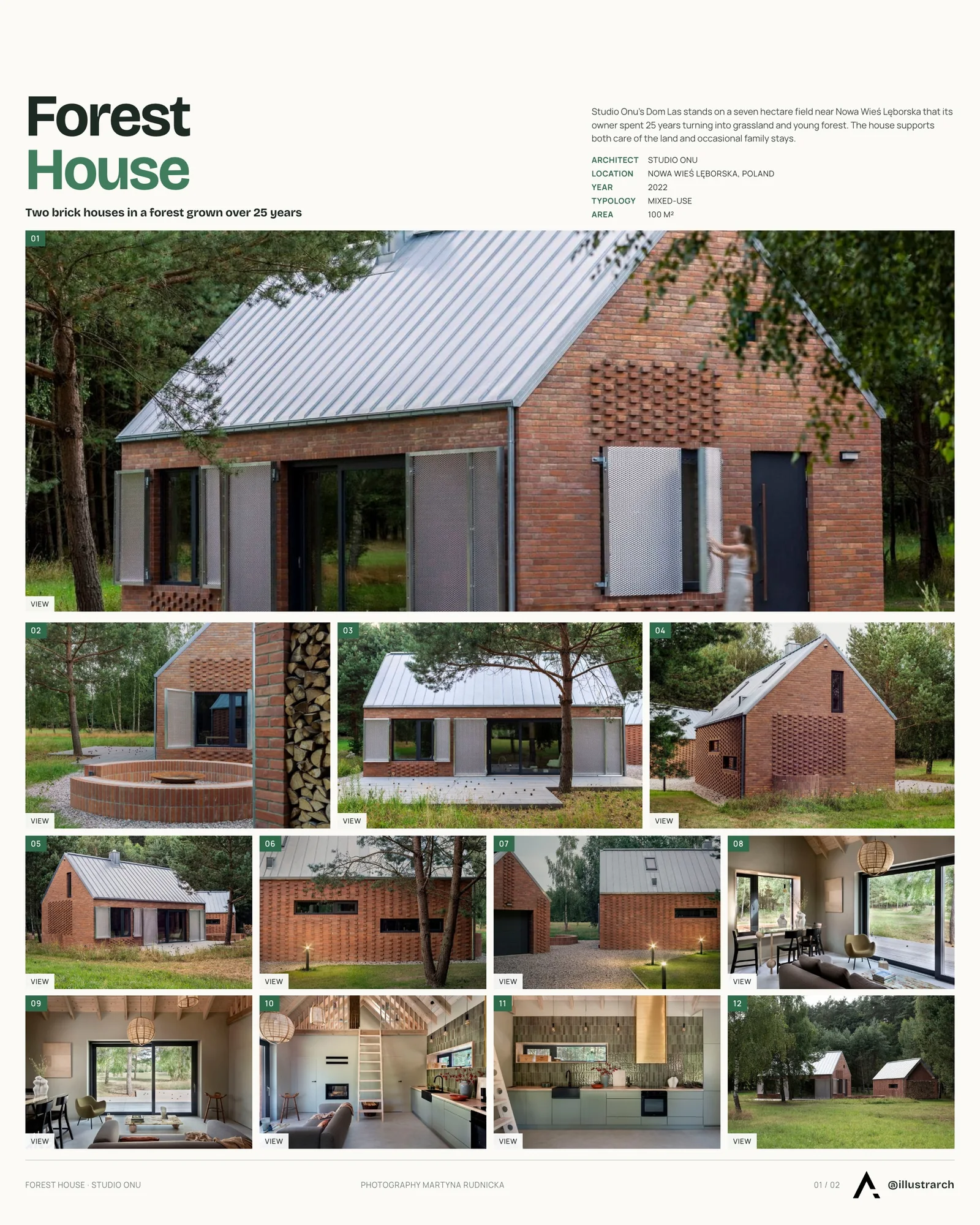
Over time, what was once an empty field evolved into a richly layered terrain of grasslands, young forests, and open clearings, an environment that reflects the native flora of the region. Dom Las is the architectural expression of this slow transformation, shaped by respect for the land, regional building traditions, and the idea that architecture should grow from place rather than dominate it.
A Dual Program Rooted in Stewardship and Shelter
The brief for Dom Las was intentionally modest but conceptually precise. The buildings needed to support two complementary functions: enabling the continued care of the landscape and providing occasional shelter for the client and his family. Rather than condensing these needs into a single structure, the architects proposed two distinct yet interrelated buildings, positioned in dialogue with one another and the surrounding parkland.
This separation reinforces the rhythm of rural life, work and rest, labor and retreat, while allowing each structure to remain appropriately scaled. Their relationship is not defined by symmetry or formality, but by shared material language, craftsmanship, and orientation within the landscape. Together, they form a quiet ensemble that feels embedded rather than imposed.
Vernacular Inspiration and Regional Identity
Dom Las draws heavily from the vernacular architecture of Poland’s Kashubia region, known for its strong craft traditions, expressive ornamentation, and material richness. Rather than replicating historical forms, Studio Onu reinterprets these influences through a contemporary lens, allowing tradition to inform proportion, texture, and detail without slipping into nostalgia.
The buildings are constructed using locally sourced pinewood and brick, materials deeply connected to both the region and the site itself. Pinewood, used structurally and in bespoke furniture, mirrors the surrounding forest, creating continuity between interior and exterior. Brick, sourced from a nearby brickyard, carries the color and weight of the local soil, grounding the architecture physically and visually in its setting.
The Hearth as Spatial and Symbolic Core
At the heart of the main house sits the fireplace, positioned not as a peripheral feature but as the literal and symbolic center of the home. Traditionally, the hearth has been the focal point of domestic life, and Dom Las reaffirms this role by organizing views and circulation around it. From every room, the fireplace remains visible, anchoring daily life while framing glimpses of the surrounding forest beyond.
This centrality creates a powerful contrast: the intimacy and warmth of the interior against the openness of the landscape outside. The hearth becomes both a place of gathering and a spatial reference point, reinforcing the house’s role as a temporary refuge within a working landscape.
Material Continuity Between Interior and Exterior
Material choices in Dom Las are deliberately restrained yet deeply expressive. Pinewood extends from structural elements into custom furniture and joinery, reinforcing a sense of continuity and calm. Internally, subtle color references echo the surrounding environment: the green of the pine forest appears in glazed ceramic tiles in the kitchen and bathroom, while neutral surfaces allow light and texture to take precedence.
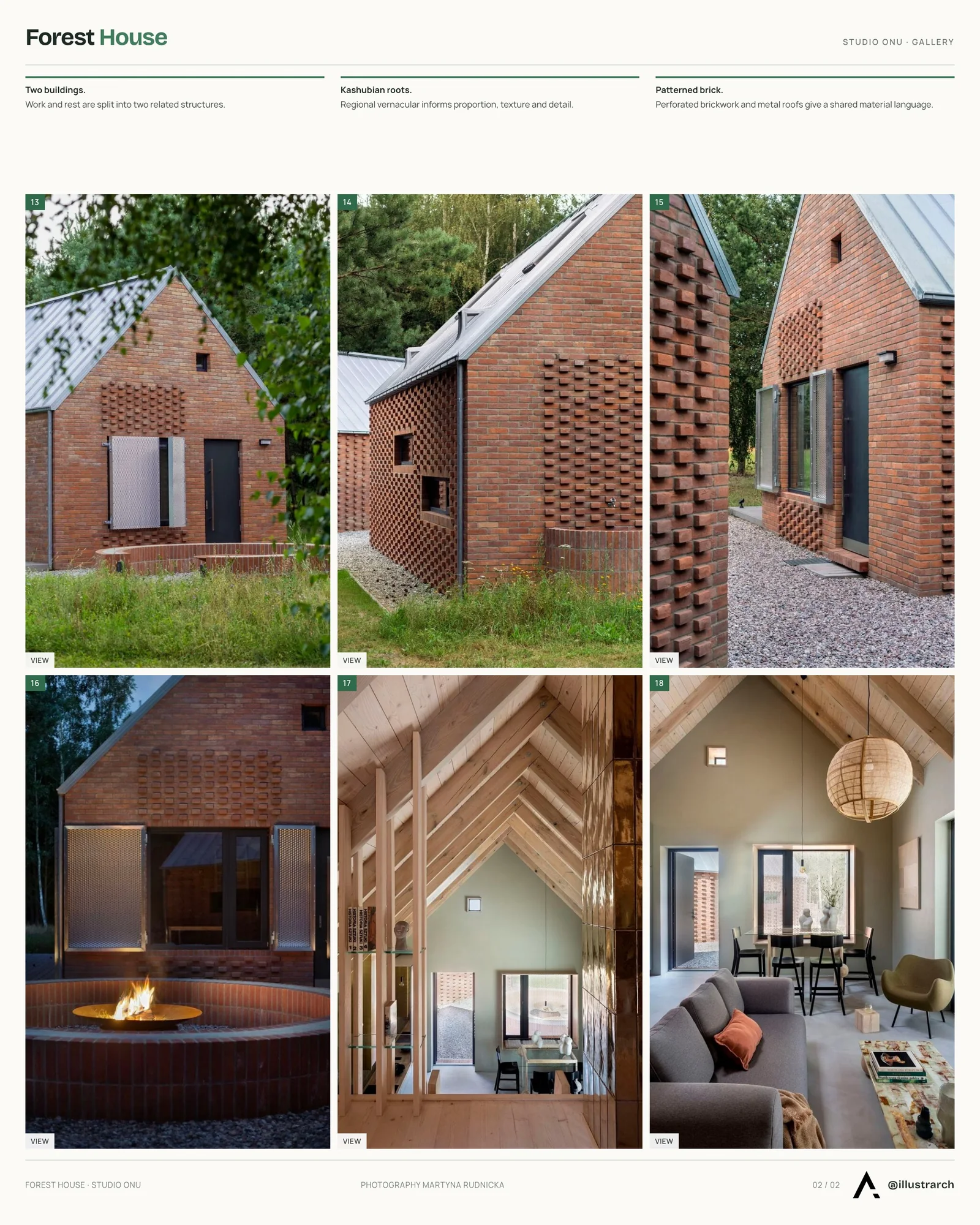
Brickwork plays a particularly important role, not only structurally but ornamentally. The external façade features carefully composed brick patterns inspired by local embroidery, music, and craft traditions. This collaboration with a local brickworker resulted in a contemporary reinterpretation of Kashubian motifs, transforming regional heritage into a modern architectural language.
Craftsmanship as Architectural Narrative
Kashubia is renowned for the skill of its craftspeople, and Dom Las actively celebrates this legacy. Metal shutters, produced by local artisans, feature delicate fretwork that filters daylight while protecting the interior from weather and excessive sun. These elements are both functional and poetic, introducing movement, shadow, and texture to the façades.
Craft extends seamlessly into the interior. Studio Onu designed bespoke dining and coffee tables inspired by traditional turned-wood furniture typical of the region. These pieces were developed alongside the client’s inherited family furniture, allowing new and old craftsmanship to coexist. Rather than treating heirlooms as decorative artifacts, the architects integrated them into daily life, reinforcing the continuity between generations, land, and memory.
Interior Life Framed by Landscape
Inside Dom Las, spaces are intentionally calm and understated, allowing the landscape to remain visually dominant. Large windows frame views of the forest and grassland, reinforcing the sense that the house is nested within nature rather than separated from it. Furnishings are carefully scaled, textures remain tactile, and light is modulated through shutters and deep reveals.
A large tapestry of poppies occupies a prominent place within the home, capturing the spirit of the project. The flowers depicted mirror those now growing wild across the land, symbolizing the cyclical relationship between cultivation, architecture, and nature. This artwork becomes a visual manifesto for Dom Las: a house born from patience, care, and deep respect for place.
An Architecture of Time and Continuity
Forest House is ultimately an architecture shaped by time. It reflects decades of land stewardship, regional craft knowledge, and a design approach that values restraint, authenticity, and continuity. Dom Las does not seek attention; instead, it quietly affirms that meaningful architecture can emerge from listening, to land, to tradition, and to the slow processes that shape both.
Photography: Martyna Rudnicka




UNStudio’s RIVUS: How a Former Factory Becomes a Cluj-Napoca Riverfront District
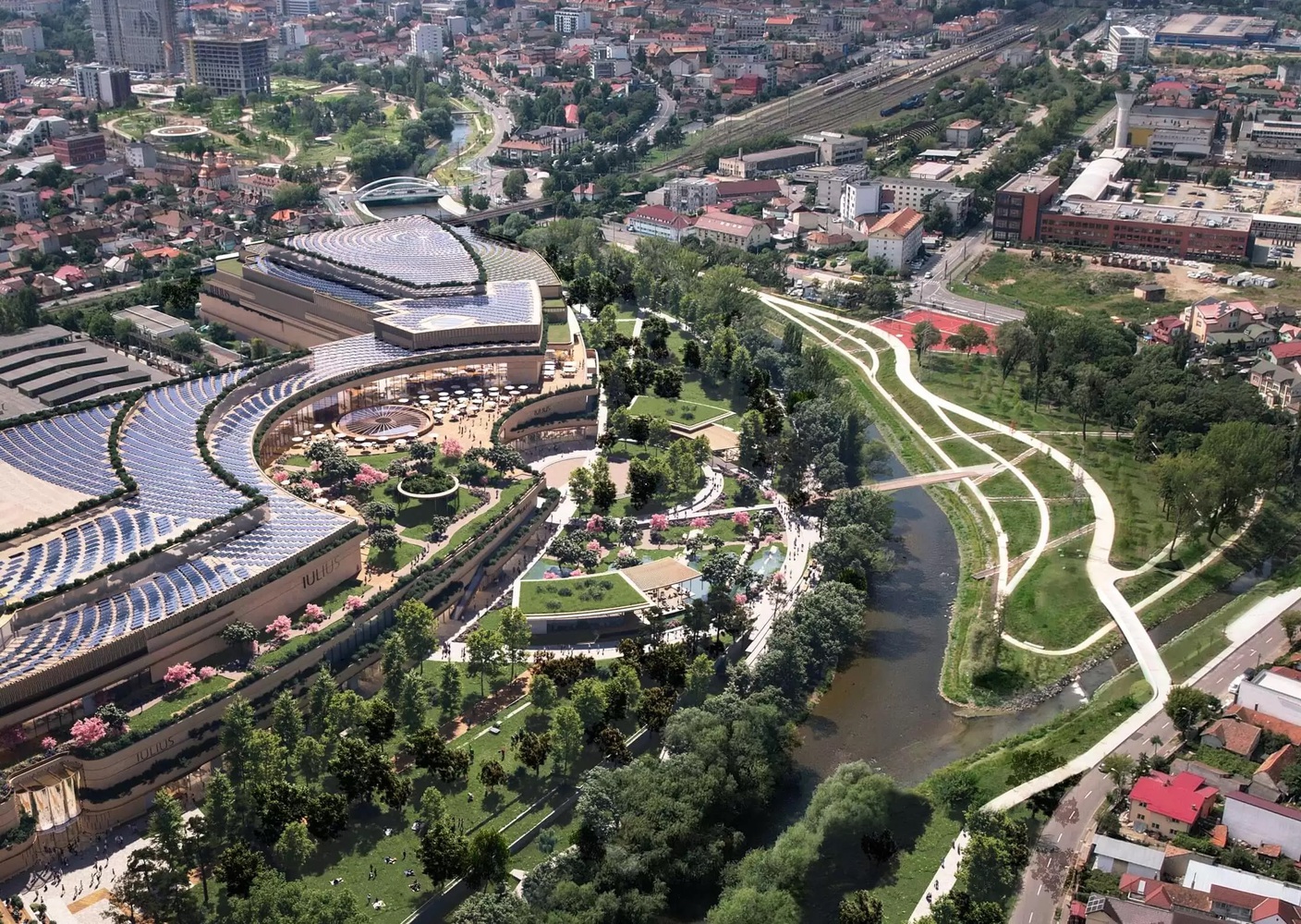
UNStudio has revealed RIVUS, a river-oriented master plan that reconnects Cluj-Napoca to...
 Elif Ayse Sen7 Mins read

Seara Sports System Showroom and Office: Concrete Showroom by Architectkidd
Seara Sports System Showroom and Office in Bangkok by Architectkidd features cast-in-place...
Elif Ayse Sen2 Mins read

SOM Designs 272-Meter Tower Complex for Alatau, Kazakhstan
SOM's Iconic Complex in Alatau, Kazakhstan features a 272-meter primary tower and...
Elif Ayse Sen8 Mins read
Roelevard Complex by B2Ai & Snøhetta
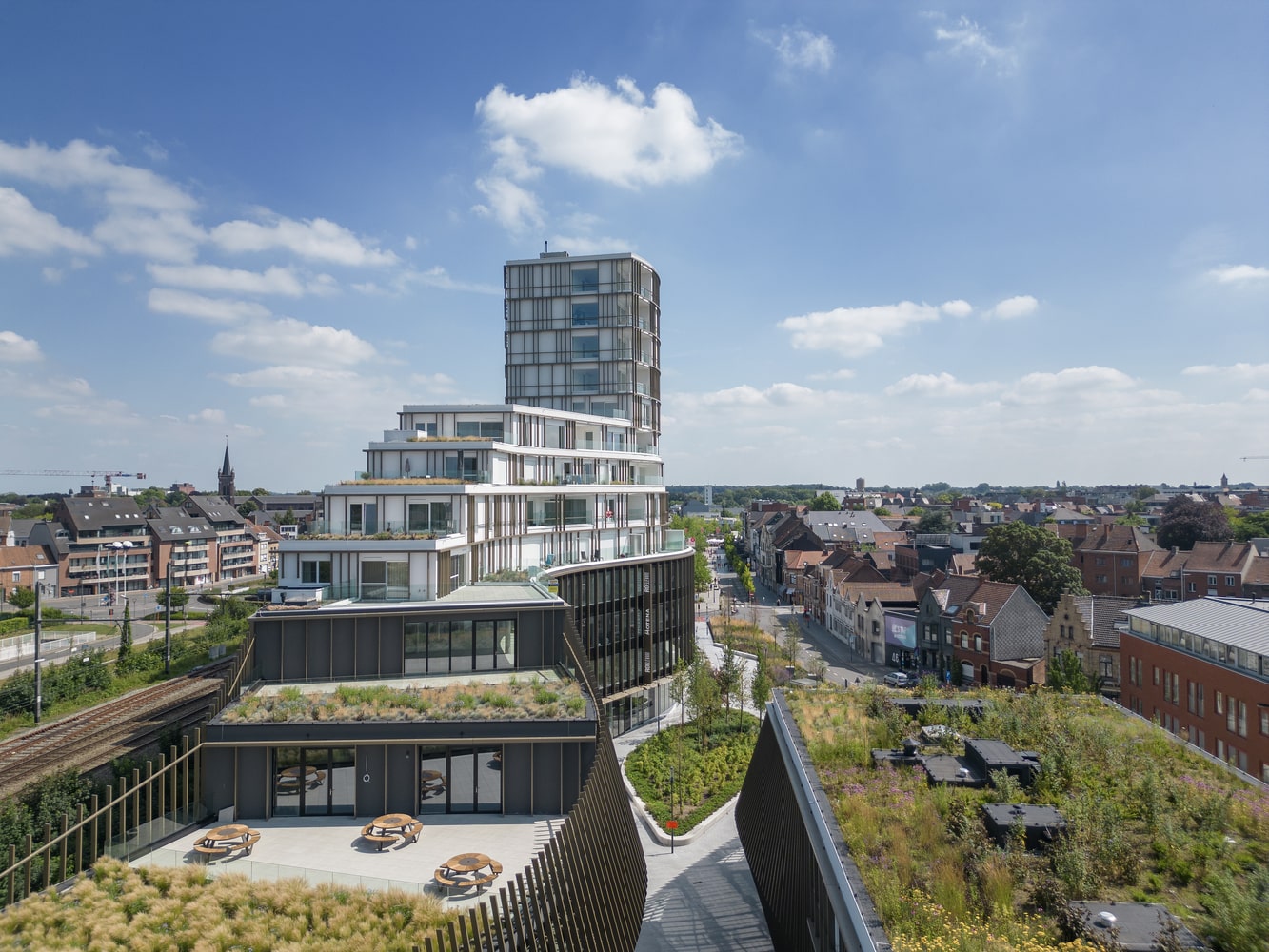
Roelevard by B2Ai and Snøhetta transforms Roeselare’s former railway zone into a...
Begum Gumusel3 Mins read


Leave a comment