The popularity of interior design styles in the USA reflects a desire for spaces that are both functional and emotionally engaging. Whether rooted in tradition, driven by modernism, or shaped by personal expression, each style responds to different ways of living and cultural values. Understanding these 10 popular interior design styles helps homeowners, designers, and architects make informed decisions that align aesthetics with lifestyle needs. As trends continue to evolve, these styles remain foundational references within the American interior design landscape.


Home Interior
 Elif Ayse Sen22 December 20254 Mins read293
10 Popular Interior Design Styles in the USA
Interior design in the USA reflects a wide range of lifestyles, cultural influences, and architectural traditions. This guide explores 10 popular interior design styles in the USA, including modern, farmhouse, mid-century modern, industrial, and coastal interiors, highlighting their defining characteristics and why they continue to shape American homes.
Elif Ayse Sen22 December 20254 Mins read293
Share
Table of Contents Show
Interior design in the United States reflects a rich mix of cultural influences, lifestyle needs, and architectural traditions. From historic homes on the East Coast to modern apartments in major cities, American interiors balance comfort, function, and visual identity. Trends often evolve alongside social habits, real estate demands, and global design movements, making the U.S. interior design scene both diverse and dynamic.

This article explores 10 popular interior design styles in the USA, highlighting their defining characteristics and explaining why they continue to shape residential interiors. From timeless traditional spaces to expressive bohemian homes, each style represents a distinct approach to how Americans live and experience interior spaces.
1. Modern Interior Design
Modern interior design is defined by clean lines, simplicity, and a strong focus on function. Spaces are typically uncluttered, with open floor plans, minimal décor, and a restrained color palette dominated by whites, grays, and blacks. Materials such as glass, steel, concrete, and polished stone are commonly used to reinforce a sleek and refined aesthetic.

In the USA, modern interiors are especially popular in urban apartments and newly built homes, where efficient layouts and contemporary materials align with fast-paced city life. The style appeals to homeowners who value clarity, order, and a timeless look that avoids excessive ornamentation.
2. Contemporary Interior Design
Contemporary interior design reflects the design trends of the present moment, making it more fluid than modern design. While it often overlaps with modern aesthetics, contemporary interiors allow for softer curves, mixed materials, and subtle decorative elements that change as trends evolve.
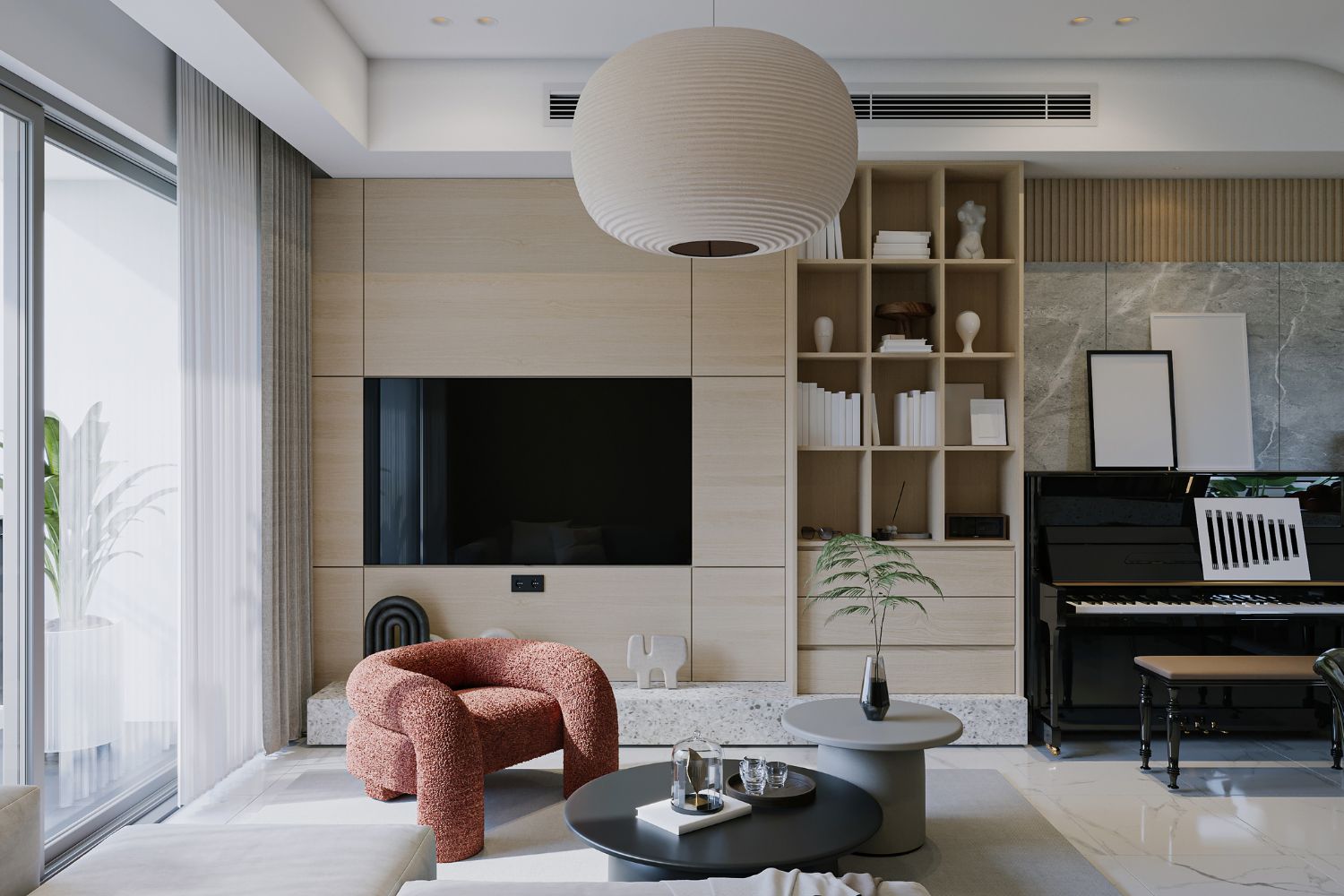
In American homes, contemporary design is favored for its adaptability and broad appeal. It often combines neutral bases with statement lighting, textured fabrics, and curated art pieces, creating interiors that feel current, comfortable, and visually balanced without being overly rigid.
3. Farmhouse Style
Farmhouse interior design emphasizes warmth, comfort, and a connection to tradition. Common elements include natural wood finishes, shiplap walls, neutral colors, and vintage or handcrafted furniture. The style often blends rustic features with modern conveniences.
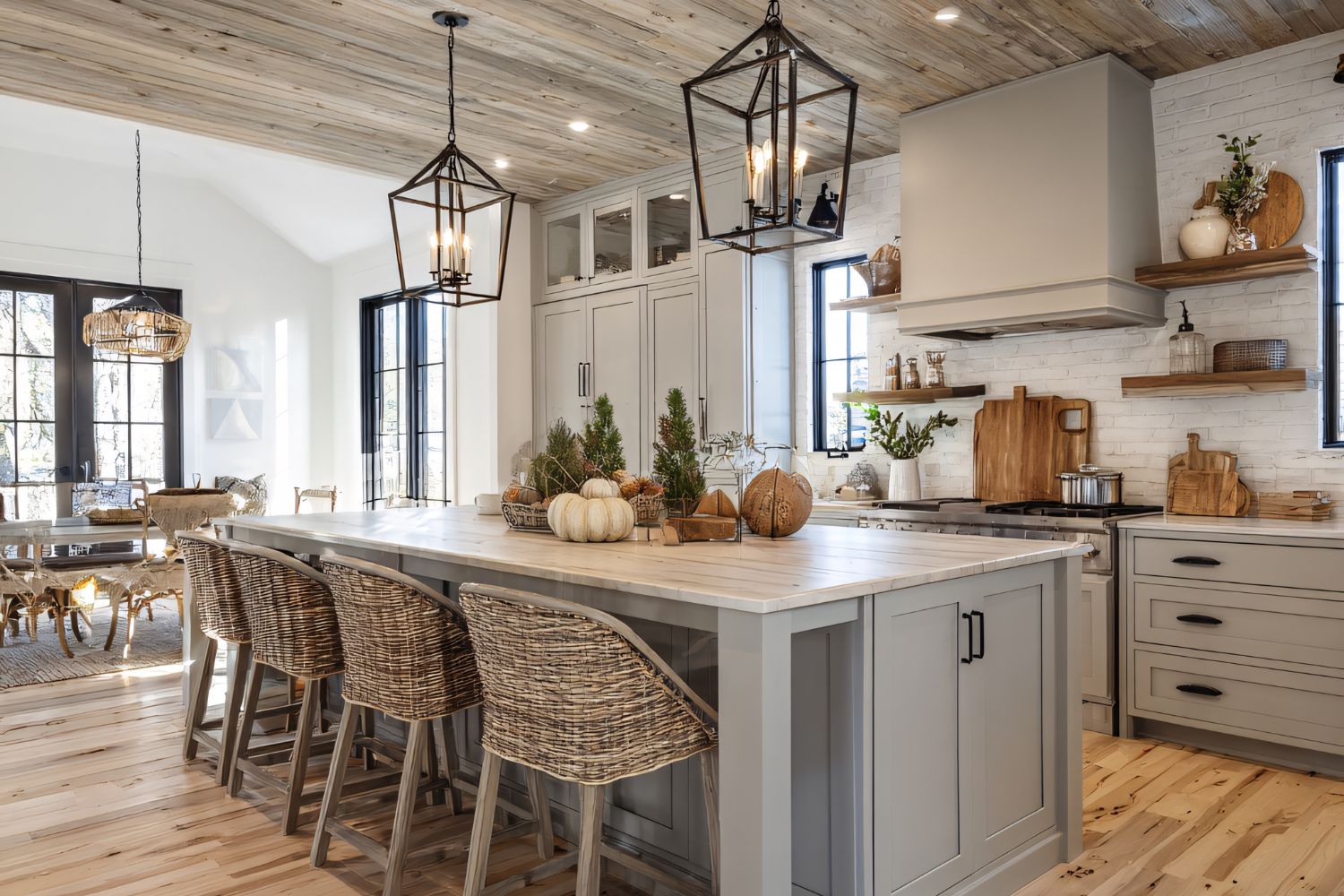
This style has gained massive popularity in the USA, particularly in suburban and countryside homes, where it reflects an ideal of relaxed, family-oriented living. Farmhouse interiors feel inviting and familiar, offering a sense of nostalgia while still supporting modern lifestyles.
4. Traditional Interior Design
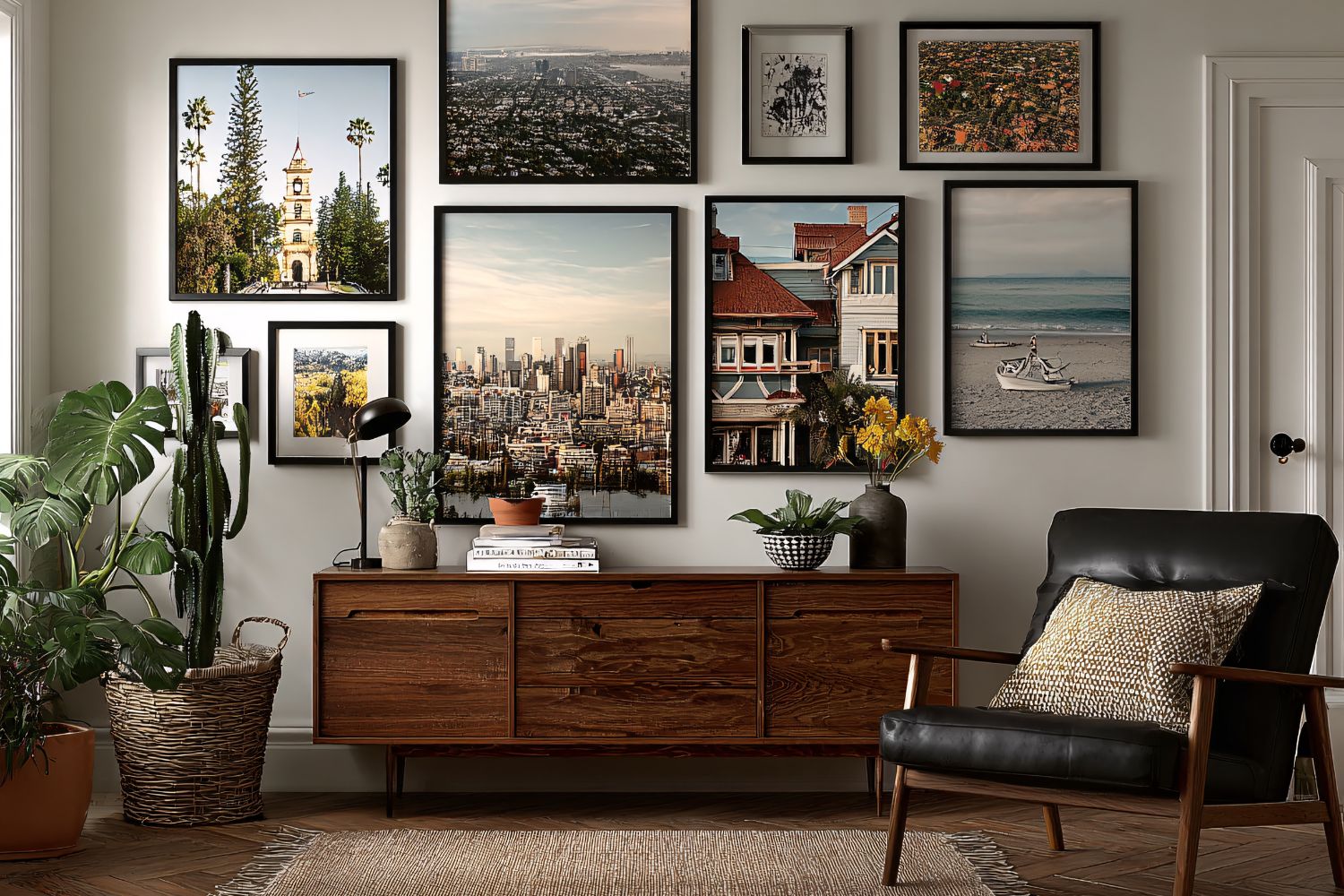
Traditional interior design draws inspiration from classic European and early American interiors. It features symmetrical layouts, detailed woodwork, elegant furniture, and rich materials such as silk, velvet, and polished wood. Decorative molding and layered textiles are key elements.
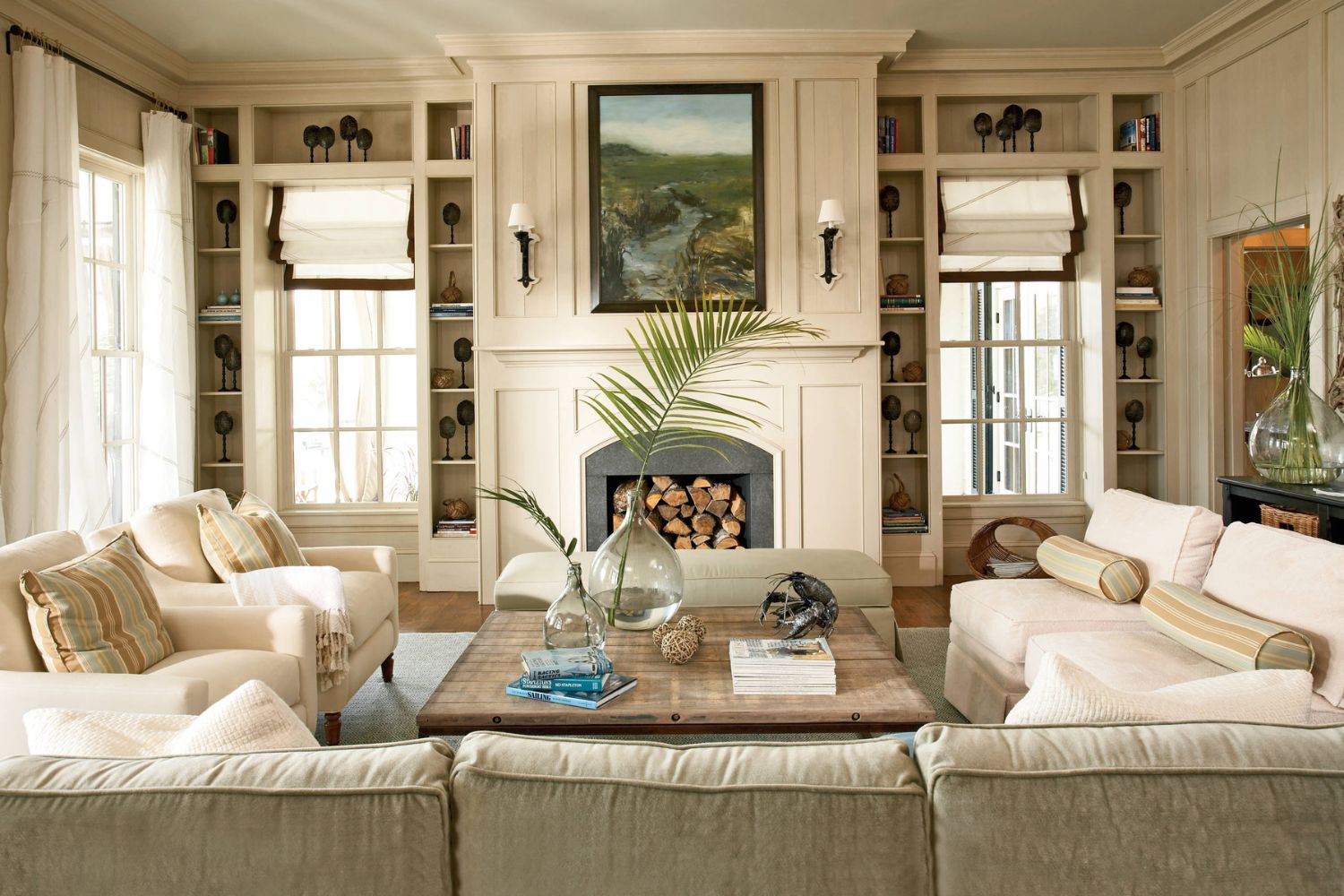
In the United States, traditional interiors are often found in historic homes and established neighborhoods. Homeowners who choose this style value permanence and refinement, favoring designs that feel dignified, structured, and timeless rather than trend-driven.
5. Mid-Century Modern
Mid-century modern interior design originated between the 1940s and 1960s and is characterized by organic forms, functional furniture, and clean geometry. It often includes tapered legs, bold accent colors, and a strong connection between interior and exterior spaces.
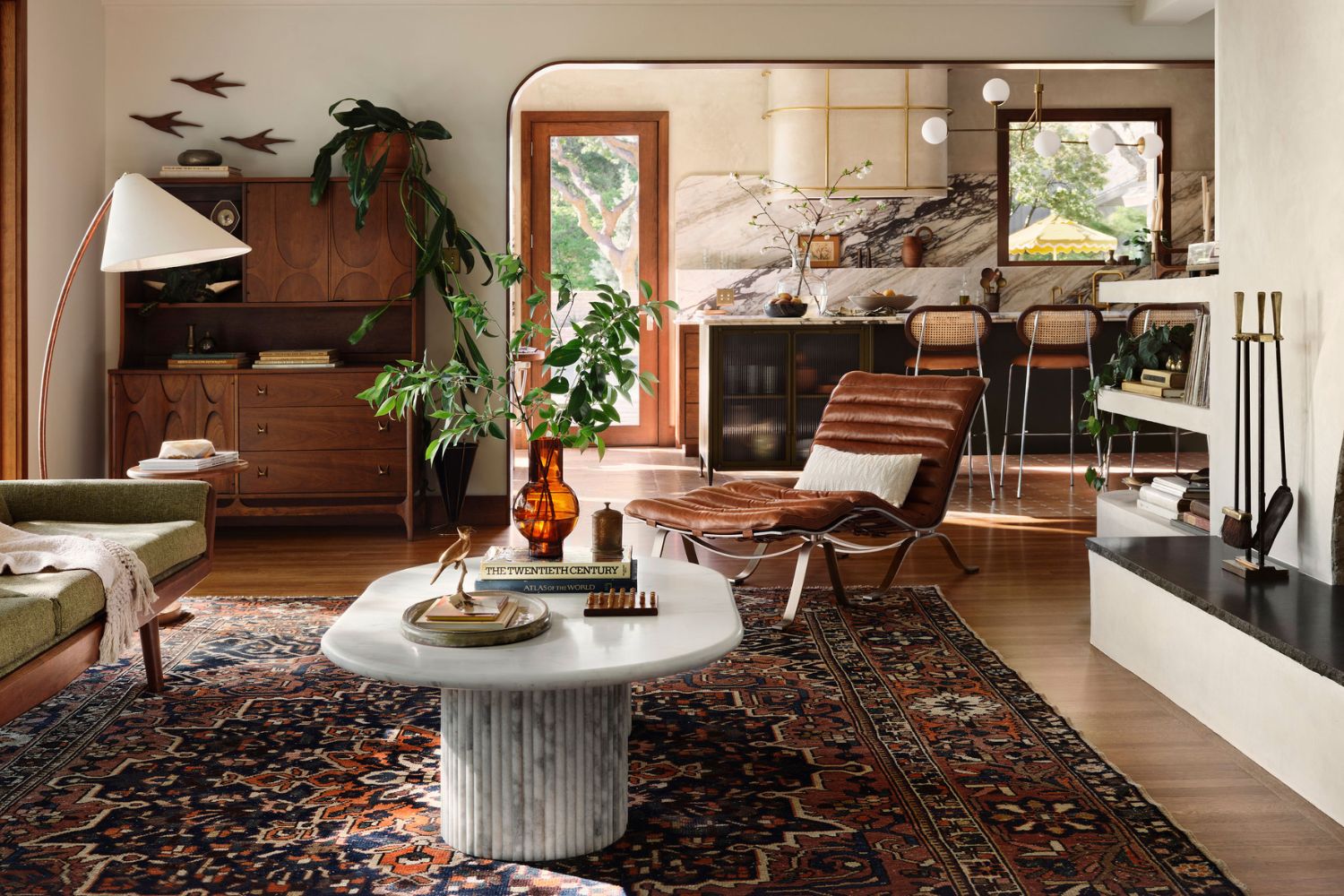
In recent years, this style has seen a major revival across the USA. Its retro appeal combined with modern functionality makes it especially popular among younger homeowners and design enthusiasts who appreciate both aesthetic clarity and historical character.
6. Industrial Interior Design
Industrial interior design takes inspiration from factories, warehouses, and converted industrial buildings. Exposed brick walls, concrete floors, metal fixtures, and visible structural elements define the style. Spaces often feel raw, open, and unfinished by design.
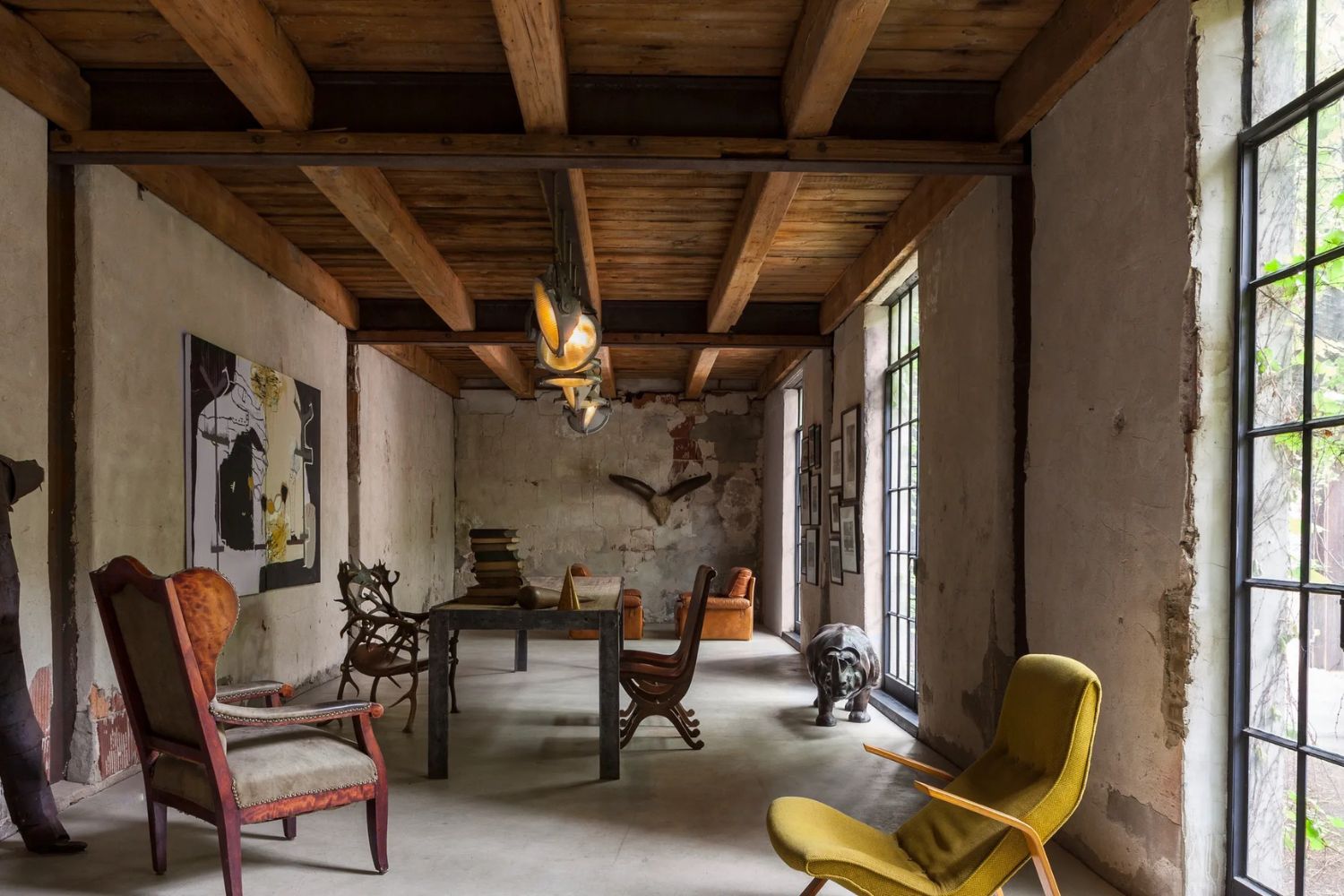
In American cities, industrial interiors are common in loft apartments and adaptive reuse projects. The style appeals to those who value authenticity and architectural honesty, turning utilitarian elements into defining visual features rather than hiding them.
7. Coastal Interior Design
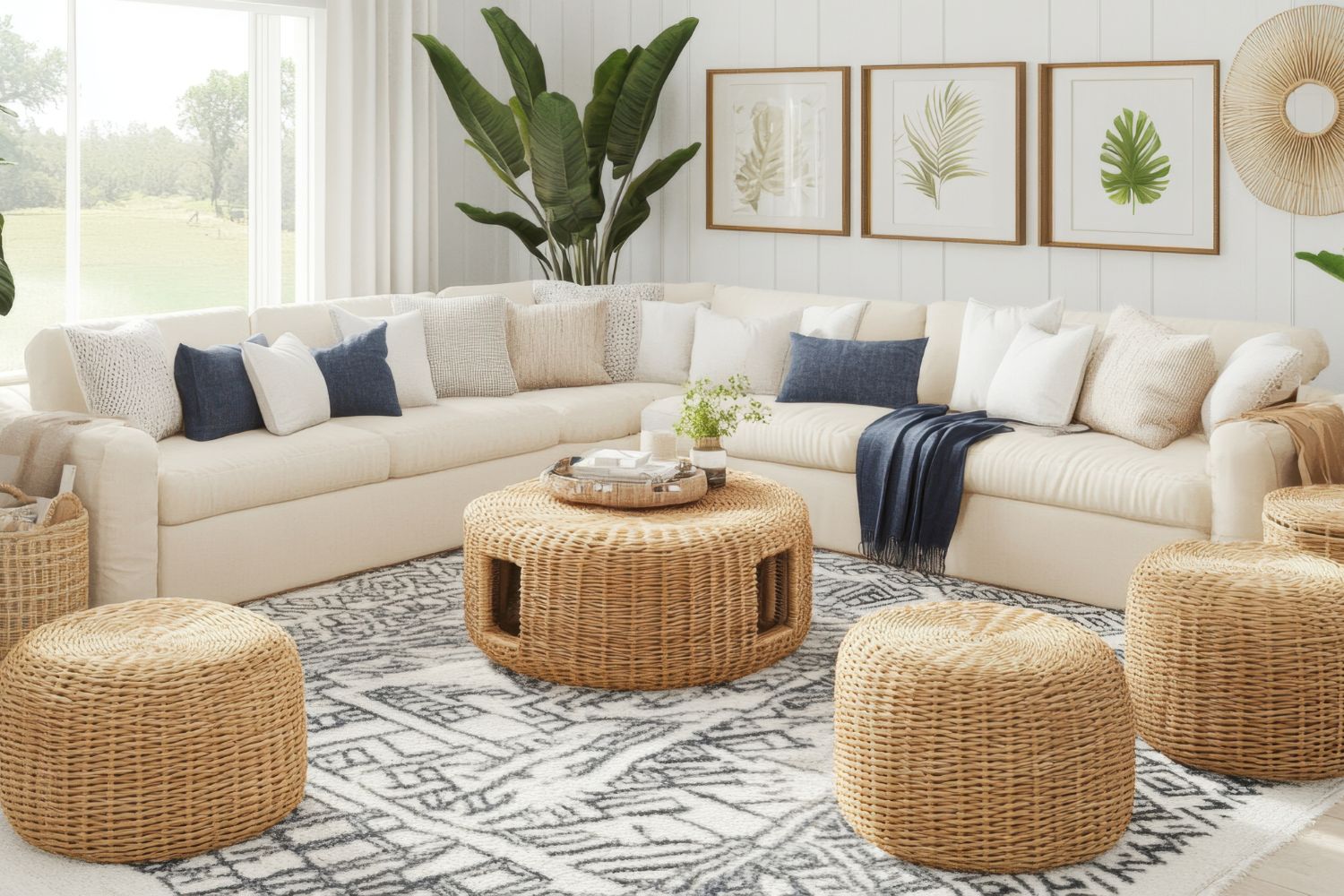
Coastal interior design is inspired by seaside living and natural landscapes. Light color palettes, airy spaces, and materials like wood, linen, and rattan help create a relaxed and fresh atmosphere. Natural light plays a central role in shaping these interiors.
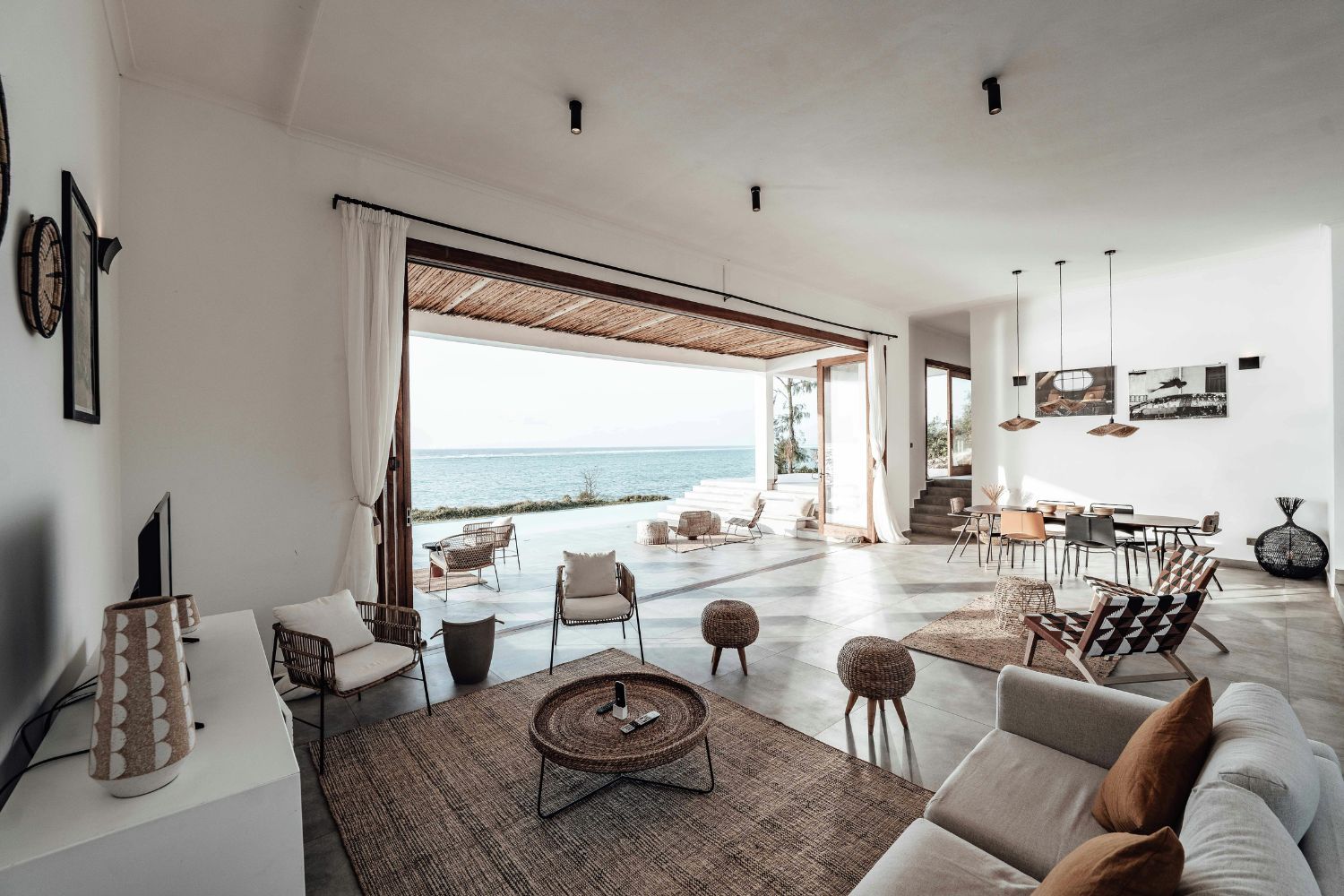
In the USA, coastal style is especially popular in beach towns and coastal states, but it is also adapted inland to bring a sense of calm and openness. The style emphasizes comfort and simplicity, evoking a lifestyle connected to nature and leisure.
8. Scandinavian Interior Design
Scandinavian interior design focuses on simplicity, functionality, and comfort, often described through the concept of “hygge.” Light colors, natural wood, minimal décor, and efficient layouts define the style, creating calm and welcoming environments.
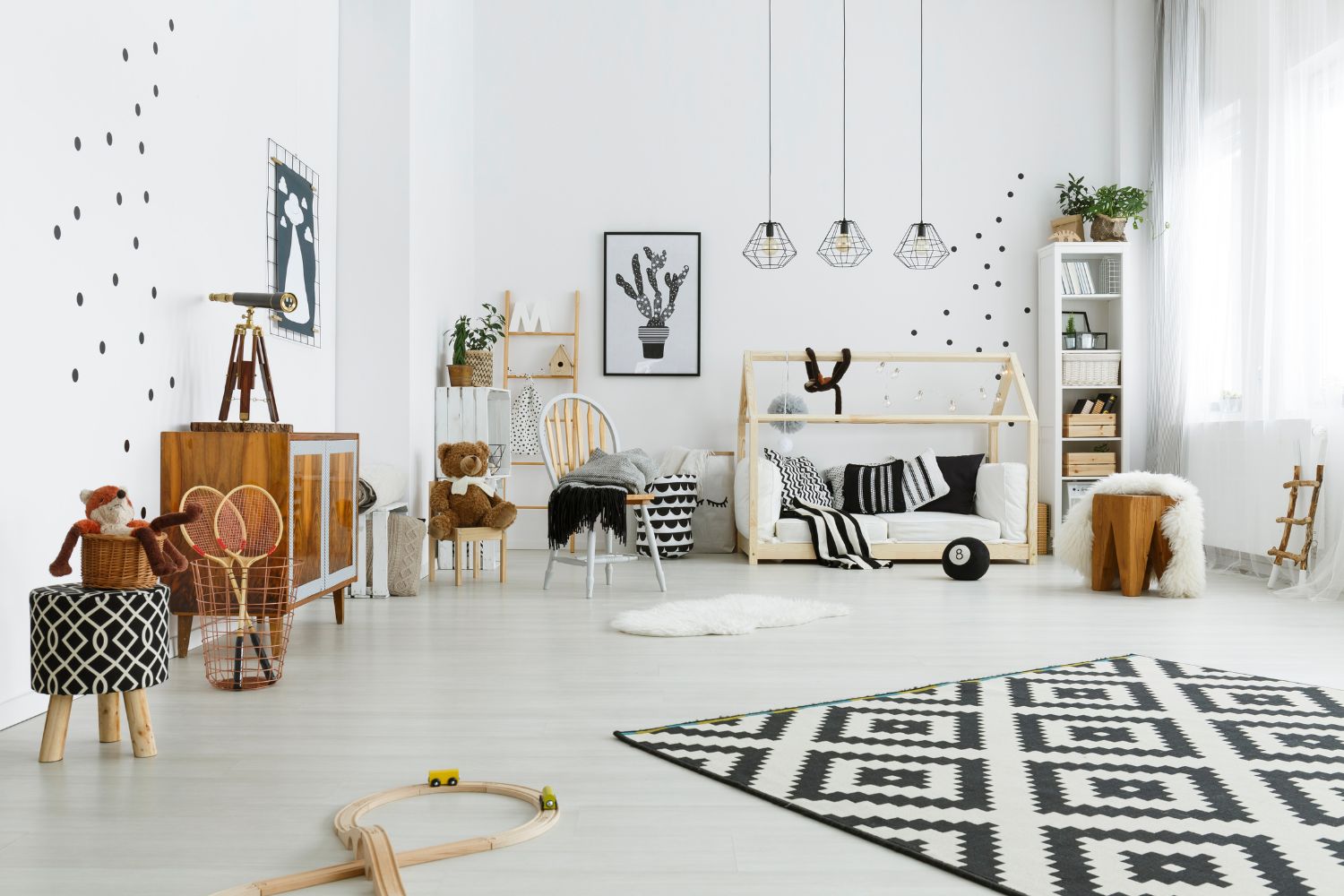
American homeowners are drawn to Scandinavian interiors for their practical yet warm approach. The style works particularly well in smaller homes and apartments, where smart design choices and uncluttered spaces enhance both comfort and usability.
9. Bohemian (Boho) Style
Bohemian interior design is free-spirited, expressive, and highly personal. It combines layered textiles, bold patterns, natural materials, and global influences. There are few strict rules, allowing creativity and individuality to guide the design.

In the USA, bohemian design style is popular among artists, creatives, and renters, as it allows spaces to evolve over time. The emphasis on self-expression makes each interior unique, reflecting the personality and experiences of its occupants.
10. Transitional Interior Design
Transitional interior design blends traditional elegance with modern simplicity. It softens classic forms with contemporary materials and neutral color palettes, creating balanced spaces that feel both familiar and fresh.
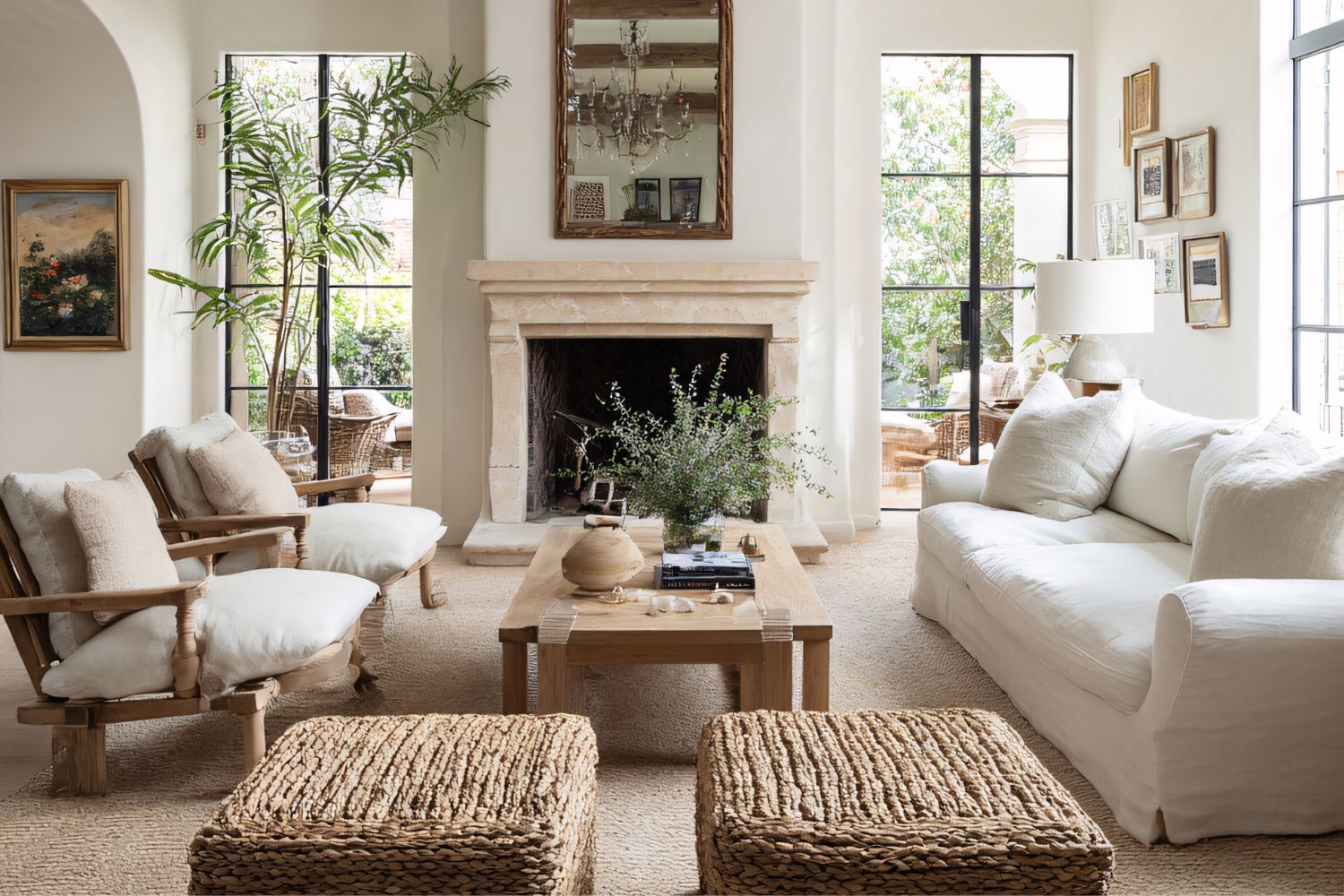
This style is one of the most popular in the USA because of its broad market appeal. It suits a wide range of homes and lifestyles, offering flexibility while avoiding extremes, making it especially attractive in residential real estate and long-term living spaces.
- bohemian interior design style
- coastal interior design usa
- contemporary interior design usa
- farmhouse interior design
- home interior styles america
- industrial interior design usa
- interior design trends united states
- mid century modern interior design
- popular interior design styles usa
- residential interior design trends usa







Related Articles
Home Interior  illustrarch Editoral Team3 Mins read
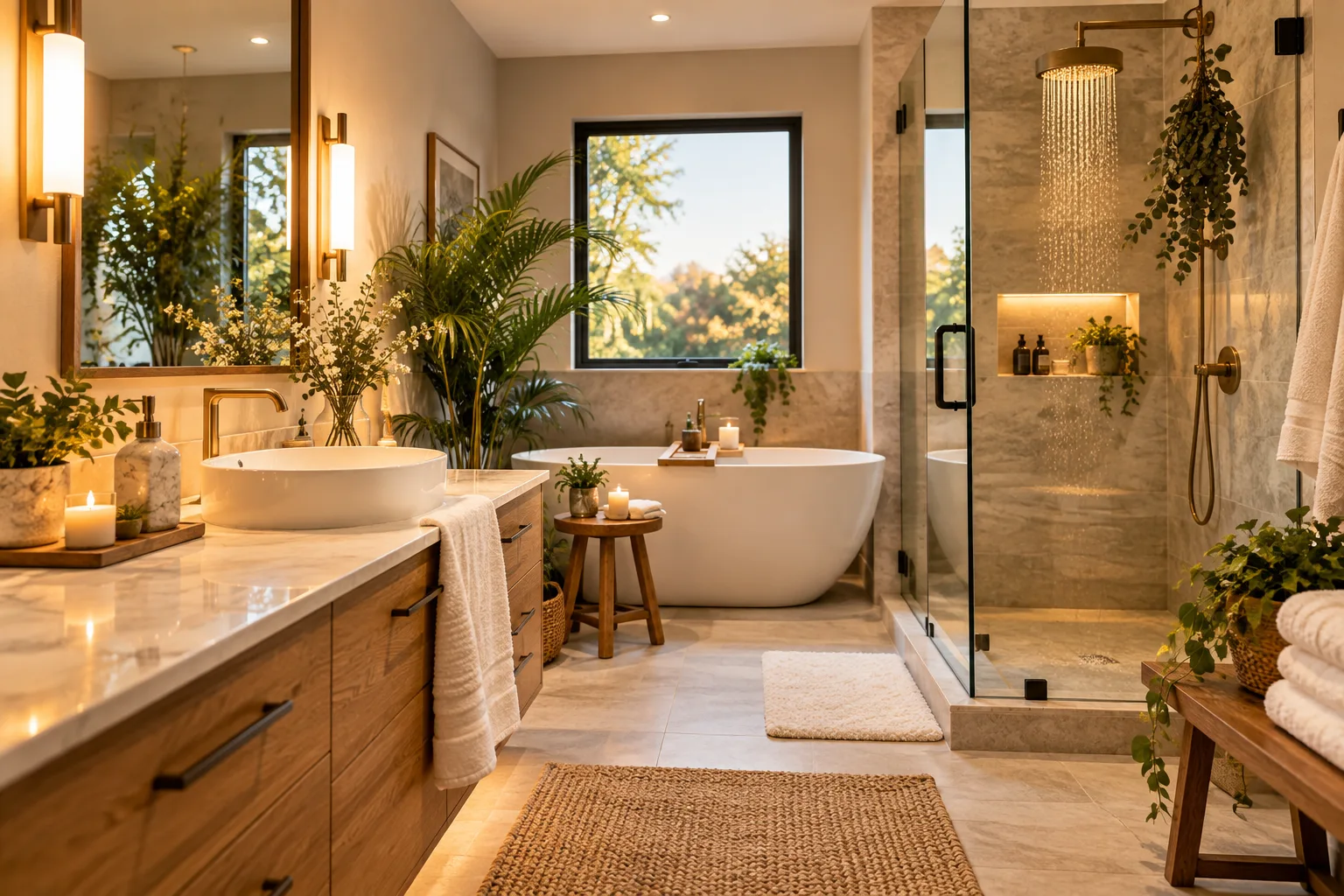
Spa-Like Serenity: 5 Accessible Luxury Upgrades to Transform Your Master Bathroom
Five accessible upgrades, from decluttering and layered lighting to plush textiles, natural...
illustrarch Editoral Team3 Mins read
Home Interior illustrarch Editoral Team4 Mins read
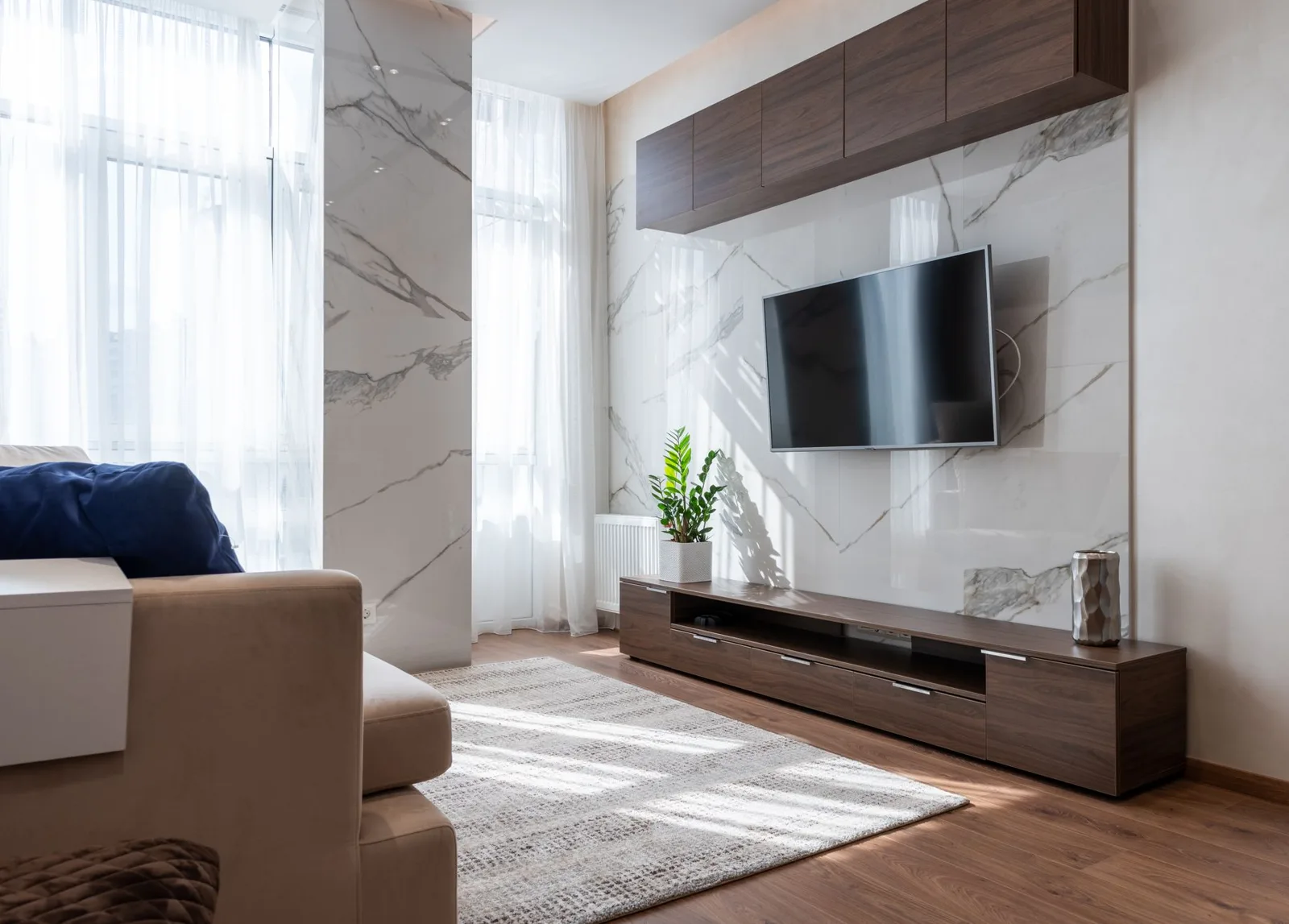
How to Fill a Large TV Wall?
A broad living room wall poses an immediate spatial challenge the moment...
illustrarch Editoral Team4 Mins read

Home InteriorKitchen Design Elif Ayse Sen15 Mins read
Layout for Kitchen: How to Choose the Right One for Your Space
Choosing the right layout for your kitchen affects how you cook, move,...
Elif Ayse Sen15 Mins read

ArticlesHome Interior  Bahattin Duran2 Mins read
Your Dream Bedroom: How to Bring the Outdoors In
Incorporating natural elements like wooden furniture, linen textiles, earth-inspired colors, and indoor...
Bahattin Duran2 Mins read


Leave a comment