

BIG Completes First Art Museum With Suzhou MoCA on Jinji Lake
BIG's first completed art museum, a 60,000 sqm cluster of pavilions, has opened on Suzhou's Jinji Lake.
 illustrarch Editoral Team7 September 20262 Mins read38

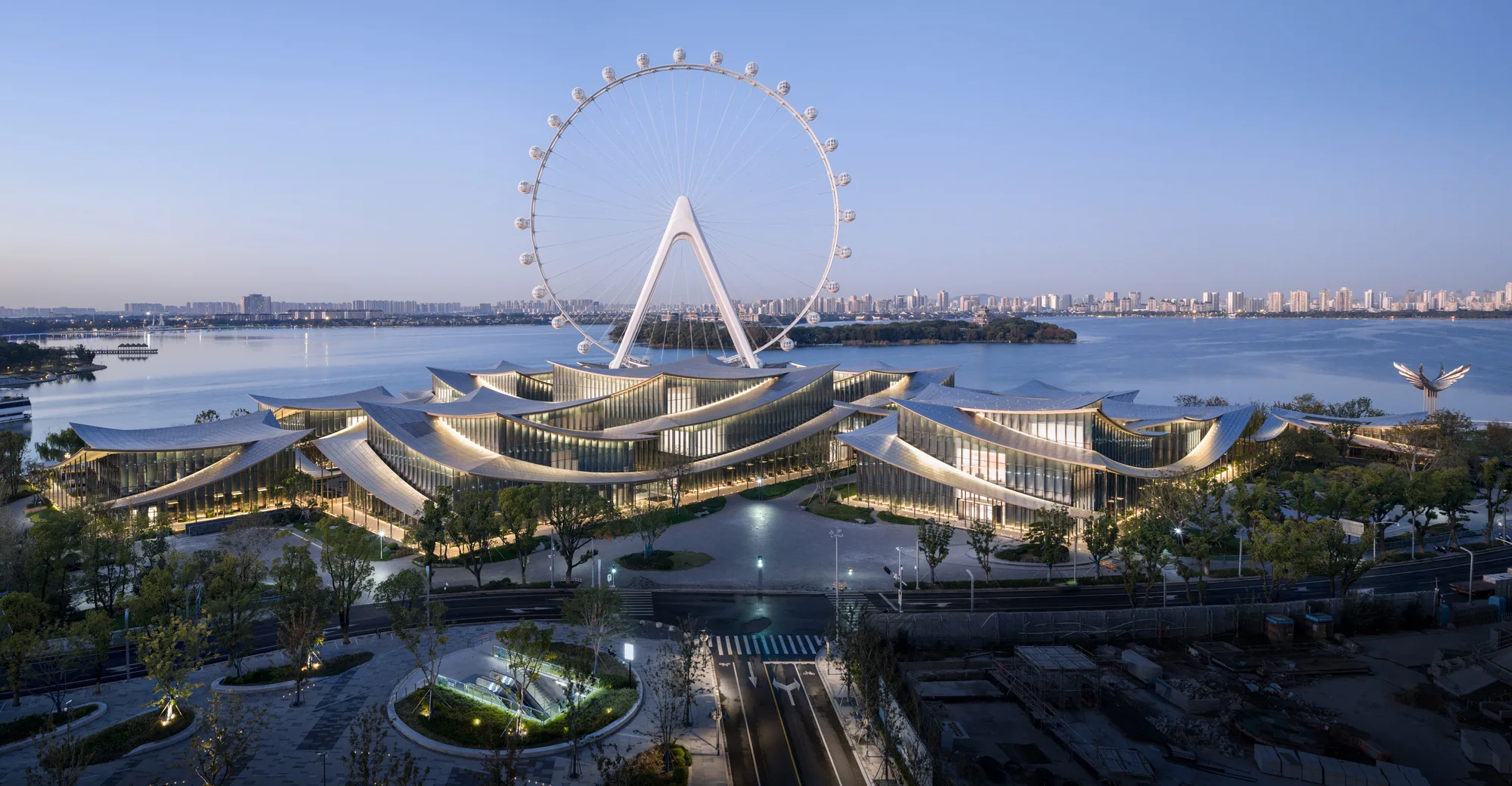
A new contemporary art institution has opened its doors on the banks of Jinji Lake in Suzhou, China: the Suzhou Museum of Contemporary Art, known as Suzhou MoCA. Spanning 60,000 square meters, the complex marks the first art museum to be finished by BIG, the Copenhagen based practice led by Bjarke Ingels, working alongside ARTS Group, VIA.inc and SHUISHI for the Suzhou Industrial Park Culture, Sports and Tourism Bureau.
Rather than a single monumental structure, the museum is arranged as twelve separate pavilions unified beneath one continuous roof that ripples like a ribbon across the site. A covered walkway winds between them, guiding visitors through a sequence of galleries laid out with reference to Suzhou’s classical gardens, which hold UNESCO World Heritage status.
Ingels described the location as a hinge point between old and new versions of the city. “If the historic city center is the cradle of the Chinese garden, the lake district is the cradle of a new Suzhou. The site of the Suzhou Museum of Contemporary Art is sandwiched between the city and the lake,” he said. He also pointed to the building’s aerial silhouette, which nods to a traditional decorative motif while responding to a nearby landmark: “From above, the museum appears like a traditional infinity knot as it intertwines the legs of the Ferris wheel to reach all the way into the lake.”
A layered route through pavilions and gardens
The design team describes the layout as an attempt to hold together two different spatial traditions at once, calling it a form of intentional duality between Western and Eastern approaches to space. Bridges and underground tunnels stitch the pavilions together, letting visitors move along one main circulation spine while also peeling off onto smaller paths that cut between exhibitions and courtyards.
Seen from overhead, the roofline resembles a piece of folded papercraft, with knotted forms wrapping around pockets of garden below. That reading changes once inside: the boundary between built structure and landscape becomes less distinct, and the gardens start to bleed into the circulation itself, turning a walk through the museum into something closer to moving through a park.

What visitors will see first
Suzhou MoCA opens to the public after a run of preview shows, including BIG’s own exhibition Materialism, which continues to be on view. That show traces the studio’s use of ten materials, from raw stone to recycled compounds, through large mock-ups and models drawn from projects across the firm’s portfolio.
The museum’s formal opening program brings together a wider mix of exhibitions covering modern and contemporary art, work built around new technologies, and shows meant to put Eastern and Western artistic traditions into conversation. Among the headline presentations are a Picasso exhibition and a broad survey exhibition of contemporary Chinese art.
Wang Xiaosong, Executive Director of Suzhou MoCA, framed the ambitions behind the institution in cultural rather than architectural terms. He said the museum was conceived as “a place for discovery and exchange, where people can experience art in new ways and engage with ideas from across cultures and generations.”
With the building now open and its inaugural exhibitions underway, the museum is positioned to become a permanent fixture of cultural and civic life along Jinji Lake, alongside its role as BIG’s first realized art museum project.





Brussels’s €230m Kanal Museum Nears Opening as Questions Grow over Its Future Funding
Housed in a converted Citroën garage, Brussels's Kanal museum opens on 28...
illustrarch Editoral Team1 Mins read

MoMA’s Full Disclosure Exhibition Traces Information Design from Hand-Drawn Data to AI Memories
Full Disclosure: The Edge of Information Design, curated by Paola Antonelli, is...
illustrarch Editoral Team2 Mins read
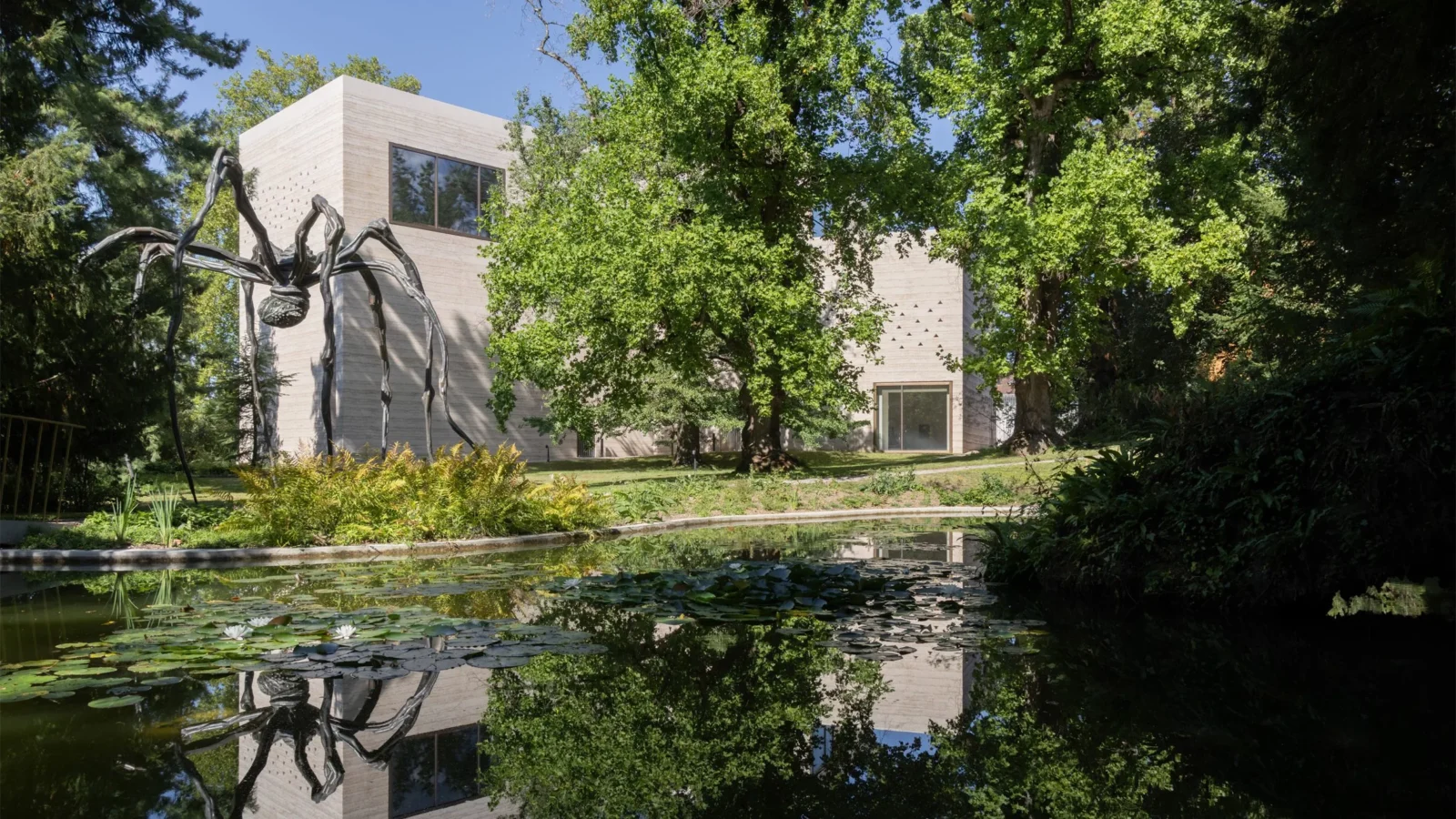
Zumthor’s Three New Buildings Open at Fondation Beyeler in Riehen
Peter Zumthor's Wyss Museum, Ammann Pavilion and Erlen Torhaus open at Fondation...
illustrarch Editoral Team4 Mins read

Benthem Crouwel Completes the Afsluitdijk Revamp with a Fish Passage and Domed Pumping Stations
The 32 km Afsluitdijk in the Netherlands has been raised, armoured and...
illustrarch Editoral Team2 Mins read


Leave a comment