

DC Alexander Park by Brooks + Scarpa Architects
Explore the redesign of DC Alexander Park by Brooks + Scarpa Architects, a resilient coastal public space featuring restored dunes, accessible overlooks, ecological landscaping, and climate-adaptive infrastructure in Fort Lauderdale.
 Begum Gumusel10 December 20253 Mins read237
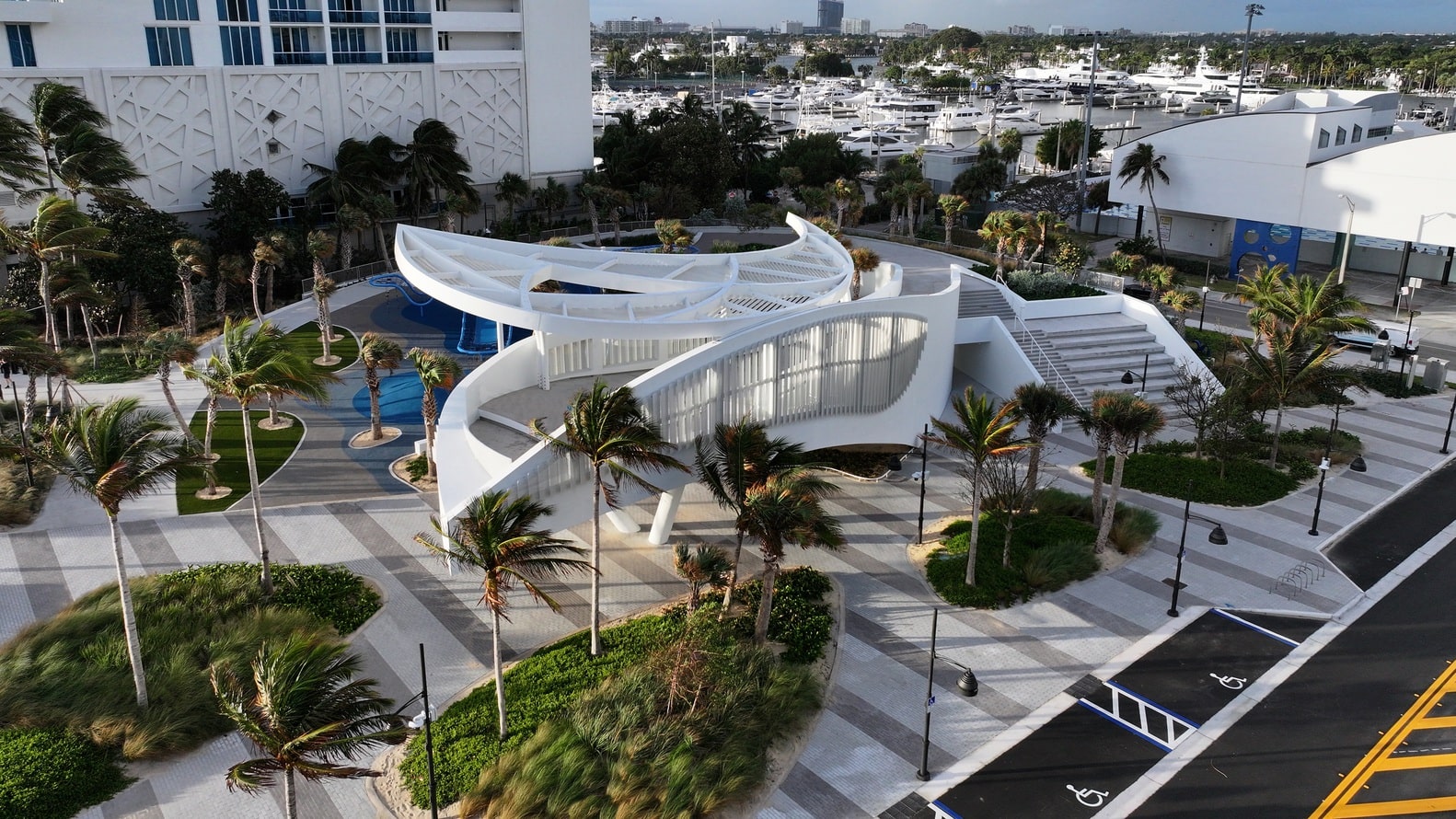

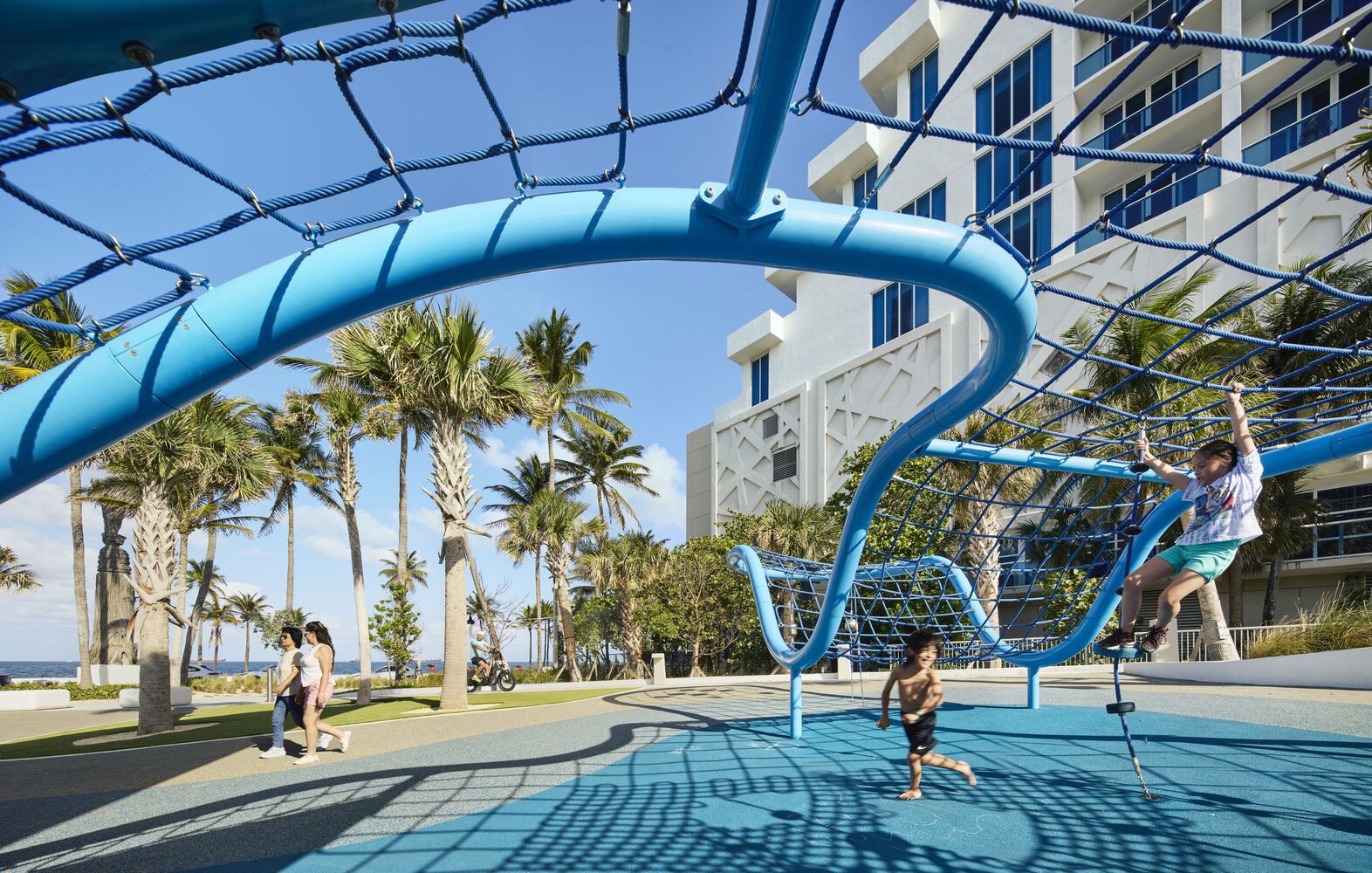


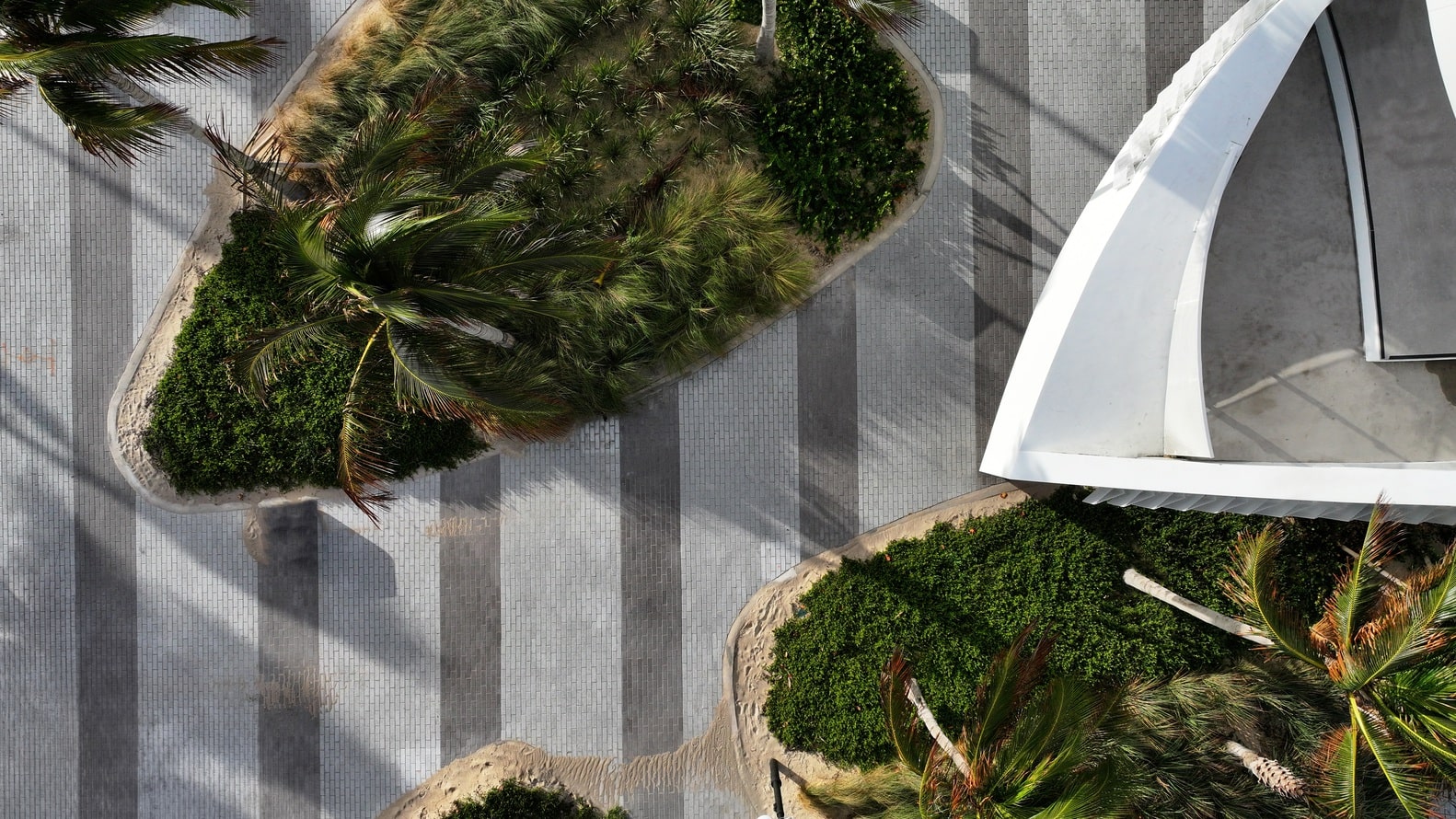

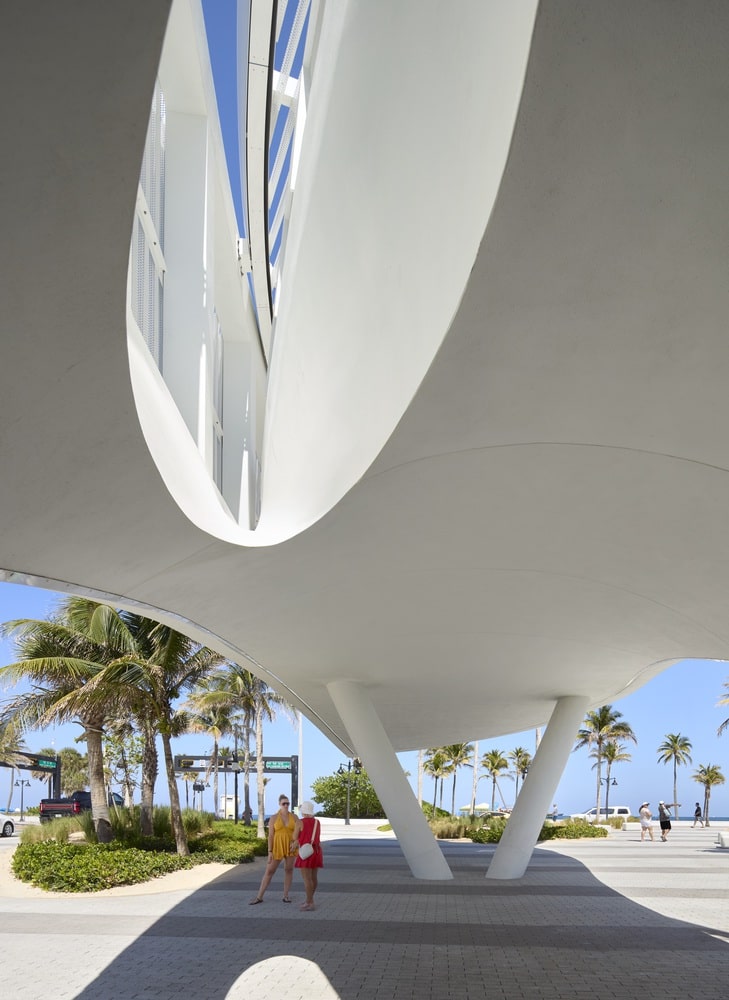
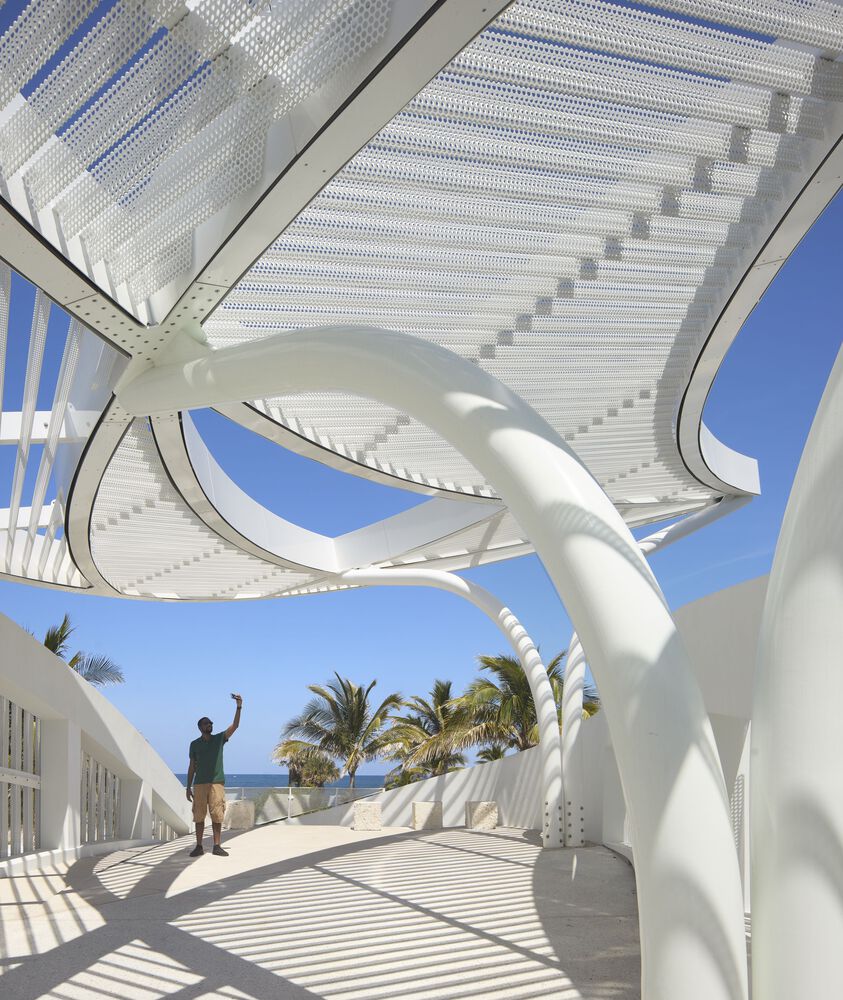
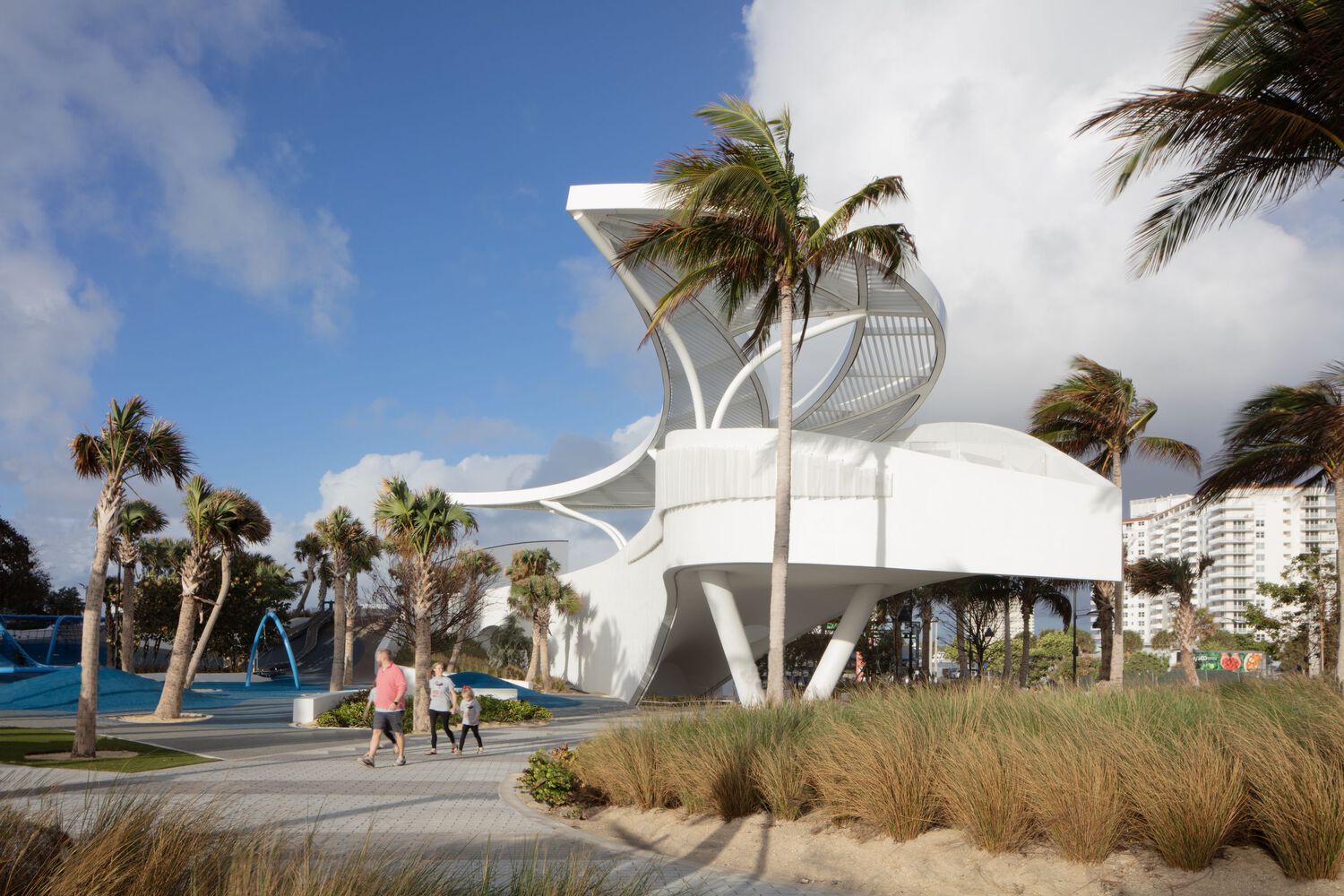
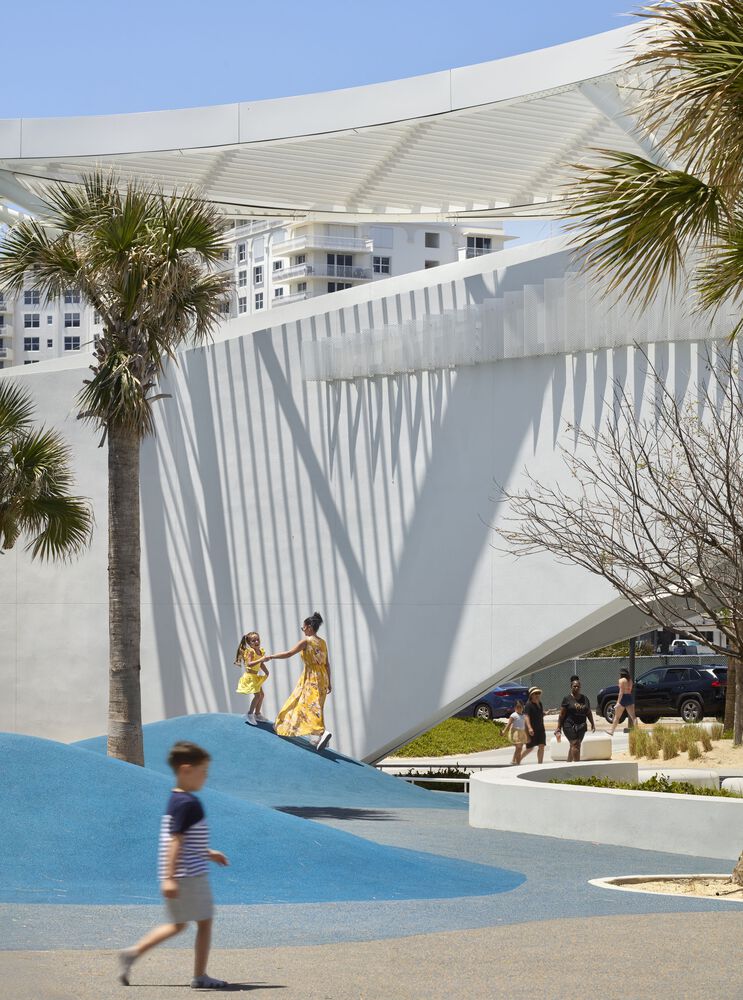
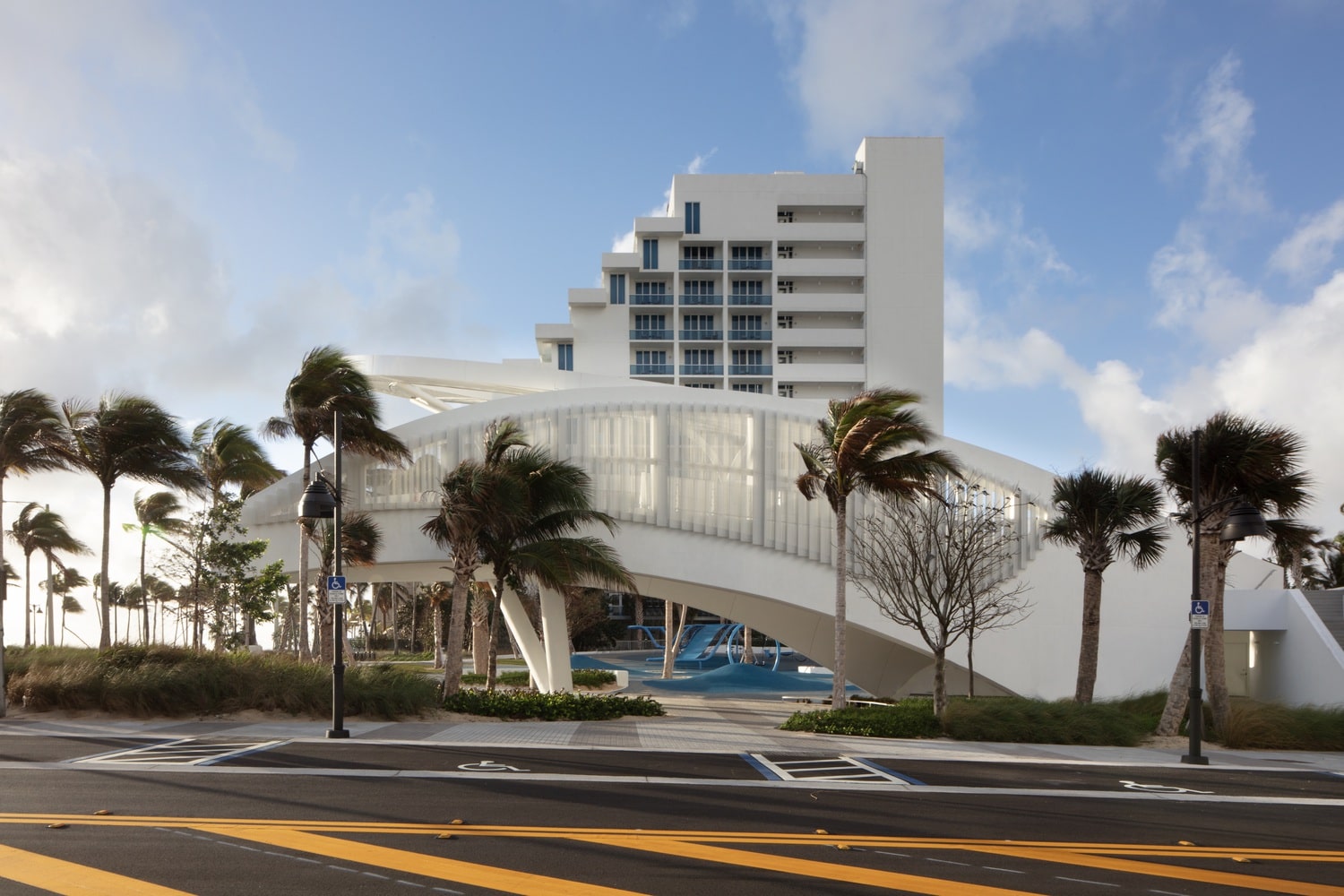

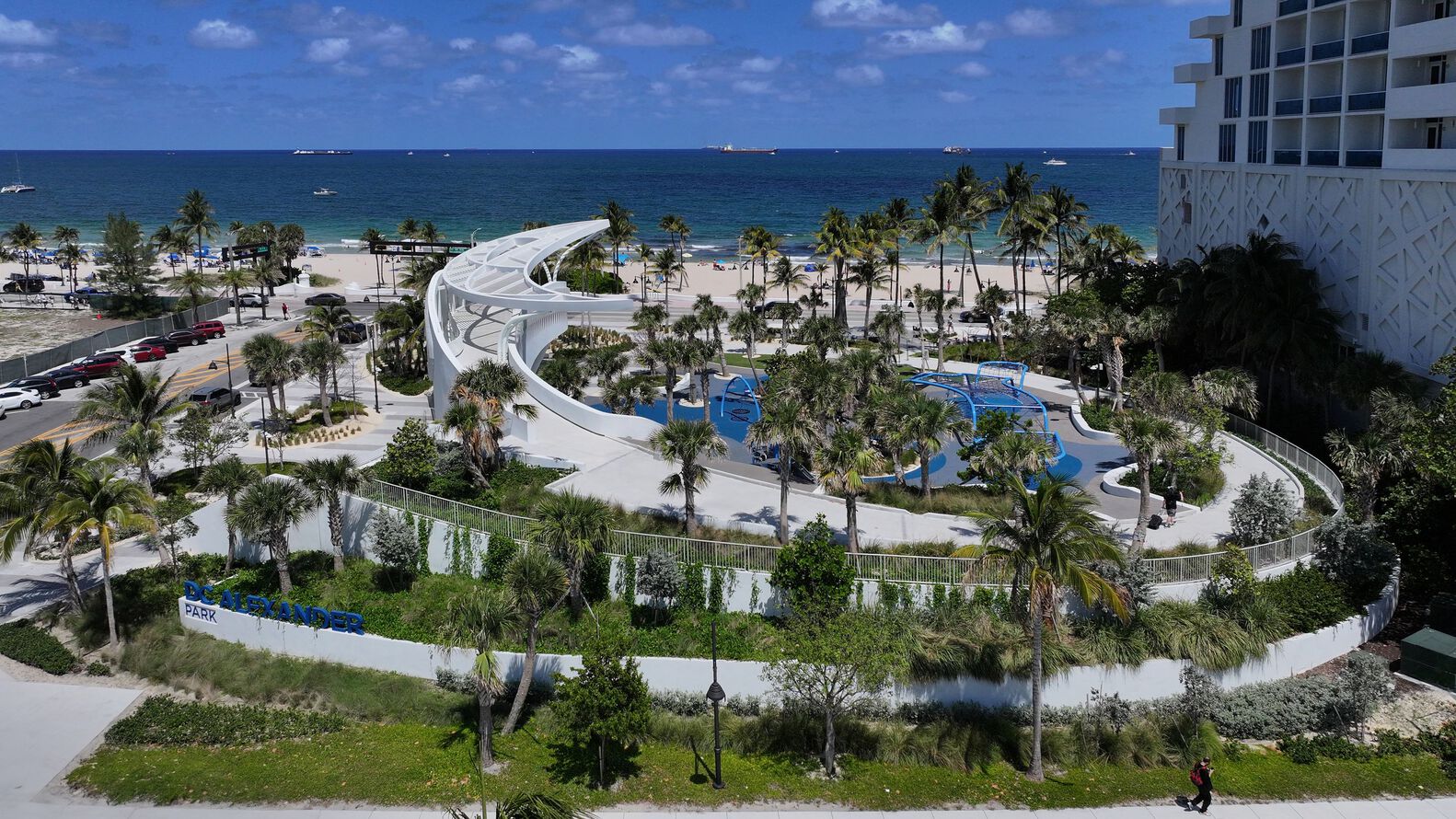


Table of Contents Show
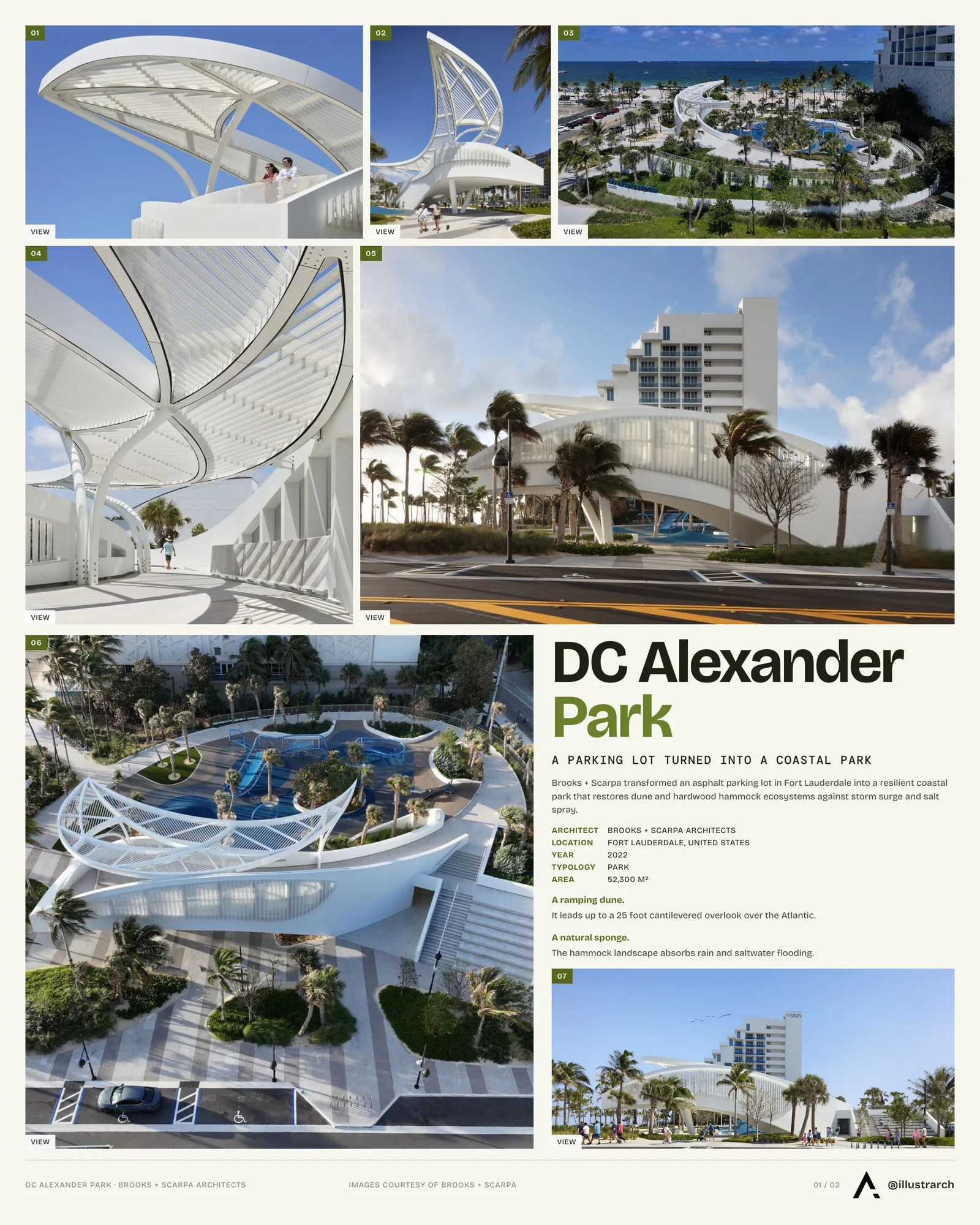
DC Alexander Park by Brooks + Scarpa Architects redefines what a coastal park can be in an era of rising sea levels, extreme weather, and environmental vulnerability. Once a simple asphalt parking lot, the site has been transformed into a dynamic public landscape that merges resilient infrastructure, ecological restoration, and experiential design. The project’s vision responds to the challenges of a harsh coastal environment, where constant salt spray, storm surge, and flooding demand an architecture deeply rooted in adaptation.
A New Coastal Identity for Fort Lauderdale’s Public Realm
The park forms part of Fort Lauderdale’s ongoing investment in resilient shoreline development, aiming to strengthen both the natural and urban fabric of this vulnerable region. Its transformation demonstrates how cities can shift away from impermeable, heat-generating surfaces and instead embrace green spaces that promote biodiversity, mitigate climate stressors, and enhance community well-being. By “botanizing” the former parking lot, the architects resurrect coastal dune systems and tropical maritime hardwood hammocks, ecosystems once dominant in South Florida’s landscape but now greatly diminished.
This ecological reintegration not only beautifies the site but also enhances its protective functions. Vegetated dunes and textured ground surfaces form a natural buffer between land and sea, shielding inland areas from storm surge while establishing a boundless playscape for visitors of all ages.
Ecological Restoration Through Dune and Hammock Landscapes
At the park’s perimeter, a restored hammock ecosystem acts as a natural sponge, absorbing rainfall and mitigating saltwater flooding. This zone supports passive recreation and forms critical habitat for native species, reinforcing the project’s broader environmental goals. The transition from the hammock to the dune landscape provides varied topography and microclimates, offering shade, habitat, and a sequence of sensory experiences shaped by vegetation and landform.
A central feature of the design is the ramping dune, which guides visitors upward toward a dramatic 25-foot cantilevered overlook. This elevated platform offers panoramic views of the Atlantic Ocean and serves as a piece of functional public art, a sculptural element that doubles as a coastal resilience measure. Its design integrates universal accessibility, ensuring that all users, regardless of mobility level, can enjoy the full experience of the site.
A Coastal Plaza for Social Interaction and Shade
On the northern edge of the park, a multifunctional coastal plaza creates a shared civic space that calms traffic and encourages slow movement along the shoreline. Here, a “shade hammock” composed of native plant species, such as Green Buttonwood, Gumbo Limbo, and Seagrape, filters sunlight and produces a striking, dappled effect across the ground. This combination of landscape design and ecological strategy strengthens the connection between people and environment, making the plaza a vibrant gathering point within the park.
Infrastructure as Public Art and Climate Adaptation
A central aim of DC Alexander Park is to challenge the typical appearance of hardened coastal infrastructure. Throughout Fort Lauderdale, seawalls and revetments often appear visually harsh and disconnected from their surroundings. In contrast, this project presents resilience as something that can be beautiful, functional, and financially responsible. Every structural element, from dunes and slopes to the cantilevered overlook, serves both a protective and aesthetic purpose.
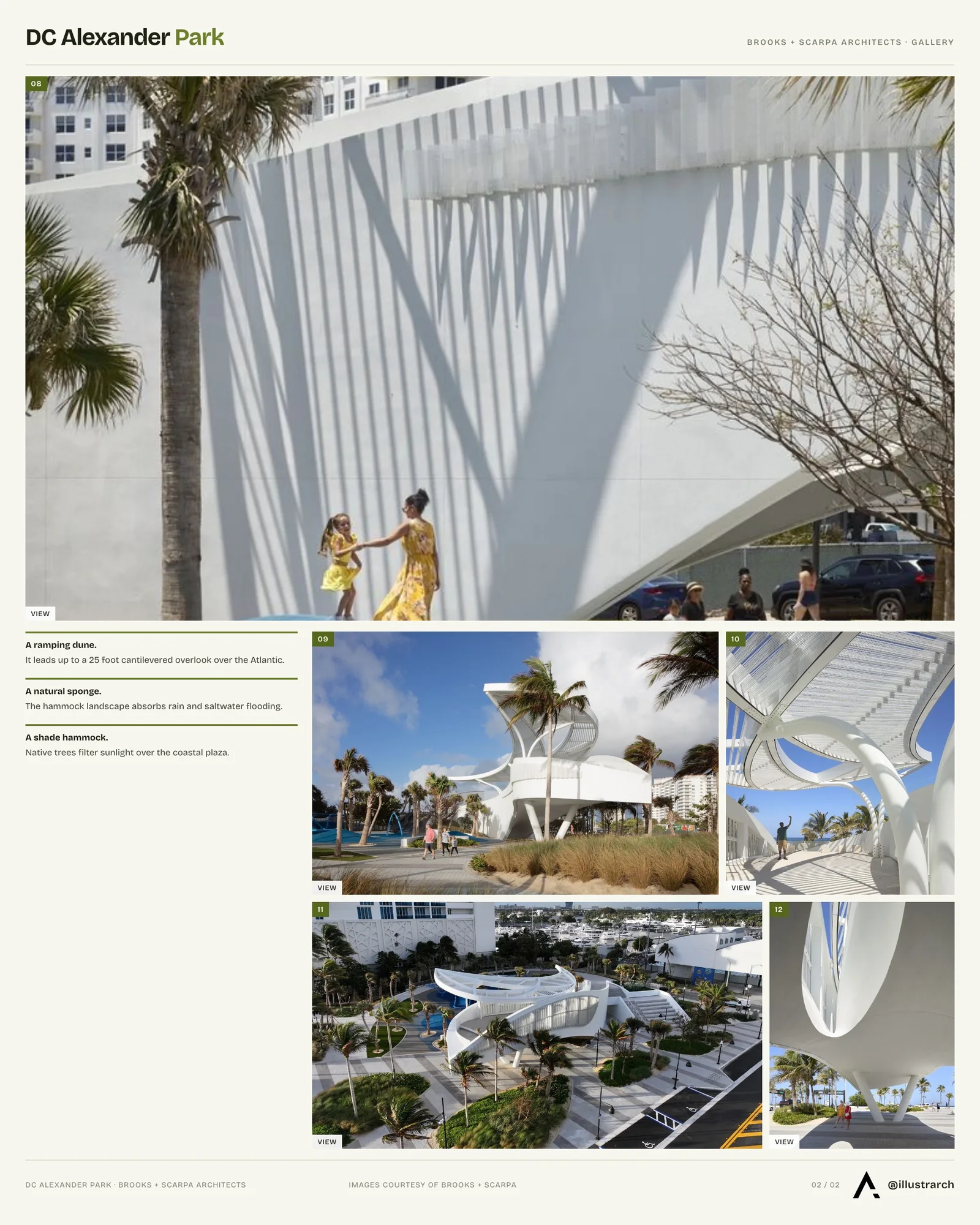
The park becomes a transformational model for future public projects, demonstrating that climate-adaptive design can enrich the urban experience rather than detract from it. By blending ecological restoration, sculptural landforms, and accessible pathways, the architects create a space that is immersive, dynamic, and forward-looking.
A Blueprint for Future Coastal Parks
DC Alexander Park stands as a compelling example of how architecture and landscape design can respond to environmental urgency with creativity and purpose. By converting a deteriorating parking lot into a thriving public space rooted in resilience and ecology, Brooks + Scarpa deliver a design that safeguards the shoreline while celebrating community life. As coastal cities worldwide face growing climate pressures, projects like this illustrate how innovative public spaces can lead the way toward a more sustainable and adaptive urban future.
Photography: Brooks + Scarpa



BIG Builds a Temporary City in Madrid Designed to Be Taken Apart
Bjarke Ingels Group turned a 185,000 square metre Madrid venue into Macondo...
 illustrarch Editoral Team2 Mins read

Xinhepu Historical and Cultural Precinct Core Area Enhancement Project by Atelier cnS
The Xinhepu Historical and Cultural Precinct Core Area Enhancement Project by Atelier...
Begum Gumusel4 Mins read
Basketball Court – Ralph C. Wilson Jr. Centennial Park by Adjaye Associates
Designed by Adjaye Associates, the basketball court at Ralph C. Wilson Jr....
Begum Gumusel4 Mins read

Suan San Pocket Park by Shma Company Limited
Suan San Pocket Park in Bangkok transforms a derelict riverside site into...
Begum Gumusel3 Mins read


Leave a comment