

African Futures Institute Opens Permanent Home in Accra Warehouse
Lesley Lokko's African Futures Institute converts an Accra tile warehouse into a permanent headquarters and public venue.
 illustrarch Editoral Team24 September 20262 Mins read1
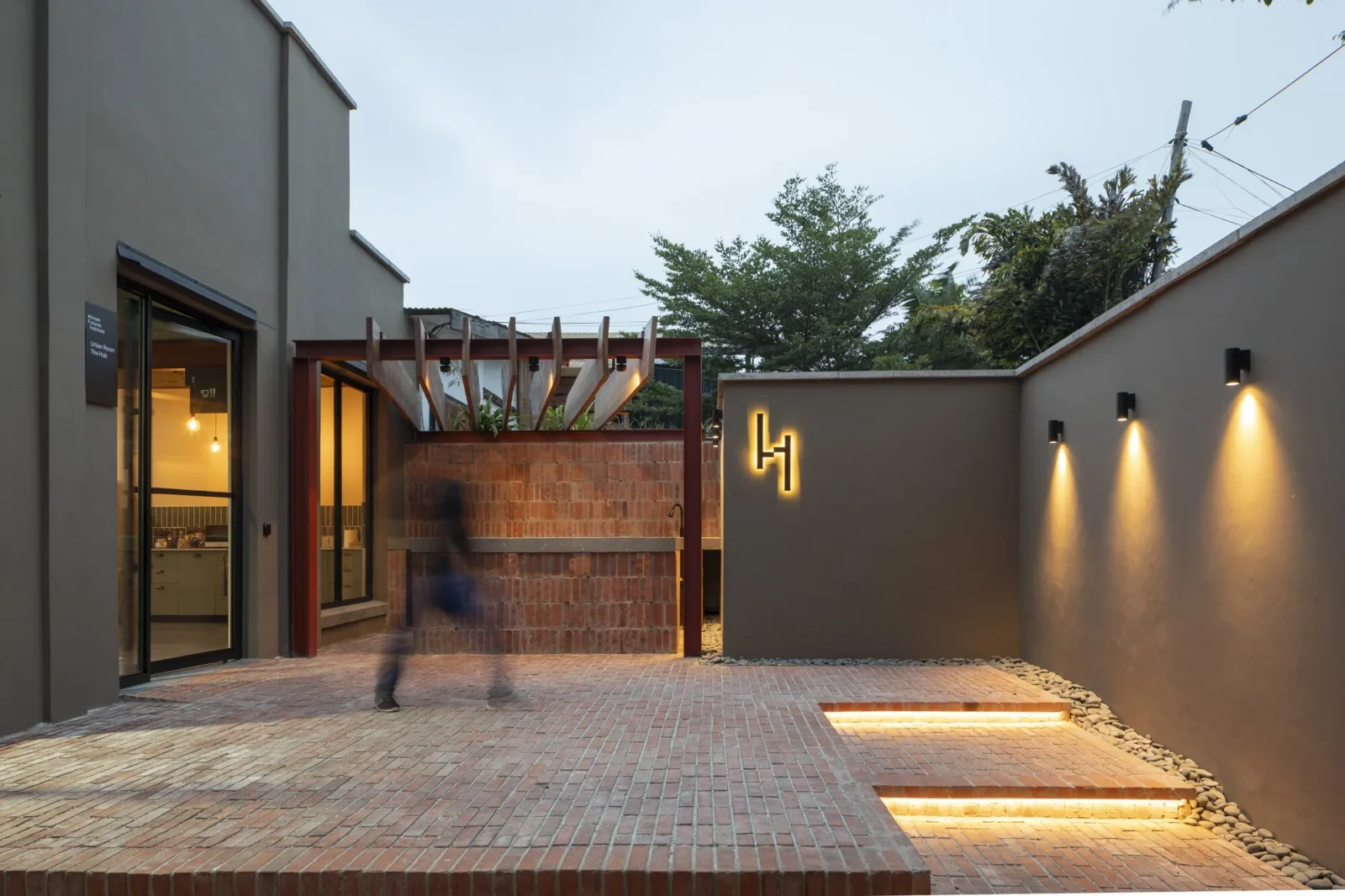
A former tile warehouse in Accra’s Osu district has become the permanent headquarters of the African Futures Institute (AFI), the organisation founded by architect Lesley Lokko. The building opened on September 22, 2026, ending a period in which the Institute operated largely through travelling programmes, partnerships and temporary venues rather than a fixed base.
The conversion kept the warehouse’s original industrial shell rather than replacing it with new construction. Instead of tearing down and rebuilding, the team layered in the facilities an architecture school and cultural venue require: teaching spaces, workshop areas, and rooms suited to screenings, performances and gatherings.

Who built the African Futures Institute headquarters
The project was steered by Lokko alongside Patrick Gentilezza of Buro Ghana, Patti Anahory, Laurence Lord and Fred Swart, who together handled everything from architectural direction to fabrication on site. Buro Ghana, which serves as both landlord and partner to the Institute, also played a role in reworking the warehouse. According to the project team, design decisions kept evolving during construction as the realities of the existing structure became clear, so the building took shape through an on-site, trial-and-error process rather than a fixed blueprint.

Inside the Urban Room and the wider building
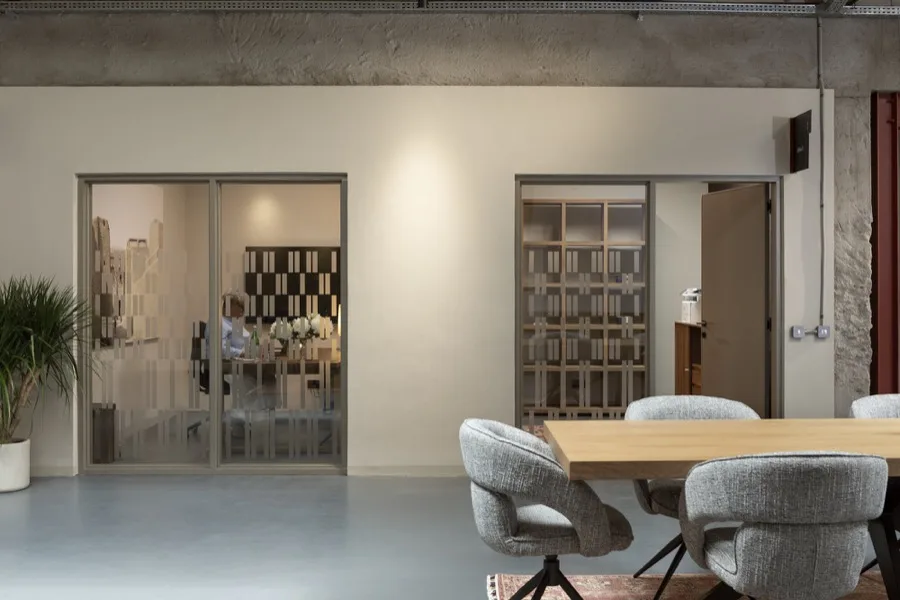
The headquarters’ centrepiece is a flexible space called the Urban Room, built to host lectures, studio sessions, exhibitions, film screenings and workshops. Beyond that room, the building houses AFI’s staff, its archive and its research operations, allowing the same structure to serve as both a working office and a public-facing venue.
Lokko described the intent behind the design in plain terms: “We wanted a building that could hold many futures at once. Not a monument to an institution, but a framework for activity, somewhere that can be a school in the morning, a studio in the afternoon and a public room at night. Architecture, for us, begins with the possibility of bringing people together.”
A base for the Institute’s growing programme
AFI was established by Lokko in Accra in 2021 with an initial focus on teaching, research and public programming. Since then it has broadened into curatorial and publishing work, including involvement tied to the Venice Architecture Biennale and its recurring Nomadic African Studio programme. The Osu building will now host that studio alongside lectures, exhibitions, residencies and other events open to the public, situating the Institute’s activities within the daily life of the city where it began. With the headquarters complete, AFI moves from a itinerant model of operation into a fixed home built to support that expanding body of work.
Turning a warehouse into an institution is the move our guide to adaptive reuse against new construction sets out, and the wider case is collected in giving old buildings new life.






People’s Theatre Opens Permanent Inwood Home After 18 Years
WORKac's ramp-driven design gives Mino Lora's People's Theatre its first permanent home...
illustrarch Editoral Team2 Mins read
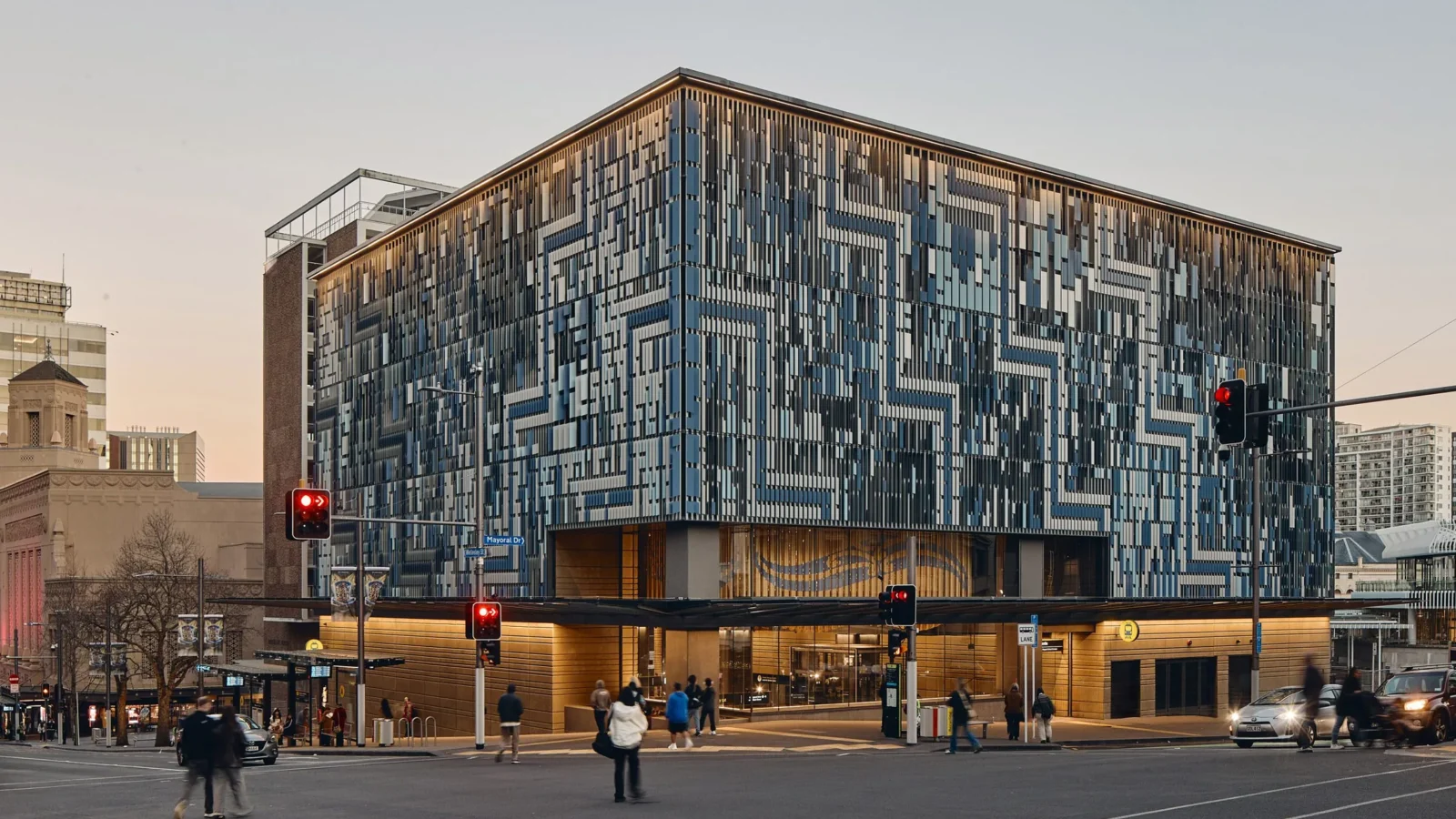
Grimshaw’s Auckland City Rail Link Stations Open Weaving in Māori Design Language
Grimshaw's three City Rail Link stations open in Auckland, built with Mana...
illustrarch Editoral Team3 Mins read
Allies and Morrison Win Approval to Restore Barbican Sculpture Court
City of London Corporation approves Allies and Morrison's plan to restore the...
illustrarch Editoral Team2 Mins read
Will Forma Replace Revit? Autodesk Finally Answers
Autodesk's own FAQ says Forma will replace Revit over time, as it...
illustrarch Editoral Team3 Mins read


Leave a comment