

Will Forma Replace Revit? Autodesk Finally Answers
Autodesk's own FAQ says Forma will replace Revit over time, as it details AI plans including a standalone Assistant due in 2027.
 illustrarch Editoral Team18 September 20263 Mins read38
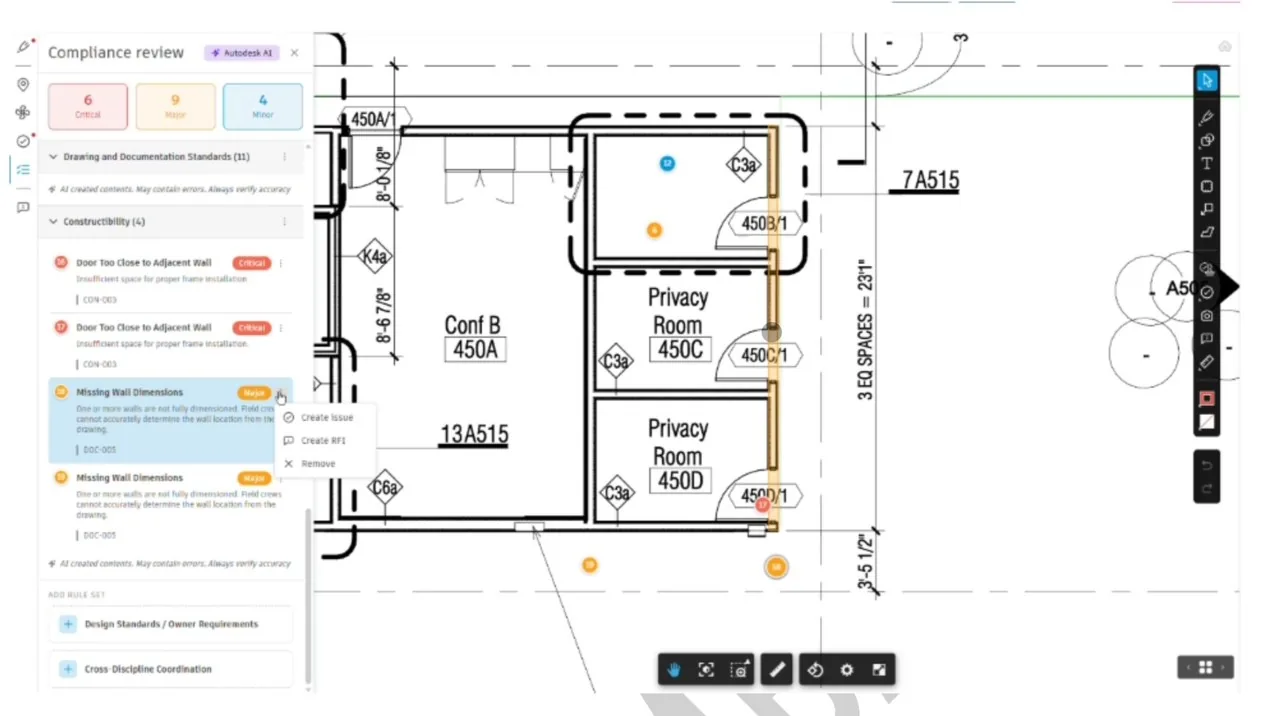
Autodesk has put in writing what it had only hinted at before: Forma will replace Revit, the design platform meant to eventually take the place of the software that generations of architecture students have trained on. In a press release FAQ issued around Autodesk University, the company was asked directly whether Forma would replace Revit. Its answer, as Autodesk says: “over time, yes.”
That line, reported on 15 September 2026 during Autodesk University, is the clearest public statement the company has made on the subject since Forma launched. It does not mean Revit is being switched off. Autodesk says design, analysis, coordination and documentation work will shift gradually into the Forma industry cloud, while Revit keeps operating as what the company calls a “Forma Connected Client,” acting as a bridge between current workflows and whatever comes next. Autodesk also says it will keep investing in Revit during that transition, rather than freezing development while attention moves to Forma.
Forma will replace Revit, Autodesk says, but not this year
Autodesk executive Amy Bunszel grouped the Forma-related announcements under a single label: “project intelligence.” The idea behind it, according to Autodesk, is that general-purpose AI trained on the open internet cannot meet the demands of building design because it lacks access to the specific history, decisions and context of a real project. By keeping project data inside Forma, Autodesk wants its AI tools to draw on that context directly, which in turn pulls more of the design and construction workflow into its own cloud.
For students and early-career architects currently learning Revit, the practical takeaway is that nothing changes in the software they use tomorrow. Revit remains Autodesk’s production tool for now. What has changed is that Autodesk has told the market, on the record, which platform it expects to be building around a decade from now.
Autodesk’s AI roadmap centers on a standalone Assistant by 2027
Alongside the Forma announcement, Autodesk detailed a longer-term AI strategy through Mike Haley, who leads the company’s AI and research work. Haley unveiled plans for a standalone, “agent-first” version of Autodesk Assistant targeted for 2027, separate from the AI Assistant already built into Revit, AutoCAD and Fusion since the previous year.

Haley argued that Autodesk’s advantage over generic AI tools comes from the depth of project data it can draw on. “It’s not just a pile of text,” he said. “It’s geometry. It’s engineering intent. It’s the project history. It’s the relationships behind the work.” He added: “You are not going to find context as rich as this in any other software product out there.”
The standalone Assistant is designed to reach beyond the people who actually open Revit or Fusion day to day. Autodesk has found that for every person using a core design tool, roughly ten others, including project managers, touch related work without ever opening the main application. “Our customers can spend less time figuring out where to go or which tool they need, and more time on their actual projects and moving them forward,” Haley said.
To address the inconsistency common in AI tools, Autodesk is building a feature called Assistant Builder, which lets users turn a described task into a reusable, templated workflow. “You don’t want to have a different workflow every time you come and ask it,” Haley said, warning that a tool could otherwise “hallucinate a different thing” on a different day. Looking further out, Haley’s research group is testing Project Quill, an experimental interface built around sketching, annotation and speech rather than menus. “If you play AI forward,” he said, “there is no reason why we even need to type anymore.”
Civil 3D joins Forma as the platform widens
The same set of announcements pushed Forma beyond buildings. Civil 3D also becomes a Forma Connected Client, with reference based interoperability between Civil 3D, Forma and Revit, and Autodesk introduced Forma Street Design, an early stage tool aimed at civil engineers and transportation planners. Taken together, the moves read less like a single product replacing another and more like Autodesk gathering its separate tools around one cloud platform, with Revit as one client among several.
For students and firms still building their skills in Revit, the practical advice sitting inside these announcements is straightforward: Autodesk is not asking anyone to drop current file formats or training overnight. But with Forma named as the eventual successor and a standalone AI Assistant due by 2027, it is worth watching how project data moves into Forma, how Revit’s role as a “Connected Client” evolves, and where Autodesk’s AI tools start showing up in day-to-day workflows rather than only in roadmaps.






Ai Weiwei Installs 500 Cast-Iron Helmets Outside Sydney Museum
Ai Weiwei's 500 cast-iron helmets opened outside Sydney's MCA on 25 September,...
illustrarch Editoral Team2 Mins read

Isamu Noguchi at Lever House Traces Sculptor’s Decades-Long Collaboration with Bunshaft
Lever House's new exhibition pairs Noguchi sculptures with unbuilt garden designs made...
illustrarch Editoral Team2 Mins read
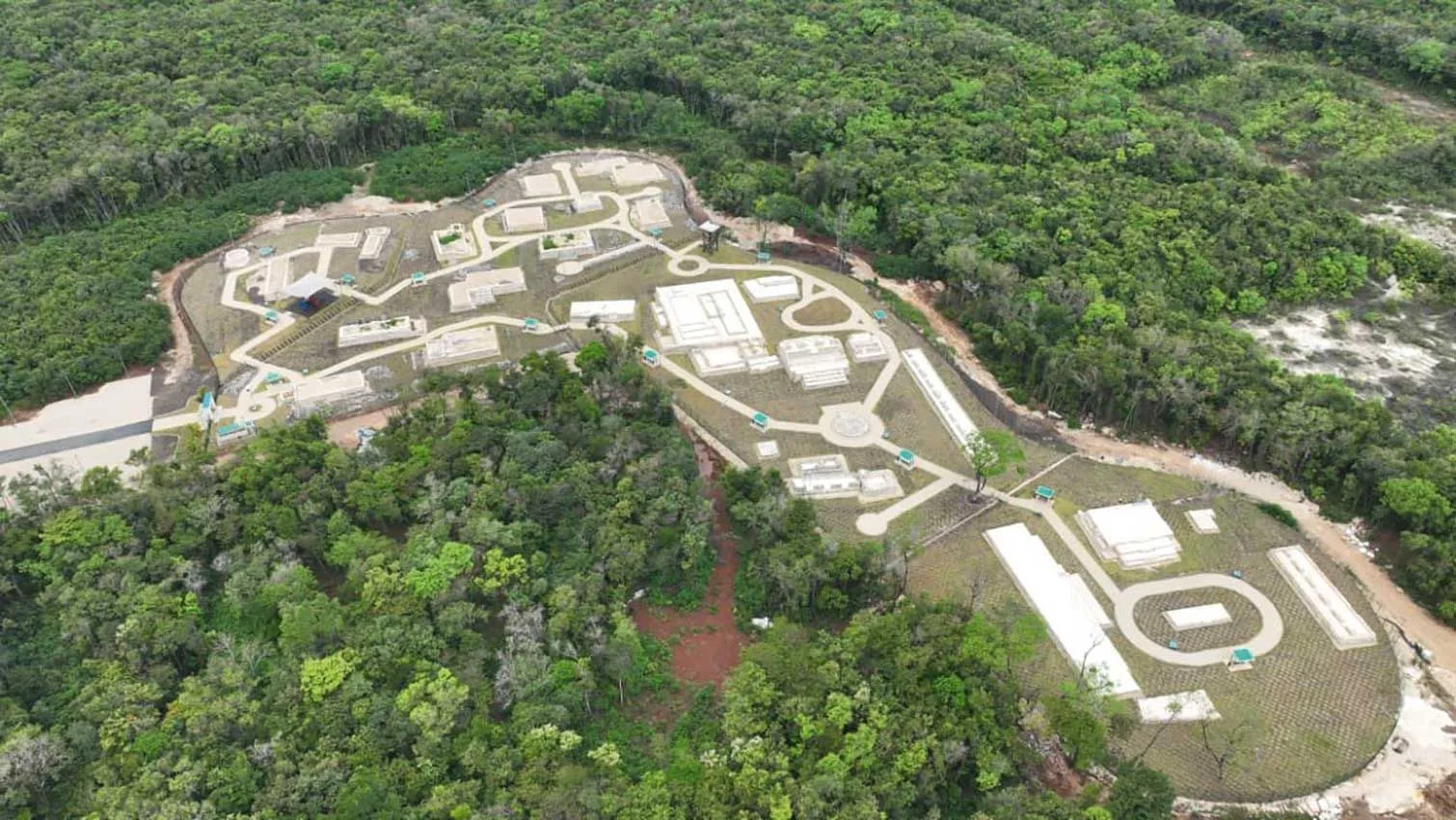
Relocated Maya Structures at Mexico’s Balam Tun Memory Park Face Legal Challenge
INAH archaeologists have filed a complaint against 26 officials over Balam Tun...
illustrarch Editoral Team2 Mins read

Heather Roberge, UCLA Architecture Professor and Murmur Founder, Dies at 55
UCLA professor and Murmur founder Heather Roberge, a 2026 AIA LA Educator...
illustrarch Editoral Team2 Mins read


Leave a comment