

World Monuments Fund to Restore Diego Rivera Stadium Mural at UNAM
WMF and UNAM begin a multiyear project restoring Diego Rivera's unfinished stone mural at Mexico City's Olympic stadium.
 illustrarch Editoral Team31 October 20262 Mins read1

Restoration work is set to begin on the Diego Rivera stadium mural, the monumental stone relief covering the outer wall of the Estadio Olímpico Universitario in Mexico City, marking the start of a broader effort to conserve the murals scattered across the campus of the Universidad Nacional Autónoma de México (UNAM). The project, announced for 2026, opens a multiyear partnership between the World Monuments Fund (WMF) and the university.
Financial backing for the stadium relief’s repair comes from the United States embassy in Mexico City, through the State Department’s Ambassadors Fund for Cultural Preservation and its Freedom 250 initiative. The actual conservation work will be carried out by Mexican specialists.
The unfinished Diego Rivera stadium mural
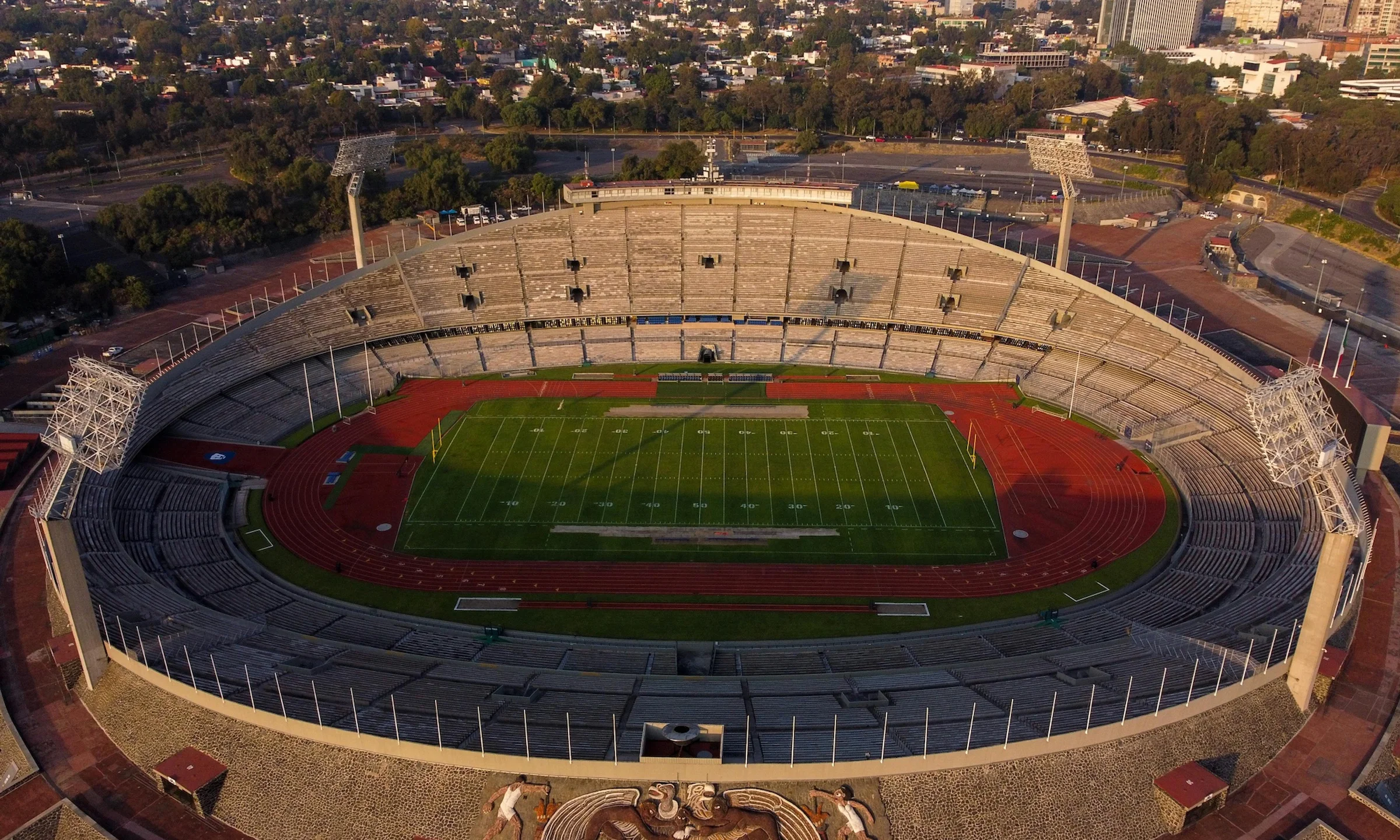
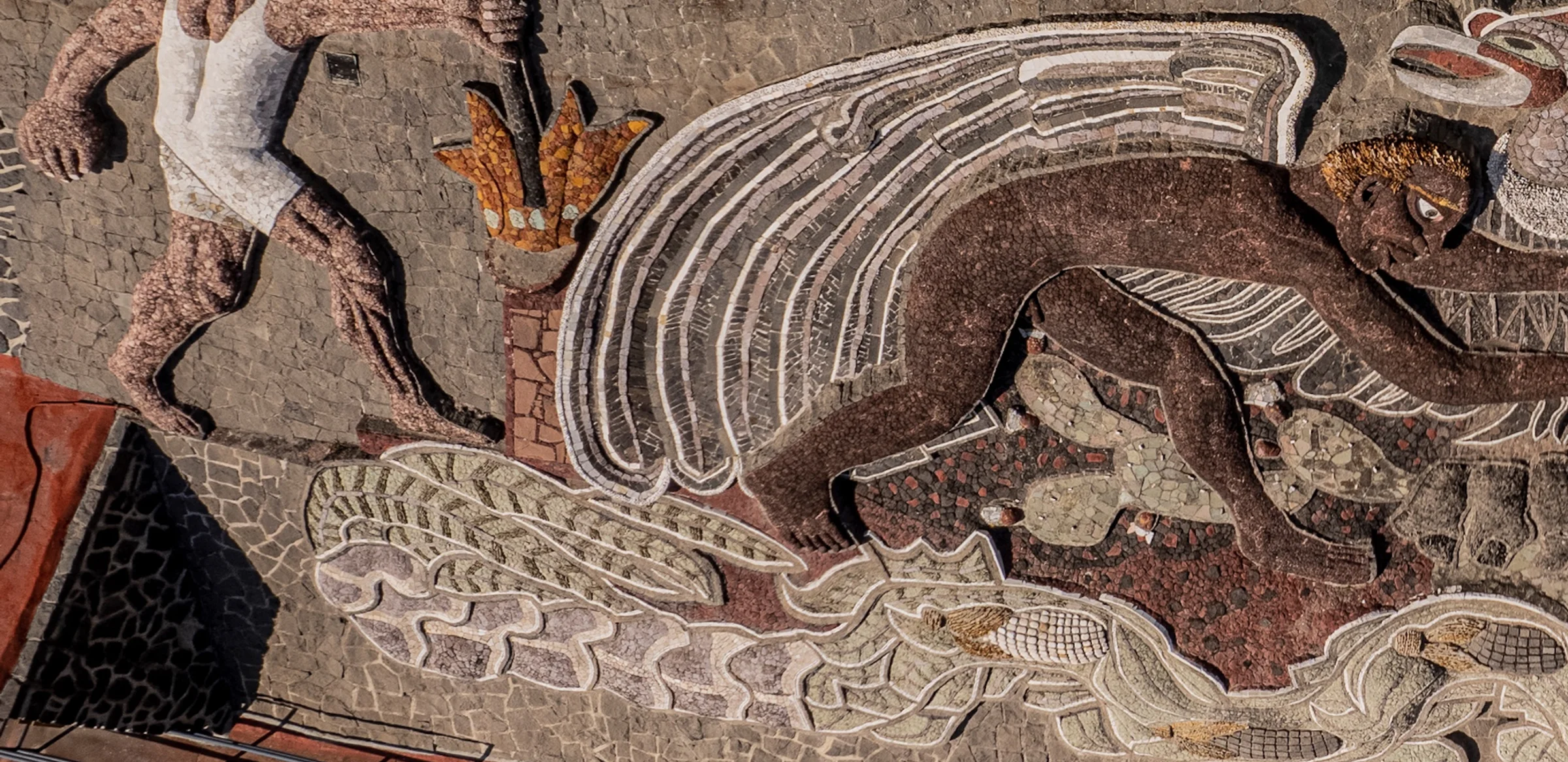
Rivera’s piece, titled The University, the Family and Sport in Mexico and dated to 1952-1954, covers the stadium’s sloped masonry with volcanic rock, marble and stones gathered from riverbeds. Rivera developed the embedding technique alongside architect Juan O’Gorman while working on the Museo Anahuacalli, and used it here to chart the history of sport in Mexico, beginning in the pre-Hispanic era and running through to the modern Olympic Games. The relief was never completed.
The stadium itself opened in 1952 at the center of what is now a UNESCO World Heritage campus, a designation granted in 2007. Constructed within a natural volcanic depression using stone quarried locally, the building is frequently cited as a defining example of what scholars call plastic integration, the fusion of architecture, art and landscape into a single design. As Mónica Cejudo Collera explained, “Plastic integration is one of the elements that makes Unam unique. It is not simply about placing art within an architectural complex, but a conception in which architecture, art and space are integrated.”

A wider push to save UNAM’s murals
The stadium relief is only the opening phase of the WMF-UNAM collaboration. Future work under the partnership is expected to reach David Alfaro Siqueiros’s three-dimensional mural on the university’s rectory tower and Juan O’Gorman’s mosaic covering the central library. Historian Renato González Mello situated Rivera’s stadium work within a larger artistic turn in mid-century Mexico, noting, “At this time, mural art shifted from indoor to public spaces, conveying to passersby a utopian message of modernity and progress.”
Caterina Toscano, WMF’s vice president of development and partnerships, framed the murals as central to the organization’s current priorities in Mexico. “We recognize Unam’s murals as a jewel of 20th-century Mexican architecture,” she said. Since the magnitude 8.1 earthquake that struck Mexico City in 1985, WMF has carried out more than 60 preservation projects across 32 sites in 17 Mexican states.
Stephanie D. Ortiz, connected to the funding effort, pointed to the depth of local know-how behind the project: “Mexico has high-level restoration expertise to share with the world.” Cejudo added that the ambitions of the initiative extend past physical repair. “A long-term restoration project goes beyond repairing or conserving the murals,” she said. “It means preserving the memory, materials, techniques and meaning of a cultural and architectural project that remains relevant.”
No completion date for the stadium relief’s restoration has been made public, and further phases covering the Siqueiros and O’Gorman murals have yet to be scheduled.



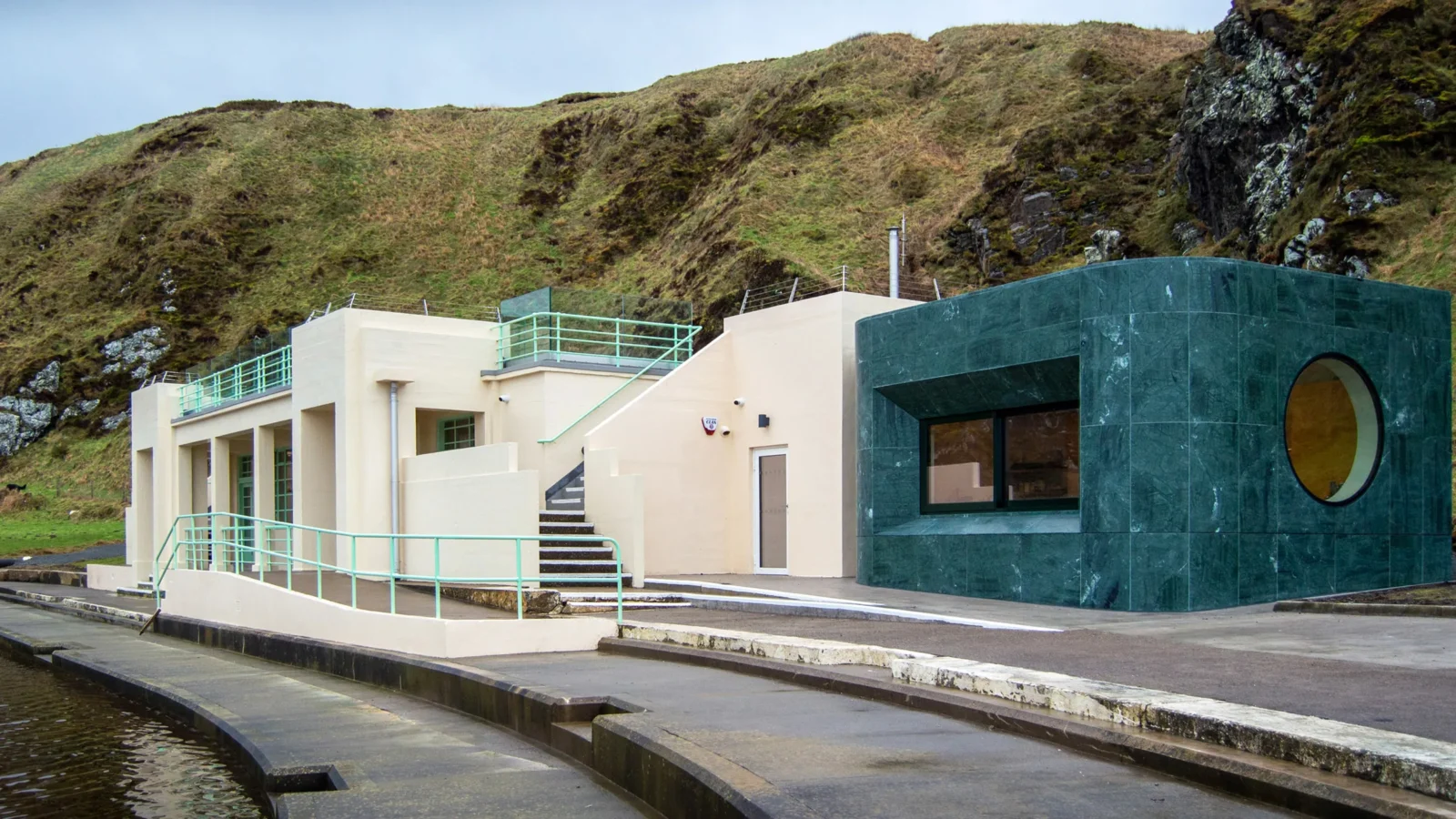
Three Reuse Projects Shortlisted for RIAS Andrew Doolan Award 2026
Three reuse-led projects, from a Victorian hospital to an Art Deco pool...
illustrarch Editoral Team2 Mins read
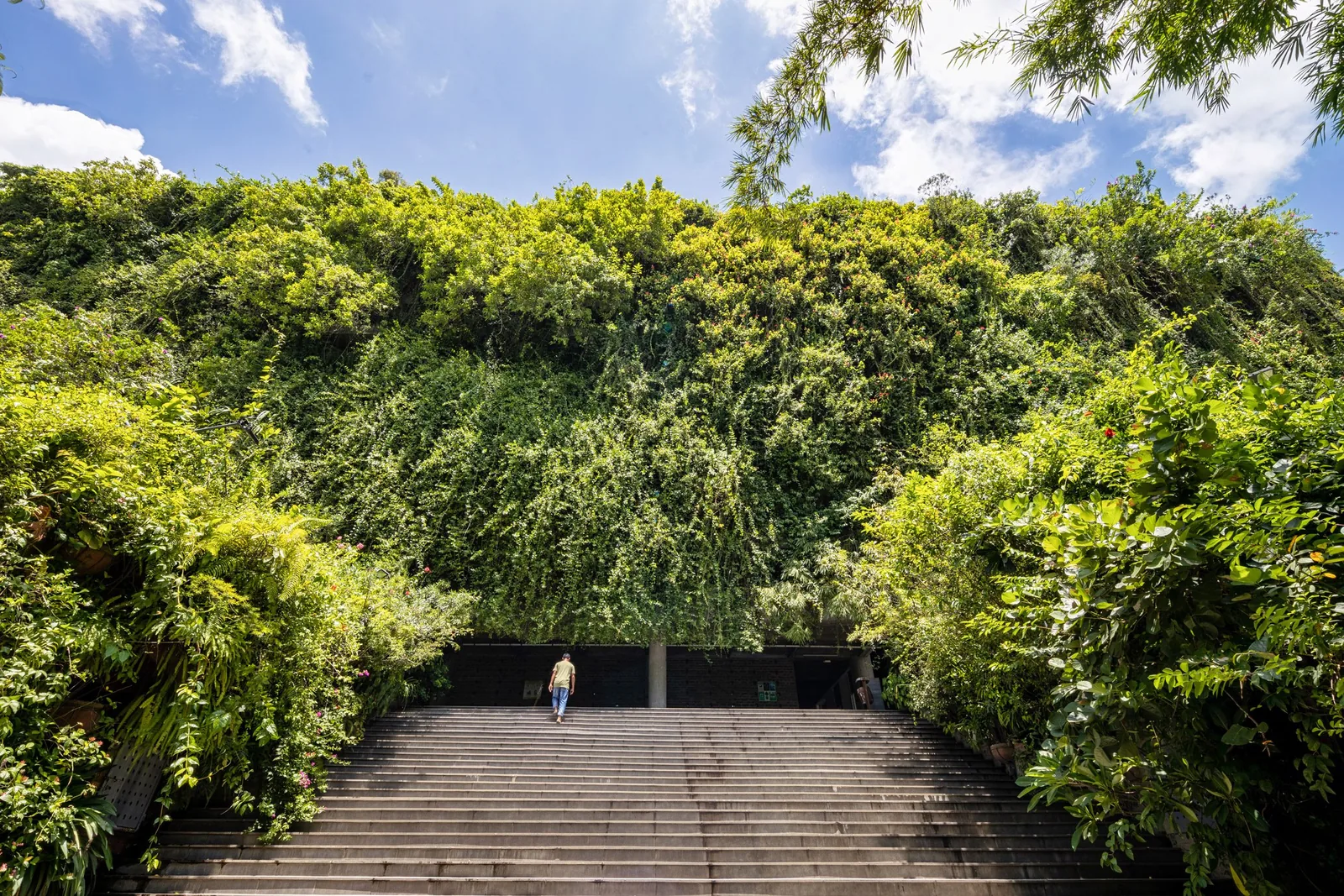
Nakshabid Architects’ Green Field Factory in Bangladesh Wins the RIBA International Prize 2026
Green Field Factory, a seven-storey rug factory in Rangpur, Bangladesh, by Nakshabid...
illustrarch Editoral Team2 Mins read
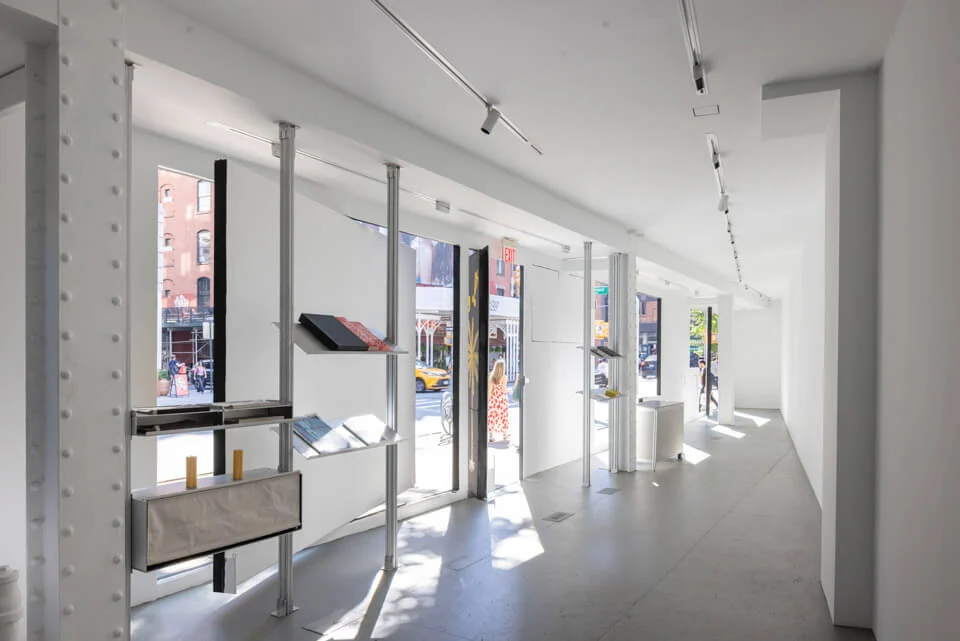
GRT Architects Completes First Major Overhaul of Storefront for Art and Architecture Since 1993
GRT Architects has renovated Storefront for Art and Architecture's SoHo home, its...
illustrarch Editoral Team2 Mins read

Lion Green Road Housing in Croydon Wins the RIBA Stirling Prize 2026
Lion Green Road, a 157-home scheme for Croydon Council by Mary Duggan...
illustrarch Editoral Team2 Mins read


Leave a comment