

Heather Roberge, UCLA Architecture Professor and Murmur Founder, Dies at 55
UCLA professor and Murmur founder Heather Roberge, a 2026 AIA LA Educator of the Year, has died at 55.
 illustrarch Editoral Team4 October 20262 Mins read1

Heather Roberge, an architect who spent more than two decades shaping design education at UCLA and led the Los Angeles practice Murmur, has died at age 55. Her death comes just days after that of fellow Los Angeles architect and critic Orhan Ayyüce, who died on September 20.
The two had been jointly named 2026 ‘Educators of the Year’ by AIA Los Angeles earlier this year, with plans for the chapter to celebrate them together at its upcoming design awards ceremony. Instead, the organization said it will now hold a gathering in their memory, pointing to the pair’s shared influence in pushing students and peers to question conventional ideas about what architecture could accomplish.
Heather Roberge’s path into architecture
Born in 1971 and raised in Ohio, Roberge originally enrolled at The Ohio State University to study engineering. A survey course taught by Jacqueline Gargus redirected her toward architecture. She went on to complete a Bachelor of Science in 1993 and a Master of Architecture in 1995, graduating summa cum laude and earning the AIA Certificate of Excellence.
Her early professional life included cofounding the Los Angeles firm Gnuform in 1999 alongside Jason Payne, an office Roberge later described as part of architecture’s first wave of digital experimentation. In 2008 she launched her own practice, Murmur, which carried forward her focus on computation and material fabrication into built and exhibited work.
Among Murmur’s recognized projects was the Succulent House, awarded a design merit citation by AIA Next LA in 2011, and the installation En Pointe, which received an AIA LA Merit award in 2015. Roberge was later selected for the Architectural League of New York’s Emerging Voices program in 2016, and she recently released a book, Fabricating Plasticity in Aluminum.
A career built at UCLA
Roberge joined UCLA in 2000 as a visiting lecturer and remained with the school for over twenty years, rising to full professor in 2022. Her teaching centered on the intersections of material, computation, and manufacturing processes in architectural design.
She once described her approach to the discipline this way: “Like all forms of creative expression, architectural ideas reflect the external worlds we learn to recognize as well as the internal disciplinary knowledge that is ever accumulating and transforming.”

Colleagues at UCLA remembered her as both a rigorous thinker and a generous presence in the classroom. Lionel Popkin, dean of the UCLA School of the Arts and Architecture, said, “Heather was an extraordinary architect and a dedicated educator who helped shape the intellectual life of the department and inspired generations of students.”
Mariana Ibañez, a fellow faculty member, echoed that sentiment, saying, “For countless students and colleagues, what mattered most was who she was in the studio and the classroom: a mentor who was endlessly curious, and unwavering in her belief in her students. Her passing is an enormous loss for so many in our community.”
AIA Los Angeles has not yet announced a date for the memorial gathering planned in honor of Roberge and Ayyüce.





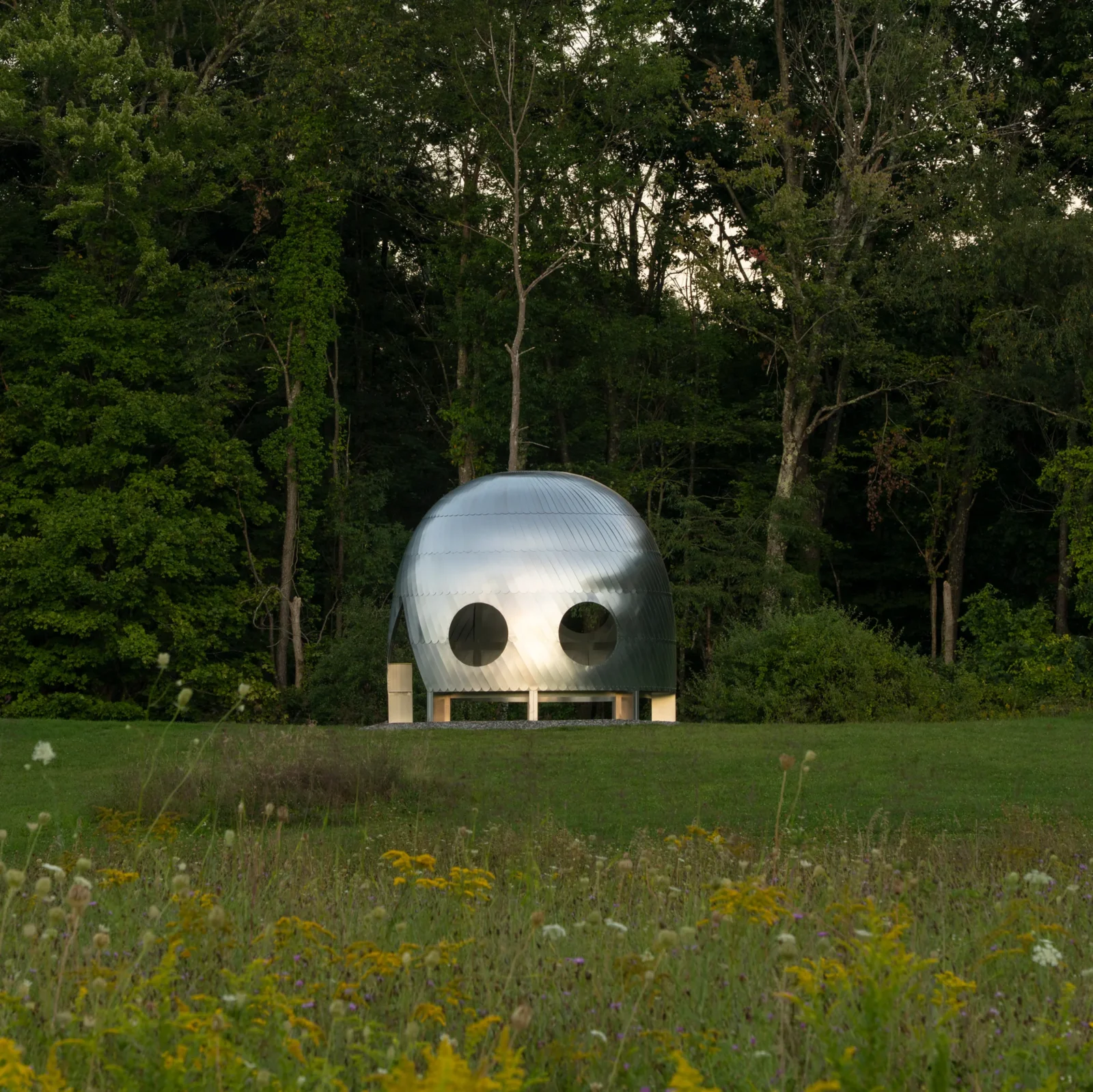
MOS Architects Unveils Basket-Like Aluminium Pavilion at Art Omi
MOS Architects built an egg-shaped aluminium pavilion at Art Omi, mixing basketry,...
illustrarch Editoral Team3 Mins read

Danish Architecture Center Marks Jan Gehl’s 90th Birthday with Cities for People Exhibition
DAC in Copenhagen celebrates Jan Gehl's 90th birthday with Cities for People,...
illustrarch Editoral Team2 Mins read
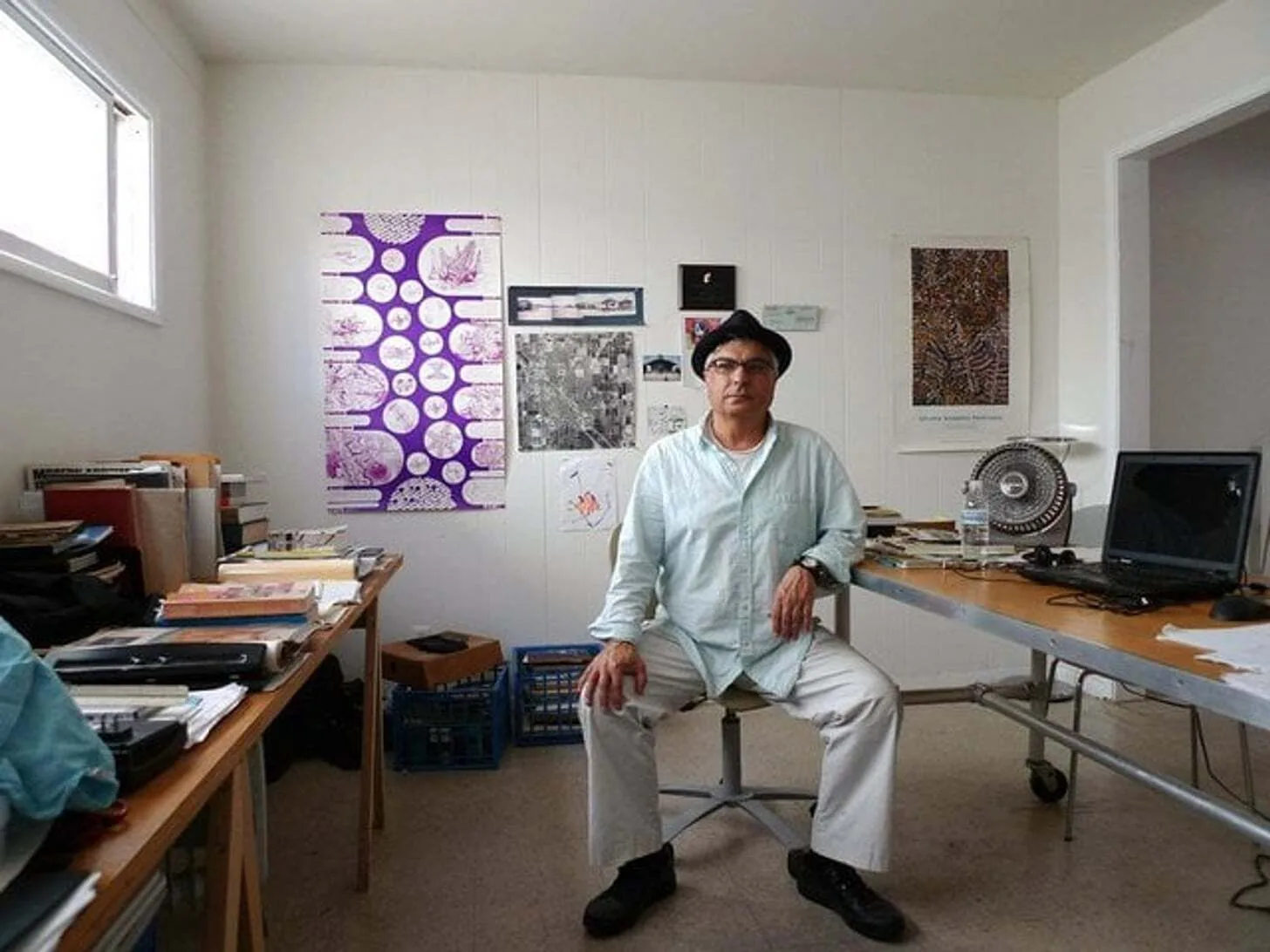
Orhan Ayyüce, Los Angeles Architecture Educator and Writer, Dies at 75
Architect, educator and Archinect writer Orhan Ayyüce, a fixture of Los Angeles...
illustrarch Editoral Team3 Mins read

Overlapping Concrete Walls and One Roof Shape a House in Okinawa
IGArchitects built Overlapping Spaces in Okinawa from reinforced concrete walls, columns and...
illustrarch Editoral Team1 Mins read


Leave a comment