

Capping a Chimney: When It Makes Sense and What It Involves
An unused chimney lets rain in and heat out. Here is when capping a chimney makes sense, why any old gas pipe must be capped first, what the job involves and how to vent the flue so damp does not follow.
 illustrarch Editoral Team16 October 20265 Mins read2
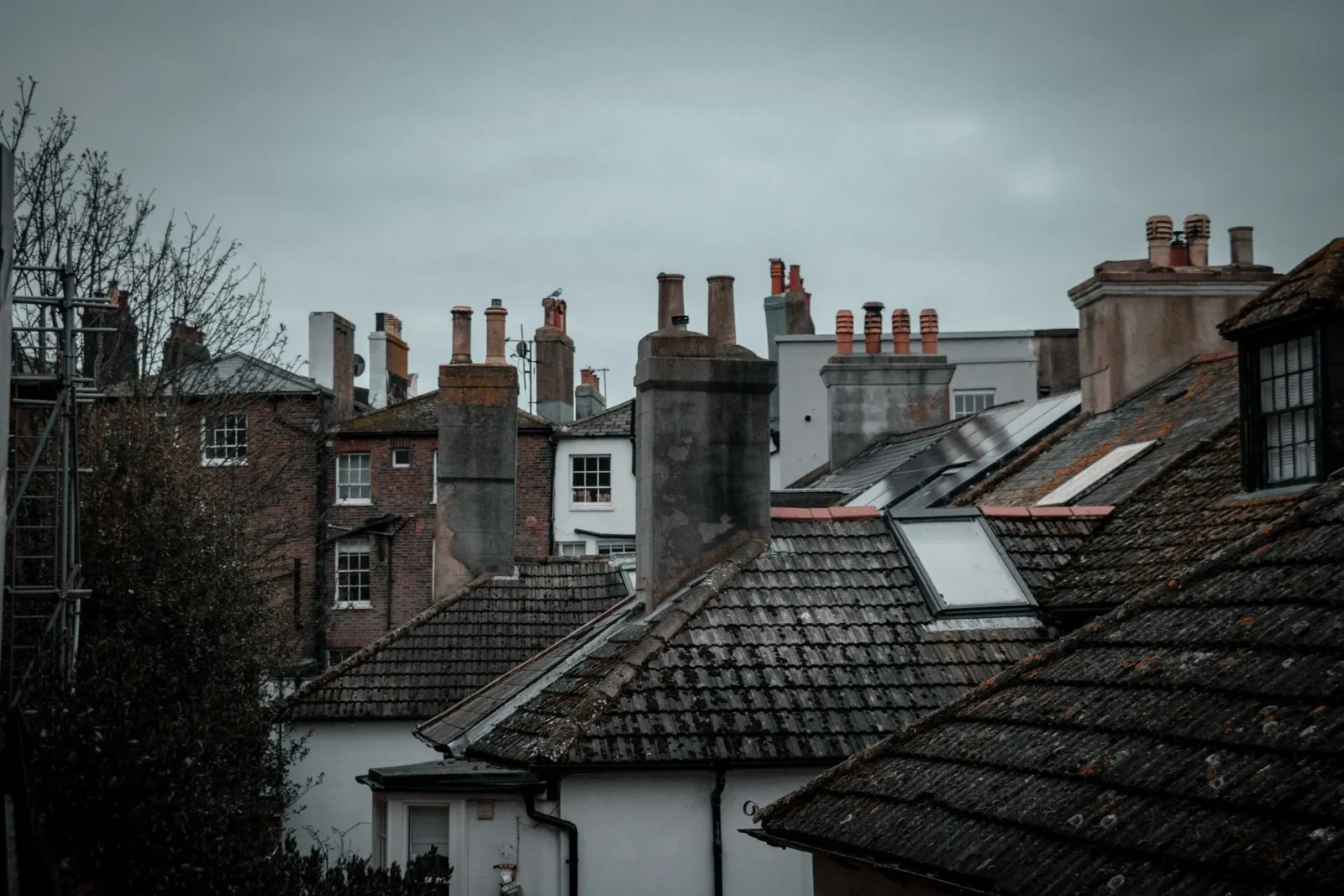
Table of Contents Show
Got a chimney you never use? Capping a chimney could be the simplest fix.
It’s in most homes across the UK. A dusty fireplace boarded up decades ago… or a gas fire that no one ever turns on.
Here’s the problem:
An empty chimney isn’t idle. It’s allowing rain to enter, heat to escape and (if there is an old gas fire connected) could be disguising a serious safety hazard.
Chimney capping prevents nearly all of that. However, it only works when applicable. If you have gas appliances, gas piping must be capped first.
Let’s break it down…
Here’s what’s inside:
- What Does Capping a Chimney Actually Mean?
- Gas Pipe Capping: The Step You Can’t Skip
- When Capping a Chimney Makes Sense
- What the Job Involves
- The Mistake That Causes Damp
What Does Capping a Chimney Actually Mean?
To cap a chimney is to place a covering on top of the stack which prevents rain, birds and debris from entering.
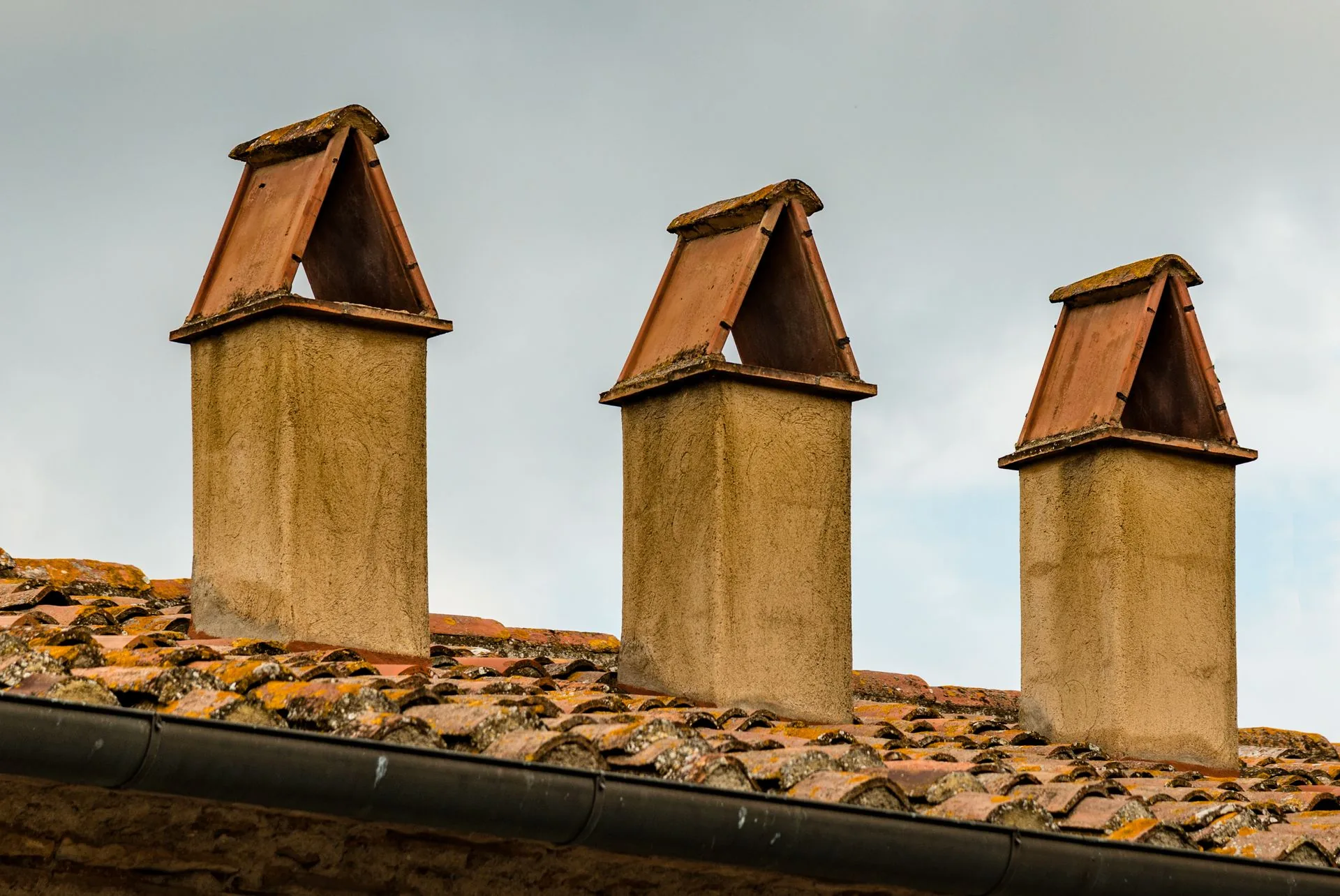
But remember… Chimney caps are not solid lids. A quality cap will shed water but allow air to flow through the flue. It’s this flow of air that prevents dampness from forming on your chimney breast.
There are two main types:
- Ventilated caps: Fit over the pot, with small vents cut into the sides. These are the standard selection when chimneys are not intended to be reused.
- Rain cowls: Deflect rainwater away without restricting the escape of fumes.
Never lighting a fire again? Go for a ventilated cap. Every time.
Gas Pipe Capping: The Step You Can’t Skip
You can’t cap the chimney until the gas supply has been made safe.
The first thing you have to remove is the gas fire. Next the pipe that fed it must be capped. Gas pipe capping is the most critical step of the process.
Why risk it? There could be an inactive gas supply hidden behind that boarded-up fireplace. If the pipe is bumped or the valve leaks, gas will flow directly into your house.
Have a look at the average gas fire removal cost beforehand, so you know your gas pipe capping cost will be included when you book your chimney liner or flueless fireplace. A Gas Safe registered engineer will cap off your gas fireplace on the day by turning off the gas supply and disconnecting your old fire. The engineer will fit a sealed cap to the end of your gas pipe and pressure test it.
Legally, only a Gas Safe registered engineer can cut-off a gas pipe. Full stop.
And this matters more than ever. According to the Health and Safety Executive, 17 people have been convicted for carrying out illegal gas work since the start of 2025. Three convictions in 2022/23.
Always ask to see your engineer’s Gas Safe ID card BEFORE work starts. It takes 10 seconds.
When Capping a Chimney Makes Sense
Not every chimney needs capping. But for most unused ones, it’s a smart move.
It makes the most sense when:
- You’ve stopped using your fireplace or gas fire for good
- You’ve spotted damp patches on the chimney breast
- Birds keep nesting in the pot
- You can feel cold draughts coming from the old fireplace
That last one is a bigger deal than most people think.
Did you know an open chimney acts as a massive extractor fan? It sucks warm air from your room throughout the day… and you’re paying to heat that air! The Energy Saving Trust says you could save around £60 a year on bills by draught-proofing an unused chimney.
Not bad for a job that’s usually finished in a day, right?
What the Job Involves
After the gas is capped off safely you can start work on the chimney. This is what typically occurs…
Get Access To The Roof
Most chimney caps are installed from the roof. If you have a bungalow or low pitched roof, a roof ladder may be sufficient. On a taller home, you will require a tower or scaffolding.
Painting the decking usually is the largest expense of the entire project. Often more than the cap.
Check The Stack
Prior to installation, inspect the stack thoroughly. Repair any loose bricks, cracked pots and crumbling mortar.

There’s no point capping a chimney that’s falling apart.
Fit The Cap
You place the cap on top of the pot, or bed it in mortar on top of the stack. One cap is required per flue that is not in use. Have 4x pots? You need 4x caps.
Vent The Bottom
This is the step most people forget…
Don’t forget to vent the old fireplace opening also. Typically this is a grille or air brick installed in where the fireplace once was. The air inlet is at the bottom. The air outlet is at the top.
That simple flow is what keeps the flue dry.
The Mistake That Causes Damp
Here’s something most homeowners don’t realise…
Sealing a chimney completely is one of the worst things you can do.
Sealing blocks drafts; stops rain and it feels like the right thing to do. But sealing a chimney creates a vapour trap. Condensation builds in the flue as your house heats up.
And where does it end up? On your chimney breast. Look out for:
- Brown or yellow stains on the wall
- Bubbling or flaking paint
- A musty smell that won’t go away

Old chimneys also contain salts accumulated over the years from burning coal and wood. Salts attract moisture which exacerbates damp patches. Small problems can quickly become costly.
The fix is easy: vent the top and vent the bottom. Always.
Frequently Asked Questions
Can I cap a chimney myself?
A chimney balloon or draught excluder can easily be fitted yourself from the inside. However, roof work is dangerous and most homeowners employ a roofer or specialist chimney company. Capping off a gas pipe should always be carried out by a Gas Safe registered engineer.
Does capping a chimney stop dampness?
Capping a chimney works best if the dampness is caused by rain entering the flue. However, you must ensure the chimney remains ventilated (usually with a ventilated cowl or air brick) so that trapped condensation does not cause new dampness.
The Bottom Line
Chimney caps should be installed when you have permanently discontinued the use of the chimney. Caps prevent rain water penetration and eliminate downdrafts which can help reduce heating costs.
But it has to be done in the right order.
To quickly recap:
- Arrange for a Gas Safe engineer to remove fire and cap off gas pipe
- Check the stack and fix any damage
- Fit a ventilated cap to each unused pot
- Add a vent where the fireplace used to be
- Never seal the chimney completely
If you follow these steps your old chimney will go from being a hidden hazard to….. nothing.
Which is exactly what you want!







Standby or Portable Generator? A Practical Framework Based on Loads, Outages, and Logistics
Choosing between a standby and a portable generator gets easier once you...
illustrarch Editoral Team5 Mins read
Top Questions to Ask an Electrician in Fort Mill Before Starting a Project
The right questions to ask an electrician in Fort Mill before a...
illustrarch Editoral Team2 Mins read
How to Keep Your Home Cool During Indiana Summers
Practical steps for homeowners to keep their homes cool during Indiana summers...
 Begum Gumusel2 Mins read
How to Keep Your Arnold Home Cool During an Extreme Heat Wave
Practical, proactive ways homeowners in Arnold, MD can keep their home cool...
 Furkan Sen6 Mins read


Leave a comment