

Off-Plan Villas in Hua Hin, Thailand: What to Look for Before You Buy
Buying a villa before it is built means judging location, layout and the developer from plans. Here is what to check before buying off-plan villas in Hua Hin, from ownership rules to payment milestones.
 illustrarch Editoral Team28 October 20263 Mins read1

Table of Contents Show
Buying a villa before construction is complete allows buyers to assess its design, layout, and location before moving in. However, it also requires careful consideration because the finished property cannot always be inspected before purchase. Buyers exploring developments through Hua Hin Off Plan should understand the practical and legal considerations involved before making a commitment.
Hua Hin attracts buyers interested in coastal living and private villas, but an appealing rendering or spacious floor plan should only be the starting point.
Understand What Buying Off-Plan Means
An off-plan villa is purchased before construction is complete, sometimes before building work begins.
Buyers typically evaluate architectural drawings, renderings, specifications, and development plans rather than a finished property. Depending on the project, they may have opportunities to select finishes or request certain modifications.
However, construction schedules can change, and early marketing images may not reflect every detail of the completed home.
Before proceeding, buyers should establish exactly what is included in the purchase and which specifications are confirmed in the contract.
Choose the Right Location Within Hua Hin
Location affects daily convenience, privacy, and long-term enjoyment.
Consider access to supermarkets, hospitals, restaurants, and major roads. A villa that appears close to the beach on a map may require a longer journey than expected.
Visit the neighborhood at different times to assess traffic, noise, and surrounding development. Drainage also deserves attention during the rainy season, particularly where access roads or nearby land are prone to flooding.
Examine the Villa’s Layout and Design
Renderings help buyers imagine a finished villa, while floor plans reveal how rooms connect and function.
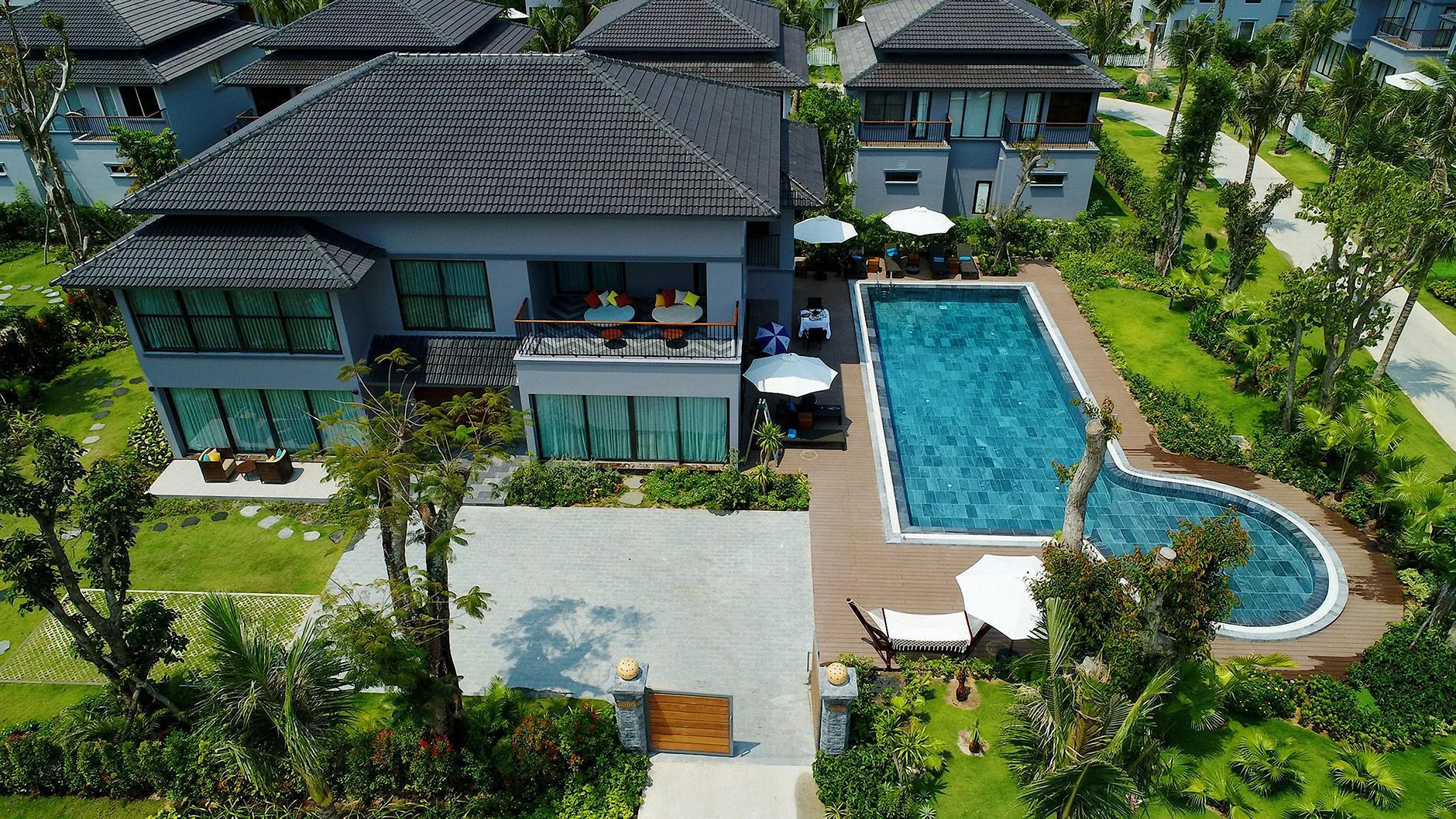
Check room dimensions, circulation routes, and the relationship between indoor and outdoor spaces. A living room may look spacious in an image but offer limited furniture arrangements because of door and window placement.
For villas with swimming pools, consider terrace dimensions, shade, privacy, and access from the main living areas.
Climate-responsive design is particularly important in Hua Hin. Roof overhangs, window orientation, and ventilation influence indoor comfort during hot weather.
Illustrarch’s coverage of villa architecture in tropical climates provides further architectural context for considering shading and airflow.
Request dimensioned floor plans rather than relying entirely on presentation images.
Check the Developer’s Experience and Construction Standards
An attractive design does not guarantee construction quality.

Research the developer’s completed projects and, where possible, inspect an existing property built by the same company.
Ask about the contractor, construction schedule, and arrangements for monitoring progress.
Written specifications should identify flooring, windows, kitchen fittings, bathroom fixtures, and air-conditioning systems.
If the development advertises a swimming pool, landscaping, or built-in furniture, confirm whether these features are included in the purchase price.
Clear documentation helps prevent misunderstandings about the finished property.
Understand Property Ownership Rules in Thailand
Foreign buyers must carefully examine how land and buildings are legally held in Thailand.
Foreign nationals generally cannot own land directly, except under limited legal exceptions. Building ownership and rights to the underlying land are separate matters.
Some purchases involve registered land leases, but leasehold rights should not be confused with freehold ownership.
The Thai government’s information on foreign property ownership and land restrictions explains important considerations for international buyers.
Before paying a substantial deposit, engage an independent Thai property lawyer to review the land title, ownership structure, registration requirements, and contractual terms.
Review Payment Terms and Construction Milestones
Off-plan purchases commonly involve staged payments linked to construction progress.
Buyers should understand when payments become due and what work must be completed before each installment.
The contract should clearly state the purchase price, specifications, expected completion date, and procedures for managing delays or changes.
Any agreed modifications should be recorded in writing rather than relying on verbal assurances.
Independent inspections at suitable construction stages can also help identify potential issues before handover.
Budget for Costs Beyond the Purchase Price
The advertised villa price may not include every expense associated with ownership.
Additional costs can include legal fees, registration charges, furniture, utilities, and maintenance.
Properties within managed developments may also have community service fees.
Private swimming pools, gardens, and air-conditioning systems require ongoing maintenance, so buyers should request an estimate of recurring expenses before committing.
Comparing total ownership costs provides a clearer picture than comparing advertised prices alone.
Plan for Handover and After-Sales Support
Before accepting a completed villa, inspect the property against the agreed drawings and specifications.
Check doors, windows, plumbing, electrical systems, air conditioning, and visible finishes.
Document any defects and confirm how and when they will be corrected.
Buyers should also understand the developer’s warranty terms and procedures for requesting repairs after moving in.
These arrangements can make the transition from construction to occupancy more straightforward.
Conclusion
Buying an off-plan villa in Hua Hin requires more than evaluating architectural renderings or comparing advertised prices.
Location, practical design, construction standards, ownership arrangements, and contractual terms all deserve attention.
By reviewing drawings, verifying documentation, and obtaining independent legal advice, buyers can make a more informed decision about whether a proposed villa meets their expectations and long-term needs.






What Crime Maps Don’t Tell You About Choosing a Safe Place to Live
Crime maps show reported incidents, not how a street feels at night....
illustrarch Editoral Team3 Mins read

How Developers Are Building Package Rooms Into New Multifamily Properties
Parcel volume now shapes a multifamily ground floor as much as parking...
illustrarch Editoral Team3 Mins read

How Much Does It Cost to Hire an Architect for a House Extension?
A clear look at the cost to hire an architect for a...
 Sinan Ozen7 Mins read

Top 5 Agencies Competing for the Best Real Estate Company in Boca Raton
Boca Raton real estate agencies are evaluated based on sales performance, client...
illustrarch Editoral Team8 Mins read


Leave a comment