

Bio-Sensing Technology in Architecture
Bio-sensing technology in architecture enables buildings to monitor and respond to occupants' biological data, enhancing health, comfort, and environmental sustainability.
 Elif Ayse Sen21 July 20233 Mins read401

In the realm of architecture, where form and function converge, a remarkable technological innovation is reshaping the way we design and experience buildings. Bio-sensing technology, with its ability to capture and interpret biological data, is revolutionizing the field by offering architects unprecedented insights into the needs, behaviors, and well-being of occupants. This cutting-edge integration of biology and architecture is giving rise to a new era where buildings can respond dynamically to the pulse of human life, creating spaces that promote health, comfort, and sustainability.
Bio-sensing technology encompasses a wide range of sensors and devices that monitor vital signs, physiological responses, and environmental factors within architectural spaces. These sensors can detect and measure variables such as heart rate, body temperature, blood pressure, respiratory patterns, and even emotional states. By capturing this biological data, buildings become sensitive organisms capable of perceiving and adapting to the needs of their occupants in real-time.
The potential applications of bio-sensing technology in architecture are vast. Imagine a building that adjusts its lighting and temperature based on the occupants’ circadian rhythms, promoting better sleep and overall well-being. Picture a workspace that monitors stress levels and adjusts the environment to create a calm and focused atmosphere. By integrating sensors that monitor air quality, humidity, and CO2 levels, buildings can automatically optimize ventilation systems, ensuring occupants breathe clean, fresh air and reducing the risk of respiratory illnesses.

- Building a Relationship between Humans and Spaces:
Traditionally, architecture has focused on aesthetics, functionality, and structural integrity. However, the advent of bio-sensing technology has allowed architects to shift their focus towards a more holistic approach that considers the well-being and comfort of the people who inhabit these spaces. By incorporating sensors that monitor vital signs, environmental factors, and occupant behavior, buildings can adapt and respond to the needs of individuals, fostering a deeper connection between humans and their surroundings.
- Enhancing Health and Wellness:
The integration of bio-sensing technology in architecture has immense potential for promoting health and wellness. By monitoring variables such as air quality, temperature, humidity, and lighting, buildings can automatically adjust their internal environments to optimize comfort and productivity. For example, sensors can detect CO2 levels and trigger ventilation systems to ensure a constant supply of fresh air, reducing the risk of airborne illnesses and enhancing cognitive function. Additionally, smart lighting systems can mimic natural light patterns, promoting circadian rhythm regulation and improving occupants’ sleep quality.

Bio-sensing technology allows buildings to adapt to the specific needs of individuals. By tracking vital signs and behavioral patterns, spaces can be customized to optimize comfort and performance. For instance, sensors can monitor heart rate, stress levels, and body temperature to create personalized microclimates within a building. If an occupant is feeling stressed, the system can adjust lighting, temperature, or even play soothing music to create a calming atmosphere. By tailoring the environment to individual preferences, buildings can become truly personalized and responsive.
- Sustainable Design:
Bio-sensing technology also plays a crucial role in advancing sustainable design practices. By continuously monitoring energy consumption, buildings can optimize resource usage and identify areas for improvement. For example, occupancy sensors can detect unused rooms and adjust heating, cooling, and lighting accordingly, reducing energy waste. By integrating renewable energy sources and smart grid systems, buildings can actively contribute to the overall energy efficiency of cities. Additionally, bio-sensing technology enables real-time monitoring of water usage, allowing for more efficient water management and conservation.

- Ethical Considerations:
As with any technological advancement, bio-sensing technology raises ethical concerns that must be addressed. Issues related to privacy, data security, and consent need careful consideration to ensure that the benefits of this technology are not outweighed by potential risks. Strict regulations and transparent policies should be in place to protect the privacy of occupants and prevent misuse of personal data. Architects and designers must prioritize ethics and responsible implementation to foster trust and confidence in these innovative systems.
Bio-sensing technology has ushered in a new era of architecture, one that puts the well-being and needs of occupants at the forefront. By embracing this technology, architects can create buildings that adapt, respond, and evolve in real-time to optimize health, comfort, and sustainability. The pulse of buildings is no longer just the rhythmic beat of construction but a living, breathing entity that actively engages with its occupants. As bio-sensing technology continues to evolve, we can expect to witness a remarkable transformation in the way we design and experience our built environment, ultimately leading to healthier, more sustainable, and human-centric spaces.




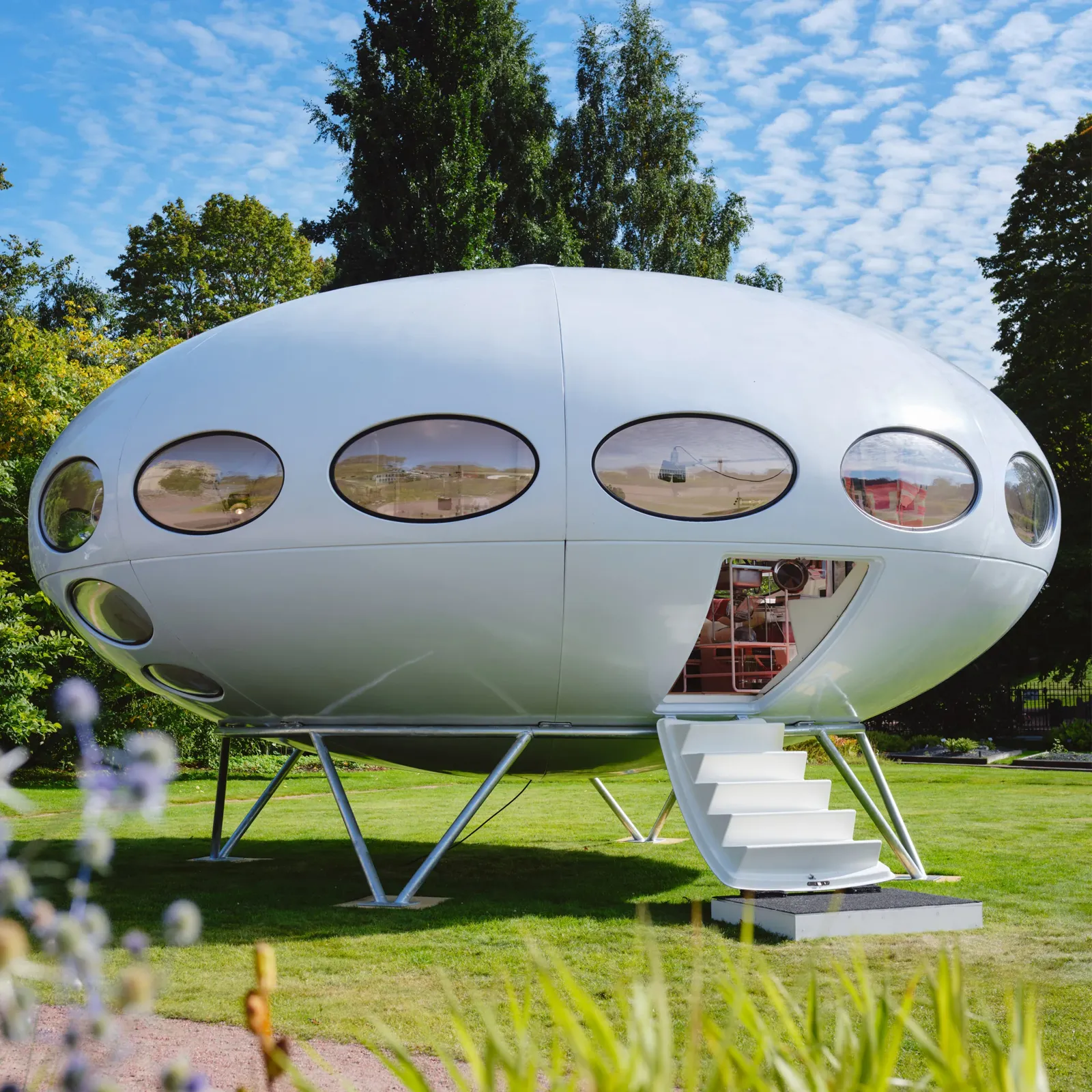
Futuro House Production Revived in Finland After Decades-Long Hiatus
A Facebook listing for abandoned moulds led to the first new Futuro...
 illustrarch Editoral Team3 Mins read
Building Your Dream Home in NSW: What You Should Know About Montgomery Homes
Montgomery Homes has been building across Sydney, Newcastle, the Hunter, Wollongong and...
illustrarch Editoral Team4 Mins read

Designing a Home Theater: Where Drapery Fits Into the Plan
In a media room the curtains are a performance layer, not decoration....
illustrarch Editoral Team3 Mins read
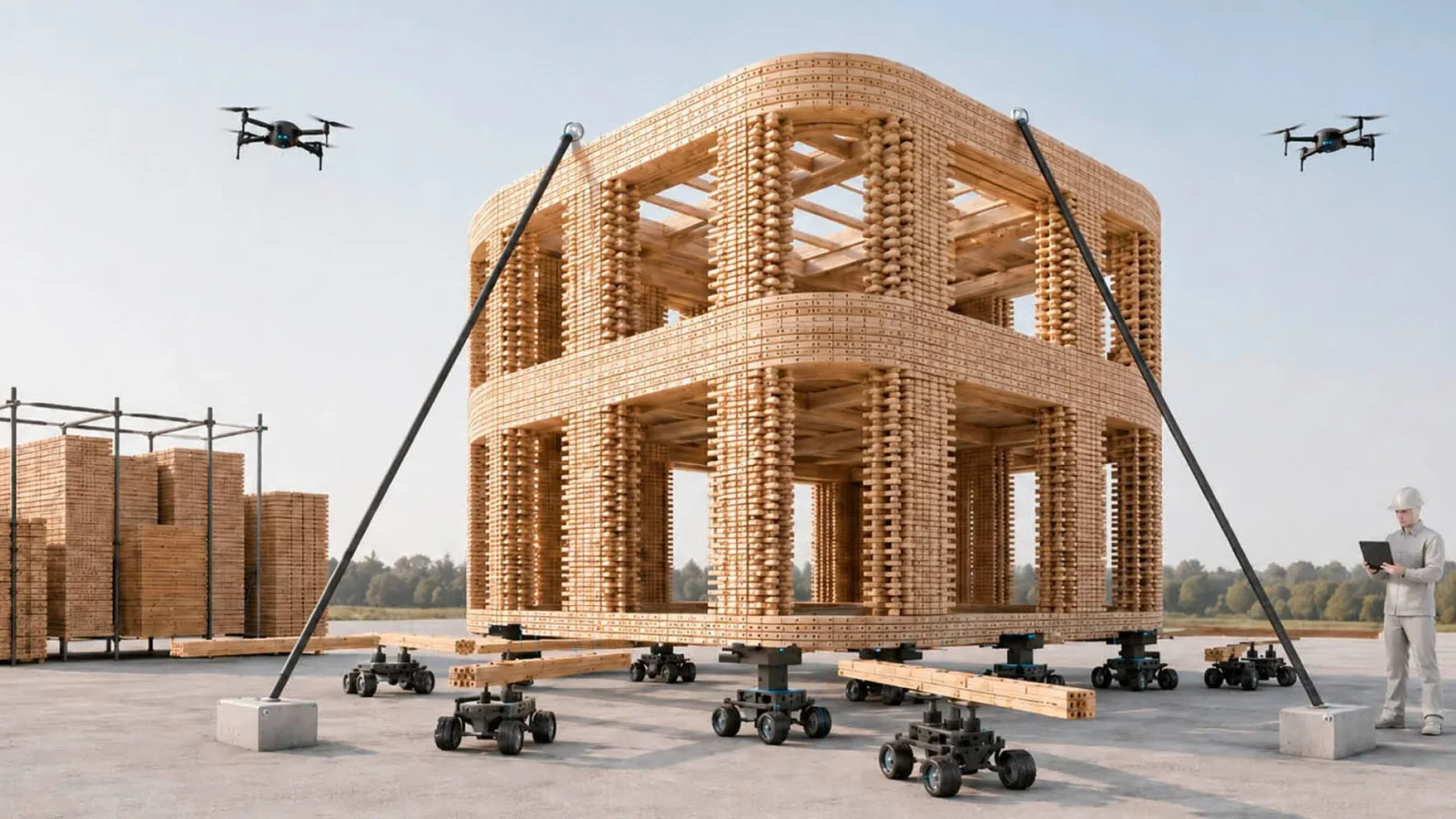
Foster + Partners to Test Robot Swarms Building Timber from the Top Down
Foster + Partners wins €4m EU grant to build robot and drone...
illustrarch Editoral Team2 Mins read


Leave a comment