

Jurf Gardens: Urban Oases in the Concrete Desert
 Furkan Sen14 November 20235 Mins read368

Table of Contents Show
Jurf gardens are pockets of cultivated greenery woven into dense city environments, designed to act as calm, restorative refuges among buildings and pavement. They combine planting, water, and shade with practical landscape design so urban residents gain access to nature, cleaner air, and a quiet place to slow down.
In the heart of busy cities, where concrete and steel define the skyline, jurf gardens offer something the grid rarely provides: a deliberate patch of living ground. These spaces are easy to walk past in the rush of a working day, yet they carry real weight for public health, climate resilience, and the texture of daily life. As cities grow denser and the gaps between buildings shrink, the value of these green refuges keeps rising. The sections below look at where the idea comes from, how these gardens are planned, what grows in them, and how you can build a version of your own.
What Are Jurf Gardens?
The word “jurf” has long been linked to ideas of shelter and protection, and that meaning sits at the center of the concept. A jurf garden is less about a single style and more about intent: a green space carved out of an urban setting to serve as a sanctuary. It might be a courtyard tucked between apartment blocks, a planted rooftop, or a narrow strip of garden running alongside a street. What ties them together is the goal of bringing nature back into places where it has been pushed out.
🎓 Expert Insight
“Biophilia is the innate tendency to focus on life and lifelike processes.” — Edward O. Wilson, biologist and author of Biophilia (1984)
Wilson’s idea explains why a small garden between towers can feel so necessary. The pull toward greenery is wired into us, which is exactly what jurf gardens respond to.
The Roots of the Idea
Cultivated green refuges inside cities are not new. Ancient communities built courtyard gardens and planted enclosures to soften the edges of dense settlements, from the shaded courtyards of Mesopotamian towns to the cloister gardens of medieval Europe. As cities expanded, the form kept adapting. Rooftop planting, pocket parks, and reclaimed industrial sites all carry the same instinct forward. The history here is really a long record of people insisting on keeping nature within reach, even when land is scarce and expensive.
Designing a Green Refuge
Good design is what separates a real retreat from a decorative strip of grass. The strongest jurf gardens balance form and function so every element does more than one job. Winding paths and shaded benches slow people down and invite them to stay. Water features cool the air, mask traffic noise, and support plants that need extra moisture. Level changes, low walls, and dense planting screen out the surrounding city without sealing the space off completely.
Accessibility matters as much as beauty. A garden that people of all ages and abilities can reach and move through will be used far more than one built only for show. Designers often plan for shade in summer, sun in winter, and clear sightlines that help visitors feel safe. The full discipline behind these choices sits within landscape architecture, which treats the garden as a working system rather than a backdrop.
💡 Pro Tip
On rooftops and balconies, check the structure’s load capacity before you plant. Saturated soil is heavy, and even a shallow planted roof can add significant weight per square meter once watered. A short consultation with a structural engineer early on saves expensive rework later.
Plants That Thrive in Urban Conditions
Plant choice is the lifeblood of any jurf garden. The best selections handle reflected heat, wind on exposed roofs, poor air, and limited root space. Drought-tolerant succulents and ornamental grasses cope with minimal watering. Trees with broad canopies provide shade and filter particulates, while seasonal flowers add color across the year. Many designers lean on native species because they match the local climate, support pollinators, and need far less maintenance than imported ornamentals.
Layering planting by height, from groundcover to shrubs to trees, builds a richer habitat and a more natural feel. This approach also borrows from the logic of vertical gardens, which stack greenery upward where floor space runs out.
Sustainability Built Into the Design
Jurf gardens carry an environmental purpose beyond their looks. Rainwater harvesting captures runoff for irrigation and cuts demand on city supplies. Permeable surfaces such as gravel or porous paving let water soak into the ground instead of overloading storm drains. Composting stations close the loop on garden waste, and solar lighting keeps energy use low. These features place jurf gardens within the wider practice of green infrastructure, which the US Environmental Protection Agency credits with managing stormwater, lowering urban temperatures, and supporting local habitat.
📌 Did You Know?
According to the US Environmental Protection Agency, green roofs can lower roof surface temperatures by up to 30 to 40°F compared with conventional dark roofing, easing the urban heat island effect and cutting cooling costs in the floors below.
Health Benefits of Urban Green Space
The case for these gardens is not only environmental. Time spent among plants measurably lowers stress. A 2019 study published in Frontiers in Psychology by MaryCarol Hunter and colleagues found that a nature experience of 20 to 30 minutes produced the most efficient drop in salivary cortisol, a key stress hormone. Fresh air supports respiratory health, and quiet green settings help with focus and mental clarity. Beyond the individual, these gardens give neighborhoods a shared place for walking, light exercise, and unplanned conversation, which strengthens the social fabric of a block.
Jurf Gardens Around the World
Cities everywhere fold green refuges into their fabric, each shaped by local culture and constraints. Tokyo threads small contemplative gardens between high-rises, drawing on a long tradition of designed nature. Paris turns historic rooftops into planted terraces of herbs and flowers. New York keeps finding ground for greenery in tight, unlikely spaces, from community plots to raised linear parks. You can trace many of these projects through outlets like ArchDaily’s coverage of green roofs and urban planting.
🏗️ Real-World Example
The High Line (New York, 2009): Built on a disused overhead rail viaduct, this 1.45-mile raised park designed by James Corner Field Operations with Diller Scofidio + Renfro, and planting by Piet Oudolf, turned forgotten infrastructure into one of the city’s most visited green corridors.
Each example points to the same lesson: the jurf garden idea travels well, adapting to climate, culture, and the amount of space a city can spare.
Creating Your Own Urban Oasis
You do not need a budget the size of a public park to apply these principles. A balcony, a rooftop, or a small backyard can become a working green refuge with some planning.
- Assess the space: Measure the area, note how much sun it gets, and check structural limits on any roof or balcony. This sets the scope for everything else.
- Choose local plants: Native and drought-tolerant species match the regional climate, attract pollinators, and cut down on watering and upkeep.
- Add functional elements: A bench, a clear walking path, or a small water feature turns a planted area into a place you actually want to spend time.
- Seek expertise: A short conversation with a local horticulturist or garden designer can flag drainage, soil, and exposure issues before they become problems.
The personal touch is what makes a jurf garden work. Shaped by sound design principles but tuned to your own taste and site, it becomes a genuine retreat rather than a generic patch of green.
The greenest part of a city is rarely the largest. A single well-planned garden between two buildings can change how an entire block feels, breathes, and gathers. As urban density keeps climbing, the question is less whether we can fit nature into our cities and more how much of it we are willing to plan for.

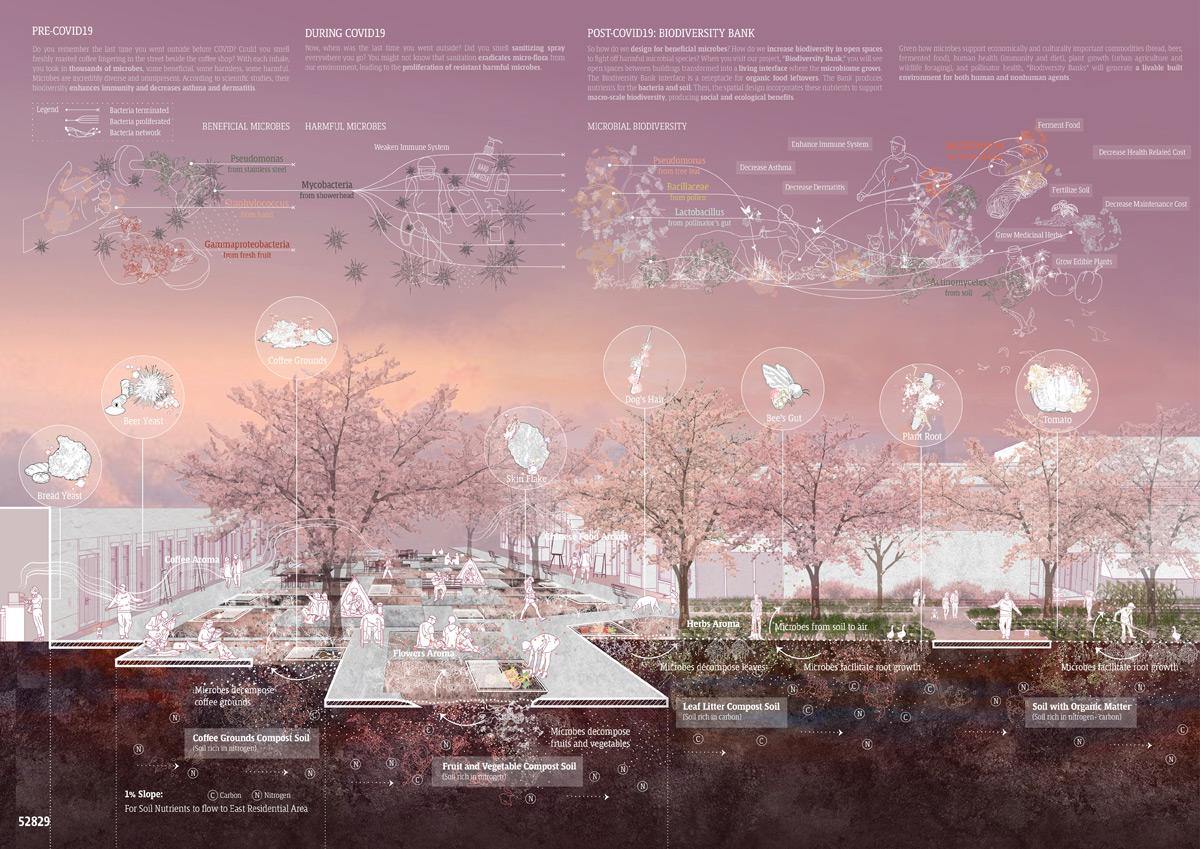





The Green Oasis: How Architecture and Garden Design Create Living Urban Spaces
The green oasis concept represents a transformative approach to urban development, where...
 Elif Ayse Sen5 Mins read
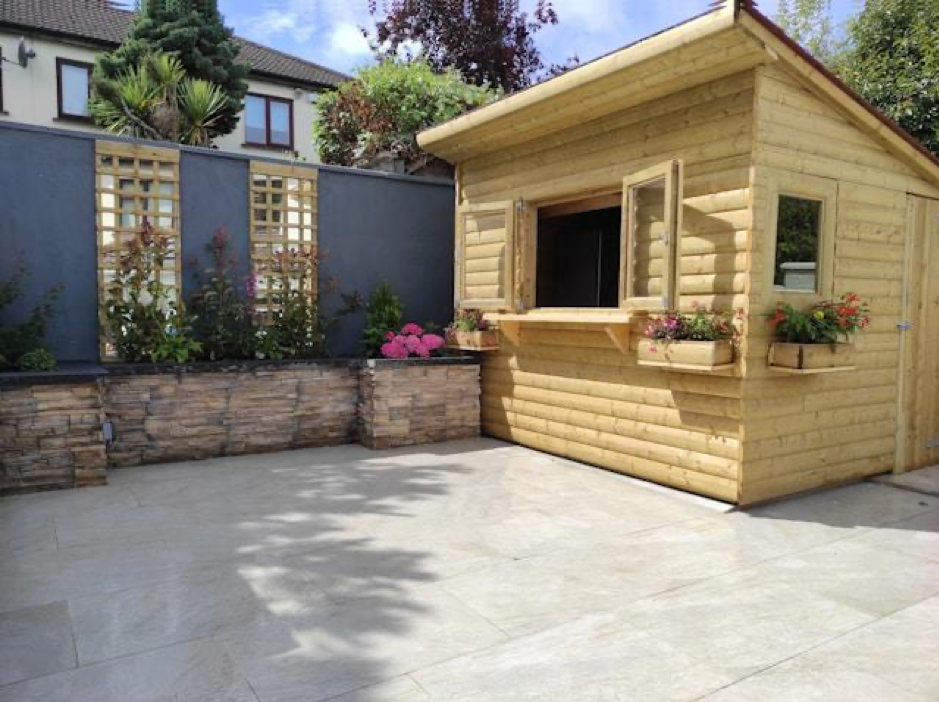
7 Innovative Ways to Upgrade Your Backyard Aesthetics
Looking for fresh ideas to upgrade your backyard aesthetics? This guide covers...
 Muhammad Abdullatef - Tifa Studio9 Mins read
Top Tips for a Healthy and Beautiful Backyard
Table of Contents Show Creating a Strong Foundation for Plant GrowthMaintaining Lawn...
 Begum Gumusel4 Mins read
Transform Your Garden with Artificial Turf Austin Solutions
Table of Contents Show Why Choose Artificial Turf Austin Services?Popular Choices for...
Furkan Sen5 Mins read


Leave a comment