

Henning Larsen Reveals Northern Lights Residential Tower Next to Daan Park in Taipei
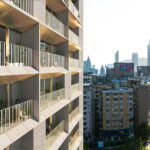
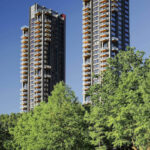
Henning Larsen has revealed the design for Northern Lights, a 14-story residential tower adjacent to Daan Park in Taipei. Developed with KHL Architects, Arup, and Flaviano Capriotti Architetti for Continental Development Corporation, the project includes 46 residences oriented south toward the park, with inclined soffits and full-length balconies that respond to Taipei's subtropical climate.
 Elif Ayse Sen8 May 202610 Mins read148
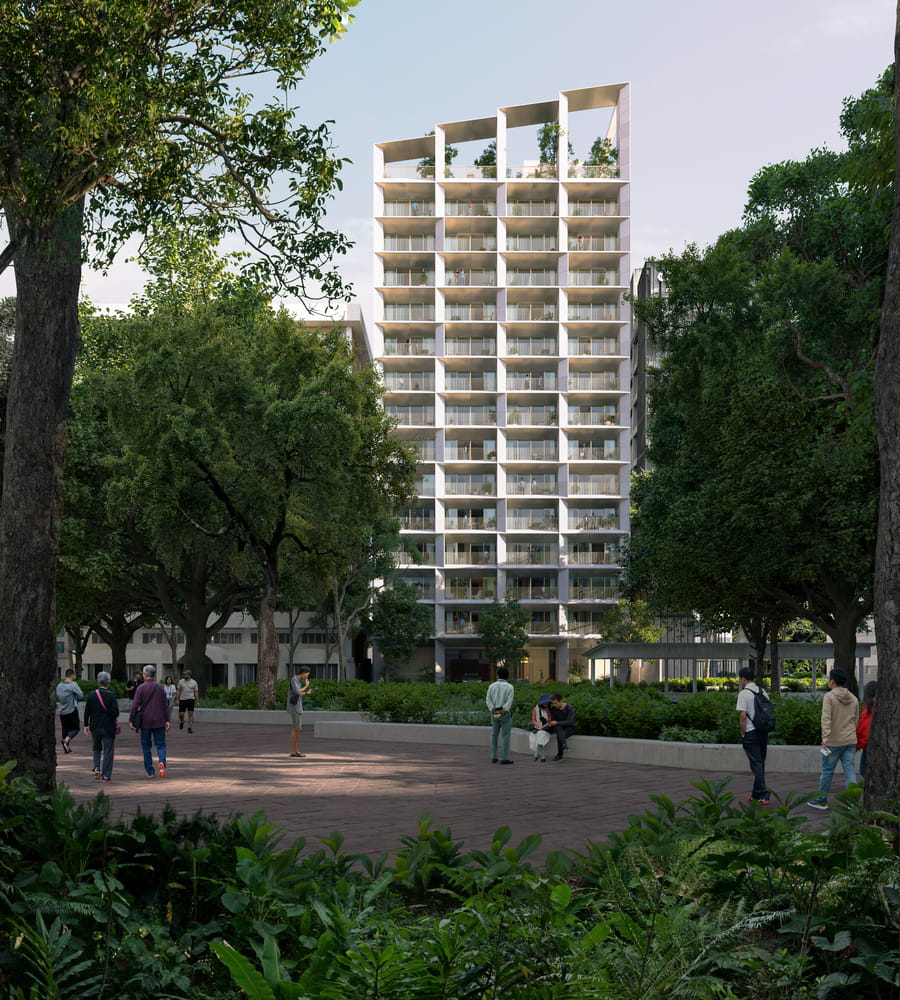
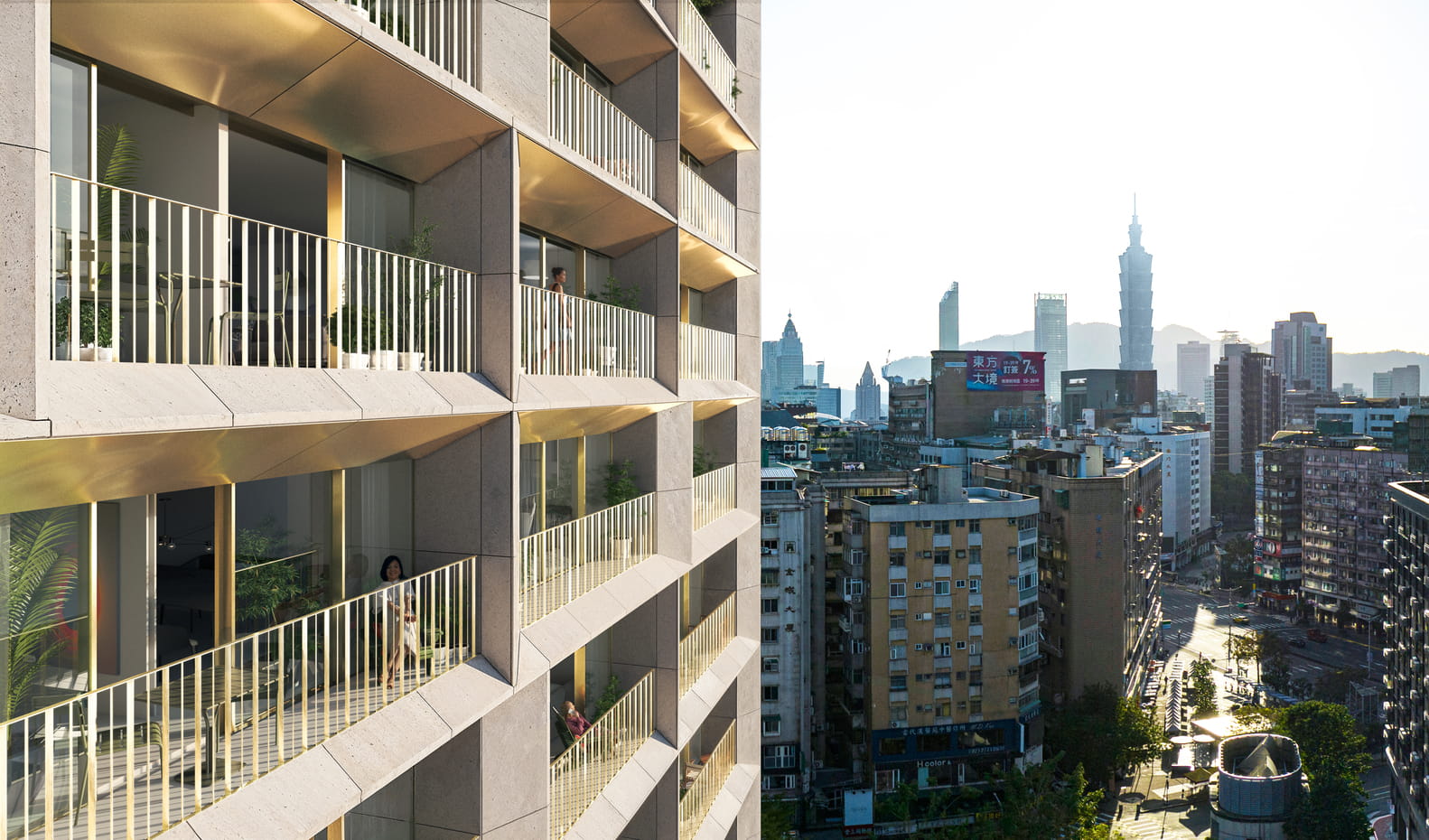
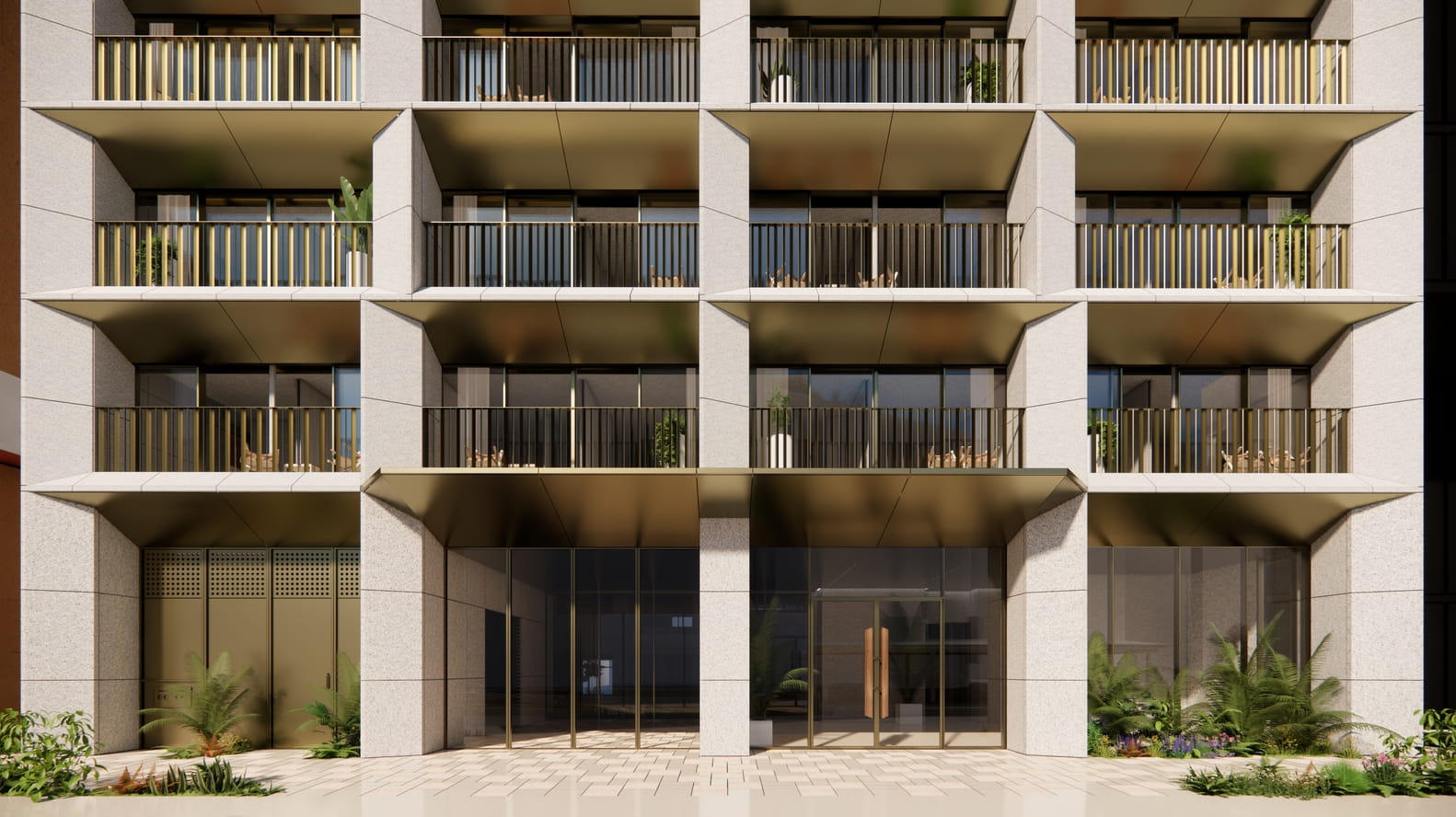
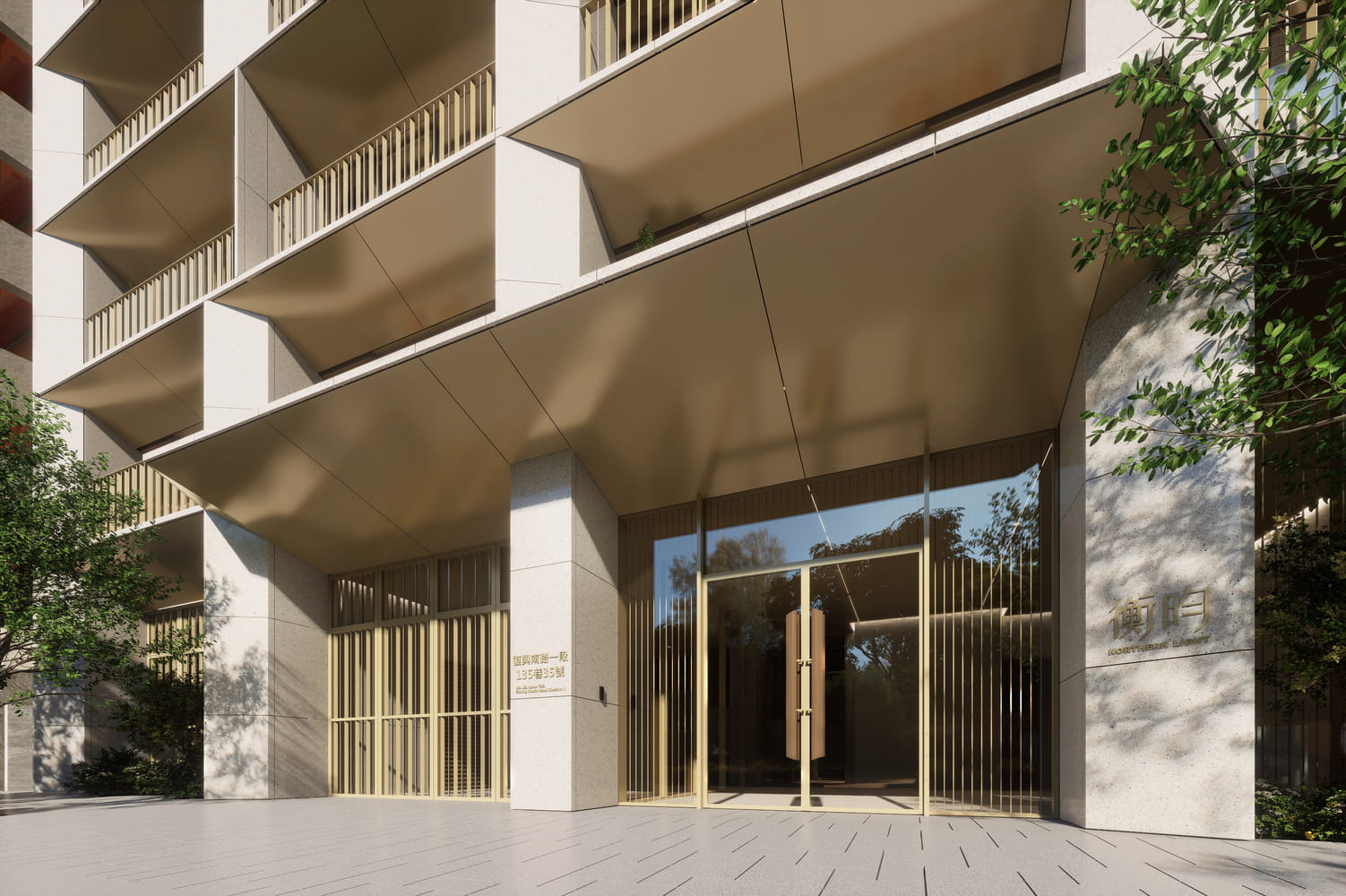
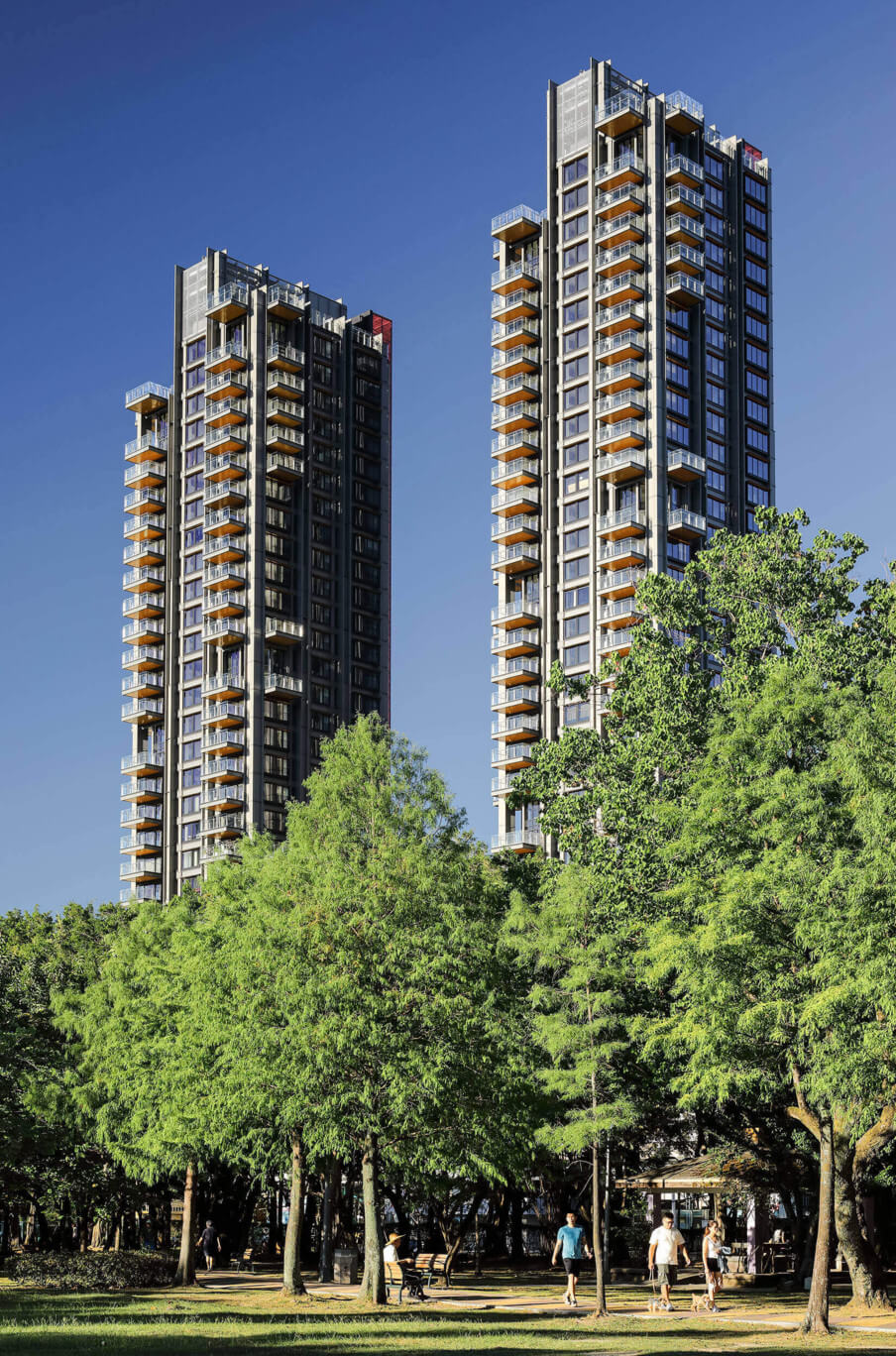
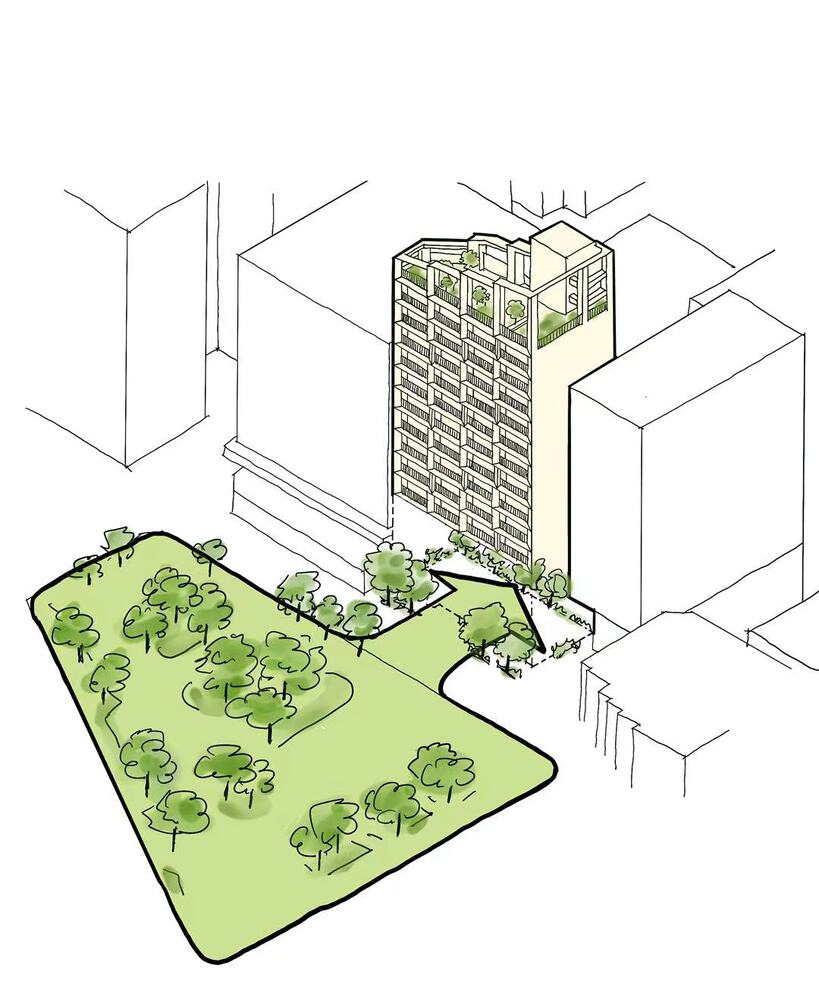
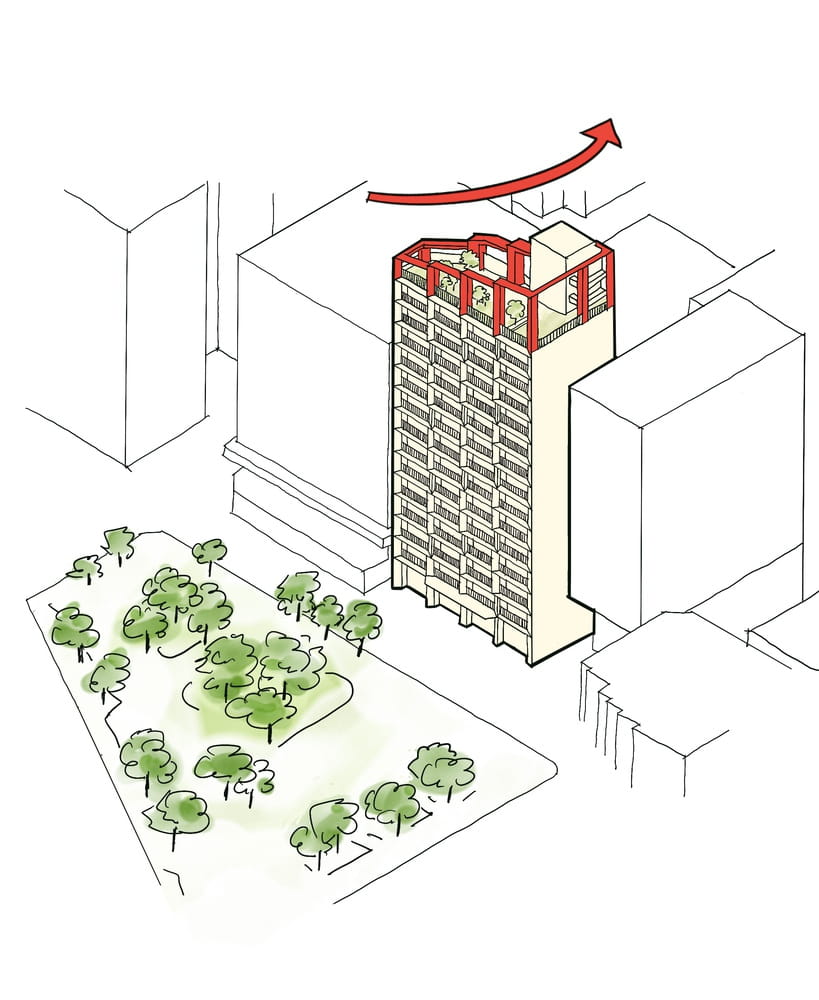
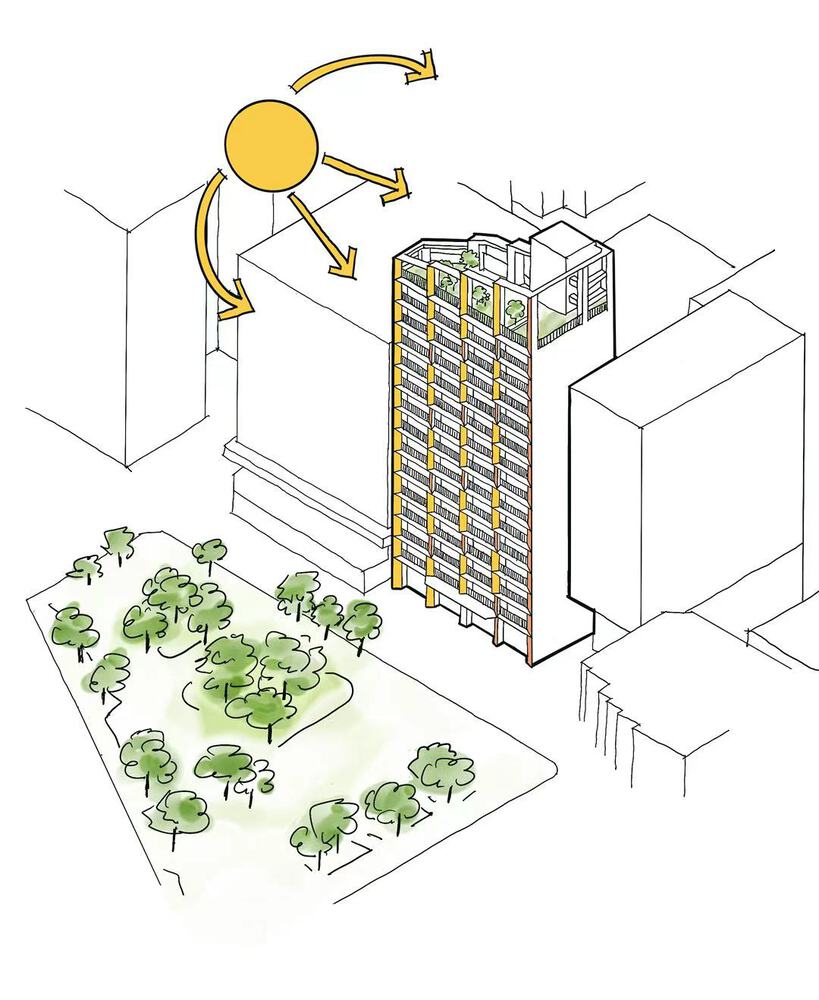
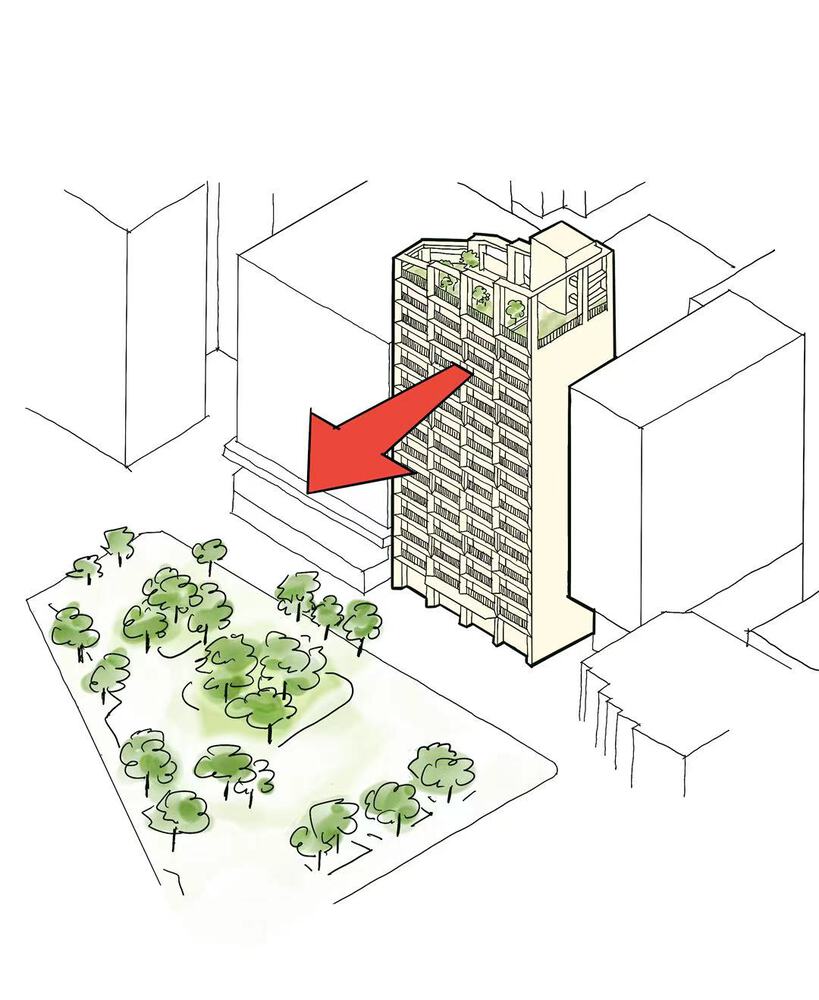
Table of Contents Show
Henning Larsen has designed Northern Lights, a 14-story residential tower adjacent to Daan Park in Taipei. Developed for Continental Development Corporation in collaboration with KHL Architects & Planners, Arup, and Flaviano Capriotti Architetti, the project includes 46 south-facing residences across 3,464 square meters and is scheduled for completion in 2029.
The Northern Lights Project: Henning Larsen’s Vision for Taipei
Henning Larsen, the Copenhagen-based architecture firm founded in 1959, has proposed the design for a residential building in one of Taipei’s most sought-after neighborhoods. The project sits directly beside Daan Park, a 26-hectare green space often described as the lungs of Taipei. The park’s proximity is not incidental. It is the primary contextual reference driving every major design decision in the tower, from orientation to material selection.
The building is named Northern Lights, a reference to the aurora-like quality that the design team sought to achieve through the interplay of light, material, and facade geometry. Pale natural stone cladding and champagne-toned metal elements at the soffits and balustrades shift in appearance throughout the day as sunlight changes angle and intensity. The result is a facade that never looks exactly the same twice.
Continental Development Corporation commissioned the project, with Henning Larsen serving as design architect. KHL Architects & Planners acts as local collaborator, Arup provides engineering expertise, and Italian firm Flaviano Capriotti Architetti contributes to interior design direction.
💡 Pro Tip
When designing residential towers adjacent to large urban parks, orient all primary living spaces toward the green space rather than distributing views evenly across all facades. This approach, used by Henning Larsen in the Northern Lights project, maximizes both natural light access and visual amenity value for every unit, which directly influences long-term property performance in premium markets like Taipei’s Daan District.
Why Daan Park in Taipei Shapes This Design
Daan District is home to some of the most expensive residential real estate in Asia. A 2020 study by the Taipei Department of Land Administration found that average apartment prices in the district reached approximately NT$38.21 million (around $1.2 million USD). Properties directly facing the park command even higher premiums, with some units historically selling for upward of NT$400 million.
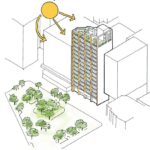
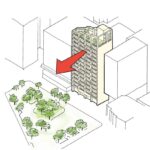
This context explains why Henning Larsen chose to orient all 46 residences southward toward the park. Every unit benefits from views of the tree canopy and consistent daylight access, a significant advantage in a dense urban setting where neighboring buildings can easily block light from other directions. The south-facing orientation also aligns with best practices for solar control in subtropical climates, where high-angle summer sun from the south is easier to shade with horizontal elements than low-angle east or west sun.
The park itself covers 26 hectares and includes walking paths, ponds, an amphitheater, and dense tree cover. It is served by the Daan Park metro station on the Xinyi line, making the site well-connected to the broader Taipei transit network. For a deeper look at how architects use natural light to shape residential spaces, the relationship between orientation and daylight quality is central to understanding why this project works the way it does.
📌 Did You Know?
Daan Forest Park was built on land formerly occupied by military officer housing. When it opened in 1994, it was intended to serve the same role for Taipei that Central Park serves for New York or Hyde Park for London. Today, residences directly overlooking the park are among the most valuable in all of Asia, with some units reaching $14 million USD.
How Does the Facade Respond to Taipei’s Subtropical Climate?
Taipei sits in a humid subtropical climate zone with hot summers, frequent typhoons, and intense midday sun. Architect Henning Larsen addressed these conditions through three integrated facade strategies: full-length balconies, inclined soffits, and material selection.
Full-length balconies extend across every unit and serve a dual purpose. They function as outdoor living extensions of the interior space, and they act as passive shading devices that reduce direct solar heat gain. The balcony depth is calibrated to block high-angle midday sun while still allowing lower-angle morning and evening light to reach interior spaces. This is a practical application of the same solar geometry principles that have been used in tropical architecture for decades, but here it is refined through computational analysis by Arup’s engineering team.
The inclined soffits are the more distinctive element. Rather than flat undersides beneath each balcony, these angled surfaces are designed to respond to the specific solar angles that Taipei experiences throughout the year. At midday, when the sun is nearly overhead during summer months, the soffits block direct light. During morning and evening hours, the lower sun angle passes beneath the soffit line and enters the living spaces, providing the warm, directional light that residents value most.
For material strategy, the design team selected pale natural stone as the primary cladding. Stone offers thermal mass that helps buffer temperature swings, and its light color reflects rather than absorbs solar radiation. The champagne-toned metal at soffits and balustrades adds visual warmth without the heat absorption issues that darker metals would create. These material choices reflect how climate shapes architectural decisions at every scale, from massing down to surface finish.
📐 Technical Note
In Taipei (latitude 25.0°N), the summer solstice sun altitude reaches approximately 88.5° at solar noon, nearly directly overhead. The winter solstice altitude drops to about 41.5°. Effective passive shading for south-facing facades in this latitude range requires horizontal overhangs or inclined soffits with projection ratios between 0.4 and 0.6 relative to window height to block summer sun while admitting winter light. Henning Larsen’s inclined soffit geometry appears calibrated to this range.
Interior Design and Spatial Organization
The interior layouts prioritize daylight depth and visual connection with the park. Openings are placed to frame specific views of the tree canopy, and floor plans are organized so that living areas receive the strongest light while service spaces are positioned toward the building’s north side.
Flaviano Capriotti Architetti, the Italian interior design firm on the project, brings experience from high-end hospitality and residential projects. Their involvement signals the project’s positioning in the luxury segment of Taipei’s market, consistent with the price expectations for park-adjacent residences in Daan District.
The 46 units are distributed across 14 stories with a gross floor area of 3,464 square meters. This works out to an average of roughly 75 square meters per unit, though actual unit sizes will vary. For a luxury tower with only 46 residences, the relatively modest total floor area suggests a focus on quality over quantity, with generous floor-to-ceiling heights and thick party walls that reduce noise transmission between units.
Residential projects adjacent to major urban parks often face a tension between maximizing unit count for revenue and preserving the spatial quality that justifies premium pricing. In this case, Henning Larsen architecture appears to have leaned toward fewer, larger units that take full advantage of the park frontage. This is consistent with the approach taken by Rogers Stirk Harbour + Partners at One Park Taipei, another luxury residential project near the same park that houses only two apartments per floor in its upper levels.
🎓 Expert Insight
“Architecture should speak of its time and place, but yearn for timelessness.”, Frank Gehry
This principle is visible in the Northern Lights project. Henning Larsen’s design responds directly to Taipei’s climate and urban context through inclined soffits and south-facing orientation, strategies rooted in this specific place, while the restrained material palette and clean proportions give the building a quality that will age well beyond current trends.
Ground Level Landscape and Rooftop Amenities
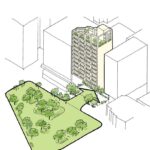
At street level, landscaped gardens extend the green character of Daan Park in Taipei into the building site. This creates a transition zone between the public park and the private residences, blurring the boundary between the two and reinforcing the project’s relationship with its surroundings. The landscape design draws on the existing plant palette of the park, creating continuity rather than contrast.
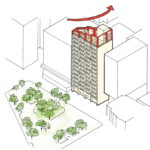
The rooftop is planned as a shared outdoor space with planting, open-air seating, and views across the Taipei skyline. In a city where outdoor private space is rare, rooftop amenities serve both a practical and psychological function. They give residents access to light, air, and sky without leaving the building, a feature that has become increasingly valued in high-density urban markets since 2020.
This approach to landscape integration at both ground and roof levels reflects a broader shift in how sustainable solutions in contemporary architecture treat the building envelope not as a barrier but as a series of interconnected outdoor spaces.
Henning Larsen Architects: A Legacy of Daylight-Driven Design
The firm was founded by Danish architect Henning Larsen in 1959. Larsen, who passed away in 2013, studied at the Royal Danish Academy of Fine Arts, the Architectural Association in London, and MIT. His mentors included Arne Jacobsen and Jorn Utzon, two figures whose work shaped Scandinavian modernism. Throughout his career, Larsen earned the nickname “Master of Light” for his consistent focus on how daylight enters and moves through buildings.
The firm’s most recognized project is the Harpa Concert Hall and Conference Centre in Reykjavik, Iceland. Completed in 2011, it won the Mies van der Rohe Award in 2013 and was selected as one of the ten best concert halls in the world by Gramophone magazine. Other major works include the Copenhagen Opera House (2004), the Ministry of Foreign Affairs in Riyadh (1984, winner of the Aga Khan Award for Architecture in 1989), and the World of Volvo in Gothenburg, Sweden.
Henning Larsen buildings typically share certain characteristics: careful attention to orientation and solar geometry, restrained material palettes that age gracefully, and an emphasis on how light changes through the day and across seasons. The Northern Lights project in Taipei continues this lineage. The firm is now part of the Ramboll Group and operates offices in Copenhagen, Munich, Oslo, New York, Hong Kong, and the Faroe Islands, with approximately 750 employees.
Recent Henning Larsen projects covered on illustrarch include the Bidadari Park in Singapore, a 13-hectare green sanctuary designed with CPG Consultants, the Hojvangen Church in Skanderborg, Denmark’s first new church in over five centuries, and their masterplanning work on King Salman Park in Riyadh, one of the largest urban park developments currently under construction.
💡 Pro Tip
If you are studying Henning Larsen’s portfolio to understand their design methodology, pay close attention to how each project treats the relationship between orientation and facade articulation. From the Harpa Concert Hall’s crystalline south wall to the Northern Lights tower’s inclined soffits, the firm consistently uses facade geometry as a calibrated tool for controlling daylight rather than relying on mechanical systems or applied shading devices.
How Northern Lights Compares to Other Residential Projects Near Daan Park
Northern Lights is not the first high-profile residential development adjacent to Daan Park. One Park Taipei, designed by Rogers Stirk Harbour + Partners and completed in 2018, consists of twin towers reaching 35 and 31 stories with apartment sizes ranging from 300 to 600 square meters. That project set a benchmark for luxury residential design in the district, with its exposed structural framework and extensive glass facades offering panoramic park views.
The comparison is instructive. Where One Park Taipei is tall, transparent, and structurally expressive, Northern Lights is lower, more materially solid, and focused on climate performance. Henning Larsen’s 14-story building with 46 units takes a fundamentally different approach than Rogers Stirk Harbour’s 35-story towers with just one or two apartments per floor. Both strategies respond to the same market conditions, but they reflect different priorities: maximum height and view exposure versus controlled scale and environmental calibration.
Key Differences Between Northern Lights and One Park Taipei
The following table summarizes how the two projects compare across several important dimensions:
| Feature | Northern Lights (Henning Larsen) | One Park Taipei (RSHP) |
|---|---|---|
| Architect | Henning Larsen with KHL, Arup, Flaviano Capriotti | Rogers Stirk Harbour + Partners |
| Height | 14 stories | 35 and 31 stories |
| Total Units | 46 residences | Approx. 55 units (1-2 per floor) |
| Gross Floor Area | 3,464 sq m | 37,480 sq m |
| Primary Facade Material | Pale natural stone with champagne metal | Glass with exposed steel structure |
| Climate Strategy | Inclined soffits, passive balcony shading | Glass performance, natural ventilation |
| Completion | 2029 (projected) | 2018 (completed) |
Both projects confirm that Daan Park continues to attract world-class architectural talent. The district’s combination of transit access, green space, and premium land values creates conditions where developers can invest in design quality, knowing that the market will reward it. For more on how residential architecture responds to context, the 262 Fifth Avenue project in Manhattan offers another case study in how super-slender towers balance density with spatial quality.
What Makes This Project Significant for Taipei’s Architecture Scene?
Taipei has emerged as a testing ground for international architecture firms working on residential projects. OMA’s Metropolitan Village, a 23-story tower in the Xinyi District, is progressing toward its 2027 completion. MVRDV’s Out of the Box, a 12,025-square-meter residential tower in Tianmu, is under construction. Zaha Hadid Architects’ Danjiang Bridge recently installed its final steel segment ahead of its May 2026 opening. Each of these projects brings a different design philosophy to the city, and together they signal a shift toward architecturally ambitious residential development.
Henning Larsen’s Northern Lights fits into this trend but stands apart in its methodology. Rather than pursuing formal novelty or structural spectacle, the project is grounded in environmental performance. The inclined soffits, the south-facing orientation, the stone-and-metal material palette: these are all calibrated responses to measurable climatic conditions, not aesthetic gestures. This reflects the firm’s Scandinavian roots, where buildings have historically been judged by how well they perform in their environment rather than how they photograph.
The project also raises questions about scale. At 14 stories and 3,464 square meters, Northern Lights is modest by the standards of East Asian luxury residential development. This restraint may prove to be a strength. In a neighborhood where towers regularly exceed 30 stories, a building that sits closer to the park canopy height offers a different kind of luxury: proximity to nature rather than elevation above it. Understanding the role of daylight in architecture helps explain why this kind of controlled scale matters for livability.
🏗️ Real-World Example
Harpa Concert Hall (Reykjavik, 2011): Henning Larsen’s most celebrated project demonstrates the same design DNA visible in the Northern Lights tower. The concert hall’s south facade uses a crystalline glass structure designed by Olafur Eliasson that fragments and redirects daylight throughout the interior. This approach of treating the facade as a calibrated light filter, rather than a simple enclosure, connects directly to the inclined soffits and angular balconies of the Taipei project.
Final Thoughts on Henning Larsen’s Northern Lights in Taipei
The Northern Lights residential tower represents a measured, climate-driven approach to luxury housing in one of Asia’s most competitive real estate markets. Henning Larsen has applied the same daylight-centered design philosophy that defines their best institutional work to a residential context, producing a building whose facade geometry is as much an environmental tool as an aesthetic one.
With completion targeted for 2029, the project will join a growing roster of internationally designed residential buildings in Taipei that challenge the default approach of maximizing floor area and height. Whether Northern Lights achieves the commercial success of its taller neighbors will depend on whether Taipei’s luxury buyers value the specific kind of quality that Henning Larsen offers: controlled scale, calibrated daylight, and a material palette that ages with dignity.
For architects and designers interested in how Scandinavian design principles translate to subtropical climates, this project is worth watching. The tension between Northern European restraint and East Asian density is where the most interesting design conversations happen, and Henning Larsen’s Taipei tower sits right at that intersection.
✅ Key Takeaways
- Henning Larsen’s Northern Lights is a 14-story, 46-unit residential tower adjacent to Daan Park in Taipei, designed in collaboration with KHL Architects, Arup, and Flaviano Capriotti Architetti for Continental Development Corporation.
- All residences face south toward the park, maximizing daylight access and views while allowing the facade to control solar heat gain through inclined soffits and full-length balconies.
- The facade uses pale natural stone and champagne-toned metal, materials chosen for their thermal properties and ability to shift in appearance throughout the day as light conditions change.
- The project continues Henning Larsen’s six-decade legacy of daylight-driven design, applying Scandinavian principles of environmental calibration to a subtropical Asian context.
- Northern Lights joins a growing list of internationally designed residential projects in Taipei, including work by OMA, MVRDV, and Zaha Hadid Architects, signaling the city’s emergence as a destination for architecturally ambitious housing.



How HKS Made Astra Tower, Utah’s Tallest Building, Feel Local
Astra Tower, Utah's tallest building since it opened in May 2025, takes...
 illustrarch Editoral Team4 Mins read

Manipal University Team Turns Treated Sewage Into Stronger Biochar Concrete
Manipal University Jaipur researchers find biochar from treated sewage can strengthen concrete,...
illustrarch Editoral Team3 Mins read

Ahmedabad Civic Body Plans 3D Digital Twin of Entire City
AMC plans a 625 sq km GIS survey giving 25 lakh properties...
illustrarch Editoral Team2 Mins read
SAGA Space Architects Completes 36 3D Printed Student Homes in Denmark
SAGA Space Architects completes a 36-unit 3D printed student housing scheme in...
illustrarch Editoral Team1 Mins read


Leave a comment