

Kent Monkman’s First Public Sculpture Is a Bronze Condominium for Beavers on Toronto’s Waterfront
Cree artist Kent Monkman's The Colony, a permanent bronze and steel work on Toronto's new Lassonde Art Trail, fills a condominium-like frame with giant beavers.
 illustrarch Editoral Team17 October 20262 Mins read2
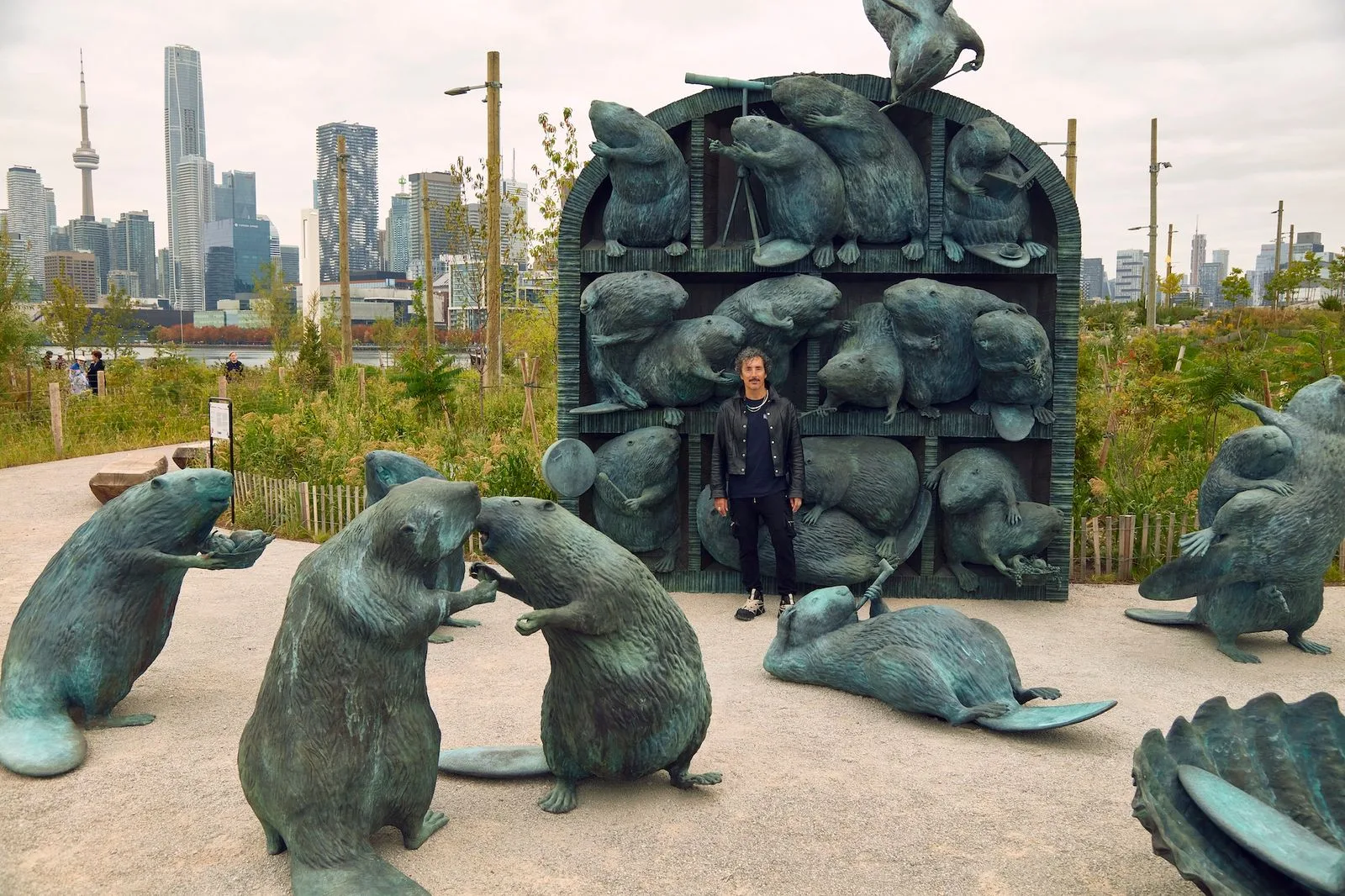
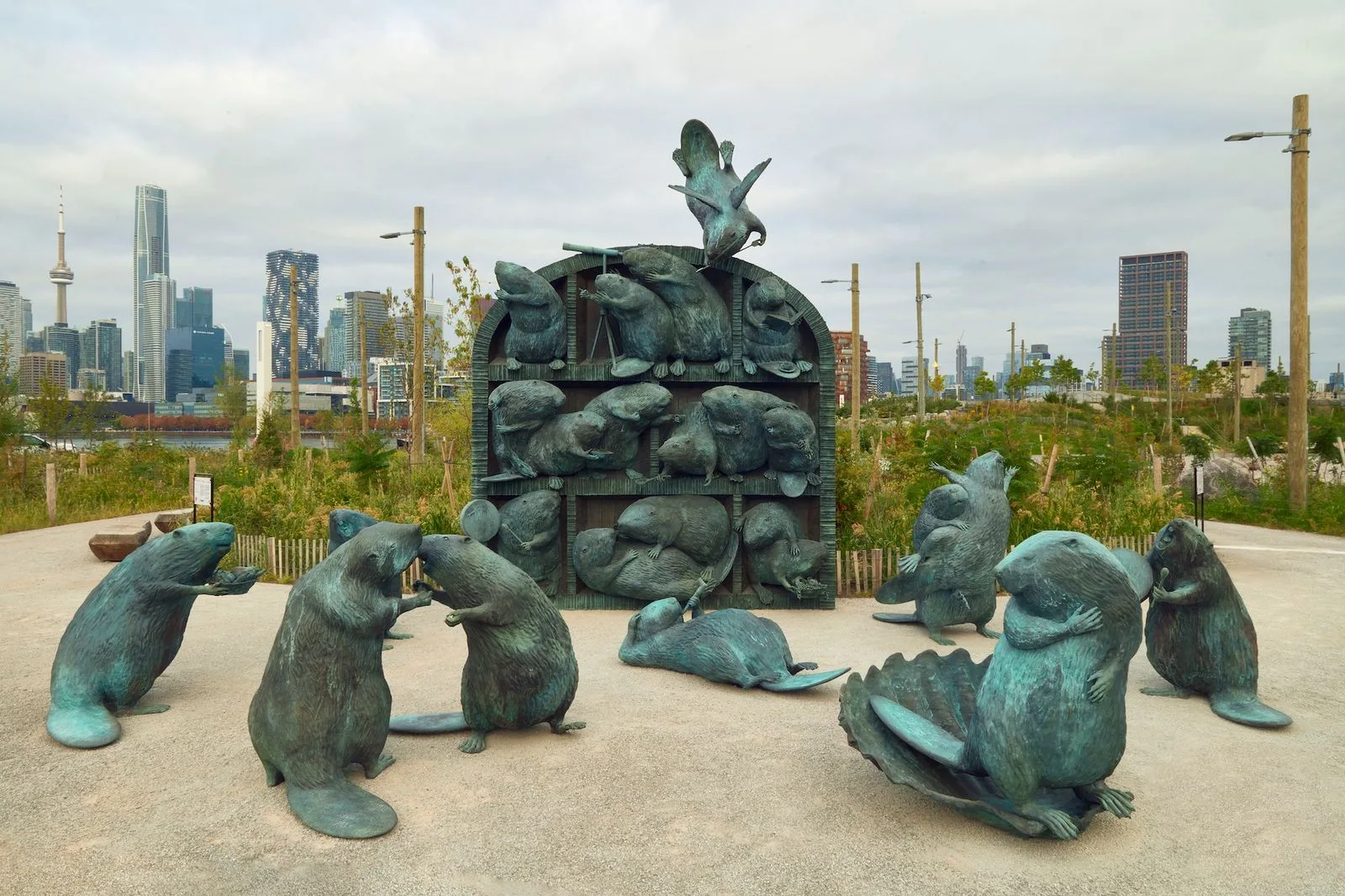
Giant beavers are back in Toronto, this time in bronze. The Colony, the first public sculpture by Cree artist Kent Monkman, has been installed as a permanent work on the new Lassonde Art Trail in the city’s revitalised Port Lands. Made of bronze and steel, the piece takes the form of a condominium full of oversized beavers, each busy with an activity of its own, The Art Newspaper reports.
The animals nod to the bear-sized beavers that lived in North America thousands of years ago and died out at the end of the last Ice Age as the climate changed.
A sculpture for a remade waterfront
The trail is part of a C$1.4bn regeneration of the Port Lands that created a new island in Biidaasige Park and rerouted the mouth of the Don River. Philanthropist Pierre Lassonde donated C$25m to bring art to the area, funding a sculpture route of about two and a half miles. Most of its first 17 works are temporary; Monkman and Portuguese sculptor Joana Vasconcelos were the two artists commissioned for permanent pieces.
Known for figurative paintings that question Western art history and colonial narratives, Monkman had long avoided public art. He told the newspaper that he was unsure how his drawn vision would translate into another medium, and that outdoor work is more exposed because audiences do not choose to cross a museum threshold to see it. The Lassonde team gave him the confidence to take the commission on.
The choice of beavers followed the logic of the site. The regeneration set out to clean up the park and return the Don River to a more natural course, which Monkman points out is exactly what beavers do: they redirect water and create habitats for themselves and other species.
From an 18th-century engraving to a condo
Produced with local foundry MST Bronze, the arched structure stands roughly 12ft tall and echoes the residential towers rising behind it. The beavers inside and around it are each four feet tall. Monkman based the composition on an 18th-century engraving by Veremondo Rossi showing beavers sheltering in an apartment-like structure as Indigenous hunters pursue them, an image he has used before.
He links the animal to the fur trade, in which beaver pelts served as currency and French and British colonists competed, with Indigenous people also taking part, until beaver populations collapsed. For Monkman, the beavers stand in for the story of why Canada became a British rather than French colony, and for the way people have shaped nature.

Each figure has an exaggerated, playful expression: one dances, another reads, another plays the drums, and one looks through a telescope in a reference to Indigenous star stories. Monkman says humour is central to his practice because the continent’s history includes dark chapters, and laughter can open people up to difficult conversations.




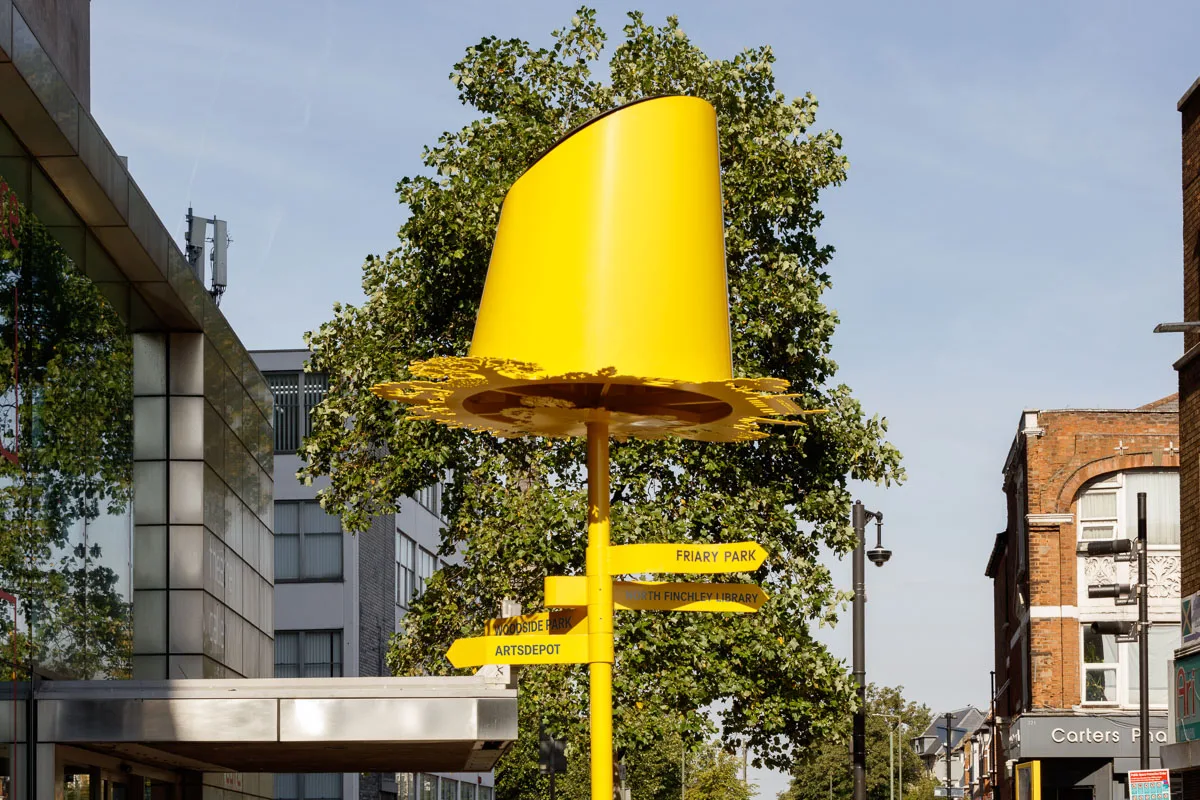
andre kong studio and Wayward Turn Old Lampposts into Solar-Powered Waylamps in Barnet
Four Waylamps by andre kong studio and Wayward reuse old lampposts as...
illustrarch Editoral Team1 Mins read
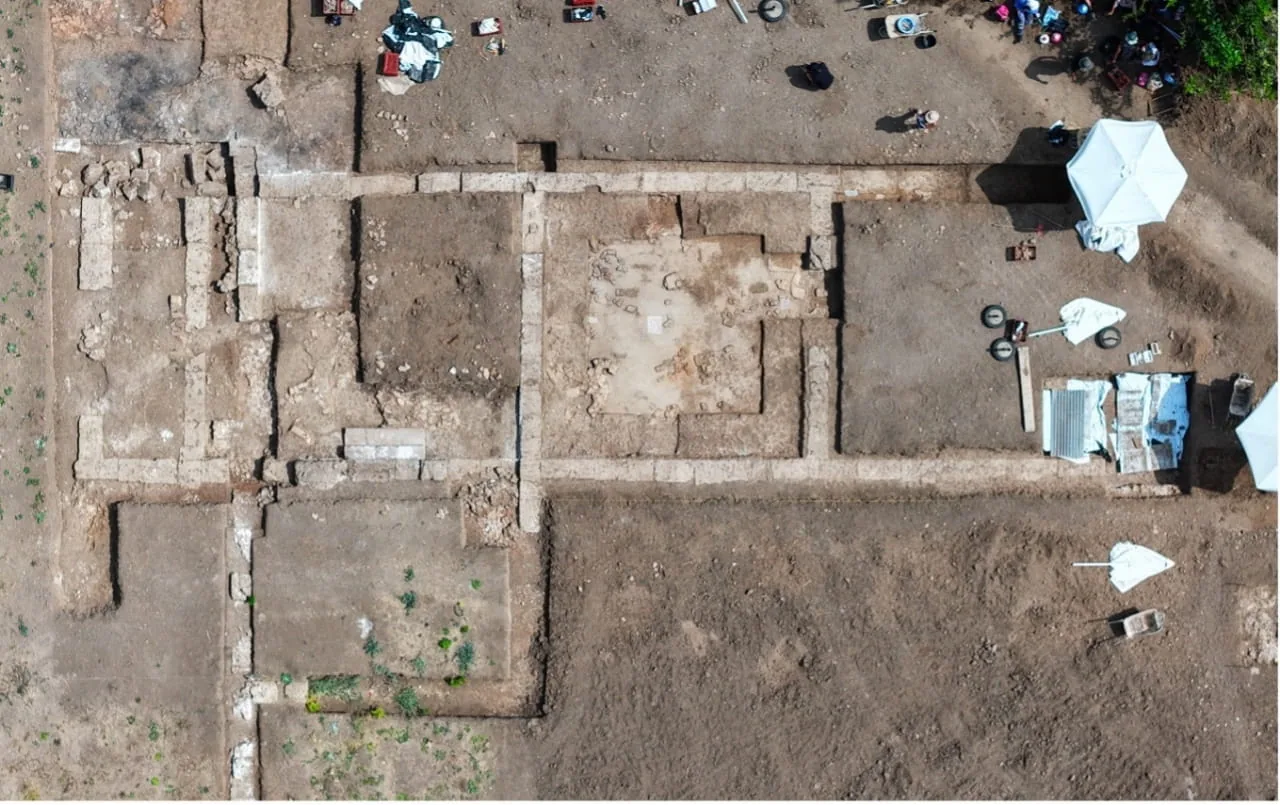
New Digging Season at the Mieza Gymnasium Uncovers Alexander’s School Complex
New digs at Mieza uncover teaching halls and mosaic banquet rooms at...
illustrarch Editoral Team2 Mins read
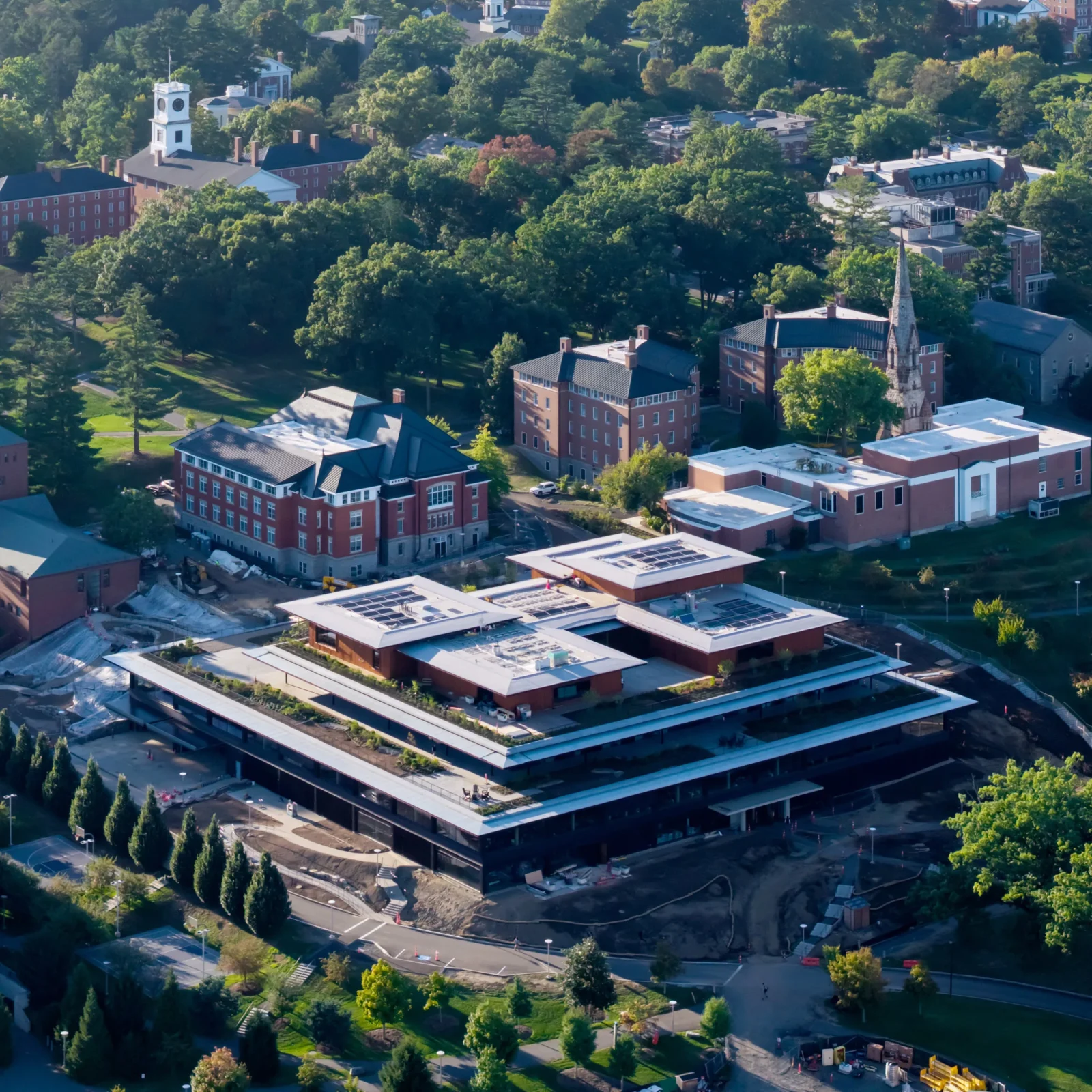
Herzog & de Meuron Builds Amherst College Student Center Atop Old Foundations
Herzog & de Meuron built a mass-timber student center at Amherst College...
illustrarch Editoral Team2 Mins read

Brussels’s €230m Kanal Museum Nears Opening as Questions Grow over Its Future Funding
Housed in a converted Citroën garage, Brussels's Kanal museum opens on 28...
illustrarch Editoral Team1 Mins read


Leave a comment