

RIBA Asia Pacific Awards: Innovative Architecture Shaping the Region
The inaugural RIBA Asia Pacific Awards highlight outstanding architectural projects across China, India, Singapore, and Bangladesh. From adaptive reuse and social architecture to sustainability-driven campuses and future cultural landmarks, the selected works demonstrate how architecture can respond meaningfully to regional challenges while shaping global discourse.
 Elif Ayse Sen7 January 20264 Mins read265
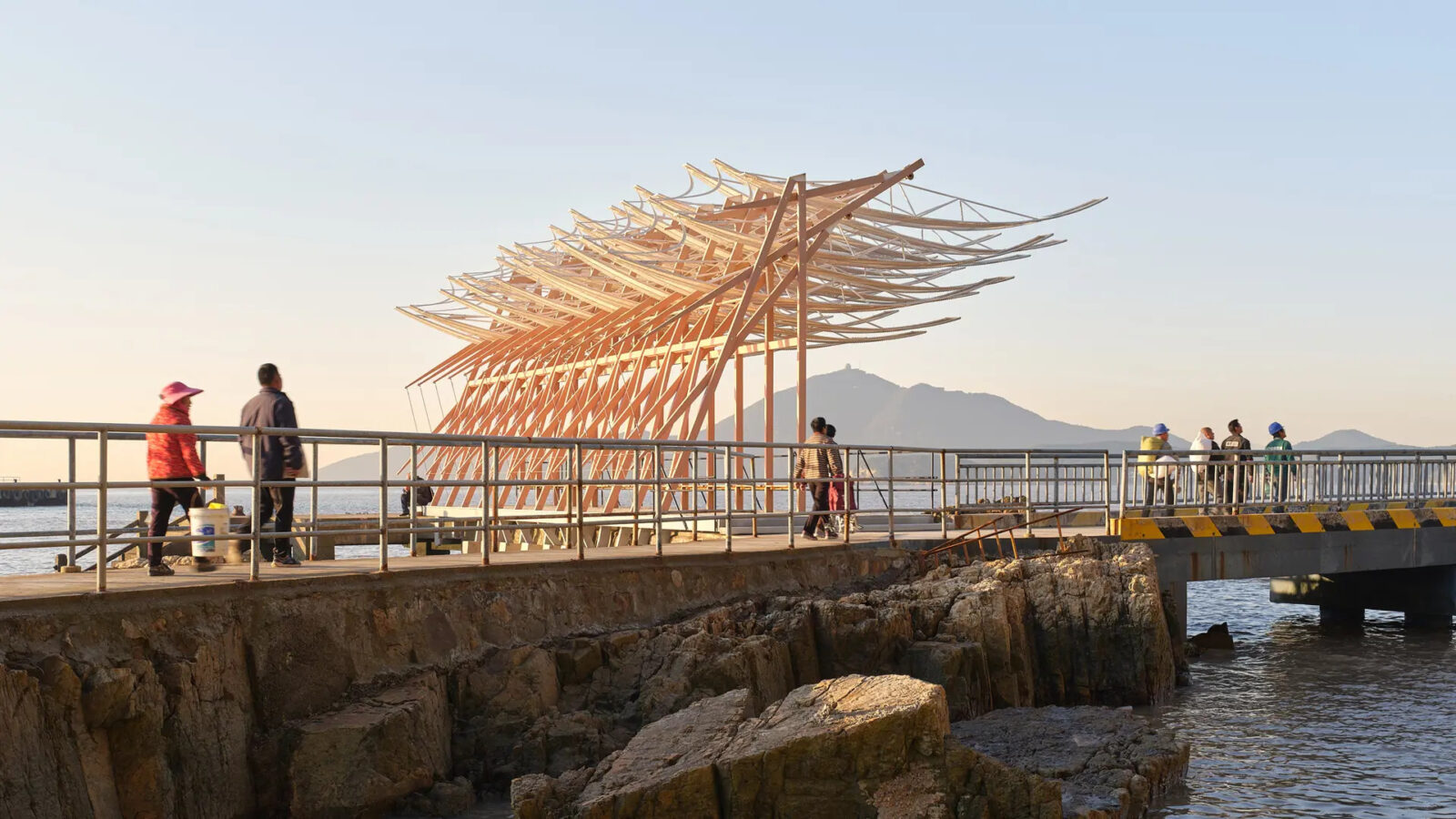


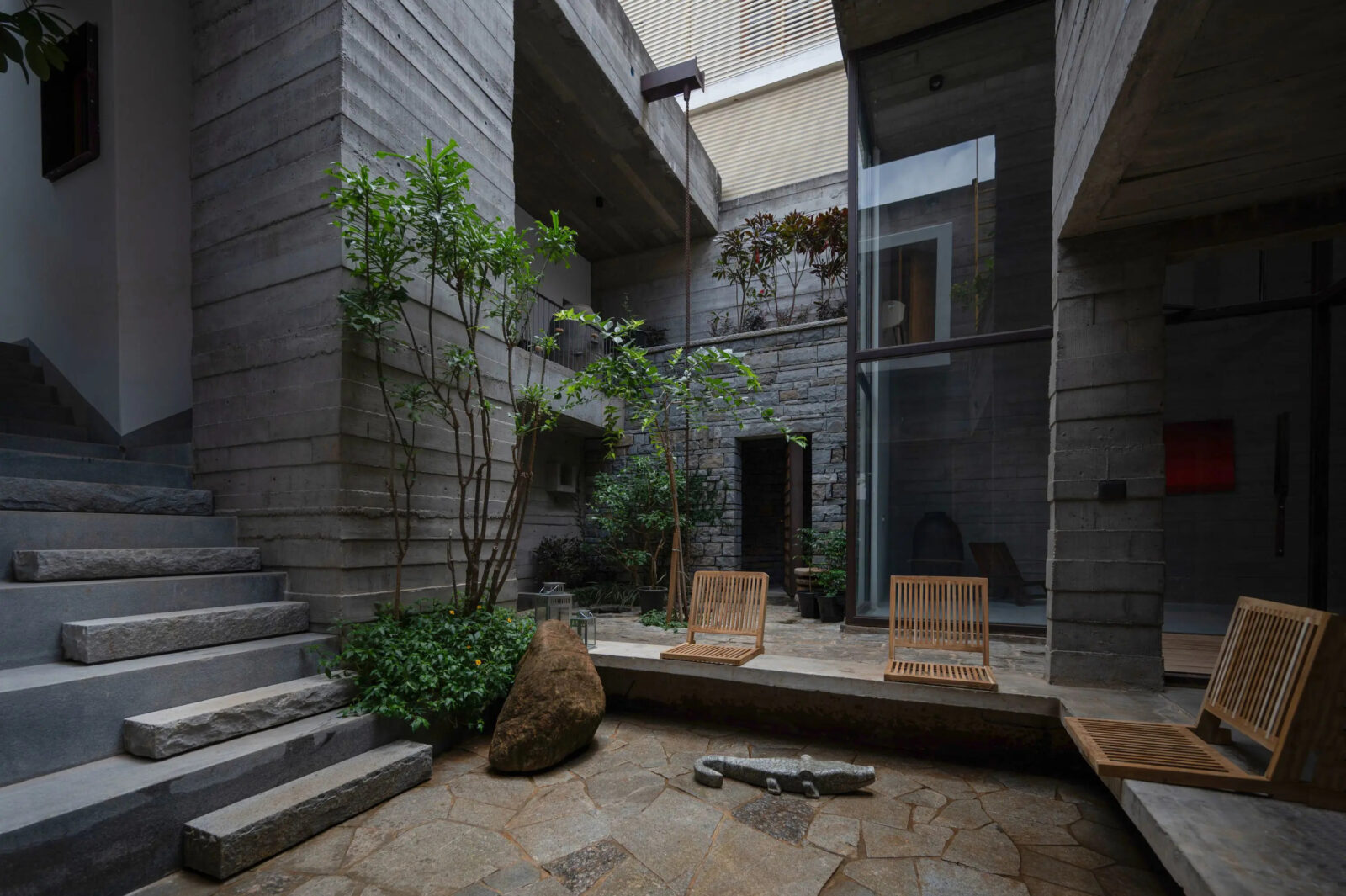
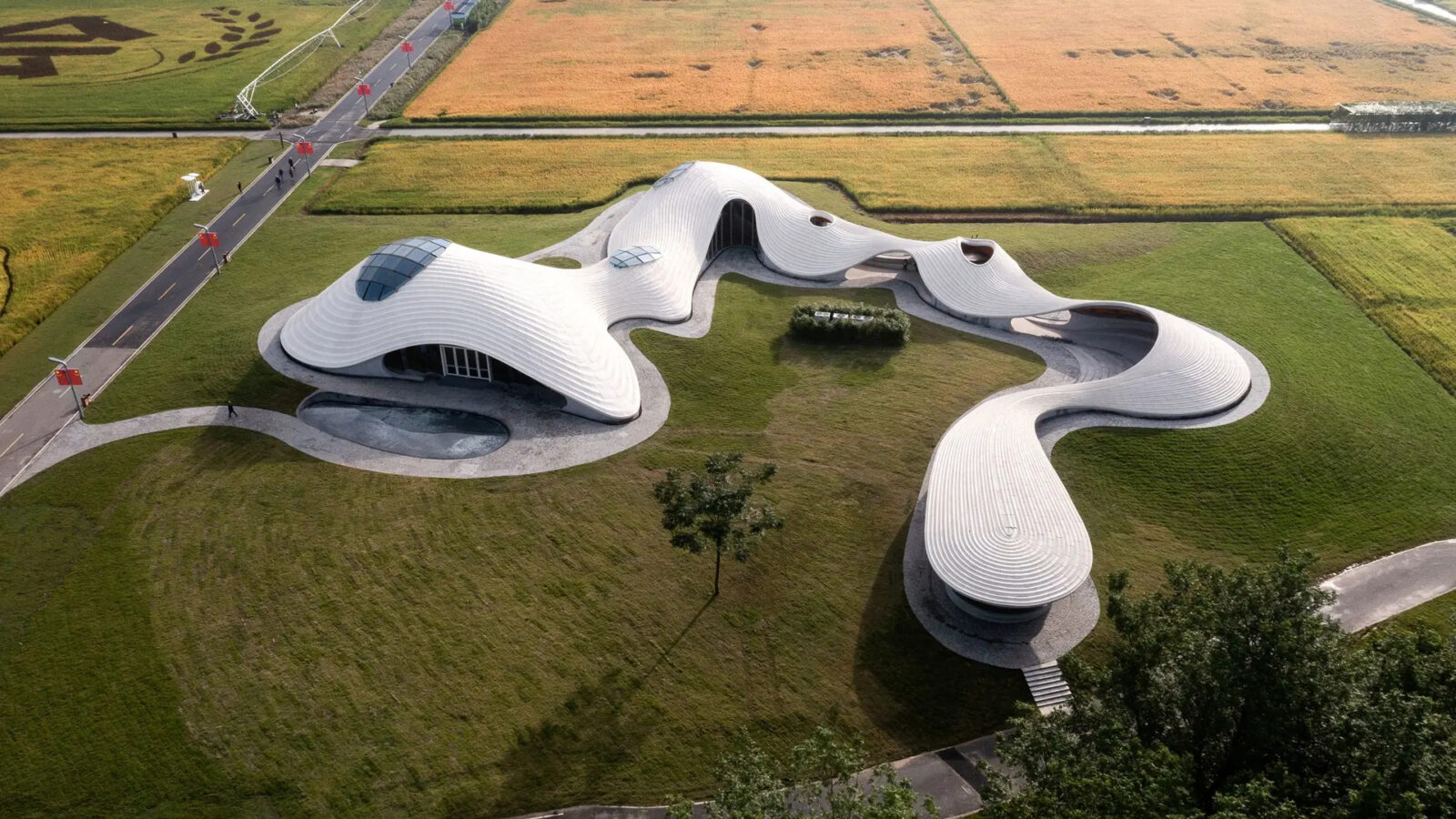
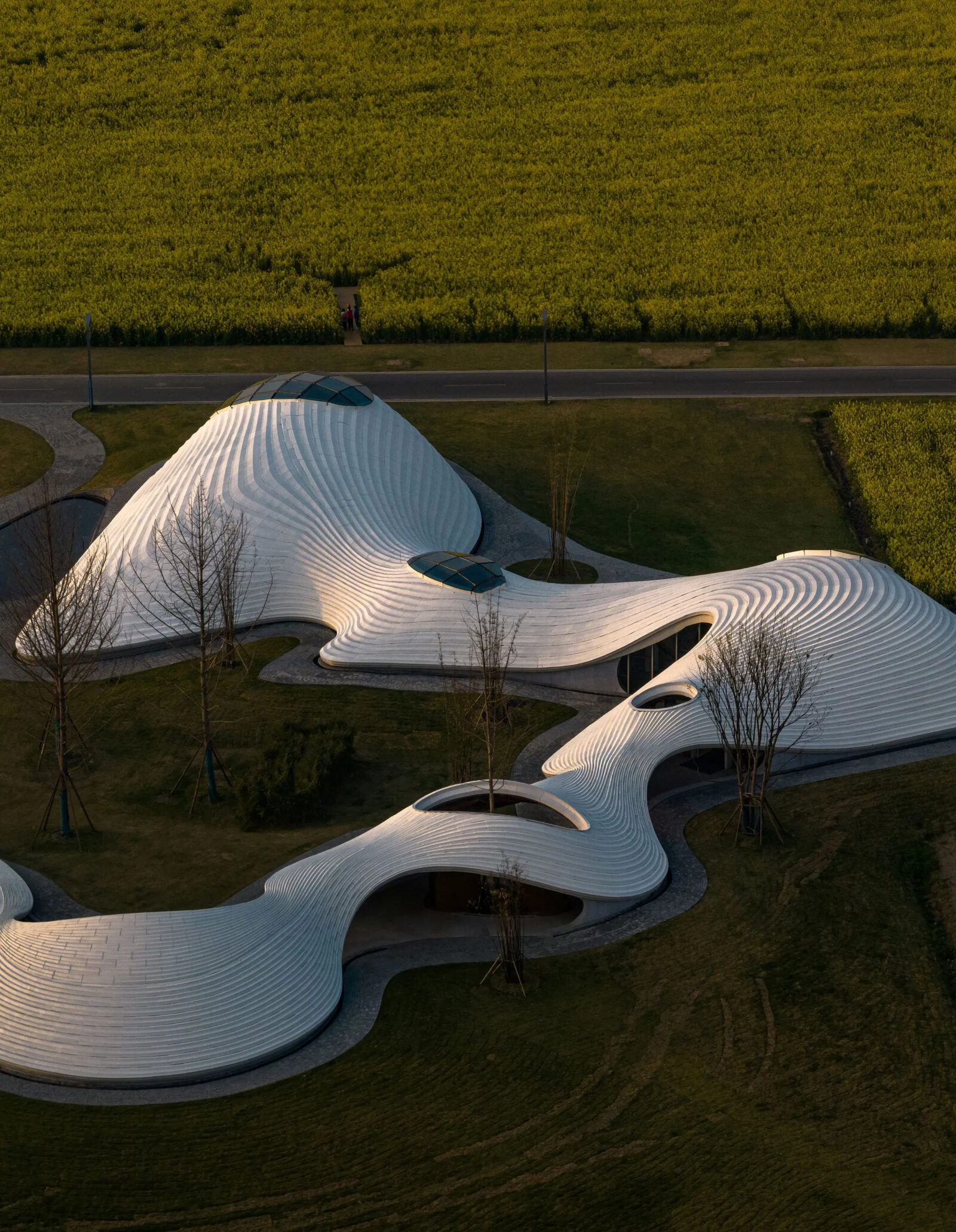
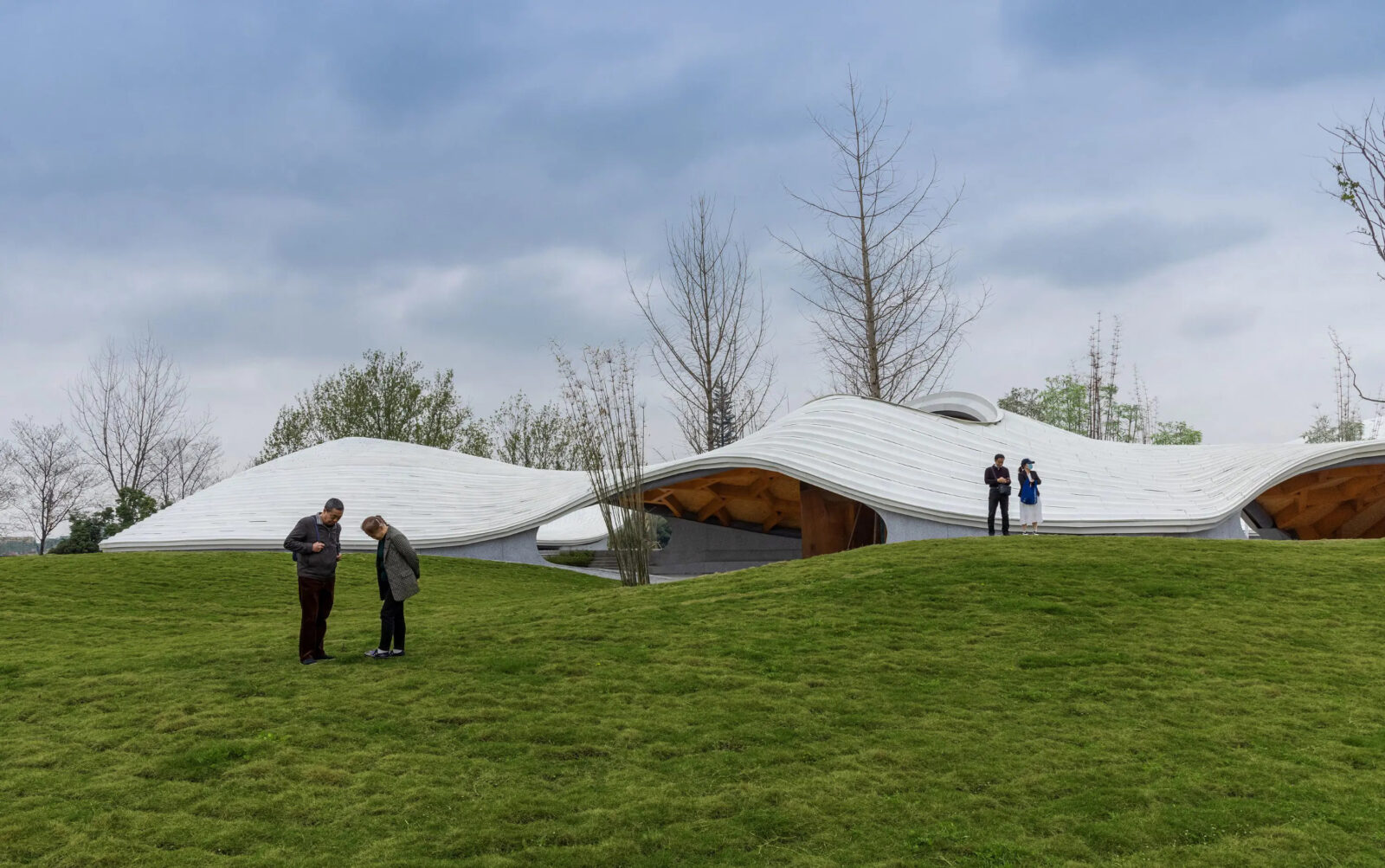
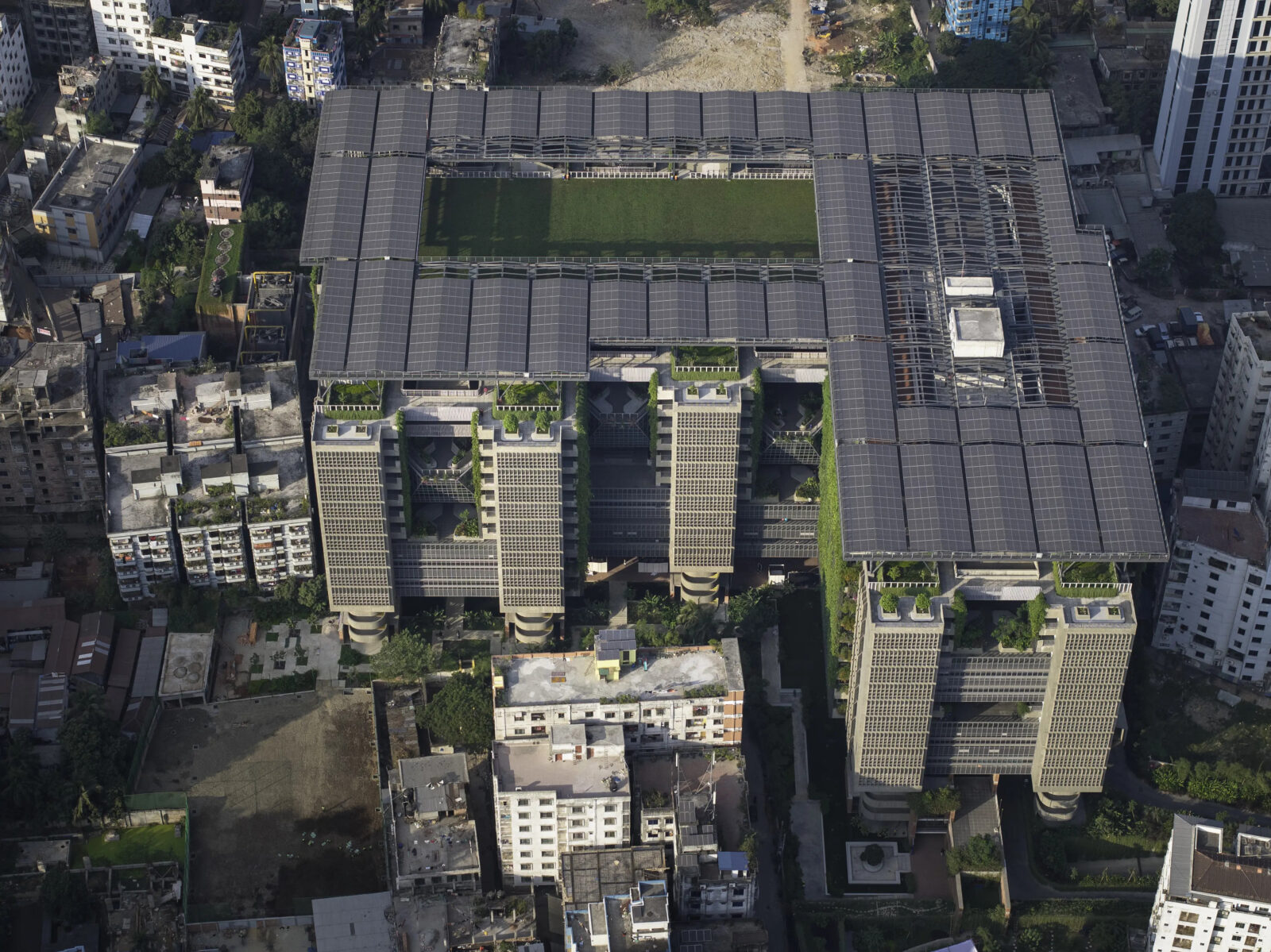
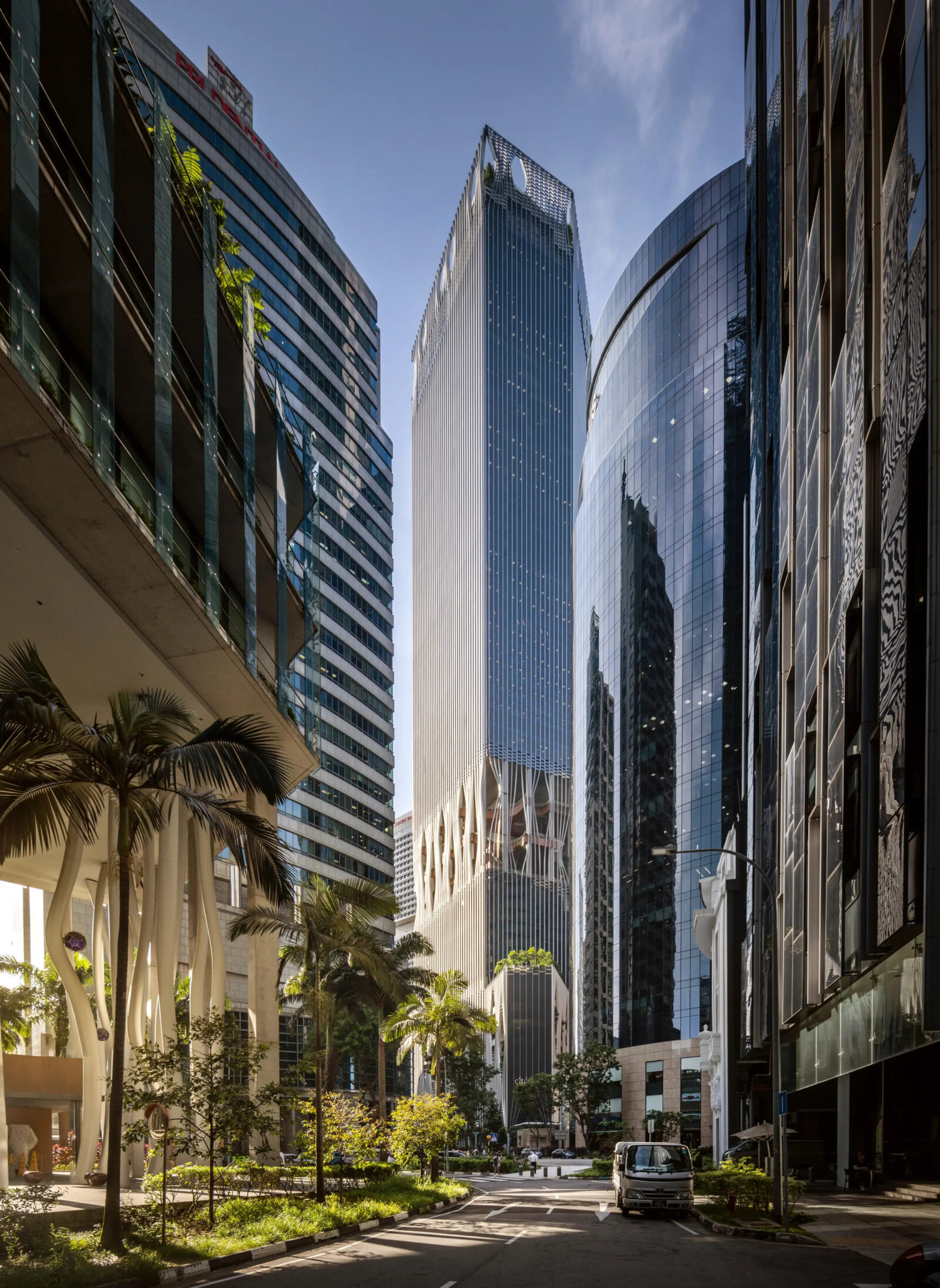

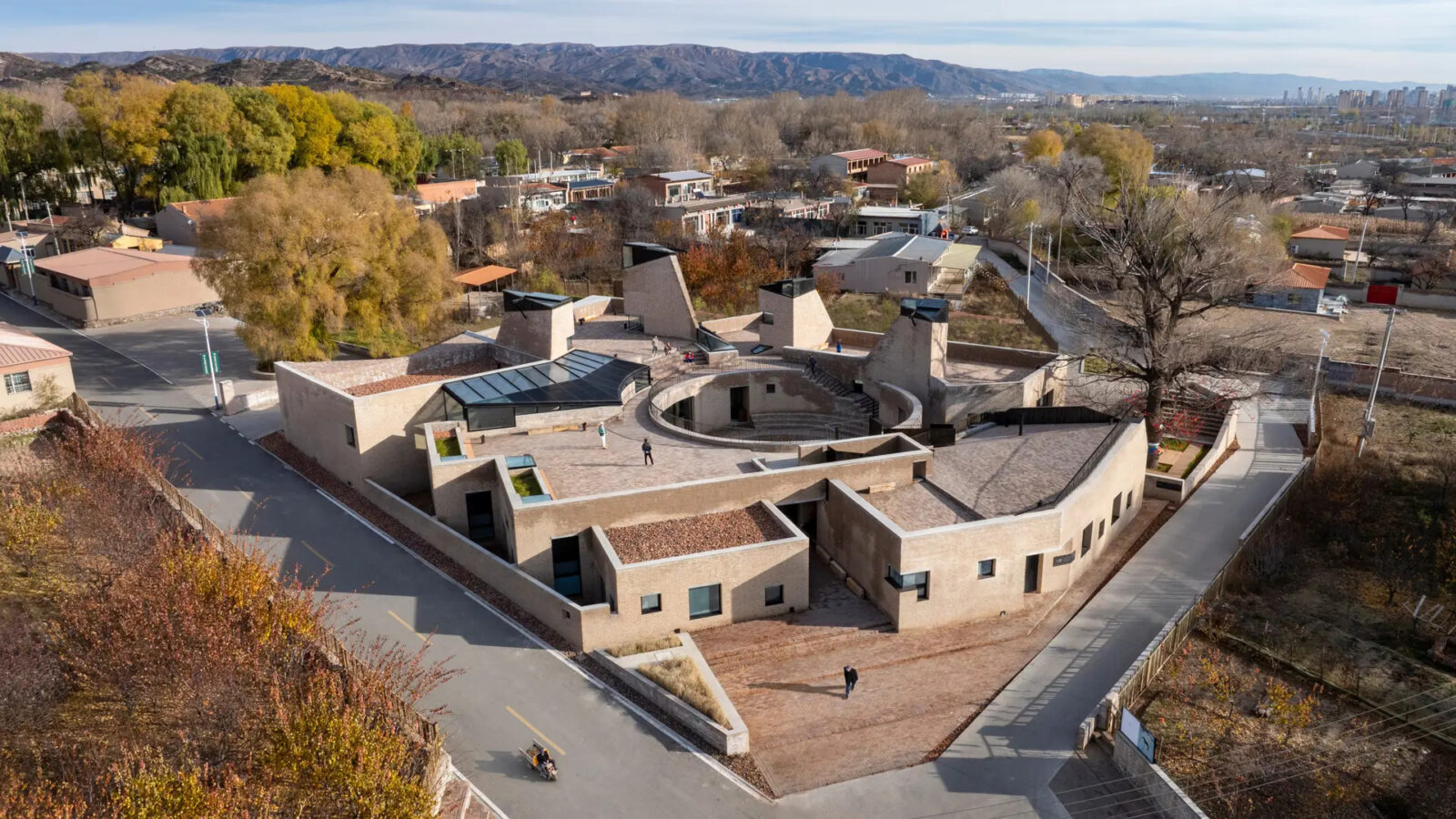


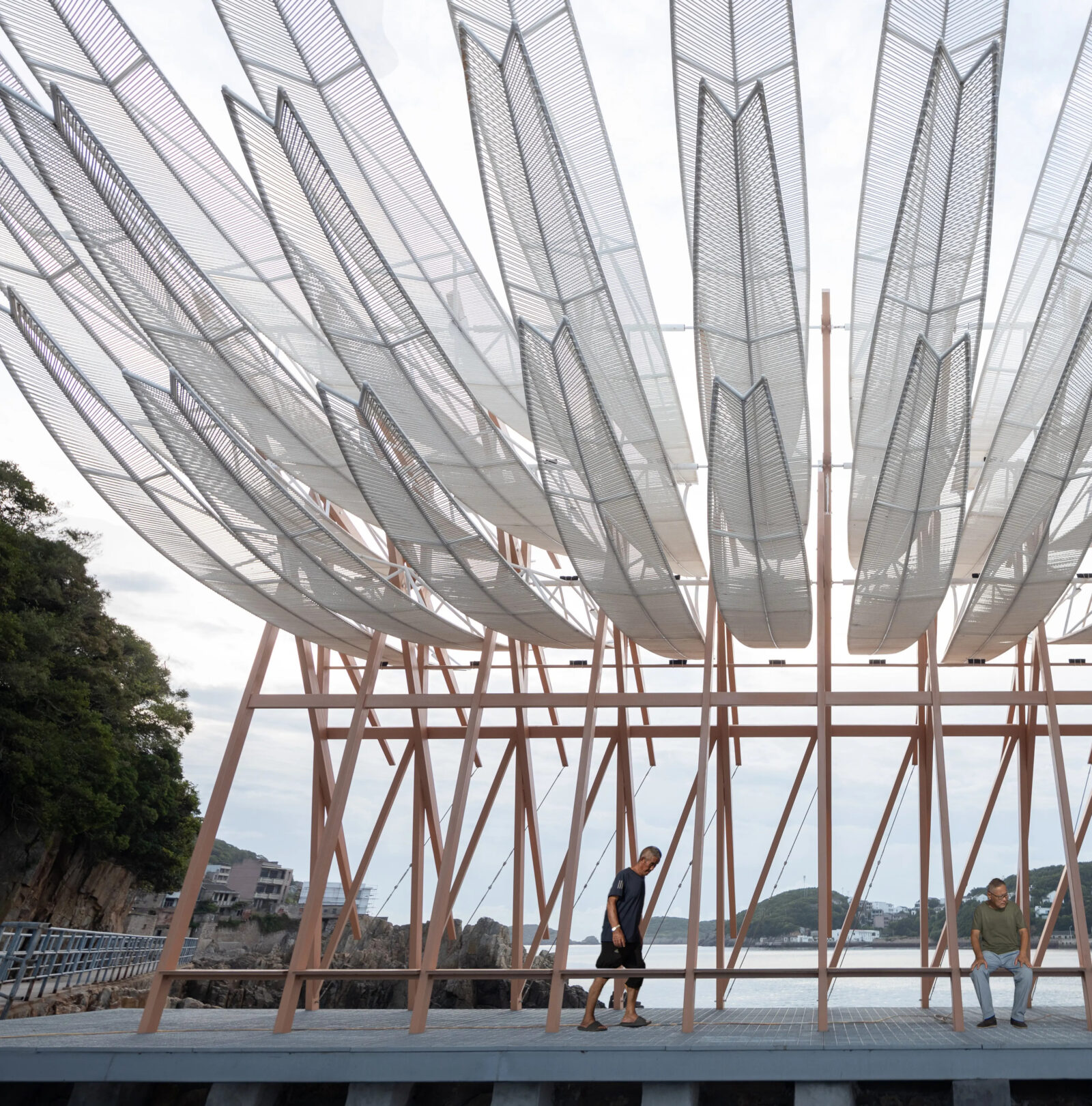
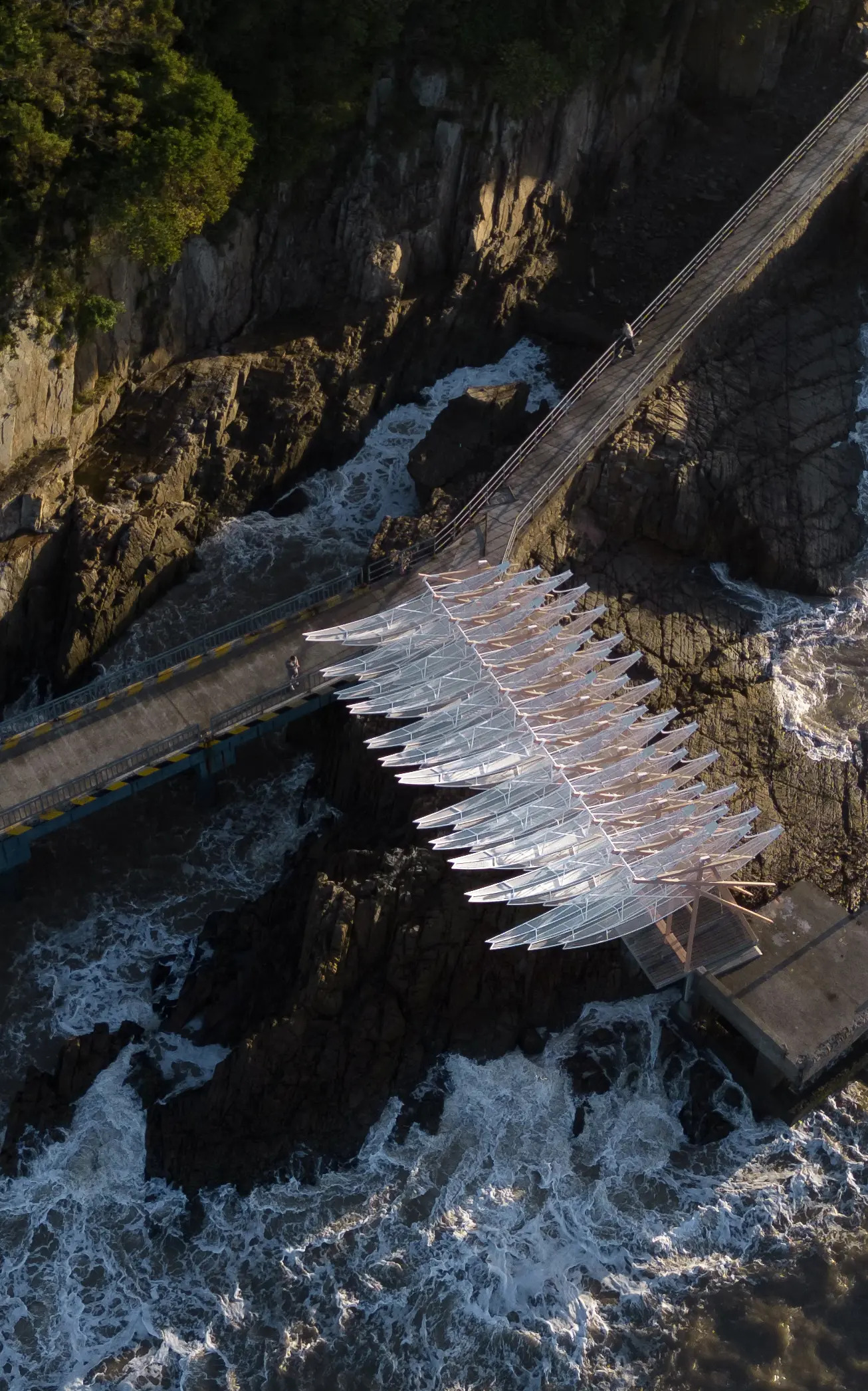
Table of Contents Show
The inaugural RIBA Asia Pacific Awards spotlight a new generation of architectural projects shaping the future of the built environment across Asia. Spanning diverse cultural, climatic, and urban contexts, the selected works demonstrate how architecture can respond thoughtfully to social change, environmental responsibility, and local identity. From adaptive reuse and community-driven design to advanced digital fabrication and sustainable education spaces, the awards reflect a region in active architectural transformation.
Transforming Industrial Heritage into Cultural Capital

The transformation of Taoxichuan Ceramic Culture Industrial Park, designed by Beijing An-Design Architects in collaboration with THUPDI, received the Adaptive Reuse, Urban Regeneration, and RIBA Member Awards at the inaugural RIBA Asia Pacific Awards. The project reclaims the historic core of China’s porcelain capital, converting a vast network of abandoned ceramic factories into a cohesive cultural district spanning 22 hectares.
Rather than replacing the existing fabric, the masterplan retains nearly half of the original structures, significantly reducing construction waste and embodied carbon. New cultural venues, public spaces, and creative industry facilities are layered into the preserved industrial landscape, allowing Taoxichuan to emerge as a vibrant centre for tourism, employment, and cultural production while maintaining a strong connection to its industrial past.
Digital Craft Meets Rural Landscape

The AI Powered Design Award was awarded to the Rui Xue Multi-Hall in Chengdu, developed by Tongji University, for its innovative use of digital design in a rural setting. Situated within open farmland, the pavilion adopts a fluid timber form inspired by melting snow, enabling the structure to sit gently within the surrounding agricultural landscape.
Advanced parametric modelling and robotic fabrication are combined with traditional craftsmanship to produce a building that feels both experimental and contextually grounded. Skylights, preserved trees, and permeable spatial boundaries dissolve the separation between interior and exterior, offering a contemporary model for sustainable rural architecture aligned with China’s ongoing revitalisation initiatives.
A Contemporary Home Shaped by Memory

House of Memories in Karnataka, designed by Studio Gravitas in collaboration with Eleemente and Bodh Design Group, was recognised with the Design for Living Award. The residence reinterprets the spatial principles of the traditional Thotti Mane courtyard house within a contemporary suburban context.
Planned for a multi-generational family on a compact plot, the home balances privacy and communal life through careful spatial sequencing and climate-responsive strategies. Material choices and architectural gestures evoke memory and familiarity, allowing the project to bridge heritage and modern domestic living in a deeply personal and atmospheric way.
A Future Cultural Landmark on the Waterfront
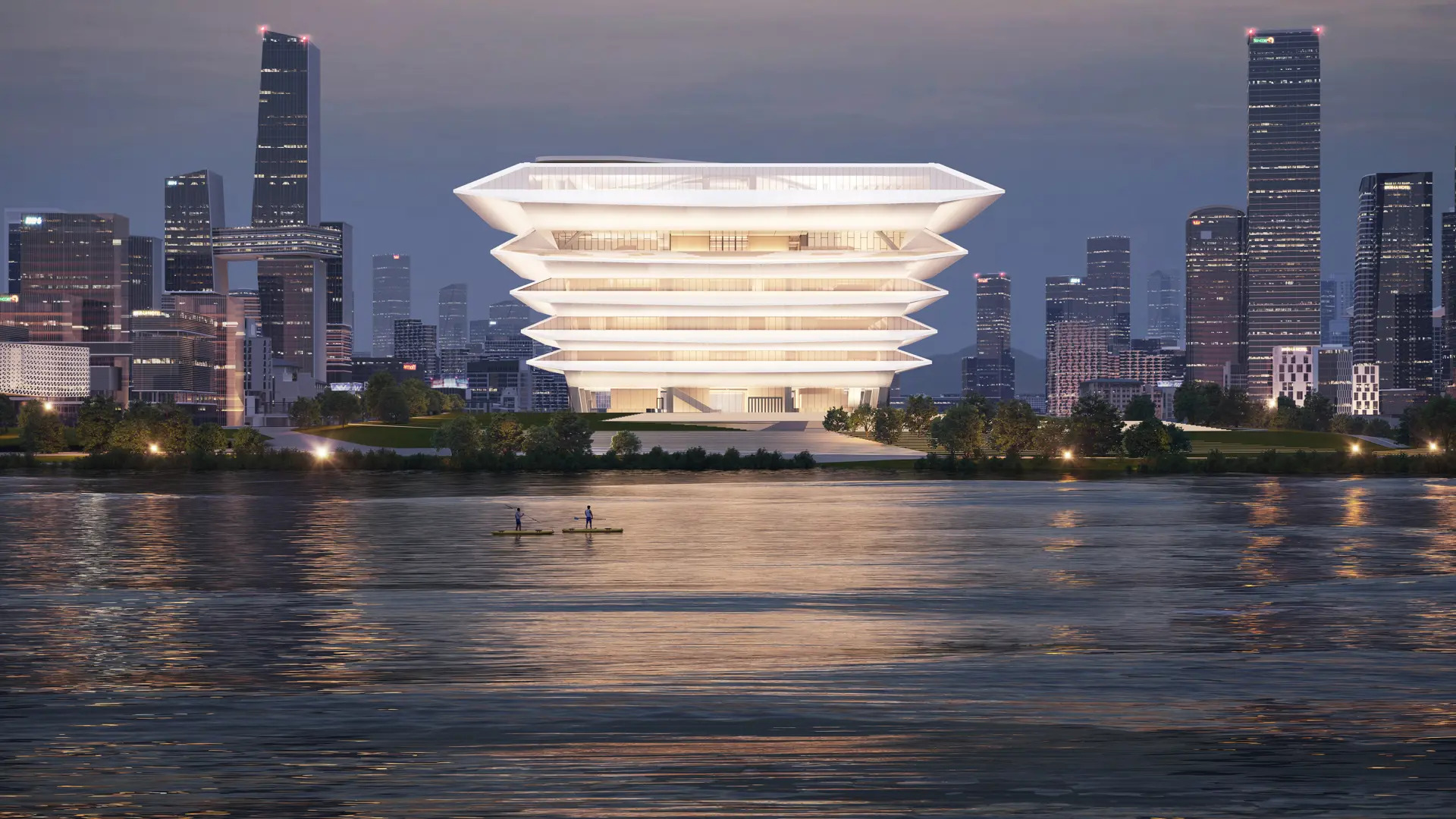
The Qianhai Museum in Shenzhen, designed by the Architectural Design and Research Institute of SCUT, received the Future Projects Award for its visionary approach to civic architecture. Positioned along the city’s waterfront, the museum is conceived as a cultural beacon that integrates public space, landscape, and urban connectivity.
Elevated above ground level, the building creates open civic zones beneath its mass, while a monumental 100-metre arch crowns the upper levels, framing expansive views of the bay. A landscaped roof and light-filtering façade reference traditional architectural forms, merging cultural symbolism with contemporary environmental performance.
Nature Woven into the High-Rise City
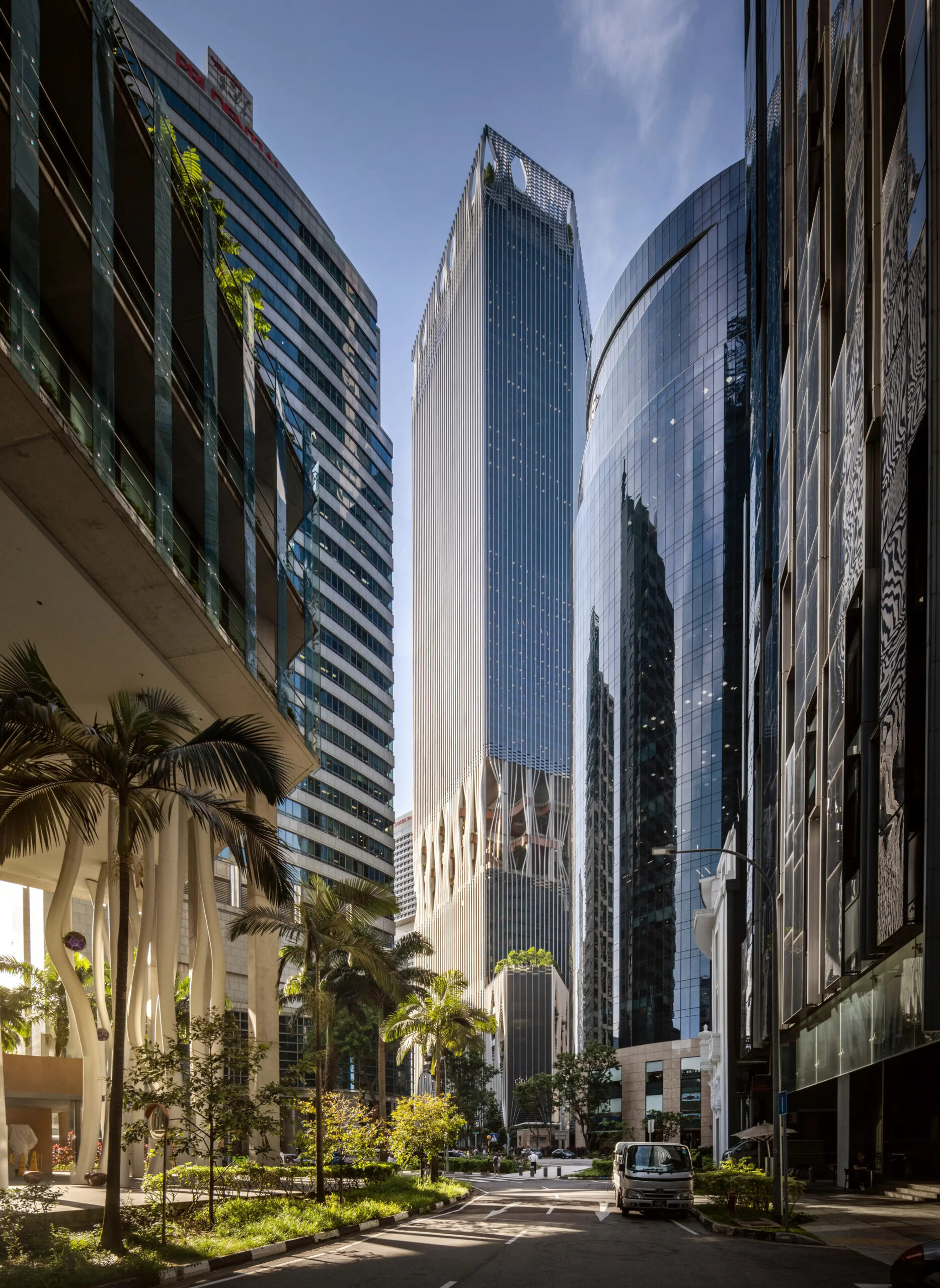
CapitaSpring in Singapore, designed by BIG | Bjarke Ingels Group, was honoured with the Mixed Use Award for redefining the relationship between dense urban development and nature. Rising 51 storeys and 280 metres tall, the tower integrates more than 38,000 plants across multiple vertical layers.
The façade opens to reveal sky gardens, terraces, and communal spaces, transforming the skyscraper into a vertical landscape rather than a sealed object. By blending workplaces, public amenities, and tropical vegetation, CapitaSpring proposes a new urban model where ecological experience becomes central to high-rise living.
Architecture as a Social Anchor
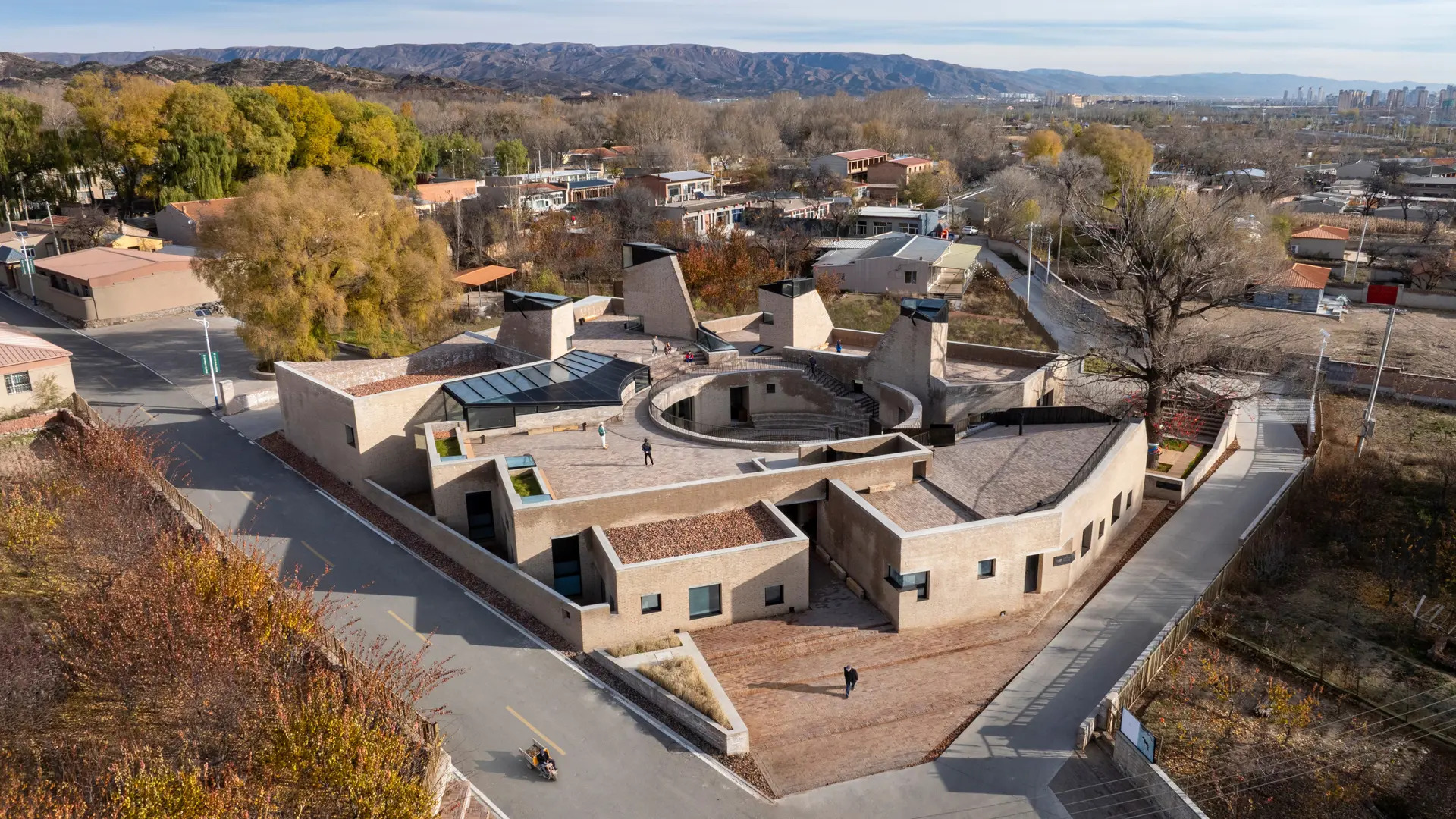
The Social Architecture Award was presented to the West Wusutu Village Community Center in Hohhot, designed by Inner Mongolian Grand Architecture Design Co., Ltd.. Conceived as the social heart of the village, the building accommodates a wide range of communal activities, from dining and traditional games to artistic and cultural events.
A circular courtyard anchors the plan and reinforces collective identity, particularly for the local Hui Muslim community. Above, a generous rooftop playground provides space for children, ensuring that social interaction, cultural continuity, and everyday life are woven into a single architectural framework.
Learning in a Tropical Vertical Campus
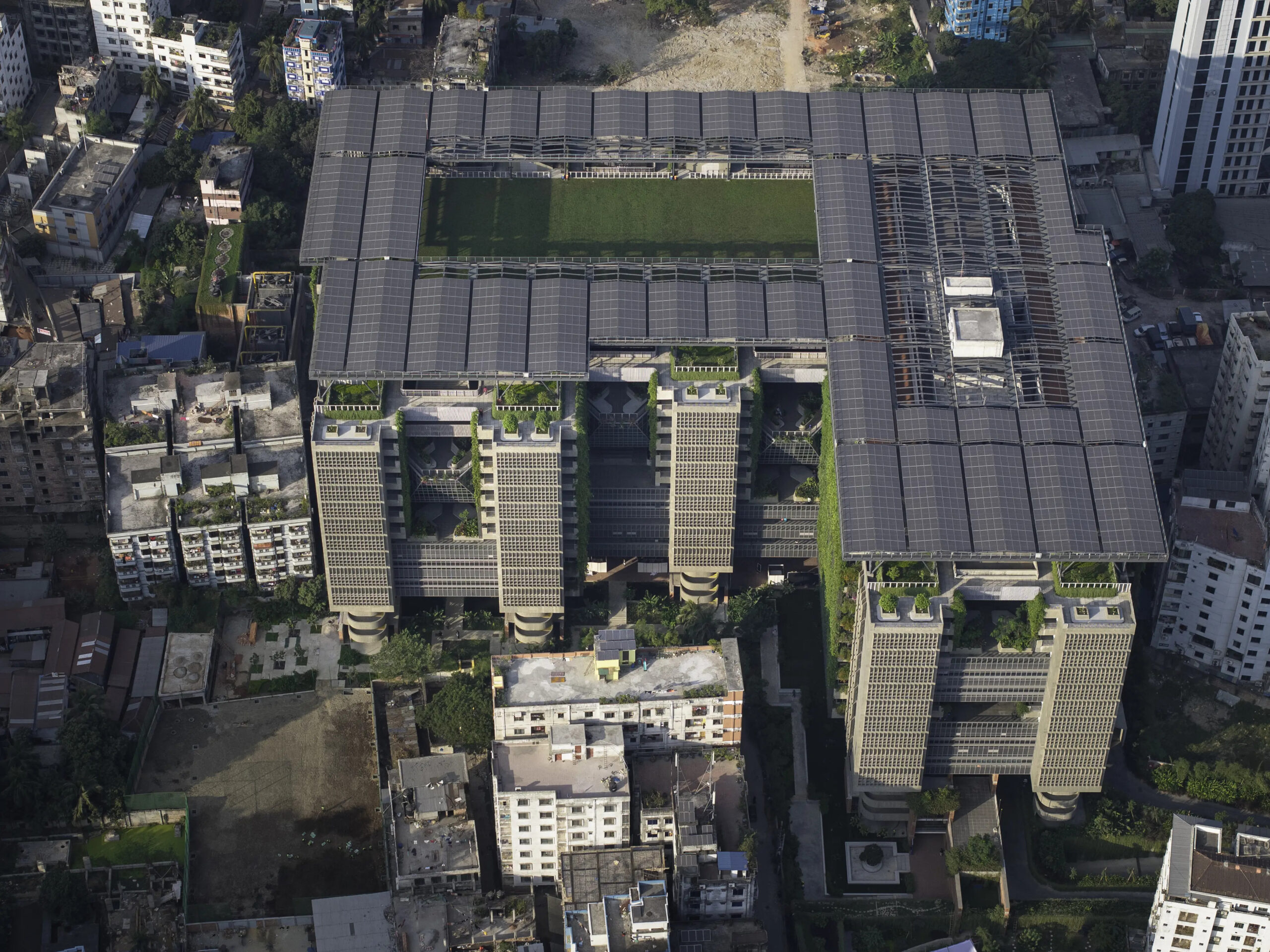
The new campus for BRAC University in Dhaka, designed by WOHA, received the Sustainability and Resilience Award for its climate-responsive educational model. Developed on a former landfill site, the project introduces a vertical campus that maximises land efficiency while prioritising environmental performance.
Large breezeways, shaded circulation routes, and cross-ventilation reduce dependence on mechanical cooling in the tropical climate. Recreational facilities integrated at upper levels further enrich student life, positioning the campus as a forward-looking example of sustainable academic architecture in dense urban contexts.
A Temporary Structure with Lasting Impact
The Seaside Pavilion on Chai Shan Island in Zhoushan, designed by GN Architects, received the Temporary Architecture Award for its poetic response to place. Part of a broader island regeneration strategy, the pavilion transforms an abandoned dock into a contemplative public space overlooking the sea.
Thirty-seven suspended blades sway gently with the ocean breeze, creating a rhythmic and immersive spatial experience. Serving both locals and visitors, the pavilion acts as a threshold between land and water, demonstrating how modest, temporary structures can leave a lasting cultural and spatial impression.
Together, the winning projects of the RIBA Asia Pacific Awards reveal a shared commitment to architecture that extends beyond form and spectacle. Each project engages deeply with its context, social, cultural, or environmental, while offering forward-looking design solutions. Collectively, they illustrate how contemporary architecture in the Asia-Pacific region is redefining progress through resilience, inclusivity, and meaningful spatial experiences.



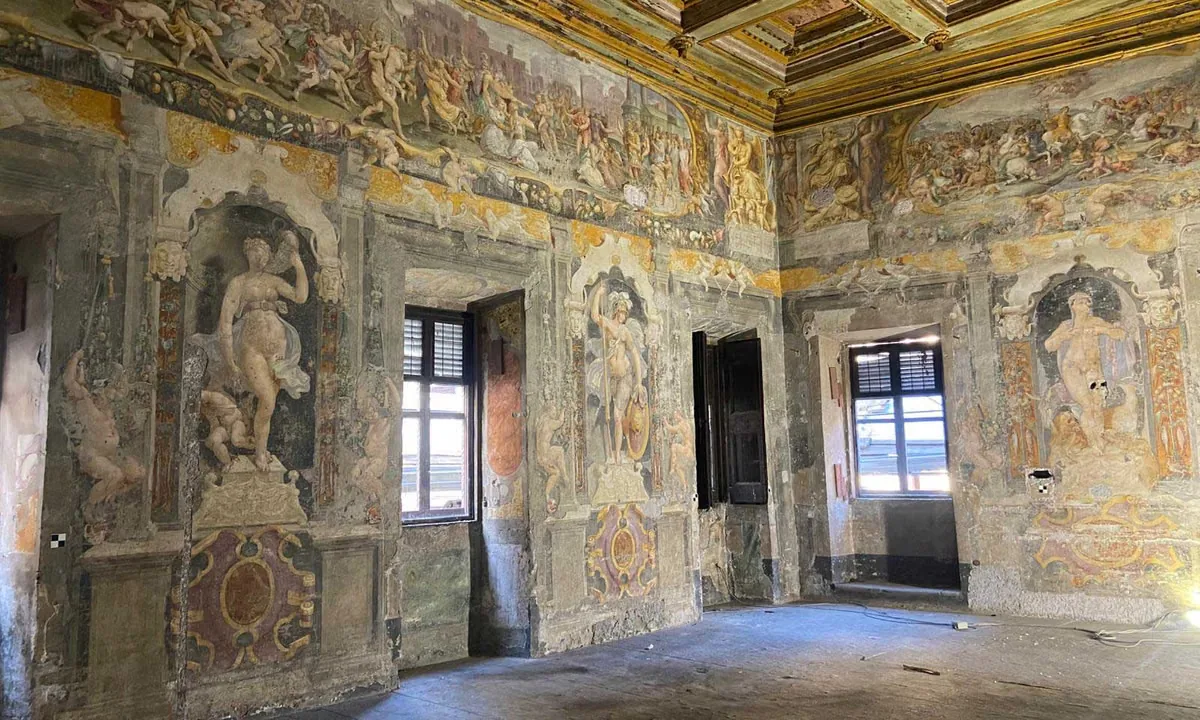
Restorers Uncover 16th-Century Murals Hidden by Nuns in Villa Silvestri Rivaldi
Conservators in Rome are uncovering 16th-century murals hidden for 300 years inside...
 illustrarch Editoral Team3 Mins read

A New Book Records the 1970s Interiors of Ebony and Jet’s Chicago Headquarters
820 Ebony/Jet collects Barbara Karant's photographs of the empty Johnson Publishing Company...
illustrarch Editoral Team2 Mins read

A 2,500-Year-Old Solar Observatory in Puebla Is the First Group E Complex Found Outside the Maya Area
Archaeologists working for Mexico's INAH have confirmed that two platforms at Teteles...
illustrarch Editoral Team2 Mins read

India Art, Architecture & Design Biennale 2026: Ministry of Culture Opens Delhi Monuments
Delhi's monuments, including Purana Quila and the Red Fort, will host the...
illustrarch Editoral Team2 Mins read


Leave a comment