

Health Tourism Module by duarqui
A sustainable, modular structure built from local pink stone, the Health Tourism Module by duarqui protects the Andean ecosystem while supporting community-led ecotourism with ergonomic, low-impact architecture.
 Begum Gumusel25 December 20253 Mins read180
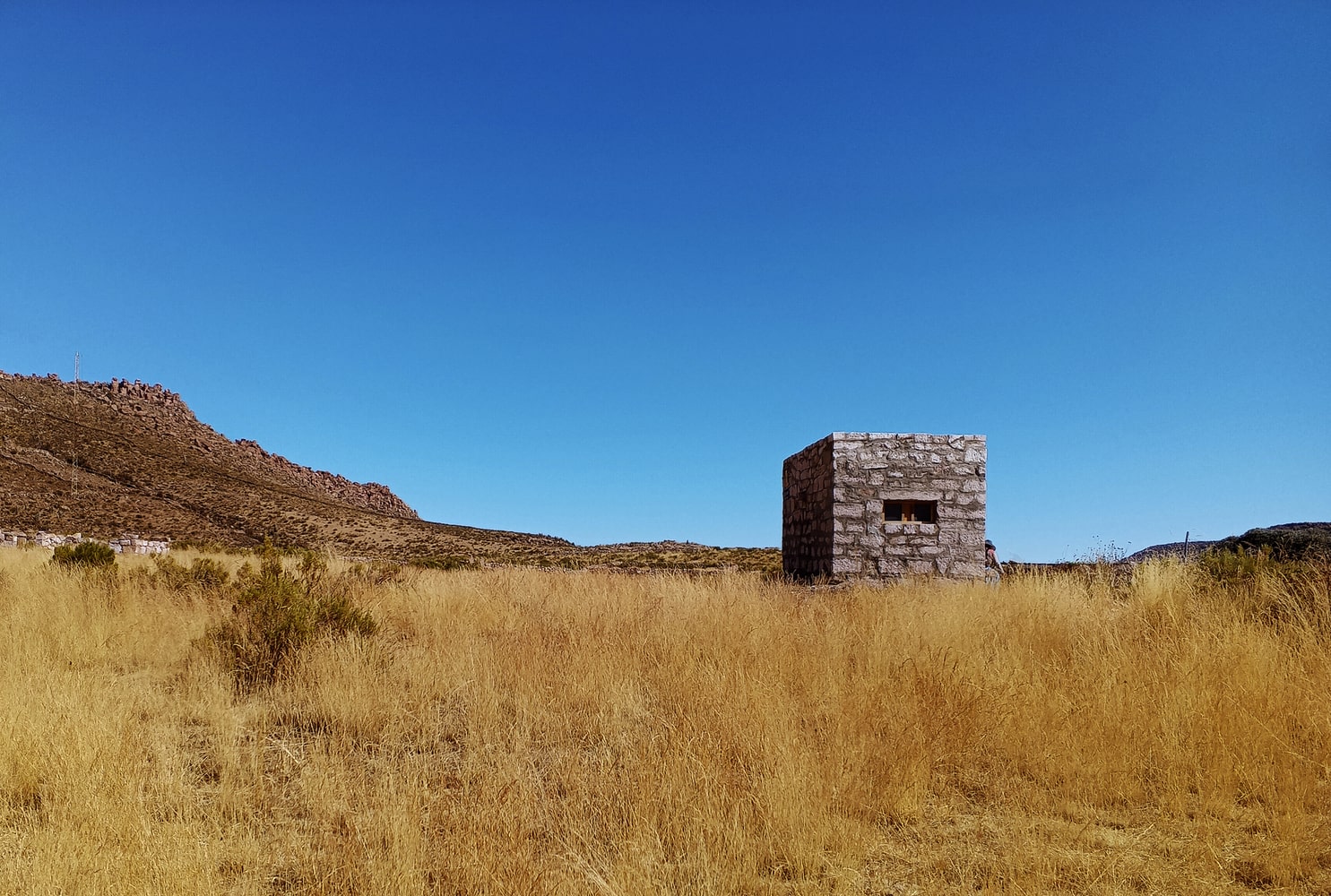
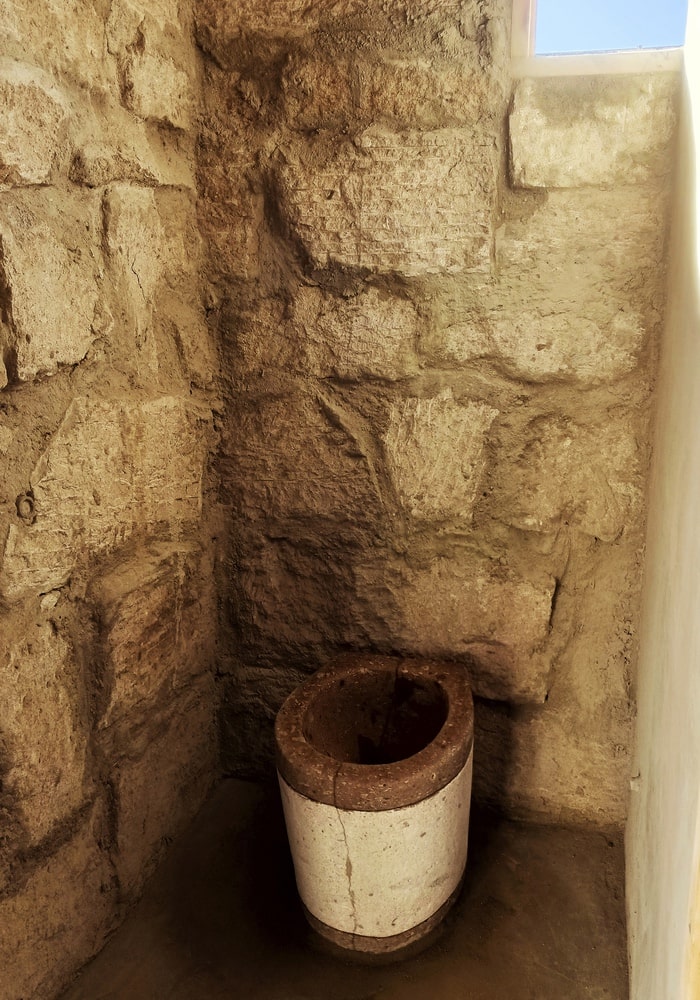
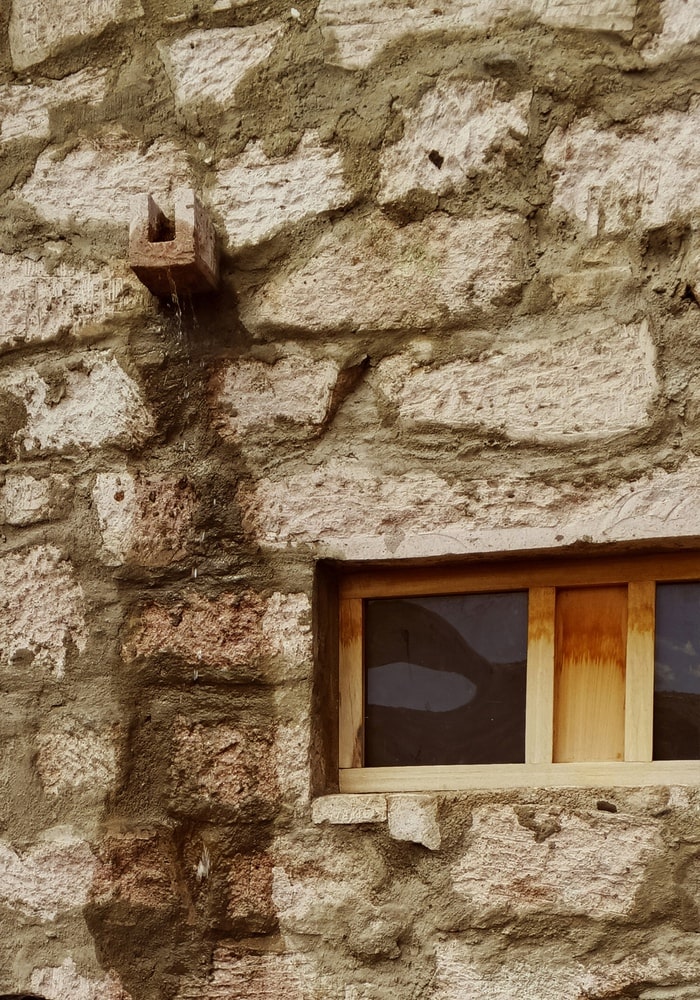
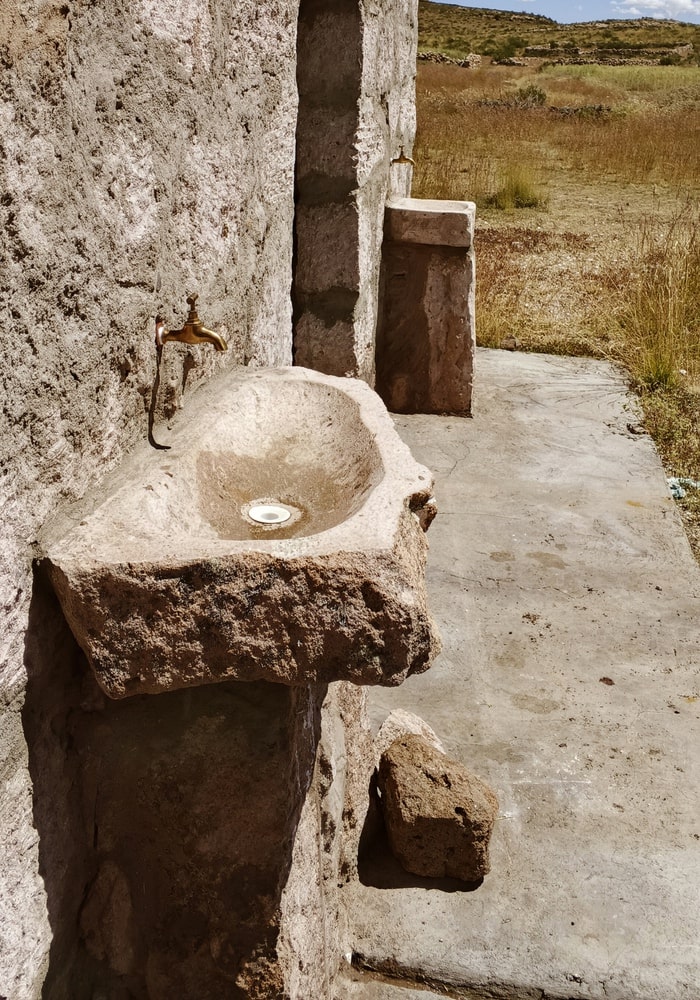
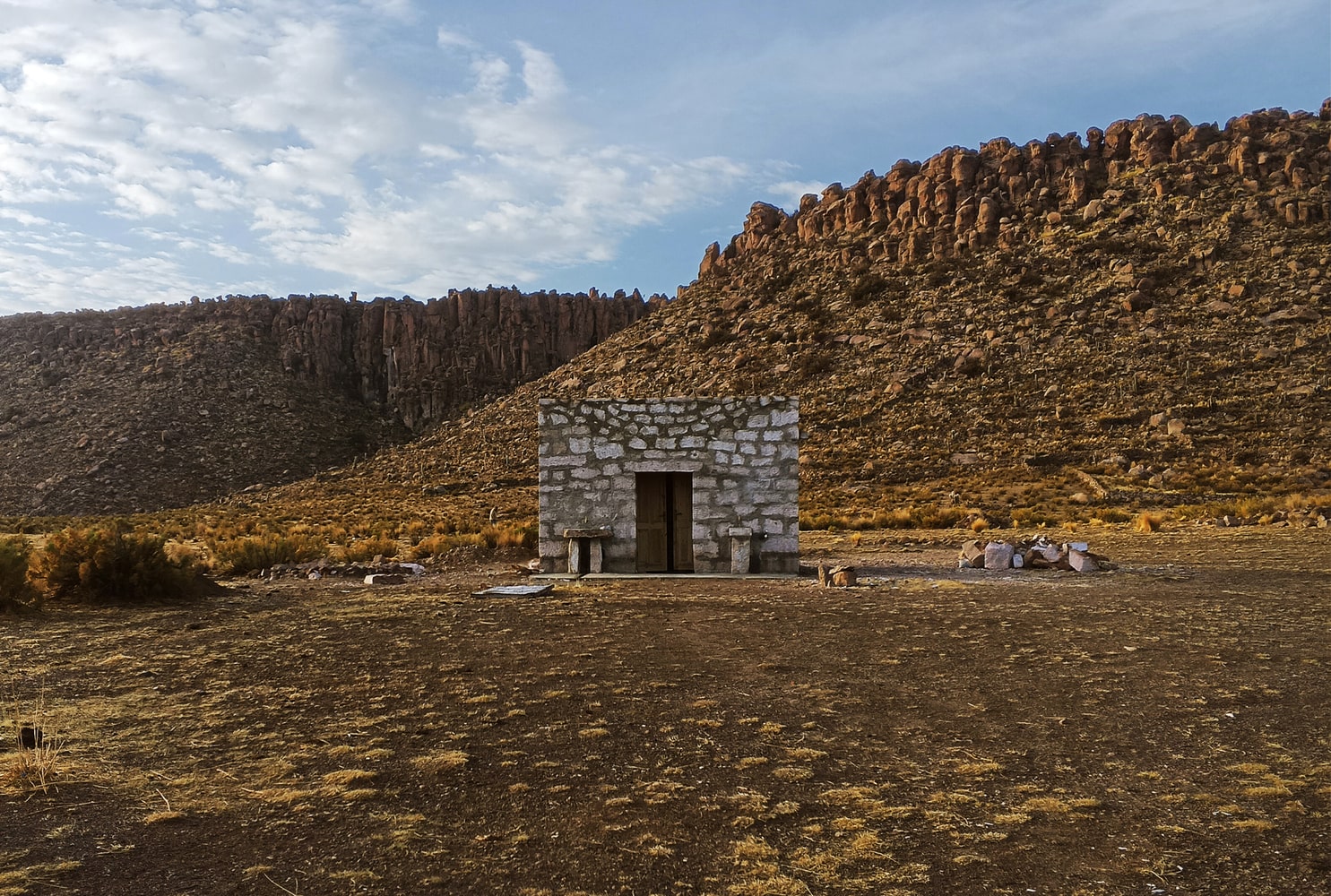
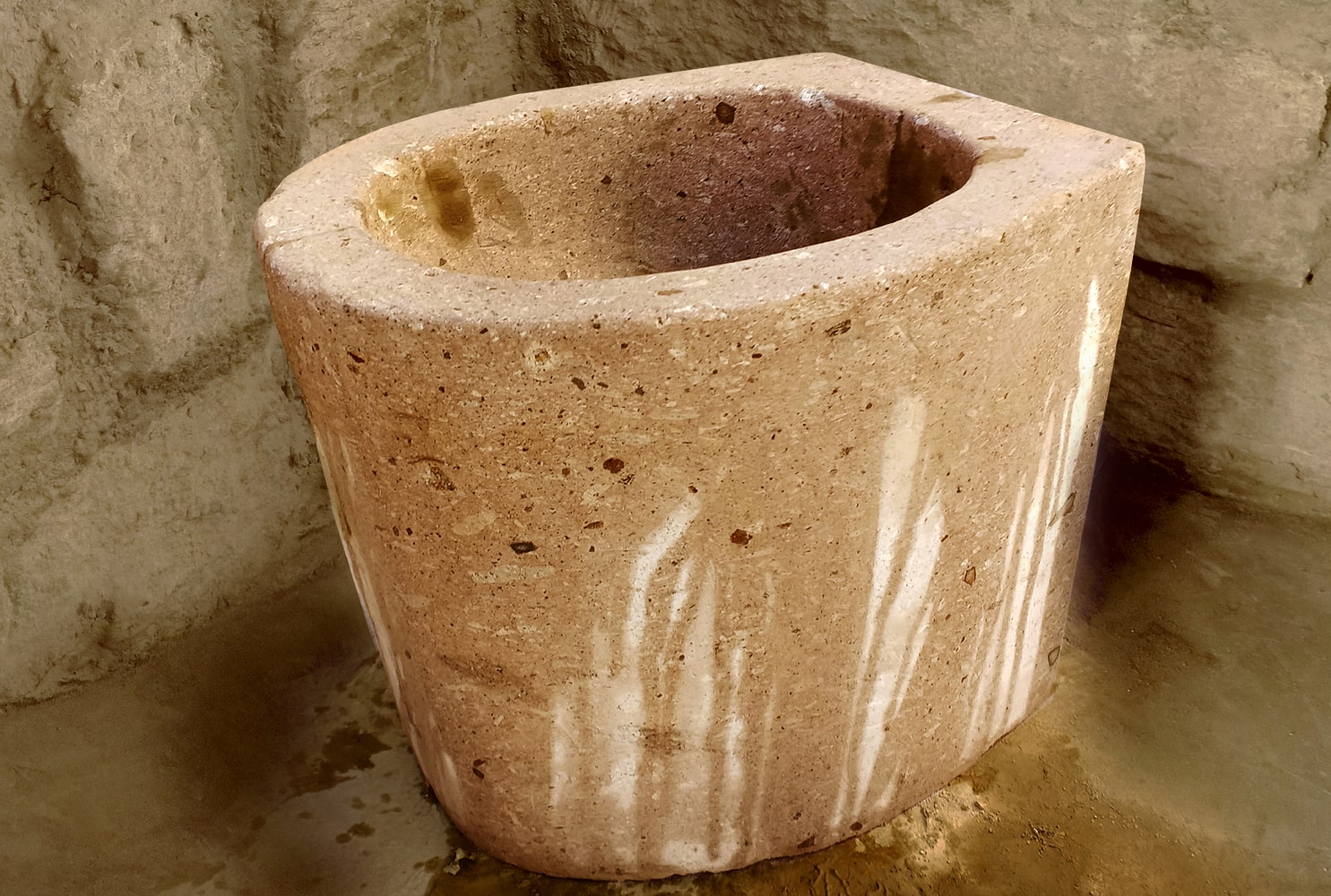
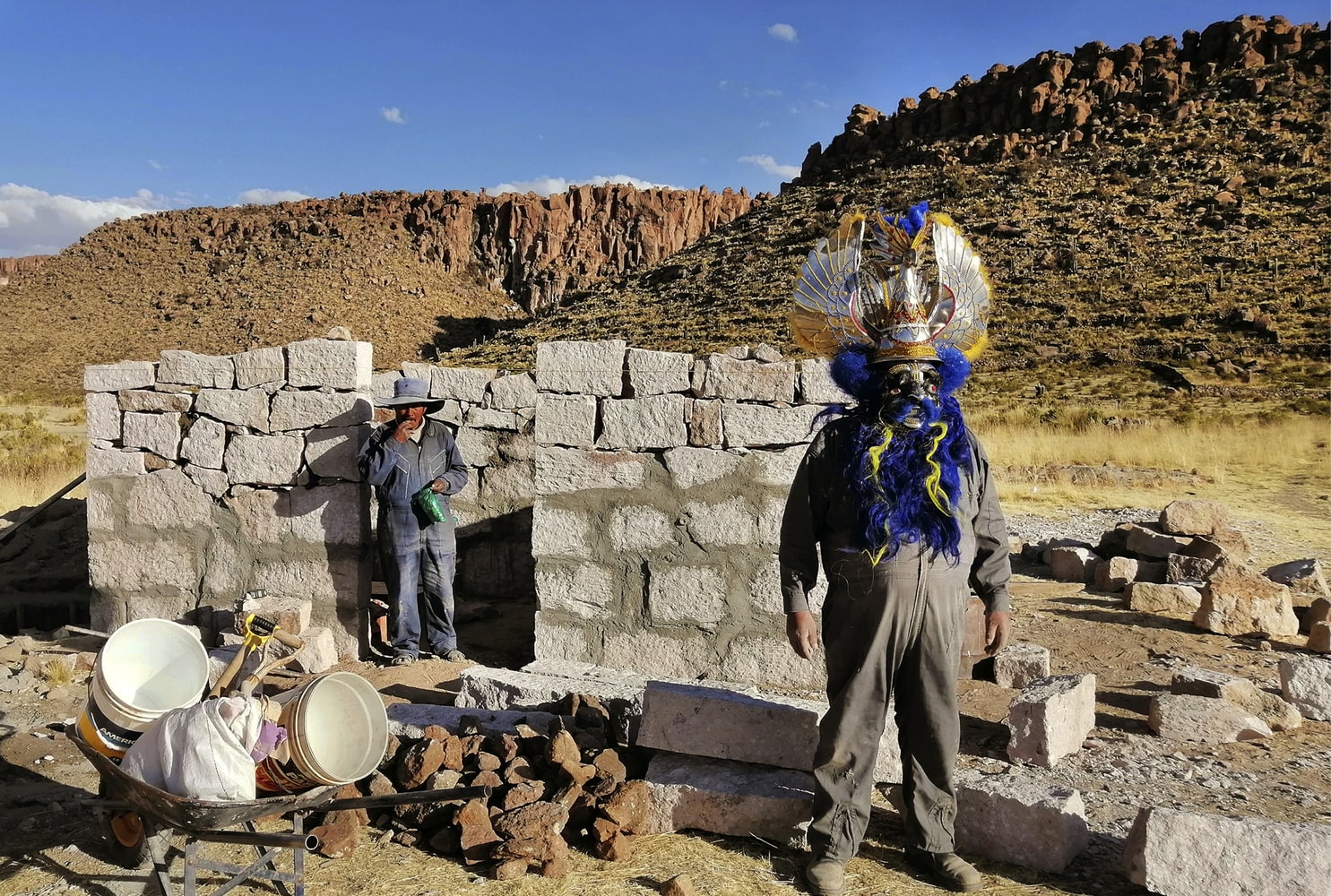
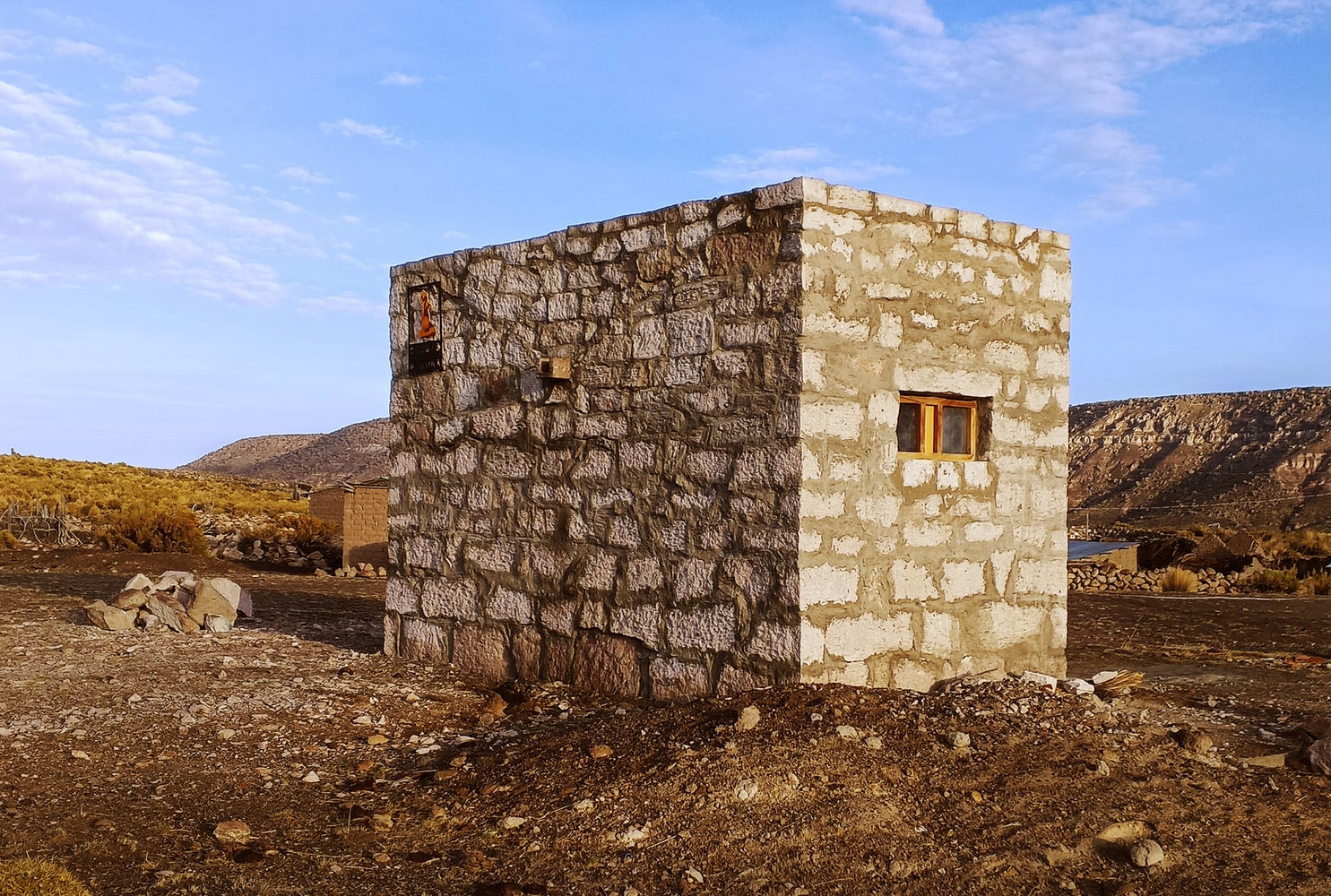
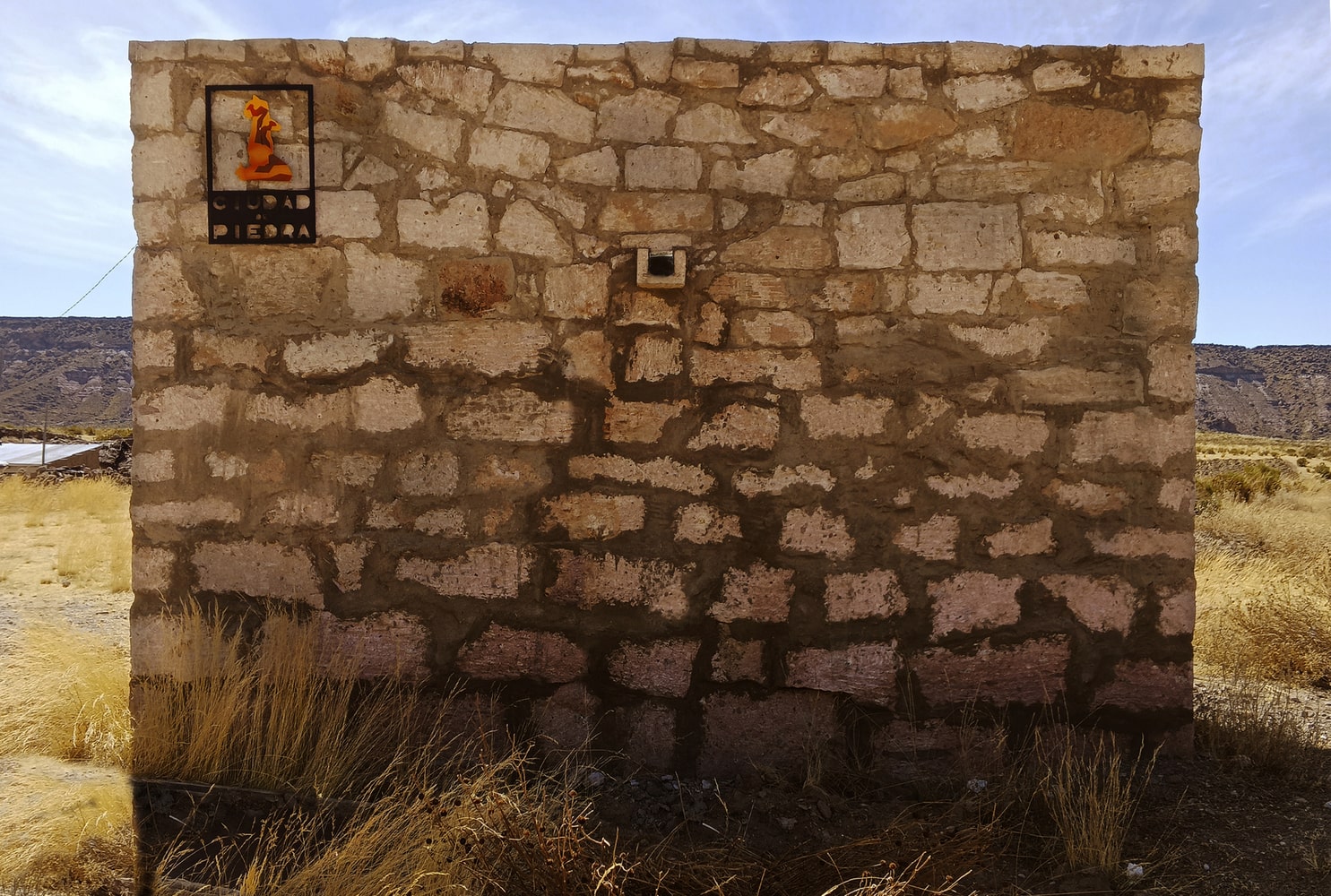


Table of Contents Show
Located in the rugged landscape of the Bolivian Andean plateau, the Health Tourism Module by duarqui is a compact architectural intervention that prioritizes ecological balance, cultural continuity, and material authenticity. Designed as part of a broader community-led ecotourism initiative, the module demonstrates how thoughtful construction can protect biodiversity while offering visitors a comfortable and practical environment. The project responds directly to the plateau’s extreme climate, integrating locally sourced pink rock stone, traditional craftsmanship, and a modular grid that ensures ergonomic efficiency. With low maintenance needs and minimal environmental impact, the module stands as a quiet but powerful example of architecture that strengthens community identity rather than imposing upon it.
Material Logic Shaped by Climate and Context
The design begins with a clear principle: architecture must adapt to the land, not the other way around. In the Andean highlands, winters are severe, winds often strong enough to crack concrete, and temperatures fluctuate dramatically throughout the day. To perform well in these conditions, the module uses stone, bronze, pine wood, and concrete—materials selected for both durability and local relevance. The pink stone extracted from the region not only defines the building’s aesthetic but also contributes to its structural resilience. Warm tones blend seamlessly with the surrounding terrain, ensuring the architecture does not disrupt the natural image of the plateau.
The modular grid organizes circulation, dimensions, and fixtures, allowing even semi-skilled workers to construct the building using community tools. This approach avoids the need for heavy machinery such as cranes and lifts, creating a process rooted in traditional construction knowledge while aligning with modern functional standards.
Ergonomics and Orientation as Climatic Tools
Environmental performance guided every spatial decision. Entrances are positioned to block prevailing winds yet maximize sunlight during the hours of highest use. By controlling orientation, the module reduces internal temperature loss and improves comfort without relying on mechanical systems. The bathrooms, designed with suspended pink stone sinks, rustic bronze faucets, and pine doors, highlight durability while ensuring ergonomic comfort. Concrete floors seal water infiltration and facilitate easy cleaning—an essential consideration in remote and low-maintenance contexts.
The height of the building responds to human scale and the ergonomic standards of community-built structures, ensuring that assembly remains practical and intuitive. Such decisions reinforce the project’s commitment to a design process that empowers local hands and local knowledge.
Crafting a Sustainable Tourism Infrastructure
As a component of the Patacalamachi City of Stone ecotourism association (A.E.C.P.C.P.), the Health Tourism Module supports delegations of up to 25 visitors at a time. More than a service building, it is an architectural artifact that enhances the cultural and environmental value of the site. Careful dissemination of the project within the community ensured that its construction was understood, accepted, and ultimately embraced as a shared achievement.
The building’s ecological footprint is remarkably low. Construction generated minimal waste, avoided pollution, and caused no disturbance to groundwater. Every material choice and construction technique aligns with a sustainable lifecycle: no short-term maintenance is required, and the structure is intentionally designed not to harm the flora, fauna, or geological integrity of the landscape. Through these efforts, the project strengthens local customs, demonstrating how tourism can serve community needs without compromising ecological or cultural authenticity.
Preserving Tradition Through Contemporary Form
One of the project’s most meaningful contributions is its respectful reinterpretation of the Andean plateau’s architectural heritage. The use of pink stone, narrow openings reminiscent of traditional rural buildings, and the integration of handcrafted elements all serve as nods to a disappearing vernacular. Even as community members transition from older rammed-earth dwellings to reinforced concrete houses, this module preserves the memory of traditional craft through new expressions.
The result is a structure that is at once functional, symbolic, and deeply rooted in place—an architecture shaped by climate, culture, and community.
A Model for Community-Led Sustainability
The Health Tourism Module demonstrates that sustainable tourism infrastructure does not require large budgets or advanced technologies; instead, it requires contextual sensitivity, material respect, and community participation. Designed to endure harsh Andean conditions while blending harmoniously into the landscape, it stands as a testament to how architecture can uplift local traditions and provide ecological value. Through its modest footprint and thoughtful construction, the module leaves behind not only a functional space but also a narrative of resilience and stewardship.
Photography: Efrain Miguel Calle Sarzuri



Rosa Jamaica Beach Club by Gris Estudio de Diseno and Arquitectura
On a fragile stretch of Guatemalan coast, Gris Estudio refuse to level...
 illustrarch Editoral Team2 Mins read

Mugok by 100A associates
Nestled in South Korea's Muju-gun region, Mugok by 100A Associates reimagines hospitality...
Begum Gumusel3 Mins read

Mountain Retreat by Archermit
Mountain Retreat by Archermit in Sichuan harmonizes contemporary design with local craftsmanship,...
Begum Gumusel4 Mins read

Vertime Hotel by Block Architectes
Vertime Hotel by Block Architectes in Les Sables d’Olonne blends seaside villa...
Begum Gumusel3 Mins read


Leave a comment