

Getty Center Transformation: Gehry Partners and WHY Architecture Lead a 2028 Revamp
Nearly 30 years after opening, the Getty Center is getting its first major overhaul. Gehry Partners, WHY Architecture, OLIN, and Doppelmayr will rework the arrival precinct, tram, Welcome Hall, and gardens before the campus reopens in spring 2028.
 Elif Ayse Sen4 June 20268 Mins read152
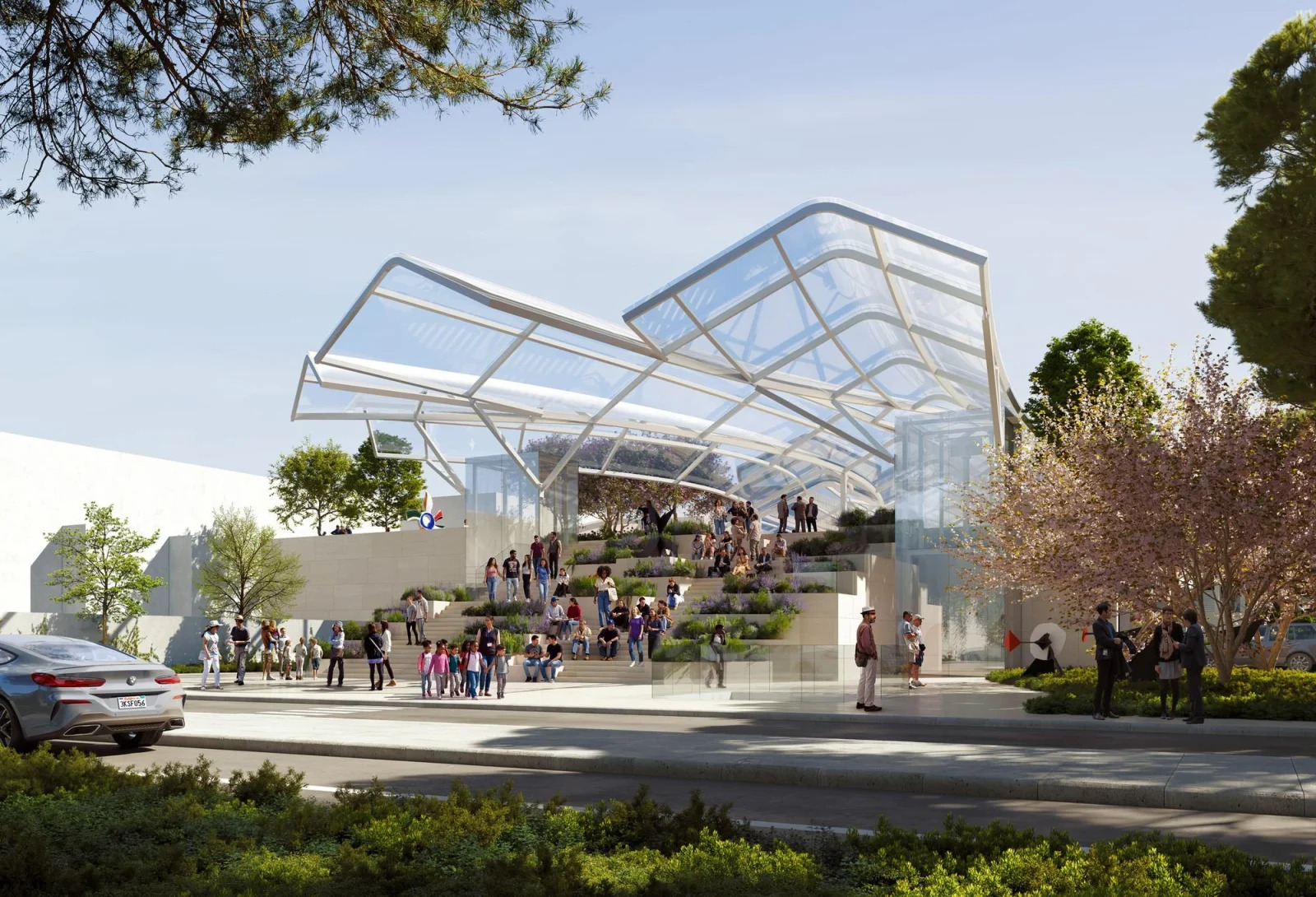
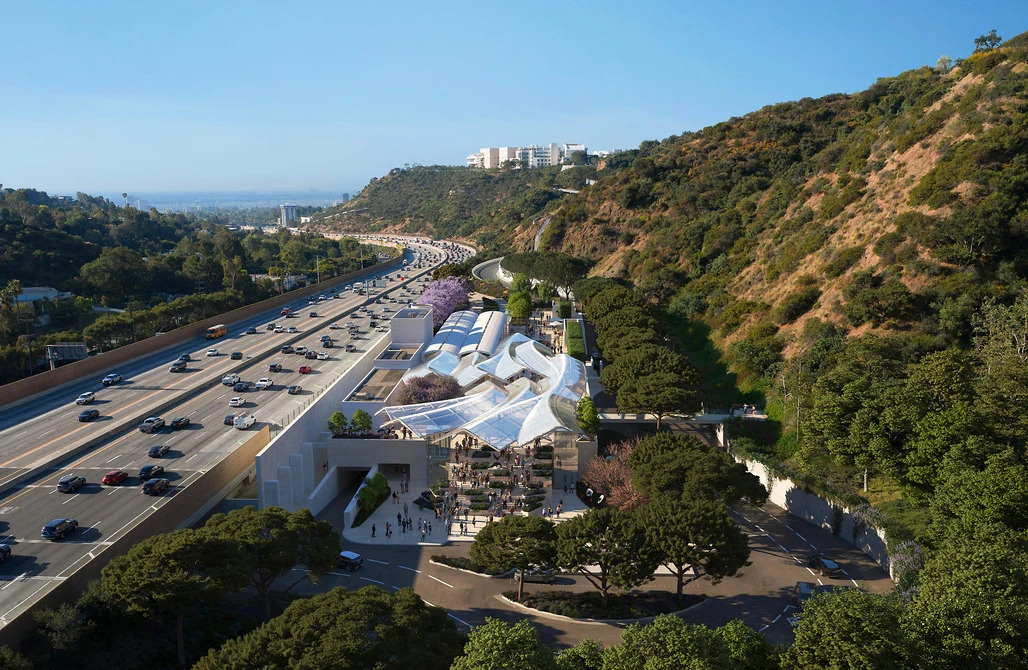
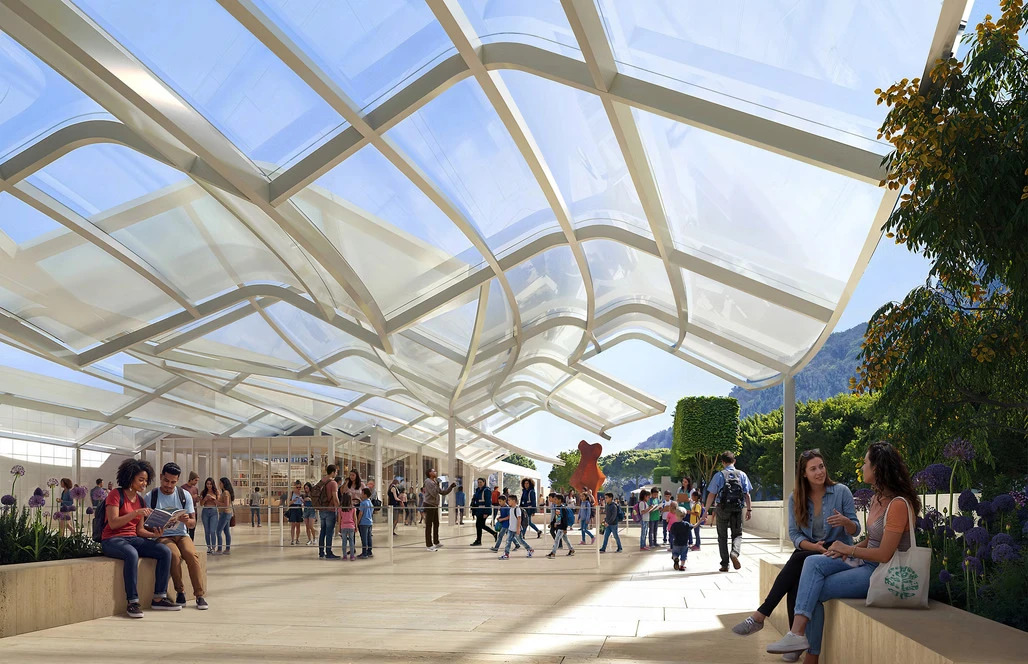
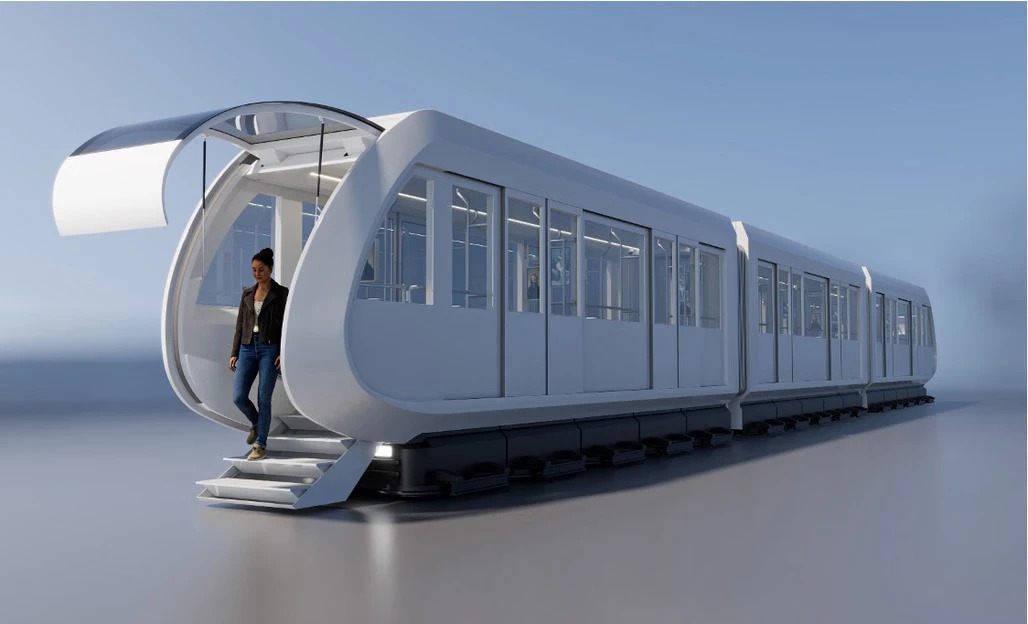
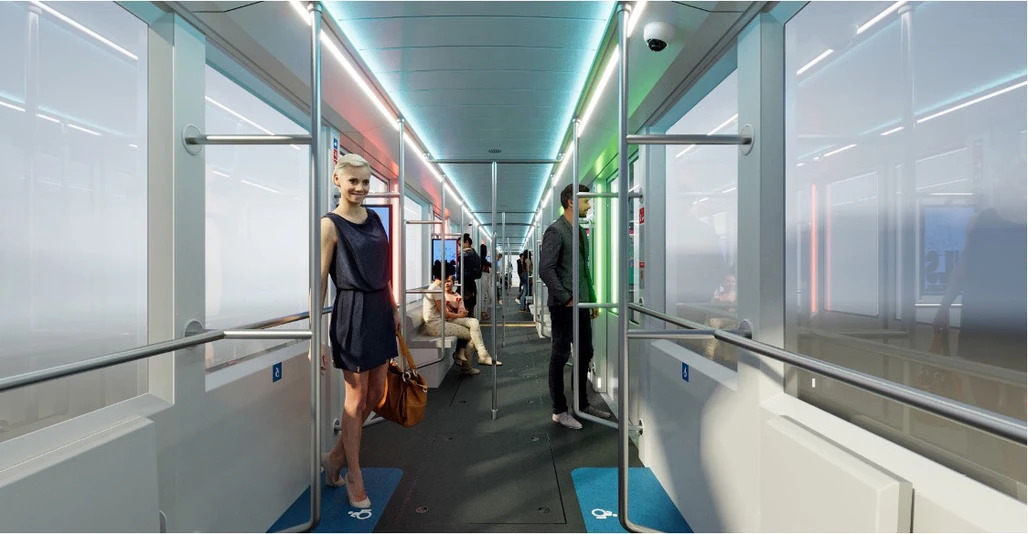
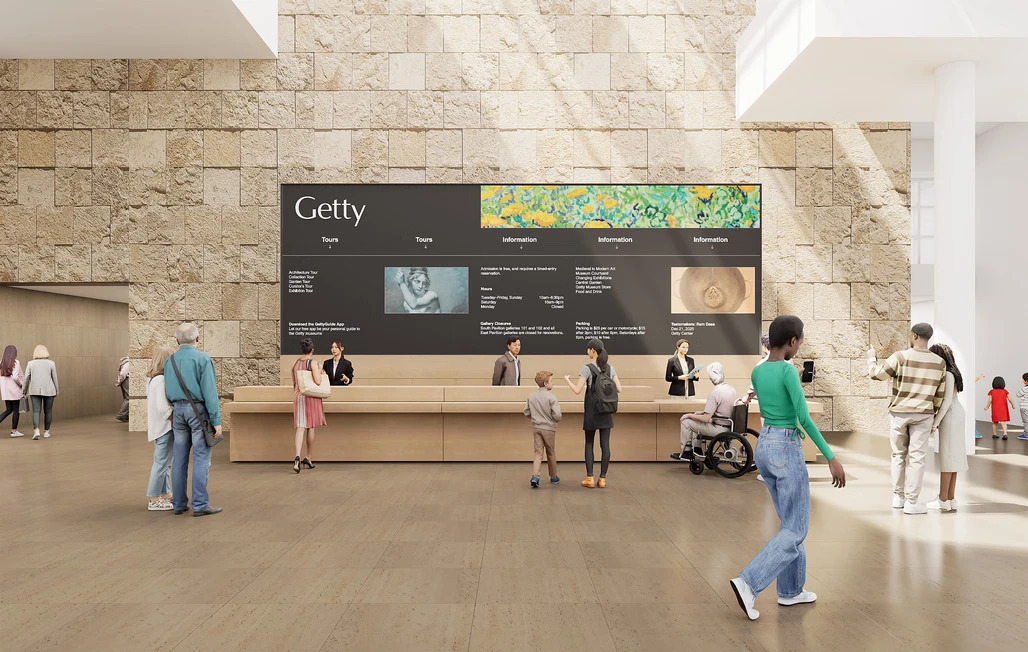
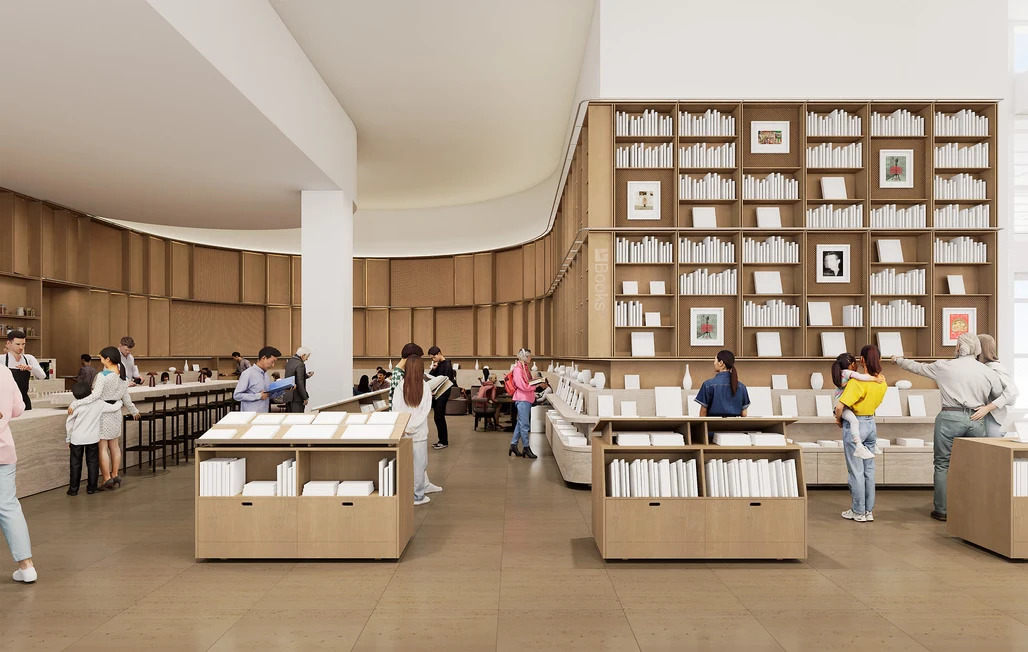
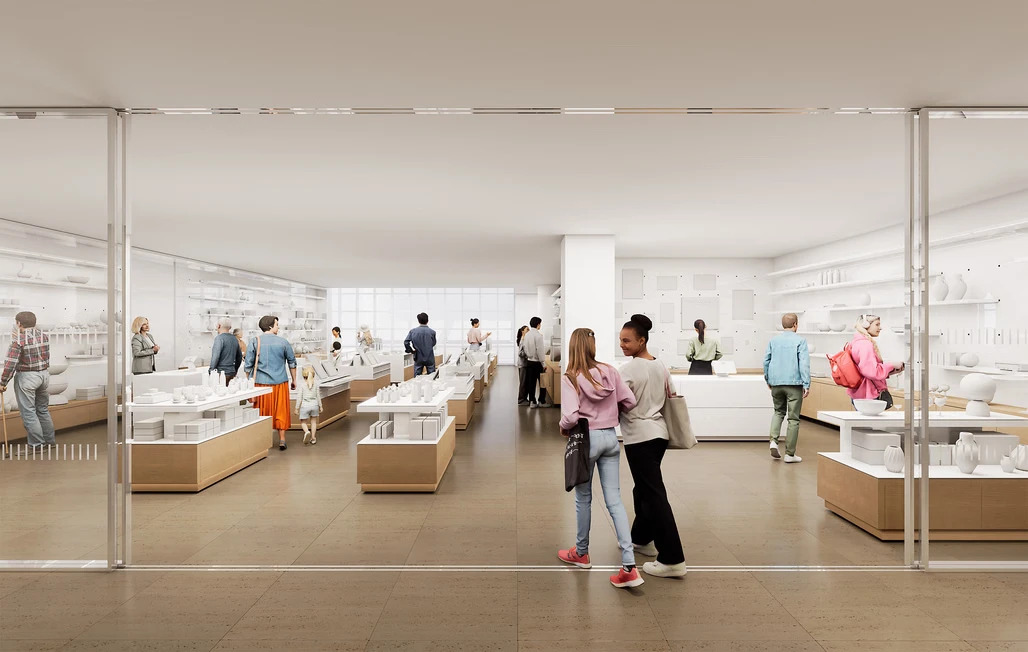
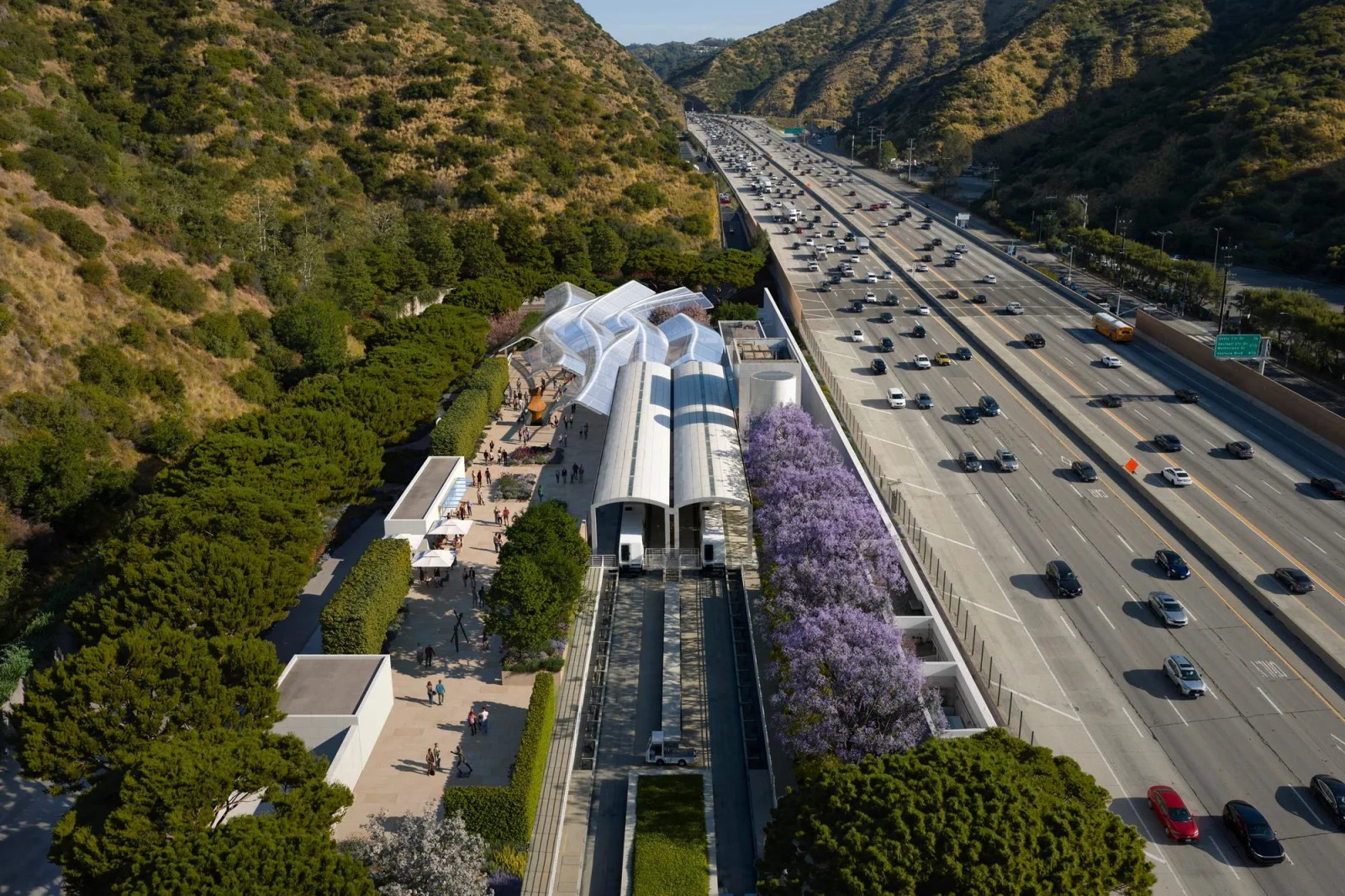
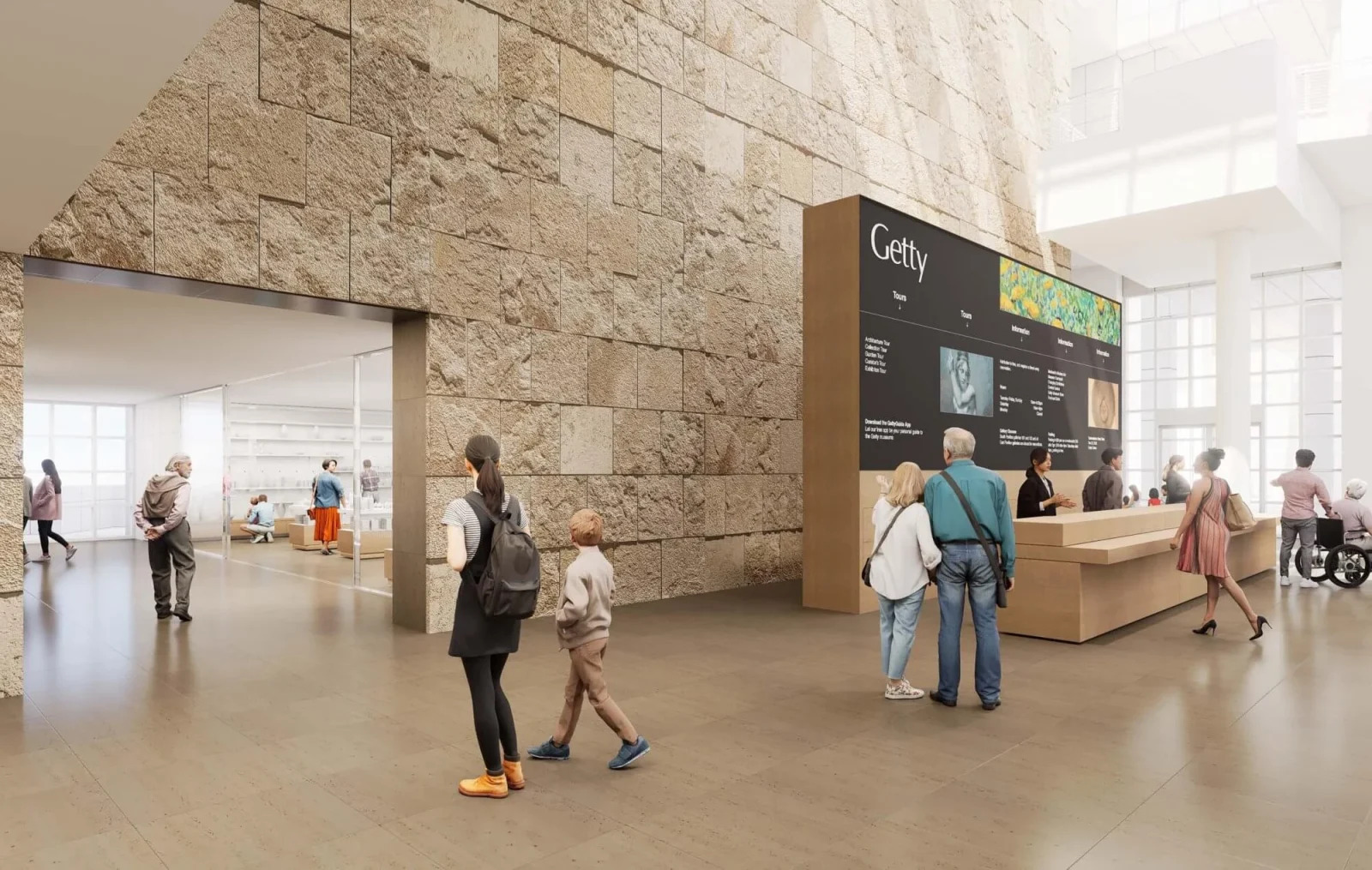
Table of Contents Show
The Getty Center in Los Angeles will close in March 2027 for the largest renovation in its history, led by Gehry Partners with WHY Architecture, OLIN, and Doppelmayr. The project rebuilds the arrival sequence, tram station, and Welcome Hall ahead of the 2028 Olympics, with reopening planned for spring 2028.
Nearly three decades after it opened on a Brentwood hilltop in 1997, the Getty Center is heading into its first major overhaul. In late May 2026, the J. Paul Getty Trust released renderings and details for a campus-wide modernization that touches almost everything a visitor experiences before reaching the galleries: the parking-level arrival precinct, the tram that climbs the hill, the landscape along the way, and the hall that greets people at the top. The work is timed to wrap before the 2028 Los Angeles Summer Olympics, when international attention and visitor numbers are expected to surge.
What makes this announcement notable is the team behind it. The redesign of the lower arrival area falls to Gehry Partners, the Los Angeles firm founded by the late Frank Gehry, who died in December 2025. The pairing of two of the city’s defining cultural architects, Richard Meier’s original campus and Gehry’s new front door, gives the project unusual weight in the architecture world.
What Is Changing at the Getty Center?
The renovation reworks the journey into the museum rather than the galleries themselves. Gehry Partners is redesigning the lower tram station and arrival precinct, Doppelmayr is replacing the original tram, WHY Architecture is rebuilding the hilltop Welcome Hall, and OLIN is expanding the landscape across the site. Behind the scenes, the campus is also getting upgrades to its mechanical systems, accessibility features, and energy efficiency.
The Getty has described the goal as bringing the museum experience “down the hill,” turning what has long been a functional parking-and-transit zone into a public space in its own right. According to The Art Newspaper, the work is estimated to cost between $600 million and $800 million, with the campus closing to the public on March 15, 2027, for roughly a year.
🔢 Quick Numbers
- The Getty Center draws more than 1.4 million visitors a year (J. Paul Getty Trust, 2019 figure)
- Around 75,000 students visit the campus annually, a group the new entry is designed to handle better (J. Paul Getty Trust, 2026)
- The renovation is estimated at $600 million to $800 million (The Art Newspaper, 2026)
Gehry Partners Redesigns the Getty Center’s Arrival Sequence
At the base of the hill, where visitors leave their cars and board the tram, Gehry Partners is replacing a plain transit area with a civic gateway. The design adds a glass canopy that lets daylight wash over a new plaza and a sheltered grand staircase, along with expanded space for retail, a café, and restrooms. The intent is to make the wait for the tram feel like part of the visit instead of a holding zone.
New outdoor sculpture and planted areas tie the lower precinct back to the hilltop campus, extending the sense of arrival across the whole climb. For a firm known for sculptural, metal-clad landmarks, this is a restrained piece of work, shaped to serve circulation and gathering rather than to compete with Meier’s white pavilions above. You can see how far that approach sits from Gehry’s signature buildings in this look at Frank Gehry’s architecture and design style.
💡 Pro Tip
When studying arrival-sequence redesigns like this one, trace the visitor path on the drawings from the car door to the first gallery before you judge any single element. Most of the friction in large cultural buildings hides in the transitions, the queue, the threshold, the wayfinding moment, not in the headline spaces. Reviewing a renovation through that lens shows why so much of the Getty budget goes into a tram stop most people barely notice today.
A New Doppelmayr Tram for the Getty Center
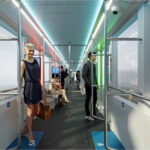
The cable-drawn tram has carried visitors from the parking structure to the hilltop since 1997, and it is getting its first real upgrade. The new system comes from Doppelmayr, the Austrian company that is among the world’s largest makers of ropeways and people movers. The replacement trams are built for higher capacity and use updated propulsion to cut wait times and move larger groups, including school visits, more smoothly.
The trade-off, visible in the early renderings, is that more standing room may mean less seating per car. For a five-minute ride with sweeping views over Los Angeles, that is a reasonable exchange, and it keeps the distinctive uphill approach that has always been part of the Getty Center’s identity. Technical specifications for the new system have not been published in full, and Doppelmayr’s role covers both the vehicles and the mobility infrastructure around them.
WHY Architecture Reworks the Hilltop Welcome Hall
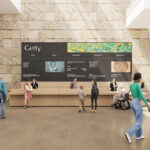
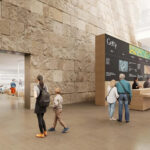
Once visitors reach the top, they will step into a rebuilt Welcome Hall designed by WHY Architecture, the Los Angeles and New York practice founded by Kulapat Yantrasast. The redesign focuses on orientation and comfort: clearer wayfinding, digital information displays, a café-bookstore, expanded retail, and more room for groups to gather before they fan out across the campus. The aim is a more open, intuitive entry that helps first-time visitors understand a layout that can feel sprawling.
WHY has built its reputation on cultural buildings that move away from the neutral white box, favoring warm materials and spaces that frame how people encounter art. That track record matters here, because the Welcome Hall has to respect Meier’s architecture while serving a far larger and more varied audience than the campus was built for. For background on how entry and circulation shape a visit, this piece on contemporary museum design covers the same principles at work.
🏗️ Real-World Example
Michael C. Rockefeller Wing, The Metropolitan Museum of Art (New York, 2025): WHY Architecture led the overhaul of this wing, which holds art from Africa, Oceania, and the Ancient Americas, and it reopened in 2025 after a multi-year redesign. The project shows the same priorities WHY brings to the Getty: reorganizing flow, improving daylight and sightlines, and rethinking how visitors are guided through dense, complex collections.
How OLIN Expands the Getty Center Landscape
Landscape architecture firm OLIN, the studio behind public spaces such as Bryant Park in New York and the Washington Monument grounds, is adding gardens, plazas, and green areas across the campus. The strategy softens the routes people walk, creates shaded outdoor spots to pause, and strengthens the site’s ecological performance. New planting, public art, and pedestrian paths are meant to knit Meier’s architecture and Gehry’s new arrival areas into one continuous experience.
This expanded role for landscape reflects a wider shift in how museums think about their grounds, treating outdoor space as part of the cultural offer rather than leftover area between buildings. The same logic runs through this overview of how museum architecture has changed in the 21st century, from object-focused temples to civic spaces that invite people to linger.
The Getty Center Renovation Team at a Glance
The project splits cleanly across four specialist firms, each handling a distinct part of the visitor journey:
| Firm | Discipline | Scope at the Getty Center |
|---|---|---|
| Gehry Partners | Architecture | Lower arrival precinct and tram station, glass canopy, grand staircase, plaza |
| WHY Architecture | Architecture | Hilltop Welcome Hall, wayfinding, café-bookstore, retail |
| OLIN | Landscape architecture | Gardens, plazas, planting, pedestrian routes, public art settings |
| Doppelmayr | Mobility systems | Replacement tram, higher-capacity vehicles, updated propulsion |
Why the Getty Center Is Closing Until 2028
The Getty could have phased the work around visitors, but the institution decided a full closure would be faster and less disruptive in the long run. Tim Whalen, vice president of institutional planning for the J. Paul Getty Trust, has said the closure pulls together several separate projects, including HVAC upgrades and gallery updates, that grew into something larger once leadership saw how much needed doing at once. The campus shuts on March 15, 2027, and is scheduled to reopen in spring 2028.
During the closure, the museum stays active elsewhere. The Getty Villa on the Malibu coast remains open and will host works normally shown at the Center, and the Trust has acquired a building on Sepulveda Boulevard for public programming. The decision also fits a broader pattern across Los Angeles, where cultural institutions are renovating ahead of the 2028 Olympics. You can find more on the wider field in this ranking of top architecture firms in the USA, several of which are active in the same museum sector.
🎓 Expert Insight
“The rest of Los Angeles may fall, but the Getty will stand.” — Richard Meier, Getty Center architect
Meier made the remark while the campus was under construction, and it captures the idea of permanence that has guided the Getty from the start. The 2027 renovation works within that logic rather than against it, updating systems and circulation while leaving the architectural identity of the hilltop intact.
Respecting Richard Meier’s Original Getty Center Vision
Richard Meier, who won the Pritzker Prize in 1984, spent more than a decade on the Getty Center, which opened in December 1997. He clad the campus in roughly 16,000 tons of Italian travertine rather than his usual white, a choice that grounds the buildings in the dry Southern California light. The result is one of the most visited and recognizable cultural sites in the country, with a Central Garden by artist Robert Irwin at its core.
Every part of the new work has to sit alongside that legacy. Gehry Partners, OLIN, and WHY Architecture are each operating under the constraint of complementing Meier’s design, not overwriting it. The renderings released so far suggest restraint at the lower precinct and the hilltop, with the boldest moves reserved for landscape and infrastructure rather than the architecture that frames the galleries. For a sense of how Gehry’s own buildings differ in spirit, this list of iconic Frank Gehry buildings is a useful contrast.
📌 Did You Know?
The Getty Center was built to be highly fire-resistant, with stone cladding, steel framing, irrigated grounds, and air systems that can seal against smoke. That design was put to the test in January 2025, when the Palisades Fire forced evacuation warnings around the campus and a brief closure. The Center reopened on January 28, 2025, undamaged, and the institution credited its long-running brush-clearing and fire-mitigation work.
What the Getty Center Transformation Means for Visitors
For anyone planning a trip, the practical takeaway is simple: visit before March 2027 or wait until spring 2028. When the campus reopens, the changes will be felt most at the edges of the day, the arrival, the tram, the first ten minutes at the top, rather than in the galleries, which keep Meier’s architecture and the existing collection. The bet is that a smoother, more generous welcome will make the whole visit better without diluting what made the Getty Center distinctive in the first place.
For students and professionals, the project is worth following as a case study in how a landmark adapts without losing its identity. It brings together a Pritzker laureate’s original vision, a Gehry-led front door, a museum specialist’s interior, and a leading landscape studio, all working under real preservation constraints and a hard Olympic deadline. Few current renovations pack that many distinct design problems into one site. The way museums handle their interiors through changes like this is covered further in this guide to museum interior design.
✅ Key Takeaways
- The Getty Center will close on March 15, 2027, and reopen in spring 2028, ahead of the Los Angeles Olympics.
- Gehry Partners is redesigning the lower arrival precinct and tram station, with a glass canopy, grand staircase, and new plaza.
- WHY Architecture is rebuilding the hilltop Welcome Hall, while OLIN expands the gardens and Doppelmayr replaces the tram.
- The renovation is estimated at $600 million to $800 million and focuses on arrival, circulation, and infrastructure rather than the galleries.
- Every intervention is designed to complement Richard Meier’s original 1997 campus, not replace it.
Cost figures and project timelines are approximate, based on information released in 2026, and may change as the Getty Center renovation progresses.
The four firms leading the work each maintain detailed project records on their own sites: the J. Paul Getty Trust, Gehry Partners, WHY Architecture, OLIN, and tram manufacturer Doppelmayr.








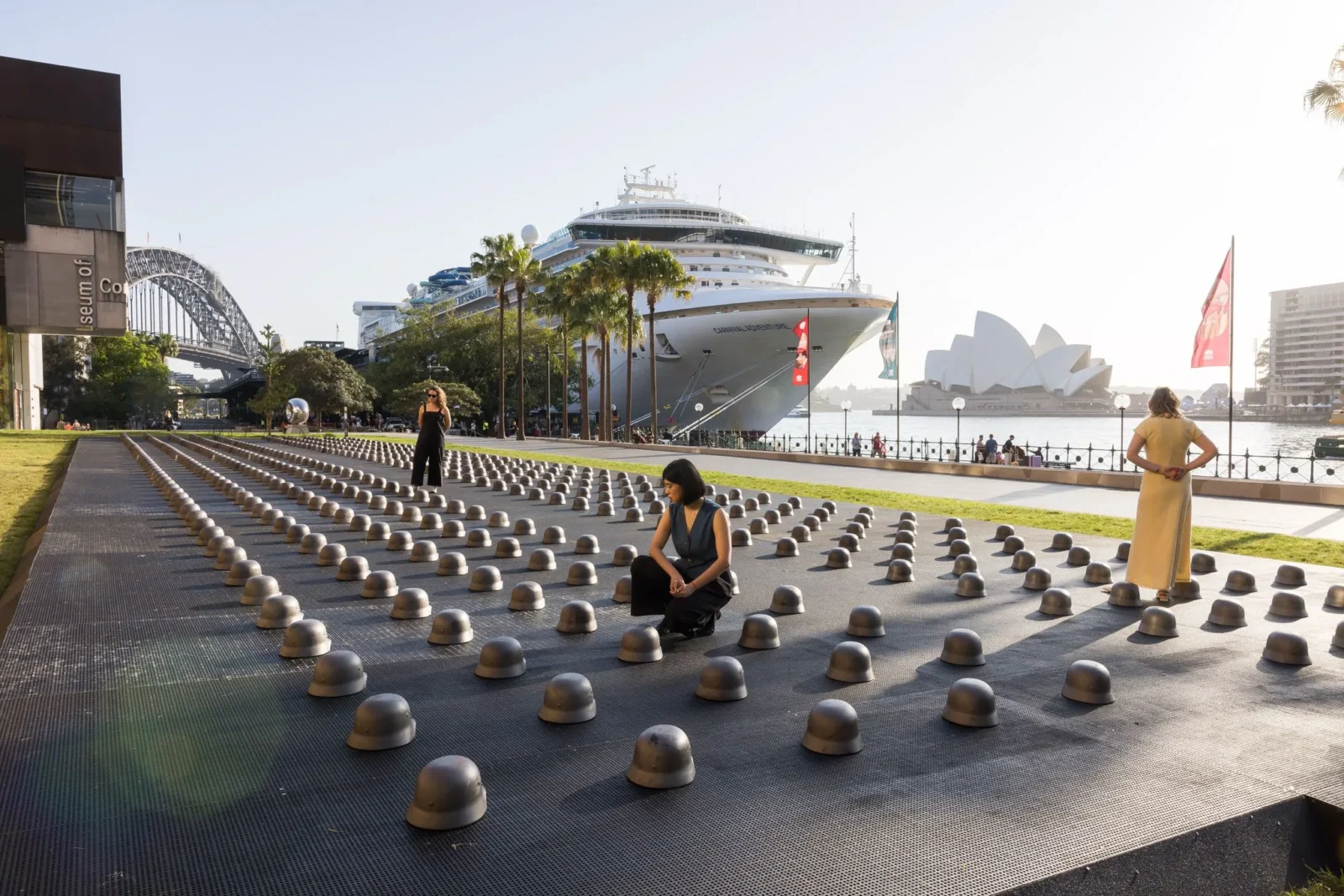
Ai Weiwei Installs 500 Cast-Iron Helmets Outside Sydney Museum
Ai Weiwei's 500 cast-iron helmets opened outside Sydney's MCA on 25 September,...
 illustrarch Editoral Team2 Mins read

Isamu Noguchi at Lever House Traces Sculptor’s Decades-Long Collaboration with Bunshaft
Lever House's new exhibition pairs Noguchi sculptures with unbuilt garden designs made...
illustrarch Editoral Team2 Mins read
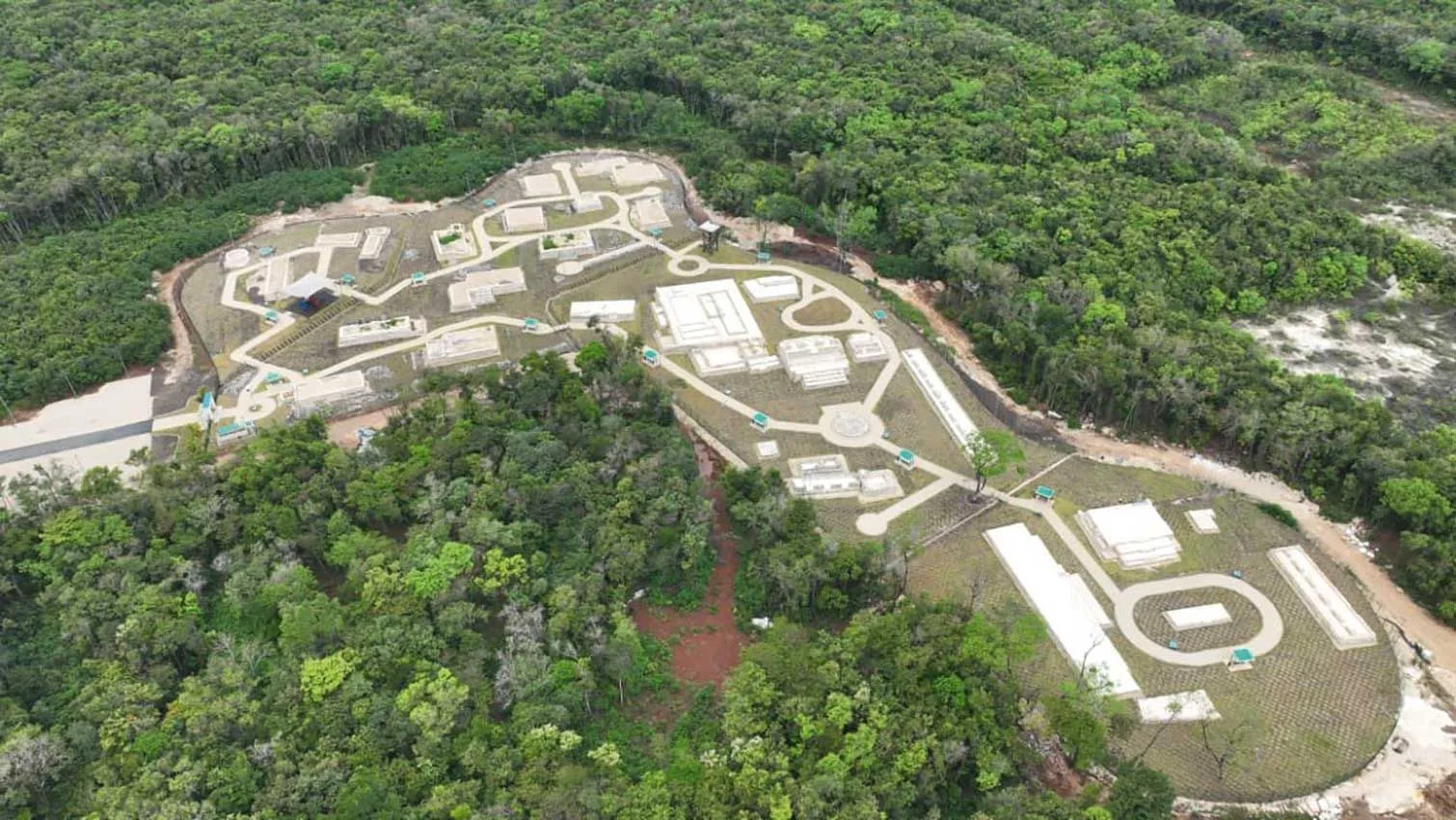
Relocated Maya Structures at Mexico’s Balam Tun Memory Park Face Legal Challenge
INAH archaeologists have filed a complaint against 26 officials over Balam Tun...
illustrarch Editoral Team2 Mins read

Heather Roberge, UCLA Architecture Professor and Murmur Founder, Dies at 55
UCLA professor and Murmur founder Heather Roberge, a 2026 AIA LA Educator...
illustrarch Editoral Team2 Mins read


Leave a comment