

10 Key Differences Between Bauhaus and Brutalism
Explore the core differences between Bauhaus and Brutalism, from materials and aesthetics to philosophy and public perception, and understand how these modernist movements shaped architecture across shifting historical and cultural contexts.
 Begum Gumusel3 December 20254 Mins read267
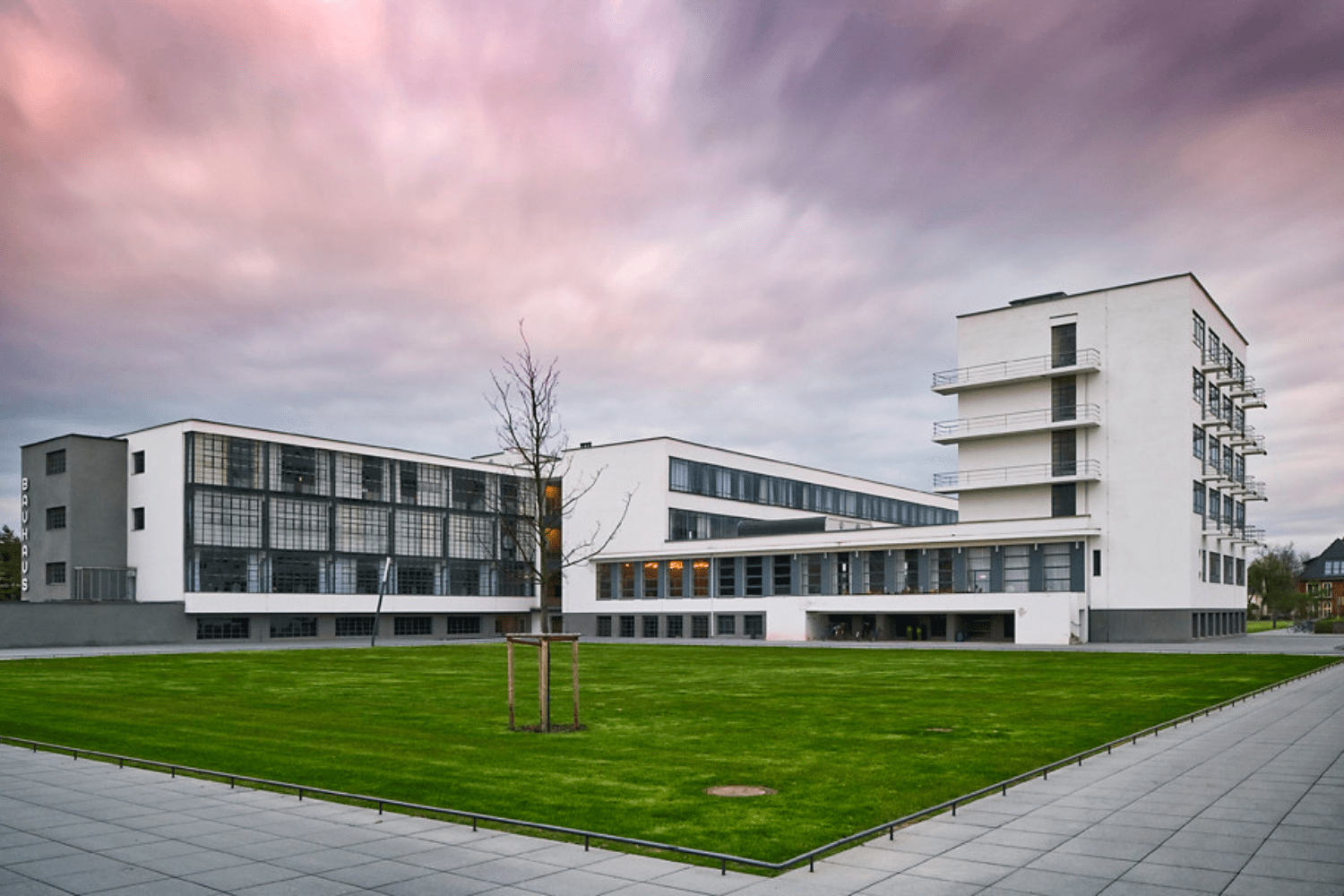
Table of Contents Show
Bauhaus and Brutalism represent two distinct yet equally influential shifts within modern architecture. Bauhaus embraced lightness, clarity, and industrial refinement, aiming to create efficient, socially accessible design during a time of technological optimism. Brutalism favored raw materiality and monumental presence, emerging from a landscape of scarcity, reconstruction, and social responsibility. Although both movements sought to redefine architecture for their time, they diverged dramatically in their materials, aesthetics, philosophies, and cultural intentions. Examining their differences reveals how architecture evolves in response to societal needs, economic pressures, and changing views on functionality, beauty, and public life. Understanding these contrasts not only enriches architectural knowledge but also enhances appreciation for the diversity within modernism.
1. Time Period
Bauhaus developed between 1919 and 1933, reflecting early modernist optimism, artistic experimentation, and a desire to harmonize design with industrialization. Brutalism rose from the 1950s to 1970s, shaped by the post-war need for rapid reconstruction, cost-efficiency, and durable materials that could withstand heavy institutional use.

While Bauhaus symbolized a pre-war vision of innovation and refinement, Brutalism represented a pragmatic, socially driven architectural response to economic constraints. Their timelines highlight a transition from experimental modernism to bold, materially expressive structures aimed at addressing urgent urban and civic demands.
2. Origin
Bauhaus began in Germany under Walter Gropius, rooted in the idea of merging art, craft, and industry into a unified design philosophy. Its educational model influenced everything from architecture to typography and product design. Brutalism grew from Le Corbusier’s béton brut experiments, later embraced by architects like Alison and Peter Smithson and widely adopted across the UK and socialist nations.
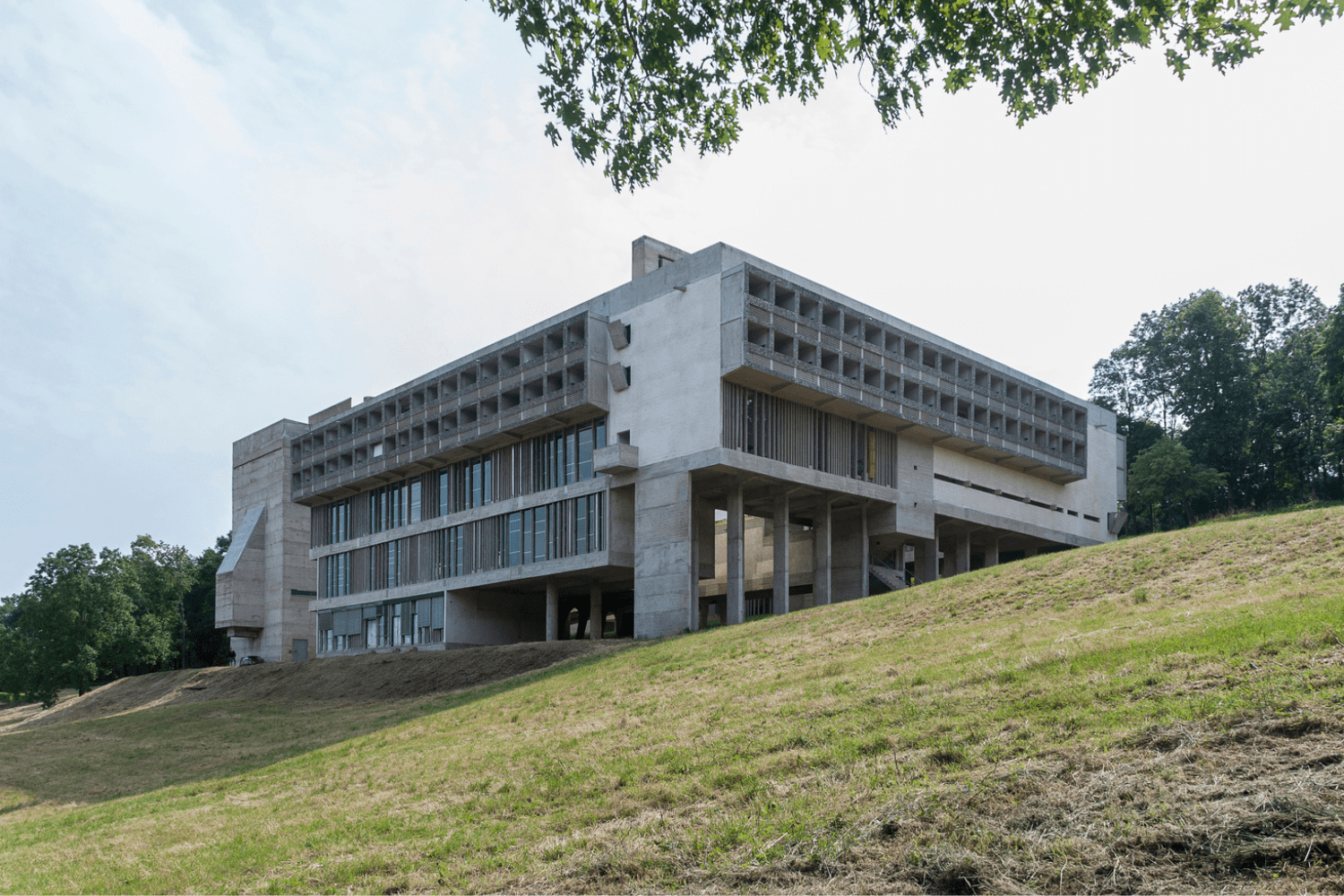
Where Bauhaus emerged as an academic and artistic initiative, Brutalism arose from post-war institutional needs, political ideologies, and material realities, giving it a more infrastructural and civic foundation. These distinct origins framed their architectural purposes from the outset.
3. Material Expression
Bauhaus architecture is characterized by steel, glass, and refined concrete, chosen for their precision and capacity to create smooth, light, modern surfaces. These materials enabled open plans, slender structures, and transparency. Brutalism embraces exposed reinforced concrete, often with pronounced formwork patterns that celebrate raw texture.
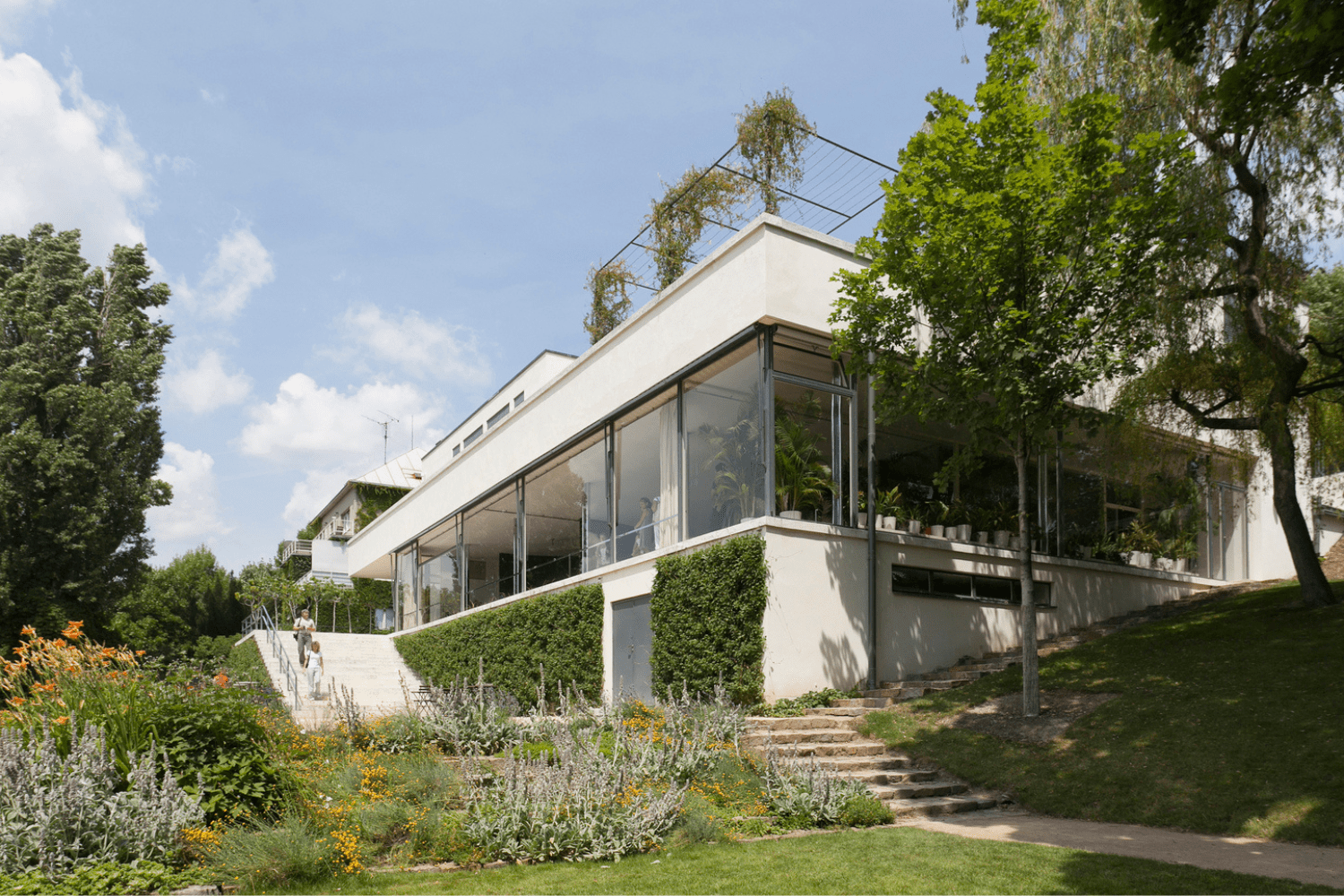
This contrast reflects opposing material values: Bauhaus emphasizes clean industrial clarity, while Brutalism prioritizes honesty, weight, and tactile material presence. The result is a clear divide between visually light structures and monumental, textured architectural forms.
4. Aesthetic Feel
Bauhaus emphasizes geometric purity, functional simplicity, and visual harmony, resulting in buildings that feel calm, orderly, and naturally modern. Brutalism, by contrast, embraces massive volumes, rugged surfaces, and sculptural intensity, producing bold silhouettes and assertive architectural gestures.
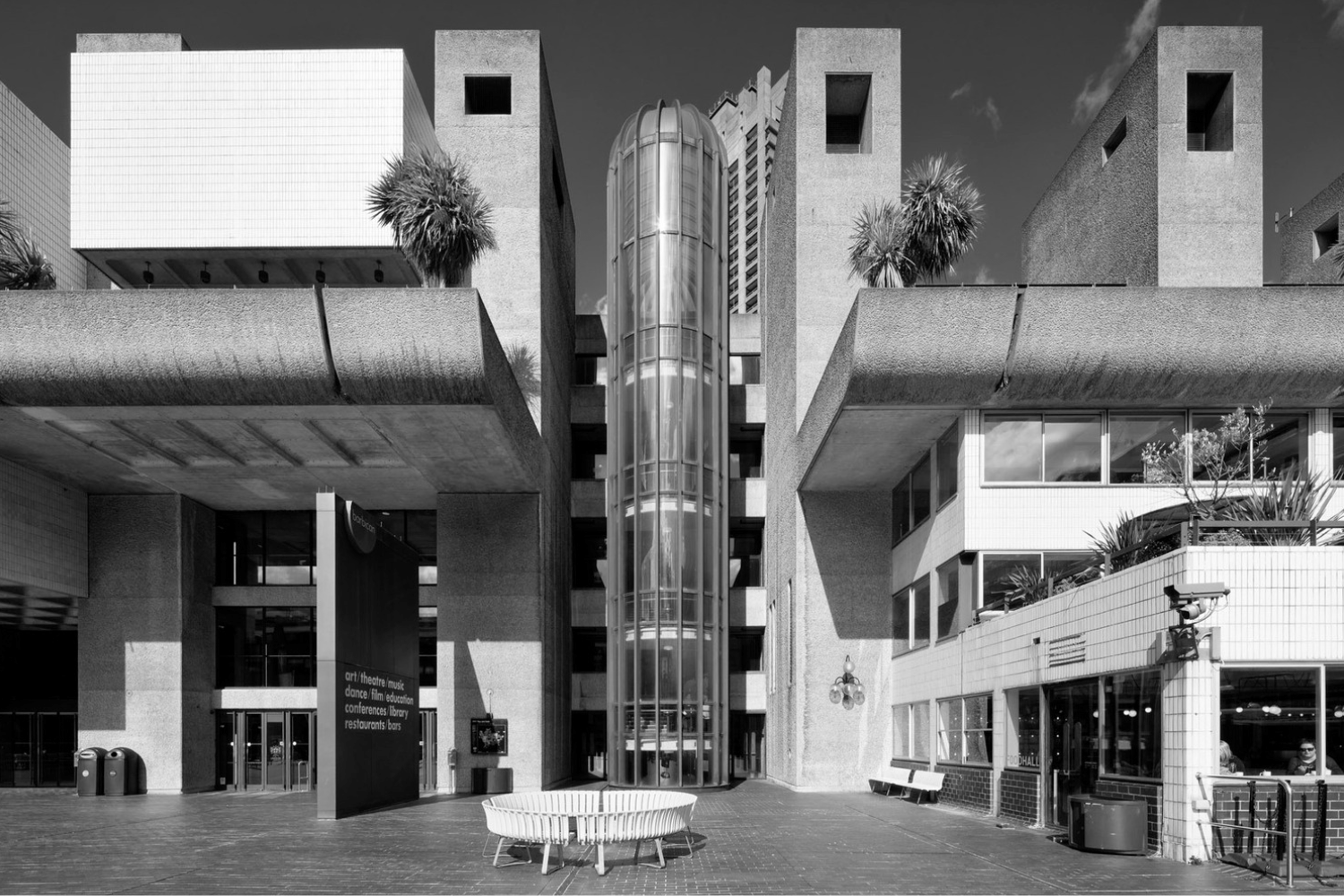
These aesthetics reveal different cultural attitudes: Bauhaus strives for restraint, rational beauty, and spatial clarity, while Brutalism expresses force, heaviness, and dramatic presence. The outcome is two architectural languages that communicate entirely different emotional atmospheres.
5. Facade Treatment
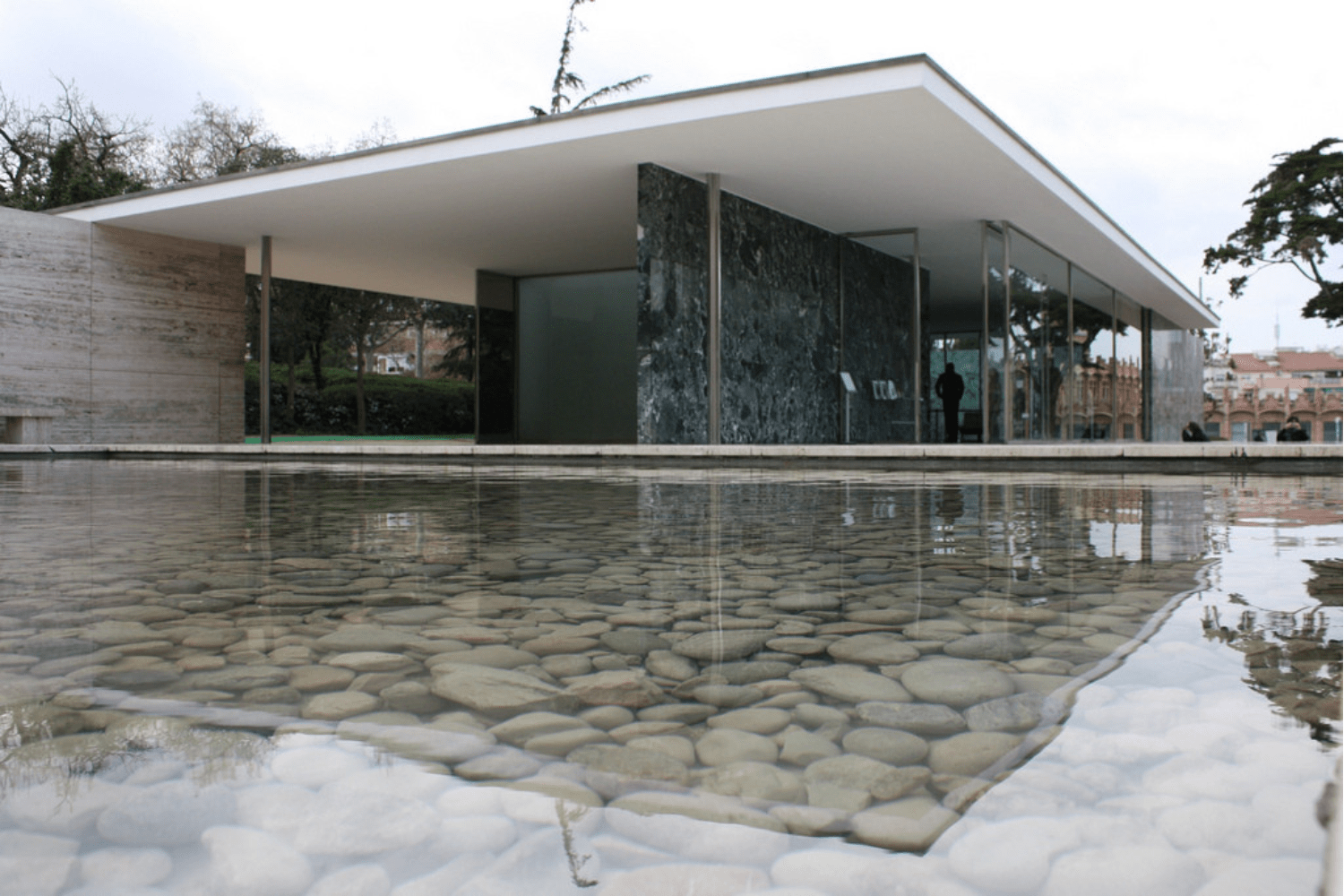
Bauhaus facades rely on expansive glazing, curtain walls, and slender steel frames, creating openness and transparency that blur boundaries between interior and exterior. Brutalist facades feature thick concrete planes, deep-set windows, and strong shadow lines that contribute to a fortress-like presence.
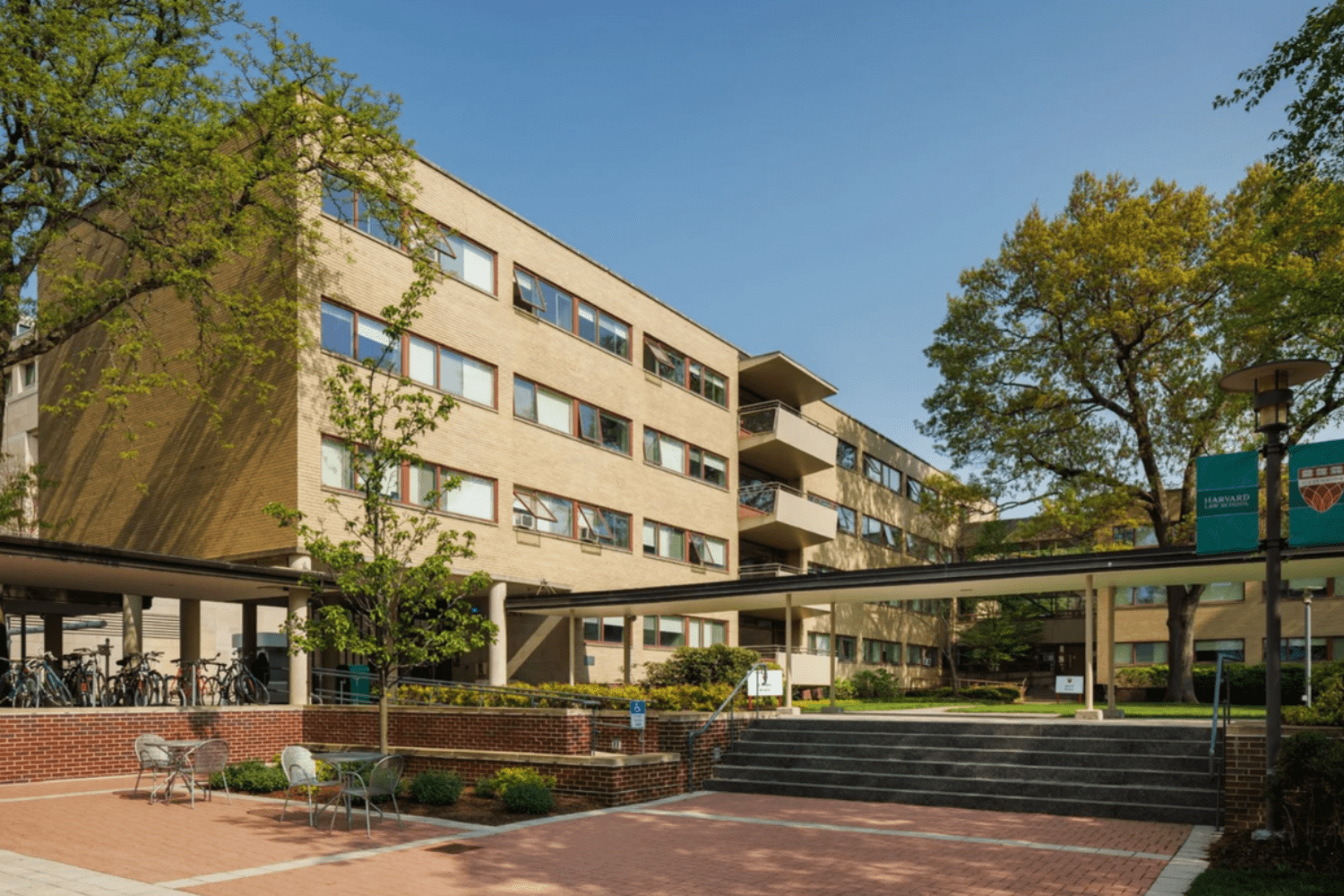
The contrast lies in how each movement manipulates surface depth: Bauhaus conveys lightness and permeability, while Brutalism emphasizes mass, protection, and structural expression. These differences significantly shape a building’s character within its urban context.
6. Architectural Philosophy
Bauhaus champions functionalism, standardization, and the fusion of art with technology, believing good design should improve daily life for society at large. Brutalism embodies material honesty, social responsibility, and the visibility of construction, framing architecture as a transparent, ethical act.
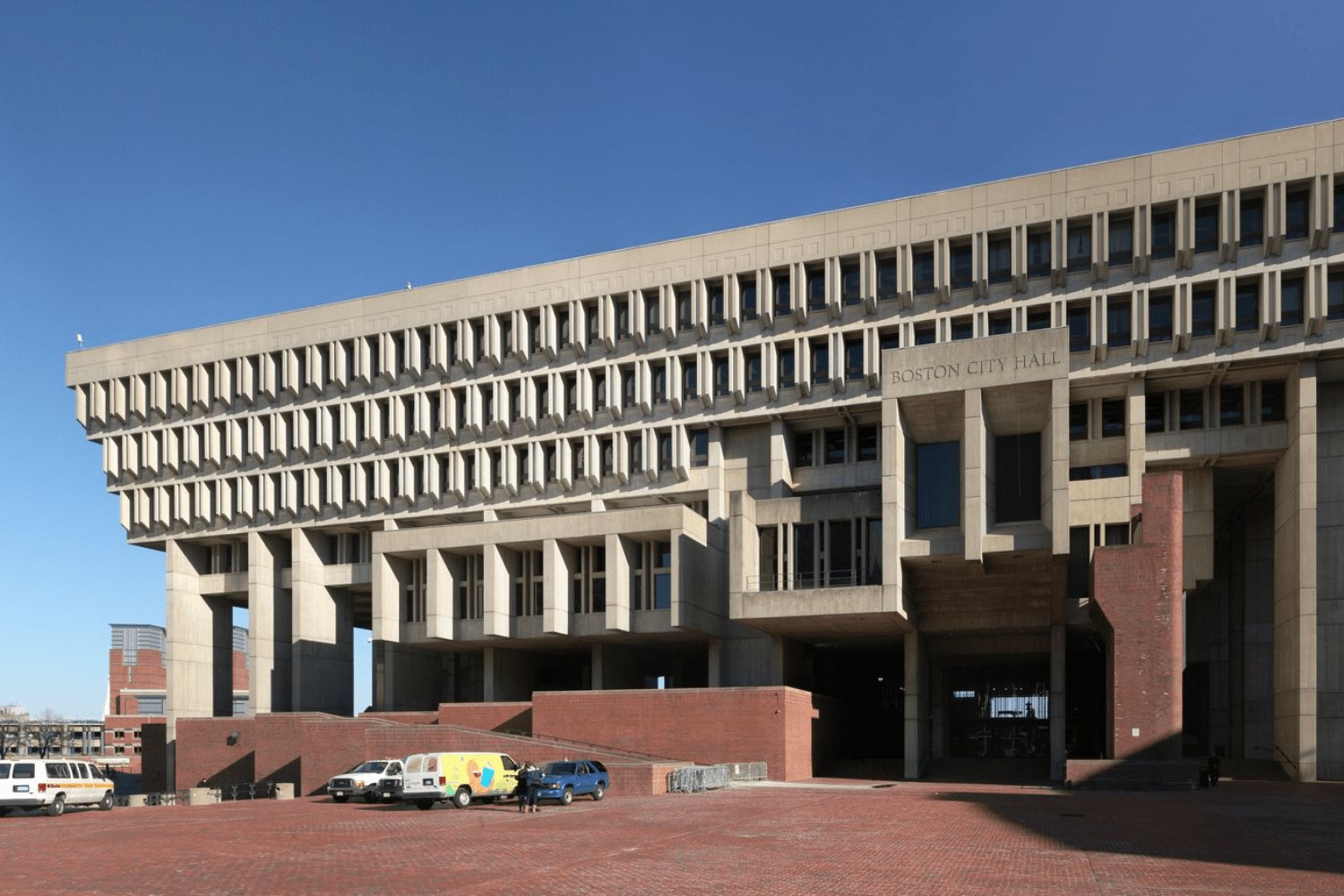
These philosophies represent two interpretations of modernism: Bauhaus as an artistic-engineering synthesis, and Brutalism as an unapologetically utilitarian and socially conscious approach. Both prioritize function, but their ideological motivations diverge sharply.
7. Spatial Qualities
Bauhaus interiors highlight openness, daylight, fluid circulation, and flexibility, often using large windows and minimal partitions to achieve transparency. Brutalist interiors tend to be heavier, enclosed, and shaped by thick concrete forms that create dramatic shadows and spatial depth.

Their spatial moods differ meaningfully: Bauhaus feels airy, adaptable, and visually open, while Brutalism feels sculptural, introspective, and immersive. Each movement uses space to evoke a distinct psychological experience.
8. Typical Building Types
Bauhaus architects designed schools, workshops, worker housing, and creative studios, reflecting their belief in design for modern living and productive environments. Brutalism prevailed in universities, government buildings, cultural complexes, and social housing, where longevity and low cost were essential.

These building types reveal different social contributions: Bauhaus reshaped everyday life with efficiency and clarity, while Brutalism addressed large-scale civic ambitions and public infrastructure during periods of rapid urban transformation.
9. Influence on Design
Bauhaus influenced modern architecture, minimalism, product design, typography, and furniture, inspiring global standards of clarity and rationality. Brutalism shaped megastructures, infrastructural architecture, and material-driven contemporary design, encouraging architects to explore raw construction aesthetics.
Where Bauhaus laid the foundation for many modern design principles, Brutalism expanded the boundaries of architectural expression, encouraging bold structural gestures and tactile authenticity.
10. Public Perception
Bauhaus is widely admired for its timeless elegance, simplicity, and visual lightness, making it broadly appealing to both professionals and the public. Brutalism often receives polarized responses, celebrated for its honesty and sculptural power, yet criticized for its perceived heaviness or austerity.

These opposing perceptions highlight how cultural expectations shape architectural appreciation: Bauhaus feels refined and accessible, while Brutalism remains provocative, challenging, and intensely expressive, ensuring ongoing debate.

Understanding the key differences between Bauhaus and Brutalism offers a deeper perspective on how modern architecture evolved under distinct historical pressures. Bauhaus conveys functional elegance and industrial clarity, while Brutalism embodies authenticity, resilience, and raw structural honesty. Together, they represent two powerful interpretations of modernism that continue to shape contemporary architectural practice, proving that innovation can emerge through both refined simplicity and monumental expressiveness.
If you are placing brutalism against other movements, we compare it with modernism, minimalism and neo-futurism in separate guides, and the full background sits in our complete guide to brutalist architecture.






India Art, Architecture & Design Biennale 2026: Ministry of Culture Opens Delhi Monuments
Delhi's monuments, including Purana Quila and the Red Fort, will host the...
 illustrarch Editoral Team2 Mins read

Vitra Museum Stages First Major Geoffrey Bawa Retrospective in Decades
Vitra Design Museum opens the first major Geoffrey Bawa retrospective in 20...
illustrarch Editoral Team2 Mins read
Ai Weiwei Installs 500 Cast-Iron Helmets Outside Sydney Museum
Ai Weiwei's 500 cast-iron helmets opened outside Sydney's MCA on 25 September,...
illustrarch Editoral Team2 Mins read

Isamu Noguchi at Lever House Traces Sculptor’s Decades-Long Collaboration with Bunshaft
Lever House's new exhibition pairs Noguchi sculptures with unbuilt garden designs made...
illustrarch Editoral Team2 Mins read


Leave a comment