

Why Mental Performance Matters in High-Pressure Design Professions
 illustrarch Editoral Team15 July 20263 Mins read0

Table of Contents Show
Architecture has always demanded a great deal from the people who practice it. Projects are more complex than ever, timelines are tighter, client expectations are higher, and the business pressures facing firm directors and studio leaders have grown considerably over the past decade.
For many practitioners, the workday doesn’t end when the office closes. Design decisions follow professionals home. Deadlines compound. Economic uncertainty adds another layer of weight to an already demanding role.
For those leading teams or running their own practices, the pressure extends well beyond the drawing board to include staffing, cash flow, client relationships, and business strategy. This combination of creative, technical, and commercial demands makes architecture one of the more complex professional environments to sustain over the long term.
The Hidden Impact of Chronic Stress on Performance
The design professions attract people who care deeply about their work. That same commitment, however, can make it harder to recognize when pressure has crossed into something more damaging.
Chronic stress affects performance in ways that aren’t always obvious at first. Decision fatigue builds gradually, and many professionals don’t notice it until their thinking slows, their creative output narrows, or they find themselves second-guessing choices they would once have made with confidence.
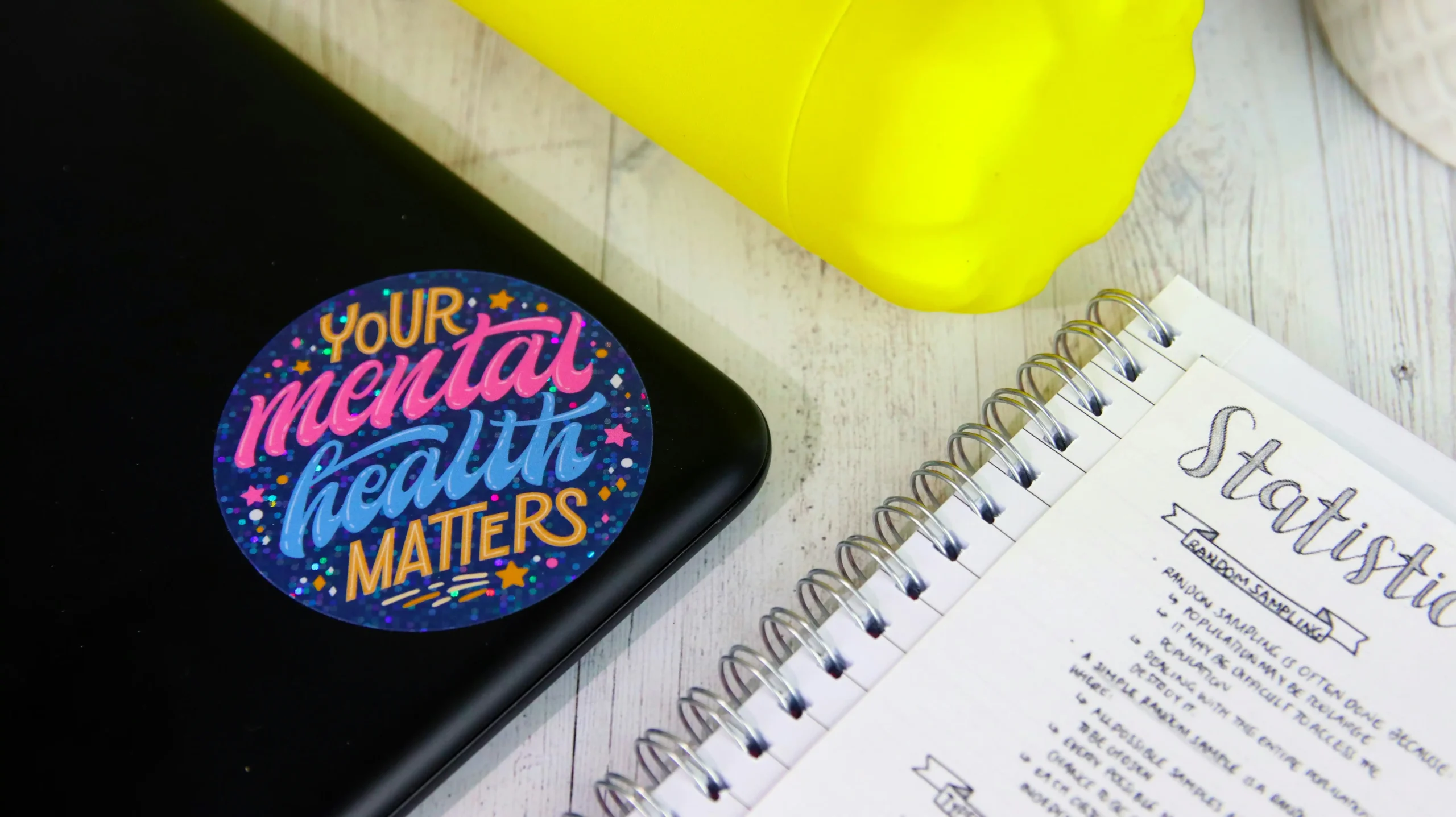
Research published in journals including the Harvard Business Review suggests that sustained cognitive load reduces the quality of judgment and increases the likelihood of errors over time.
Perfectionism, which many architects would describe as a professional asset, can quietly become a liability. When the bar is always high, and the margin for error feels small, the nervous system stays in a low-grade state of alert.
Over months or years, that state can contribute to burnout, reduced team cohesion, and difficulty sustaining the kind of open, generative thinking that good design requires. This reflects the reality of working in a high-responsibility profession without adequate support for the human performance side of the role.
Why Sustainable High Performance Matters
The most effective professionals in any demanding field share something beyond technical skill. They have learned to perform consistently under pressure without burning through their own resources to do it.
In architecture, this matters at every level. A director who can stay clear-headed through a difficult client negotiation, a project leader who can hold the team’s focus during a fraught delivery phase, a studio head who can make sound strategic decisions when the business is under pressure; these are performance outcomes, not personality traits. They can be developed.
Research in neuroscience and psychology points to several factors that support sustainable high performance: the ability to regulate stress responses, maintain focus under uncertainty, build genuine confidence rather than performative certainty, and create team environments where people feel safe to speak up and contribute fully.
Emotional intelligence plays a significant role here too. Leaders who understand their own responses to pressure tend to manage their teams more effectively and recover from setbacks more quickly.
For design professionals, building this kind of capacity isn’t a distraction from the work. It’s what allows the work to stay at a high standard over the length of a career.
Lessons From Other High-Pressure Professions
Architecture is not alone in grappling with these challenges. Medicine, law, executive leadership, and elite sport have all confronted the same tension between high output and human sustainability, and many have responded by investing seriously in the performance side of professional practice.
In medicine, there is growing recognition that clinician wellbeing directly affects patient outcomes. Many health systems now build structured support for stress management and resilience into professional development programs. Elite sports organizations have employed performance psychologists as standard practice for decades, understanding that mental fitness is as trainable as physical conditioning.
The executive leadership world has moved in a similar direction. Senior leaders across industries are increasingly working with specialists who combine clinical expertise with a deep understanding of high-performance environments.

Professionals working in demanding fields, including healthcare, executive leadership, and specialist industries such as architecture and design, are increasingly seeking guidance from experts such as Dr Jodie on building resilience and sustaining high performance under pressure.
What these professions have in common is a shift in how performance is understood. The old model treated stress as something to push through. The emerging model treats mental fitness as something to build deliberately, using evidence-based tools grounded in neuroscience and psychology.
Building More Resilient Leaders in Creative Industries
The architecture and design industries have an opportunity to take the same approach that medicine and elite sport have already embraced. That means treating leadership development and mental fitness as professional priorities, not afterthoughts.
For firm directors and studio leaders, this can mean working with a coach on clarity, decision-making under pressure, and building team cultures where people perform well and stay well.
For practices as a whole, it may mean creating structures that support sustainable output rather than rewarding endurance alone. The professionals who thrive long-term in this field tend to be those who invest in their own performance with the same rigor they bring to their projects.
This article is intended for general educational purposes only and should not be considered psychological, medical, or professional advice. Individual circumstances vary, and readers should seek appropriate professional support where required.



Small Physical Brand Details That Make Architecture Events More Memorable
Table of Contents Show Why Small Physical Details Matter in Design CultureStart...
illustrarch Editoral Team5 Mins read
Why Your Design Brief Matters More Than Your Builder Choice
Table of Contents Show What a Brief Actually Is, and What It...
illustrarch Editoral Team10 Mins read
How to Build an Architecture Physical Model From Scratch
Building an architecture physical model from scratch takes the right scale, tools,...
 Furkan Sen6 Mins read
Sydney’s Buildings Are Ageing Faster Than Most Owners Realise
There is a wave of building deterioration moving through Sydney's property stock...
illustrarch Editoral Team10 Mins read


Leave a comment