

What Every Homeowner Should Look for in an Interior Decorator in Santa Monica Before Starting a Remodel
Hiring an interior decorator in Santa Monica can shape whether a remodel feels thoughtfully put together or becomes a series of expensive decisions that never quite connect.
 illustrarch Editoral Team20 August 20265 Mins read88

Table of Contents Show
Hiring an interior decorator in Santa Monica can shape whether a remodel feels thoughtfully put together or becomes a series of expensive decisions that never quite connect.
The right professional does more than select furniture, paint colors, and decorative objects; they help turn the way you actually live into a home that looks intentional and functions comfortably.
Before choosing an interior decorator in Santa Monica, homeowners should look closely at experience, communication style, design process, local knowledge, and the ability to balance aesthetics with everyday practicality.
Start With How You Actually Live
A beautiful portfolio can grab your attention, but your daily routine should ultimately guide the design.
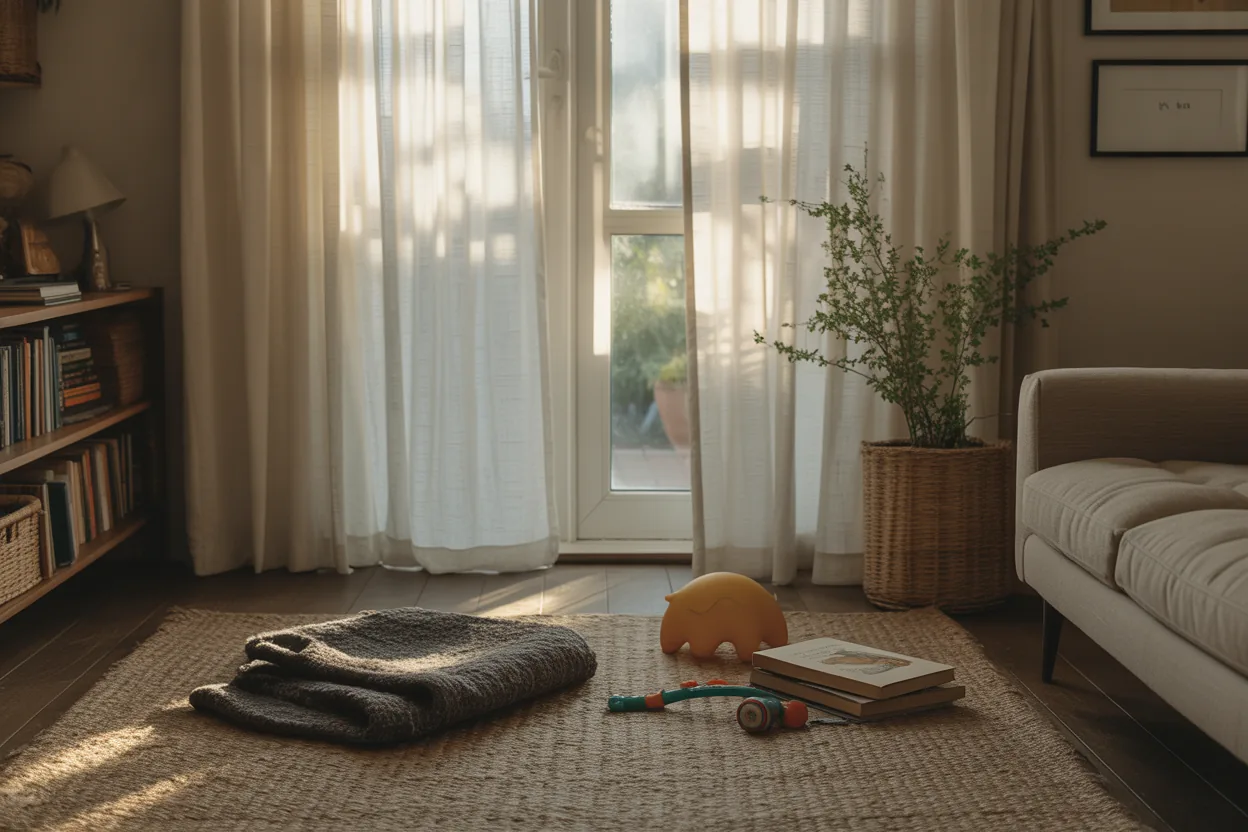
Think about what happens in your home on an ordinary Tuesday rather than how you want the space to look when guests arrive.
A couple who regularly hosts ten people for dinner needs a very different dining and living area from someone who travels frequently and mainly wants a peaceful place to return to.
Families with young children may prioritize durable upholstery, rounded furniture, concealed storage, and surfaces that can handle spills without constant worry.
Someone working from home may need acoustic separation, good task lighting, built-in storage, and a background that looks polished during video calls.
A strong decorator should ask these kinds of questions before discussing specific fabrics, finishes, or furniture pieces.
Look for Questions, Not Just Suggestions
One of the easiest ways to evaluate a design professional is to notice what happens during the first conversation.
Do they immediately start recommending a particular style, or do they first ask how you use the rooms?
Good residential design begins with listening because two homes with nearly identical floor plans can require completely different solutions.
For example, an unused formal dining room might become a library for one homeowner, a flexible office for another, or remain a dining space for someone who hosts large family meals every weekend.
The best recommendations usually come after the designer understands those differences.
Make Sure Their Portfolio Shows Range
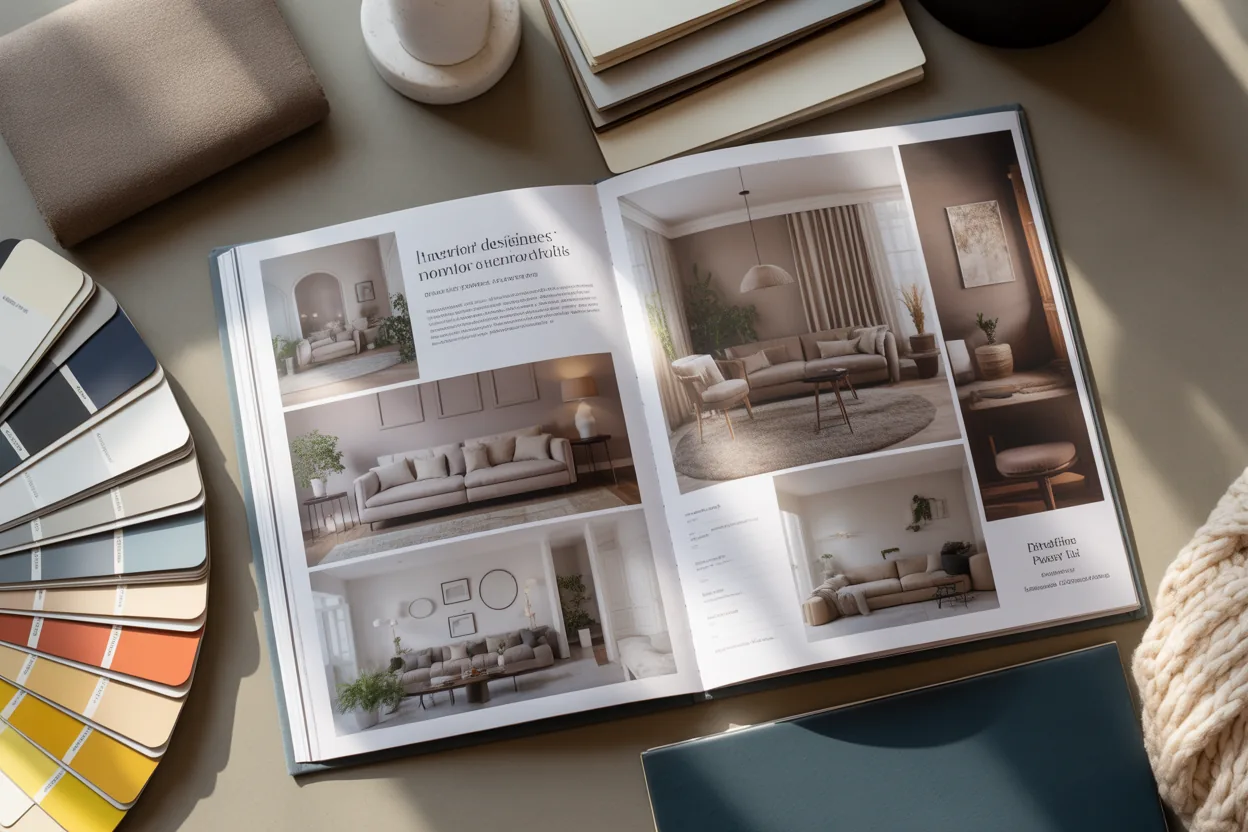
A portfolio tells you more than whether you like someone’s aesthetic.
Look at how different projects solve problems involving scale, lighting, furniture placement, architectural details, materials, and storage.
If every project appears almost identical, ask yourself whether you are seeing a designer’s versatility or simply a signature look repeated from house to house.
There is nothing wrong with hiring someone known for a particular design style, especially if it closely matches your taste.
However, your home should still feel personal rather than like a recreation of another client’s living room.
Look for projects where the underlying design language remains sophisticated while the details clearly respond to different architecture and lifestyles.
Local Knowledge Matters More Than It Seems
Santa Monica homes come with their own design considerations, from coastal light and indoor-outdoor living to compact footprints and older architectural details.
Materials that work beautifully in another environment may not always make equal sense near the coast.
Natural light can also dramatically change the appearance of paint, stone, wood, textiles, and metal finishes throughout the day.
A warm white that looks subtle in a showroom might appear much brighter in a west-facing room flooded with afternoon sunlight.
Local familiarity can help a decorator anticipate these details before selections are finalized.
It can also influence practical decisions involving window treatments, outdoor furnishings, flooring, upholstery, and finishes exposed to strong sunlight.
Pay Attention to Architectural Compatibility
Interior decoration should complement the bones of the property rather than fight against them.
A Spanish-style residence, contemporary condo, mid-century home, and relaxed coastal property each create different opportunities.
That does not mean every historic home needs traditional furniture or every modern home needs minimalist interiors.
Contrast can be extremely effective when it is deliberate.
A streamlined contemporary sofa, for example, can look striking in a room with original plaster walls and traditional architectural detailing when the proportions, materials, and surrounding pieces are carefully balanced.
Ask How the Design Process Actually Works

Many remodeling frustrations come from unclear expectations rather than bad taste.
Before starting, understand how decisions will be made, presented, approved, purchased, and changed.
Ask what happens after the initial consultation and how concepts move from broad ideas into specific selections.
You should know whether you will receive mood boards, floor plans, furniture layouts, finish samples, sourcing recommendations, or other visual materials before purchases are made.
The process should also establish how revisions work and who keeps track of approvals.
Without that structure, even relatively straightforward projects can become confusing once dozens of small decisions start overlapping.
Discuss the Budget Before Falling in Love With the Design
Budget conversations are rarely the glamorous part of decorating, but they are among the most important.
A skilled professional should understand where spending will have the greatest visual and functional impact.
Imagine a homeowner with a limited furnishing budget who wants to completely refresh a living room.
It may make more sense to invest heavily in a properly scaled sofa that will be used every day while choosing more affordable side tables, accessories, and occasional pieces.
In another home, custom window treatments might deserve a larger share of the budget because oversized windows dominate the entire room.
Good decorating is not about spending the maximum amount possible; it is about spending strategically.
Ask What Is Included in the Fee
Homeowners should understand the financial structure before approving the project.
Ask about design fees, purchasing arrangements, product markups, delivery costs, installation expenses, custom work, and any additional charges that could arise.
Clarity at the beginning makes it much easier to evaluate recommendations later without wondering how each selection affects the overall project cost.
Look Beyond Trends
Trends can provide inspiration, but a remodel should not feel dated shortly after it is completed.
Popular colors, dramatic stone patterns, curved furniture, oversized lighting, and fashionable materials can all work beautifully when they genuinely suit the property.
Problems arise when every decision is based on what happens to be popular at the moment.
A more durable approach is to create a strong foundation using appropriate proportions, quality materials, comfortable furniture, and a cohesive palette, then introduce trend-driven elements selectively.
Accessories, pillows, artwork, smaller lighting pieces, and occasional furniture are generally easier to change than flooring, cabinetry, or built-ins.
Communication Can Make or Break the Project
Design projects involve hundreds of decisions, and even talented professionals need to communicate well.
You should feel comfortable asking why a particular piece was selected, requesting alternatives, or raising concerns about cost and practicality.
At the same time, hiring a professional only works when you are willing to consider recommendations that may initially push you slightly outside your comfort zone.
Perhaps you assumed the living room needed a sectional, but the proposed layout uses two sofas to improve conversation and circulation.
The recommendation should come with a clear explanation of why that arrangement works better for the room.
Good collaboration does not mean agreeing instantly on everything; it means understanding the reasoning behind important decisions.
Check Whether the Details Connect
The most convincing interiors rarely depend on one spectacular piece.
They work because dozens of quieter choices support one another.
The undertone of the wall color relates to the flooring, the rug establishes the furniture arrangement, the lighting works at several heights, and materials repeat subtly enough to make separate spaces feel connected.
Even practical elements such as curtain length, furniture scale, outlet placement, storage, and walking clearance influence how polished a finished room feels.
When reviewing previous projects, look beyond the dramatic photographs and examine these smaller relationships.
Choose Someone Who Designs for Your Real Home
Ultimately, the right interior decorator in Santa Monica should be able to create a home that looks considered without making everyday life inconvenient.
The goal is not simply to produce a room that photographs beautifully on installation day.
It is to create spaces that continue working when the coffee table has books on it, friends unexpectedly stay for dinner, children leave things in the living room, or you spend an entire Sunday afternoon on the sofa.
Before beginning a remodel, look for someone who understands your routines, respects the architecture, communicates clearly, works intelligently within the budget, and knows when aesthetics need to give way to practicality.
When those pieces come together, decorating stops being a collection of attractive purchases and becomes something much more valuable: a home that genuinely fits the people living in it.








Interior Design for Commercial Spaces: Enhancing Functionality and Brand Identity
Commercial interior design has to serve brand, function and regulation at once....
 Begum Gumusel4 Mins read

Futuro House Production Revived in Finland After Decades-Long Hiatus
A Facebook listing for abandoned moulds led to the first new Futuro...
illustrarch Editoral Team3 Mins read

Building Your Dream Home in NSW: What You Should Know About Montgomery Homes
Montgomery Homes has been building across Sydney, Newcastle, the Hunter, Wollongong and...
illustrarch Editoral Team4 Mins read

Designing a Home Theater: Where Drapery Fits Into the Plan
In a media room the curtains are a performance layer, not decoration....
illustrarch Editoral Team3 Mins read


Leave a comment