

Top Books for Architecture Students: Essential Reading List
Looking for the best books for architecture students? This curated guide covers 13 essential titles, from foundational theory by Ching and Le Corbusier to sustainable design, sensory architecture, and philosophical explorations of space. Whether you are a first-year student or an advanced thesis researcher, these recommended books will sharpen your design thinking and inspire your creative vision.
 Bahattin Duran29 December 20258 Mins read754

Table of Contents Show
Looking for the best books for architecture students? Whether you are a first-year student or an experienced design enthusiast, building a strong reading list is one of the smartest investments you can make. The right architecture books for students sharpen your design thinking, deepen your understanding of theory and history, and spark the kind of creative vision that sets great architects apart.
We have curated this list of the top books for architecture students in 2025 , covering everything from foundational theory and sustainable design to sensory experience, urban history, and philosophical explorations of space. These recommended books for architecture students form the essential reading list that every aspiring architect should work through.
1. “Architecture: Form, Space, and Order” by Francis D.K. Ching
For every architecture student, this is the Bible! Ching opens complex architectural concepts to the layman’s eye with simple visuals and expositions and is an incredible information source for beginners and ever-experienced architects. Widely regarded as one of the best architecture books for students, this title is used in architecture programs around the world. I can see this book becoming their go-to reference to come back to, time and again, throughout their career. If you are looking for architectural books for beginners that explain form, spatial relationships, and ordering principles clearly, Ching’s work is the definitive starting point.
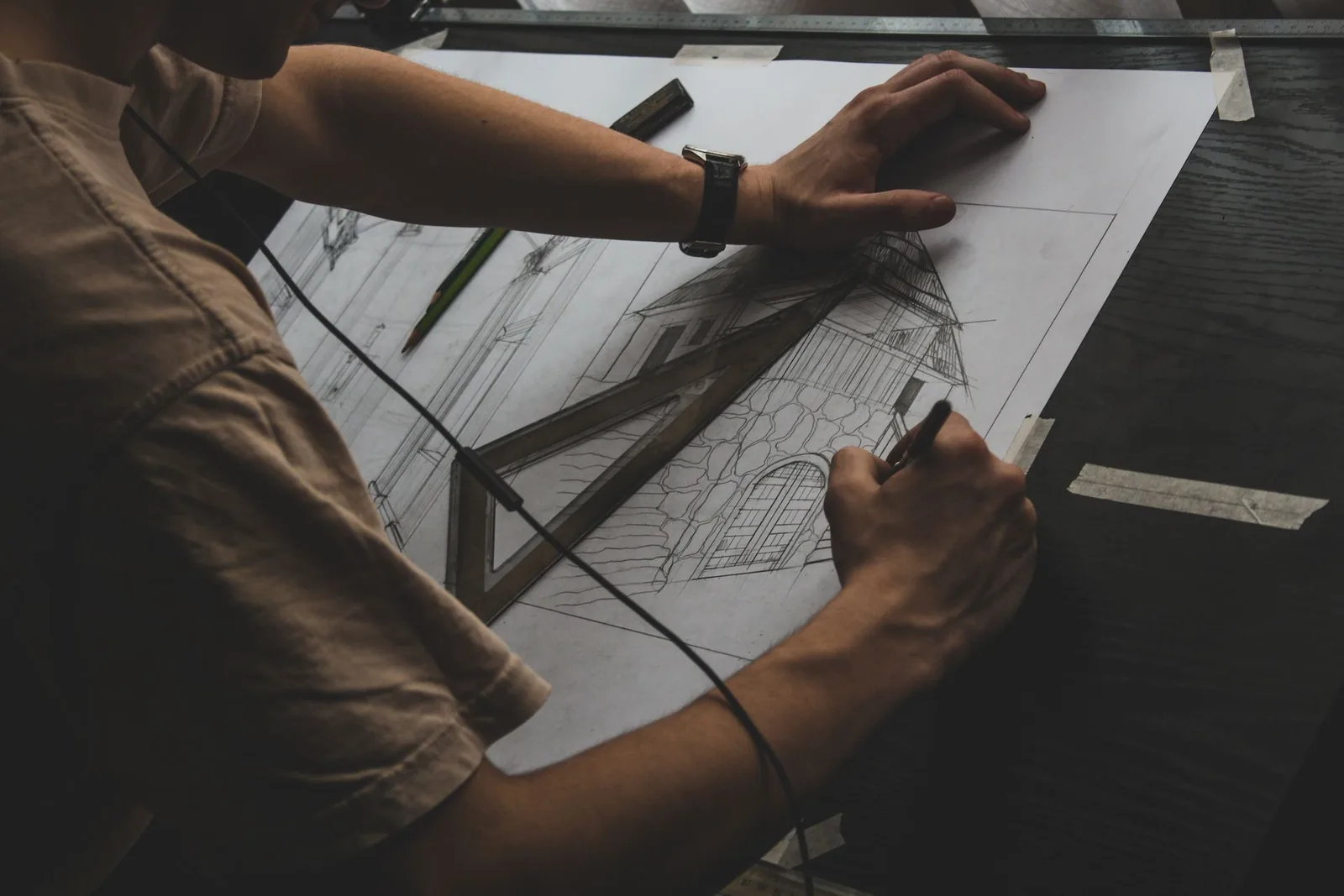
So, for example, if you are an architecture student excited about learning more about your subject but could never hope to find the time with the assignments piling up, wondering, “Who can write me an essay online?” utilizing writing services can be a lifesaver. This way, you can learn more about architectural styles and history. You can use the services to offload some of your workload, ensure you do not get overwhelmed, and develop a deeper understanding of something you plan on spending your life on.
2. “Sustainable Design: A Critical Guide” by David Bergman
A timely text on sustainable architectural design, Bergman’s discussion goes well beyond the superficial explanation of why sustainable practices are essential to offer a comprehensive look at how architectural plans can effectively combine the two. As sustainable architecture trends continue to reshape the profession, this book is a must-read for any student seeking to simultaneously design aesthetically pleasing and environmentally conducive structures. It belongs on every list of the best books on architecture focused on environmental responsibility.
3. “The Eyes of the Skin: Architecture and the Senses” by Juhani Pallasmaa
His seminal text is a must-read for anyone interested in the sensory experience of architecture. Juhani Pallasmaa writes: “Architecture is the art of reconciliation between ourselves and the world, and this mediation takes place through the senses.” Students who read this book will think about architectural space and design differently. Among the most influential recommended books for architecture students, it challenges the visual dominance in contemporary design and encourages a multisensory approach.
4. “Complexity and Contradiction in Architecture” by Robert Venturi
Although at first glance it’s a simple argument against modernist architecture (richness in architectural form is always better than simplistic modernist design), it reminds students, ever so slowly, that the world is perhaps better reflected in more complex ways. Often called the most important architectural text of the second half of the 20th century, Venturi’s work is an essential book for architecture students who want to challenge conventional thinking. If a student’s work starts to look like a church, our book undertakes a humble, creative criticism: forget about the church. You can also explore how this title compares to other essential reads in our guide to 10 books every architect should read.
5. “Delirious New York: A Retroactive Manifesto for Manhattan” by Rem Koolhaas
According to a 2023 National Literacy Trust survey, only 43.4% of children and young people aged 8 to 18 in the UK reported enjoying reading, and less than 30% said they read daily. Despite these dwindling numbers, texts like Rem Koolhaas’s exploration of Manhattan’s architectural and cultural history can captivate students. Koolhaas’s book, rich with urban history, serves as a bridge connecting readers with the intricate stories of the buildings and spaces around them, potentially reigniting their passion for reading through engaging and relevant content. For any student compiling a reading list of the best architectural books, this title offers an unmatched perspective on urbanism and metropolitan culture.
6. “Towards a New Architecture” by Le Corbusier
Modern architecture, also known as modernist architecture, emerged in the early 20th century and is characterized by a functional approach that emphasizes simplicity, eliminating ornament, and using new materials like glass, steel, and concrete, encapsulating a design philosophy where form follows function. Le Corbusier is one of the founders of modern architecture, encapsulating his vision for the future of the profession and the contemporary form and function he believed were crucial for all future designs. The careful use of modern materials such as steel and glass to build upon industrial processes has been the hallmark of much architectural practice ever since. To explore how these modernist ideas evolved into today’s design landscape, see our ultimate modern architecture guide.

7. “Thinking Architecture” by Peter Zumthor
Here, Zumthor traces his own designer’s philosophy back to its roots, emphasizing the emotional life of a building and the craftsmanship of the people who make it. This book will provide a strong presence in the studio, inspiring students to think about the imponderable qualities that endow space with its own life. It is one of the most deeply personal architecture textbooks available and remains a favorite among students and educators alike.
8. “Architectural Drawing” by David Dernie
It is point-by-point instruction in the prosodic practices of architectural drawing: The ink line and the pen-top techniques of the “left-handed” drawing methods are very different. They have also been adapted for use with digital architectural drawing tools. It is an essential resource for the student trying to devise a way of visualizing and showing their design. If you want to strengthen your drawing fundamentals further, check out our article on improving architectural drawing skills and our guide to architectural sketching for beginners.
9. “Invisible Cities” by Italo Calvino
Italo Calvino’s “Invisible Cities” is not a textbook, but it offers architectural students valuable insights:
- Imaginary Urban Designs: The novel explores ideal and imaginary cities.
- Space-Time Dynamics: It examines how space and time interplay.
- Reality Perception: Calvino challenges traditional perceptions of reality.
- Creative Inspiration: The book encourages thinking about unconventional spaces.
These elements make “Invisible Cities” an engaging read for architecture students looking to expand their creative horizons and rethink the fundamentals of urban design. For more fiction that stimulates architectural thinking, see our list of 10 novels every architect should read.
10. “The Poetics of Space” by Gaston Bachelard
His philosophy of “the poetry of space” (as the subtitle of this book characterizes Bachelard’s thinking on intimate space) remains a classic work of architectural theory. By urging us to think about space only through its “emotional and poetic aspects,” he inspires us to believe, or rather, hope, that feelings can mold how architects design. This philosophical gem is one of the best books on architecture for anyone seeking a deeper, more reflective relationship with the spaces they create.
Bonus Recommendations: More Top Books for Architecture Students
Beyond the ten titles above, several other books about architects and architectural practice deserve a place on your shelf:
“101 Things I Learned in Architecture School” by Matthew Frederick
This compact, illustrated guide distills essential design lessons into 101 accessible entries. It covers everything from how to draw a line to the complexities of color theory, making it one of the most popular architecture books for students at every level. As a quick-reference companion, it pairs perfectly with more comprehensive texts like Ching’s Form, Space, and Order.
“Modern Architecture: A Critical History” by Kenneth Frampton
Frampton’s rigorous overview of modern architecture from the late 19th century to the present is essential for contextualizing the buildings and movements discussed in the other titles on this list. His concept of “critical regionalism” is especially relevant for students exploring context-sensitive design. This is one of the best architecture books for historical and theoretical grounding.
“The Death and Life of Great American Cities” by Jane Jacobs
Jane Jacobs’s groundbreaking critique of mid-20th-century urban planning remains as relevant as ever. Her emphasis on mixed-use neighborhoods, walkability, and community-driven design offers invaluable lessons for students interested in urbanism and how buildings connect with the fabric of city life. It is a key recommended book for architecture students interested in developing their professional knowledge.
How to Choose the Best Architecture Book for Your Study Level
With so many books for architecture students available, selecting the right one depends on where you are in your studies:

For first-year students and beginners, start with visual, accessible titles like Ching’s Form, Space, and Order and Frederick’s 101 Things I Learned in Architecture School. These architectural books for beginners build a strong conceptual foundation without overwhelming jargon. Our article on best architecture books for beginners offers more targeted suggestions.
Intermediate students ready to deepen their thinking should explore theory-heavy titles such as Venturi’s Complexity and Contradiction, Pallasmaa’s The Eyes of the Skin, and Bachelard’s The Poetics of Space. These books challenge assumptions and encourage critical design thinking.
Advanced students and thesis researchers will benefit from Koolhaas’s Delirious New York, Frampton’s Modern Architecture: A Critical History, and Bergman’s Sustainable Design for their analytical depth and cultural commentary. For more advanced reading lists, explore our top architecture reference books.
Students at every level should also invest time in practical skills. Dernie’s Architectural Drawing complements theoretical knowledge with hands-on technique, and you can find even more resources in our guide to tips for first-year architecture students.
Final Thoughts
Together, these books offer insights, lessons to help future architecture students see, work, and think differently. Here’s a concise table summarizing essential books for architecture students, each paired with a brief description:
| Book Title and Author | Description |
| “Architecture: Form, Space, and Order” by Francis D.K. Ching | The definitive guide to architectural basics, using clear visuals and explanations to make complex concepts accessible for beginners and experienced architects. |
| “Sustainable Design: A Critical Guide” by David Bergman | It goes beyond the basics of sustainability to show how modern architectural plans can implement environmental considerations effectively. |
| “The Eyes of the Skin: Architecture and the Senses” by Juhani Pallasmaa | Advocates for a sensory-rich approach in architecture argue that engaging all senses leads to more profound spatial experiences. |
| “Complexity and Contradiction in Architecture” by Robert Venturi | It challenges modernist orthodoxy by promoting a richer and more intricate architectural form. |
| “Delirious New York: A Retroactive Manifesto for Manhattan” by Rem Koolhaas | A vibrant narrative that dives into the architectural and cultural history of Manhattan, sparking creativity and passion for urban design. |
| “Towards a New Architecture” by Le Corbusier | Presents foundational modernist principles, emphasizing functionalism and using new materials in building design. |
| “Thinking Architecture” by Peter Zumthor | Zumthor shares his philosophy of creating emotional resonance through architecture, emphasizing the importance of craftsmanship. |
| “Architectural Drawing” by David Dernie | Offers practical instruction on architectural drawing, covering traditional and digital techniques. |
| “Invisible Cities” by Italo Calvino | Explores imaginative urban landscapes, encouraging architects to think beyond conventional design boundaries. |
| “The Poetics of Space” by Gaston Bachelard | A philosophical exploration of intimate spaces, urging architects to consider space’s emotional and poetic aspects. |
| “101 Things I Learned in Architecture School” by Matthew Frederick | A compact, illustrated guide covering essential design lessons, ideal for students at every stage of their education. |
| “Modern Architecture: A Critical History” by Kenneth Frampton | A rigorous historical overview that contextualizes modernism through regional, political, and cultural lenses. |
| “The Death and Life of Great American Cities” by Jane Jacobs | A foundational work on urban planning that champions walkable, community-driven neighborhoods. |
Each book provides unique insights and tools, encouraging architectural students to explore diverse approaches and deepen their understanding of architectural design. Whether you are building your first reading list or expanding your library with the best books for architecture students, these titles will serve you well from first-year studio to professional practice. For even more inspiration, browse our curated collection of the best architecture student books and our roundup of novels every architect should read.
Author: Donnie Jackson
Donnie Jackson’s expertise is in helping students better understand and explain complex environments, making his writing applicable to specific but broad categories of study: architecture and design education. His writing has been published in international journals. His analytical tone gives a clear overview of complex issues, and his suggestions are designed to provide practical advice.



1 Comment




What Architecture Students Should Know About Structural Glass and Guardrail Code
Glass guards look minimal, but structural behavior, safety glazing, connections and guardrail...
 illustrarch Editoral Team6 Mins read

Futuro House Production Revived in Finland After Decades-Long Hiatus
A Facebook listing for abandoned moulds led to the first new Futuro...
illustrarch Editoral Team3 Mins read

Building Your Dream Home in NSW: What You Should Know About Montgomery Homes
Montgomery Homes has been building across Sydney, Newcastle, the Hunter, Wollongong and...
illustrarch Editoral Team4 Mins read

Designing a Home Theater: Where Drapery Fits Into the Plan
In a media room the curtains are a performance layer, not decoration....
illustrarch Editoral Team3 Mins read


This article mentions a lot of books for architecture students. They seem interesting, but I don’t know if I will read them all. Some titles look helpful.