

The Power of Wall Art in Interior Design and Personal Expression
Wall art significantly influences the emotional tone and aesthetic of interior spaces, serving as a visual language that reflects personal style and enhances design cohesion.
 Sinan Ozen5 March 20267 Mins read173

Table of Contents Show
Wall art plays a vital role in shaping the personality and atmosphere of any interior space. It is more than just decoration; it is a visual language that communicates emotions, memories, and individual style. From classic paintings and modern prints to minimalist designs and bold abstract pieces, wall art has the ability to completely transform the look and feel of a room. A thoughtfully selected piece can turn a plain wall into a focal point, add warmth to an otherwise neutral environment, and create a cohesive design story that ties together furniture, colors, and textures. As interior design continues to evolve, wall art remains a timeless and essential element that enhances both residential and commercial spaces with depth and meaning.
Understanding the Purpose of Wall Art
The purpose of wall art extends beyond aesthetics. It contributes to the emotional tone of a space and influences how people feel within it. Art can inspire motivation in a workspace, promote relaxation in a bedroom, or spark conversation in a living room. It helps create an environment that reflects personal interests, cultural influences, and lifestyle choices. For many homeowners, wall art serves as a form of storytelling, showcasing travel memories, family milestones, or favorite artistic themes. In professional settings, wall art can reinforce brand identity, set a welcoming tone for visitors, and create an atmosphere that aligns with the company’s values. By understanding the purpose behind each piece, individuals can choose artwork that enhances both function and beauty in their interiors.
Read More: https://www.wallpics.com/pages/glass-photos

Exploring Different Styles of Wall Art
There are countless styles of wall art available, each offering a unique visual appeal and emotional impact. Traditional artwork such as oil paintings and classical portraits brings elegance and sophistication to formal interiors. Modern and contemporary art often features bold shapes, clean lines, and experimental compositions that suit minimalist and urban spaces. Abstract art provides creative freedom and invites viewers to interpret meaning in their own way, making it a popular choice for artistic and expressive environments. Nature-inspired art, including landscapes and botanical prints, adds tranquility and freshness to interiors, while typography and quote-based art introduce motivational or meaningful messages. By exploring different styles, individuals can discover artwork that resonates with their personal taste and complements their décor theme.
Choosing the Right Size and Scale
Selecting the correct size and scale of wall art is essential for achieving visual balance within a room. Oversized artwork works well in large spaces where it can serve as a dramatic focal point, drawing attention and anchoring the overall design. In contrast, smaller pieces are better suited for compact rooms or narrow walls, where they can be arranged in sets or gallery-style groupings to create interest without overwhelming the space. The proportions of wall art should align with surrounding furniture to maintain harmony. For example, artwork placed above a sofa should typically span about two-thirds of the sofa’s width to achieve a balanced appearance. Proper scaling ensures that wall art enhances the space rather than appearing disproportionate or disconnected from the rest of the interior.
The Importance of Color Coordination
Color coordination is a key factor in selecting effective wall art. The colors within an artwork should either complement or thoughtfully contrast with the room’s existing palette. Harmonizing colors creates a cohesive and calming look, while contrasting shades add vibrancy and visual excitement. Neutral-toned art works well in minimalist or modern interiors, providing subtle sophistication without overpowering the design. Bright and colorful pieces, on the other hand, can energize spaces that feature simple furnishings or monochromatic color schemes. Understanding color psychology also helps in choosing artwork that supports the intended mood of the room. Warm colors stimulate energy and sociability, while cool tones promote relaxation and serenity.
Placement Strategies for Maximum Impact
Proper placement plays a crucial role in maximizing the impact of wall art. Artwork should generally be hung at eye level to ensure comfortable viewing and a balanced appearance. In living rooms, positioning art above sofas or fireplaces creates a natural focal point that anchors the seating area. Bedrooms benefit from symmetrical placement above the bed, contributing to a sense of calm and order. Dining areas can feature statement pieces that enhance the ambiance and encourage conversation during meals. In hallways and entryways, a series of smaller artworks can guide movement and create visual continuity throughout the home. Strategic placement transforms wall art from a simple accessory into an integral design feature.
Read More: https://www.wallpics.com/pages/canvas-art-prints
Creating Gallery Walls for Visual Interest
Gallery walls have become a popular way to display multiple artworks in a cohesive and visually engaging arrangement. This approach allows individuals to mix and match different styles, sizes, and frame types to create a personalized collection that evolves over time. A successful gallery wall requires careful planning to maintain balance and harmony. Consistent spacing between frames and a unifying color palette help create a polished and organized look. Gallery walls can be arranged in symmetrical grids for a structured feel or in eclectic layouts for a more dynamic and artistic presentation. This versatile display method is ideal for showcasing personal photographs, travel prints, or curated art collections that tell a meaningful story.

The Emotional Influence of Wall Art
Wall art has a profound impact on emotional well-being and daily experiences within a space. Artwork that features calming scenes or soft color palettes can help reduce stress and promote relaxation, making it especially beneficial for bedrooms and wellness areas. Inspirational quotes and uplifting imagery can boost motivation and positivity in home offices or study rooms. Familiar images and sentimental pieces create a sense of comfort and belonging, reminding individuals of cherished memories and personal achievements. The emotional influence of wall art highlights its importance as more than just décor; it becomes a source of inspiration and psychological support in everyday life.
Maintenance and Care for Long-Lasting Beauty
Proper maintenance is essential to preserve the beauty and longevity of wall art. Regular dusting with a soft cloth helps maintain the clarity and vibrancy of framed pieces and canvases. Avoiding direct sunlight prevents fading and protects delicate materials from damage. Controlling humidity levels is particularly important for canvas and paper-based art, as excessive moisture can cause warping or deterioration. Secure mounting hardware ensures that artwork remains safely displayed and reduces the risk of accidental damage. With consistent care and attention, wall art can retain its visual appeal for many years, continuing to enhance interiors and maintain its emotional value.
Read More: https://www.wallpics.com/pages/wall-art-prints
Wall Art as a Tool for Personalization
One of the greatest strengths of wall art is its ability to personalize spaces and make them uniquely meaningful. Custom artwork, family photos, and travel-inspired prints allow individuals to showcase their experiences and interests in a visually appealing way. Personalized wall art turns a house into a home by reflecting the stories and passions of its inhabitants. It also offers flexibility, as pieces can be rotated or updated over time to reflect new memories, changing tastes, or seasonal themes. This adaptability ensures that wall art remains relevant and engaging, continually contributing to the evolving identity of a space.
Frequently Asked Questions (FAQ)
What type of wall art works best for modern interiors?
Modern interiors typically benefit from abstract art, minimalist prints, and geometric designs that align with clean lines and contemporary aesthetics.
How do I decide between framed and unframed artwork?
Framed artwork offers a polished and classic look, while unframed pieces such as canvas prints provide a more casual and modern feel. The choice depends on the desired style and overall décor theme.

Can wall art make a small room appear larger?
Yes, strategically placed artwork with light colors or perspective-based imagery can create the illusion of depth and openness, making small rooms feel more spacious.
How many pieces of wall art should be displayed in one room?
The number depends on the room size and design style. A single statement piece works well for minimalist spaces, while multiple artworks are suitable for gallery-style or eclectic interiors.
Should wall art match the furniture exactly?
Exact matching is not necessary. Instead, aim for complementary colors and themes that harmonize with furniture while allowing the artwork to stand out as a focal point.
Is it okay to mix different art styles in one space?
Yes, mixing styles can create a dynamic and personalized look, as long as there is a unifying element such as color palette, theme, or frame style to maintain cohesion.
Conclusion
Wall art remains one of the most powerful tools in interior design, offering both aesthetic enhancement and emotional enrichment. Through thoughtful selection of style, size, color, and placement, wall art can transform ordinary spaces into visually captivating and meaningful environments. It reflects personal identity, supports well-being, and brings life to otherwise empty walls. As trends evolve and new creative possibilities emerge, the importance of wall art continues to grow, proving that it is not merely decorative but an essential component of creating beautiful, expressive, and inspiring interiors.


1 Comment


Interior Design for Commercial Spaces: Enhancing Functionality and Brand Identity
Commercial interior design has to serve brand, function and regulation at once....
 Begum Gumusel4 Mins read
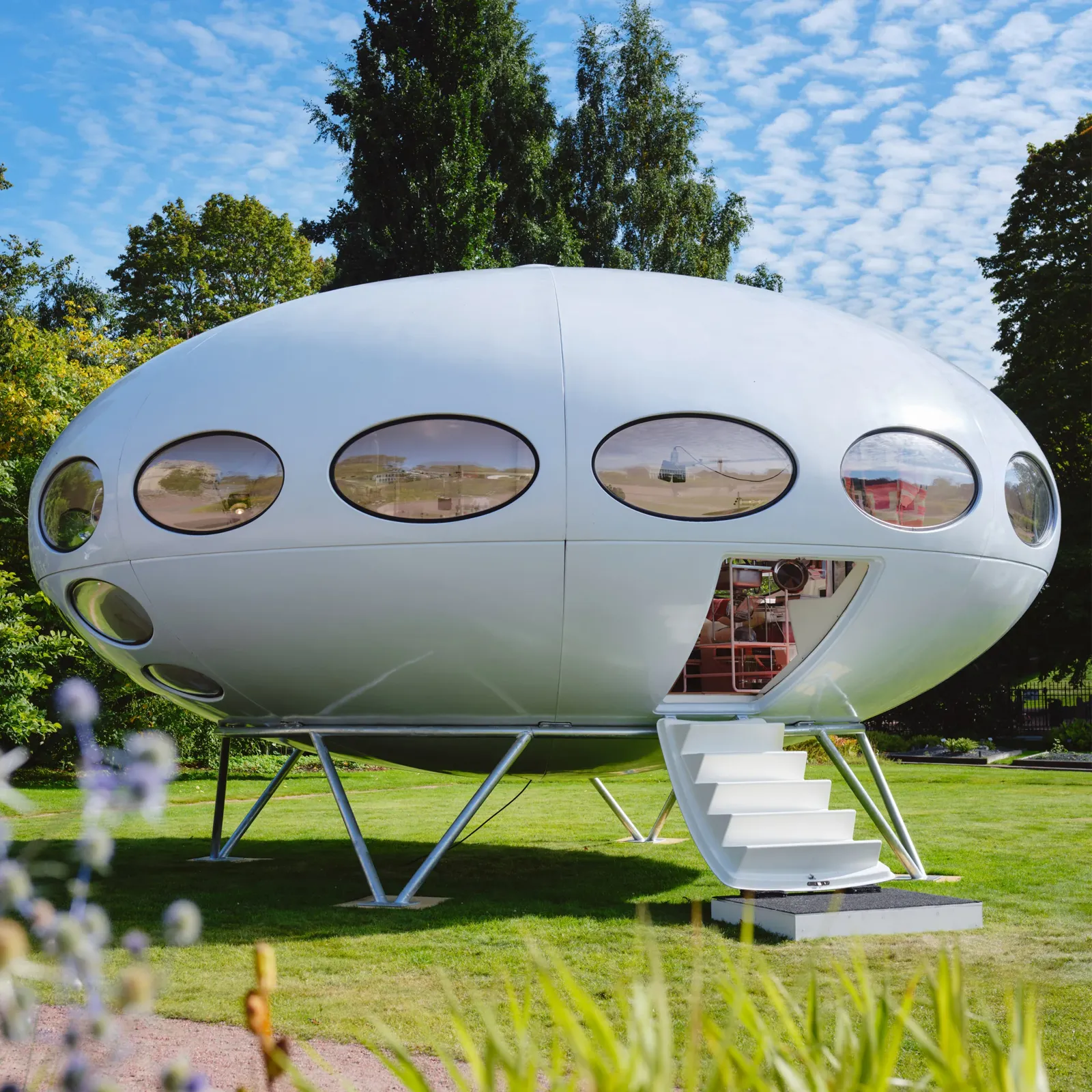
Futuro House Production Revived in Finland After Decades-Long Hiatus
A Facebook listing for abandoned moulds led to the first new Futuro...
 illustrarch Editoral Team3 Mins read
Building Your Dream Home in NSW: What You Should Know About Montgomery Homes
Montgomery Homes has been building across Sydney, Newcastle, the Hunter, Wollongong and...
illustrarch Editoral Team4 Mins read
Designing a Home Theater: Where Drapery Fits Into the Plan
In a media room the curtains are a performance layer, not decoration....
illustrarch Editoral Team3 Mins read


I never really thought about wall art as something that can shape the whole atmosphere of a room, but this made a lot of sense. When you walk into a space, the artwork is often the first thing your eyes go to. I like the idea that it’s not just decoration but a way to express personality and even influence how a room feels. The points about scale and placement were especially useful because that’s something people often overlook. Sometimes one well-chosen piece really can change the entire vibe of a space.