

Enhancing User Engagement With QR Codes In Architectural Spaces
QR codes enhance user engagement in architectural spaces by providing interactive access to information, virtual walkthroughs, and augmented reality experiences.
 Muhammad Abdullatef - Tifa Studio7 October 20243 Mins read492

Table of Contents Show
Even since it was first unveiled 30 years ago, the humble QR code has made quite an impact on businesses and consumers across the globe.
From restaurants and retailers to logistics, supply chains, and payment networks, the QR code has helped unlock remarkable new levels of efficiencies that were previously unfathomable, by effectively bridging the gap between the physical and digital worlds.
The concept is now starting to shine in the realm of physical experiences, changing the way people experience architectural spaces, historical landmarks, and even modern installations. With the right implementation, QR codes can transform passive viewing into interactive experiences.
QR Codes: A Gateway To Deeper Interaction
Traditionally, when visitors passed by an interesting structure, all they got was a few close glances, and at times selfies or group photographs as a memento.
By strategically placing QR codes, however, visitors can access everything there is to the structure in question, its history, the designer’s vision, a virtual walkthrough of realistic renderings, and a lot more, resulting in a more immersive experience for casual visitors.
QR Codes & Augmented Reality (AR)
One of the most exciting use cases for QR codes in architectural and cultural spaces is when they’re paired with augmented reality (AR). If a building is under construction, scanning a code will help a viewer instantly view its rendering.
Similarly, for historic buildings, the same rendering can show how the said structure looked in the past. Museums, temples, and historic sites can take this a step further, with QR codes leading to videos or AR content that clearly explains displays and artifacts to visitors.
Bridging The Gap Between The Physical & Digital
As mentioned above, the primary function of QR codes is to help seamlessly bridge the gap between the physical and digital worlds.
For example, a QR code could link users to a virtual exhibit, downloadable resources, or even a live feed from another location that’s part of the same architectural project. The possibilities are endless and ensure that users stay engaged even after they’ve left the physical space.
Starbucks for instance uses a unified app store QR code to lead its customers to easily find and download its app. No cumbersome URLs, or forcing customers to find the app in the app stores by themselves. By leveraging QR code generators, businesses can create dynamic codes that link users directly to updated content, ensuring a smooth, ongoing experience across both physical and digital touchpoints.
Collecting Data & Improving Experiences
For architects and building managers, QR codes are more than just a tool for delivering information, they also provide valuable user data.
By tracking how often QR codes are scanned, designers can gather insights into what interests visitors the most. Are people more interested in sustainability features or the building’s historical background? Do they spend more time learning about art or architecture?
This data can be used to refine and improve future designs or even create more targeted experiences within the space. Imagine an architectural exhibit that evolves based on how visitors interact with it, creating a more dynamic, ever-changing environment.

Encouraging Social Sharing
QR codes don’t just enhance engagement on the spot, they can also extend the experience into the digital world. By linking to shareable content, QR codes encourage users to post about their experiences on social media, which can lead to greater visibility for a building or space.
For example, visitors could scan a QR code to download an AR filter or a custom graphic that lets them share their experience on Instagram or TikTok. Not only does this enhance the visitor’s experience, but it also acts as free marketing for the space.
Cost-Effective & Easy To Implement
One of the greatest advantages of QR codes is that they are inexpensive and easy to implement. There’s no need for expensive touchscreen displays or physical guidebooks, just a printed QR code and some well-curated content.
Plus, they are easy to update, meaning that if information changes, you don’t need to print new signage. Just update the content the QR code links to, and you’re good to go.
Conclusion
QR codes have been a game-changer for the world in more ways than we can count. In a way, they are one of the most underrated innovations of the past three decades and deserve more credit than even the smartphone and fiber optic technologies.
In architectural and cultural environments, these codes are once again very impactful, capable of creating truly immersive experiences for visitors when done right.








Futuro House Production Revived in Finland After Decades-Long Hiatus
A Facebook listing for abandoned moulds led to the first new Futuro...
 illustrarch Editoral Team3 Mins read

Building Your Dream Home in NSW: What You Should Know About Montgomery Homes
Montgomery Homes has been building across Sydney, Newcastle, the Hunter, Wollongong and...
illustrarch Editoral Team4 Mins read

Designing a Home Theater: Where Drapery Fits Into the Plan
In a media room the curtains are a performance layer, not decoration....
illustrarch Editoral Team3 Mins read
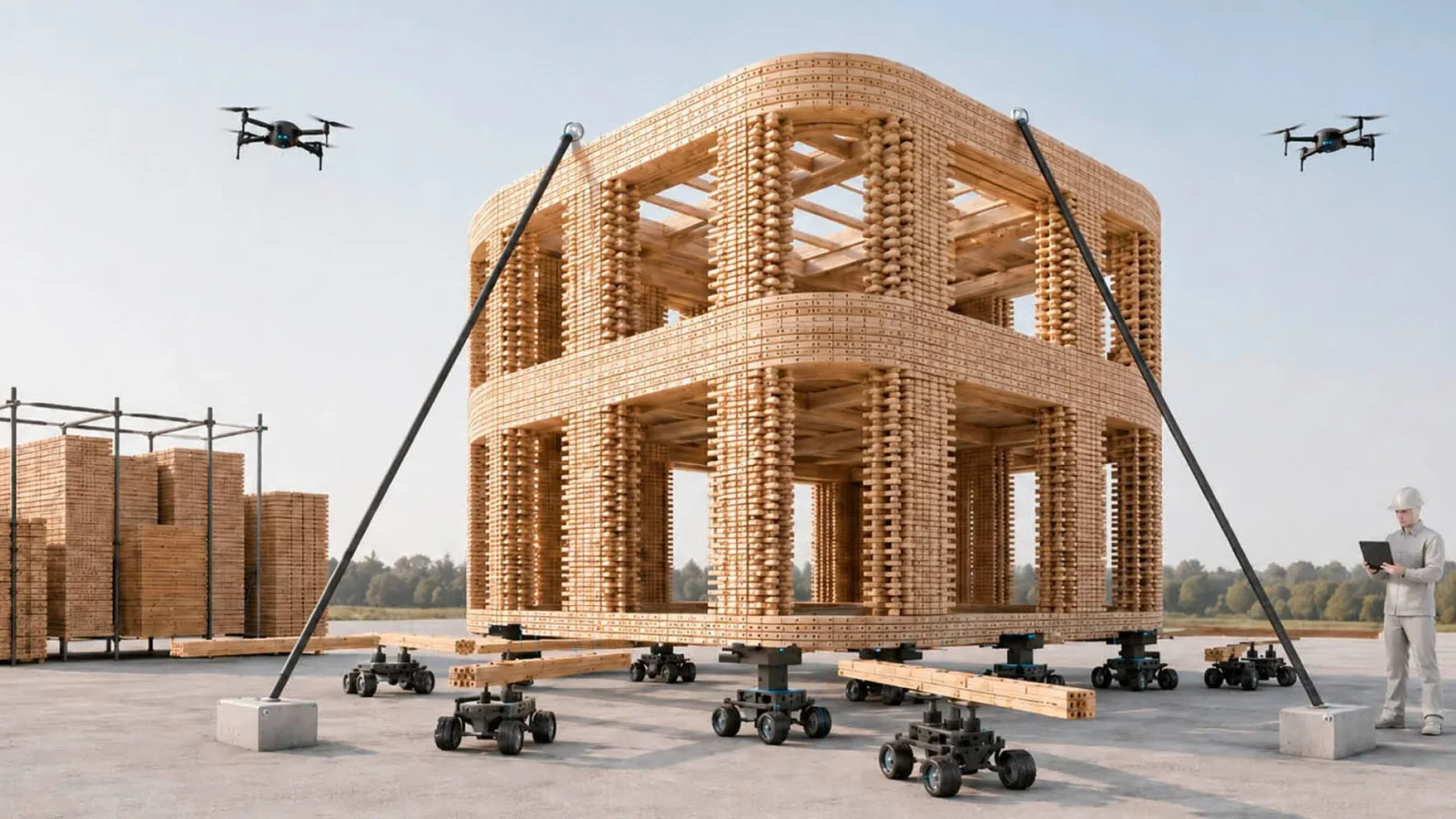
Foster + Partners to Test Robot Swarms Building Timber from the Top Down
Foster + Partners wins €4m EU grant to build robot and drone...
illustrarch Editoral Team2 Mins read


Leave a comment