

The Architecture of Access: Modern Lock Systems for Contemporary Spaces
Modern lock systems, including keyless entry and biometric technology, are now integral to architectural design.
 Bahattin Duran14 July 20255 Mins read283

Table of Contents Show
When people think about architectural design, they picture striking facades, natural light, and carefully chosen materials. But one element often gets left out of the conversation: how people interact with the space through access. Doors and locks aren’t just functional hardware; they’re part of the experience and flow of a building.
That’s why today’s architects are thinking beyond standard deadbolts. The rise of keyless entry, biometric systems, and integrated smart locks means access design is no longer an afterthought. It’s a collaboration. Services like All Hour Locksmith, which specialize in both traditional and modern locking solutions, are increasingly involved in design conversations early on, especially when security needs to meet sleek aesthetics. With the right partner, access becomes seamless, secure, and aligned with the architectural intent.
Designing for the Modern User: Access Without the Eyesore
Contemporary architecture often leans toward minimalism. Clean lines, flush finishes, and invisible hardware are design staples. But traditional locks, with bulky mechanisms, visible keyholes, and old-school metalwork, can clash with this streamlined approach.
That’s why modern designers are increasingly turning to access solutions that don’t interrupt the visual flow. Think flush-mounted keypads, smart locks that hide their tech under sleek panels, or fingerprint readers built into door handles. These are solutions that work with a space, not against it.
Locksmiths who specialize in new technology can advise designers on hardware that complements the visual language of a home, office, or commercial space. Instead of bolting on a traditional deadbolt as an afterthought, they help integrate locking systems from the ground up.

Smart Locks Meet Smart Design
Smart locks aren’t just a tech gimmick, they’re shaping the way spaces are experienced. From voice-activated entry to mobile-controlled access for guests and deliveries, these systems are about more than convenience. They enable a level of personalization that traditional keys never could.
Designers, especially those working in high-end residential and commercial builds, are starting to treat smart locks as part of the interior language. Materials matter. Finish matters. Some smart lock models are now offered in brass, matte black, or brushed nickel, helping them blend with lighting fixtures and door hardware. Others are designed to disappear entirely, hidden within the door or controlled remotely.
The best part? Many of these smart systems no longer require extensive rewiring. Locksmiths with experience in tech-enabled security can recommend wireless models that work with Wi-Fi or Bluetooth, making installation quick and seamless, even in retrofit projects.
Invisible but Essential: Hidden Security for High-End Builds
One of the hottest trends in contemporary interiors is concealed functionality. From hidden storage to pocket doors, there’s a growing demand for architecture that hides complexity behind simplicity. Locks are no exception.
Magnetic locks, touch-sensitive panels, and remote-controlled mechanisms are increasingly being used in minimalist interiors. High-end condos, gallery spaces, and boutique hotels are prioritizing security that doesn’t shout. Instead of placing a lock visibly on the door, the lock becomes part of the architecture itself, built into the frame or concealed within custom hardware.
This is where the collaboration between architects and locksmiths gets really creative. It’s not just about keeping intruders out, it’s about maintaining a feeling of calm, clutter-free design throughout the space. Security doesn’t have to come with an aesthetic sacrifice.
Access Control for Multi-Unit and Commercial Projects
Residential projects may favor subtlety, but commercial properties need scale and accountability. That’s where access control systems come in. Offices, apartment buildings, medical practices, and retail spaces often need more than just a lock, they need a way to manage who goes where, and when.
Today’s access control systems are incredibly adaptable. Keycards, mobile credentials, biometric readers, and even facial recognition are being used across a range of building types. Designers working on commercial builds can collaborate with locksmiths to determine the best solution for both layout and user experience.
For example, in a co-working space, access zones can be set for different teams or contractors. In an apartment building, digital entry systems reduce the need for physical keys and let property managers update credentials remotely. And all of it can be tied into the building’s design through integrated hardware and software.
Biometrics: From Sci-Fi to Front Door
Biometric access has come a long way in the last decade. What was once the stuff of spy movies is now a regular option in high-end residential homes and secure office spaces. Fingerprint scanners, iris readers, and facial recognition panels offer fast, contactless access and eliminate the risk of lost keys.
These systems offer clear design advantages. They often require minimal hardware, which means fewer visible components on doors and entryways. Some models even work through glass or metal finishes, making them perfect for ultra-modern facades or mixed-material interiors.
However, biometrics aren’t plug-and-play. They require accurate placement, proper power sources, and often integration with larger security systems. That’s where experienced locksmiths shine, they can assess a structure, recommend the right model, and ensure everything functions flawlessly.
The Role of Locksmiths in the Design Process
For years, locksmiths were brought in at the tail end of a project, after the paint dried and the punch list started. But forward-thinking architects and interior designers are changing that. They’re bringing locksmiths into the conversation earlier, especially on projects that demand discreet hardware, advanced security, or custom finishes.
This early involvement means locksmiths can recommend systems that support both security needs and design goals. Want a door with no visible hardware? A locksmith can advise on concealed locking systems that still meet fire and safety codes. Want an entry system that ties into a whole-home automation platform? They’ll know which locks work with which hubs.
It’s this integration that makes a space feel seamless. The best buildings don’t just look good, they function effortlessly.
Sustainable Security: Eco-Conscious Hardware Choices
Sustainability isn’t just about solar panels and recycled countertops anymore. Even door hardware and lock systems can be chosen with sustainability in mind. From battery-efficient smart locks to materials with longer lifespans, there’s a growing interest in access systems that don’t require constant replacement or high-energy operation.
Some manufacturers now offer locks made with recyclable metals or minimal packaging. Others are reducing standby power usage in smart devices. And let’s not forget the environmental upside of digital keys, less metal waste, fewer replacements, and lower transportation emissions.
Designers who value sustainable builds can work with locksmiths to source hardware that supports their green goals without compromising style or security.
Retrofitting: When New Tech Meets Old Doors
Not every building starts from scratch. Many projects involve upgrades to existing structures, historic homes, aging offices, or multi-use properties with outdated security. This presents a challenge: how do you modernize access without compromising architectural integrity?
Locksmiths trained in retrofitting can install smart locks and keyless entry systems in traditional doors. There are even options designed to fit antique mortise locks or vintage handles, allowing you to preserve charm while improving safety.
This blend of old and new is especially important for designers working on restorations. With the right guidance, it’s possible to enhance functionality while keeping every design detail intact.
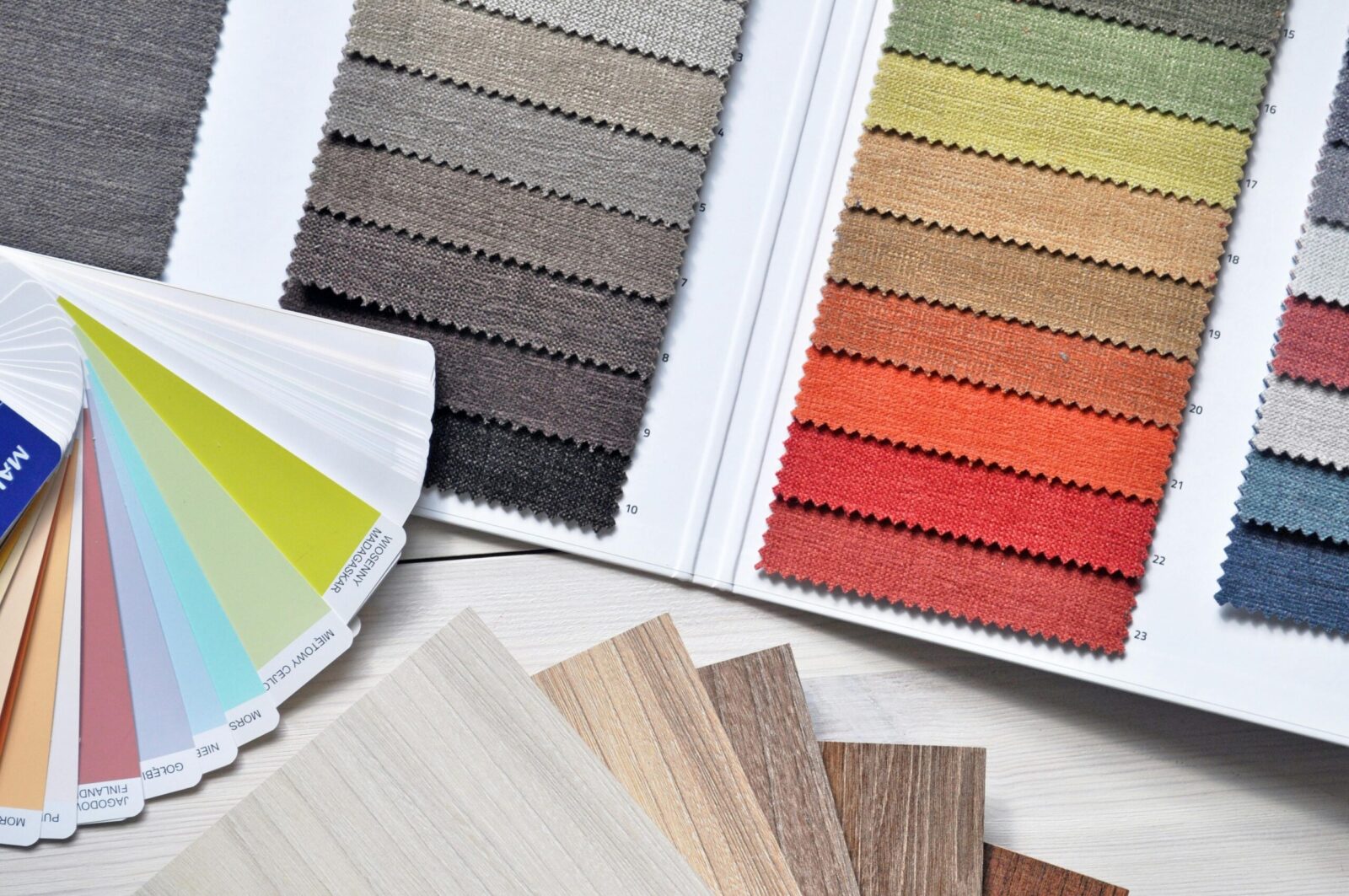
Photo by Tomé Louro from Pexels
Conclusion: Design and Security Don’t Have to Clash
Modern architecture is all about intention. Every surface, line, and fixture is chosen for a reason. It makes sense that the way people enter and exit a space should reflect that same thoughtfulness.
Lock systems are no longer just mechanical afterthoughts. They’re a design choice, a user experience feature, and a safety standard all rolled into one. With so many modern solutions available, from invisible magnetic locks to smartphone-controlled access, it’s never been easier to match security with style.
Locksmiths who understand both the aesthetic and functional demands of today’s spaces are becoming essential partners for architects and designers. Whether you’re working on a minimalist home, a smart condo, or a dynamic co-working space, building with access in mind is the smart move.






Interior Design for Commercial Spaces: Enhancing Functionality and Brand Identity
Commercial interior design has to serve brand, function and regulation at once....
 Begum Gumusel4 Mins read

Futuro House Production Revived in Finland After Decades-Long Hiatus
A Facebook listing for abandoned moulds led to the first new Futuro...
 illustrarch Editoral Team3 Mins read

Building Your Dream Home in NSW: What You Should Know About Montgomery Homes
Montgomery Homes has been building across Sydney, Newcastle, the Hunter, Wollongong and...
illustrarch Editoral Team4 Mins read

Designing a Home Theater: Where Drapery Fits Into the Plan
In a media room the curtains are a performance layer, not decoration....
illustrarch Editoral Team3 Mins read


Leave a comment