

Minimalist Interiors Are More Than White Walls and Empty Spaces
Minimalist interiors prioritize intentional design, where each element serves a purpose, emphasizing functionality, simplicity, and a calming atmosphere over mere emptiness.
 Elif Ayse Sen14 March 20245 Mins read447
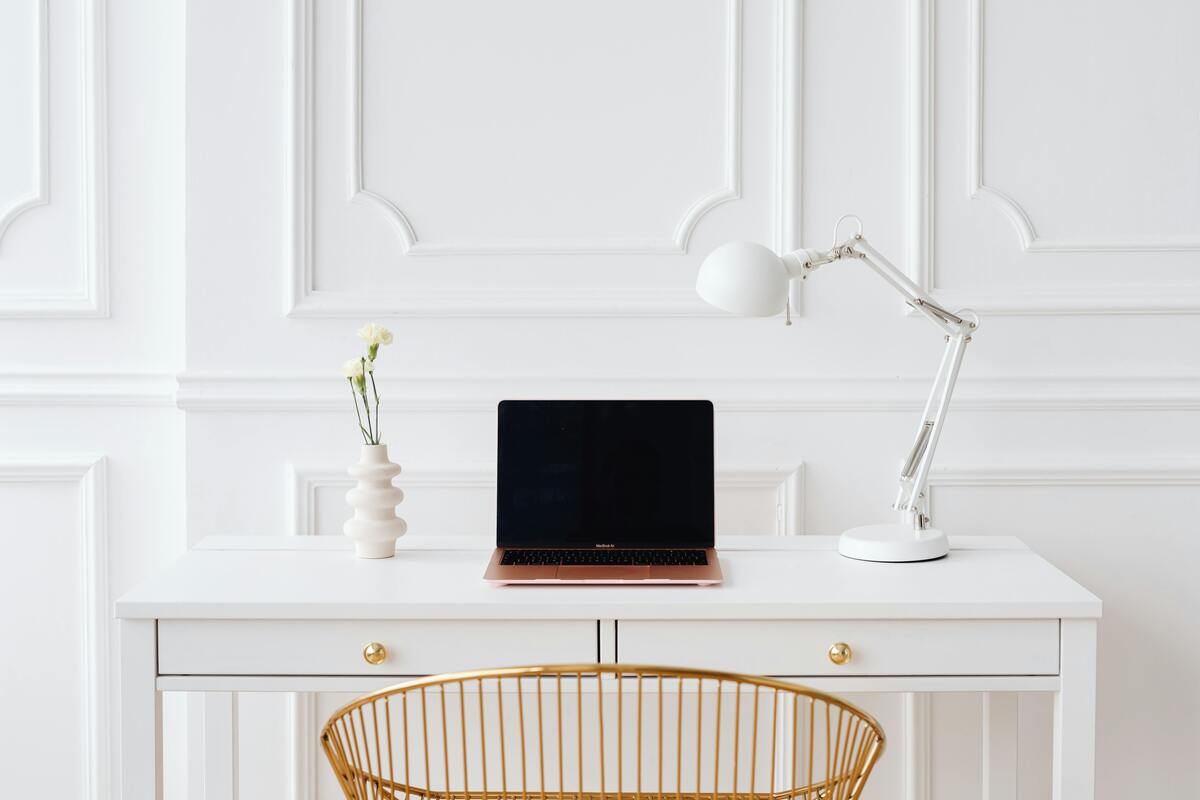
Table of Contents Show
Minimalist interiors are spaces built on intention rather than emptiness, where every object earns its place through function or meaning. Far from cold or bare, a well-designed minimalist room uses light, texture, and breathing room to create calm. The look reaches well past white walls and open floors into a full philosophy of living.
Minimalist interiors have grown from a passing trend into a lasting approach to design. Beyond the stereotype of white walls and empty rooms, minimalist design rests on functionality, simplicity, and a steady sense of calm. The style draws on a long tradition in art and architecture, one the Tate traces to American artists of the 1960s who reduced their work to pure form and material.
What Defines a Minimalist Interior?
A minimalist interior strips a room down to its essentials. The approach favors quality over quantity, so each piece of furniture, lighting, or art serves a clear purpose. Simplicity here does not mean going without. It means choosing items that bring value, function, and beauty, then letting go of the rest. That editing process is what gives these rooms their clarity.
This is why two minimalist homes rarely look identical. One might lean warm and tactile, another crisp and architectural. The shared thread is restraint, not a fixed set of products. If you want a closer look at the core ideas, our guide on how to create minimalist interior designs breaks the process into practical steps.

🎓 Expert Insight
“Less is more.” Ludwig Mies van der Rohe, architect
Mies van der Rohe made this phrase central to modern design, and it still guides minimalist interiors today. The idea is not to remove everything, but to reach a point where nothing else needs to be added or taken away.
Beyond White Walls: Color in Minimalist Rooms
White walls suit minimalism because they read as clean and uncluttered, yet the style is not tied to a single palette. Neutral tones, soft pastels, and even deep, saturated colors can work in a minimalist home as long as they support a calm, cohesive feel. What matters is the sense of space and light. A considered color scheme should deepen the feeling of openness rather than fight it.
The Role of Texture and Material
With less visual noise in the room, texture and material carry far more weight. Concrete, wood, metal, and glass appear often in minimalist interiors for their surfaces and the way each one catches light. Designers choose these materials for durability and for the feel they add underfoot or to the touch, which keeps a pared-back room from reading as flat or sterile.
💡 Pro Tip
When a palette is limited, layer at least three contrasting textures in the same tonal range, such as a rough linen, a smooth stone surface, and a matte timber. Designers rely on this to add quiet depth so a neutral room never falls flat, even without bold color.
Functional Beauty: Form Follows Function
A guiding rule of minimalist design is that form follows function, a principle rooted in early modern architecture. This does not push beauty aside. Instead, beauty comes out of how useful and clear the design is. Furniture with clean lines, built-in storage, and rooms that handle more than one task are all common features. Together they make spaces that work hard and still feel composed. A bench that hides shoes, a bed frame with drawers below, or a wall of flush cabinetry all let a room stay quiet while still holding the clutter of everyday life. The design does the heavy lifting so the surfaces can stay clear.
Embracing Negative Space
The idea that minimalist rooms are empty misses the point. Negative space, meaning the area around and between objects, is kept on purpose. That open ground highlights the few pieces that are present and lets each one be seen clearly. The result is a sense of order and ease, where the eye has somewhere to rest.

📌 Did You Know?
Japanese design has a dedicated term for negative space. The concept of “Ma” treats the gap or pause between elements as an active part of a composition, not leftover emptiness. Much of the calm in Japanese and Scandinavian minimalism comes from this respect for the void.
Personal Touches Without the Clutter
Minimalism does not rule out personality. In these interiors, decorative objects and keepsakes are chosen with care so they add something real to the room. A single piece of art, a family heirloom, or a handmade object can sit comfortably in a pared-back space when it is given room and context. The aim is warmth and character without crowding, which is what separates a minimalist home from a showroom.
Sustainability and Minimalist Design
Minimalist design sits close to the goals of sustainable living. By favoring quality and longevity, cutting waste, and choosing eco-friendly materials, these interiors support a lighter footprint. Buying fewer but better things means less replacement over time, which encourages more mindful and deliberate consumption. For many people that ethic, as much as the look, is the reason they turn to minimalism. A smaller set of well-made furniture also tends to age better than a room packed with disposable pieces, so the style can lower both cost and waste across the years you live with it.
🏗️ Real-World Example
Calvin Klein Flagship Store (New York, 1995): Designed by British architect John Pawson, this Madison Avenue interior turned a former bank into a quiet hall of stone floors, deep sightlines, and almost no ornament. It became a reference point for how minimalist interiors use space and light instead of decoration.

How Do You Maximize Space in a Minimalist Interior?
Minimalist interiors make small spaces feel larger by keeping sightlines clear and surfaces uncluttered. Use built-in and multi-functional furniture, keep storage hidden, and stick to a light, consistent palette that reflects daylight. Vertical storage, mirrors, and a few well-chosen pieces do more than a room full of furniture. The goal is to give each item room to breathe, so the space feels open rather than empty.
The same logic applies whether you are working with a studio apartment or a large open-plan home. Editing comes first, storage comes second, and styling comes last. That order keeps the room from filling back up once daily life sets in. Compared with other restrained styles, such as mid-century modern and contemporary minimalism, true minimalism leans hardest on this discipline of subtraction.
The Bigger Picture
Minimalist interiors ask a different question than most design styles. Rather than what to add to a room, they ask what can be removed without losing meaning. Seen that way, minimalism is less about a look and more about attention, deciding what deserves your daily focus and clearing out everything that does not. The history of the movement, well documented on Wikipedia, shows the same idea moving from galleries into homes over six decades.
Helpful Resources and Tools






A New Book Records the 1970s Interiors of Ebony and Jet’s Chicago Headquarters
820 Ebony/Jet collects Barbara Karant's photographs of the empty Johnson Publishing Company...
 illustrarch Editoral Team2 Mins read
Spa-Like Serenity: 5 Accessible Luxury Upgrades to Transform Your Master Bathroom
Five accessible upgrades, from decluttering and layered lighting to plush textiles, natural...
illustrarch Editoral Team3 Mins read
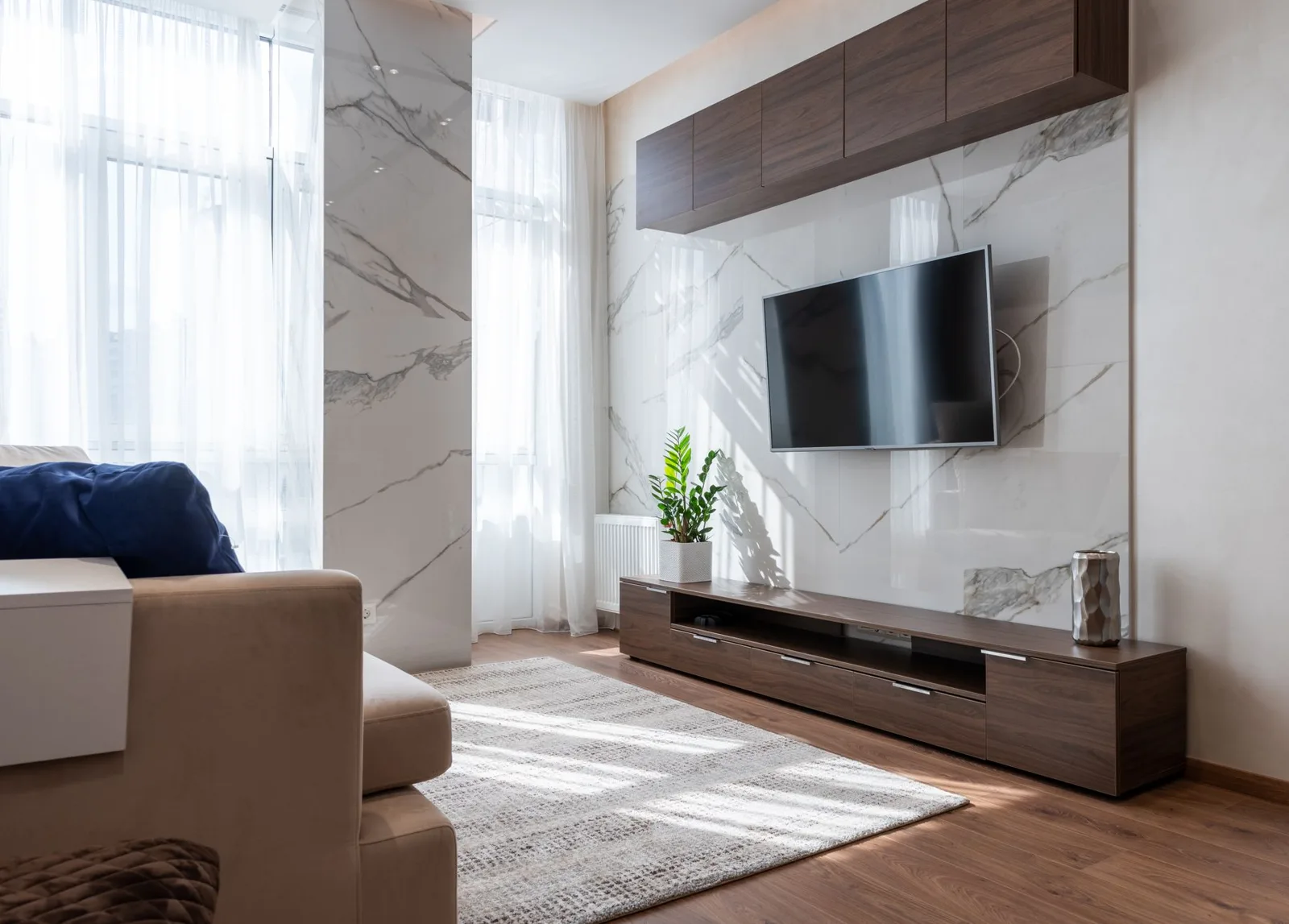
How to Fill a Large TV Wall?
A broad living room wall poses an immediate spatial challenge the moment...
illustrarch Editoral Team4 Mins read
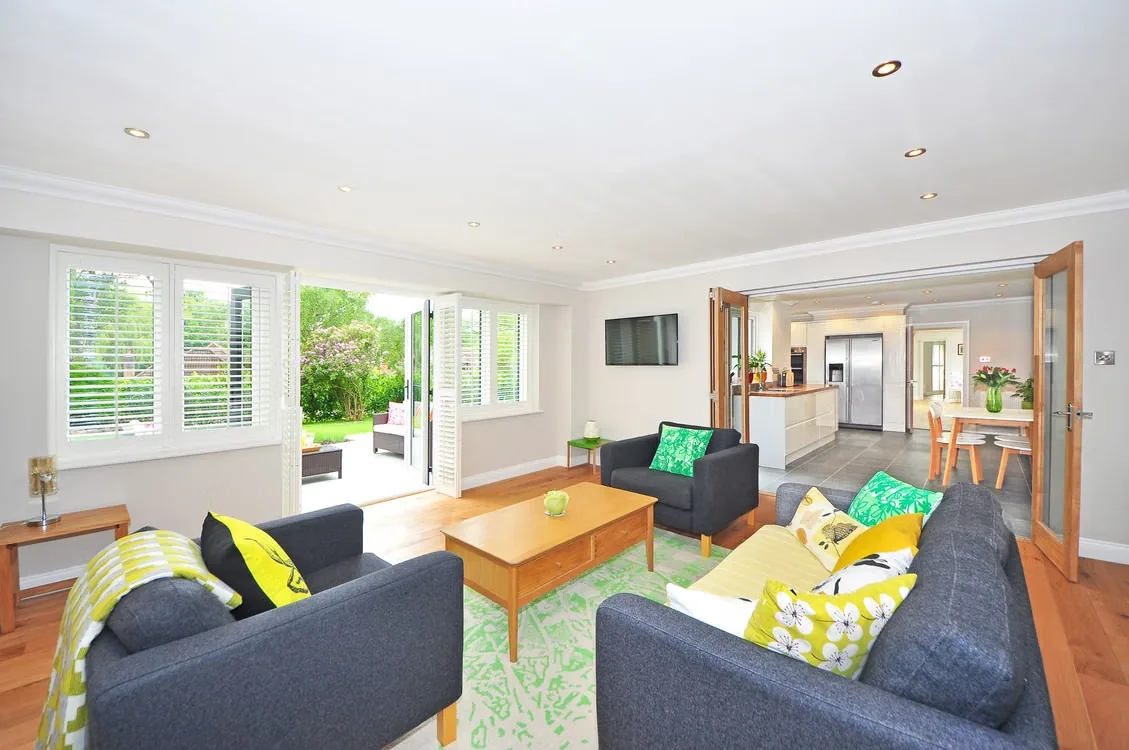
How Integrated Furniture Can Shape the Architecture of Urban Interiors
Most people treat furniture as the last decision in interior architecture, yet...
illustrarch Editoral Team2 Mins read


Leave a comment