

8 Examples of Successful Disaster Resilient Architecture
As climate risks increase, architects around the world are creating innovative structures designed to withstand earthquakes, storms, floods, and extreme weather. These eight examples, from the Cardboard Cathedral and Sendai Mediatheque to floating homes and cyclone-resistant schools, demonstrate how thoughtful design can save lives, protect heritage, and support long-term community resilience. The article also explores California fire resilient landscape architecture case study projects shaping wildfire-prone communities. Together, they show how architecture can adapt to a changing climate with strength, sustainability, and ingenuity.
 Begum Gumusel9 January 20269 Mins read372
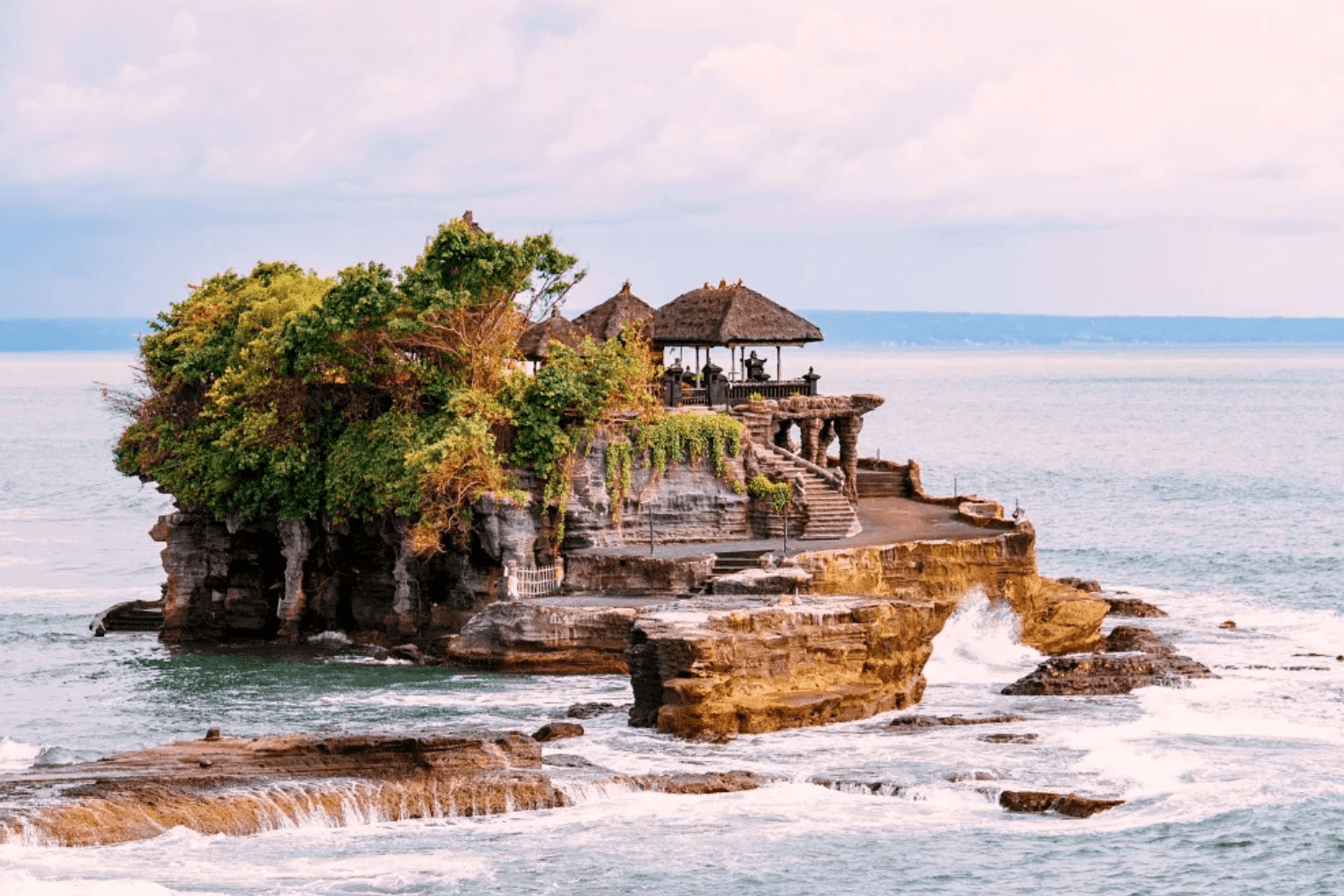
Table of Contents Show
As climate change intensifies and natural disasters become more frequent, resilient architecture has become an essential part of contemporary design. Around the world, architects and engineers are developing innovative strategies to protect communities from earthquakes, hurricanes, floods, tsunamis, and extreme weather. These projects demonstrate that resiliency architecture is not only about structural strength but also about adaptability, sustainability, and community preparedness. From seismic-resistant cultural centers in Japan to fire-resilient landscape architecture projects in California, the following examples highlight how thoughtful design can save lives, preserve resources, and support long-term recovery.

What Is Resilient Architecture and Why Does It Matter?
Resilient architecture refers to the design of buildings and infrastructure that can withstand, adapt to, and recover from natural disasters and environmental stress. Unlike conventional construction, resiliency architecture considers long-term threats such as seismic activity, flooding, storm surges, wildfires, and rising sea levels. According to the American Institute of Architects (AIA), resilient design integrates risk analysis, community engagement, and adaptive strategies into every stage of the design process. As climate risks escalate globally, designing buildings for climate and disasters has shifted from a niche practice to a fundamental principle in modern architecture.
8 Successful Examples of Disaster-Resilient Architecture
1. The Christchurch Transitional Cathedral, New Zealand
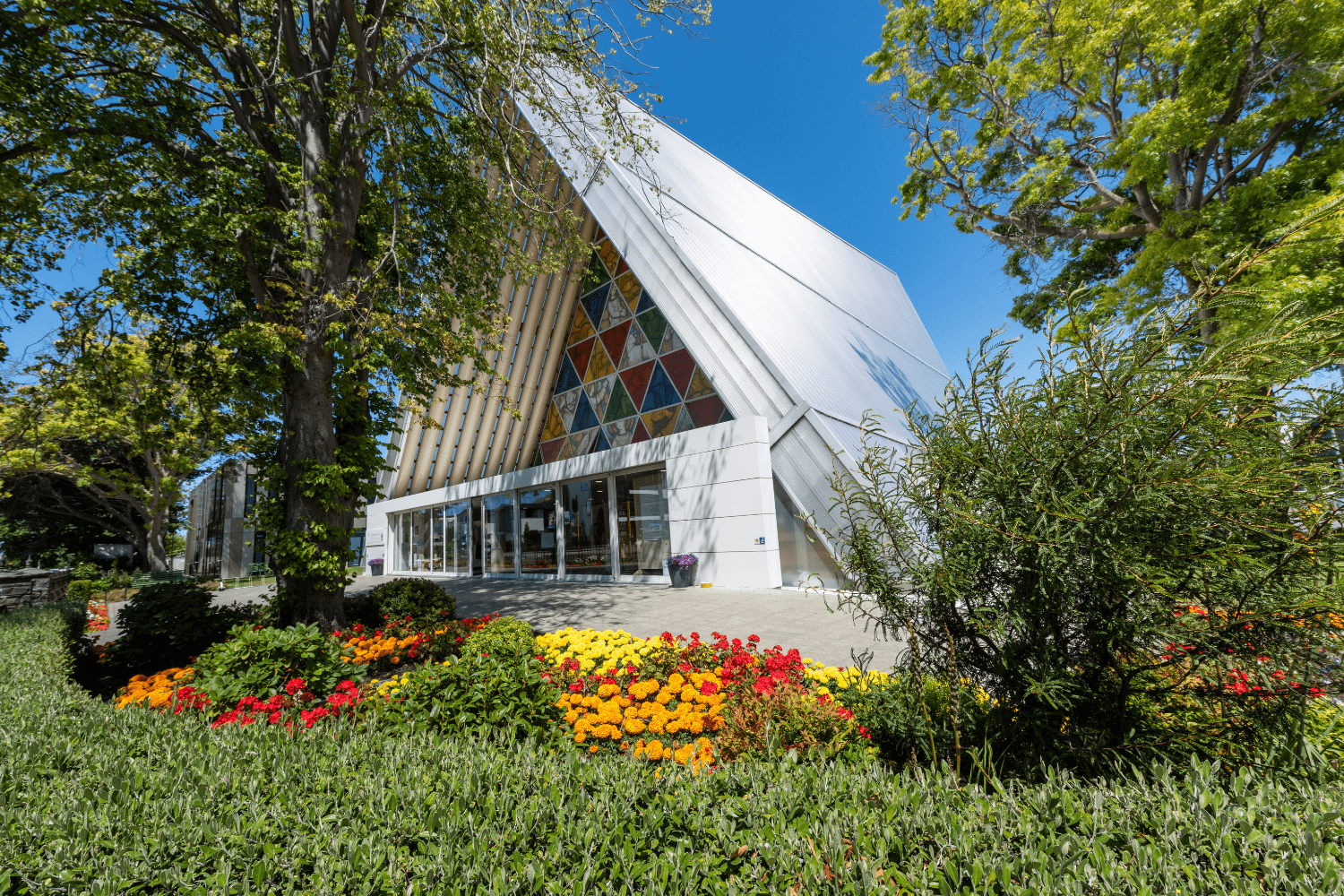
Also known as the “Cardboard Cathedral,” this temporary structure was built after the devastating 2011 Christchurch earthquake destroyed the city’s iconic cathedral. Designed by Shigeru Ban, the building uses reinforced cardboard tubes, timber, and lightweight materials that are both durable and quickly assembled. Its triangular form and flexible construction make it resistant to aftershocks. The project shows how innovative materials can provide safe, uplifting spaces for communities during times of crisis, serving as a global benchmark for resilient architecture in post-disaster reconstruction.

2. The Sendai Mediatheque, Japan
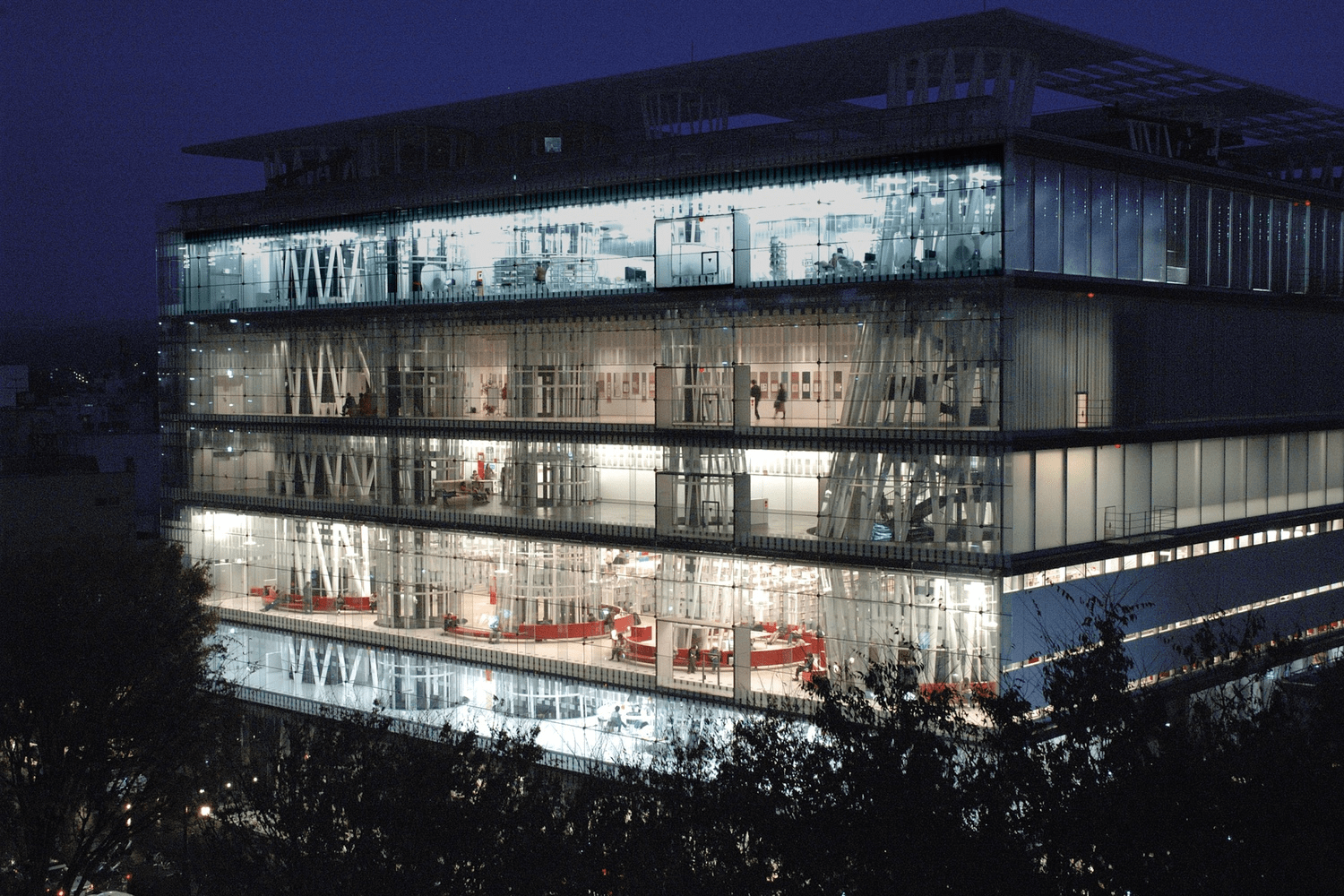
Designed by Toyo Ito, the Sendai Mediatheque survived the 2011 Tōhoku earthquake thanks to its groundbreaking structural system. Instead of traditional columns, the building uses a series of fluid, vertical steel “tubes” that allow the structure to move independently during seismic activity. This flexibility dissipates energy and reduces damage during powerful earthquakes. The building is considered a landmark example of earthquake-resilient design and continues to function as a cultural hub for the community. It demonstrates how resiliency architecture can integrate structural innovation with public programming, creating spaces that serve both everyday and emergency needs.
3. The Float House (Make It Right Foundation), USA
Developed for New Orleans’ Lower Ninth Ward after Hurricane Katrina, the Float House by Morphosis Architects is designed to withstand flooding by rising with water levels. The home sits on a chassis that can float up to 3 meters, preventing damage during storm surges. Built with sustainable materials and elevated utilities, it offers a resilient housing model for flood-prone regions. The project demonstrates how adaptable residential design can protect vulnerable communities and has become a widely studied case in floating architecture and climate adaptation.

4. Cyclone Shelter Schools, Bangladesh
Bangladesh faces severe cyclones and flooding each year, prompting the development of dual-purpose structures that function as schools during normal conditions and emergency shelters during disasters. These elevated buildings use reinforced concrete frames, sturdy foundations, and open ground levels that allow floodwaters to pass through without causing significant damage. By combining education with public safety, these structures provide long-term community value and life-saving protection, a powerful example of resilient architecture serving social infrastructure in developing nations.

5. The Tanah Lot Temple Reinforcement, Indonesia
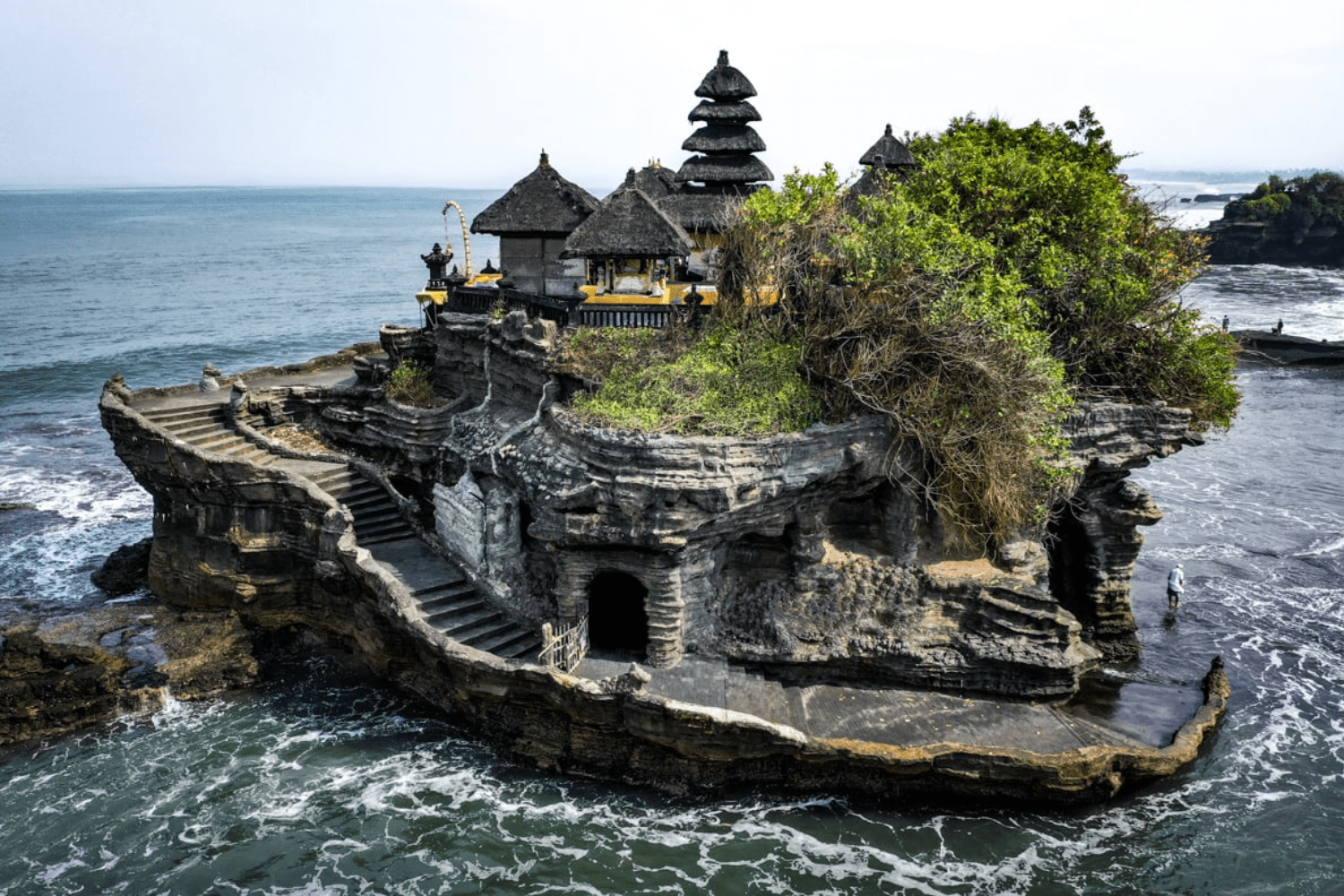
The historic Tanah Lot Temple sits on a rocky outcrop exposed to erosion and strong waves. In the 1990s, a major restoration project reinforced the rock foundation with concrete supports and advanced geological stabilization techniques. This intervention allowed the temple to remain standing while preserving its cultural significance. The project highlights how disaster-resilient design can protect heritage sites threatened by natural forces without compromising their historical character, proving that resiliency architecture extends beyond new construction to the preservation of irreplaceable cultural landmarks.
6. The METI Handmade School, Bangladesh
Designed by Anna Heringer and Eike Roswag, this school in Rudrapur uses a combination of earth, bamboo, and natural fibers to create a building that is both sustainable and resilient in a flood-prone region. The structure is elevated on a brick foundation and features flexible bamboo frames that withstand wind and seasonal movement. Its environmentally friendly design reflects local craftsmanship while supporting community safety and cultural continuity. The METI School shows that resilient architecture does not require expensive technology, locally sourced materials and traditional building knowledge can be equally effective.

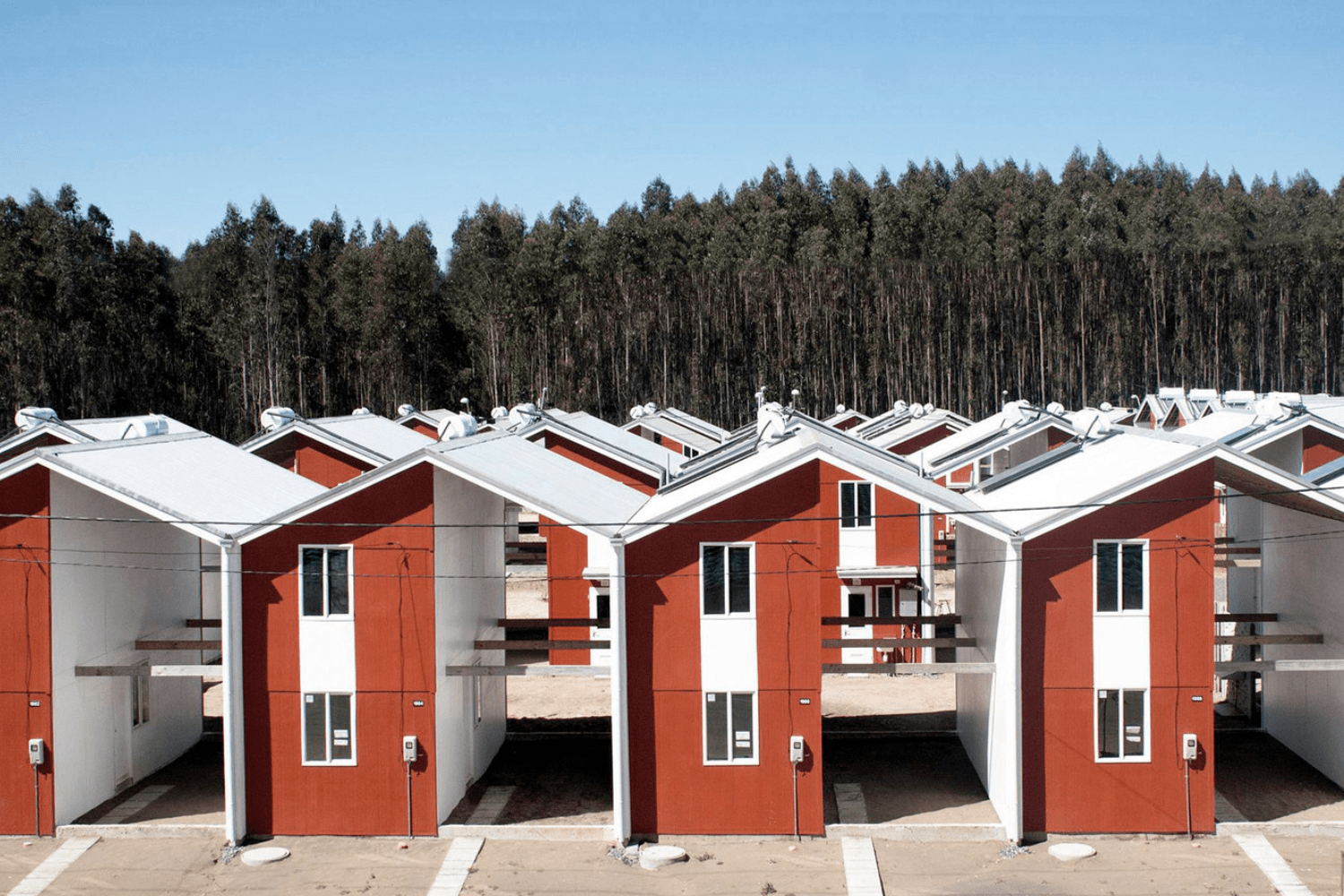
7. Villa Verde Housing in Constitución, Chile
After the 2010 Chilean earthquake and tsunami, ELEMENTAL, led by Alejandro Aravena, developed a housing strategy that balanced affordability with seismic performance. The “half a good house” concept provided residents with structurally sound, earthquake-resistant cores that they could expand over time. These homes include reinforced concrete frames and raised foundations to protect from future disasters. This innovative model proved that resilient architecture can be both cost-effective and empowering for communities, offering a replicable framework for climate-adaptive rebuilding worldwide.
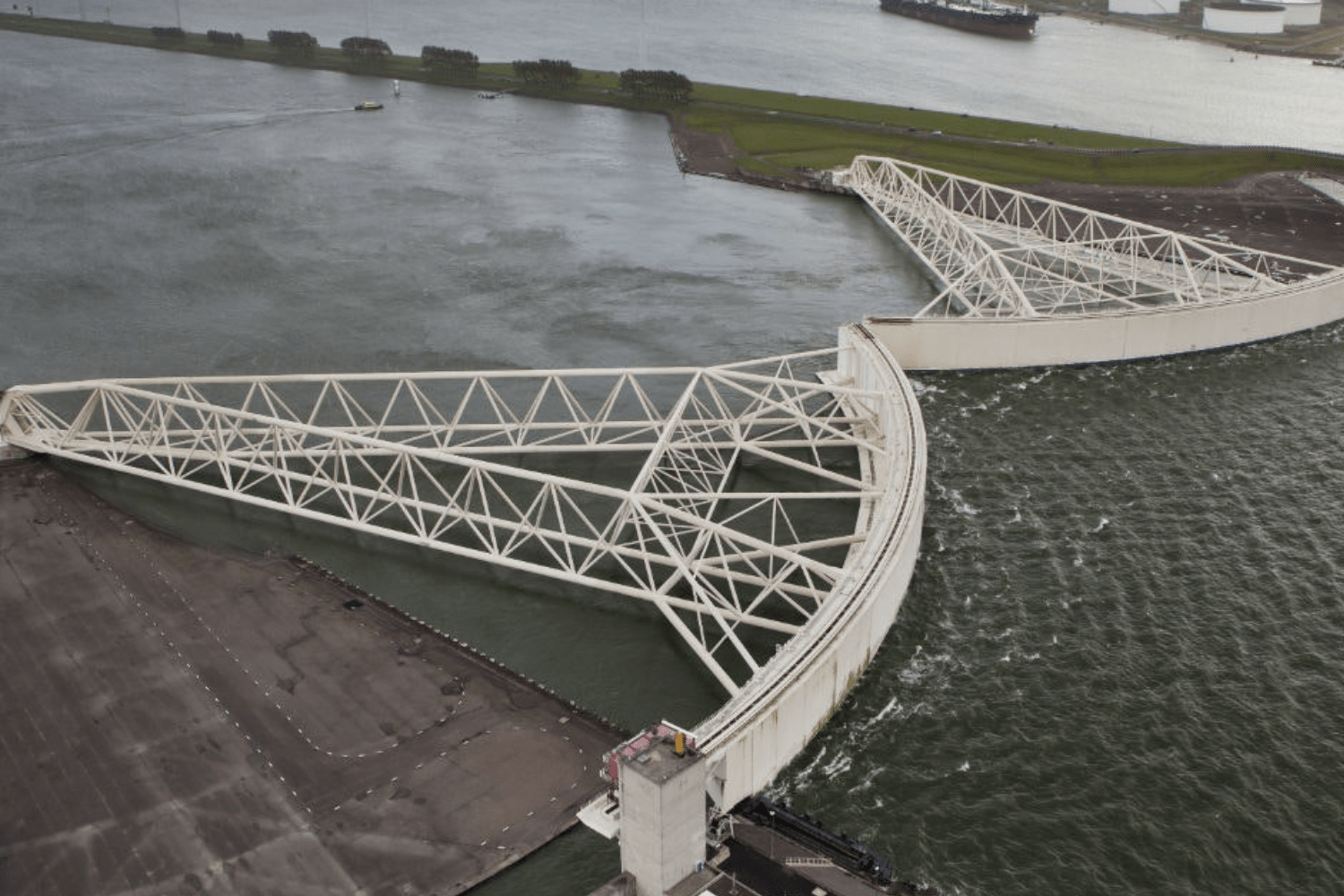
8. The Rotterdam Maeslantkering Storm Surge Barrier, Netherlands
Although not a building, the Maeslantkering is one of the world’s most advanced examples of disaster-resilient engineering. Protecting Rotterdam from North Sea storm surges, the massive movable barrier features two floating doors the size of Eiffel Tower halves laid horizontally. The system automatically closes during extreme weather, safeguarding around two million residents. Its design shows how large-scale infrastructure can integrate mechanical innovation with long-term risk mitigation, reinforcing that resilient architecture operates across all scales, from individual homes to city-wide defense systems.
Comparison Table: 8 Disaster-Resilient Architecture Projects at a Glance
| Project | Location | Architect / Engineer | Year Completed | Primary Disaster Threat | Key Resilience Strategy | Key Materials |
|---|---|---|---|---|---|---|
| Christchurch Transitional Cathedral | Christchurch, New Zealand | Shigeru Ban | 2013 | Earthquake | Lightweight A-frame structure; rapid assembly; flexible construction | Cardboard tubes, timber, steel, polycarbonate, shipping containers |
| Sendai Mediatheque | Sendai, Japan | Toyo Ito | 2001 | Earthquake | Fluid steel tube columns allow independent movement during seismic activity | Steel lattice tubes, honeycomb steel floor slabs, glass facade |
| Float House | New Orleans, USA | Morphosis Architects | 2009 | Flood / Hurricane | Floating chassis rises up to 3 m with floodwaters; elevated utilities | Sustainable timber, EPS foam base, steel guideposts |
| Cyclone Shelter Schools | Bangladesh | Various (Gov. & NGO programs) | Ongoing since 1990s | Cyclone / Flood | Elevated structure; open ground level allows floodwater passage; dual-purpose use | Reinforced concrete, deep pile foundations |
| Tanah Lot Temple Reinforcement | Bali, Indonesia | Indonesian Government restoration team | 1990s | Coastal erosion / Waves | Rock foundation reinforcement; geological stabilization | Concrete, natural rock, stabilization composites |
| METI Handmade School | Rudrapur, Bangladesh | Anna Heringer & Eike Roswag | 2006 | Flood / Wind | Elevated brick base; flexible bamboo frames; local craftsmanship | Earth (cob), bamboo, natural fibers, brick |
| Villa Verde Housing (ELEMENTAL) | Constitución, Chile | Alejandro Aravena / ELEMENTAL | 2013 | Earthquake / Tsunami | “Half a good house” incremental design; reinforced concrete cores; raised foundations | Reinforced concrete, timber framing, plywood |
| Maeslantkering Storm Surge Barrier | Rotterdam, Netherlands | BMK Consortium (BAM, Volker Stevin, Hollandia Kloos) | 1997 | Storm surge / Flood | Automated movable barrier with 210 m floating gates; computer-controlled closing system | Steel trusses (13,600 tonnes total), concrete sill, ball-and-socket joints |
Project Specifications and Technical Data
| Project | Scale / Area | Cost | Capacity / Population Served | Design Lifespan | Notable Achievement |
|---|---|---|---|---|---|
| Christchurch Transitional Cathedral | 21 m height; 96 cardboard tubes | ~NZ$5.9 million (~$3.2M GBP) | 700 seats | 50 years | Largest paper tube structure by Shigeru Ban; Pritzker Prize followed in 2014 |
| Sendai Mediatheque | 21,682 m² total area; 7 floors above ground | Not publicly disclosed | Public library & gallery for 1M+ city residents | Permanent | Survived 2011 M9.0 Tōhoku earthquake; RIBA Royal Gold Medal 2006 |
| Float House | Single-family residential | Part of Make It Right program | Individual household | Permanent | Amphibious home; can float up to 3 m during floods |
| Cyclone Shelter Schools | Varies; typically 2-3 stories elevated | Government & international aid funded | Hundreds per shelter during emergencies | Permanent | Dual-purpose model (school + emergency shelter) replicated across coastal Bangladesh |
| Tanah Lot Temple Reinforcement | Heritage temple on rocky outcrop | Government-funded restoration | Cultural heritage & tourism (millions of annual visitors) | Ongoing preservation | Saved a 16th-century cultural landmark from coastal erosion |
| METI Handmade School | Small-scale community school | Low-cost (locally sourced materials) | ~150 students | Permanent | Aga Khan Award for Architecture 2007; built entirely with local labor and materials |
| Villa Verde Housing (ELEMENTAL) | 57 m² initial → expandable to 85 m² per unit | Budget about US$700 per m² (Divisare) | 484 families (Villa Verde phase) | Permanent | Open-source design; Pritzker Prize 2016 for Aravena; replicable model worldwide |
| Maeslantkering Storm Surge Barrier | 2 × 210 m gates; 360 m waterway span; 22 m high | €450 million (~€738M adjusted) | ~2 million residents in South Holland | Operational until at least 2070 | One of the largest moving structures on Earth; fully automated computer-controlled system |
California Fire Resilient Landscape Architecture: Lessons and Projects
While the examples above span multiple continents and disaster types, one of the most urgent frontiers in resiliency architecture today is fire-resilient design in California. Following the devastating Los Angeles wildfires of January 2025, architects and landscape architects are rethinking how communities are built in the state’s Wildland-Urban Interface (WUI) zones.
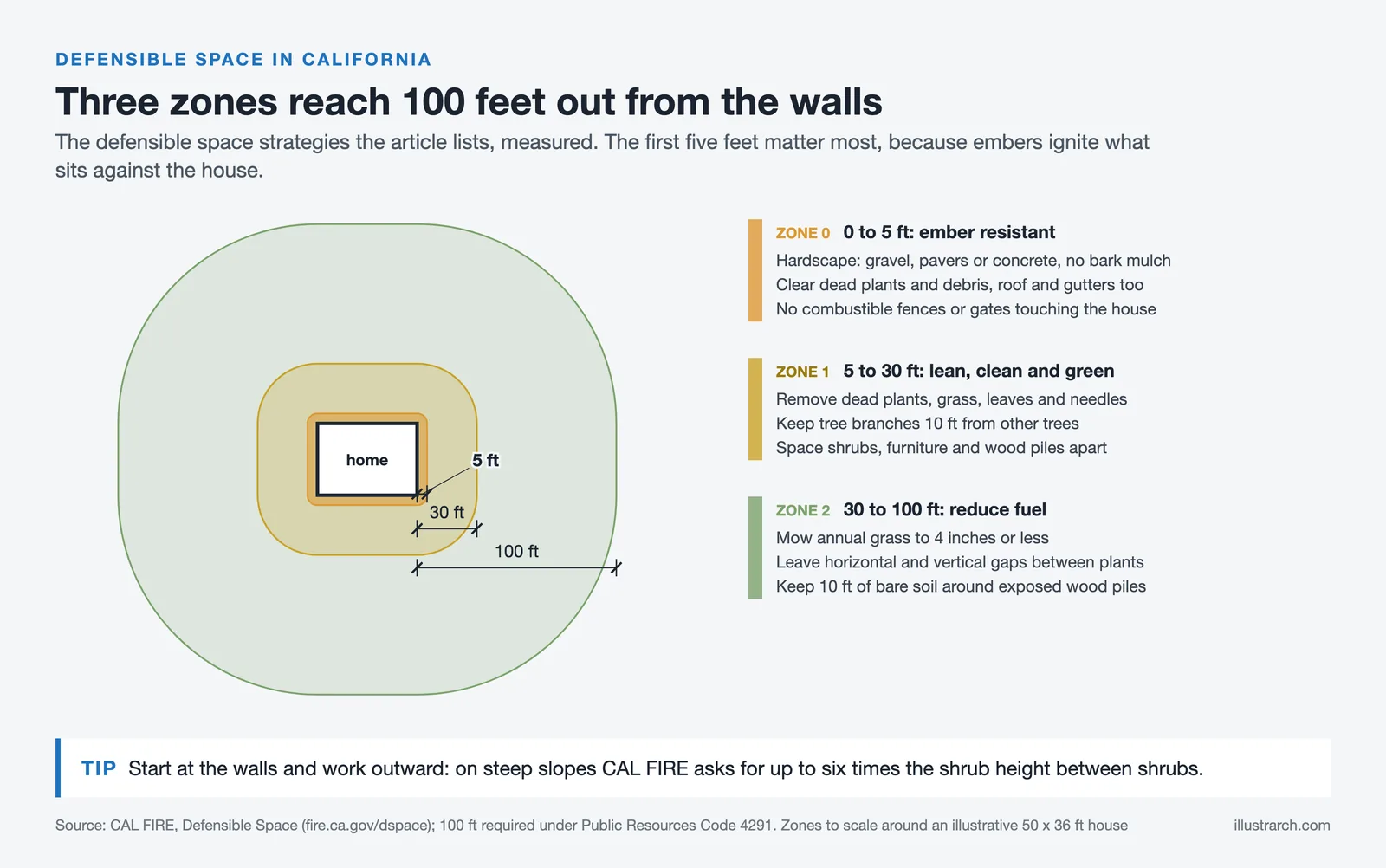
California fire resilient landscape architecture case study projects demonstrate that wildfire protection goes far beyond structural materials. Effective strategies include defensible space planning, native drought-tolerant landscaping, and strategic vegetation zoning around properties. The American Society of Landscape Architects (ASLA) highlights the Firescape Demonstration Garden in Santa Barbara as a leading California landscape architecture fire resilient projects example, where fire-resistant native plants and hardscape elements create a protective buffer between homes and wildlands.
Other notable California landscape architecture fire resilient projects examples include the Esencia community in Rancho Mission Viejo by SWA Group, one of the first master-planned communities to receive the Firewise USA designation, and the Sustainable Defensible Space initiative by RIOS in the Santa Monica Mountains. The Case Study Adapt initiative, formed after the 2025 Palisades fire, challenges ten Los Angeles architecture firms to create new visions of fire-resilient single-family homes that meet and exceed current building codes. These efforts show that California is becoming a global laboratory for resilient architecture for natural disasters, particularly wildfire.
Resilient Architecture Strategies by Disaster Type
| Disaster Type | Key Design Strategies | Recommended Materials | Structural Techniques | Example from This Article |
|---|---|---|---|---|
| Earthquake | Base isolation; energy dissipation; flexible structural systems; lightweight construction | Steel, carbon fiber-reinforced polymers, reinforced concrete, cross-laminated timber (CLT) | Base isolators; tuned mass dampers; flexible joints; shear walls; independent tube columns | Sendai Mediatheque, Christchurch Cathedral, Villa Verde Housing |
| Flood | Elevation above flood level; amphibious foundations; waterproof barriers; open ground floors | Concrete, vinyl, latex flooring, brick, metal cladding, EPS foam | Floating chassis; stilts & pile foundations; flood-through ground levels; sealed utility systems | Float House, Cyclone Shelter Schools, METI Handmade School |
| Hurricane / Cyclone | Aerodynamic forms; reinforced envelopes; impact-resistant openings; minimal overhangs | Reinforced concrete, steel frames, impact-resistant glass, hurricane clips | Curved/sloped roofs; continuous load paths (roof-to-wall-to-foundation ties); storm shutters | Float House, Cyclone Shelter Schools |
| Tsunami | Setback from coast; elevated platforms; reinforced lower floors; breakaway ground-level walls | Reinforced concrete, steel, deep pile foundations | Vertical evacuation structures; reinforced footing; raised foundations; open ground levels | Villa Verde Housing |
| Storm Surge | Movable barriers; levee systems; automated closure mechanisms; redundant computer controls | Steel, concrete sills, ball-and-socket joints, floating pontoon gates | Movable barrier systems; dry dock storage; automated water-level monitoring | Maeslantkering Storm Surge Barrier |
| Wildfire | Defensible space zones; fire-resistant landscaping; ember-resistant vents; non-combustible exteriors | Concrete, stucco, metal roofing, tempered glass, fire-resistant native plants | Vegetation management zones; hardscape buffers; enclosed eaves & soffits; Class A roof assemblies | California fire resilient landscape projects (Esencia, Firescape Garden, RIOS) |
| Coastal Erosion | Foundation reinforcement; geological stabilization; sea wall integration; natural breakwaters | Concrete, natural rock, stabilization composites, geosynthetics | Rock armoring; grouting; retaining walls; vegetated shoreline buffers | Tanah Lot Temple Reinforcement |
Key Principles of Resiliency Architecture
Across all these examples, several core principles define successful resilient architecture. Durability ensures that structures withstand extreme forces through reinforced materials and innovative engineering. Adaptability allows buildings to respond dynamically to changing conditions: whether rising water, seismic waves, or wind loads. Sustainability integrates resource-efficient materials and renewable energy systems that reduce long-term environmental impact. Finally, community integration ensures that resilient structures serve dual purposes, supporting everyday life while providing protection during emergencies. These principles form the foundation of what the Whole Building Design Guide (WBDG) describes as a comprehensive approach to resilience-based architectural design.

Four Core Principles of Resilient Architecture
| Principle | Definition | Design Application | Example Projects |
|---|---|---|---|
| Durability | The ability of a structure to withstand extreme physical forces without significant failure | Reinforced materials, innovative engineering systems, impact-resistant components | Maeslantkering (13,600 tonnes of steel), Sendai Mediatheque (steel tube structure survived M9.0 earthquake) |
| Adaptability | The capacity to respond dynamically to changing environmental conditions in real time | Floating foundations, flexible structural joints, movable barriers, incremental design | Float House (rises with water), Villa Verde (expandable over time), Christchurch Cathedral (rapid assembly) |
| Sustainability | Integrating resource-efficient materials and systems that reduce long-term environmental impact | Locally sourced materials, renewable energy, recyclable components, low-carbon construction | METI School (earth, bamboo, natural fibers), Christchurch Cathedral (cardboard tubes), California fire-resilient native landscaping |
| Community Integration | Designing structures that serve dual purposes: everyday use and emergency protection | Multi-use programming, public gathering spaces, emergency shelter capability, participatory design | Cyclone Shelter Schools (school + shelter), Sendai Mediatheque (library + cultural hub), Villa Verde (participatory housing) |
For architects and designers seeking to deepen their understanding, resources like the modern architecture guide and studies on floating architecture offer additional insights into how resilient thinking is reshaping the discipline.
Conclusion: The Future of Resilient Architecture
Disaster-resilient architecture demonstrates how design can reduce vulnerability, protect lives, and support recovery in the face of natural hazards. From earthquake-resistant cultural centers to floating homes, adaptive community shelters, and California fire resilient landscape architecture projects, these examples highlight a global commitment to building safer environments through creativity and engineering. As the world confronts increasing climate risks, resilient architecture will continue to play a vital role in shaping sustainable, secure, and adaptive communities for future generations.
- architecture for resilience
- architecture in disaster zones
- california landscape architecture fire resilient projects examples
- climate-adaptive architecture
- disaster resilient architecture
- flood-resistant architecture
- innovative disaster architecture
- resiliency architecture
- resilient building design
- successful disaster architecture


2 Comments


Interior Design for Commercial Spaces: Enhancing Functionality and Brand Identity
Commercial interior design has to serve brand, function and regulation at once....
Begum Gumusel4 Mins read
Futuro House Production Revived in Finland After Decades-Long Hiatus
A Facebook listing for abandoned moulds led to the first new Futuro...
 illustrarch Editoral Team3 Mins read
Building Your Dream Home in NSW: What You Should Know About Montgomery Homes
Montgomery Homes has been building across Sydney, Newcastle, the Hunter, Wollongong and...
illustrarch Editoral Team4 Mins read
Designing a Home Theater: Where Drapery Fits Into the Plan
In a media room the curtains are a performance layer, not decoration....
illustrarch Editoral Team3 Mins read


This article has some interesting examples of buildings that are designed to withstand disasters. It’s nice to see how different places are using creative solutions to keep communities safe.
This article talks about resilient architecture and some examples. It seems interesting that buildings can be designed to handle disasters. I learned a bit about how communities can be better protected.