

Energy Efficient Buildings: Design, Benefits & Examples
Energy efficient buildings are transforming how we design, construct, and inhabit spaces. From passive solar design and smart building technologies to net-zero homes and green certifications like LEED, learn how energy efficient architecture reduces energy consumption by up to 50%, lowers operational costs, and delivers healthier indoor environments for occupants worldwide.
 Elif Ayse Sen13 October 20255 Mins read613

Table of Contents Show
What Are Energy Efficient Buildings?
Energy efficiency is the cornerstone of sustainable architecture. Energy efficient buildings are structures specifically designed to reduce energy consumption while maintaining optimal comfort and functionality. These buildings incorporate sustainable materials, high-performance fixtures, and smart fittings to minimize their environmental footprint. Alternative energy sources such as solar, geothermal, and wind power are also utilized to reduce reliance on fossil fuels. The end goal of energy efficient building design is to minimize the building’s environmental impact while lowering operational costs for occupants.
According to the International Energy Agency (IEA), buildings account for approximately 30% of global energy demand. In the United States alone, buildings use 74% of electricity and generate $370 billion in annual energy costs, according to the U.S. Department of Energy. This makes energy efficiency in buildings one of the most critical areas for addressing climate change and reducing greenhouse gas emissions.
Some architects have taken this idea a step further by designing buildings that produce energy instead of consuming it, which will eventually do away with the need for traditional power sources. The traditional construction methods like concrete and steel are being challenged with sustainable materials like hemp and bamboo.
In the past, architecture was developed to be aesthetically pleasing to the eye and not in consideration of whether it is sustainable or not. Modern energy efficient architecture is changing this trend and it has become more environmentally conscious. In this article, we will provide an introduction on energy-efficient buildings, explore why architects are starting to pay more attention to sustainable design, and discuss what needs to be done for green architecture to grow.

Pioneering Examples of Energy Efficient Buildings
The most popular example of such an energy efficient building design is the Ecotower in Hamburg. It generates electricity from rainwater, wind turbines and solar panels on its roof — enough to power 160 homes for a year!
Examples of other efficient buildings that make use of renewable energy include:
– Net-zero house in Massachusetts (USA), which produces more electricity than it consumes;
– The world’s first purely solar office building in France;
– The world’s largest ocean thermal plant in Cyprus.
Beyond these early examples, the global movement toward energy efficient buildings has accelerated significantly. The Bullitt Center in Seattle, often called the greenest commercial building in the world, demonstrates how passive solar design and rainwater harvesting can achieve net-zero energy consumption. Similarly, The Edge in Amsterdam uses advanced smart building technologies and IoT sensors to optimize energy use, setting a new standard for energy efficiency in buildings worldwide.

Why Energy Efficiency in Buildings Matters
Buildings are a major contributor to our global greenhouse gas emissions. Consequently, governments and the public are taking on the responsibility to find solutions for sustainability and combat climate change. The sustainable architecture field is not just about designing but also making sure that these buildings are delivering on their sustainability objectives in practice.
The global energy efficient building market reflects this urgency. Valued at approximately $135.6 billion in 2024, the market is projected to exceed $184 billion by 2029, growing at a compound annual growth rate of around 6–7%. This growth is driven by rising energy costs, stricter environmental regulations, technological advancements, and increasing public awareness about sustainable design.
Architects need to be at the forefront of this movement as they have substantial knowledge on sustainable design, construction techniques and standards, energy-efficient building design, green roofs, and more. Energy efficient architecture should be designed to minimize any negative impacts on the environment in terms of energy or material use. Architects can do this by designing tighter, more insulated building envelopes that reduce heating or cooling loss, as well as by using low-energy heating and cooling equipment to reduce greenhouse gas emissions.
Architectural linear lighting plays a crucial role in enhancing the aesthetic appeal and energy efficiency of modern buildings by providing both functional illumination and design continuity.
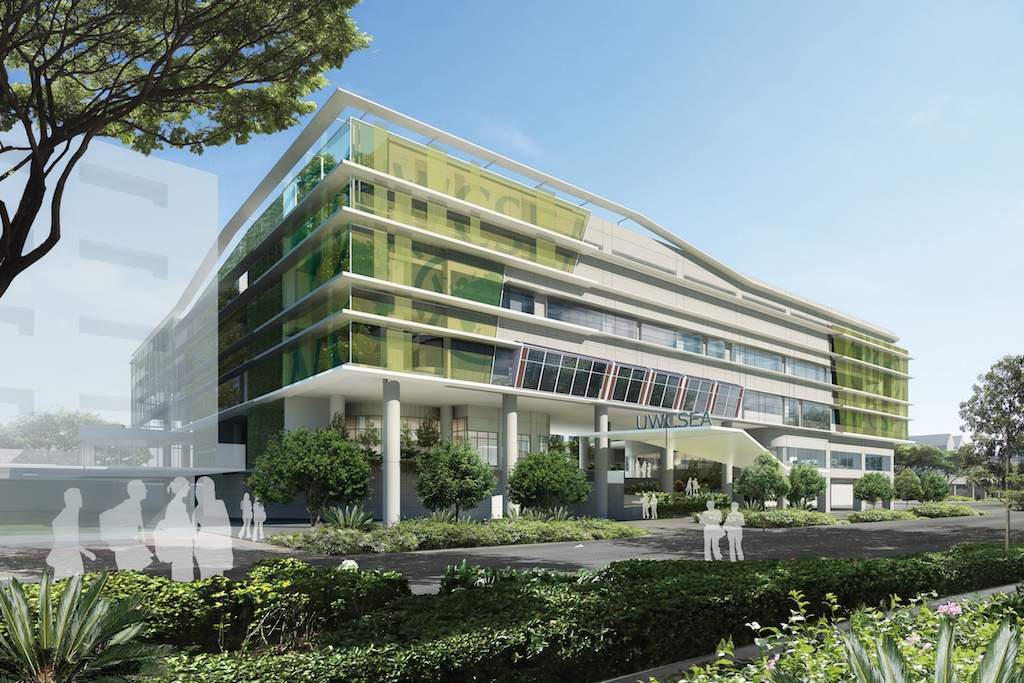
How to Design Energy Efficient Buildings
The first thing that you should do is to make sure that you have the right building materials. It can be difficult to reduce the energy consumption of a building if it was constructed with heavy and dark materials. But there are also some new materials with low thermal conductivity, which can help in this case. Innovative options like cross-laminated timber (CLT), aerogel insulation, and recycled composites are transforming how architects approach energy efficient design.
Second, you should keep drafts from coming into your building as drafts are responsible for 10% of the total heating costs in a home. There are some ways to work on this issue like using shades and roof insulation for example. Air sealing, high-performance windows, and weatherstripping are additional strategies that dramatically improve a building’s thermal envelope.

Third, you should focus on passive solar design which means orienting your windows and other parts of the building according to where the sun is pointing in order to get more light during winter months. Passive solar designs also help reduce electricity bills by 30% because they use natural light instead of artificial light during winter months when daylight hours are shorter than usual.
Fourth, consider integrating smart building technologies into your energy efficient building design. IoT-enabled sensors, automated lighting and HVAC controls, and building management systems (BMS) can optimize energy use in real time, adjusting heating, cooling, and lighting based on occupancy and external conditions. These smart systems can achieve energy savings of 10% to 30% compared to traditional building operations.
The Role of Certifications in Energy Efficient Architecture
Certification programs play a vital role in standardizing and verifying energy efficiency in buildings. Programs such as LEED (Leadership in Energy and Environmental Design), ENERGY STAR, BREEAM, and Passive House set measurable benchmarks that architects and developers can target. ENERGY STAR certified buildings, for instance, use 35% less energy than typical buildings and can command a sales price premium of up to 16%. These certifications not only validate an efficient building’s performance but also increase property value and attract environmentally conscious tenants and buyers.
Benefits of Energy Efficient Buildings
Efficient energy usage in buildings is one of the most cost-effective solutions to mitigate the negative consequences of climate change and health-related issues. Furthermore, because they provide cleaner combustion and greater ventilation than typical structures, energy-efficient buildings reduce interior air pollution. As a consequence, the likelihood of air pollution-related disorders including asthma and lung cancer would decrease. It saves lives, lowers the financial and societal expenses of medical treatment, and raises the value of structures.
The economic benefits of energy efficient buildings extend beyond reduced utility bills. Building owners benefit from government incentives, tax credits (including those available under recent climate legislation), and grants designed to promote sustainable construction. Over a building’s lifecycle, energy efficient design can reduce operating costs by 20–40%, making it a sound long-term investment for both residential and commercial properties.
Additionally, energy efficiency building strategies contribute to grid reliability and resilience. By reducing peak energy demand, efficient buildings help prevent power outages during extreme weather events — a growing concern as climate change intensifies heat waves and cold snaps worldwide.

The Future of Energy Efficient Building Design
The future of energy architecture looks increasingly promising. Emerging technologies such as building-integrated photovoltaics (BIPV), transparent solar glass, and phase-change materials are pushing the boundaries of what energy efficient buildings can achieve. The integration of AI and machine learning into building management allows for predictive energy optimization, where systems learn occupant behavior and weather patterns to minimize energy waste automatically.
As governments worldwide implement stricter building energy codes and performance standards, the demand for energy efficient architecture will only accelerate. According to IEA research, buildings constructed under modern energy codes can use up to 50% less energy than those built without such standards. With the global energy efficient building market on track for continued expansion, architects, developers, and policymakers all share the responsibility of making energy efficiency in buildings the standard rather than the exception.
By embracing innovative design principles, sustainable materials, and cutting-edge technologies, the architecture community can lead the transition toward a built environment that works in harmony with our planet — delivering buildings that are not only beautiful and functional but also genuinely energy efficient.


2 Comments



Famous Sustainable Buildings: 6 Green Skyscrapers Leading the Future
From Milan's Bosco Verticale to Sydney's record hybrid timber tower, six green...
 Furkan Sen6 Mins read
Best Orientation for a House: Why North Orientation Matters
North orientation shapes a home's light, warmth, and running costs, and its...
Furkan Sen6 Mins read
Passive Design Architecture: A Practical Guide to Low-Energy Buildings
Passive design uses a building's orientation, form, and materials to control heat,...
Furkan Sen8 Mins read
Passive House vs LEED Certification: Which Green Standard Should You Pursue?
Passive House focuses on strict energy performance and airtightness, while LEED scores...
 Sinan Ozen8 Mins read


Written by chatgpt. I wanted to confirm if such an ecotower exists in hamburg, but upon searching I found that EcoTower made by JSLA Architects is located in BGC and it is an office building.
This article sounds good in theory, but I doubt most architects will actually change their ways. The claim about buildings producing more energy than they consume seems way too optimistic. The examples given are nice, but what about the majority of buildings that still rely on outdated materials like concrete? It feels like a lot of talk without real change happening.