

American Interior Design Trends: 5 Styles Defining US Homes in 2026
A look at the 5 American interior design trends shaping US homes in 2026, from warm minimalism and farmhouse-to-transitional style to region-based earth tones, natural materials, and broken-plan open living.
 Begum Gumusel2 December 20255 Mins read293
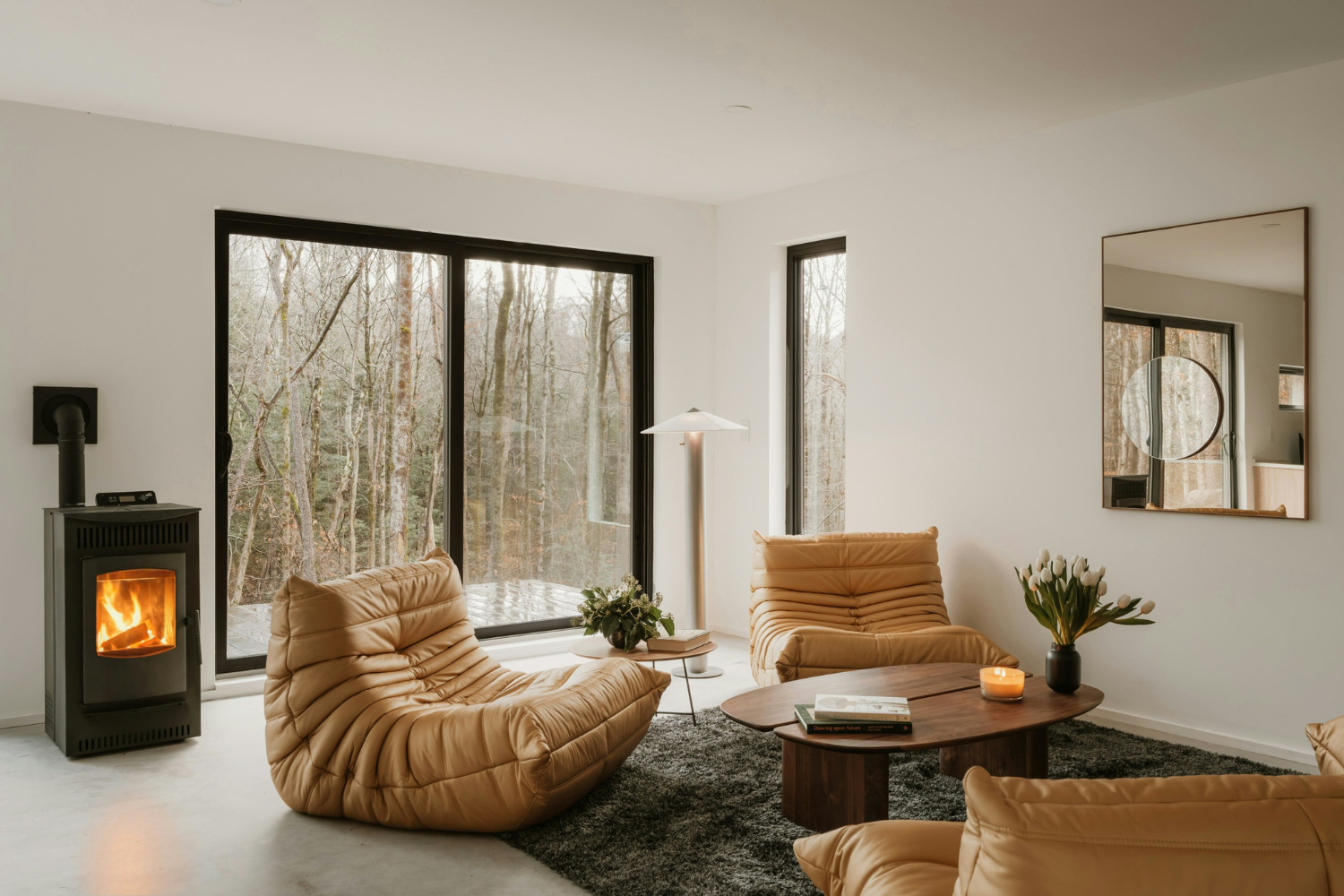
Table of Contents Show
American interior design trends in 2026 center on warmth, natural materials, and flexible open living rather than cold, showroom-style rooms. Across US homes, the strongest shifts are warm minimalism, a farmhouse-to-transitional blend, region-inspired earth tones, honest craftsmanship, and a smarter take on the open plan.
These changes reflect how Americans actually live. Homeowners want interiors that feel personal and comfortable, shaped by regional landscapes and everyday routines rather than a single national look. The five trends below focus on what defines US interiors specifically, from Southwest color palettes to the reworking of the open-concept layout that has dominated American floor plans for decades. For a wider view beyond the US market, see our roundup of broader interior design trends for 2026.
Quick comparison of the 5 trends
The table below sums up each trend, what defines it, and how to bring it into a US home.
| Trend | What defines it | How to use it |
|---|---|---|
| Warm minimalism | Soft neutrals, layered texture, uncluttered rooms | Pair pale walls with wood, bouclé, and linen |
| Farmhouse to transitional | Rustic warmth softened by cleaner, modern lines | Keep shaker cabinets, drop the heavy country décor |
| Region-inspired earth tones | Clay, terracotta, olive, and muted browns | Match palettes to local landscape and light |
| Natural materials | Solid oak, stone, rattan, wool, handmade pieces | Choose durable, responsibly sourced finishes |
| Reworked open plan | Zoned, broken-plan spaces instead of one big room | Use partial walls, rugs, and level changes to divide |
1. Warm Minimalism
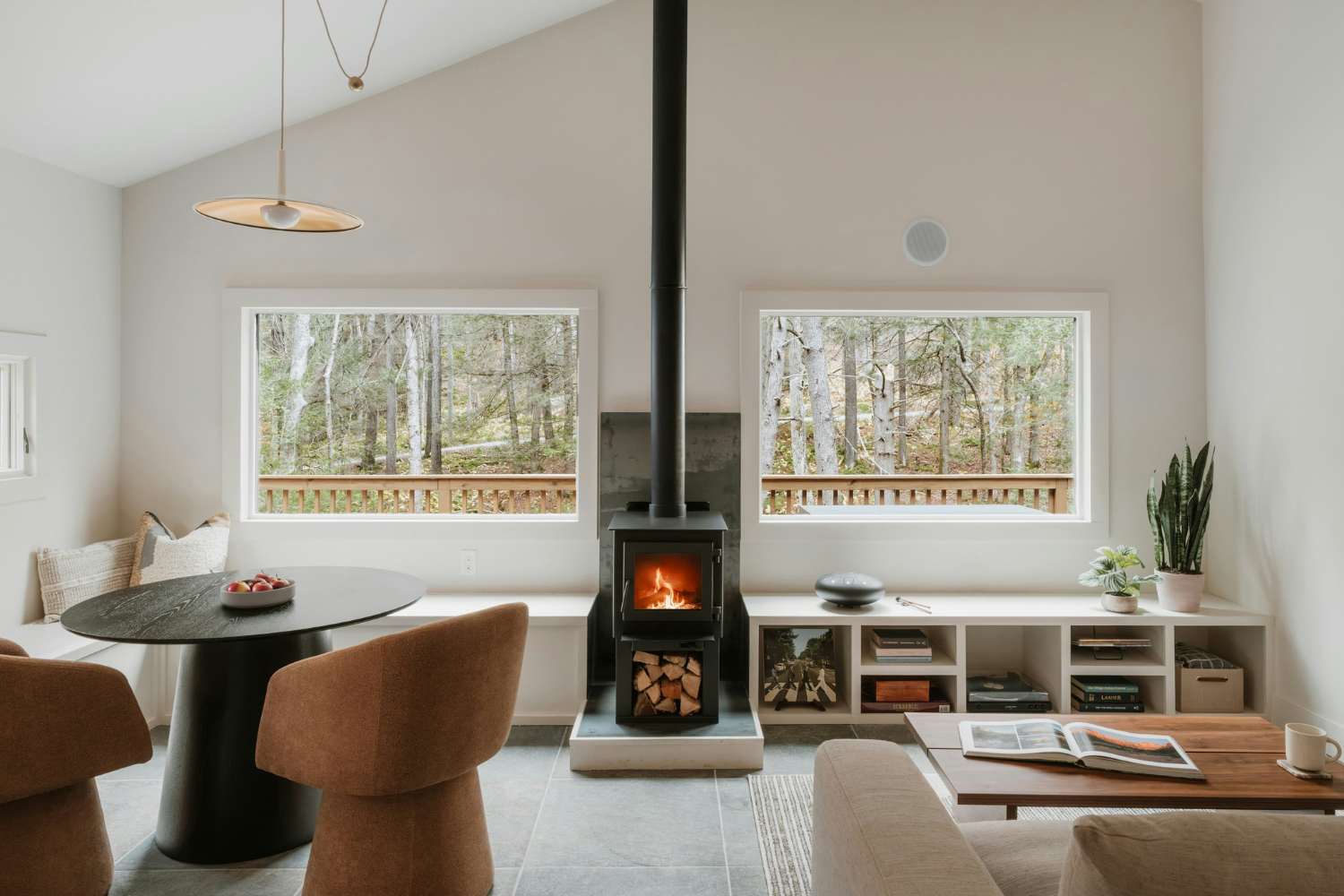
Warm minimalism has become one of the most influential American interior design trends, seen in California remodels by designers such as Amber Lewis, where soft neutrals and layered textures create inviting yet calm rooms. Instead of stark white walls and rigid edges, US interiors now lean into natural light, earth-inspired palettes, and organic fabrics that make pared-back spaces feel far more livable.
The style also suits how Americans use open living areas. Designers work in warm woods, tactile fabrics like bouclé and linen, and curved furniture that softens minimal spaces without stripping out comfort. The result is an atmosphere that reads as serene and uncluttered yet genuinely welcoming, a balance many US homeowners now put ahead of pure visual polish. Storage plays a quiet role here too, since built-ins and concealed cabinetry keep surfaces clear without making a room feel cold or clinical.
💡 Pro Tip
When you build a warm minimalist room, lock in three to four textures before you pick a single accent color. Rooms that fall flat usually have enough neutral paint but not enough tactile contrast, so the space feels bare rather than calm. Wood, wool, plaster, and woven fiber do the heavy lifting.
2. The Farmhouse-to-Transitional Shift
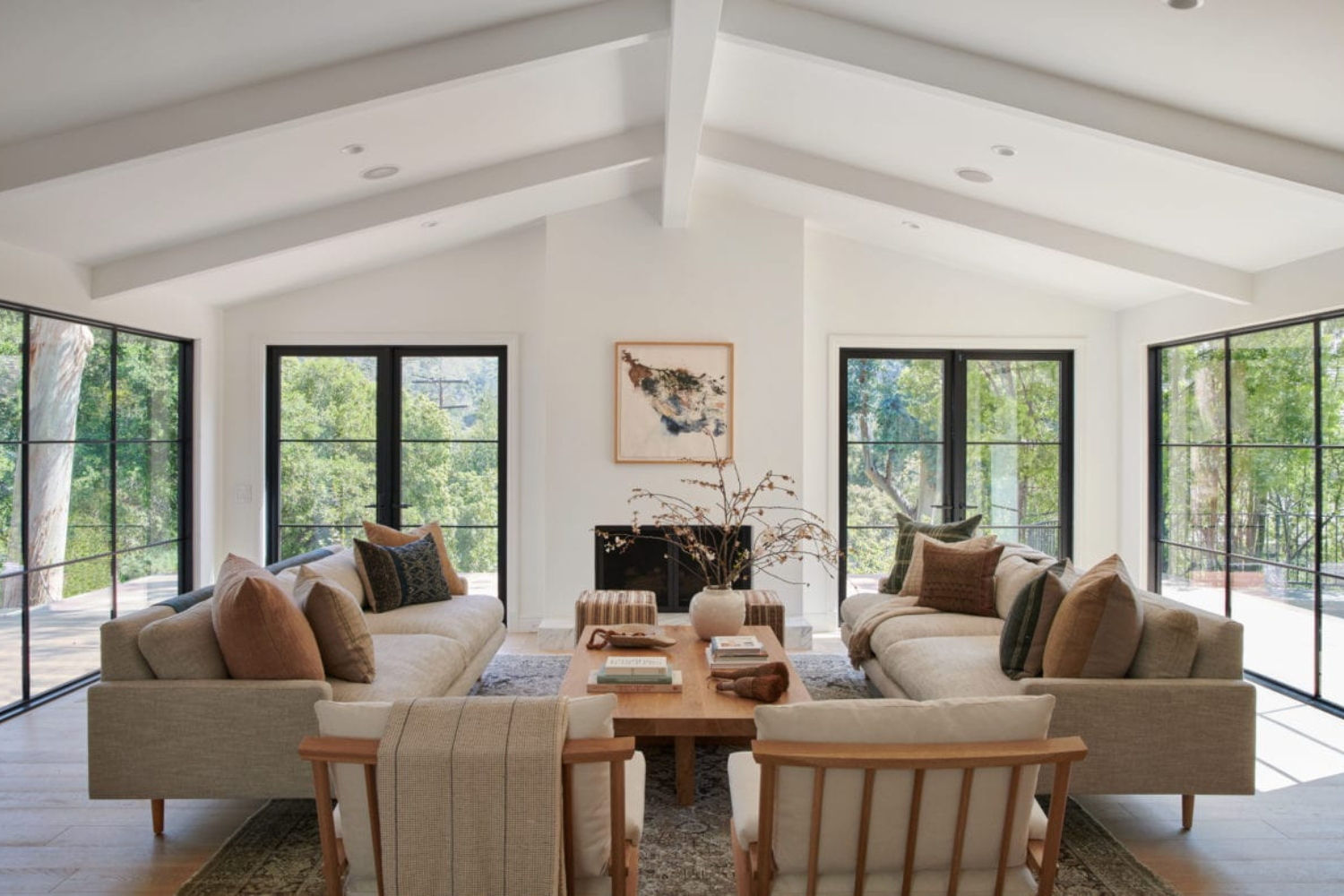
The modern farmhouse look, driven for years by shows filmed around Waco, Texas, is maturing into something cleaner. Homeowners still want the warmth of shaker cabinets, apron sinks, and mixed wood tones, but the heavy country signals such as sliding barn doors and shiplap on every wall are fading. What replaces them is transitional style, a middle ground between traditional and contemporary that reads as one of the most durable American interior design trends of the decade.
This matters because transitional interiors travel well across the country. A transitional kitchen works in a Connecticut colonial, a Chicago row house, or a Phoenix new build, which is why it keeps ranking near the top of US kitchen and bath surveys from the National Kitchen and Bath Association. For older homes, blending farmhouse character with modern finishes also respects the existing American house style instead of fighting it.
🏗️ Real-World Example
Magnolia, Waco, Texas: Chip and Joanna Gaines turned a Central Texas renovation brand into the national face of modern farmhouse design. The look they popularized on Fixer Upper is now being softened by their own later projects, which trade rustic overload for lighter, more transitional interiors.
3. Region-Inspired Earth-Toned Palettes
Earth-toned palettes, built on warm beige, clay, terracotta, olive green, and muted browns, have become a staple of US interiors. What makes the American version distinct is how closely color follows region. Homes in the Southwest borrow the reds and ochres of desert rock, while Pacific Northwest interiors lean on deep greens and greys pulled from forest and coastline. Publications like Architectural Digest track how strongly local landscape now drives paint and finish choices.
Designers like these tones because they ground a room and pair easily with stone, plants, and handmade ceramics. Used in living rooms, kitchens, and bedroom color schemes, they add depth without shouting. In modern farmhouse spaces or contemporary West Coast homes, earth tones read as timeless and cohesive rather than trendy.
📌 Did You Know?
The open, wall-free layout so common in American homes traces back to Frank Lloyd Wright. In his early 1900s Prairie houses, Wright broke down the boxy divisions between parlor, dining room, and hall, setting the template for the open plan that US builders adopted at scale after World War II.
4. Natural Materials and Visible Craftsmanship
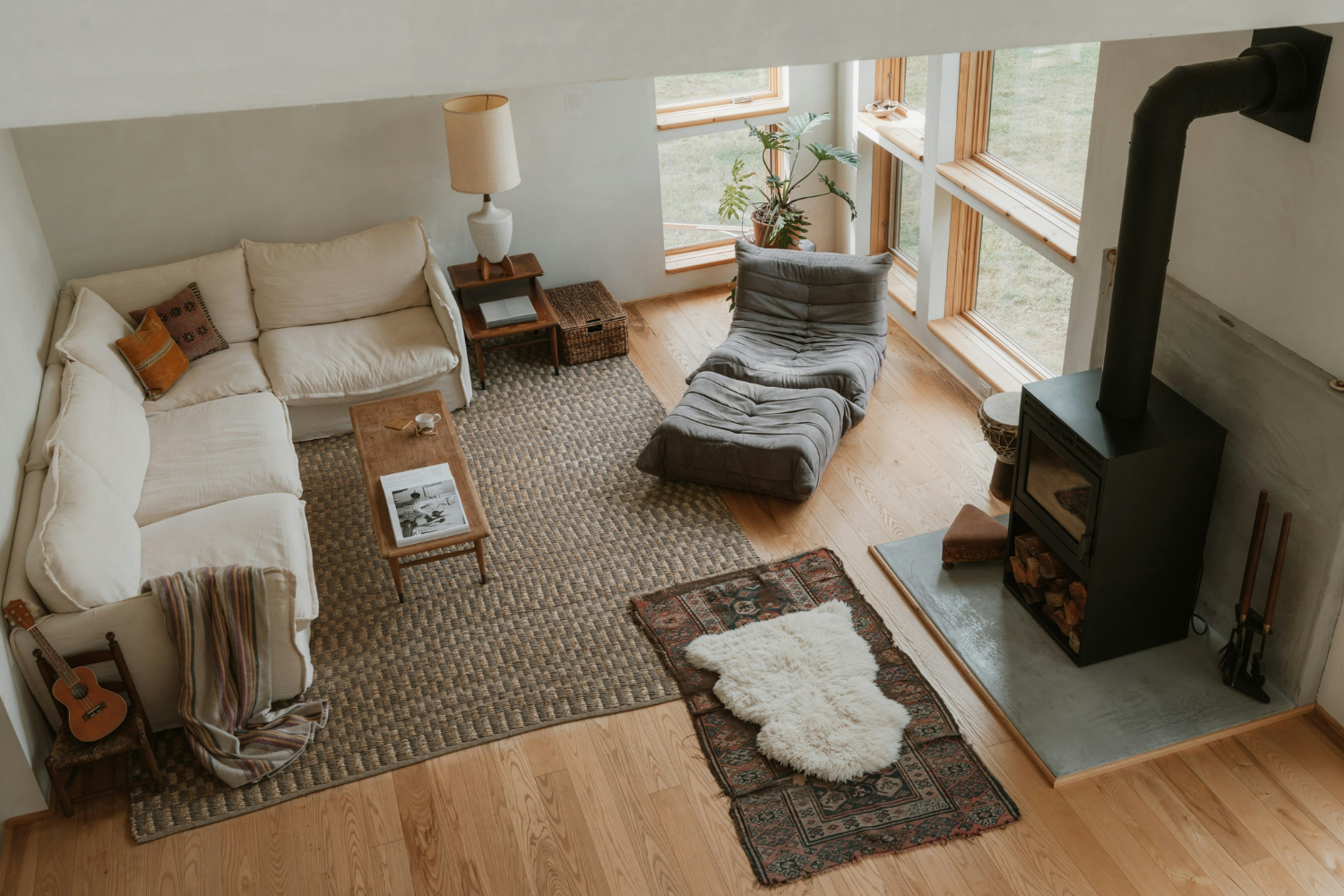
Natural materials keep gaining ground in American homes, especially in higher-end renovations where reclaimed wood beams, limestone fireplaces, and handwoven textiles anchor the room. Solid oak, marble, rattan, clay, linen, and wool now show up in both remodels and new builds. Their tactile quality adds warmth and a sense of authenticity that offsets the flatness of overly slick, builder-grade finishes.
This shift lines up with a wider US move toward sustainability and long-lasting design. American retailers have expanded their use of responsibly sourced woods, natural fabrics, and handmade pieces that age well. Homeowners chasing durability gravitate toward stone countertops, solid-wood dining tables, and artisan rugs, choices that carry character over decades. Design outlets such as Dezeen document how these organic textures fit styles like Japandi, rustic modern, and coastal American design. Beyond looks, natural materials also age with visible patina, so scratches and wear read as character rather than damage, which suits how long many American families keep a home before renovating again.
🔢 Quick Numbers
- The American Society of Interior Designers publishes an annual Trends Outlook tracking well-being and sustainability as top US client priorities (ASID).
- Transitional style ranks among the most requested kitchen looks in the NKBA Kitchen & Bath Design Trends survey (NKBA).
- Warm, nature-based palettes feature heavily in current US trend reporting from Elle Decor (Elle Decor).
5. Rethinking the Open Plan
For decades, the wide-open great room defined the American floor plan. In 2026, that idea is being reworked rather than abandoned. Homeowners still want light and connection, but the pandemic years showed the limits of one large room where cooking, working, and relaxing collide. The answer taking hold across US homes is broken-plan living, which keeps a sense of openness while adding gentle boundaries.
Designers create these zones with partial walls, glass partitions, wide cased openings, changes in ceiling height, and rugs that mark out distinct areas. A kitchen still flows into a living space, but a reading nook or home office gains just enough separation to feel like its own room. The approach works especially well in smaller footprints, and many of the same tactics apply when you plan small interiors that need to do several jobs at once. Acoustics are part of the appeal, since even a half-height wall or a run of shelving cuts the echo and noise transfer that made fully open great rooms tiring to live in day to day.
What This Means for Your Next Project
Taken together, these American interior design trends point in one direction: homes that feel warm, personal, and built to last. Whether you soften a farmhouse kitchen into something transitional, pull a palette from your own region, or carve a busy open plan into calmer zones, the goal is comfort with intention. Start with one room, choose materials you will still like in ten years, and let the regional character of where you live guide the palette rather than a passing fad.






A New Book Records the 1970s Interiors of Ebony and Jet’s Chicago Headquarters
820 Ebony/Jet collects Barbara Karant's photographs of the empty Johnson Publishing Company...
 illustrarch Editoral Team2 Mins read
Spa-Like Serenity: 5 Accessible Luxury Upgrades to Transform Your Master Bathroom
Five accessible upgrades, from decluttering and layered lighting to plush textiles, natural...
illustrarch Editoral Team3 Mins read
How to Fill a Large TV Wall?
A broad living room wall poses an immediate spatial challenge the moment...
illustrarch Editoral Team4 Mins read
How Integrated Furniture Can Shape the Architecture of Urban Interiors
Most people treat furniture as the last decision in interior architecture, yet...
illustrarch Editoral Team2 Mins read


Leave a comment