

From Bland to Beautiful: The Impact of Proper Landscape Design
Proper landscape design enhances property value, supports local wildlife, manages rainwater, and promotes ecological health through thoughtful plant selection and arrangement.
 Bahattin Duran22 February 20245 Mins read461
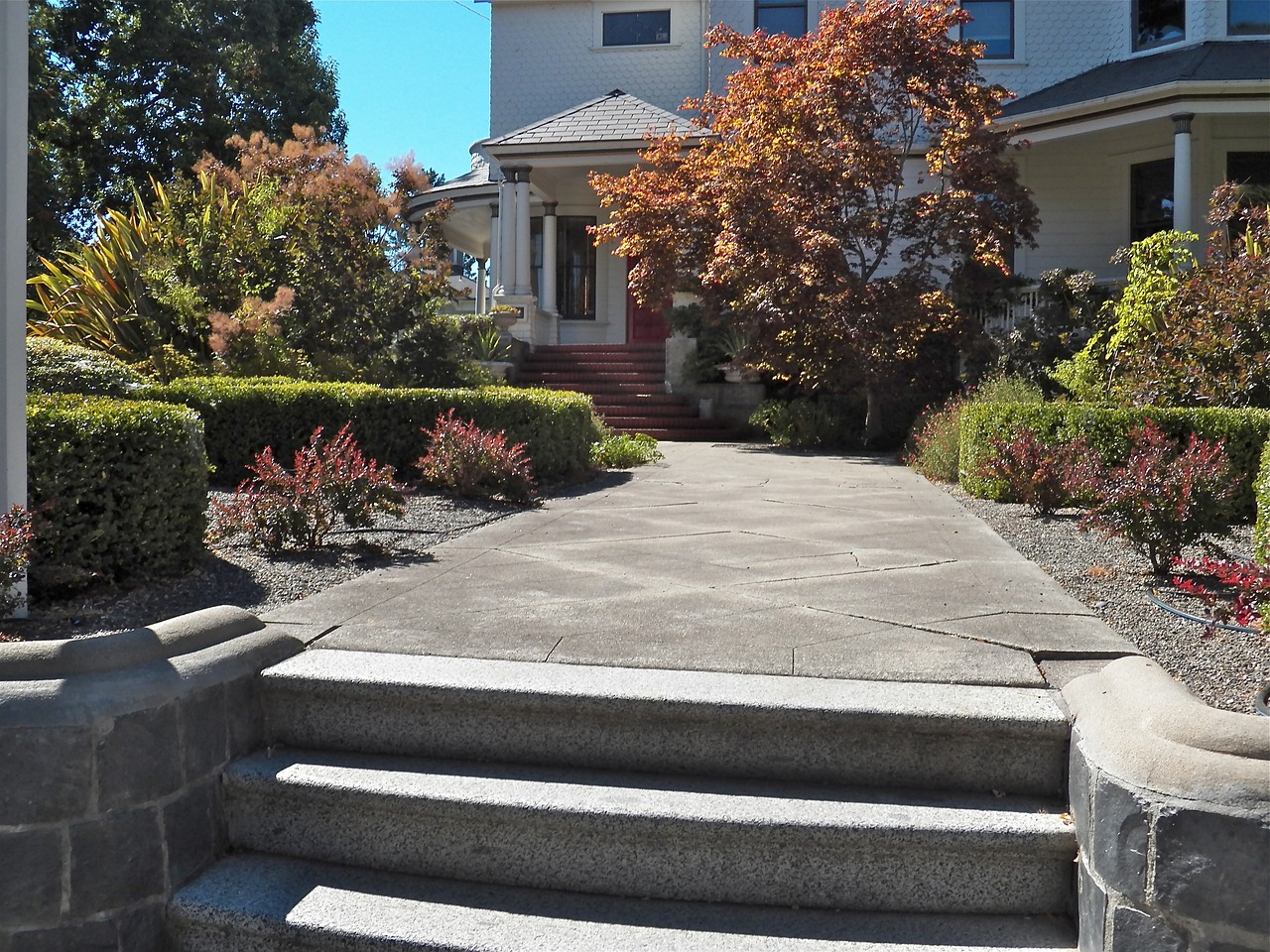
Table of Contents Show
Good landscape design turns an ordinary yard into a working ecosystem that supports wildlife, manages rainwater, and raises property value. The right plan balances biodiversity, water conservation, and human comfort, so the space looks good while doing real environmental work for your home and your neighborhood.
The color a well-planned landscape brings to a home is more than eye candy. From the first blossoms of spring to the trees that hold their shape through winter, a thoughtful arrangement of plants and earth can turn a lifeless yard into a sanctuary for people and wildlife alike. The benefits of proper landscape design reach well past appearance, touching almost every part of how a property functions. This piece looks at how the right plan adds value, supports ecological health, and strengthens the connection between a home and its surroundings.
Planting the Seeds of Biodiversity
Biodiversity is nature’s quiet engine. A varied garden acts as a buffet for local wildlife, drawing in pollinators, songbirds, and the beneficial insects that keep pests in check without chemicals. Each new flower, shrub, or tree adds a thread to a web of life that runs past the garden fence and links up with parks, woodlands, and urban green spaces.
Layering matters more than sheer plant count. A mix of plants for your front yard works best when it covers several roles at once. Evergreens give year-round cover, berry-bearing shrubs supply food through lean months, and nectar-rich blooms feed pollinators across their seasonal cycles. Native species deserve top billing here, since they are adapted to local soil and rainfall and need far less coaxing to thrive.
💡 Pro Tip
Plant in groups of three or five of the same species rather than scattering singles across the bed. Clustered planting reads as intentional, gives pollinators a stronger target, and fills in faster, which cuts down on the bare soil where weeds take hold.
Water-Wise Landscaping as a Source of Conservation
Every drop that lands on a property is a chance for replenishment instead of runoff. With well-placed rain gardens, permeable paving, and a bit of grading, a landscape can capture rainwater and send it back into local aquifers rather than down the storm drain. The U.S. Environmental Protection Agency describes a rain garden as a shallow planted depression that collects runoff from a roof, driveway, or street and lets it soak into the ground, filtering pollutants on the way down.
Mulch is the unsung hero of moisture management. A solid layer holds soil moisture, slows evaporation, and smothers weeds, which is a triple win for a resilient garden. Used well, mulch also cuts the need for synthetic herbicides, which keeps the wider ecosystem healthier. For more on building a low-input planting plan, the EPA WaterSense program offers practical water-smart landscaping tips on grouping plants by water need and improving soil.
The owner of Precision Landscaping puts it this way: “Transforming your outdoor space into a sustainable oasis with landscape design Toronto is not just about aesthetics, it’s about conserving water and nurturing local ecosystems. By incorporating rain gardens, permeable paving, and strategic mulching, you can enhance the beauty of your property while promoting environmental sustainability.”
🎓 Expert Insight
“The biggest savings in a garden come before a single plant goes in. Read how water moves across the site after a heavy rain, then design with that flow instead of fighting it,” notes a licensed landscape architect with 15 years of residential practice.
Working with a site’s natural drainage rather than re-grading against it usually lowers both installation cost and long-term irrigation needs.
Curb Appeal and Property Value
Green is more than a color, it is a kind of mental relief. Spending time around green spaces has been linked to lower stress and better focus, which is part of why a planted yard feels restorative rather than just decorative. A strong design also pays back in dollars. Mature trees and a tidy, well-structured front yard consistently rank among the features buyers notice first, and they shape the impression a home makes before anyone steps inside.
A successful plan accounts for the full lifecycle of its plants, their long-term care and maintenance needs, and how they sit against the built structure. This is a long view that grows with the garden, so the early investment keeps returning value in both looks and daily use.
📌 Did You Know?
According to the U.S. Department of Energy, shading and evapotranspiration from trees can lower nearby air temperatures by as much as 6°F, and the air directly under a tree can run up to 25°F cooler than the air above nearby pavement. Placed well, shade trees cut summer cooling loads on the house behind them.
Green Spaces for Community Well-Being
Community gardens are fertile ground for neighborly bonds. They give residents a shared place to grow food, trade knowledge, and build a sense of belonging, and they double as an outdoor classroom for the next generation. Public parks play the same role at city scale, offering a break from concrete and a place for both celebration and quiet. They are the shared backyard and, in a real sense, the lungs that help a city breathe.
🏗️ Real-World Example
The High Line (New York City, 2009): A disused raised railway viaduct was replanted as a public park using drought-tolerant grasses and perennials inspired by the wild growth that had taken over the tracks. It now draws millions of visitors a year and shows how planted infrastructure can reshape an entire neighborhood.

Choosing the Right Plants and Tools
For professionals and serious hobbyists, good digital tools make the creative process faster and help core design principles hold up on real sites. Software such as Dynascape landscape design lets users draw accurate plans that account for plant spacing, foot traffic, and layered sight lines, which leads to outdoor spaces that are both practical and good to look at.
Placing plants well takes more than an eye for color. It calls for an understanding of each plant’s spread, its light needs, and how it changes through the seasons. The mix of form and function in landscape work behaves like a puzzle where every piece affects the whole. Sustainable methods like those valued at Michaelangelo’s landscaping do not trade beauty for green ethics, since the two reinforce each other. A garden that thrives without heavy watering or constant chemical feeding is one that reads as healthy to both the eye and the mind.
The planted paths of a well-stocked nursery garden are more than decoration. They are working systems for growth and renewal, and the choice to plant them is also a choice about how we want to live. By building on biodiversity, water conservation, and community use, a yard moves from bland to beautiful and from plain ornament to a living part of the neighborhood.
The Bigger Picture
The most striking thing about landscape design is how small choices add up. A single native shrub feeds a few bees, but a street of planted front yards becomes a corridor that lets wildlife move through a city. Going forward, the gardens that matter most may not be the showiest ones, but the ones quietly doing the work of cooling the air, holding the rain, and giving a block a reason to gather outside.





Landscape Architecture Section Drawings: 12 Examples and How They Are Built
Twelve real landscape sections, from Salomon Kleiner's Weißenstein garden profile and the...
 illustrarch Editoral Team17 Mins read
Landscape Architecture Drawings: Plans, Sections and Diagrams Explained with Real Examples
Seven real landscape architecture drawings, one for each type: the Emerald Necklace...
illustrarch Editoral Team11 Mins read
Creating a Beautiful Landscape That Adds Long-Term Value to Your Home
Transform your outdoor space with a beautiful landscape that enhances curb appeal...
illustrarch Editoral Team3 Mins read

Top Rated Landscape Architecture Schools in the US, Europe, and Beyond
From Harvard GSD and UC Berkeley to Wageningen University in Europe, the...
 Sinan Ozen10 Mins read


Leave a comment