

Top 10 Digital Tools Every Independent Architect Needs in 2026
Explore the top 10 digital tools transforming architectural practice in 2026. Essential software and platforms every independent architect needs to stay competitive.
 Begum Gumusel19 February 20264 Mins read235

Table of Contents Show
The architectural landscape has transformed dramatically with the rise of digital tools in architecture. For independent architects in 2026, staying competitive means mastering the right digital design tools architecture professionals rely on daily. This comprehensive guide explores the essential digital tools for independent architects that can elevate your practice, streamline workflows, and deliver exceptional results to clients.

Understanding What Are the Trends in Digital Architecture Tools
The architectural technology landscape is evolving faster than ever. Current trends show a significant shift toward cloud-based collaboration, AI-assisted design, and integrated project management solutions. For independent practitioners, these shifts matter even more, because one person often covers design, documentation, visualization and project administration.
Modern digital tools for designers and architects now emphasize real-time collaboration, sustainability analysis, and automated documentation. These platforms are no longer just about drafting, they’re comprehensive ecosystems that support every phase of architectural practice, from initial sketches to construction administration.

Essential Architectural Tool for Drawing Digital Designs
1. Rhino 8 with Grasshopper
Rhino remains the gold standard for parametric design and complex geometries. Rhino 8, the current release as of October 2026, added modeling tools such as ShrinkWrap, SubD creases and PushPull workflows, plus a large speed boost for Mac users. For independent architects working on innovative projects, learning Rhino and Grasshopper is essential for computational design workflows.
Key features include:
- Advanced NURBS modeling for freeform surfaces
- Parametric design through Grasshopper visual programming
- Seamless integration with fabrication tools
- Extensive plugin ecosystem for specialized applications
2. Revit 2026
Autodesk Revit continues to dominate the BIM (Building Information Modeling) space. This digital architecture tool excels at coordinating complex building systems and generating accurate construction documents. The latest Revit release includes improved collaboration features and cloud-based model coordination.
Independent architects benefit from Revit’s ability to manage entire project lifecycles within a single platform, making it invaluable for small practice BIM implementation.

Digital Design Tools Architecture Professionals Use for Visualization
3. Enscape 4.0
Real-time rendering has become non-negotiable for client presentations. Enscape seamlessly integrates with Revit, SketchUp, and Rhino, providing instant photorealistic visualizations. This architectural tool for drawing digital presentations helps independent architects compete with larger firms by delivering stunning visuals without specialized rendering knowledge.
4. Twinmotion 2026
Epic Games’ Twinmotion offers another powerful visualization solution with an intuitive interface and an extensive asset library. Its real-time capabilities allow clients to experience designs interactively, making it easier to communicate design intent and secure project approvals. Learn more about comparing real-time rendering tools.

Project Management Digital Tools Used in Architecture
5. Monograph
Designed specifically for architects, Monograph combines time tracking, project management, and financial oversight. This digital tool helps independent practitioners monitor profitability, manage timelines, and maintain healthy project budgets. The American Institute of Architects recognizes effective project management as crucial for practice sustainability.
6. Notion for Architects
While not architecture-specific, Notion has become indispensable for organizing project documentation, maintaining design libraries, and coordinating with consultants. Its flexibility allows architects to create custom workflows tailored to their practice needs. Explore architecture-specific Notion templates to jumpstart your setup.

Collaboration and Communication Digital Tools for Designers and Architects
7. Bluebeam Revu
PDF markup and collaboration remain essential in architectural practice. Bluebeam Revu offers powerful tools for reviewing drawings, coordinating with consultants, and managing RFIs. Its Studio feature enables real-time collaboration on project documents, making it invaluable for independent architects working with distributed teams.
8. Miro for Design Workshops
Conceptual design and client workshops have moved online. Miro provides an infinite canvas for brainstorming, mood boarding, and collaborative design development. This digital tool bridges the gap between traditional sketch-based exploration and digital documentation, essential for conducting effective virtual design charrettes.
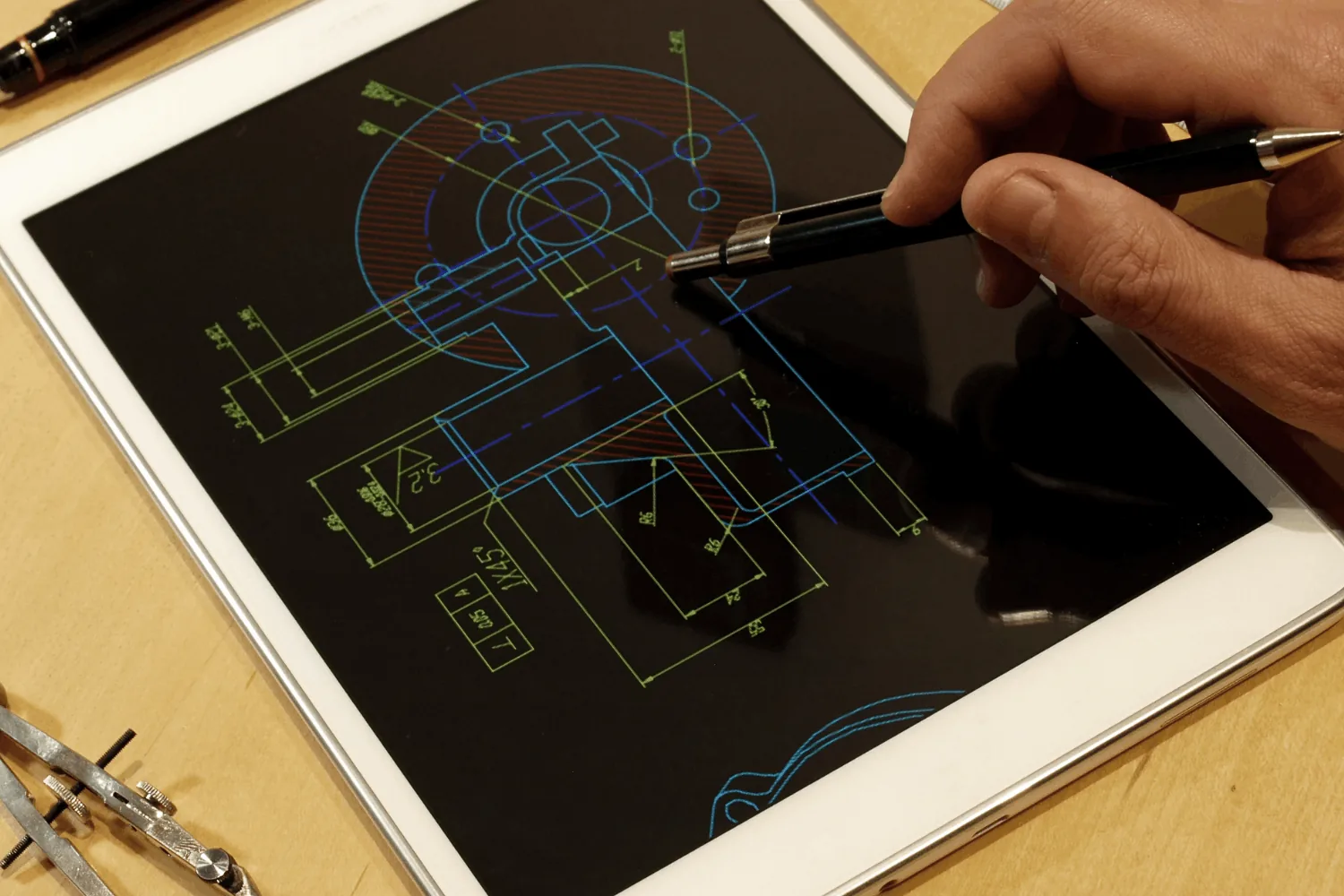
Emerging Digital Architecture Tools for 2026
9. Hypar (AI-Powered Space Planning)
Artificial intelligence is transforming early-stage design. Hypar uses generative algorithms to explore spatial configurations based on programmatic requirements and site constraints. This emerging tool helps independent architects quickly evaluate design options and optimize building performance. Dezeen’s AI coverage highlights how these technologies are reshaping architectural practice.
10. Speckle (Open-Source Data Platform)
Data interoperability remains a challenge in architecture. Speckle provides an open-source solution for exchanging design data between different platforms. This digital tool enables independent architects to work with consultants using various software without costly format conversions or data loss, supporting open-source architectural workflows.

Selecting the Right Digital Tools in Architecture for Your Practice
Choosing digital tools requires careful consideration of your practice type, project scale, and budget. Start with core tools for design and documentation (like Revit or ArchiCAD), then add specialized software as your practice grows. Many independent architects find success with a hybrid approach, combining industry-standard platforms with nimble, affordable alternatives.
Consider these factors when evaluating tools:
- Software licensing costs and subscription models
- Learning curve and training resources available
- Compatibility with consultant and client workflows
- Scalability as your practice expands
- Technical support and community resources
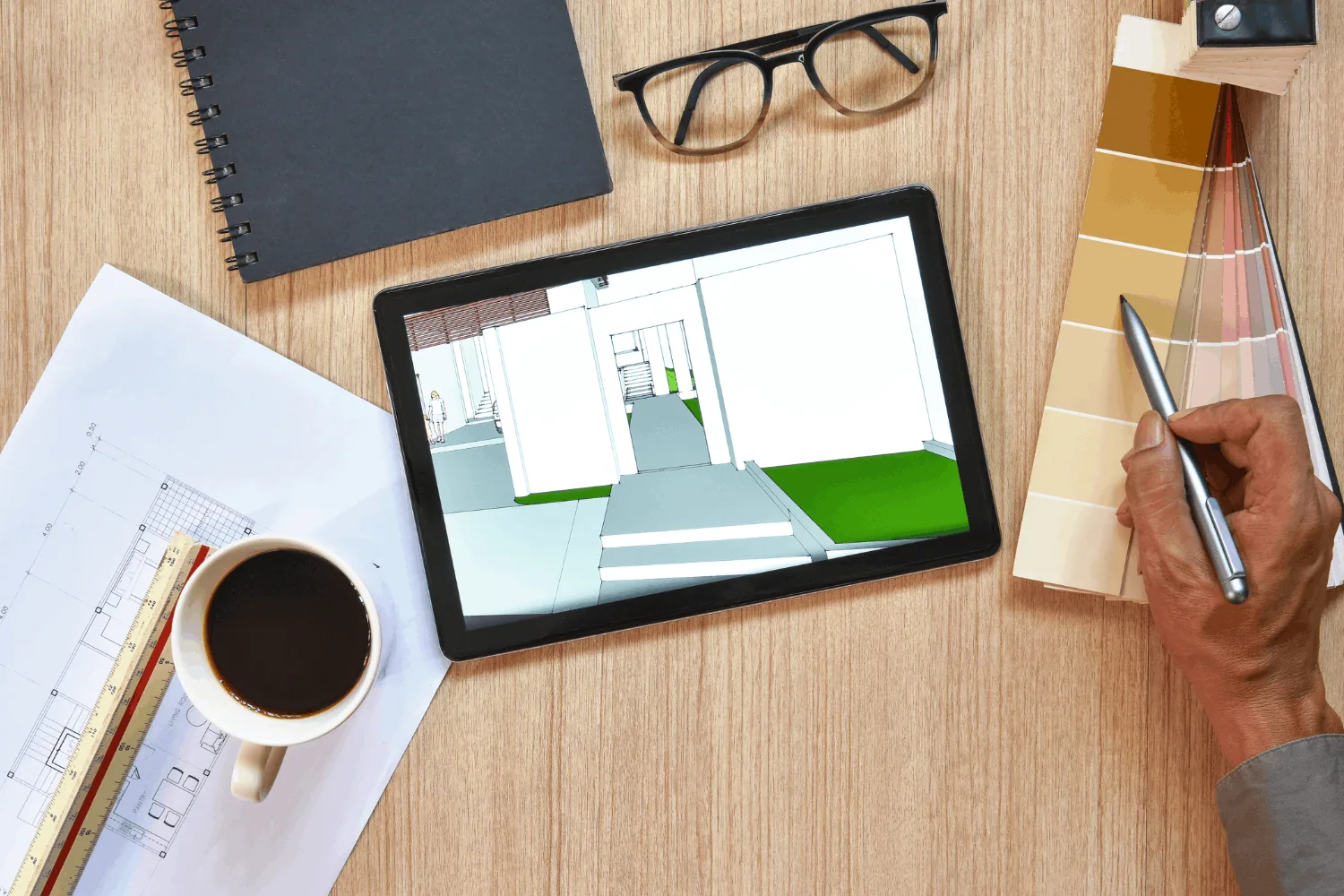
Integration Strategies for Digital Design Tools Architecture Workflows
The true power of digital tools emerges when they work together seamlessly. Establish clear file naming conventions, use cloud storage for version control, and create standardized templates. Many successful independent architects develop integrated digital workflows that minimize manual data transfer and reduce errors.
An integrated setup cuts the time lost to re-entering data and reconciling versions between programs, which leaves more time for design development and client engagement.

Maximizing ROI on Your Digital Architecture Tools Investment
Digital tools represent significant investments for independent architects. Maximize returns by dedicating time to proper training, participating in user communities, and staying current with software updates. Many vendors offer educational resources, webinars, and certification programs that deepen your expertise and unlock advanced features.
Consider joining professional forums and attending conferences focused on architectural technology. The knowledge gained from peers often proves more valuable than software features alone. Discover architecture technology communities where practitioners share insights and best practices.

Conclusion: Embracing Digital Transformation in Independent Practice
The digital tools used in architecture continue evolving, offering independent architects unprecedented capabilities. Success requires not just adopting new software, but fundamentally rethinking how you design, communicate, and deliver projects. Start with essential tools, master them thoroughly, then gradually expand your digital toolkit as your practice demands.
The future of architectural practice belongs to those who leverage technology strategically while maintaining design excellence. By thoughtfully implementing these digital architecture tools, independent architects can compete effectively, deliver superior results, and build sustainable, fulfilling practices in 2026 and beyond.





Notion Alternatives for Architects: 7 Tools That Fit Studio Work
Notion works until a studio needs fee tracking, phase budgets and timesheets....
 Furkan Sen7 Mins read

Why Every Practice Ends Up With Five Versions of the Same Revit Family
Let’s learn why Revit family libraries accumulate duplicates, break schedules and slow...
 illustrarch Editoral Team5 Mins read
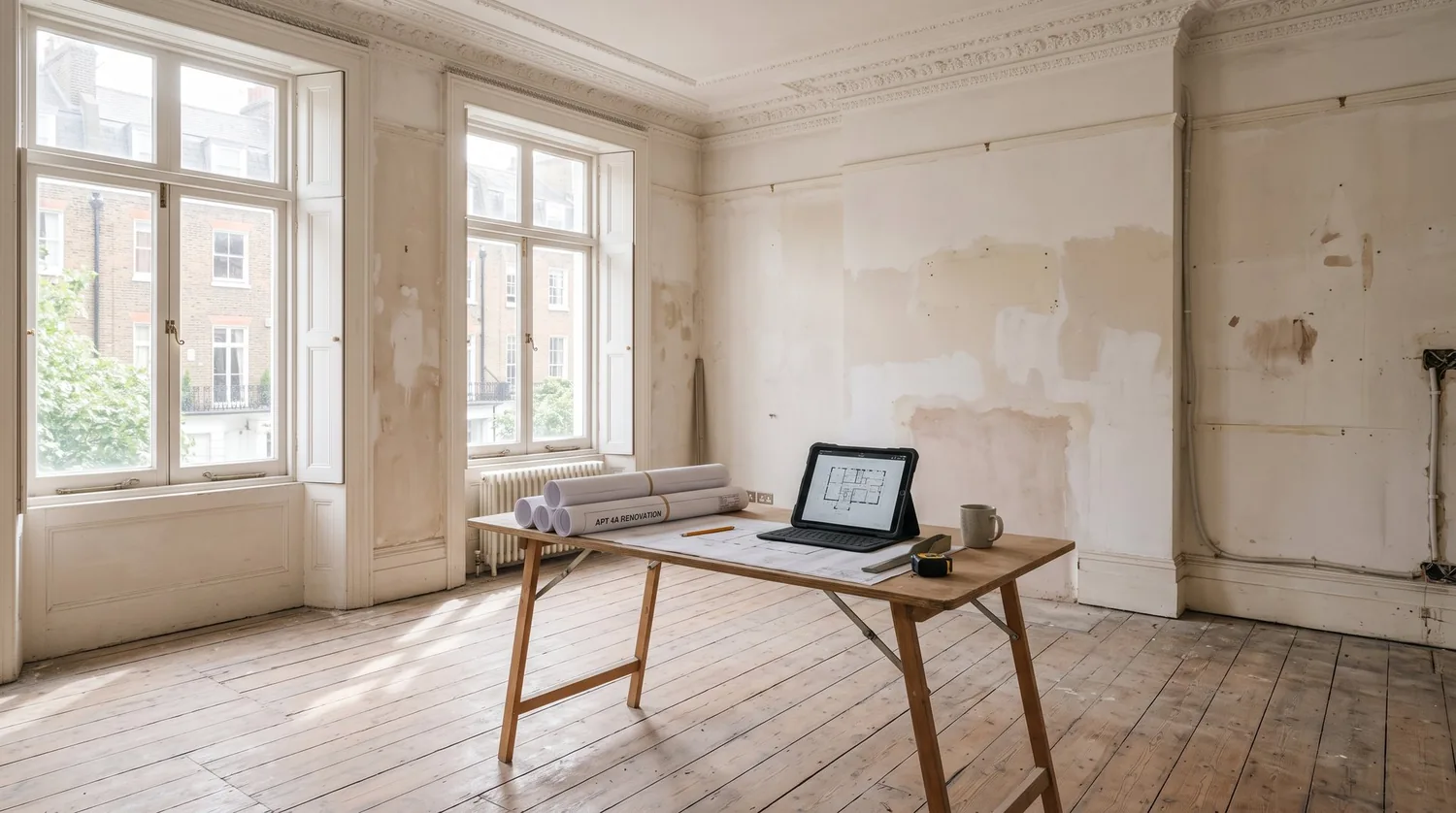
Visualizing Renovation Projects From Photographs: A Workflow for Existing-Building Work
Photo-based visualization turns a photograph of a building that already exists into...
illustrarch Editoral Team7 Mins read

Best Free CAD Blocks and Resources for Architects
A working guide to free CAD blocks for architects, covering ARCAT, CAD-Blocks.net,...
Furkan Sen7 Mins read


Leave a comment