

Project Architect vs Project Manager: Key Differences on a Construction Project
A project architect protects design quality while a construction project manager controls budget and schedule. See how the two roles differ on site, how their pay compares, and which career path suits your strengths.
 Furkan Sen17 July 20265 Mins read14

Table of Contents Show
The difference between a project architect vs project manager comes down to focus. A project architect leads the design and protects design intent from the first drawings through construction, while a construction project manager controls the budget, schedule, and site logistics. Both roles share a building, but their priorities, training, and daily decisions pull in different directions.
On any mid to large building job, these two people sit across from each other in coordination meetings every week. Confusing their duties is one of the fastest ways to lose time and money. The sections below break down what each role actually owns, where they overlap, how their pay compares, and which path might suit you if you are weighing a career move.
What Is a Project Architect?
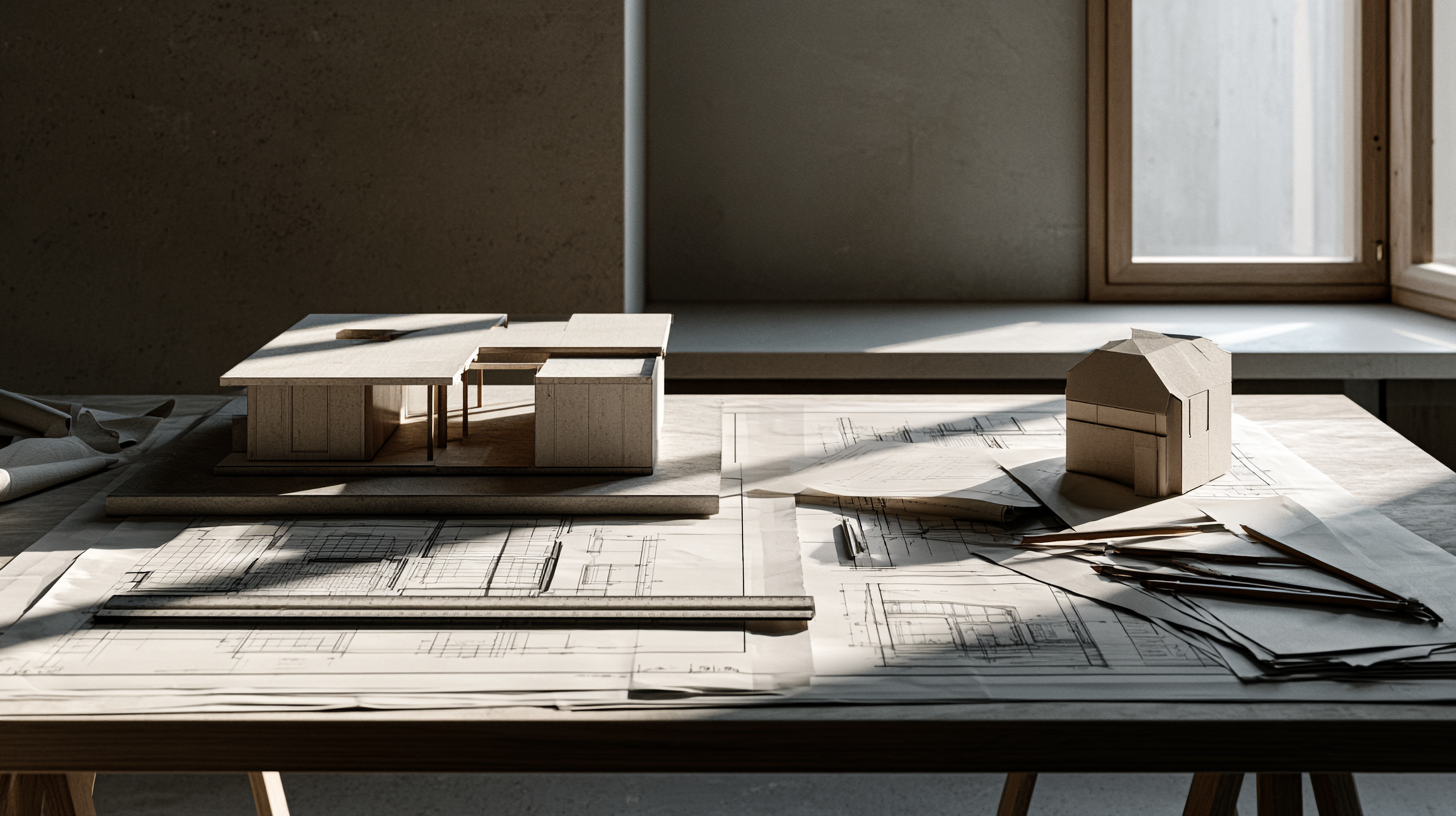
A project architect is the licensed professional who owns the design and the technical drawings for a specific job. This is not an entry level title. It usually goes to an architect with several years of experience who can run a project team, coordinate consultants, and answer for the building’s quality and code compliance.
Their work spans the full lifecycle: schematic design, design development, construction documents, and construction administration. During the build itself, the project architect reviews shop drawings and submittals, responds to requests for information from the contractor, and visits the site to confirm that what gets built matches the intent. If you want the full sequence of phases this role moves through, the RIBA work stages map it out stage by stage.
The project architect answers to the client on design and to the firm’s principal on quality. They are the guardian of the drawings. When a contractor proposes a cheaper window detail, the project architect decides whether it holds the design intent and meets the spec. That single judgment call separates this role from pure project administration. They also coordinate structural, mechanical, and electrical consultants so the drawings stay consistent across every discipline.
What Is a Construction Project Manager?
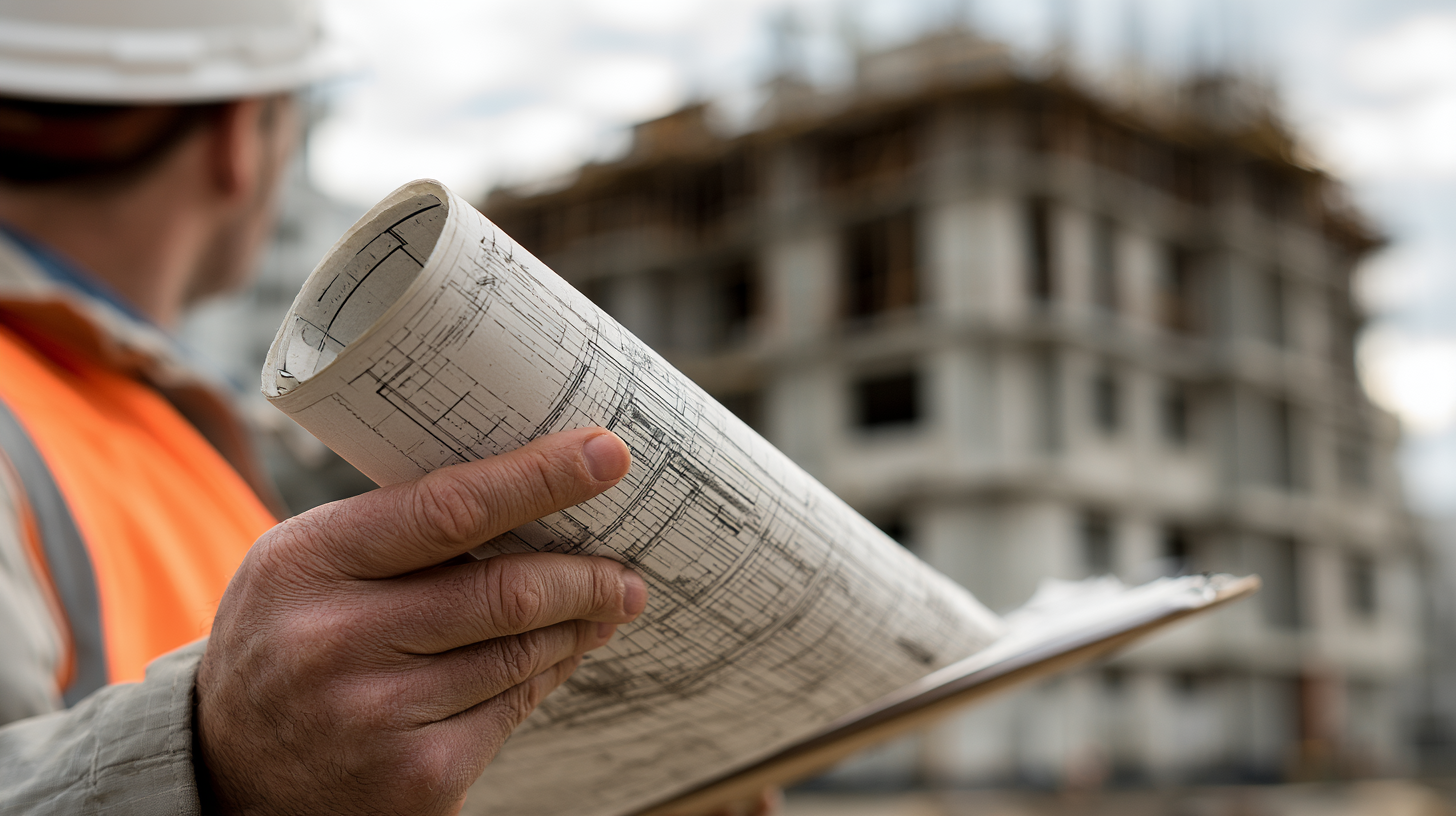
A construction project manager runs the delivery of the building as a business operation. Their job is to bring the project in on time, on budget, and within scope. The Project Management Institute defines a project manager as the person accountable for planning, executing, and closing a project, and on a construction site that means schedules, procurement, contracts, and risk.
A construction project manager may work for the owner, the general contractor, or a dedicated project management firm. They track the critical path, chase long lead items, manage subcontractor coordination, and report cost forecasts to the client. A single slipped milestone can ripple across dozens of trades, so much of the job is spotting that risk early and resequencing the work before it stalls. They are less concerned with whether a cornice reads well and more concerned with whether the steel arrives the week it is scheduled.
Some project managers come from a construction or engineering background rather than design. Others are architects who moved into delivery. That crossover is common enough that many firms now treat construction management skills as a way for architects to widen their value.
Project Architect vs Project Manager: Core Differences at a Glance
The clearest way to see the project architect vs project manager split is to line up their responsibilities side by side. The table below compares the two roles across the factors that matter most on a live job.
Comparison Table: Project Architect vs Construction Project Manager
| Factor | Project Architect | Construction Project Manager |
|---|---|---|
| Primary goal | Protect design quality and code compliance | Deliver on time, on budget, within scope |
| Owns | Drawings, specifications, design intent | Schedule, budget, procurement, contracts |
| License | Registered architect required | License not required; PMP often preferred |
| Background | Architecture and design training | Construction, engineering, or architecture |
| Reports to | Firm principal and client on design | Owner or contractor on delivery |
| Key risk they manage | Design errors, code failures, quality loss | Cost overruns, delays, scope creep |
💡 Pro Tip
On the first coordination meeting, confirm in writing who holds authority over change orders. A common source of friction is the project manager approving a substitution to save schedule while the project architect rejects it on quality. Naming the decision owner in the contract upfront prevents weeks of disputed instructions later.
Where the Two Roles Overlap on Site

The line is rarely clean. Both roles attend the same meetings, read the same drawings, and answer to the same client. A strong project architect thinks about constructability and cost, and a strong project manager respects design quality. The overlap is widest during construction administration, when submittals, RFIs, and field changes need both a technical answer and a schedule decision.
Communication is the shared skill. Each role spends much of the week translating between parties: the architect explains intent to the builder, the manager explains constraints to the designer. That demand for clear coordination is why essential skills every architect needs now include project management literacy, not just drawing ability.
The difference shows up under pressure. When the budget is tight and the deadline is close, the project architect pushes to hold the design and the construction project manager pushes to hold the schedule. Good projects keep that tension productive rather than personal.
Architect vs Project Manager Salary: How the Numbers Compare
Pay is one of the most searched parts of the architect vs project manager salary question, and the gap is real. Construction managers tend to out-earn architects at the median, mostly because they carry direct accountability for multimillion dollar budgets and schedules.
🔢 Quick Numbers
- Median annual wage for architects was $96,690 in May 2024 (U.S. Bureau of Labor Statistics).
- Median annual wage for construction managers was $106,980 in May 2024 (U.S. Bureau of Labor Statistics).
- Construction manager employment is projected to grow 9% from 2024 to 2034, versus 4% for architects (U.S. Bureau of Labor Statistics).
Those figures, drawn from the BLS profiles for architects and construction managers, are national medians. Location, firm size, and specialization shift the picture, sometimes by a wide margin. For a deeper breakdown by experience level and state, our guide to architect salary by role and experience covers where the higher numbers actually land.
One thing the medians hide: a senior project architect at a respected design firm can out-earn a junior project manager, and vice versa. Title alone does not set pay. Responsibility, reputation, and the size of the projects you control do.
Salary figures are approximate and vary by region, firm size, employer type, and individual experience.
Project Manager vs Architect Role: Which Path Fits You?

If you are choosing between the two, the question is what you want to be accountable for. The project manager vs architect role decision usually splits along one fault line: do you want to protect the idea, or deliver the building? Both matter, but they reward different instincts.
Architects who enjoy negotiation, logistics, and broad leadership often move toward project management, where the skill set transfers across industries far beyond buildings. Those who care most about the finished space and its detailing tend to stay on the design track. This is a different fork from the architect versus engineer roles question, which is about design versus technical analysis rather than design versus delivery.
⚖️ Pros & Cons at a Glance
✔️ Moving into project management: higher earning ceiling, leadership scope, skills that transfer to any industry
✖️ Trade-offs: less hands-on design, heavier administrative load, more distance from the creative core of the work
For architects who want to keep one foot in design while adding delivery credentials, a project management certification such as the PMP, or membership in a professional body, can open the door. The American Institute of Architects (AIA) and the Project Management Institute (PMI) both publish resources that map how design training and delivery training fit together.
Construction project manager vs architect is not a contest over who matters more. A building needs both: someone who holds the vision and someone who holds the plan. The strongest teams treat the friction between those two jobs as a feature, not a flaw, because the tension is what keeps quality and budget honest at the same time.
Going forward, expect the line to blur further as more architects pick up delivery skills and more managers learn to read design intent. The professionals who understand both sides of the table, rather than just their own seat, are the ones who will run the next generation of complex projects.






How to Present Your Work in an Architecture Portfolio Interview
Reaching the interview means your work earned a closer look, but presenting...
Furkan Sen7 Mins read

Architect vs Engineer: Roles, Salary & Key Differences
Architects and engineers both shape the built environment, but their education, daily...
Furkan Sen8 Mins read

Architecture Student Internships: How to Find, Apply & Succeed in 2026
Architecture student internships are essential for bridging academic training with professional practice....
 Sinan Ozen12 Mins read

Architect Hours of Work: How Many Hours Do Architects Really Work?
Architect hours of work range from a standard 40-hour week to 50–70...
Furkan Sen8 Mins read


Leave a comment