

What to Look for in a Graphic Design University if You Want to Master Architectural Presentation
Discover essential factors to consider when selecting a graphic design university to master architectural presentations and enhance your design skills.
 illustrarch Editoral Team25 July 20264 Mins read215

Table of Contents Show
Choosing the right graphic design university can shape how effectively you communicate architectural ideas through compelling visual storytelling.
Architectural presentation goes far beyond creating attractive renderings because it combines design principles, technical precision, branding, typography, and visual communication into a single, persuasive presentation.
Whether you’re creating a competition board, pitching a commercial project, or presenting a residential concept to a client, the way your ideas are displayed often influences how they are understood.
Students who want to specialize in this creative intersection should look for a program that teaches both artistic thinking and practical industry skills.
If you’re researching programs, exploring a reputable graphic design university can help you understand how professional design education prepares students for visually driven careers.
Why Architectural Presentation Requires More Than Design Software
Many beginners assume that mastering Photoshop, Illustrator, or 3D rendering software is enough.
In reality, software is only a tool, while successful presentations depend on composition, hierarchy, storytelling, color psychology, and audience engagement.
Imagine two students presenting the same building concept.
One fills the presentation board with random diagrams, inconsistent fonts, and overcrowded layouts.
The other organizes information with clear spacing, strong typography, balanced colors, and visual flow that naturally guides the viewer’s eye.
The second presentation immediately feels more professional, even if both projects are technically identical.
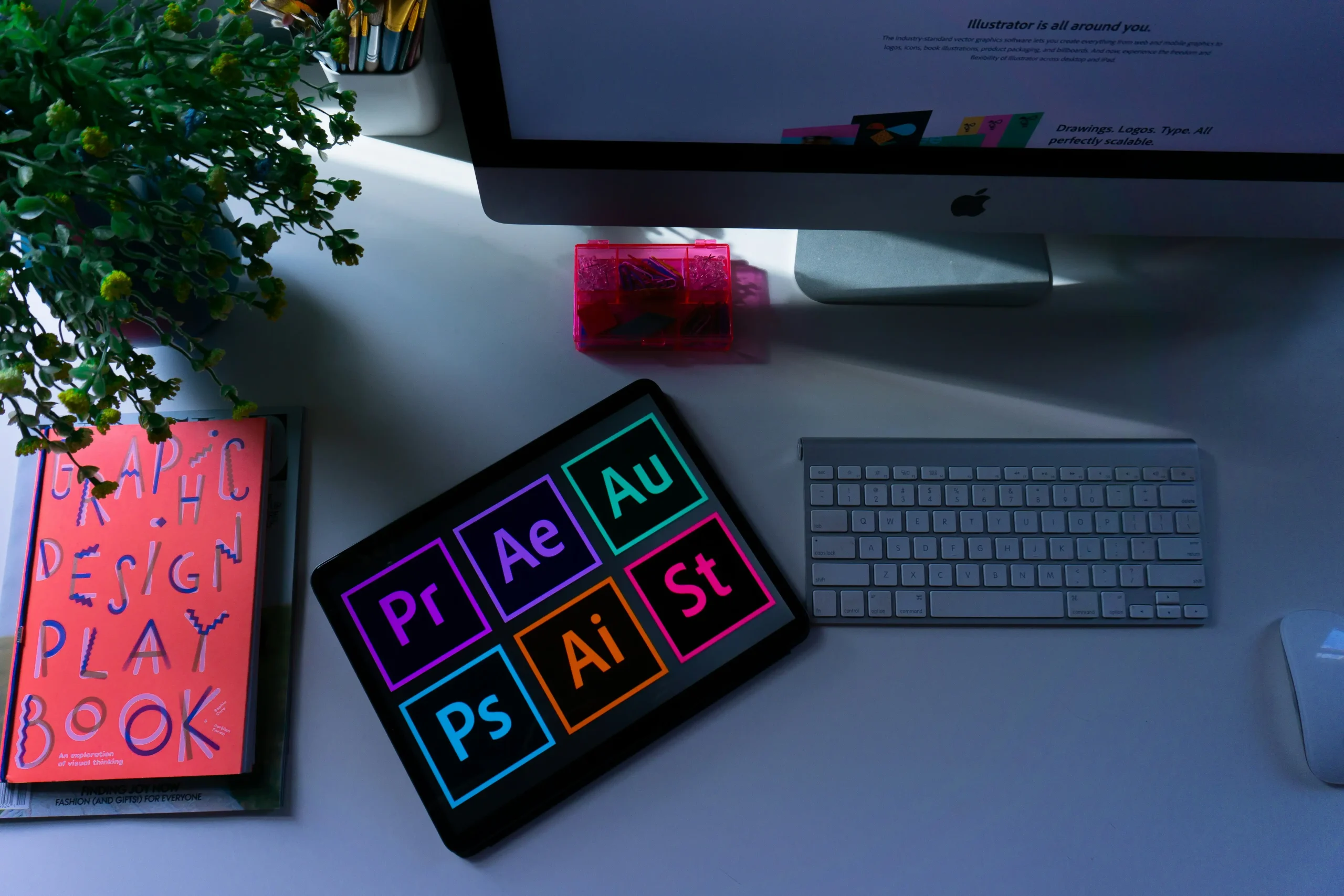
That difference comes from design education rather than software tutorials.
Look for a Curriculum That Builds Strong Design Fundamentals
A quality program starts with fundamentals before introducing advanced creative projects.
Courses should cover visual hierarchy, typography, color theory, layout design, branding, digital illustration, and composition.
These subjects may seem unrelated to architecture at first.
However, they directly influence how architectural drawings, floor plans, concept sketches, and client presentations are interpreted.
For example, choosing the wrong font or inconsistent spacing can make a premium architectural proposal appear disorganized.
On the other hand, thoughtful design choices improve readability and create a polished, professional impression.
Typography Matters More Than Most Students Realize
Typography often becomes the invisible factor behind successful presentations.
Clean headings, readable labels, and carefully selected typefaces help viewers process information without distraction.
Architectural portfolios frequently include technical details alongside creative visuals.
When typography is well executed, the entire presentation becomes easier to understand.
Choose a Program That Encourages Visual Storytelling
Every architectural project tells a story.
A presentation should explain the problem, the design process, and the final solution without overwhelming the audience.
Strong visual storytelling helps clients understand why specific materials, layouts, or structural decisions were made.
Instead of presenting isolated renderings, students learn to build a logical narrative using sketches, diagrams, mood boards, floor plans, and final visualizations.
For example, a presentation for a sustainable home becomes much stronger when it visually explains how natural lighting, ventilation, and material selection contribute to energy efficiency.
The audience doesn’t just see the building.
They understand the thinking behind it.
Hands-On Projects Create Real-World Confidence
Theory is important, but practical experience develops confidence.
The best design programs include portfolio projects, collaborative assignments, branding exercises, digital media production, and presentation critiques.
Working on real design challenges teaches students how to solve creative problems under deadlines.
Constructive feedback also helps identify weaknesses that might otherwise go unnoticed.
A student who regularly presents work in class becomes much more comfortable explaining creative decisions during internships or client meetings.
Industry Software Should Support Creative Thinking
Learning professional software remains an essential part of design education.
Students should become comfortable using applications for photo editing, vector graphics, page layout, digital illustration, and motion graphics.
However, the goal should never be memorizing buttons or shortcuts.
Instead, software should become an extension of creative thinking.
For instance, knowing when to simplify a presentation board often matters more than adding another visual effect.
Professional designers understand that clarity usually creates a stronger impression than excessive decoration.
Portfolio Development Should Be a Priority
Employers rarely hire designers based solely on academic transcripts.

Instead, they evaluate portfolios.
A strong portfolio demonstrates creativity, technical ability, consistency, and problem-solving skills.
Students should graduate with projects that showcase different strengths, including branding, editorial layouts, digital graphics, presentation boards, environmental graphics, and visual identity systems.
Someone interested in architectural visualization should include projects that demonstrate effective layout design, architectural graphics, concept development, and client-focused presentations.
A diverse portfolio shows versatility while highlighting a clear creative direction.
Seek Opportunities for Collaboration
Architecture rarely happens in isolation.
Designers often collaborate with architects, engineers, marketing teams, interior designers, photographers, and construction professionals.
Programs that encourage interdisciplinary projects prepare students for real workplace dynamics.
For example, collaborating on a campus exhibition may involve designing promotional materials, presentation panels, digital assets, and event branding while coordinating with multiple team members.
These experiences build communication skills alongside technical expertise.
Faculty Experience Makes a Difference
Experienced instructors bring valuable industry knowledge into the classroom.
Rather than teaching only textbook concepts, they can explain current design trends, client expectations, production workflows, and portfolio standards.
Students also benefit from mentorship during major projects.
Receiving guidance from professionals who understand commercial design challenges helps bridge the gap between education and employment.
Their feedback often reflects what employers actually expect from entry-level designers.
Don’t Overlook Presentation and Communication Skills
Great visuals alone cannot carry every presentation.
Students should also learn how to explain design decisions confidently.
Presenting work to classmates, instructors, or review panels improves public speaking and professional communication.
Imagine presenting an urban redevelopment proposal to potential investors.
Strong visuals capture attention.
Clear communication builds trust.
Together, they create a persuasive presentation that leaves a lasting impression.

Keep an Eye on Emerging Design Trends
The creative industry evolves quickly.
Artificial intelligence, interactive media, augmented reality, motion graphics, and immersive visualization continue changing how ideas are presented.
A forward-thinking program introduces students to these developments while reinforcing timeless design principles.
Technology will continue changing.
Good visual communication, however, will always remain valuable.
Students who understand both traditional design foundations and emerging digital tools become more adaptable throughout their careers.
Conclusion
Choosing the right educational path involves much more than comparing course lists or software training.
The strongest programs develop creative thinking, communication skills, technical expertise, portfolio quality, and visual storytelling in equal measure.
For students who want to create impactful architectural presentations, these abilities become just as important as understanding the structures themselves.
When design education emphasizes both creativity and practical application, graduates leave prepared to communicate ideas with clarity, confidence, and professionalism in an increasingly competitive creative industry.






Futuro House Production Revived in Finland After Decades-Long Hiatus
A Facebook listing for abandoned moulds led to the first new Futuro...
illustrarch Editoral Team3 Mins read

Building Your Dream Home in NSW: What You Should Know About Montgomery Homes
Montgomery Homes has been building across Sydney, Newcastle, the Hunter, Wollongong and...
illustrarch Editoral Team4 Mins read
Designing a Home Theater: Where Drapery Fits Into the Plan
In a media room the curtains are a performance layer, not decoration....
illustrarch Editoral Team3 Mins read

Oscar Niemeyer’s Cathedral of Brasília: The Hyperboloid Concrete Hymn
The Cathedral of Brasília reads as a single gesture, yet it stood...
 Furkan Sen7 Mins read


Leave a comment