

Orhan Ayyüce, Los Angeles Architecture Educator and Writer, Dies at 75
Architect, educator and Archinect writer Orhan Ayyüce, a fixture of Los Angeles architectural culture, has died at 75 in Albuquerque.
 illustrarch Editoral Team3 October 20263 Mins read1
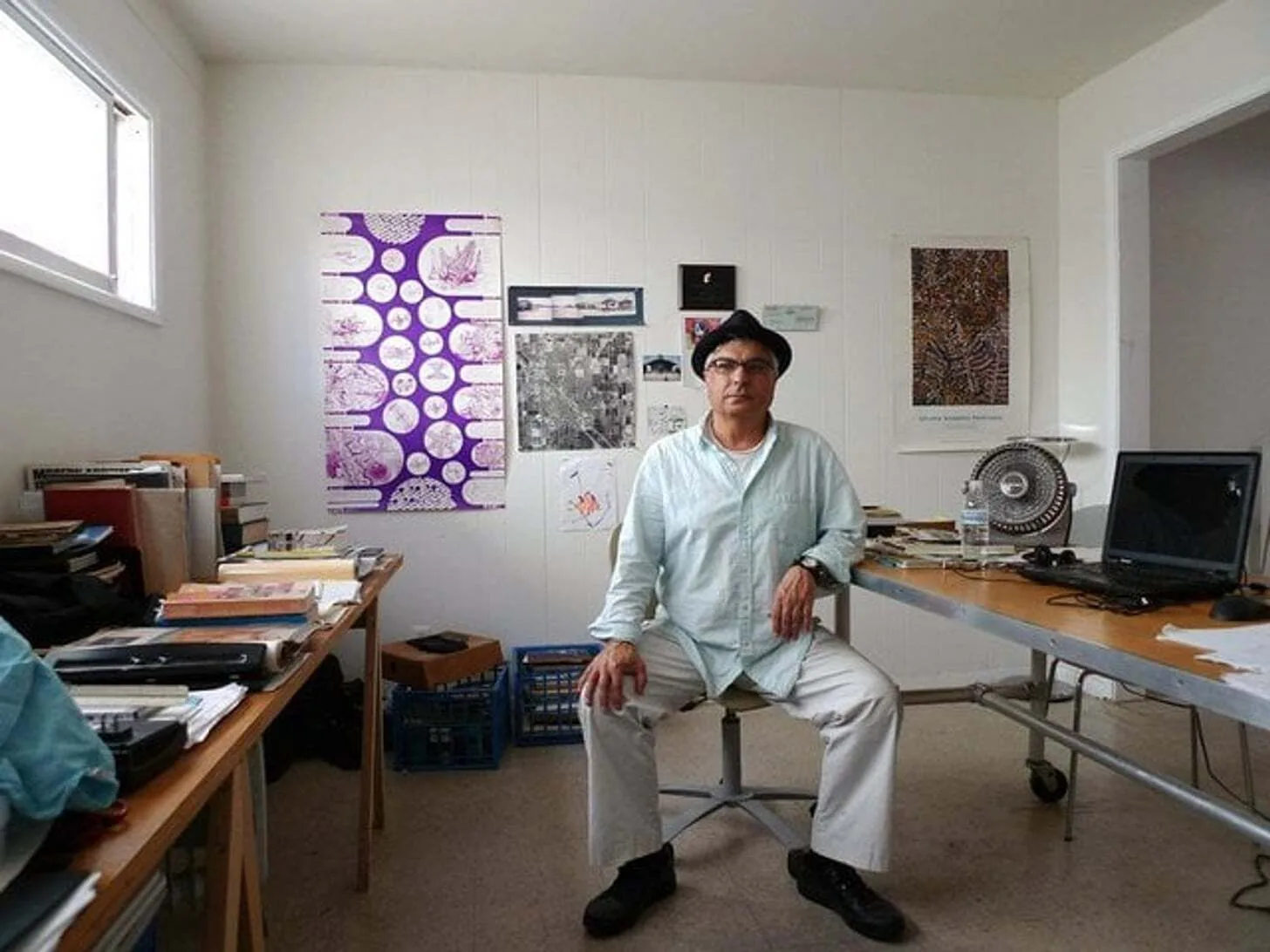
Orhan Ayyüce, an architect, teacher and writer who spent decades chronicling and shaping architectural culture in Los Angeles, died at his home in Albuquerque, New Mexico, on September 20. He was 75.
Ayyüce had relocated to Albuquerque only months earlier, in June, after retiring from his teaching post at East Los Angeles College. He and his wife, Tina Simon, settled into a condominium in a building designed by Antoine Predock. Friends say he intended to use his retirement to write, possibly a book, and had spoken of wanting to look back at Los Angeles from a distance, believing that separation from the city would sharpen his understanding of it.
Orhan Ayyüce’s road into architecture
Ayyüce was born in İzmir, Turkey, and arrived in the United States in the 1970s expecting to stay only a few months while visiting a sister in Sacramento. He never left, eventually settling in Los Angeles. A community college teacher and admirer of Frank Lloyd Wright, Walter Harvey, is credited with pushing him toward architecture as a field of study. That encouragement led him to an AIA convention, where he crossed paths with historian Esther McCoy, who sent him to a young institution then just getting off the ground, SCI-Arc, and to its founding director, Ray Kappe.
He enrolled at SCI-Arc in 1978 and later described spending two years effectively living out of the school, sleeping under his own desk, an anecdote he treated as a fitting introduction to the experimental spirit of the place. He graduated in 1981 and stayed tied to the school’s community for the rest of his life.
Los Angeles itself became something of a lifelong subject for him. He gravitated toward its sprawl, its immigrant neighborhoods, its freight yards and freeways, and the contradictions running through all of it. Speaking to PBS SoCal in 2012, he called his first encounter with the city “love at first sight,” saying its climate and coastline felt immediately familiar. He added: “I am a resilient character. I enjoy and identify with big, complex cities like this one.”
Teaching, Archinect and life after the classroom
Ayyüce taught at Cal Poly Pomona and Woodbury University before joining East Los Angeles College as a full-time architecture professor in 2013. He treated community college teaching as a mission in itself, working to open pathways into the profession for students who might not otherwise have had access to it. Cal Poly Pomona students voted him “Most Inspiring Instructor” in 2011, a distinction he liked to bring up. In 2026, AIA Los Angeles named him its “Educator of the Year.”
His classroom methods pushed students toward direct engagement with cities: mapping, photographing, interviewing, and simply walking through neighborhoods. That approach produced Constellations of Tijuana, a 2017 research project he built while teaching at Escuela Libre de Arquitectura, using fieldwork to document the border city from several angles at once.
For more than twenty years Ayyüce was also a fixture at Archinect, working as senior editor, writer and interviewer, and speaking with figures such as Frank Gehry, Carme Pinós and Francis Kéré. He used the platform as much to spotlight overlooked architects and projects as to cover famous ones, and his “Thread Central” discussion on the Archinect Forum grew into one of the site’s longest-running conversations. He also championed architect Glen Small’s ecological work, curating a 2013 exhibition on it, and pushed for the preservation of Richard Neutra’s VDL Research House, a building he regularly toured with his students.
Colleagues remember him as combative in the best sense. Sarah Lorenzen, a Cal Poly Pomona professor and friend of two decades, recalled long drives to talk architecture with Mike Davis and said of him, “He could really get people to talk.” Writer and critic Mimi Zeiger called him “a brilliant defender of the urban realm” and “a champion of critical voices.”
Ayyüce is survived by his wife, Tina Simon. Former student Noam Saragosti, who later led tours of the VDL house alongside him, wrote after his death that Ayyüce “really cared to make sure his students soaked up the architecture,” a line colleagues have echoed in remembering his decades in the classroom and at Archinect.



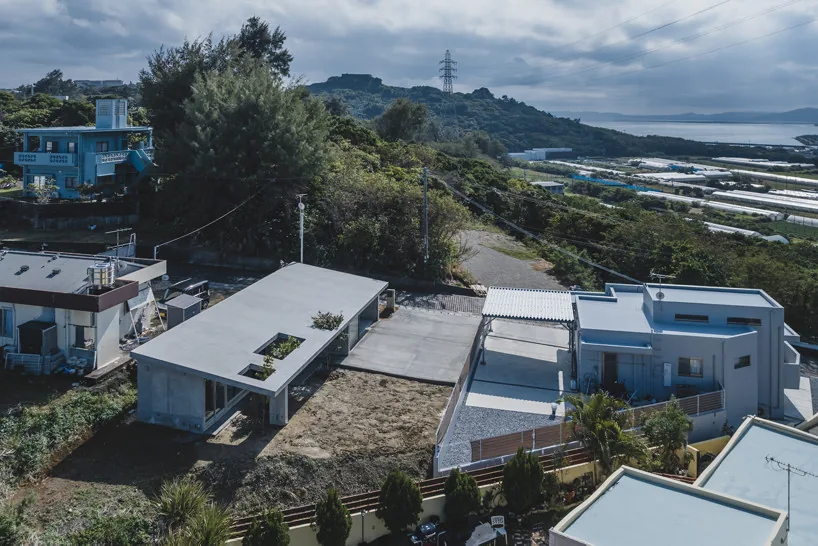
Overlapping Concrete Walls and One Roof Shape a House in Okinawa
IGArchitects built Overlapping Spaces in Okinawa from reinforced concrete walls, columns and...
illustrarch Editoral Team1 Mins read
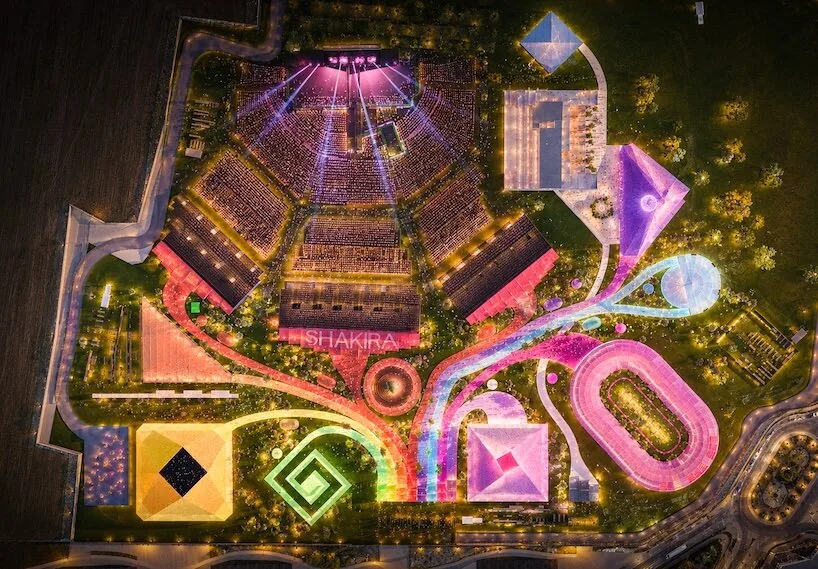
BIG Builds a Temporary City in Madrid Designed to Be Taken Apart
Bjarke Ingels Group turned a 185,000 square metre Madrid venue into Macondo...
illustrarch Editoral Team2 Mins read

ZHA-Led Consortium Presents Benghazi 2050 City Planning Framework
A seven-firm consortium including ZHA presented a spatial plan and digital twin...
illustrarch Editoral Team2 Mins read
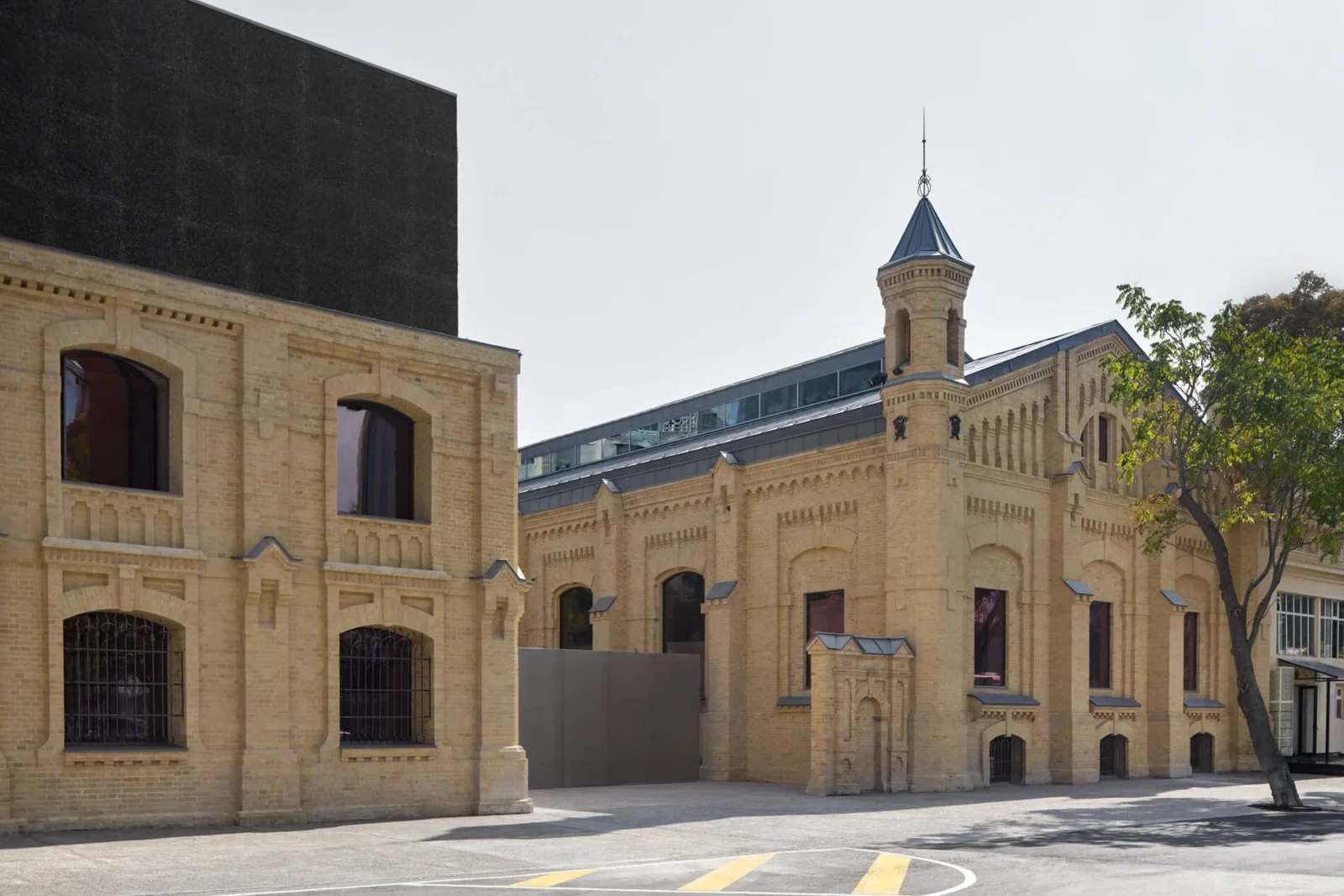
CCA Tashkent Opens in Studio KO’s Revamped 1912 Tram Depot
Studio KO has converted a 1912 Tashkent tram depot into CCA Tashkent,...
illustrarch Editoral Team2 Mins read


Leave a comment