

CCA Tashkent Opens in Studio KO’s Revamped 1912 Tram Depot
Studio KO has converted a 1912 Tashkent tram depot into CCA Tashkent, the flagship art venue of Uzbekistan's ACDF, opened with the group show Hikmah.
 illustrarch Editoral Team30 September 20262 Mins read66
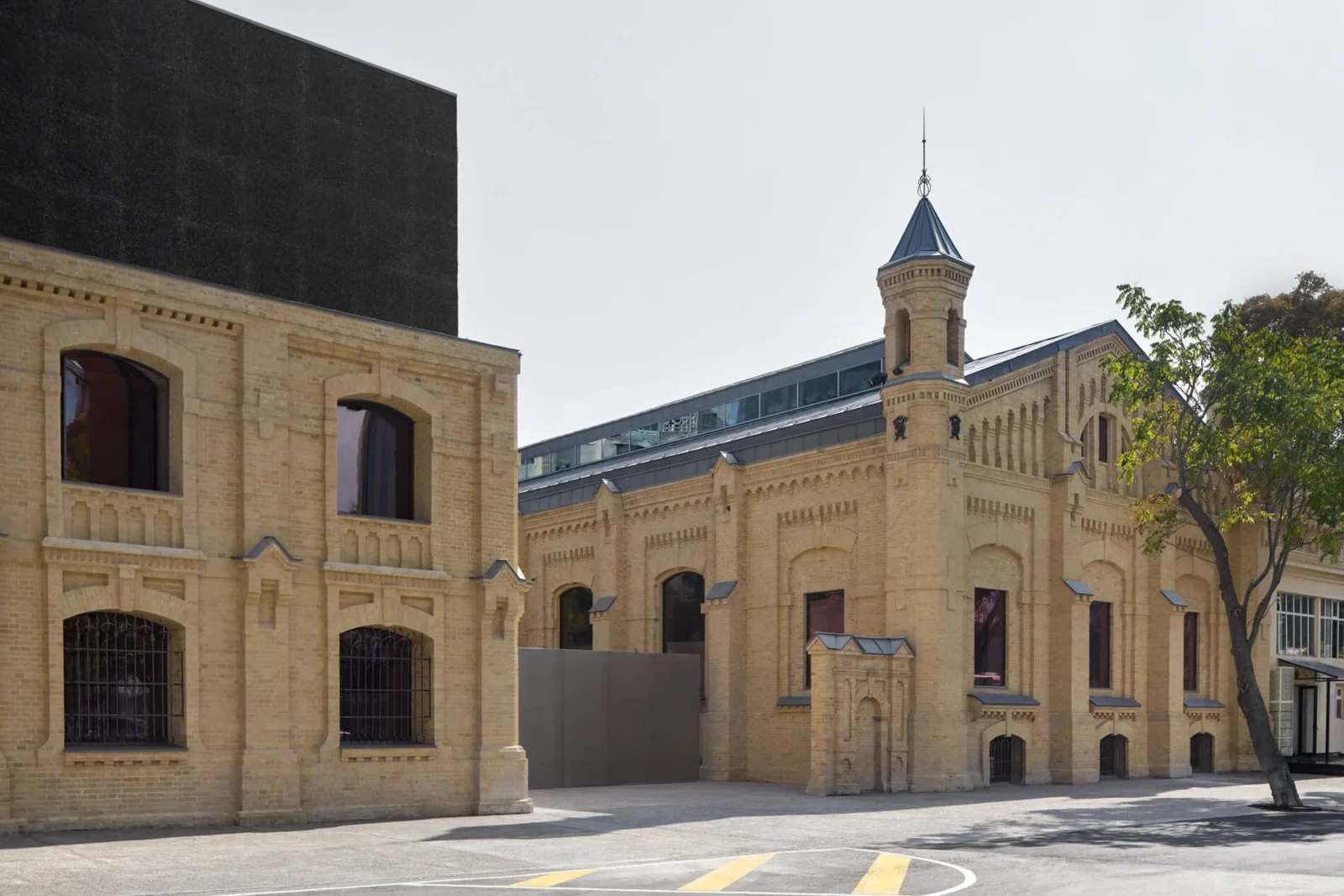
Uzbekistan now has a dedicated home for contemporary art. The Center for Contemporary Arts Tashkent (CCA Tashkent) opened to the public in September 2026 inside a former tram depot and diesel station built in 1912, converted by the Paris based architecture practice Studio KO.
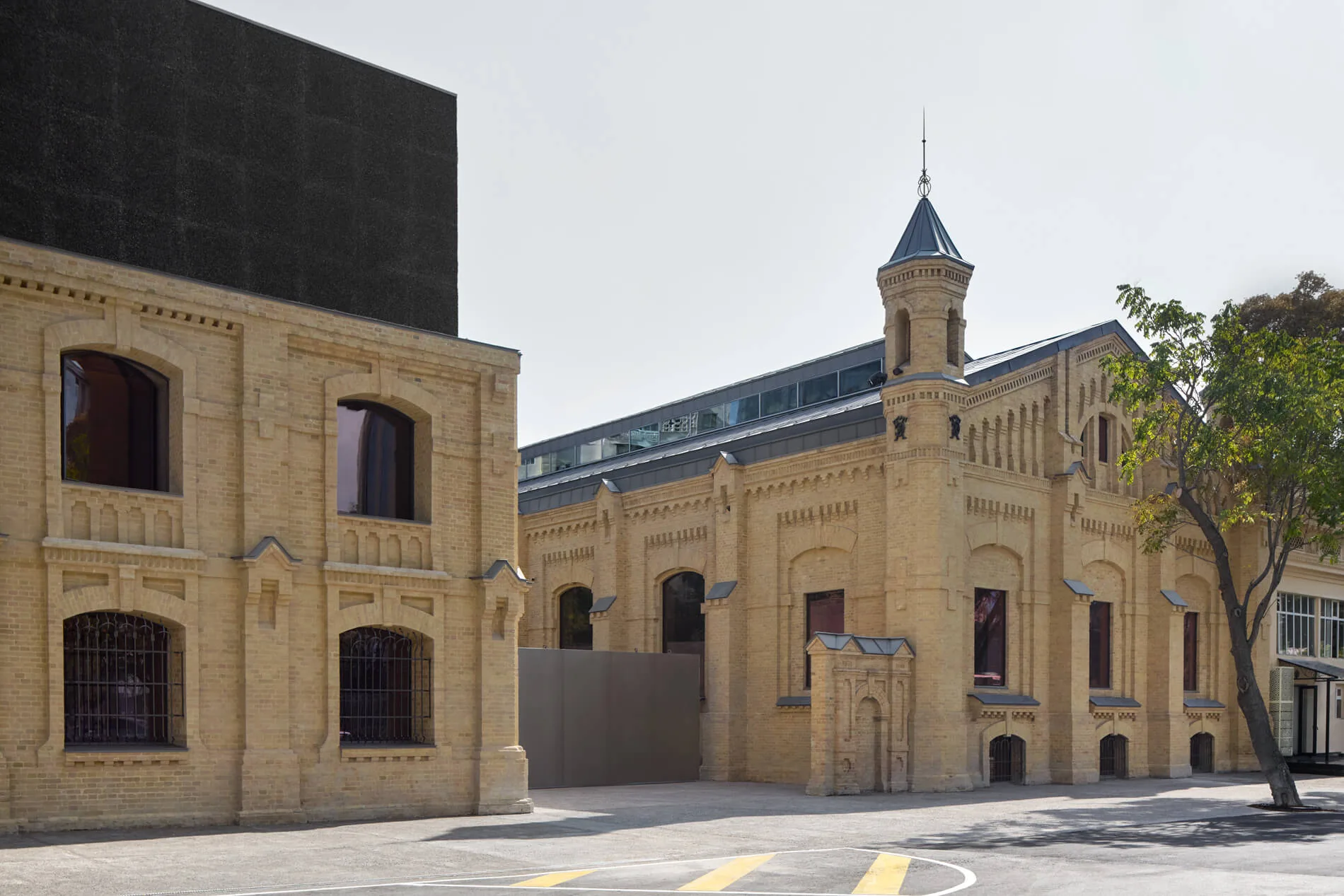
The institution is the flagship initiative of the Uzbekistan Art and Culture Development Foundation (ACDF), led by chairperson Gayane Umerova, with Sara Raza serving as artistic director and chief curator. It is one more case of an old building being given new life, and arrives as part of a wider cultural movement across the region driven by local preservationists, artisans, artists and architects alongside the foundation.
Inside CCA Tashkent’s former tram depot
The building was originally designed by Wilhelm Heinzelmann, the architect of several other prominent buildings in the city, and served Tashkent’s early tramway infrastructure. In 2019 the former depot was entrusted to the ACDF for redevelopment.
Studio KO founders Karl Fournier and Olivier Marty approached the conversion as an act of preservation rather than replacement. “In designing CCA Tashkent, we sought to honor the memory of a powerful industrial building while giving it a new poetic life,” they said in a joint statement.

The practice upgraded the structure for modern exhibition and event use while keeping its industrial character intact. The main diesel station is now the center’s central exhibition space, which the architects describe as remaining “largely untouched”, with early twentieth century Imperial era brick left exposed. Local artisans worked with Studio KO on a bespoke concrete mix made from regional materials, and the Rakhimov family ceramics studio in Tashkent, a local mainstay for artisanry, produced custom tiles for the building.
“Our work with traditional Uzbek materials and light filtering motifs allowed us to create a space that is both a contemplative and open one that can evolve alongside the diverse programmes and ideas it will host,” Fournier and Marty added. “The architecture is intended as a vessel for the spirit of contemporary art in Central Asia.”
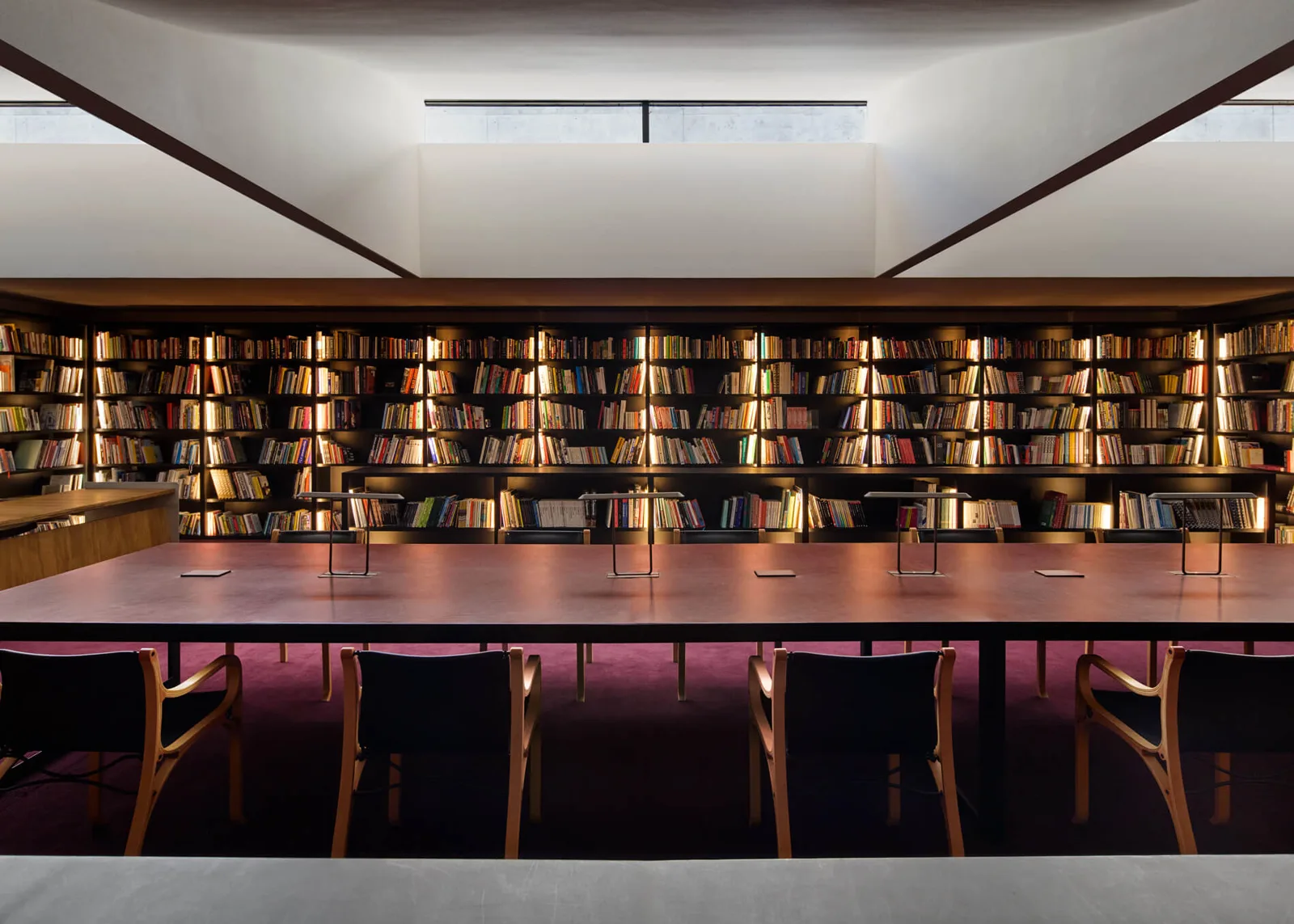
The depot’s former administrative hub now contains a bookshop and library holding art history, world literature and Oriental studies titles, and the courtyard will host gatherings, workshops and public programming such as screenings. A new sculptural stair was added to link the levels.
Hikmah opens the space to the public
The inaugural exhibition, Hikmah, stages installations by ten Uzbek and international artists: Ali Cherri, Nadia Kaabi-Linke, Kimsooja, Tarik Kiswanson, Vladimir Pan, Shokhrukh Rakhimov, Bakhtiyar Saipov, Daribay Saipov, Muhannad Shono and Nari Ward.
“Curatorially, Hikmah can be reframed as an exhibition ‘method’ for understanding the open ended relationship between art, material intelligence, and architecture,” Raza said in a statement. CCA Tashkent lists the show as running from 6 September 2026 to 31 January 2027.

CCA Tashkent arrives amid a broader wave of cultural investment in the country. The National Museum of Uzbekistan designed by Tadao Ando is expected to open in central Tashkent in 2028, and the second Bukhara Biennial launches next September. In July, at the 48th session of the World Heritage Committee in Busan, South Korea, UNESCO added the Heliocomplex industrial solar furnaces outside Tashkent to its World Heritage List.


A 2,500-Year-Old Solar Observatory in Puebla Is the First Group E Complex Found Outside the Maya Area
Archaeologists working for Mexico's INAH have confirmed that two platforms at Teteles...
illustrarch Editoral Team2 Mins read
India Art, Architecture & Design Biennale 2026: Ministry of Culture Opens Delhi Monuments
Delhi's monuments, including Purana Quila and the Red Fort, will host the...
illustrarch Editoral Team2 Mins read
Allentown Art Museum Leaves Its Venturi, Scott Brown Addition for a New Studios Architecture Building
The Allentown Art Museum is moving to a new Studios Architecture building...
illustrarch Editoral Team2 Mins read
Donald Insall, the Conservation Architect Who Led Windsor Castle’s Restoration, Dies at 100
Donald Insall, the British architect who turned conservation into a planning discipline...
illustrarch Editoral Team2 Mins read


Leave a comment