

Vitra Museum Stages First Major Geoffrey Bawa Retrospective in Decades
Vitra Design Museum opens the first major Geoffrey Bawa retrospective in 20 years, ahead of a 2027 run at M+ Hong Kong.
 illustrarch Editoral Team7 October 20262 Mins read1
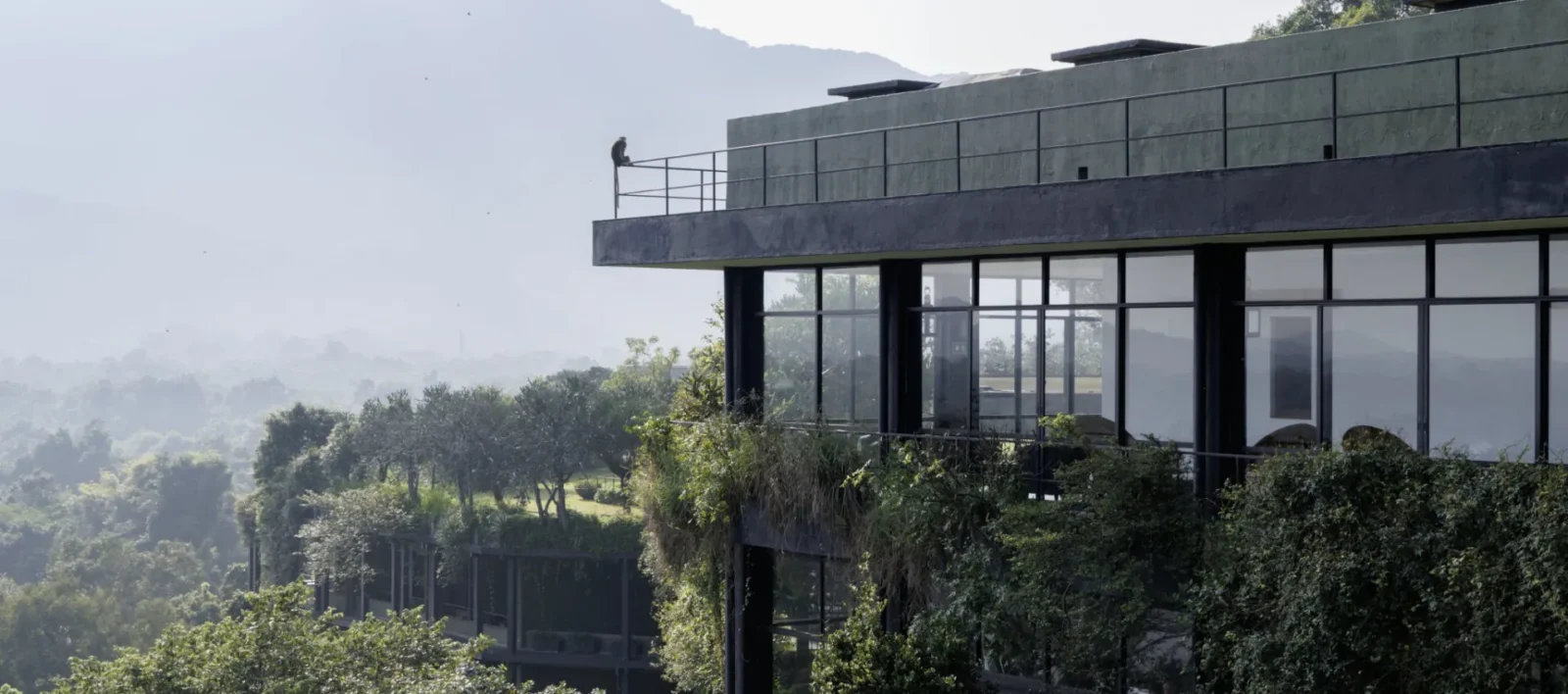
The Vitra Design Museum in Weil am Rhein, Germany, opens “Geoffrey Bawa: Architecture for the Senses” on September 26, 2026, marking the first large-scale survey of the Sri Lankan architect’s work in more than two decades. The show runs through February 28, 2027, before moving to M+ in Hong Kong from June 2027.
Bawa, who lived from 1919 to 2003, trained first as a lawyer before enrolling at the Architectural Association in London, graduating in 1957. Despite the late change of career, he went on to shape the built environment of Sri Lanka after independence, designing hotels, private houses, schools and the country’s parliament over roughly five decades and more than 200 projects. In 2001 he received the Aga Khan Chairman’s Award for his lifetime body of work.
Geoffrey Bawa: Architecture for the Senses
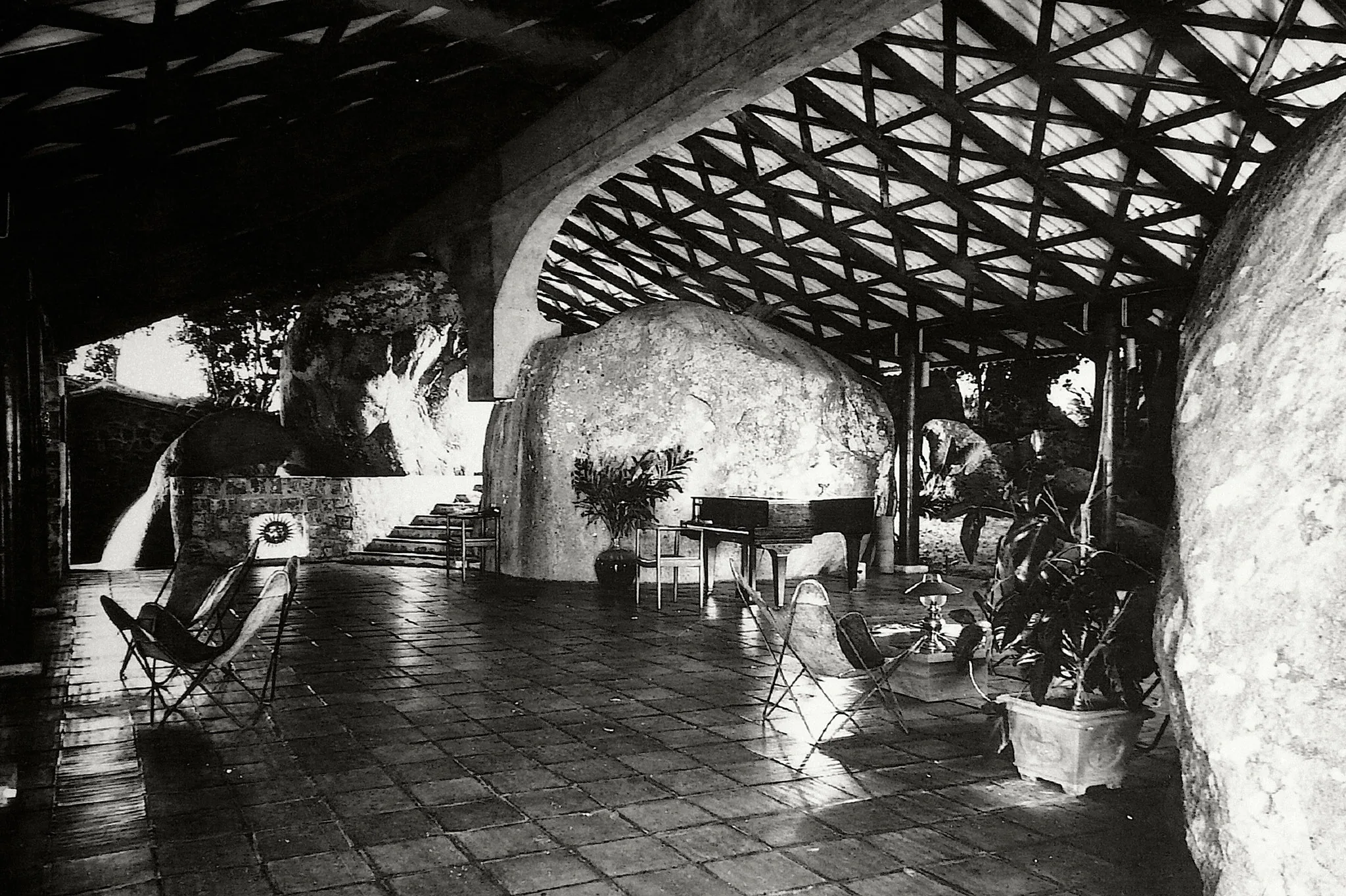
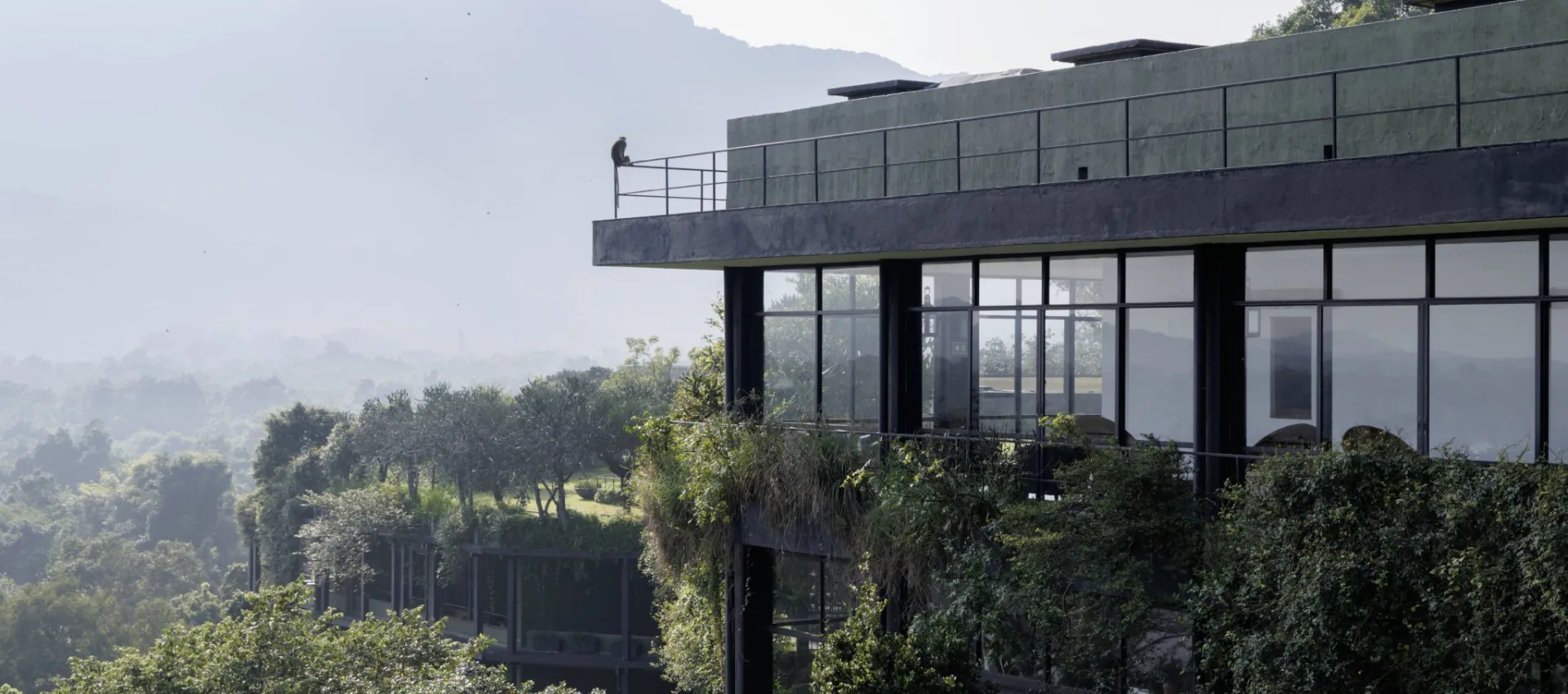
The exhibition assembles more than 250 objects, among them drawings, architectural models, furniture, films, artworks and photographs drawn largely from the Geoffrey Bawa Trust archive, supplemented by historical images from Sebastian Posingis and Dominic Sansoni. Newly commissioned photographs by Iwan Baan document several of Bawa’s best-known buildings as they stand today, capturing how they have aged into their sites. Featured projects span the Lunuganga garden estate, the Bentota Beach Hotel, the Kandalama Hotel, the Polontalawa Estate Bungalow and the Jayewardene House.
Lebanese architect Lina Ghotmeh designed the exhibition’s scenography, converting the museum galleries into what one preview called “an emotional, sensory environment” meant to echo the atmosphere of Bawa’s buildings themselves. His designs treated rock outcrops, mature trees, water and shifting ground levels as active parts of a building rather than obstacles to be cleared, dissolving the line between structure and site.
Craft, collaboration and a legacy beyond tropical modernism
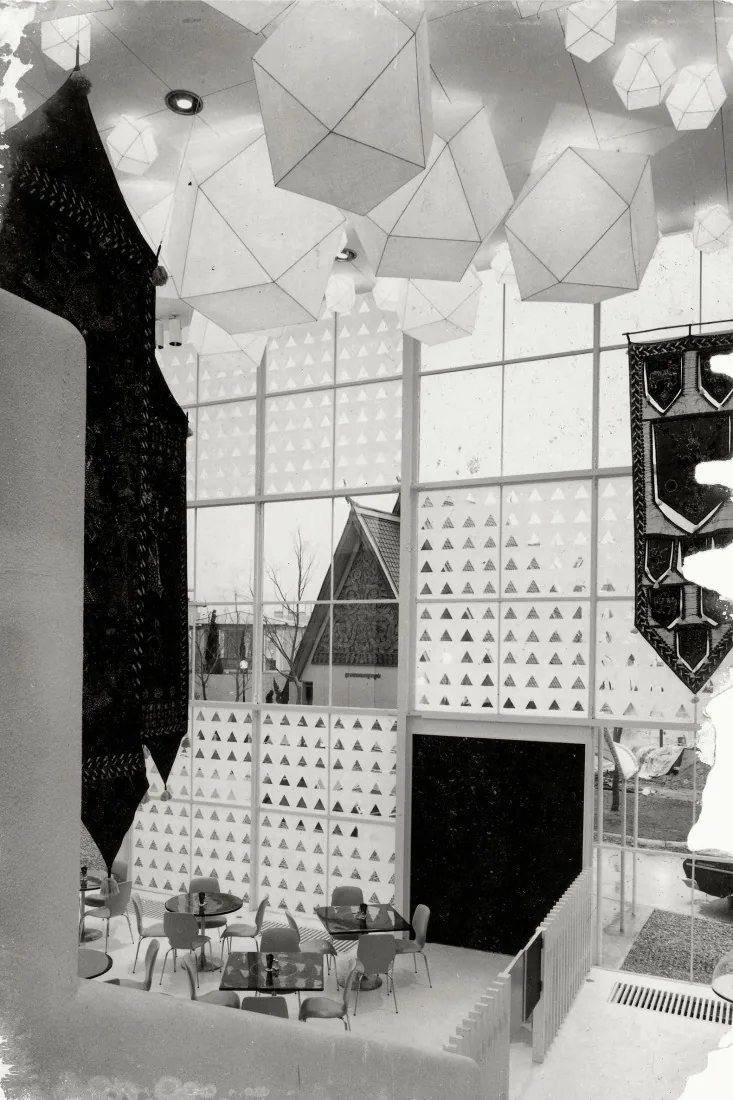
A recurring theme of the show is Bawa’s dependence on a circle of Sri Lankan artists and craftspeople, including Ena de Silva, Laki Senanayake and Barbara Sansoni. Their batik panels, sculpture and textile work were woven into his interiors as structural elements of the spatial experience rather than applied ornament, and their workshops doubled as social enterprises that trained and employed people locally.
Curators and organizers push back against the shorthand that has followed Bawa for years, that of a founding figure of tropical modernism. The exhibition instead frames him as someone whose thinking about ecology, collaborative practice and cultural rootedness anticipated concerns that architecture is only now catching up with. The project is organized jointly by the Vitra Design Museum, M+ and the Wüstenrot Foundation, working with the Geoffrey Bawa Trust.
An accompanying catalogue will carry essays, project documentation and interviews with architects Kengo Kuma, Tatiana Bilbao, Marina Tabassum and Lina Ghotmeh. After closing in Germany at the end of February 2027, the exhibition travels to Hong Kong, where M+ will present it from June 2027.



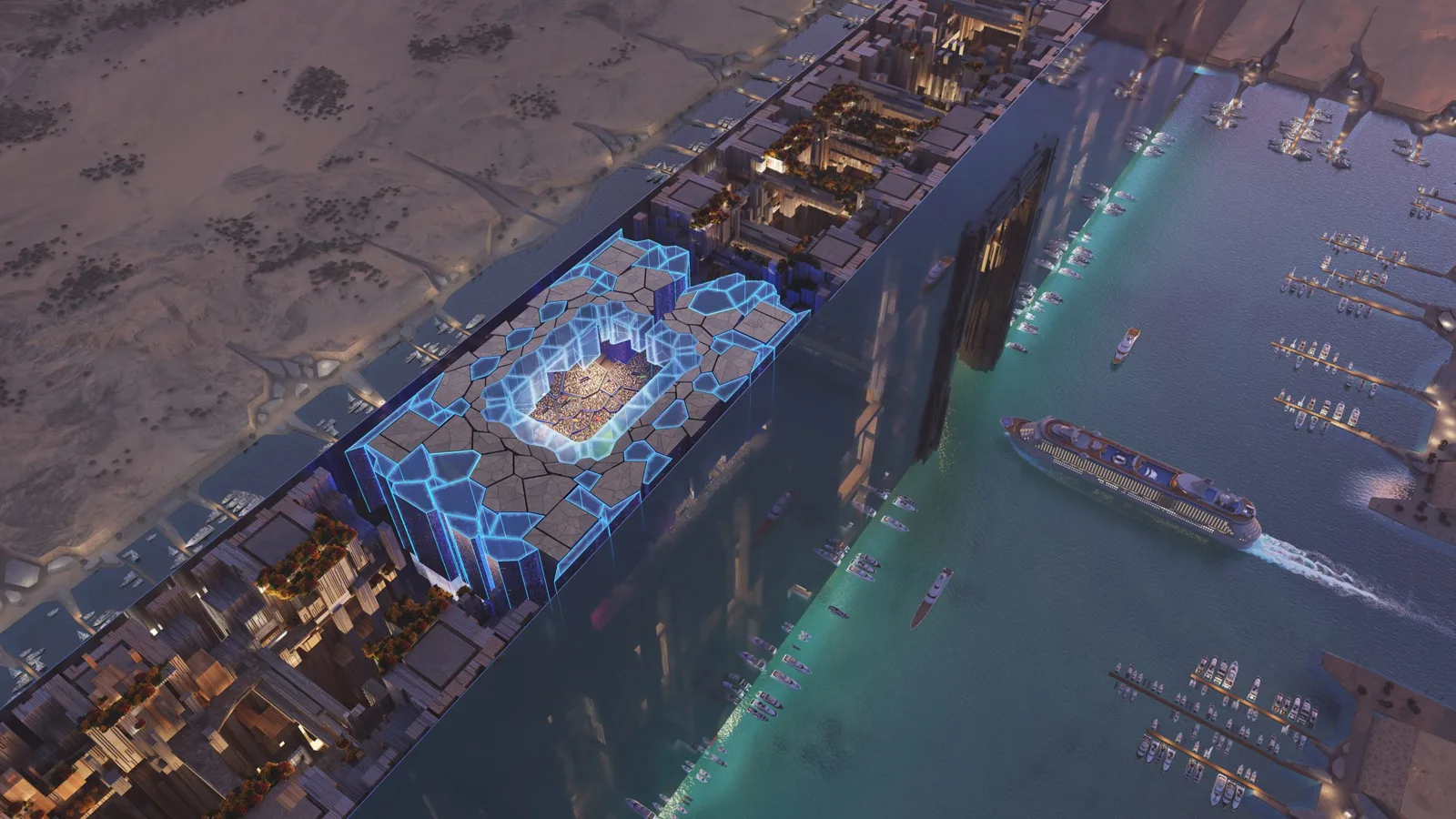
Neom Stadium, the Elevated 2034 World Cup Venue, Reportedly Shelved by Saudi Arabia
Two sources told Reuters that Saudi Arabia has put the 46,000 seat...
illustrarch Editoral Team2 Mins read
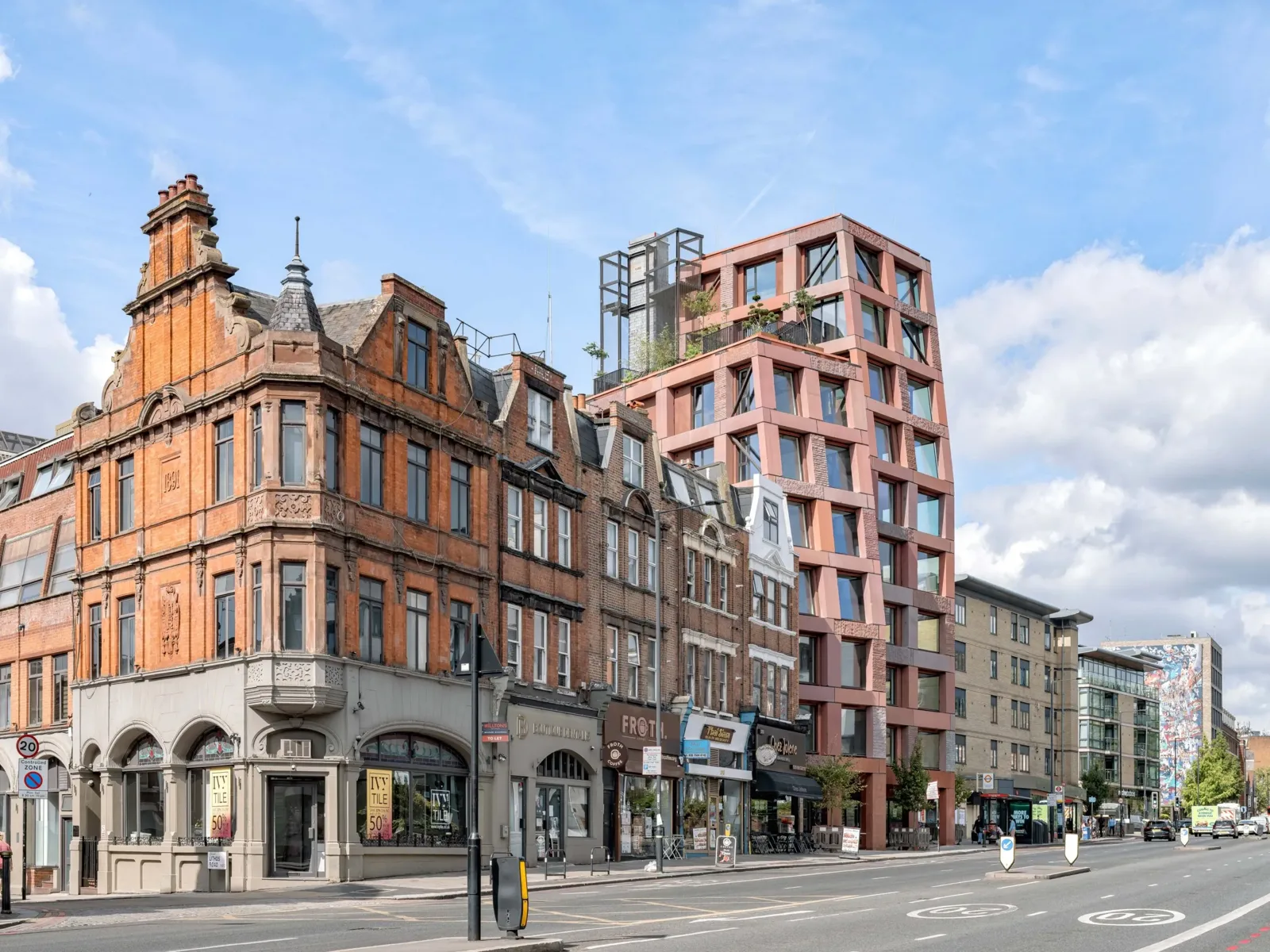
Groupwork Completes 10-Storey Loadbearing Granite Flats in London
Groupwork's Petra Heights on Finchley Road is a 10-storey block of 22...
illustrarch Editoral Team2 Mins read
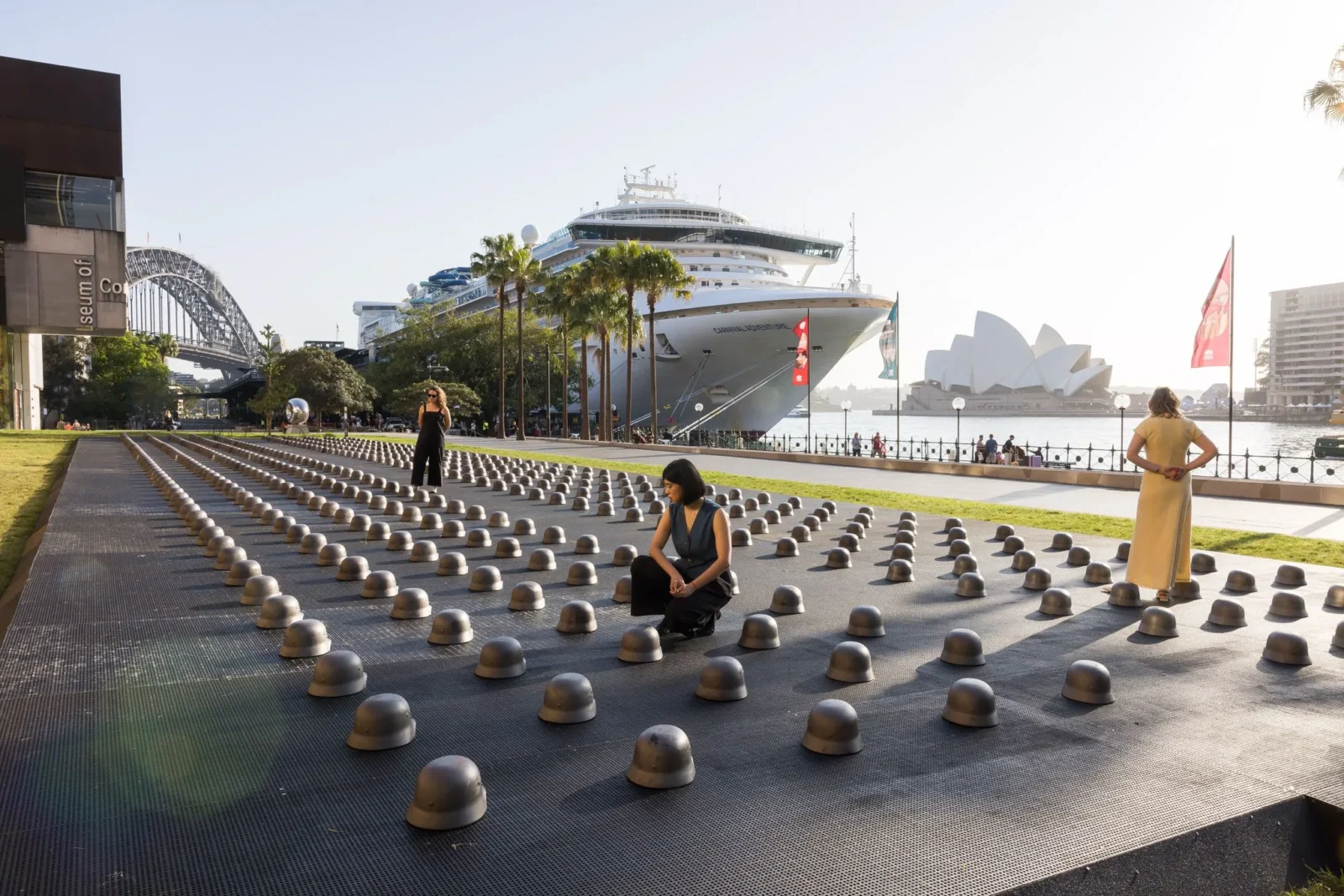
Ai Weiwei Installs 500 Cast-Iron Helmets Outside Sydney Museum
Ai Weiwei's 500 cast-iron helmets opened outside Sydney's MCA on 25 September,...
illustrarch Editoral Team2 Mins read
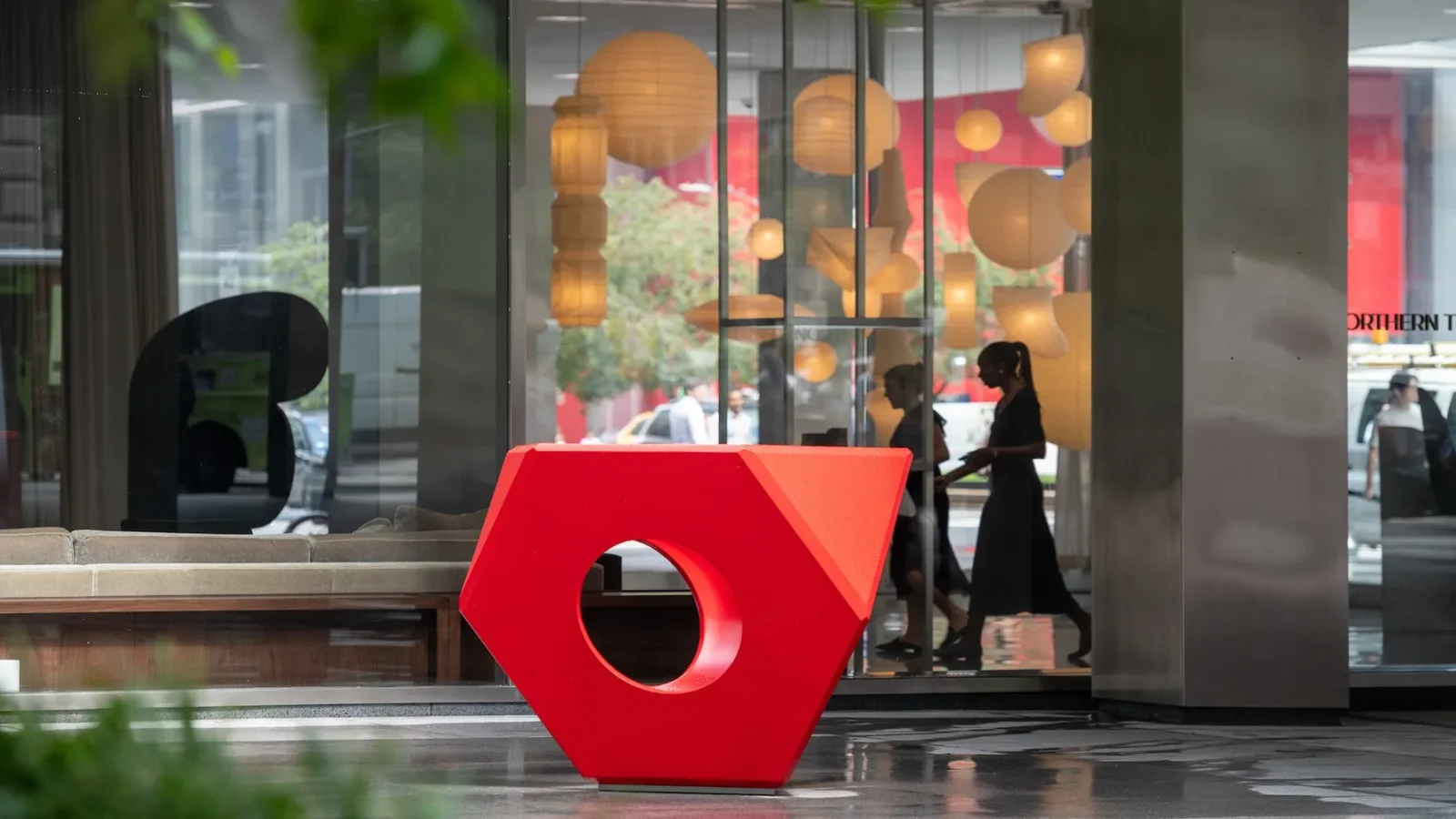
Isamu Noguchi at Lever House Traces Sculptor’s Decades-Long Collaboration with Bunshaft
Lever House's new exhibition pairs Noguchi sculptures with unbuilt garden designs made...
illustrarch Editoral Team2 Mins read


Leave a comment